

Hidden beneath our feet, in the soil we walk on, and even in the dust on our shelves, exists an entire universe of insects so small they’re completely invisible to the naked eye. These microscopic marvels have been living alongside us for millions of years, yet most people have never seen them or even know they exist. While we marvel at butterflies and beetles, these tiny creatures carry out their lives in a world measured in micrometers, where a single grain of sand becomes a mountain and a drop of water transforms into an ocean.
The Hidden World of Microscopic Arthropods
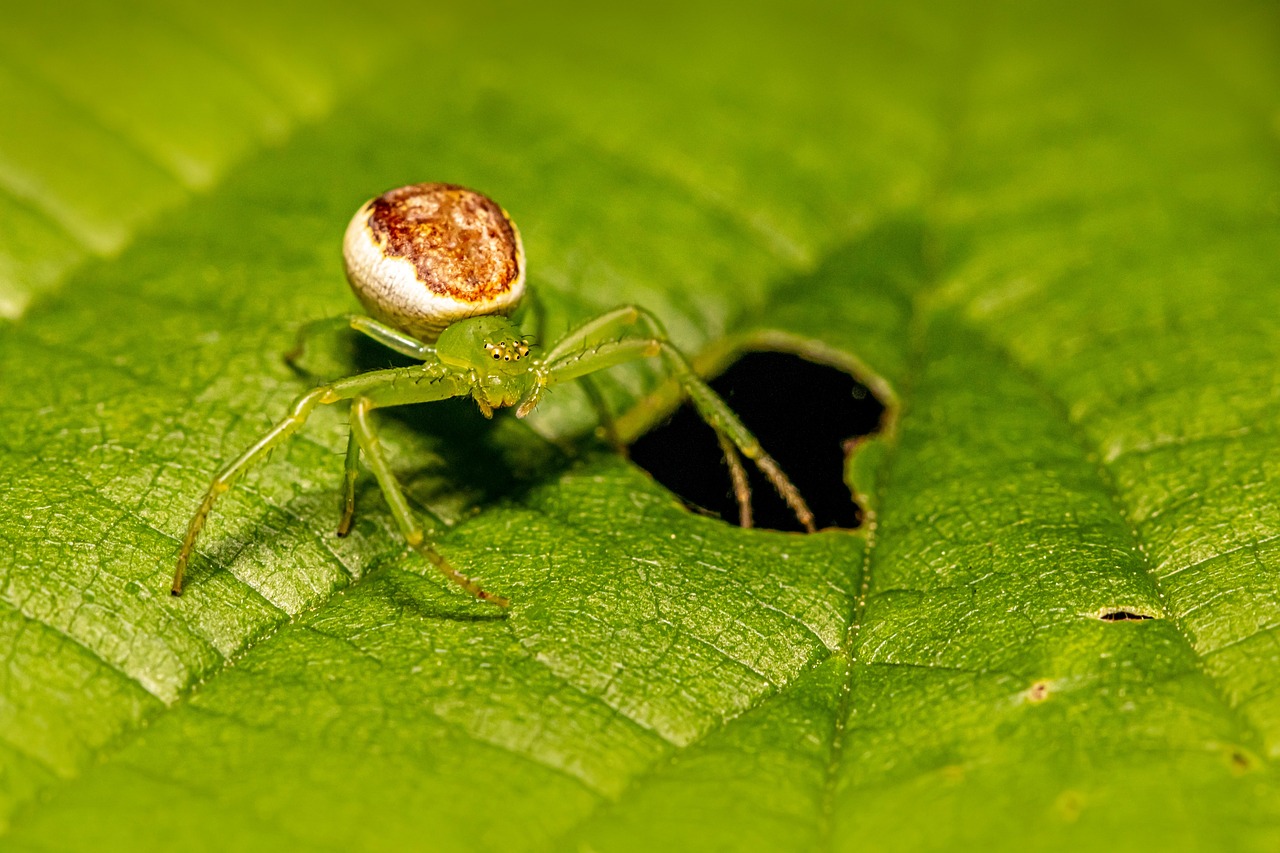
When we think of insects, we typically imagine creatures we can see buzzing around flowers or crawling across the ground. But the reality is far more fascinating and complex. Microscopic arthropods represent some of the most abundant life forms on Earth, with populations that dwarf even the most successful visible insects.
These creatures exist in a realm where surface tension becomes a major force, where static electricity can launch them into the air, and where a single breath of wind feels like a hurricane. Their world operates on completely different physical principles than ours, making their survival strategies absolutely remarkable.
Tardigrades: The Indestructible Water Bears
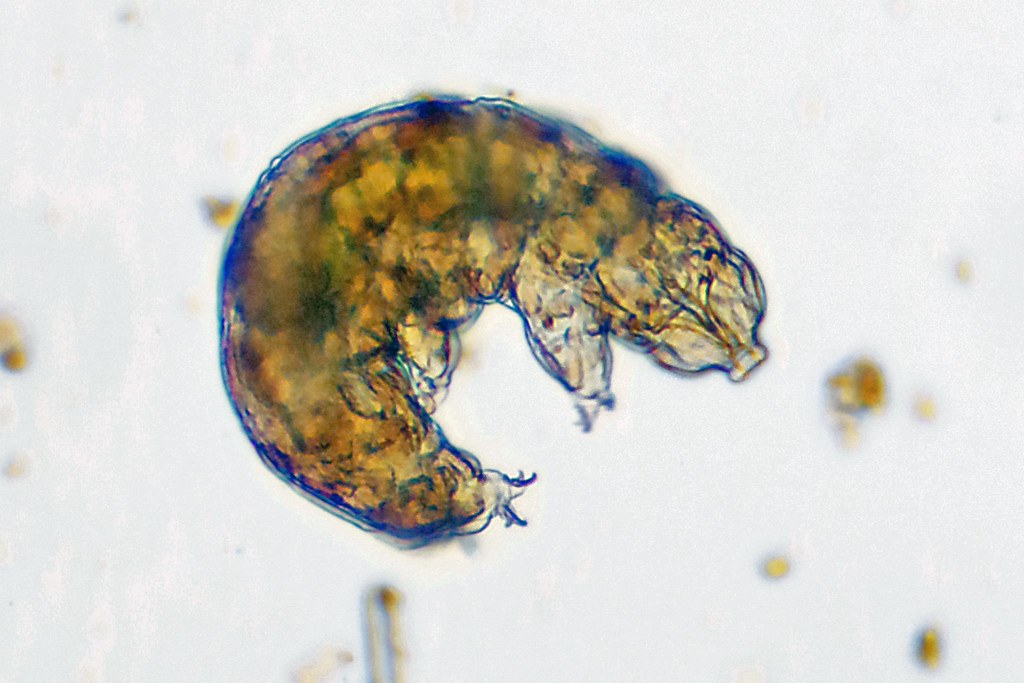
Perhaps the most famous microscopic “insect” (though technically not an insect at all), tardigrades are eight-legged creatures that look like tiny bears under magnification. These remarkable animals can survive in the vacuum of space, withstand radiation levels that would kill humans instantly, and endure temperatures from near absolute zero to 300 degrees Fahrenheit.
What makes tardigrades truly extraordinary is their ability to enter a state called cryptobiosis, where they essentially shut down all biological processes and can remain dormant for decades. Scientists have revived tardigrades from this state after more than 30 years of suspended animation.
You can find these incredible creatures in moss, lichens, and even in the gutters of your house. They’re so resilient that they’ve survived all five mass extinction events in Earth’s history.
Springtails: The Microscopic Acrobats

Springtails are actual insects that have mastered the art of microscopic movement through their incredible jumping abilities. These tiny creatures, measuring less than 6 millimeters, can launch themselves up to 100 times their body length using a specialized forked appendage called a furcula.
What’s truly amazing is that springtails don’t have wings, yet they can become airborne and navigate through the air with remarkable precision. They accomplish this through a combination of their jumping mechanism and their ability to use static electricity to control their flight path.
These insects are so small that they breathe through their skin rather than using a traditional respiratory system. You’ll find them in soil, leaf litter, and even in your houseplants, where they help break down organic matter.
Thrips: The Tiny Plant Vampires
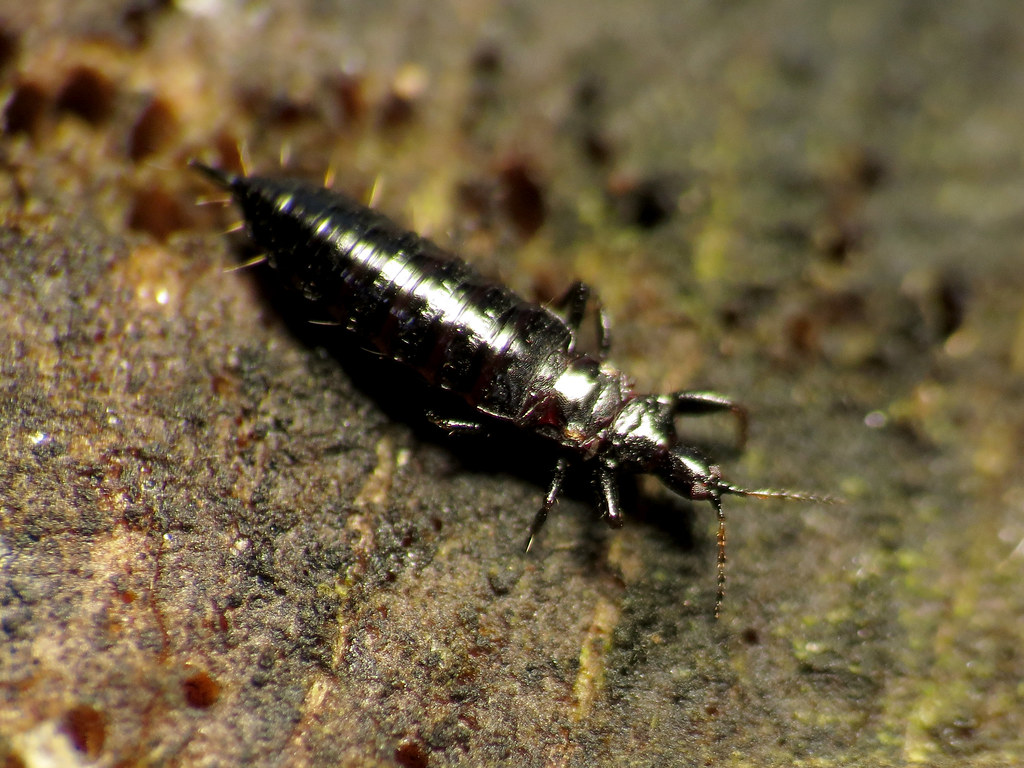
Thrips are among the smallest flying insects, with some species measuring less than 1 millimeter in length. These minute creatures are equipped with asymmetrical mouthparts that work like tiny needles, allowing them to puncture plant cells and suck out the contents.
Despite their size, thrips are incredibly important in agriculture and ecology. Some species are beneficial predators that hunt even smaller insects, while others can cause significant damage to crops. Their feeding creates distinctive silvery patches on leaves that serve as telltale signs of their presence.
What makes thrips particularly fascinating is their unique wing structure. Instead of traditional wings, they have narrow, fringed appendages that work more like tiny propellers, allowing them to navigate in the microscopic air currents that would ground larger insects.
Fairy Flies: The Smallest Wasps on Earth
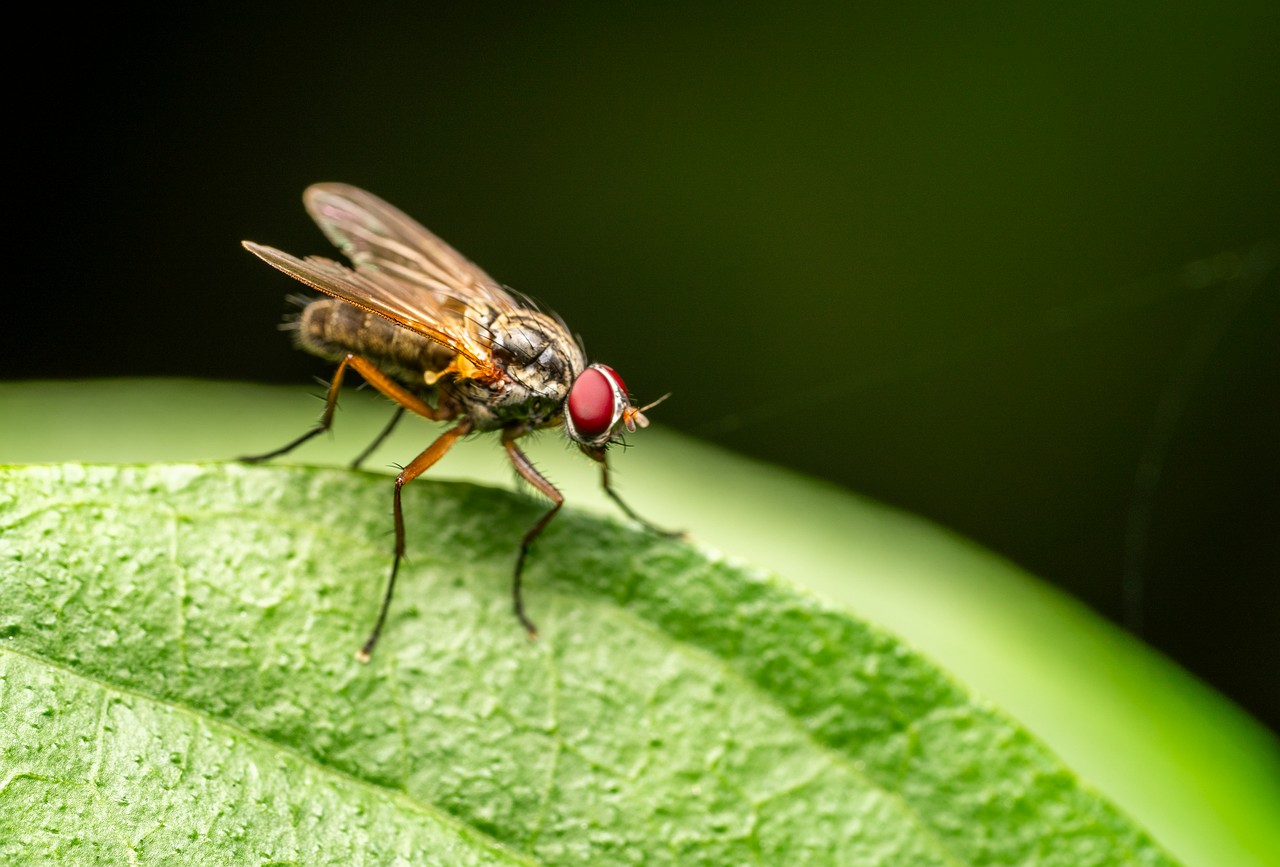
Fairy flies hold the record as the smallest known insects, with some species measuring only 0.139 millimeters in length. These microscopic wasps are so tiny that they’re smaller than some single-celled organisms, yet they possess all the complex body systems of their larger relatives.
These remarkable insects are parasitoids, meaning they lay their eggs inside the eggs of other insects. The developing fairy fly larvae consume their host from the inside out, eventually emerging as fully-formed adults ready to continue the cycle.
The wings of fairy flies are even more reduced than those of thrips, often resembling feathery paddles rather than traditional insect wings. This adaptation allows them to “swim” through the air, using the same principles that allow microscopic organisms to move through water.
Dust Mites: The Invisible Roommates
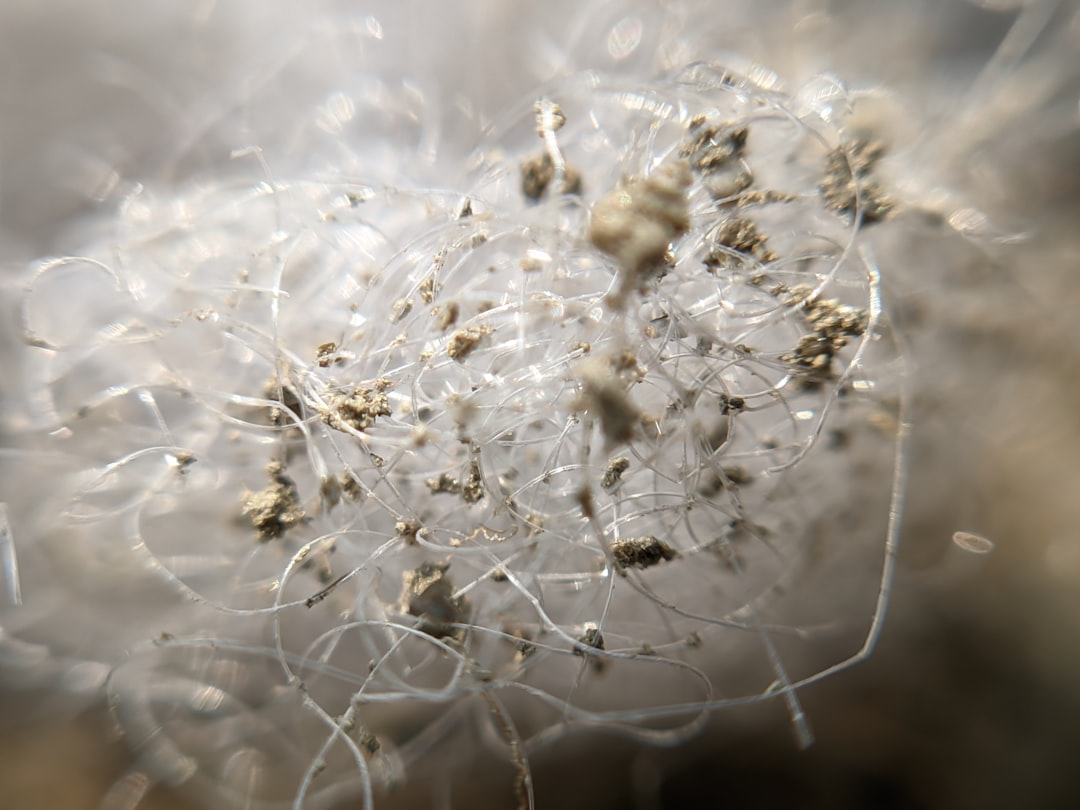
While not technically insects, dust mites are microscopic arthropods that share our homes in numbers that would shock most people. A single gram of house dust can contain anywhere from 100 to 1,000 of these tiny creatures, making them one of the most successful microscopic animals on the planet.
Dust mites feed primarily on dead skin cells that humans and pets shed constantly. They’re so small that they can fit through the weave of most fabrics, making our beds, carpets, and furniture into perfect habitats for their populations.
What’s particularly interesting about dust mites is their role in human health. While they’re generally harmless, their waste products are a major cause of allergies and asthma in sensitive individuals, affecting millions of people worldwide.
Booklice: The Microscopic Librarians
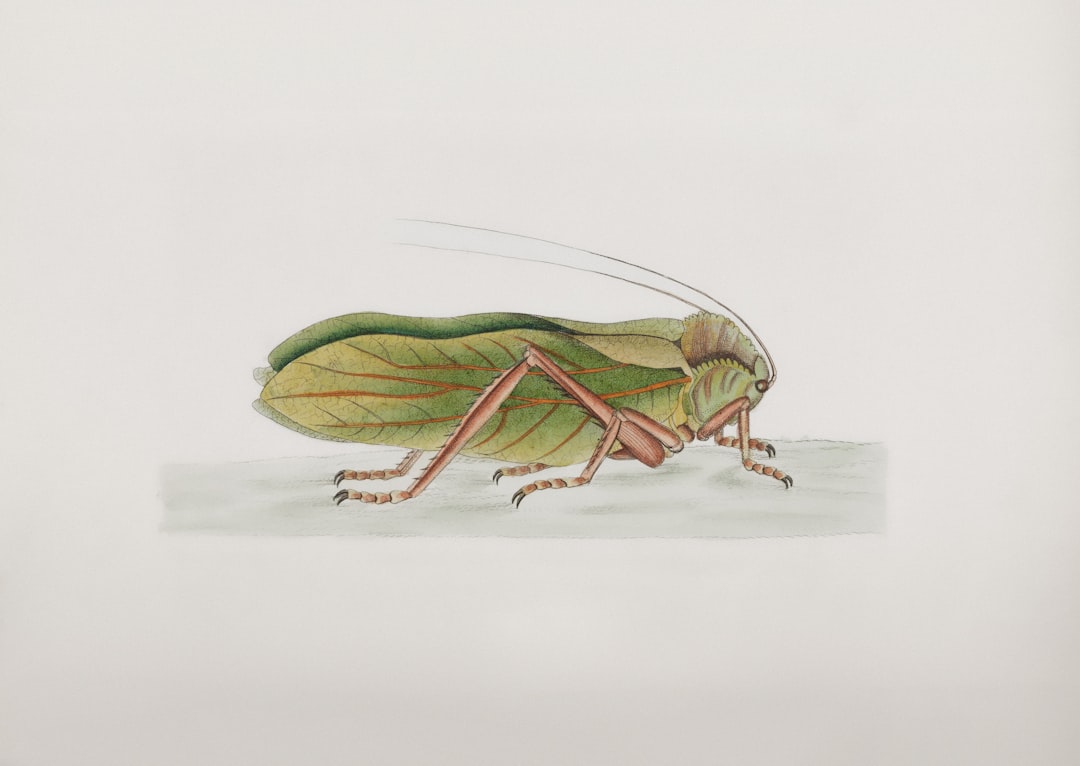
Booklice are tiny insects that measure between 1 and 2 millimeters in length, making them barely visible to the naked eye. Despite their name, they’re not actually lice and don’t feed on books, but rather on the microscopic fungi and mold that grow on paper and organic materials.
These insects are incredibly common in homes, particularly in areas with high humidity like basements, bathrooms, and storage areas. They serve as natural cleanup crews, consuming mold spores and preventing fungal growth that could damage books and other materials.
Booklice have an unusual reproductive strategy where many species can reproduce without mating, allowing single individuals to establish entire populations. This ability makes them remarkably successful colonizers of new environments.
Parasitic Wasps: The Microscopic Puppet Masters

The world of microscopic parasitic wasps is both fascinating and terrifying. These tiny insects have evolved incredibly sophisticated strategies for controlling their hosts, often manipulating their behavior in ways that seem almost science fiction.
Some species inject their hosts with mind-altering chemicals that turn them into zombie-like creatures, forcing them to seek out specific locations where the wasp larvae will have the best chance of survival. Others can detect the pheromones of their hosts from remarkable distances, despite being smaller than the period at the end of this sentence.
What makes these wasps truly remarkable is their precision. They can locate and parasitize specific life stages of their hosts, timing their attacks with incredible accuracy to ensure maximum success for their offspring.
Microscopic Beetles: Masters of Miniaturization
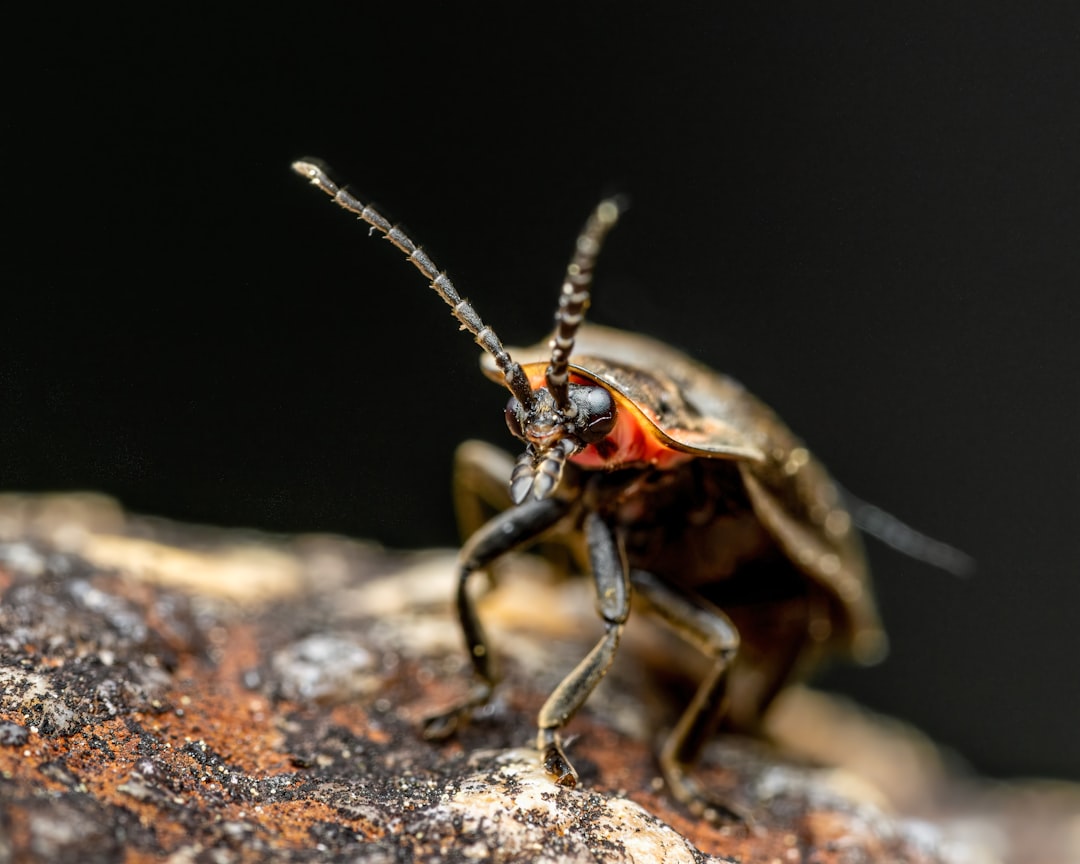
Beetles have achieved miniaturization in ways that challenge our understanding of how complex organisms can function at such small scales. Some species of featherwing beetles measure less than 0.5 millimeters, yet they retain all the characteristic features of their larger relatives.
These microscopic beetles have had to completely reimagine their internal anatomy to function at such small sizes. Their nervous systems are incredibly compressed, and some species have evolved simplified versions of organs that would be essential in larger insects.
Despite their size, microscopic beetles occupy diverse ecological niches, from fungus feeders to predators of even smaller organisms. Their success demonstrates that there’s virtually no limit to how small complex life can become while still maintaining functionality.
The Physics of Microscopic Flight
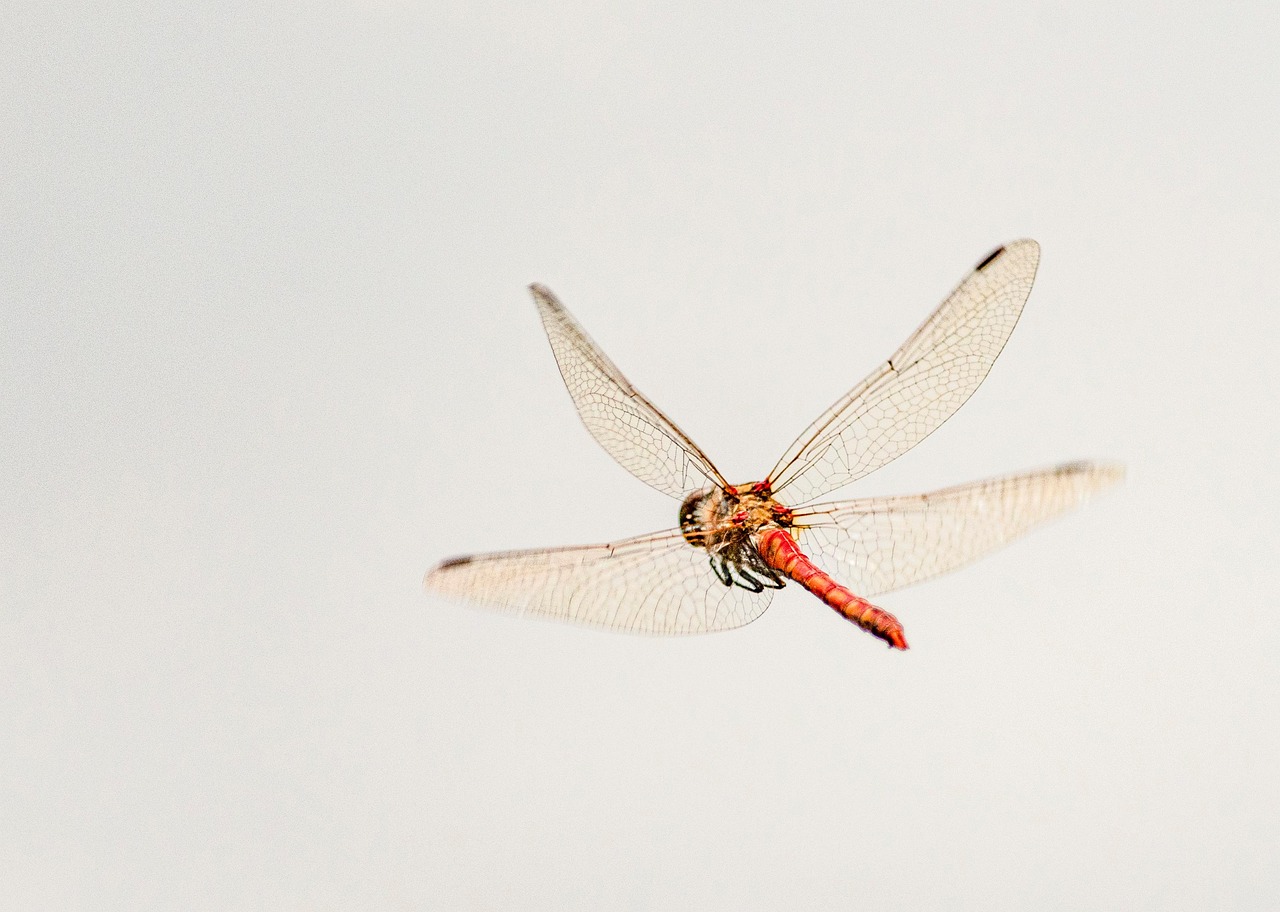
Flying at microscopic scales presents unique challenges that these tiny insects have overcome through remarkable adaptations. At their size, air behaves more like a thick liquid than a gas, requiring completely different flight strategies than those used by larger insects.
Instead of generating lift through traditional wing beats, microscopic flyers often use a technique called “clap and fling,” where their wings come together above their bodies and then rapidly separate, creating vortices that provide thrust. This method is incredibly energy-efficient at small scales.
The Reynolds number, which describes the ratio of inertial forces to viscous forces in fluid flow, is so low for these insects that they’re essentially swimming through the air. This physical reality has shaped every aspect of their wing design and flight behavior.
Breathing Without Lungs
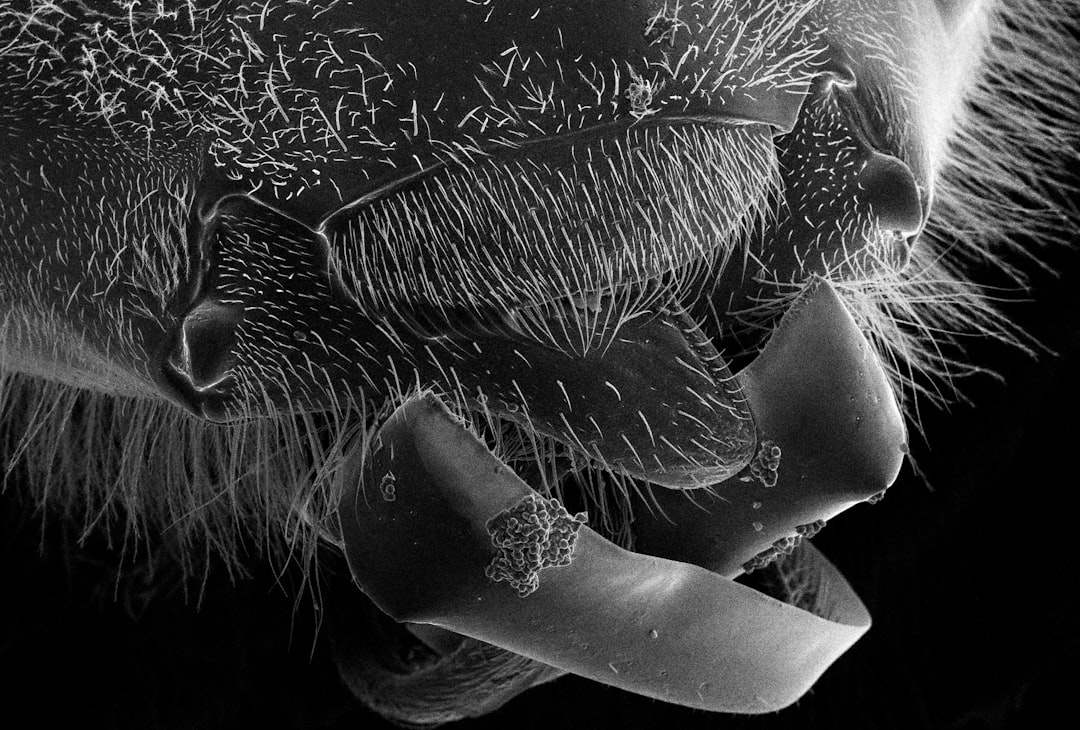
One of the most remarkable adaptations of microscopic insects is how they’ve solved the problem of oxygen delivery without traditional respiratory systems. Many species are so small that they can absorb oxygen directly through their exoskeleton, eliminating the need for complex breathing apparatus.
This cuticular respiration allows them to maintain active lifestyles despite their tiny size. However, it also makes them incredibly vulnerable to desiccation, which is why many microscopic insects are found in humid environments or have evolved sophisticated water retention strategies.
Some species have developed modified spiracles (breathing pores) that can open and close rapidly to control both oxygen intake and water loss. This precise control allows them to remain active in conditions that would quickly kill larger insects.
The Sensory World of Microscopic Insects
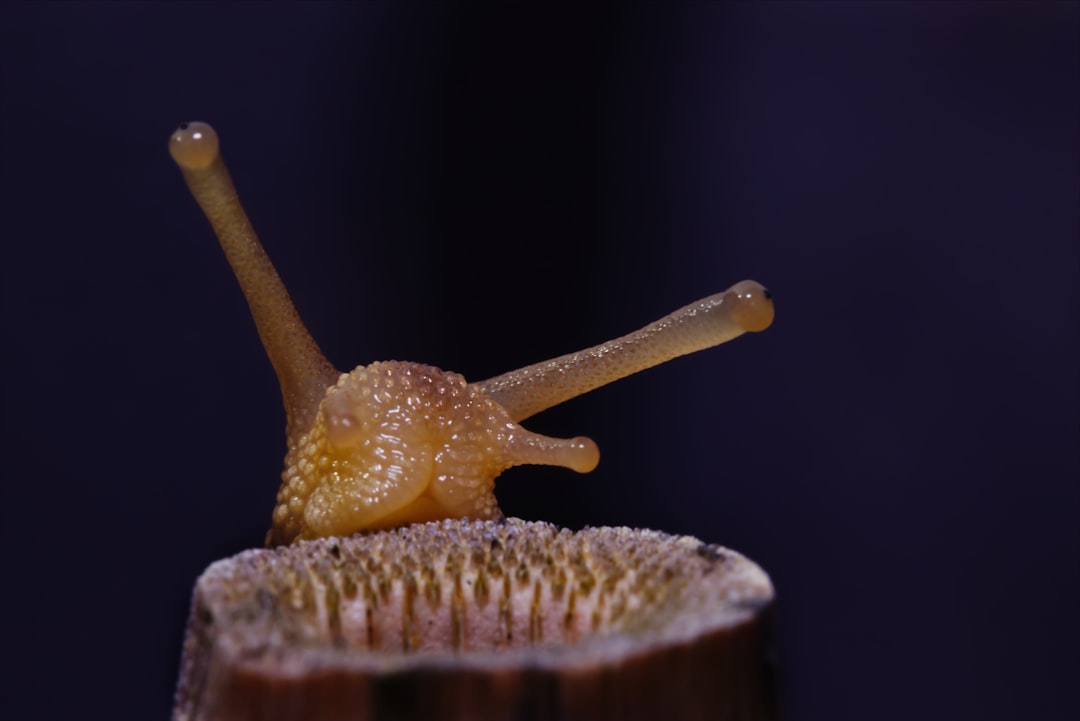
The sensory capabilities of microscopic insects are adapted to their unique scale and environment. Many species have evolved incredibly sensitive chemical receptors that can detect single molecules of pheromones or other chemical signals, allowing them to navigate their microscopic world with remarkable precision.
Vision at microscopic scales is challenging due to the physics of light, but some species have developed compound eyes with just a few ommatidia (individual visual units) that can detect changes in light intensity and basic movement patterns. Others have abandoned vision entirely in favor of enhanced chemical and tactile senses.
Touch becomes incredibly important at microscopic scales, where surface tension and static electricity create forces that don’t exist in our everyday experience. Many microscopic insects have evolved specialized sensory hairs and receptors that allow them to navigate these unique physical challenges.
Reproduction in Miniature
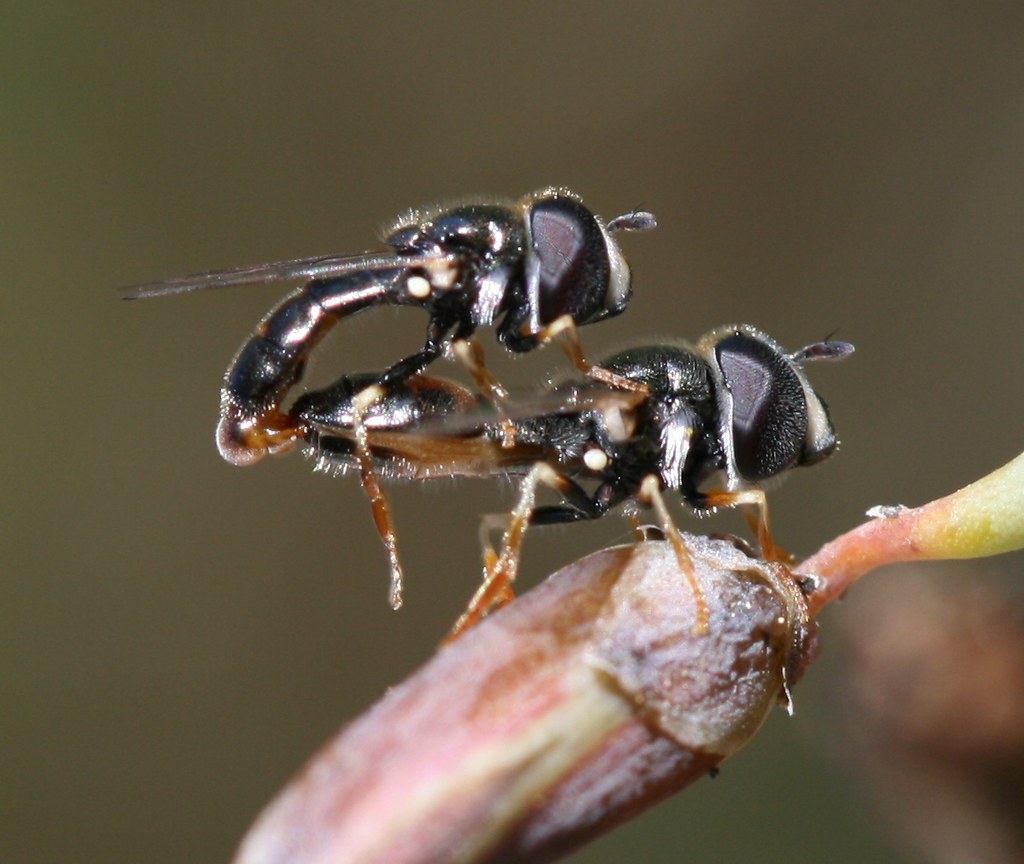
Reproductive strategies among microscopic insects often involve remarkable adaptations to overcome the challenges of their small size. Some species have evolved incredibly complex mating rituals that involve chemical signals invisible to larger organisms, while others have abandoned sexual reproduction entirely.
Parthenogenesis, or reproduction without mating, is surprisingly common among microscopic insects. This strategy allows single individuals to rapidly colonize new habitats and establish thriving populations without the need to find mates in their vast microscopic world.
For species that do mate, the logistics can be incredibly complex. Males may need to locate females using chemical trails or may engage in elaborate courtship behaviors that involve manipulating air currents or creating vibrations in their substrate.
The Ecological Impact of Microscopic Insects
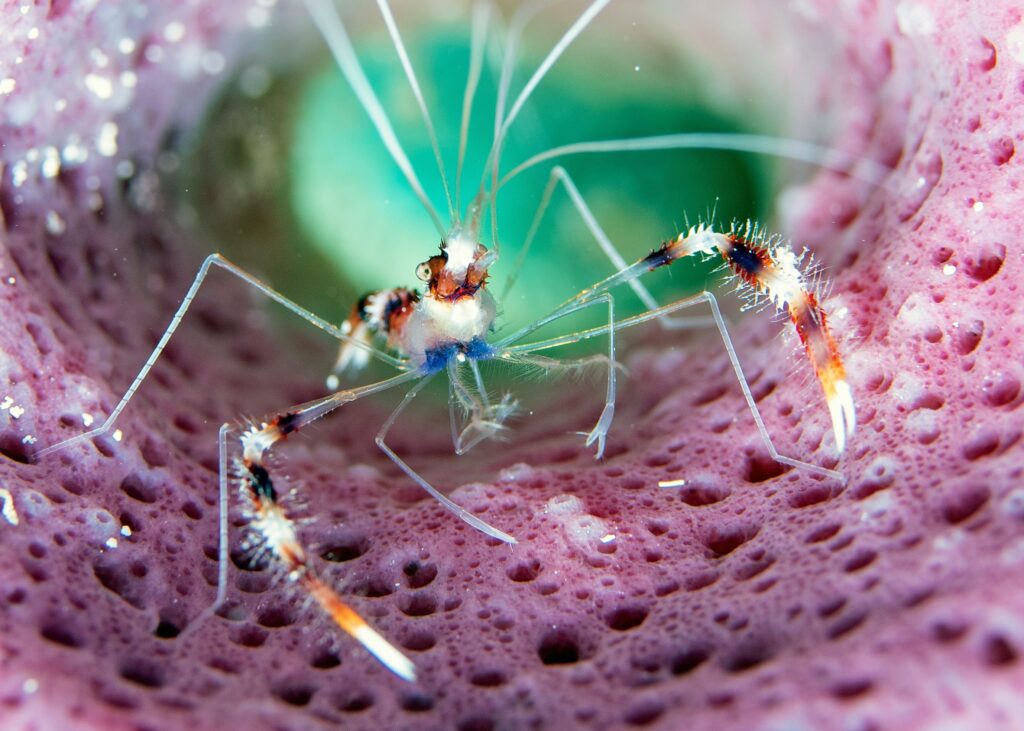
Despite their invisible nature, microscopic insects play crucial roles in virtually every ecosystem on Earth. They serve as decomposers, breaking down organic matter and recycling nutrients that larger organisms depend on for survival.
Many microscopic insects are also important predators, controlling populations of bacteria, fungi, and other microorganisms that could otherwise become problematic. Their feeding activities help maintain the delicate balance of microbial communities in soil, water, and other environments.
Some species have become important biological control agents, used by scientists and farmers to manage pest populations without relying on chemical pesticides. These tiny warriors can seek out and destroy pest insects with remarkable efficiency and precision.
Conclusion: A Universe in Miniature
The world of microscopic insects represents one of nature’s most remarkable achievements in miniaturization and adaptation. These tiny creatures have evolved solutions to survive in environments where the basic laws of physics operate differently than in our everyday world.
From tardigrades that can survive in space to fairy flies smaller than single-celled organisms, these insects demonstrate that life finds ways to thrive at virtually any scale. Their success stories offer insights into biological engineering, evolutionary adaptation, and the incredible diversity of life on our planet.
Next time you look at a handful of soil or a speck of dust, remember that you’re holding an entire universe of complex, fascinating creatures going about their microscopic lives. Their invisible world is just as rich and complex as the one we can see, filled with hunters and prey, builders and destroyers, all operating on a scale that challenges our imagination. What other secrets might be hiding in the microscopic realm, waiting for us to discover them?