

When Hollywood needs to create the perfect alien menace, they don’t look to fluffy mammals or graceful birds for inspiration. Instead, they turn to the creatures that already seem otherworldly right here on Earth: insects. From the face-huggers in “Alien” to the towering bug warriors in “Starship Troopers,” science fiction has consistently transformed our six-legged neighbors into terrifying extraterrestrial threats. This fascination runs deeper than simple fear – it taps into something primal about how we see ourselves in relation to the natural world.
The Uncanny Valley of Nature
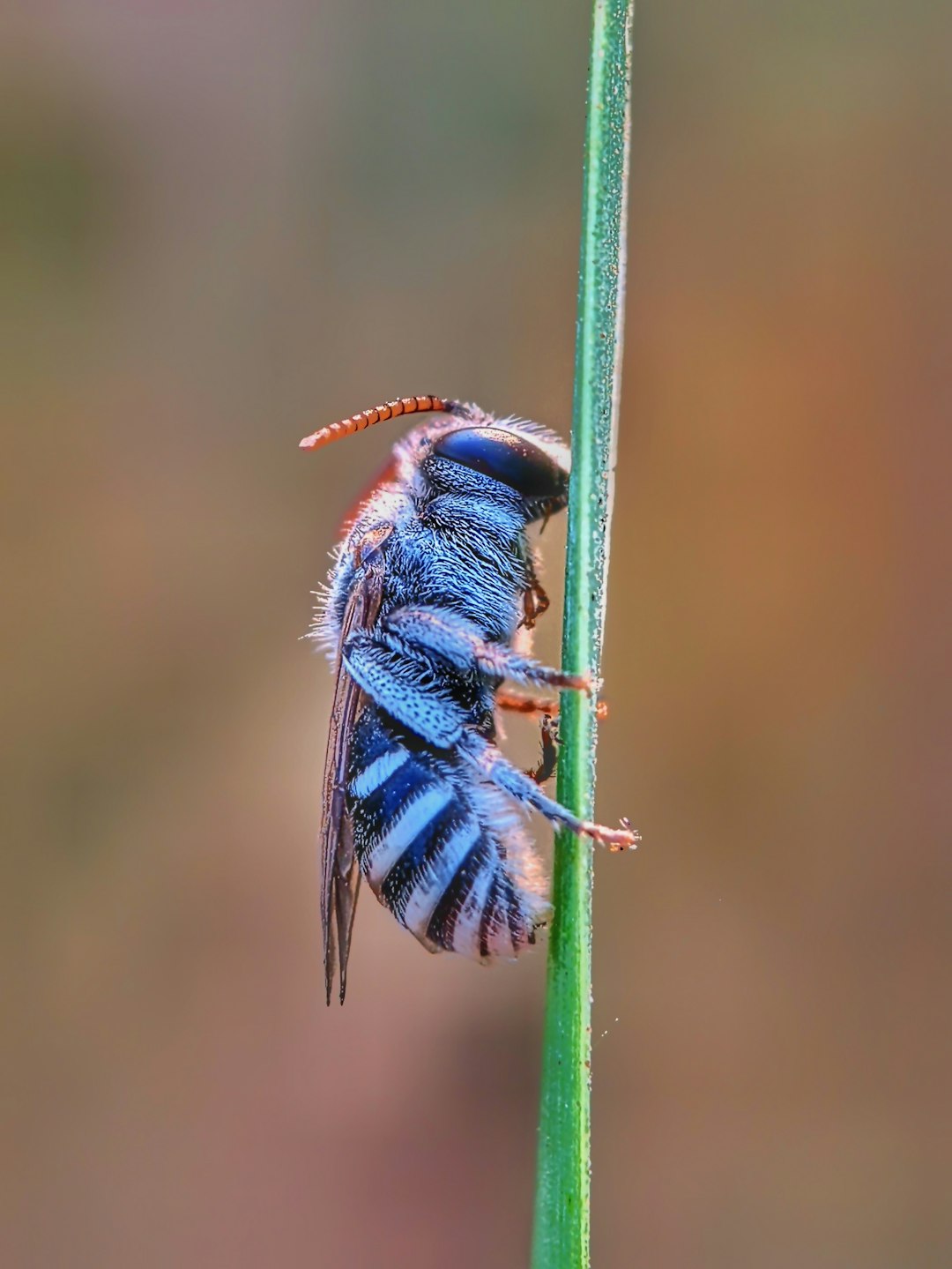
Insects occupy a strange space in our perception of life on Earth – familiar yet fundamentally alien at the same time. Their bodies follow completely different architectural rules than ours, with exoskeletons instead of internal bones and compound eyes that see the world in ways we can barely imagine. When a cockroach scuttles across your kitchen floor, it moves with mechanical precision that seems almost robotic. This natural uncanniness makes insects perfect templates for alien life forms because they’re already halfway there in our minds. Science fiction writers don’t need to work hard to make insect-based aliens feel believable – nature has already done the heavy lifting.
Built for Survival, Perfect for Horror
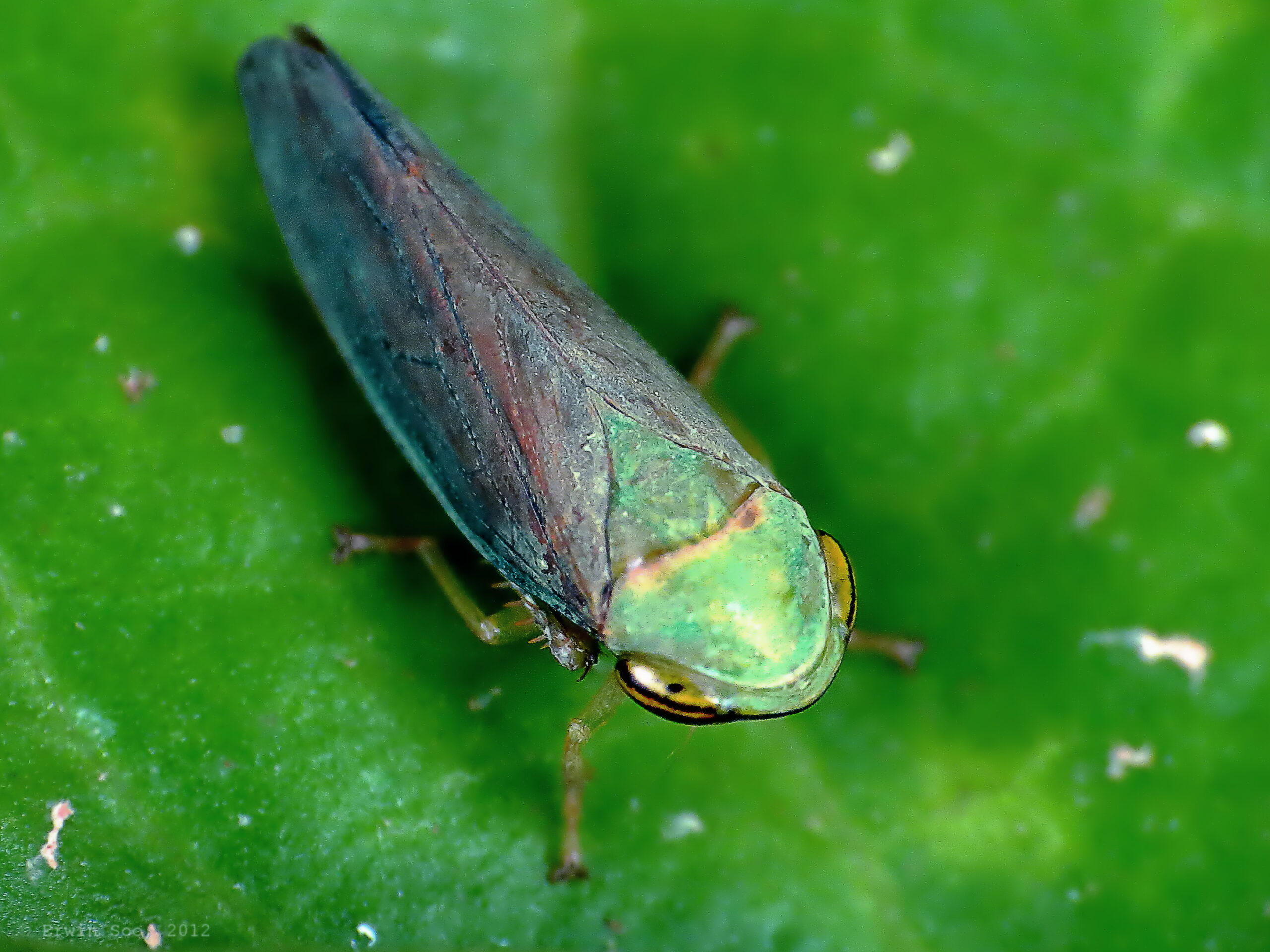
Insects are the ultimate survivors, having dominated Earth for over 400 million years through every major extinction event. They can live without their heads, regenerate lost limbs, and survive in environments that would kill most other creatures instantly. This incredible resilience translates perfectly to fictional alien threats that seem impossible to defeat. The xenomorphs in the “Alien” franchise embody this concept perfectly – they’re designed to survive in the vacuum of space, adapt to any environment, and reproduce under the most hostile conditions. When filmmakers want to create aliens that feel genuinely unstoppable, they borrow from insects’ real-world superpowers.
Hive Minds and Collective Consciousness
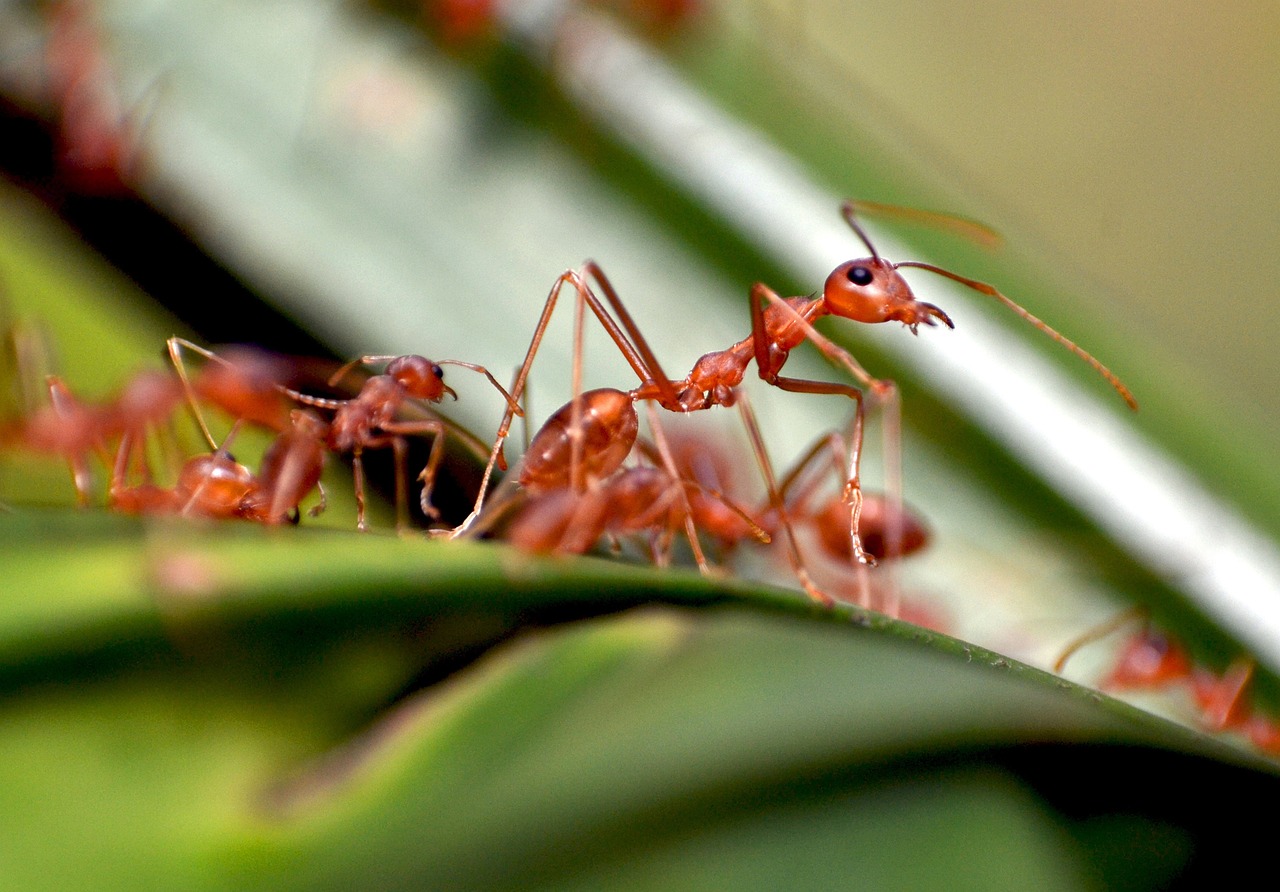
Perhaps no insect trait fascinates sci-fi creators more than the concept of collective behavior seen in ants, bees, and termites. These creatures work together with a coordination that seems almost telepathic, building complex structures and executing sophisticated strategies without apparent individual thought. This natural phenomenon provides the perfect foundation for alien civilizations that operate as unified entities rather than collections of individuals. The Borg from “Star Trek” and the Zerg from “StarCraft” both draw heavily from this insect model of collective consciousness. The idea that millions of beings could share a single mind is both fascinating and terrifying to humans who value individual identity above all else.
Metamorphosis as Alien Biology
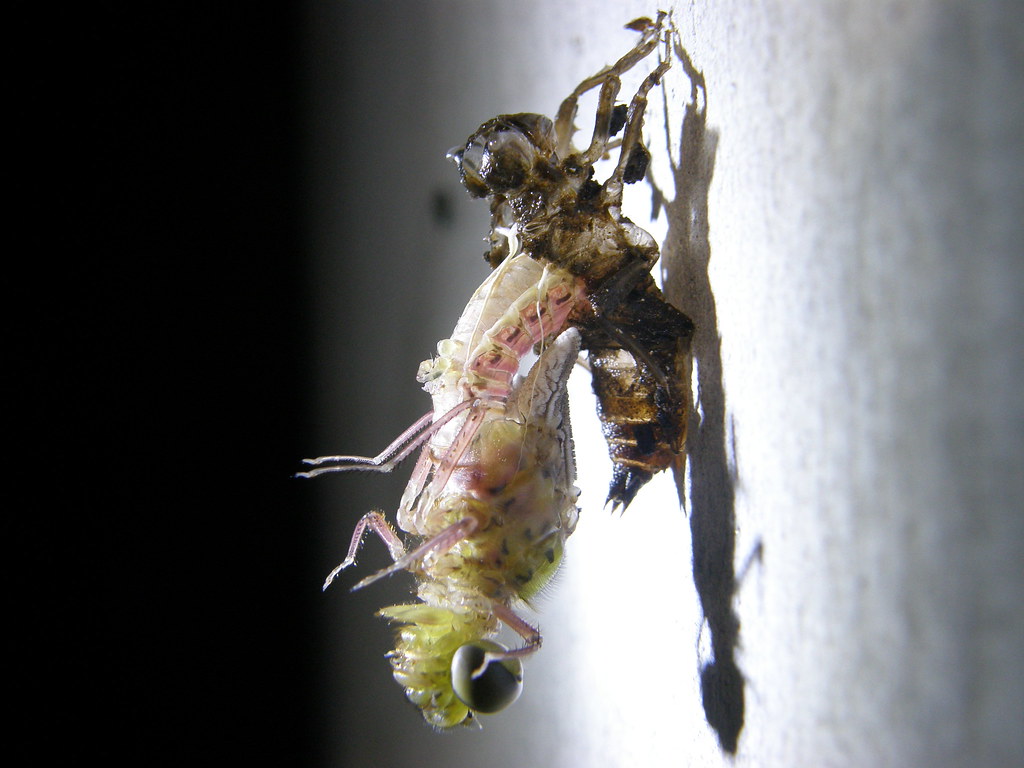
The insect life cycle, particularly complete metamorphosis, represents one of nature’s most dramatic transformations – and sci-fi writers love dramatic transformations. A caterpillar literally dissolves its body to rebuild itself as a butterfly, a process so radical it seems like science fiction even when it’s happening in your backyard. This biological reality gives credibility to alien species that undergo similar dramatic changes throughout their lives. The face-hugger to chestburster to xenomorph progression in “Alien” mirrors the egg-larva-pupa-adult cycle of many insects, making the alien life cycle feel grounded in natural law even as it horrifies audiences.
Compound Eyes and Alien Perception
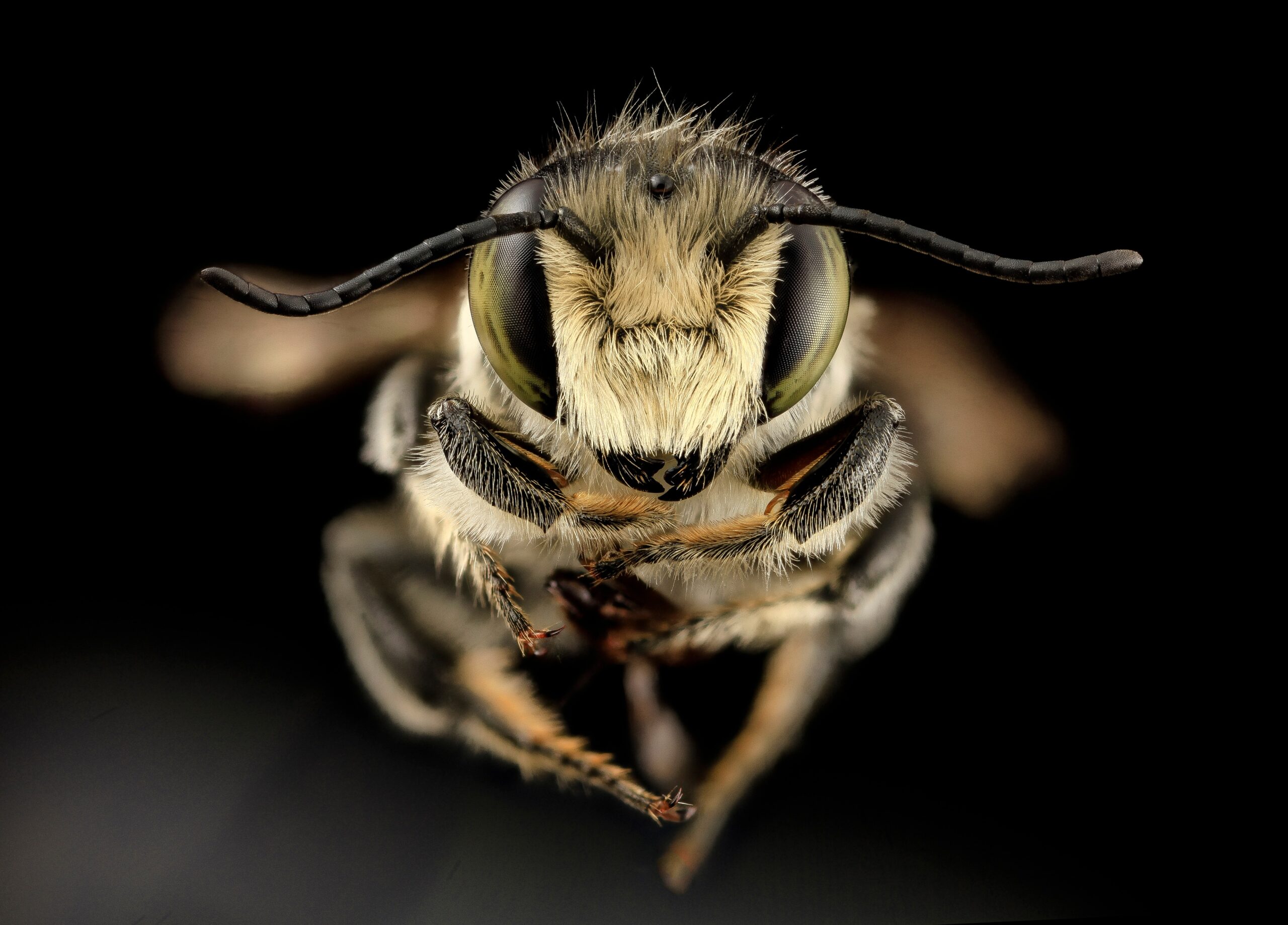
Insect vision operates on principles completely foreign to human experience, creating natural inspiration for truly alien sensory systems. Compound eyes can detect ultraviolet patterns invisible to us, track rapid movements we can’t follow, and process visual information in ways that blur the line between sight and instinct. When sci-fi creators want to show how aliens might perceive reality differently, they often borrow from insect vision systems. The predator’s heat vision and the multi-faceted way many fictional aliens view the world both draw from real insect sensory capabilities. This biological foundation makes alien perception feel scientifically plausible rather than purely fantastical.
Pheromone Communication Systems
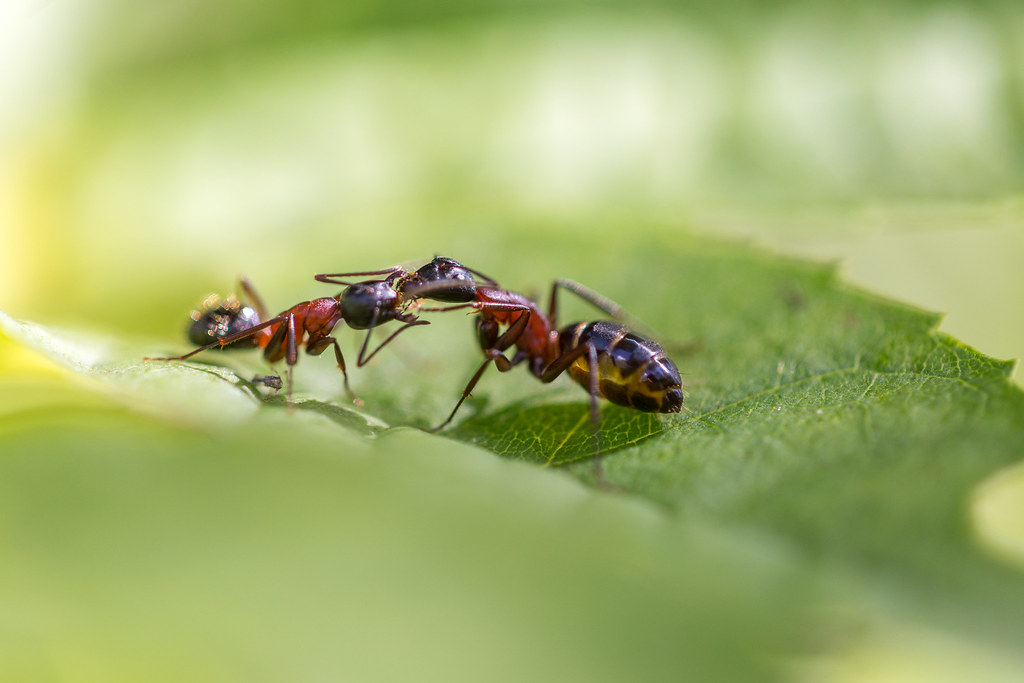
Insects communicate through complex chemical languages that operate below human sensory thresholds, creating invisible networks of information that surround us constantly. Ants leave chemical trails that tell entire stories about food sources, dangers, and colony needs – all through scent molecules we can’t detect. This sophisticated chemical communication system provides perfect inspiration for alien species that operate beyond human sensory understanding. Movies like “Arrival” explore how aliens might communicate in ways that challenge our fundamental assumptions about language and meaning. The insect world proves that complex, intelligent communication doesn’t require sounds or symbols that humans can recognize.
Architectural Marvels of the Microscopic World
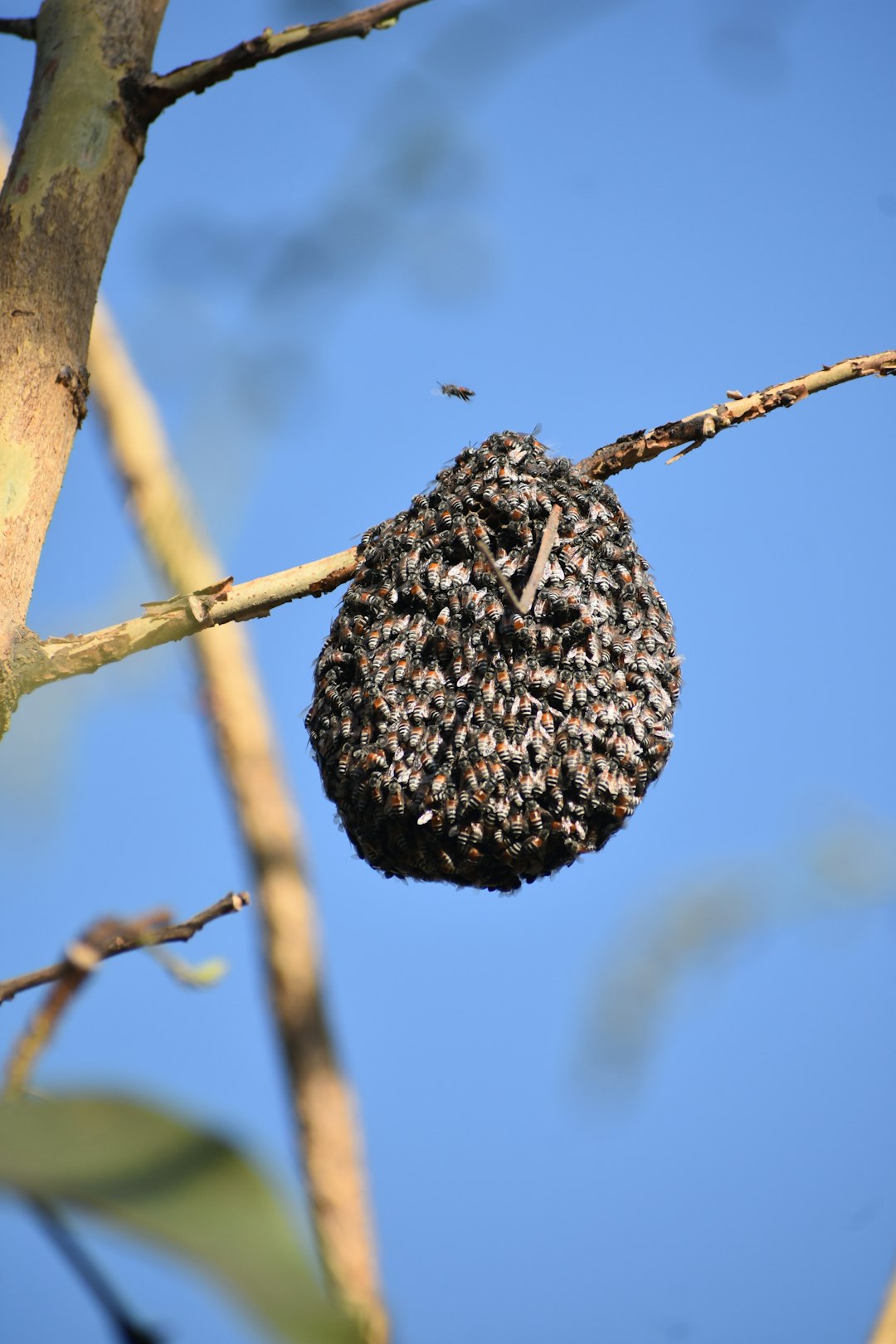
Termite mounds, beehives, and ant colonies represent some of the most sophisticated architecture on Earth, all built by creatures with brains smaller than pinheads. These structures incorporate advanced ventilation systems, temperature control, and defensive features that human engineers study and admire. When sci-fi needs to depict alien cities or spacecraft, insect architecture provides proven blueprints for structures that feel both organic and highly advanced. The biomechanical aesthetic of H.R. Giger’s alien designs borrows heavily from insect forms, creating technology that appears grown rather than manufactured. This blending of biological and mechanical elements has become a hallmark of convincing alien design.
Swarm Intelligence and Emergent Behavior
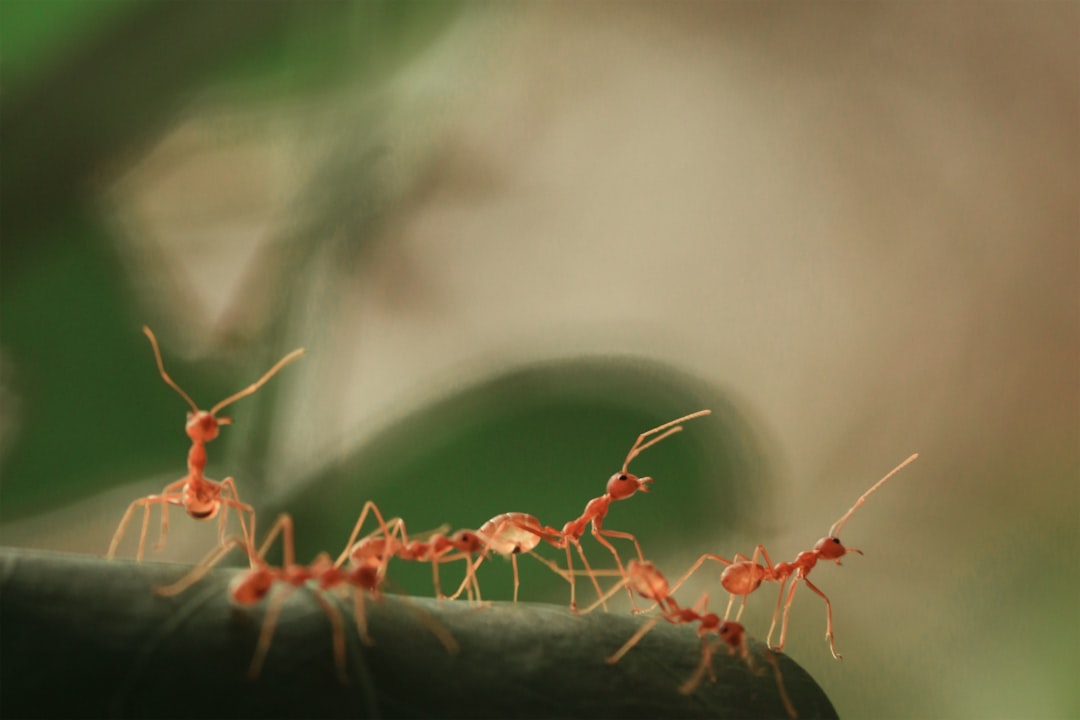
Individual insects often display relatively simple behaviors, but when they work together, complex intelligence emerges from their collective actions. A single ant is fairly basic, but a colony can solve complex problems, build highways, and wage coordinated wars that would impress human generals. This concept of emergent intelligence fascinated sci-fi writers because it suggests that consciousness itself might operate differently for alien species. Rather than individual genius, alien intelligence might emerge from the collective behavior of many simple units working together. This idea challenges human assumptions about what intelligence looks like and how it might evolve elsewhere in the universe.
Parasitic Relationships and Body Horror
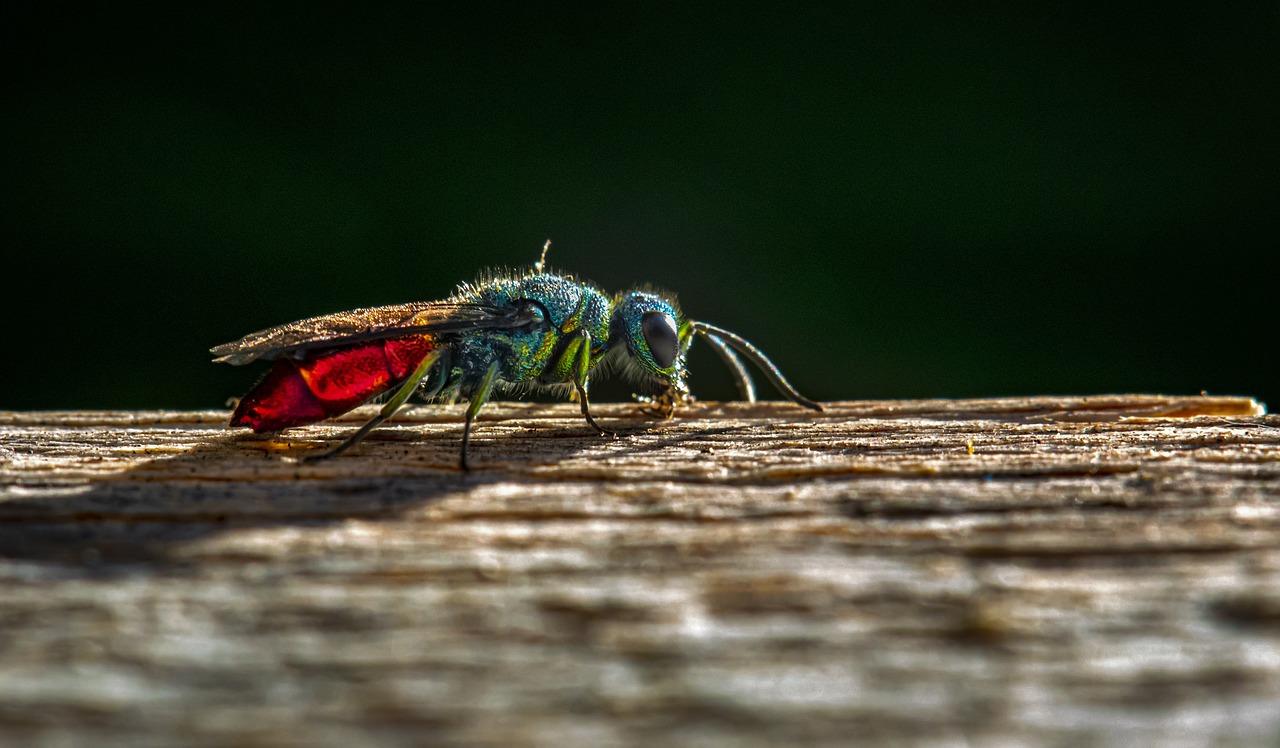
Nature’s most disturbing relationships often involve insects that manipulate, control, or consume other creatures from within – and horror sci-fi exploits this natural nightmare fuel extensively. Parasitic wasps that lay eggs inside living hosts, cordyceps fungi that turn insects into zombies, and botflies that grow inside mammalian flesh all provide templates for alien reproduction cycles that horrify human audiences. The chestburster from “Alien” draws directly from parasitic wasp behavior, making the fictional horror feel grounded in biological reality. When filmmakers want to create truly disturbing alien life cycles, they don’t need to invent anything – they just need to study what insects are already doing to each other.
Extremophile Capabilities
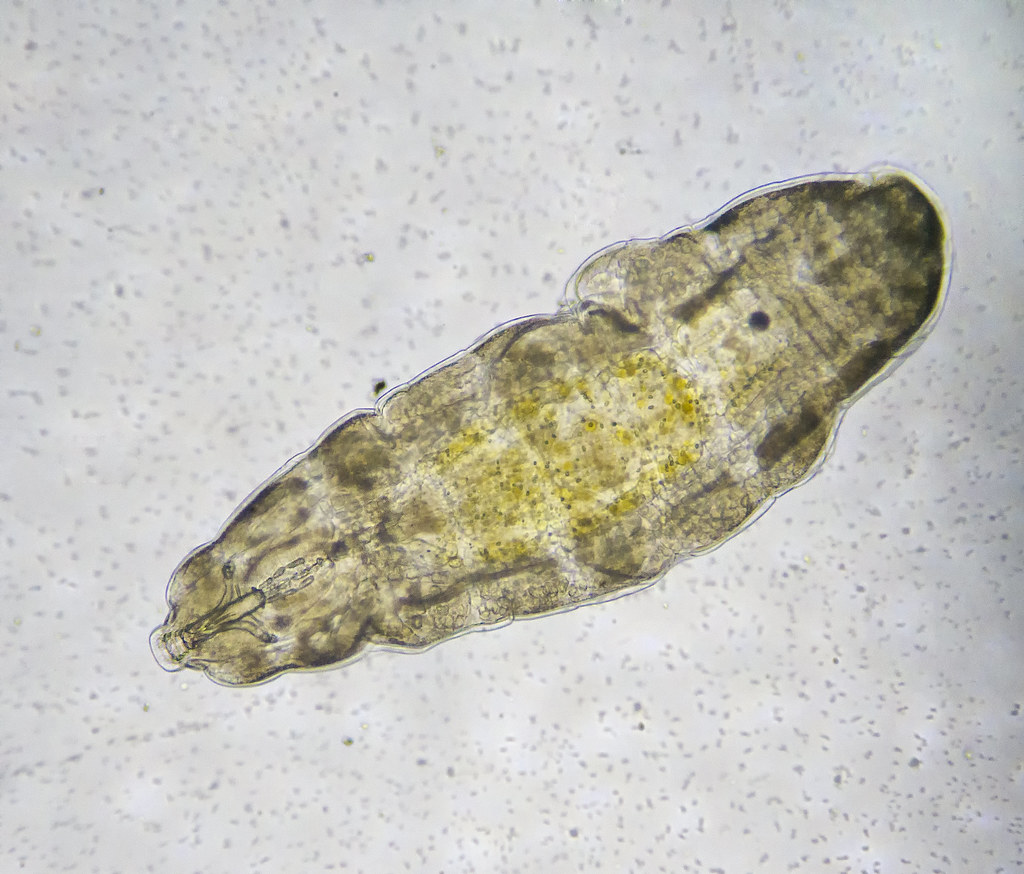
Insects thrive in environments that would quickly kill humans – from Antarctic ice to boiling hot springs to the depths of caves with no oxygen. Tardigrades, while not technically insects, exemplify this extremophile lifestyle by surviving in space, extreme radiation, and complete dehydration. These real-world capabilities make insect-inspired aliens credible inhabitants of hostile alien worlds or the vacuum of space itself. When sci-fi needs to explain how aliens could survive interstellar travel or live on planets with crushing atmospheres, insect physiology provides ready-made solutions. The natural world has already solved the engineering problems that space-faring aliens would face.
Exponential Reproduction Rates
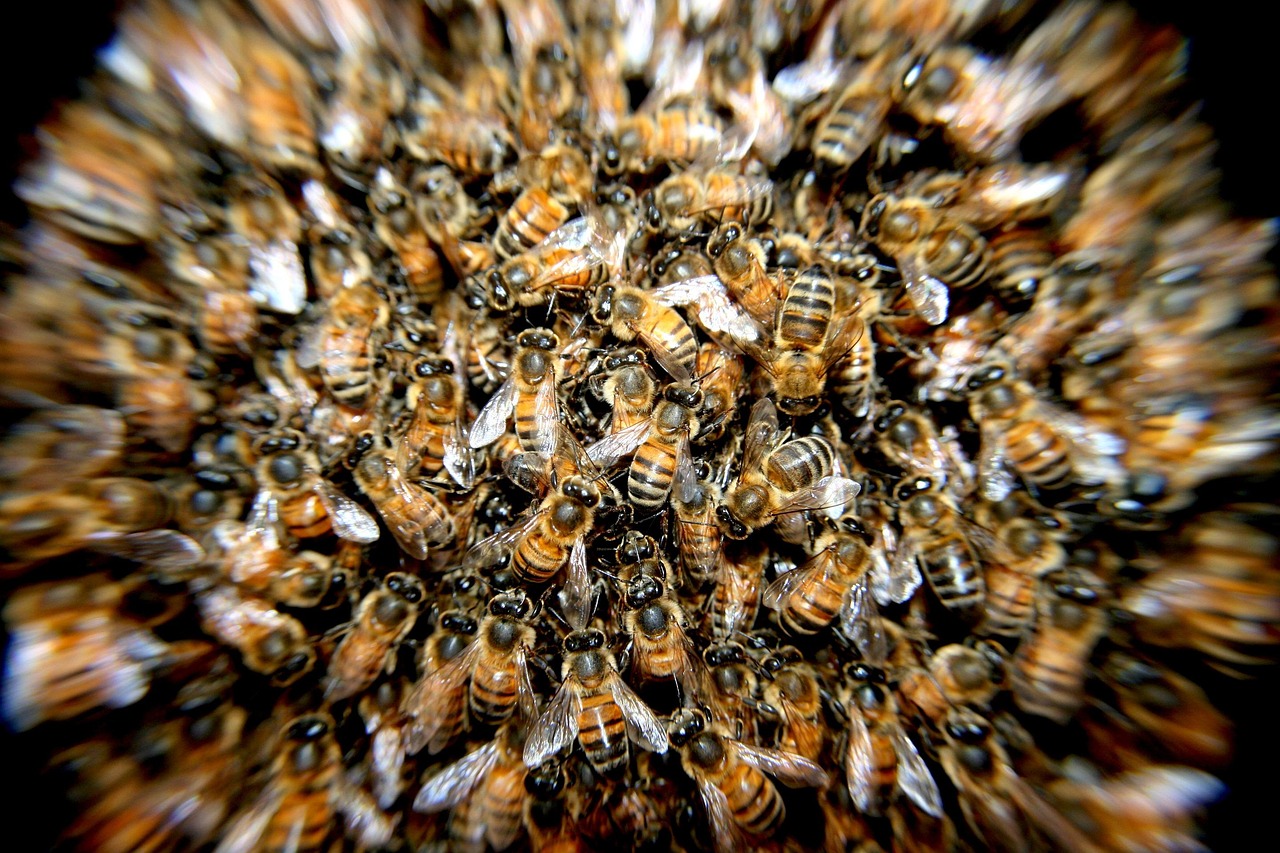
Insects reproduce at rates that can seem almost supernatural to human observers – a single fly can produce thousands of offspring in a season, and some species can reproduce without even mating. This explosive reproductive potential creates perfect scenarios for sci-fi invasion stories where alien populations can grow from small numbers to overwhelming swarms in remarkably short periods. The mathematical reality of exponential growth means that insect-inspired aliens don’t need huge initial invasion forces to pose existential threats to human civilization. Stories like “Starship Troopers” exploit this concept, showing how bug-like aliens could quickly overwhelm human defenses through sheer reproductive advantage rather than superior technology.
Biomechanical Efficiency
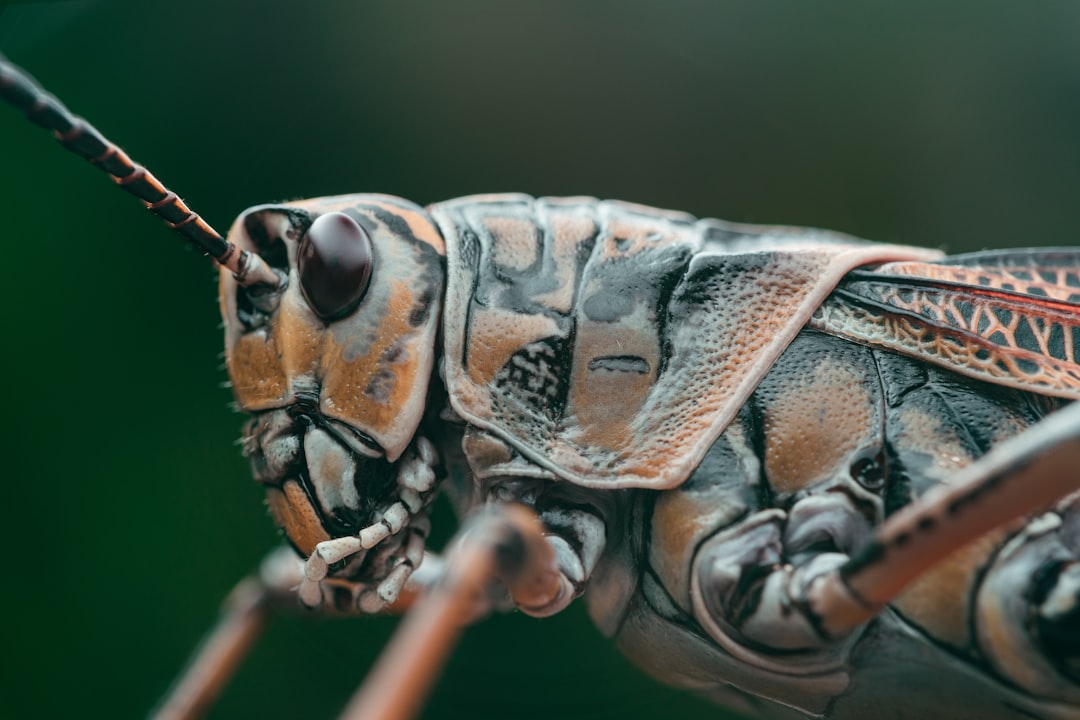
Insect bodies represent millions of years of evolutionary optimization, creating forms that maximize efficiency while minimizing energy expenditure. Their jointed limbs, segmented bodies, and specialized appendages solve engineering problems with elegant simplicity that human designers often struggle to match. When sci-fi creators design alien technology, they frequently borrow from insect biomechanics to create vehicles, weapons, and tools that feel both advanced and naturally evolved. The sleek, efficient forms of insect-inspired spaceships and alien devices suggest civilizations that have perfected technology through biological rather than purely mechanical innovation. This organic approach to technology implies alien cultures that work with natural principles rather than against them.
Social Hierarchies and Caste Systems
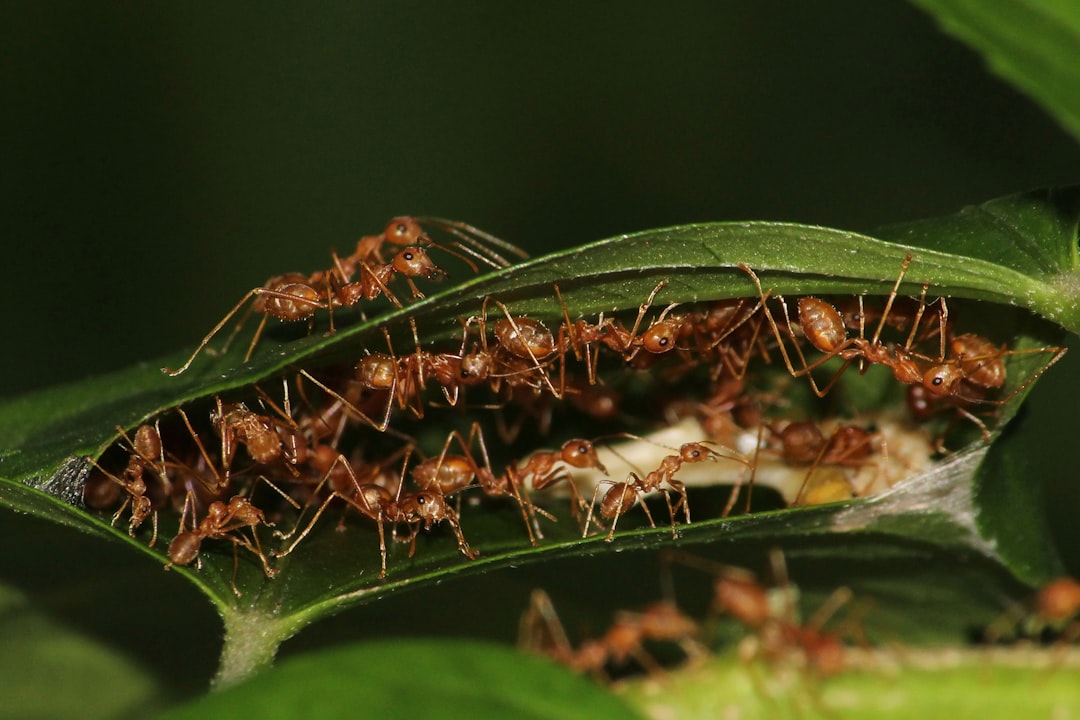
Insect societies often operate with rigid caste systems where individuals are born into specific roles they’ll fulfill their entire lives – workers, soldiers, queens, and drones each with distinct physical forms and behavioral programming. This natural stratification provides ready-made templates for alien civilizations with social structures completely foreign to human democratic ideals. The warrior bugs, worker bugs, and brain bugs in “Starship Troopers” directly mirror the specialized castes found in real ant and termite colonies. These biological hierarchies feel believable because they exist in nature, but they also create dramatic tension by presenting social systems that challenge human values about individual choice and social mobility.
Chemical Warfare Specialists
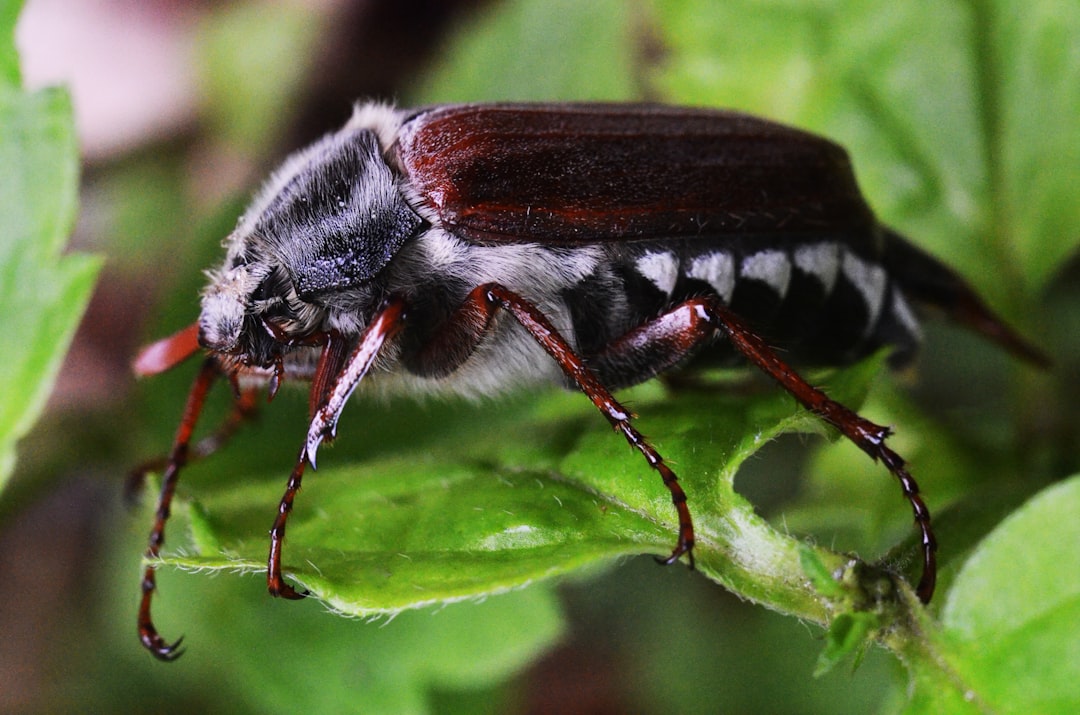
The insect world pioneered chemical warfare millions of years before humans invented their first poison gas – and insect chemical arsenals remain far more sophisticated than anything in human military stockpiles. Bombardier beetles can spray boiling chemical mixtures with remarkable accuracy, stink bugs can clear rooms with their defensive secretions, and some ants use formic acid as both weapon and tool. These natural chemical warfare capabilities translate perfectly to alien military technologies that seem both advanced and biologically plausible. When sci-fi aliens deploy exotic chemical weapons or use acid blood as a defense mechanism, they’re borrowing from strategies that insects have perfected over evolutionary time scales.
The Mirror of Our Deepest Fears
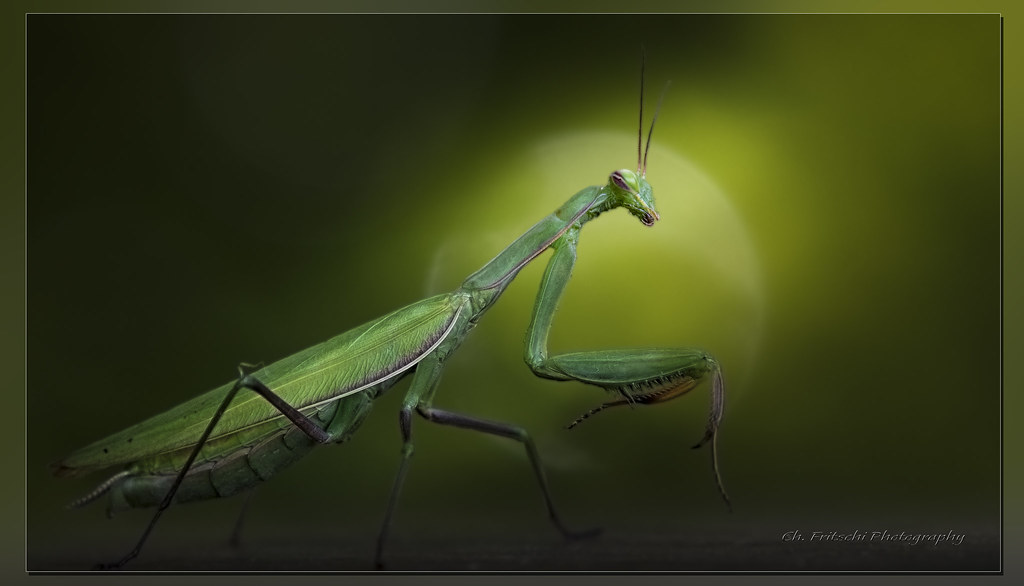
Insects force us to confront uncomfortable truths about life, death, and our place in the natural order – which is exactly why they make such compelling alien antagonists. They represent life forms that succeeded wildly without developing human-like consciousness, emotion, or individual identity. In insect-inspired aliens, we see reflections of what intelligence might look like if it evolved along completely different paths, prioritizing collective survival over individual experience. The success of bug-based sci-fi comes from its ability to make us question whether human consciousness is really the pinnacle of evolution or just one interesting experiment among many. What if the universe is actually dominated by forms of life that find our emphasis on individual identity as strange as we find their hive minds?