
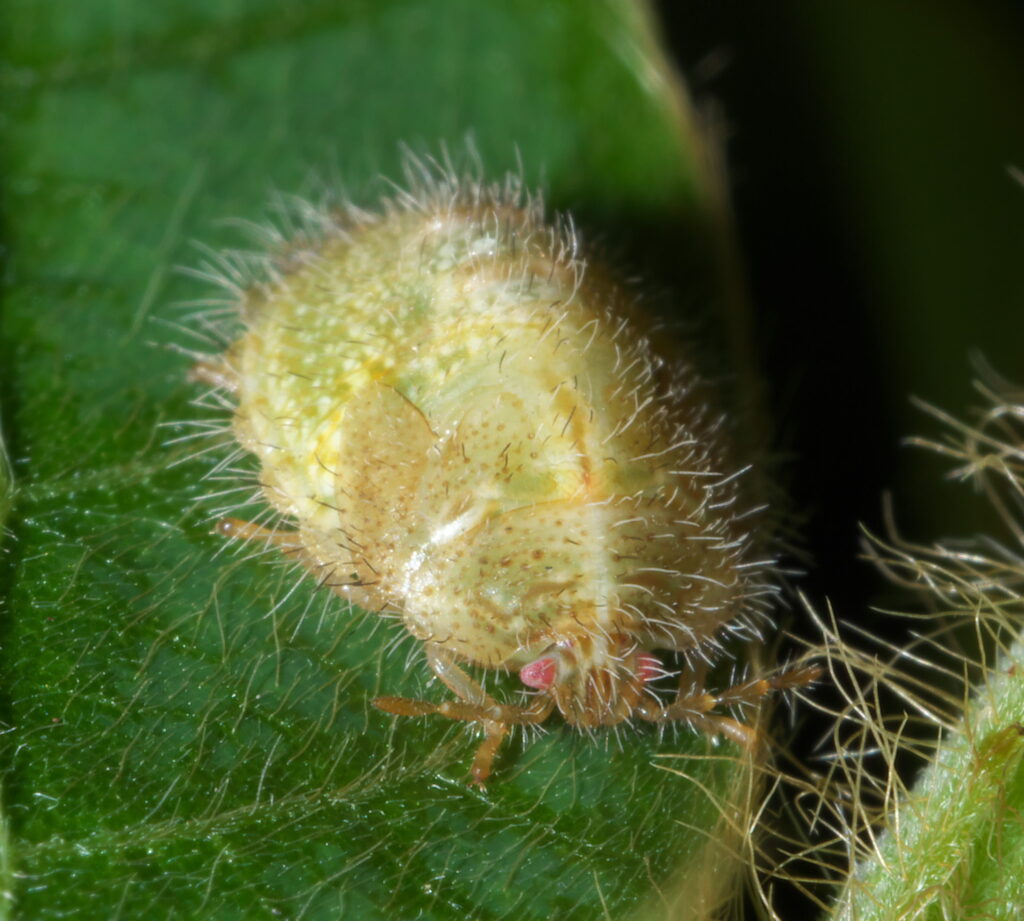
Picture this: you’re enjoying a peaceful spring morning on your porch, coffee in hand, when suddenly thousands of tiny, shield-shaped insects begin swarming around your home. They’re not just any bugs – they’re kudzu bugs, and they’ve turned your peaceful sanctuary into their seasonal headquarters. This isn’t some horror movie scenario; it’s the reality that millions of homeowners across the Southeast face every spring when these invasive insects emerge from their winter hideouts with a vengeance.
The Great Spring Awakening
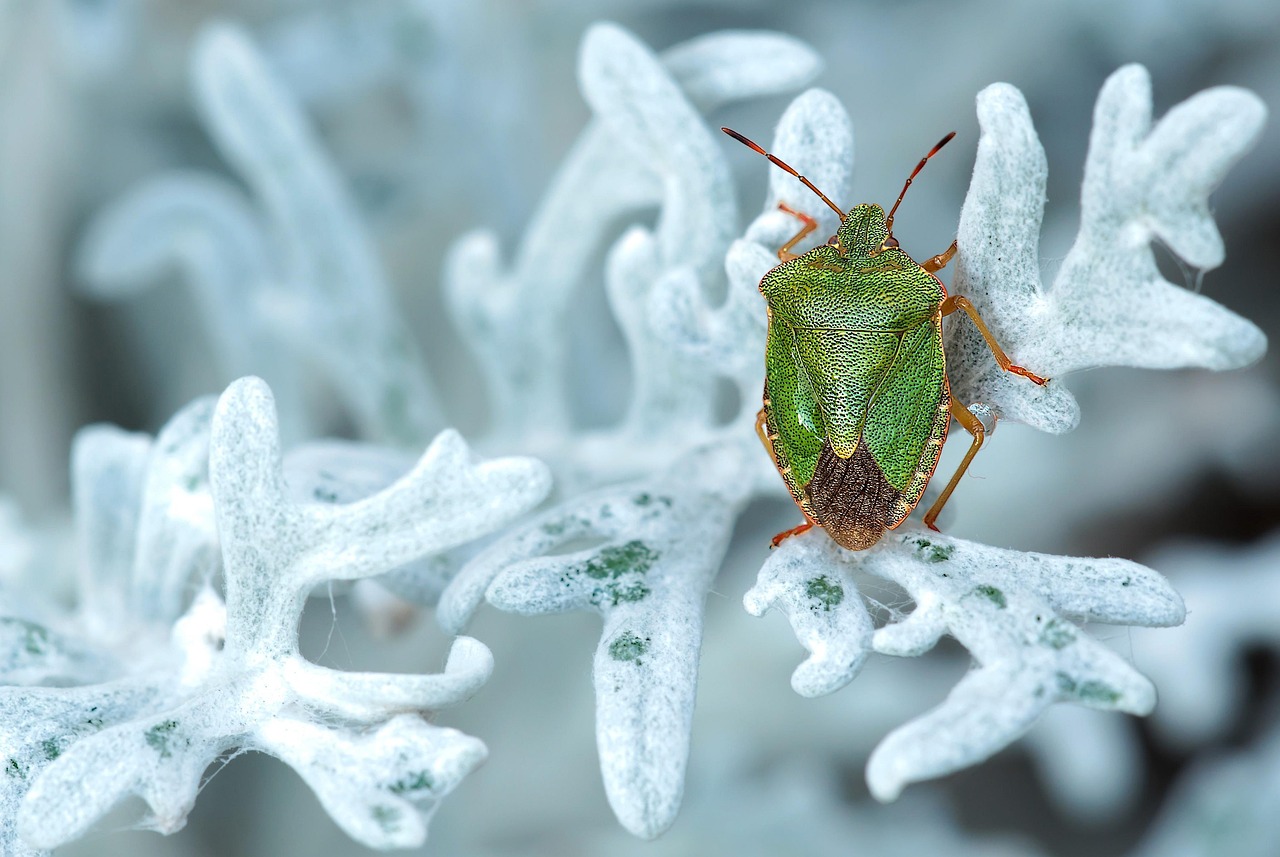
When temperatures start climbing above 60 degrees Fahrenheit, something remarkable happens in the insect world. Kudzu bugs, scientifically known as Megacopta cribraria, begin stirring from their winter slumber like tiny green warriors preparing for battle. These bugs don’t just wake up gradually – they emerge in massive numbers that can literally cover entire sides of buildings.
The timing isn’t coincidental. Spring represents the perfect storm of conditions that kudzu bugs have been waiting for all winter long. Warmer temperatures trigger their biological clocks, while longer daylight hours signal that it’s time to become active again. For homeowners, this means facing swarms that can number in the hundreds of thousands.
Why Your House Becomes Bug Central
Your home isn’t just accidentally attracting these insects – it’s serving as their five-star hotel. During winter months, kudzu bugs seek out warm, protected spaces to survive the cold. The cracks in your home’s foundation, gaps around windows, and spaces under siding become perfect hibernation spots.
When spring arrives, these bugs don’t immediately fly away to find new homes. Instead, they use your house as their launching pad, congregating on sunny sides of buildings where they can warm up and prepare for their active season. Light-colored surfaces are particularly attractive because they reflect heat and provide the perfect basking spots.
The Kudzu Connection That Started It All
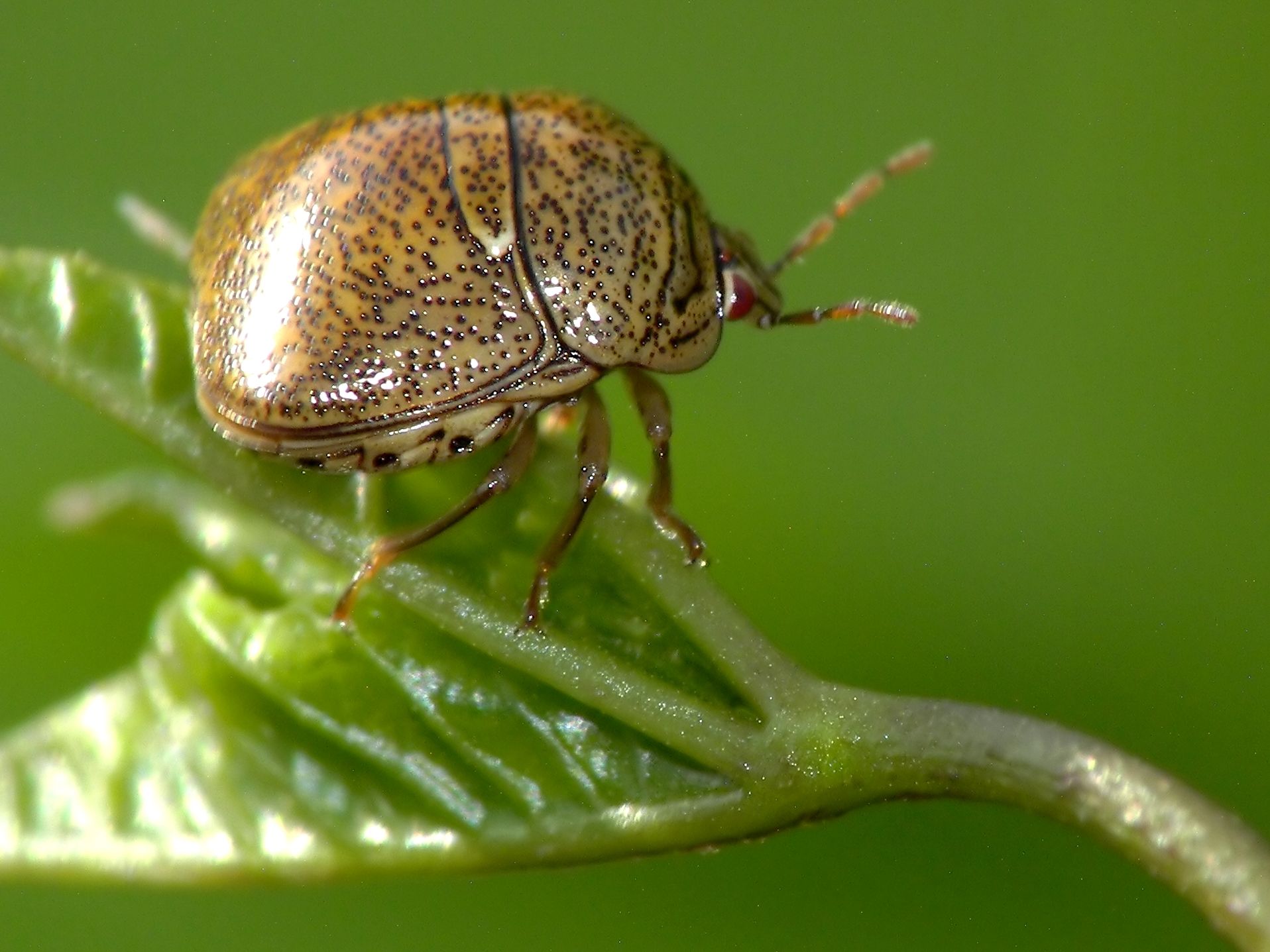
Here’s where the story gets interesting: kudzu bugs didn’t just randomly choose the Southeast as their new home. These insects have a deep, evolutionary relationship with kudzu – that aggressive vine that’s been choking Southern landscapes for decades. The bugs originally came from Asia, where they naturally controlled kudzu populations.
When kudzu bugs first arrived in Georgia around 2009, scientists initially thought they might be the answer to the South’s kudzu problem. The irony is delicious – an invasive species potentially controlling another invasive species. However, the bugs quickly proved they had their own agenda, and homeowners became unwilling participants in this ecological drama.
The Science Behind Their Spring Surge
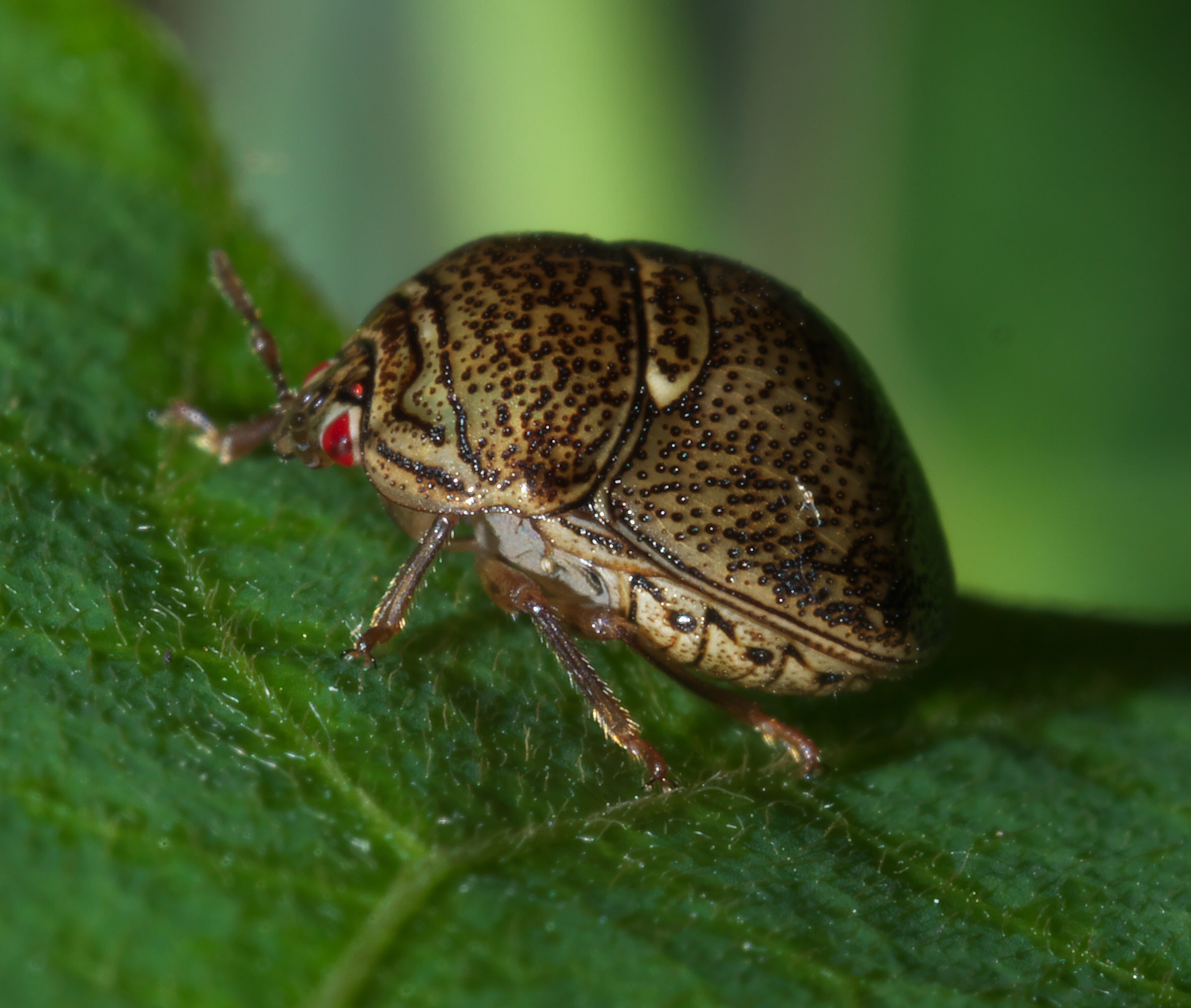
Understanding why kudzu bugs explode in numbers during spring requires diving into their fascinating biology. These insects are what entomologists call “aggregating species,” meaning they naturally cluster together for protection and warmth. During winter, this clustering behavior helps them survive in small, protected spaces.
Research shows that kudzu bugs can survive temperatures as low as 10 degrees Fahrenheit when they’re properly sheltered. Your home’s microclimate – those little warm pockets created by heat loss, sun exposure, and wind protection – provides exactly what they need. Come spring, these survival clusters become launching pads for massive populations.
Geographic Hotspots Where Battles Are Fiercest
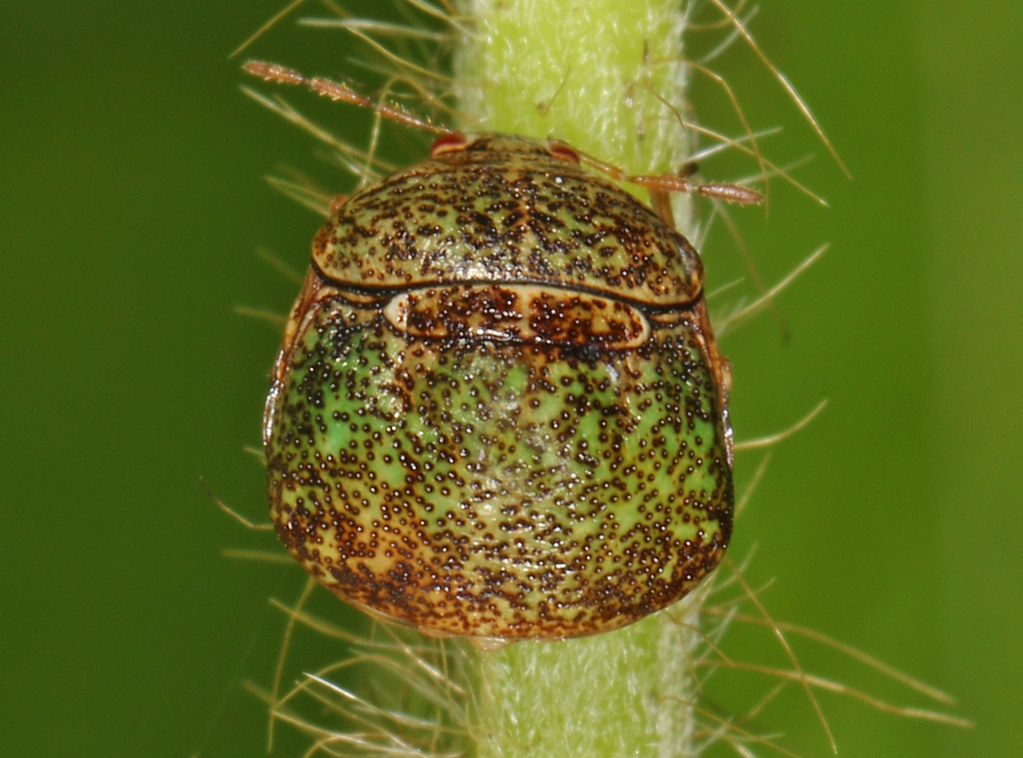
Not all Southern homes face equal kudzu bug pressure. Georgia, South Carolina, North Carolina, Tennessee, and Alabama represent the primary battlegrounds where homeowners report the most intense spring invasions. Within these states, certain microclimates create perfect conditions for kudzu bug population explosions.
Homes near wooded areas, particularly those with kudzu infestations, face the most severe challenges. Properties with southern or western exposures become magnets for these insects because they provide optimal warming conditions. Even urban areas aren’t safe – kudzu bugs have adapted to city environments, using buildings as artificial cliffs for their congregating behavior.
The Stink Factor That Makes Them Memorable
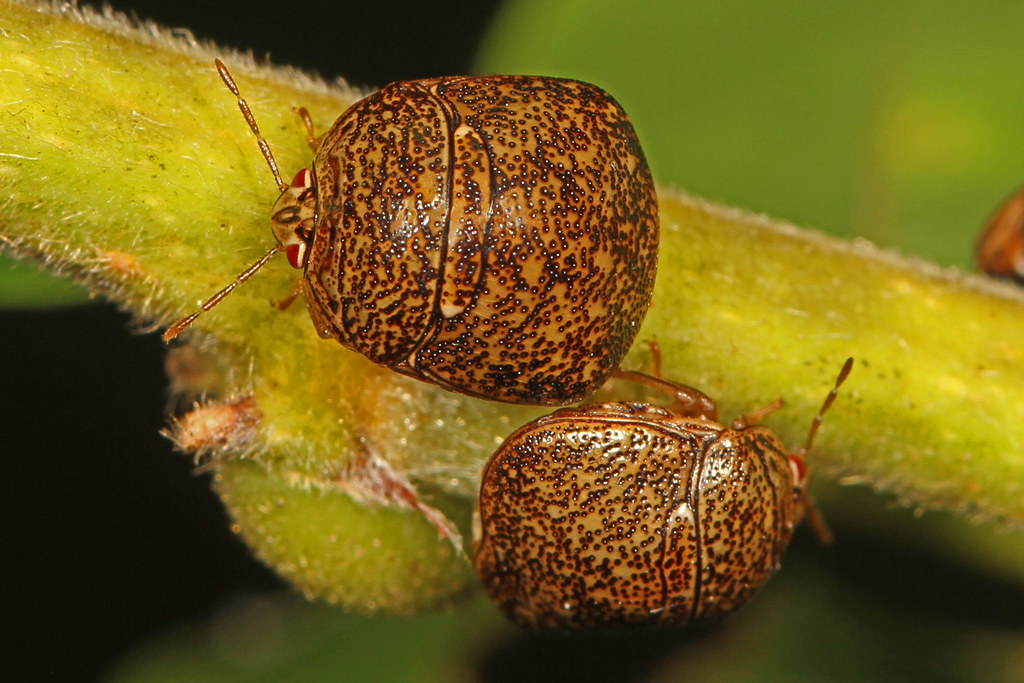
If you’ve ever encountered kudzu bugs, you’ll never forget their signature defense mechanism. When threatened or crushed, these insects release a foul-smelling chemical that can stain surfaces and trigger allergic reactions in some people. This isn’t just an inconvenience – it’s a sophisticated survival strategy that’s been millions of years in the making.
The smell serves multiple purposes: it warns other kudzu bugs of danger, deters predators, and unfortunately, makes homeowners’ lives miserable. The chemical responsible for this odor can persist for hours and is particularly problematic when bugs get inside homes through cracks and crevices.
Weather Patterns That Fuel Their Fury

Spring weather patterns play a crucial role in determining how severe kudzu bug invasions become. Mild winters followed by warm, early springs create ideal conditions for large population survivals. Conversely, harsh winters with extended cold snaps can significantly reduce their numbers.
Rainfall patterns also influence their behavior. Dry springs tend to concentrate kudzu bugs around buildings as they search for moisture, while wet springs can disperse them more widely. Understanding these patterns helps homeowners prepare for what each season might bring to their doorstep.
The Daily Rhythm of Bug Behavior
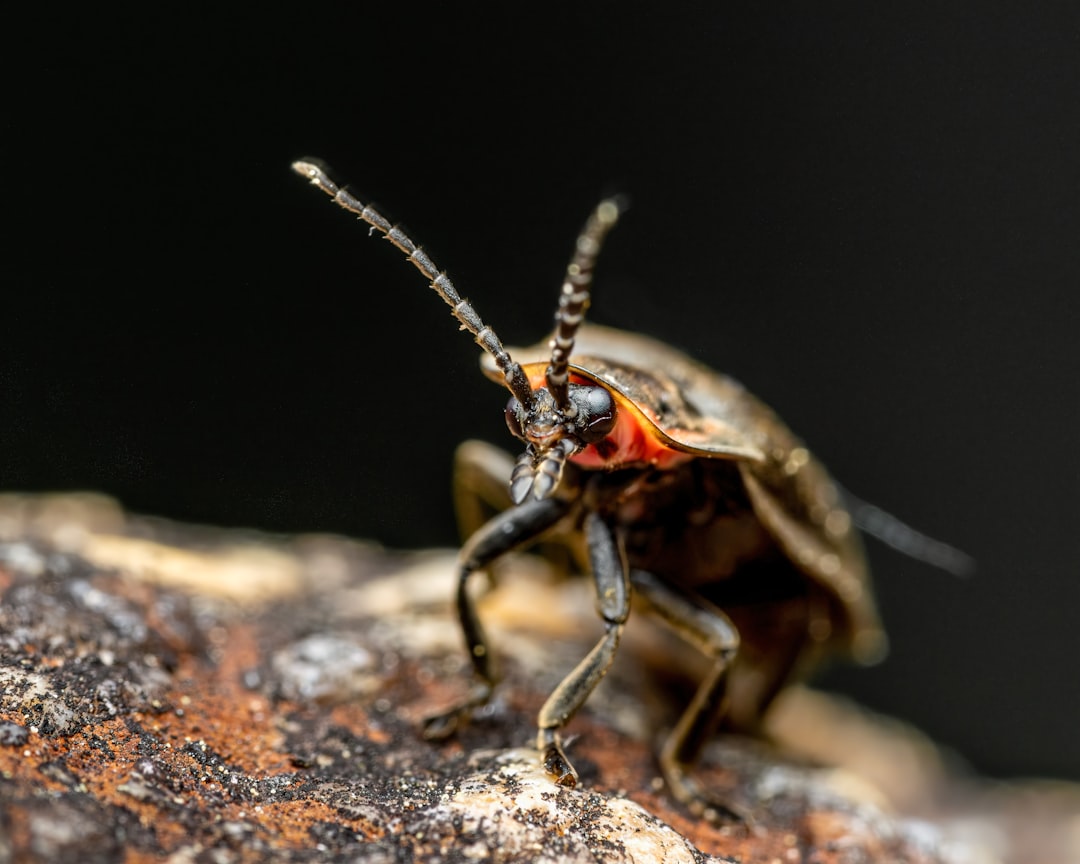
Kudzu bugs aren’t active 24/7 – they follow predictable daily patterns that smart homeowners can use to their advantage. Morning hours typically see the heaviest activity as bugs warm up on sun-exposed surfaces. Mid-day brings peak flight activity when they’re searching for food sources and mates.
Evening hours often trigger another surge of activity as bugs seek shelter for the night. This rhythm means that homeowners can time their defensive strategies around these predictable behavior patterns. Understanding when bugs are most active helps in planning everything from outdoor activities to pest control applications.
How Architecture Influences Invasion Intensity
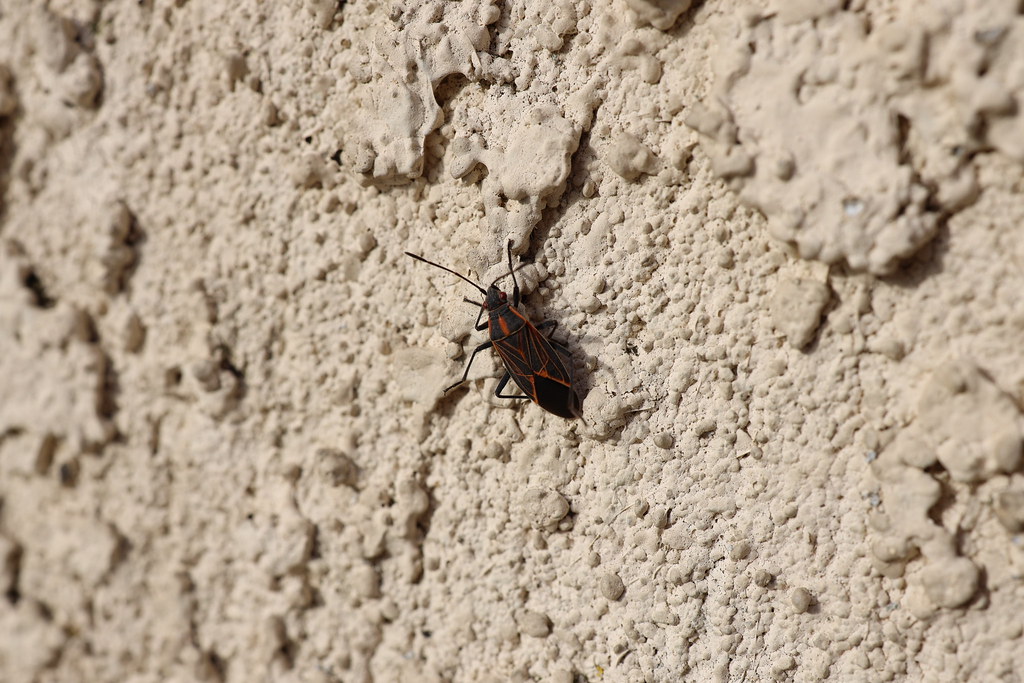
Your home’s design plays a significant role in how attractive it is to kudzu bugs. Ranch-style homes with large, uninterrupted wall surfaces provide ideal congregating areas. Multi-story homes with complex rooflines create numerous microclimates that bugs find irresistible.
Building materials also matter. Vinyl siding with gaps, stone facades with crevices, and wooden structures with natural expansion joints all provide perfect hiding spots. Even your home’s color scheme influences bug behavior – lighter colors tend to attract more insects because they reflect heat more effectively.
The Ecological Impact on Local Ecosystems
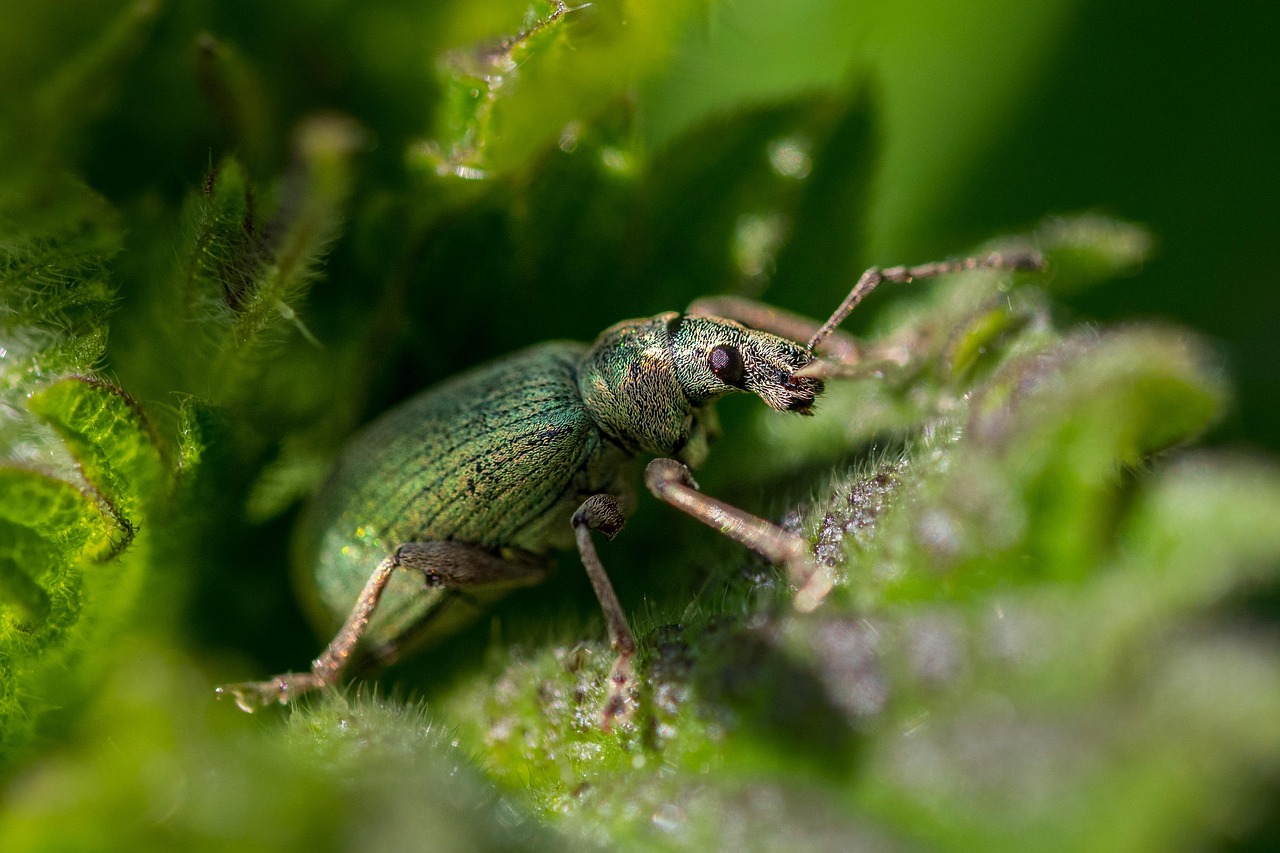
While homeowners focus on the nuisance factor, kudzu bugs are quietly reshaping Southern ecosystems. Their presence affects local food webs, with some native birds and spiders adapting to include these insects in their diets. However, their impact isn’t entirely positive – they can also affect beneficial insects and pollinators.
The relationship between kudzu bugs and native ecosystems remains complex and evolving. Some researchers suggest they might eventually help control kudzu populations, while others worry about their effects on native plant communities. This ongoing ecological experiment is playing out in Southern backyards across the region.
Defense Strategies That Actually Work

Fighting kudzu bugs requires a multi-faceted approach that combines prevention, physical barriers, and targeted treatments. Sealing entry points before spring arrives is crucial – even tiny gaps can accommodate hundreds of overwintering bugs. Caulking, weatherstripping, and screen repairs become essential home maintenance tasks.
Physical removal works for small infestations but becomes impractical for large swarms. Vacuum cleaners can help, but the bag should be disposed of immediately to prevent odor issues. Professional pest control services often provide the most effective solutions for severe infestations, using targeted treatments that don’t harm beneficial insects.
When Professional Help Becomes Necessary

Some kudzu bug invasions exceed what homeowners can reasonably handle alone. When bugs are entering your home in large numbers, causing health issues, or returning repeatedly despite your best efforts, it’s time to call professionals. Pest control experts understand kudzu bug behavior and can implement comprehensive management strategies.
Professional treatments often focus on perimeter applications that create barriers without requiring extensive indoor pesticide use. These experts can also identify and seal entry points that homeowners might miss, providing long-term solutions rather than temporary fixes.
Prevention Strategies for Next Spring
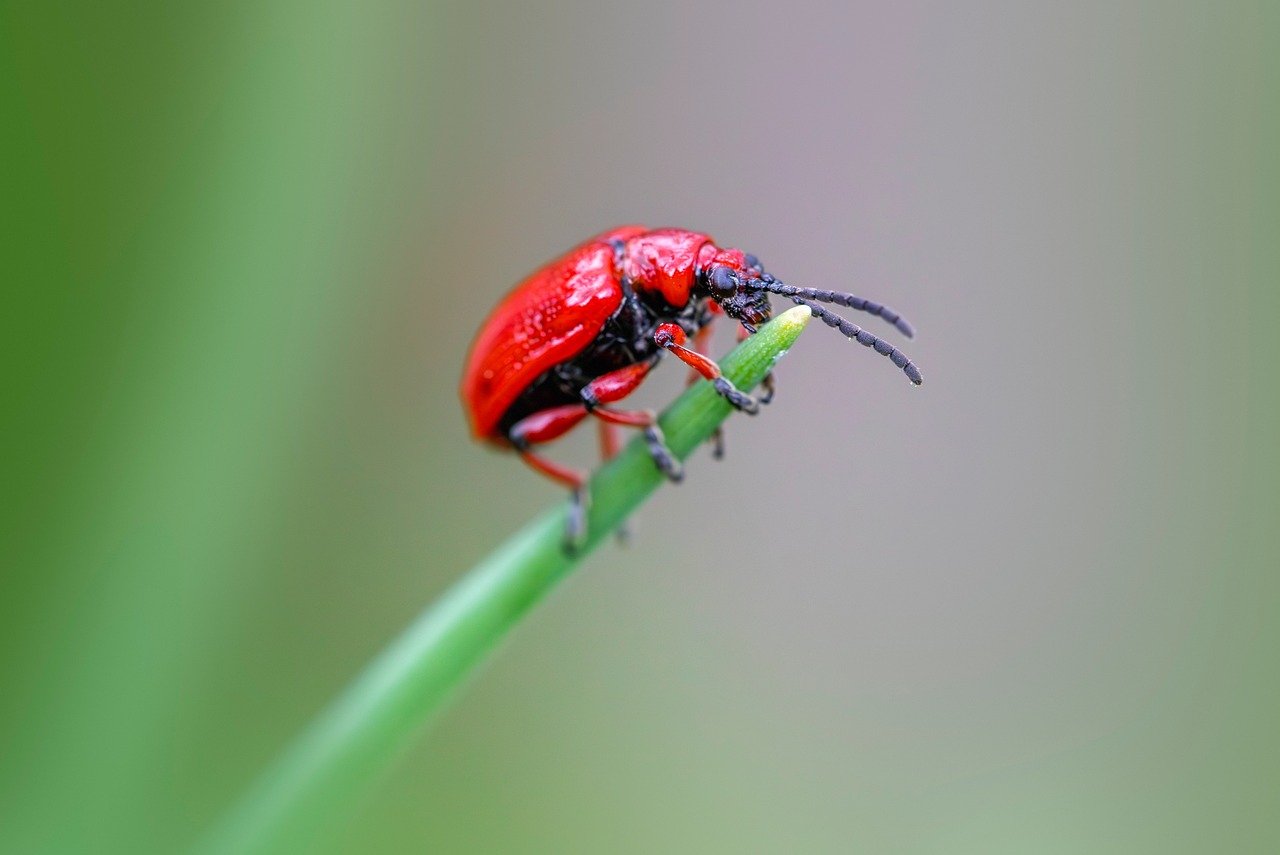
The best defense against kudzu bug invasions is preparation before they become active. Fall and winter months provide ideal opportunities to seal potential entry points and modify your home’s exterior to make it less attractive to these insects. This includes trimming vegetation away from your house and eliminating nearby kudzu growth.
Creating physical barriers using fine mesh screens and weather sealing can significantly reduce bug pressure. Some homeowners find success with reflective materials that make surfaces less attractive for basking. The key is implementing these strategies before bugs begin their spring emergence.
Understanding the Long-term Outlook
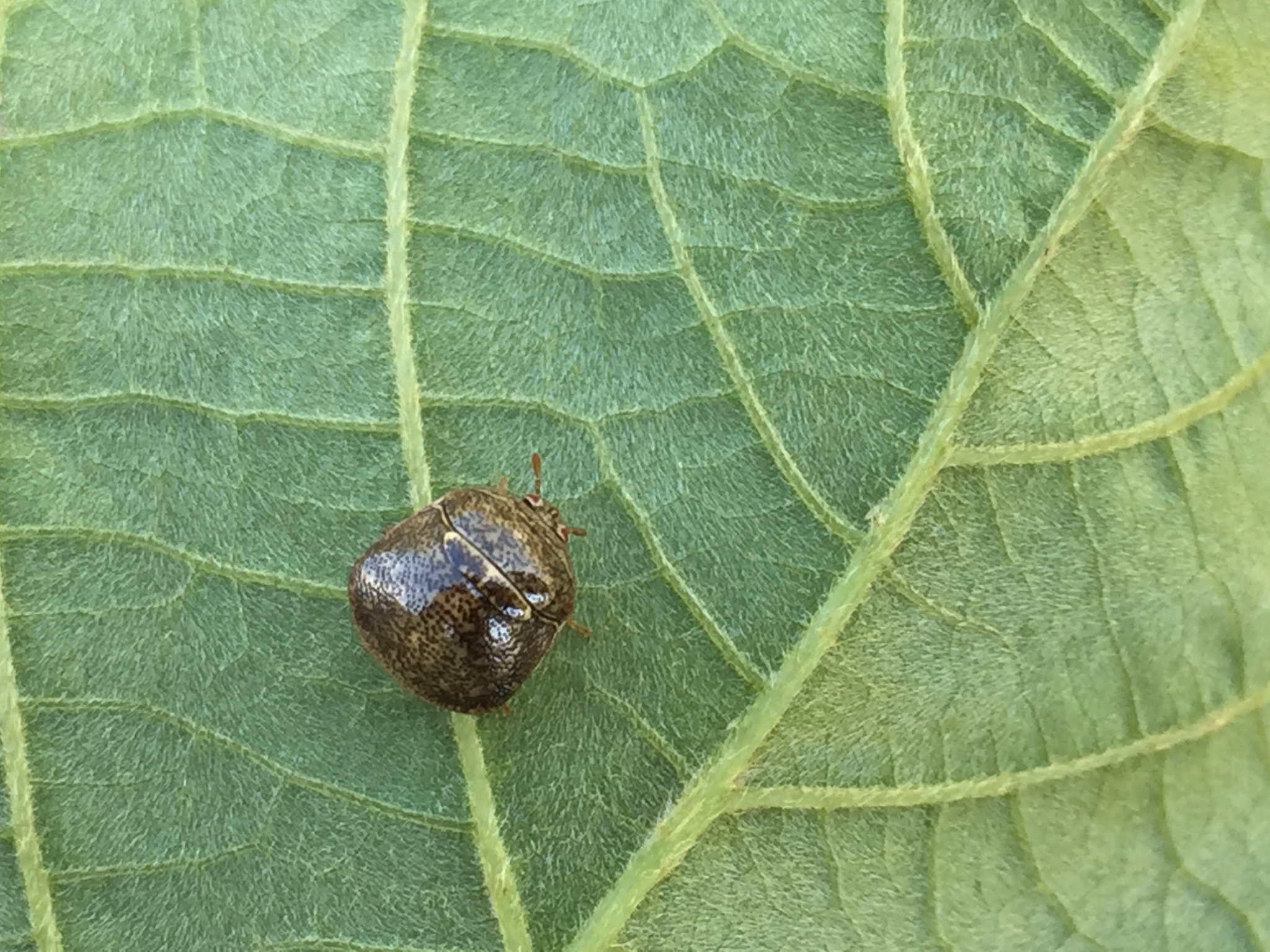
Kudzu bugs aren’t going anywhere anytime soon. Their populations have stabilized in many areas, and they’ve adapted remarkably well to Southern climates and ecosystems. Climate change might even expand their range northward, bringing this spring battle to new regions.
Research continues into biological control methods and population management strategies. Scientists are studying everything from natural predators to pheromone traps, seeking ways to manage these insects without causing additional ecological disruption. The future of kudzu bug management will likely involve integrated approaches that balance homeowner needs with environmental responsibility.
Conclusion
The annual spring emergence of kudzu bugs represents one of the Southeast’s most predictable yet challenging pest events. These tiny insects have transformed from unknown invaders to familiar foes, teaching homeowners hard lessons about preparation, persistence, and the complex relationships between human habitats and invasive species. Understanding their behavior, timing, and preferences gives homeowners the knowledge needed to minimize their impact.
Success in battling kudzu bugs comes from combining scientific understanding with practical prevention strategies. While complete elimination may be impossible, smart homeowners can significantly reduce their encounters with these persistent insects. The key lies in thinking like a kudzu bug – seeking warmth, shelter, and convenience – then eliminating those opportunities around your home.
As these insects continue establishing themselves in Southern ecosystems, the relationship between homeowners and kudzu bugs will likely evolve. What remains constant is the need for vigilance, preparation, and respect for the remarkable adaptability of these tiny invaders. What strategies will you implement before next spring’s inevitable emergence?