
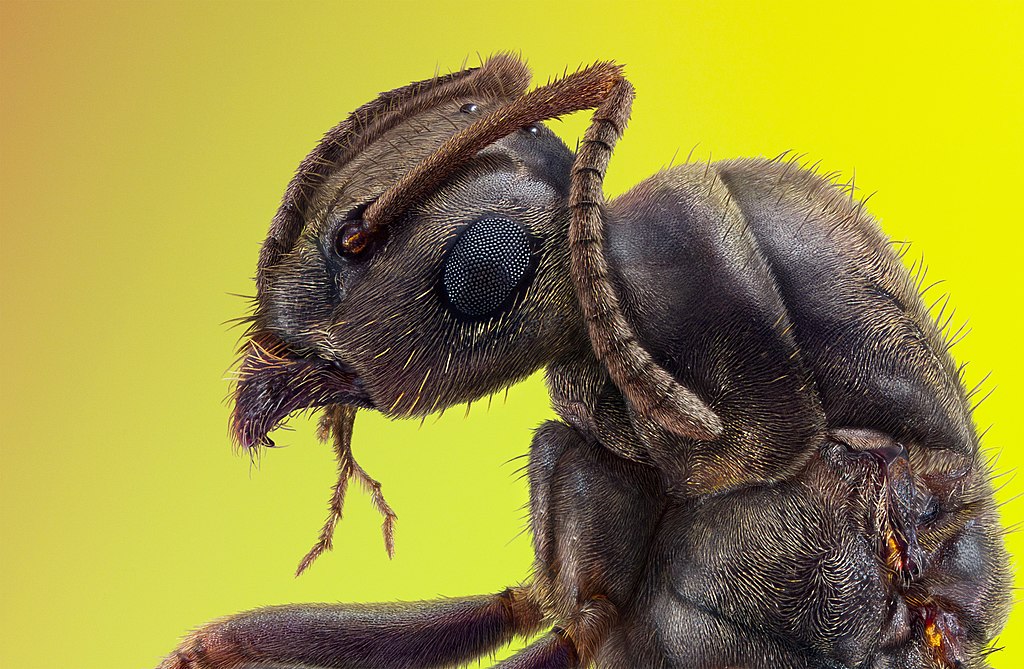
Picture this: you’re settling down for a cozy movie night when suddenly your laptop screen flickers and dies. After a panicked trip to the repair shop, the technician opens up your device and reveals the shocking culprit—a tiny ant, perfectly preserved between the circuit boards. If you think this sounds like a freak accident, think again. Millions of electronic devices worldwide fall victim to insect invasions every year, and the problem is getting worse as our homes become increasingly filled with gadgets.
The Electromagnetic Field Attraction Theory
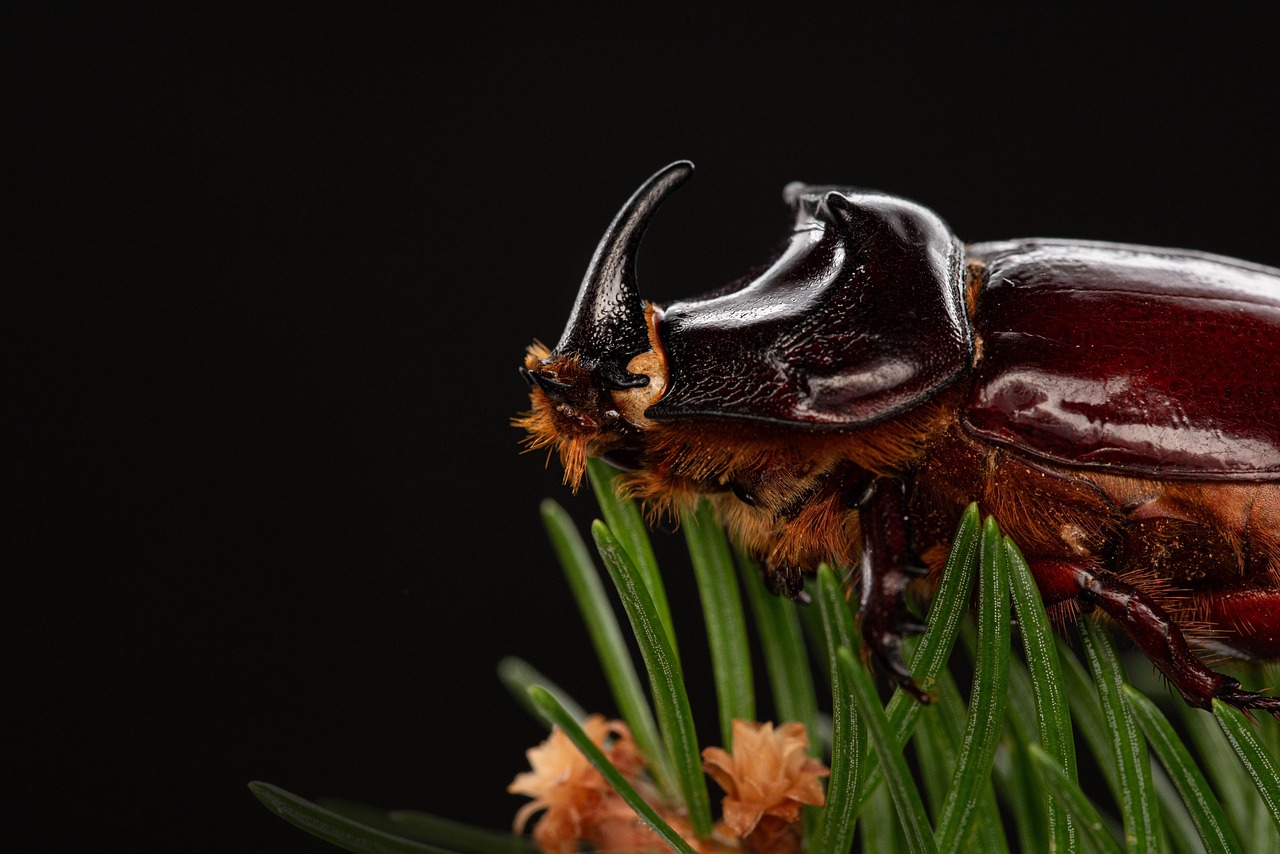
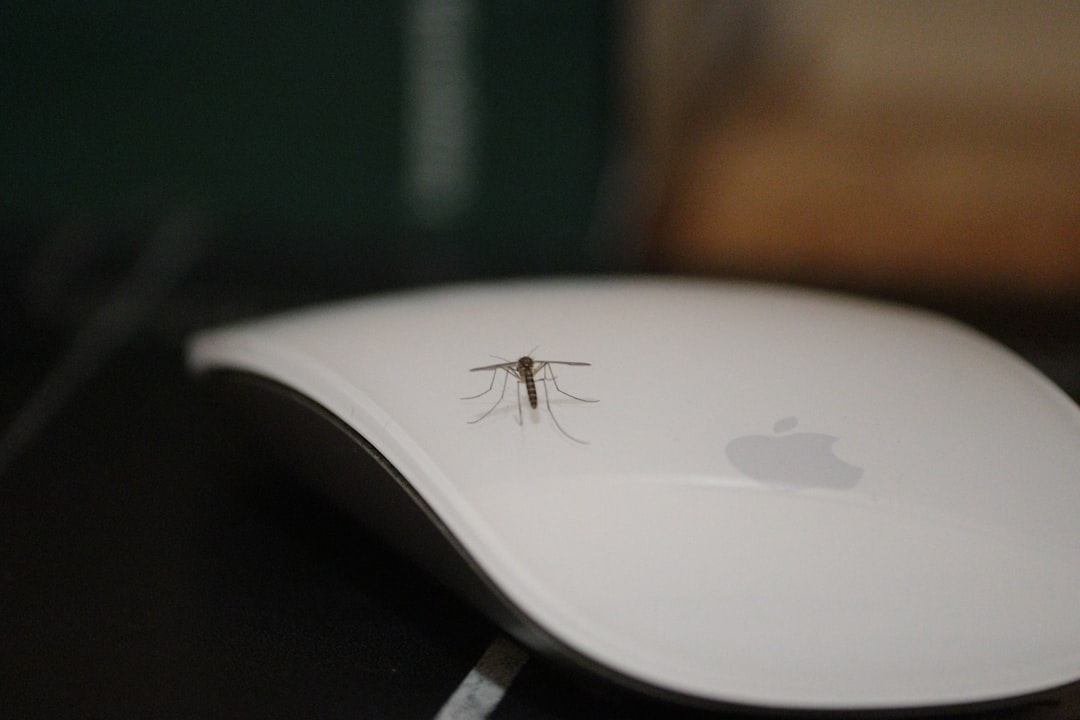
Scientists have discovered that many insects possess an uncanny ability to detect electromagnetic fields, and our electronic devices are practically broadcasting invitations. When your smartphone, tablet, or computer operates, it generates weak electromagnetic radiation that can interfere with insects’ natural navigation systems. Research shows that certain species of ants and beetles are particularly sensitive to these electromagnetic pulses. They interpret the signals as either potential food sources or suitable nesting locations. It’s like your devices are speaking a language that bugs understand, but unfortunately, they’re saying all the wrong things.
Heat: The Ultimate Bug Magnet
Electronic devices generate heat as a byproduct of their operation, creating warm microclimates that insects find irresistible. For cold-blooded creatures, finding a consistent heat source can mean the difference between survival and death, especially during cooler months. Your gaming console, laptop cooling vents, and even phone chargers become premium real estate for insects seeking shelter. The warmth mimics natural environments like sun-heated rocks or decaying organic matter where insects typically congregate. Once they discover these electronic “hot spots,” they often establish entire colonies nearby.
The Sweet Smell of Circuitry
Here’s something that might surprise you: many electronic components emit chemical compounds that insects find attractive. The flux used in soldering, certain plastics, and even the adhesives in circuit boards can produce scents that register as food signals to various bug species. Some insects are drawn to the metallic odors from copper wiring and aluminum components. These materials can oxidize over time, creating chemical signatures that insects associate with mineral-rich environments they naturally seek for nutrition and reproduction.
Size Matters: Perfect Fit Spaces
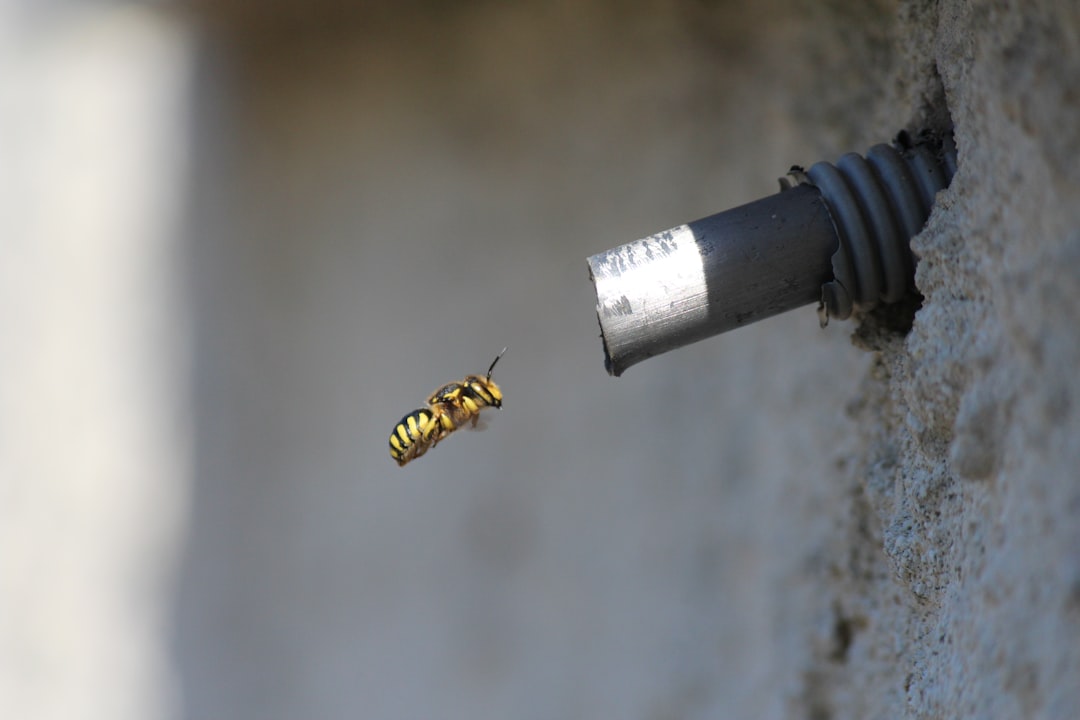
Modern electronics are designed with intricate internal spaces that happen to be perfectly sized for many common household insects. The gaps between circuit boards, cooling fan housings, and connector ports create ideal hiding spots that offer protection from predators and harsh environmental conditions. Ants, in particular, are masters at exploiting these tight spaces. Their bodies are evolutionarily designed to squeeze through remarkably small openings, making the internal architecture of most electronic devices feel like luxury condominiums to them.
Common Entry Points: How They Breach Your Defenses
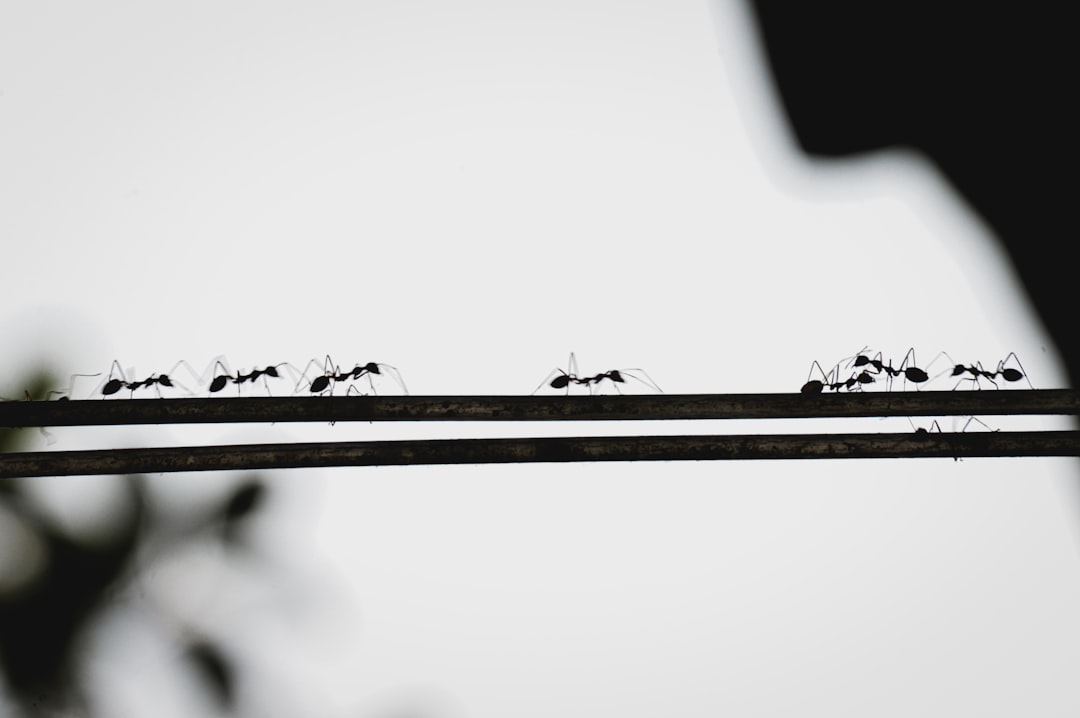
Insects are remarkably resourceful when it comes to infiltrating electronic devices, and they’ve identified several key entry routes. Cooling vents represent the most obvious access points, as they’re designed to allow air circulation but often lack fine mesh barriers that could keep insects out.USB ports, charging cables, and headphone jacks serve as convenient highways for smaller insects. Even the microscopic gaps around button interfaces and screen bezels can accommodate determined invaders. Once inside, they can navigate through internal cable routing and reach virtually any component within the device.
The Deadly Consequences for Electronics
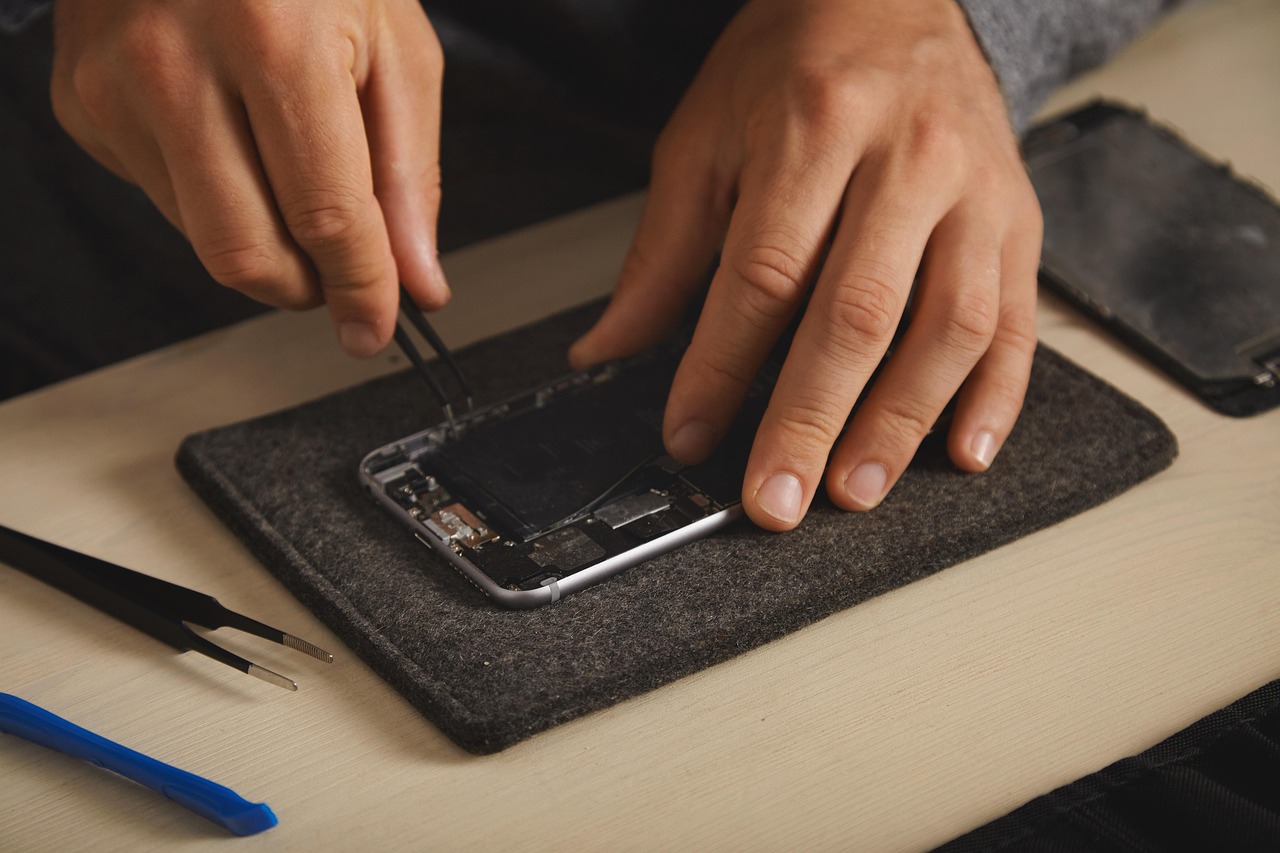
When insects make themselves at home in your devices, the results can be catastrophic. Their bodies can create short circuits when they come into contact with live electrical components, instantly frying expensive motherboards and processors.Even after death, insects continue to cause problems. Their decomposing remains can create corrosive environments that damage delicate circuitry over time. The accumulation of insect debris can also block ventilation systems, causing devices to overheat and fail prematurely.
Ant Colonies: The Ultimate Electronic Invaders
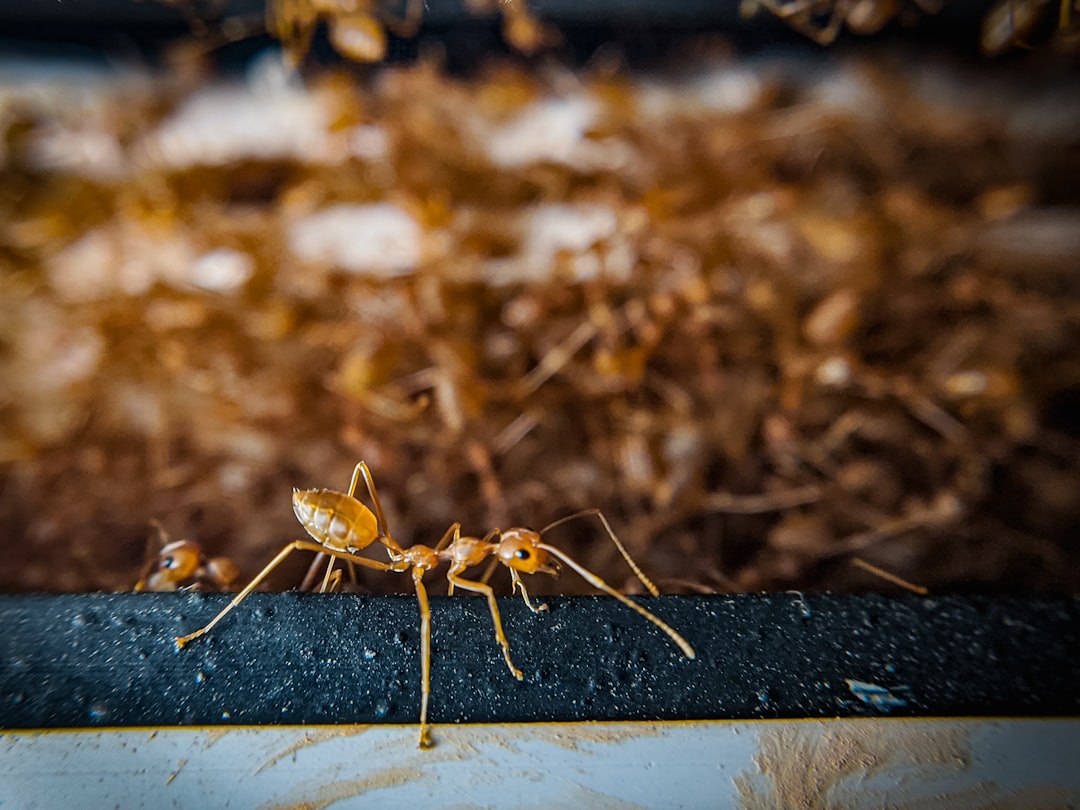
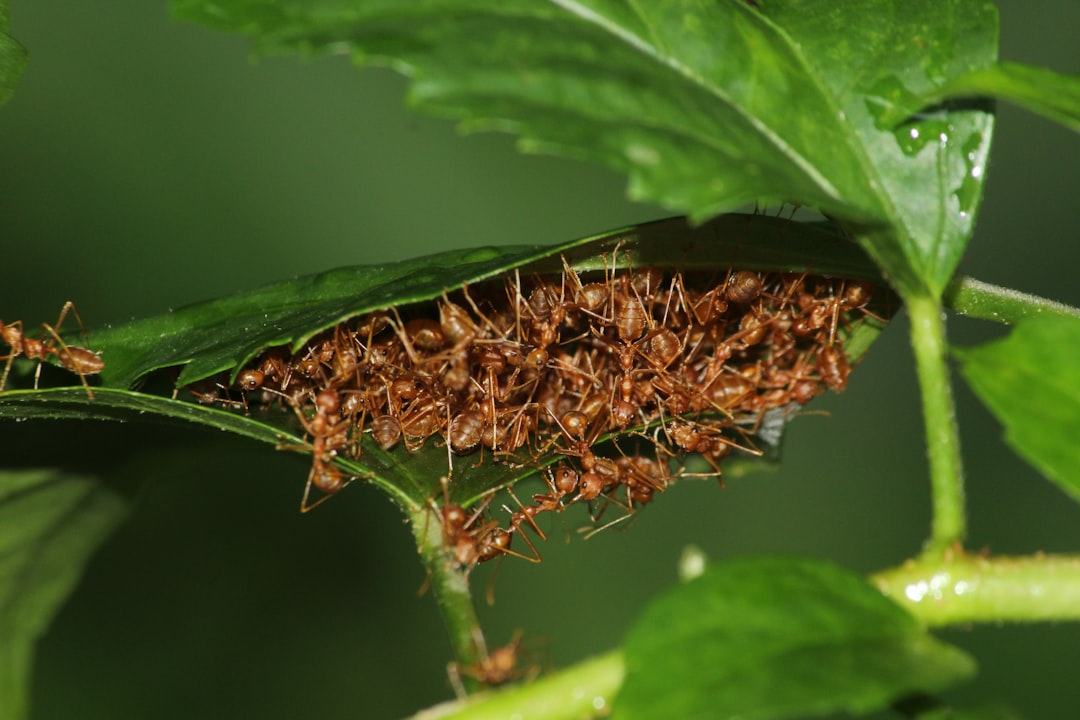
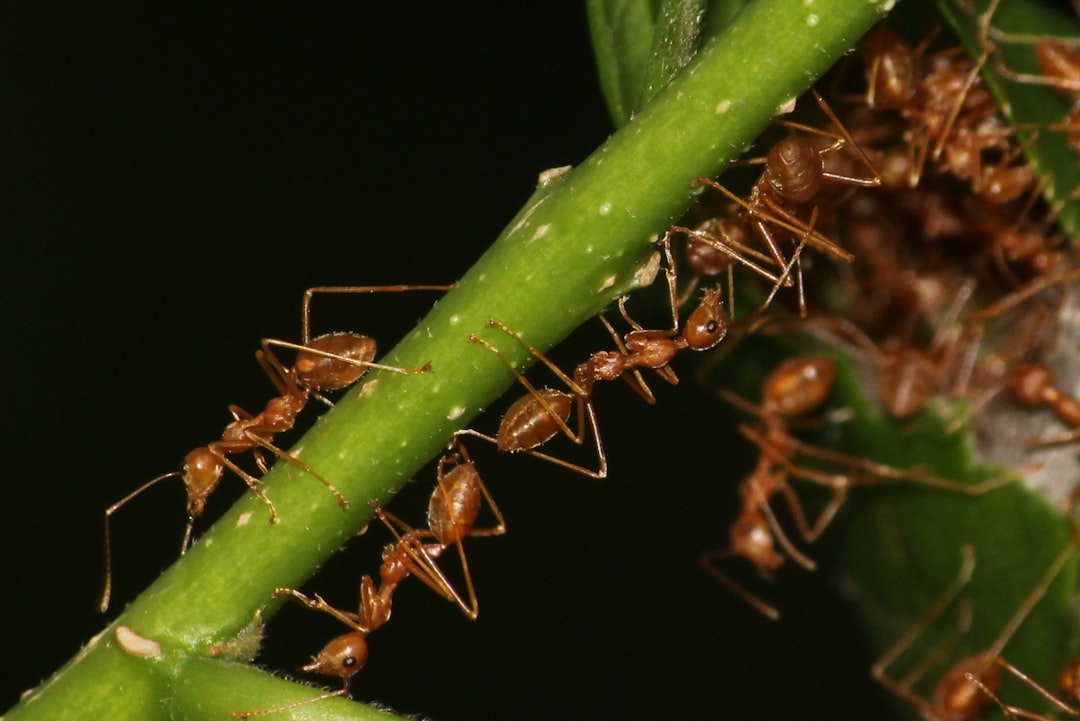
Ants deserve special mention as perhaps the most problematic insects for electronic devices. Unlike solitary insects, ants work collectively and can establish entire colonies within larger electronics like desktop computers and gaming systems.When scout ants discover a suitable electronic environment, they leave pheromone trails that guide their entire colony to the new location. What starts as a single ant investigation can quickly become a full-scale invasion involving thousands of individuals, each contributing to the destruction of your expensive equipment.
The Cockroach Problem: Persistent and Destructive
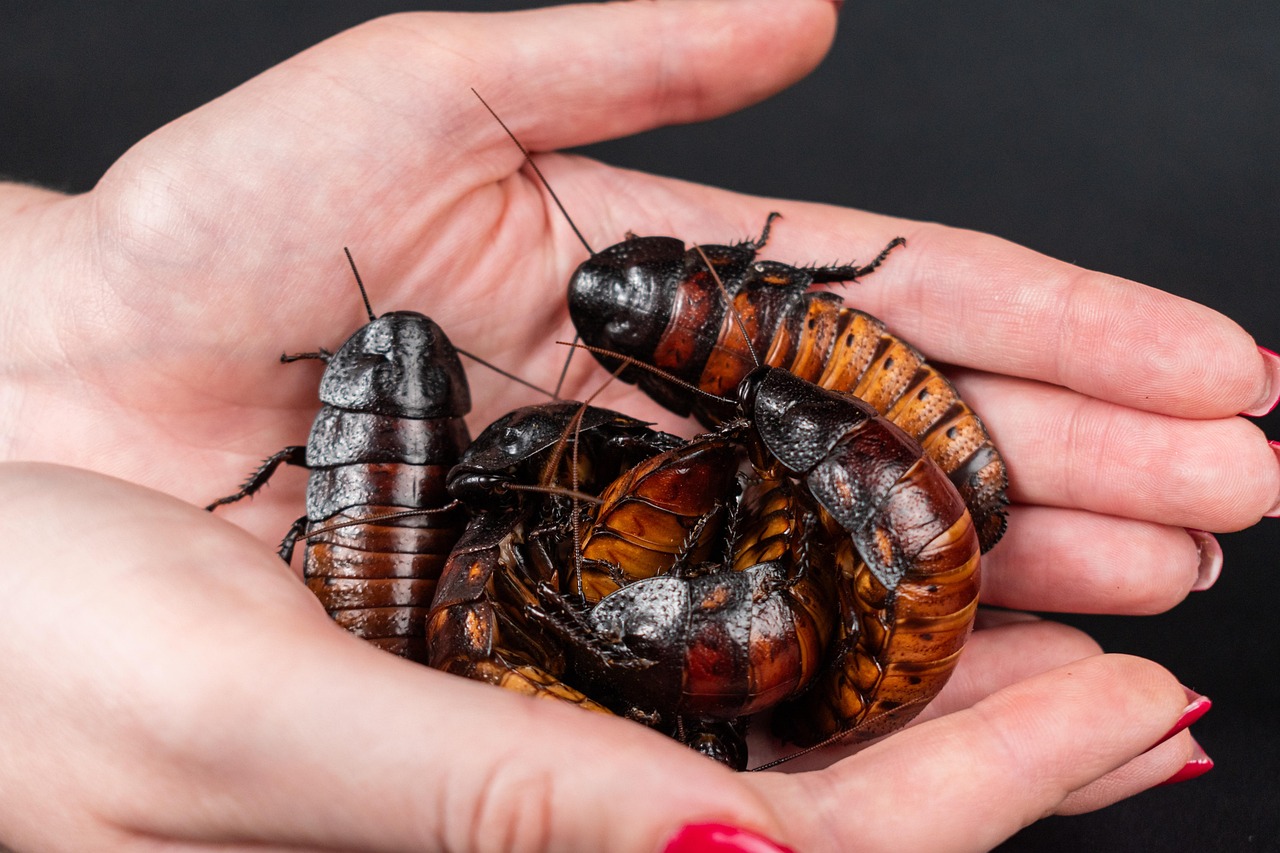
Cockroaches represent another major threat to electronic devices, particularly because of their size and persistence. These resilient insects can squeeze through openings as small as a quarter of their body width, making them capable of infiltrating even well-sealed devices.Unlike ants, cockroaches are primarily motivated by food and shelter rather than electromagnetic signals. They’re attracted to the organic residues that accumulate inside electronics—skin cells, food particles, and even the organic compounds used in some electronic components. Once established, they’re notoriously difficult to remove without professional intervention.
Seasonal Invasion Patterns
Insect invasions of electronic devices follow predictable seasonal patterns that can help you prepare and protect your equipment. During autumn months, many insects seek warm shelter as temperatures drop, making your heated electronics increasingly attractive.Spring brings its own challenges as insects emerge from winter dormancy and begin seeking new territories for reproduction. Summer heat can drive insects indoors where they discover the consistent climate control provided by air-conditioned environments and the electronics within them.
Geographic Hotspots: Where Bug Invasions Are Most Common
Certain regions experience significantly higher rates of insect-related electronic failures. Tropical and subtropical areas with year-round insect activity see the most consistent problems, while temperate regions experience seasonal spikes that correlate with local insect life cycles.Urban environments present unique challenges as insects adapt to human-dominated landscapes. Cities often concentrate electronic devices in small spaces, creating electromagnetic and thermal signatures that can attract insects from considerable distances.
Prevention Strategies That Actually Work
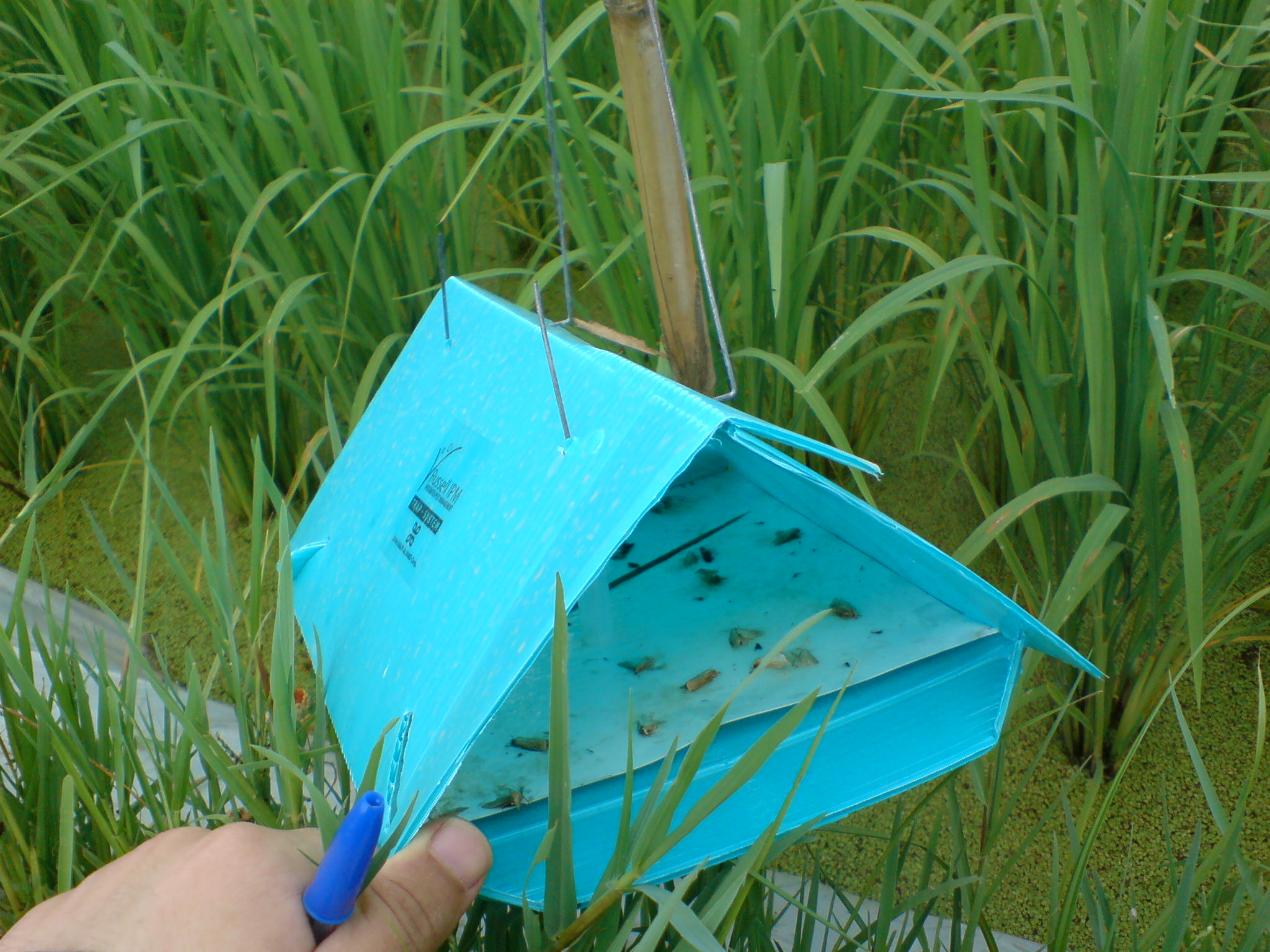
Protecting your electronics from insect invasion requires a multi-faceted approach that addresses the various attraction factors. Physical barriers represent your first line of defense—fine mesh covers over ventilation openings can dramatically reduce access points without impacting device performance.Regular cleaning of device exteriors removes the organic residues that attract insects, while strategic placement away from known insect pathways can reduce discovery rates. Creating less attractive environments through temperature and humidity control also helps discourage insect exploration.
The Role of Integrated Pest Management

Professional pest control approaches have evolved to specifically address electronic device protection. Integrated pest management combines multiple strategies to create environments that are fundamentally hostile to insect establishment while remaining safe for human occupants and electronic equipment. These approaches often involve identifying and eliminating insect attractants throughout the entire living or working space, rather than simply treating individual devices after problems occur. By addressing the root causes of insect attraction, you can prevent problems before they damage expensive equipment.
When Professional Help Is Necessary
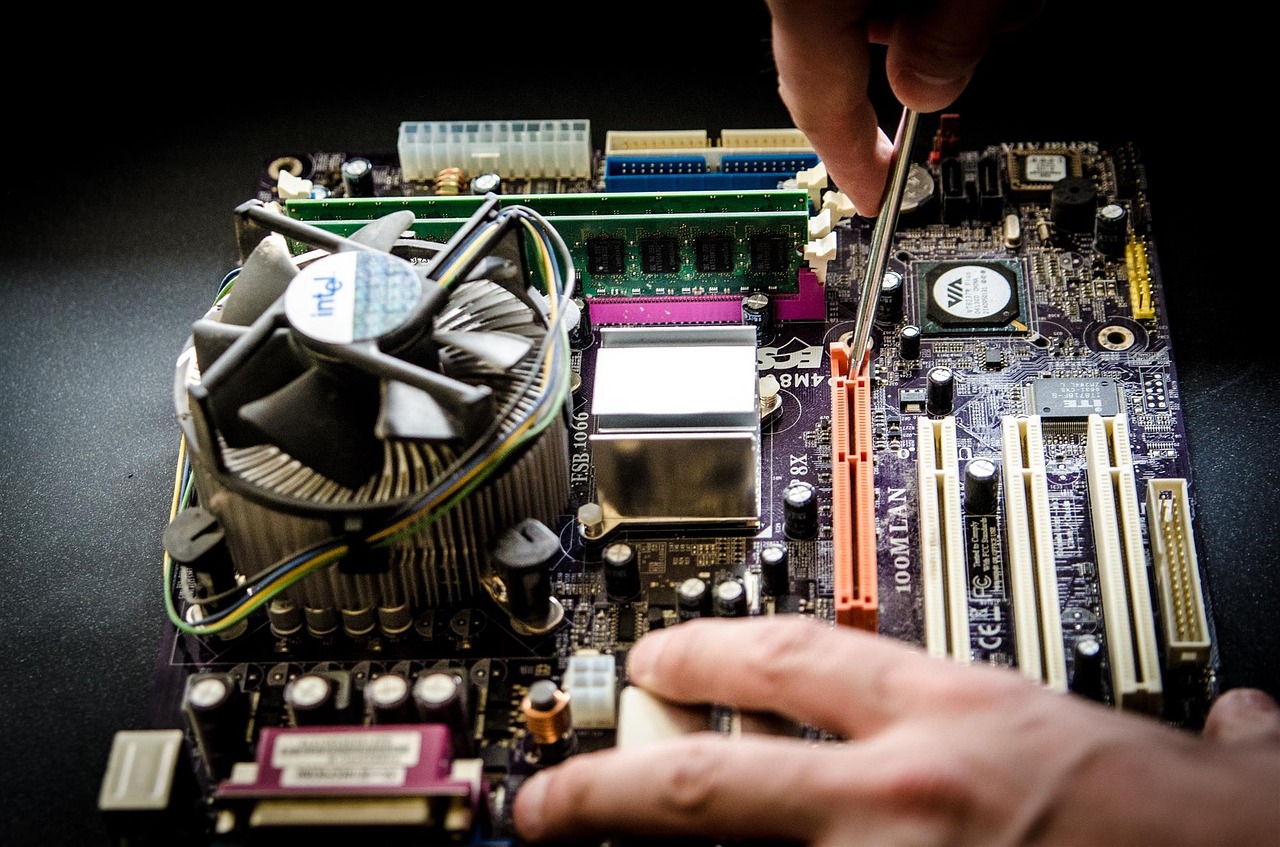
Some insect invasions require professional intervention to resolve safely and effectively. If you discover live insects inside powered electronic devices, attempting DIY removal can result in electrical shock or further damage to sensitive components. Professional electronics repair services have specialized tools and techniques for safely removing insects and their debris from delicate circuitry. They can also assess and repair any damage that has already occurred, potentially saving devices that might otherwise be considered total losses.
Future-Proofing Your Electronic Investment
As our homes become increasingly filled with smart devices and electronics, the potential for insect-related damage continues to grow. Understanding the fundamental reasons why insects are attracted to electronics allows you to make informed decisions about device placement, maintenance schedules, and environmental controls. The relationship between insects and electronics isn’t going away—if anything, it’s becoming more complex as devices become smaller and more numerous. By staying informed about insect behavior and implementing proactive protection strategies, you can significantly extend the lifespan of your electronic investments while avoiding the frustration and expense of insect-related failures. The next time you notice an ant wandering near your laptop or spot a small beetle around your gaming setup, remember that they’re not just random visitors—they’re responding to specific signals your devices are broadcasting. Will you take action before they decide to move in permanently?