
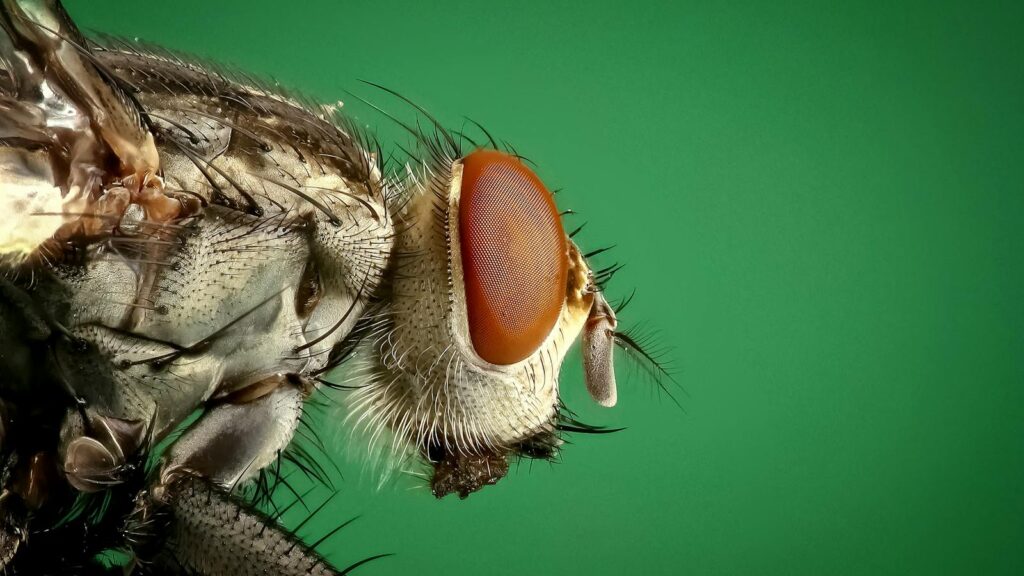
Picture this: you’re walking down the street when a six-foot-tall ant scuttles past you, or a butterfly with wings spanning twelve feet glides overhead. It sounds like something straight out of a science fiction movie, but what would really happen if insects suddenly grew to human size? The answer isn’t as simple as just scaling up a tiny creature – the laws of physics would create a world far stranger and more terrifying than any horror film could imagine.
The Square-Cube Law: Why Size Matters in Biology

The fundamental reason why giant insects would face immediate catastrophe lies in a mathematical principle called the square-cube law. This law states that when you scale up an object, its surface area increases by the square of the scaling factor, while its volume and mass increase by the cube of that factor.
For a human-sized insect, this means that if you make an ant 100 times larger, its surface area increases by 10,000 times, but its weight increases by 1,000,000 times. This creates an impossible situation where the insect’s body structure simply cannot support its own weight.
Think of it like trying to build a skyscraper using the same materials and design as a small house – it would collapse under its own weight before you even finished construction.
Breathing Becomes a Death Sentence
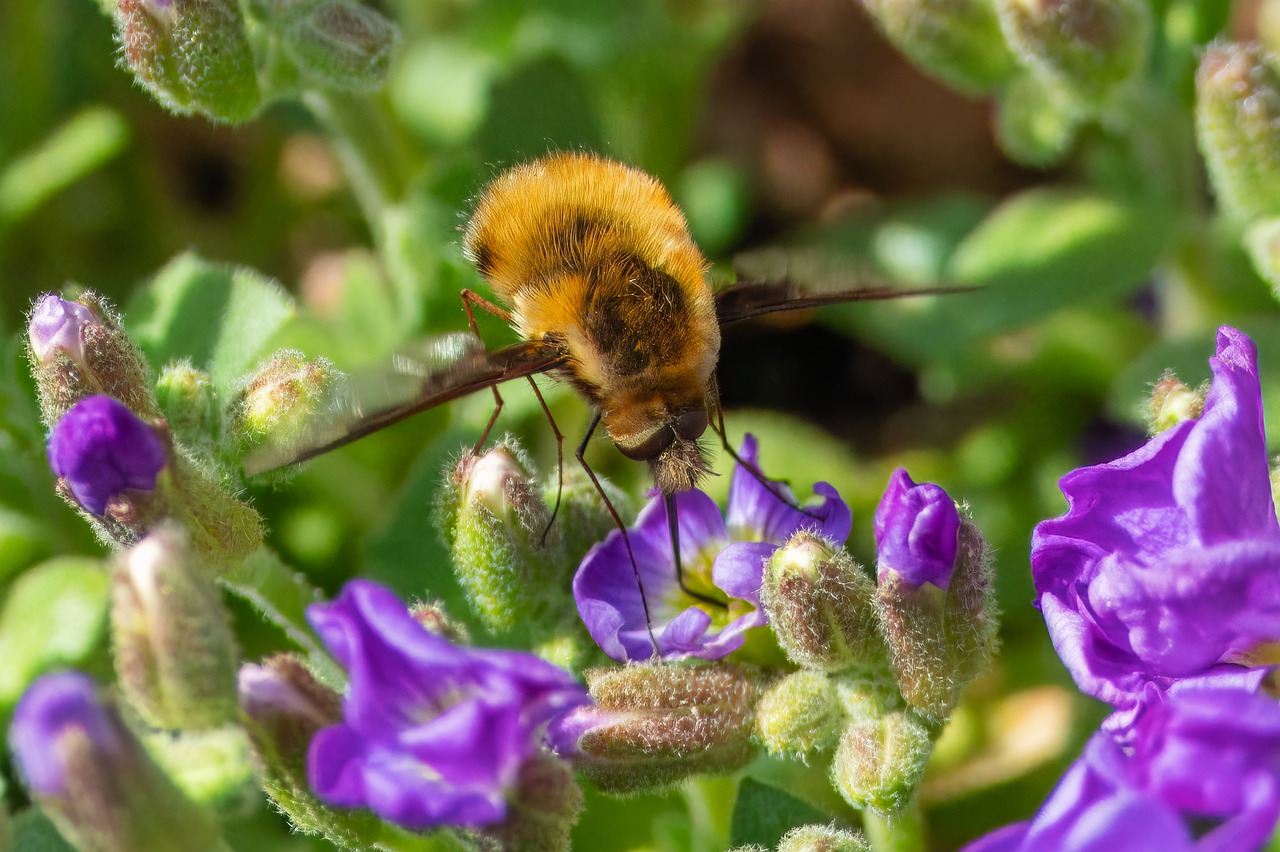
Insects don’t have lungs like mammals do. Instead, they breathe through a network of tubes called tracheae that deliver oxygen directly to their cells. This system works perfectly for small creatures, but it becomes a fatal flaw when scaled up to human proportions.
The oxygen delivery system in insects relies on passive diffusion, which becomes incredibly inefficient over longer distances. A human-sized insect would essentially suffocate from the inside out, as oxygen couldn’t reach the deeper tissues fast enough to keep the creature alive.
Scientists have calculated that insects larger than about 2 inches would struggle to get enough oxygen to survive with their current respiratory system. Scale that up to human size, and you’re looking at an immediate respiratory failure that would make the creature’s life span measured in minutes rather than years.
The Exoskeleton Problem: Armor That Becomes a Prison
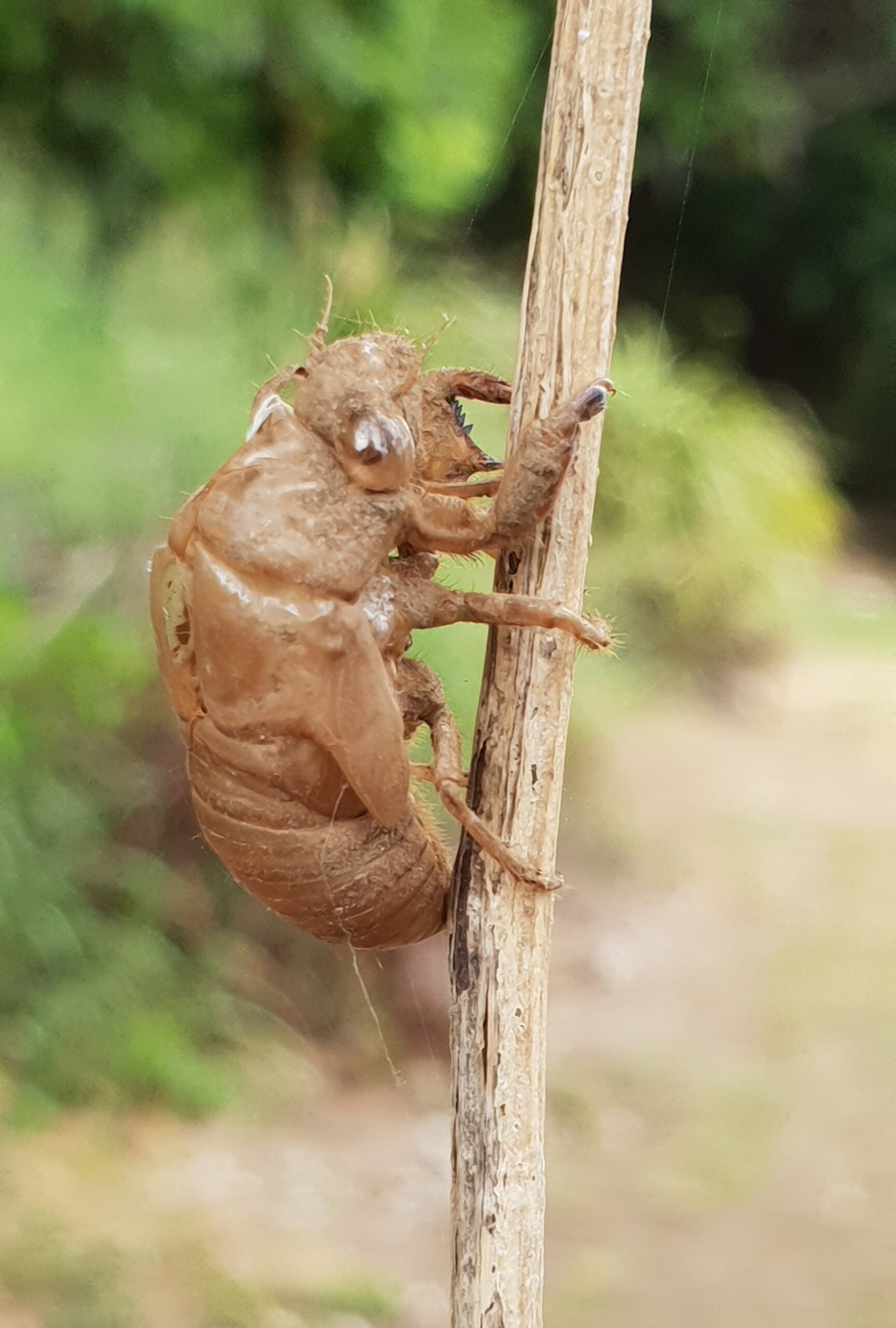
An insect’s exoskeleton is like wearing a suit of armor made from the same material as your fingernails. While this works wonderfully for small creatures, it becomes a nightmare when scaled up to human dimensions.
The exoskeleton would need to be incredibly thick to support the insect’s massive weight – we’re talking about armor that could be several inches thick. This would make the creature so heavy that it couldn’t move, turning its protective shell into a prison of its own making.
Even if somehow the exoskeleton could support the weight, the insect would face another problem: molting. Insects regularly shed their exoskeletons to grow, but a human-sized insect would be so vulnerable during this process that it would likely die before completing the molt.
Blood Circulation: A System in Crisis
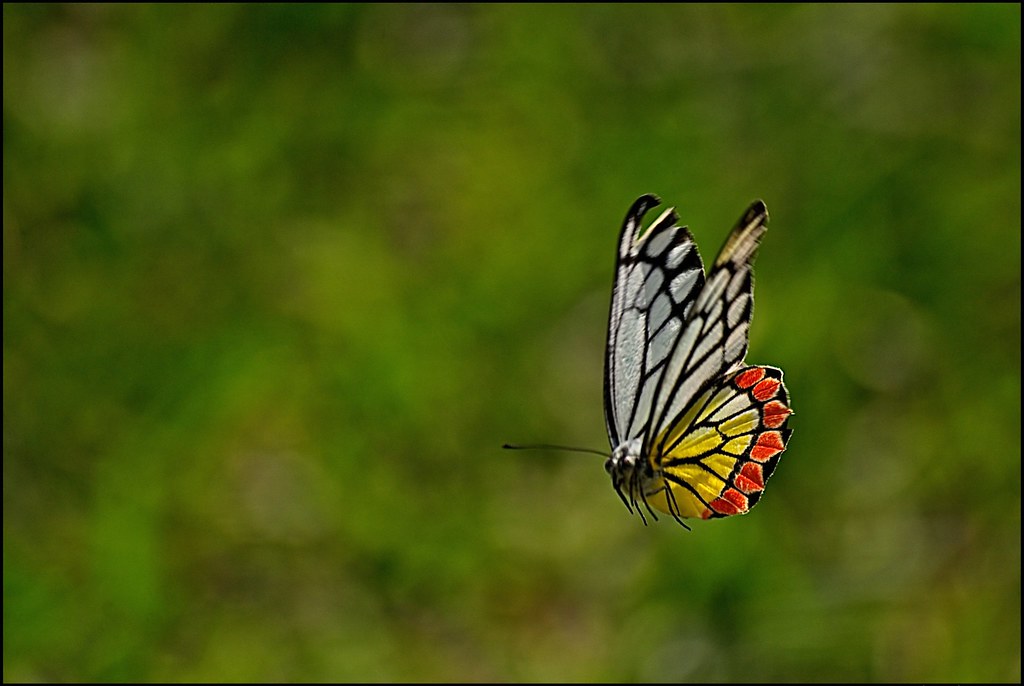
Insects have what’s called an open circulatory system, where their blood (called hemolymph) flows freely through body cavities rather than being confined to blood vessels like in humans. This system works fine for small creatures but becomes woefully inadequate at larger sizes.
A human-sized insect would struggle to pump its blood effectively throughout its massive body. The simple heart structure that insects possess wouldn’t be powerful enough to circulate hemolymph to all the necessary organs and tissues.
The result would be similar to a human trying to survive with a heart the size of a pea – circulation would fail, tissues would die, and the creature would face multiple organ failures simultaneously.
The Strength Myth: Why Giant Ants Wouldn’t Lift Cars
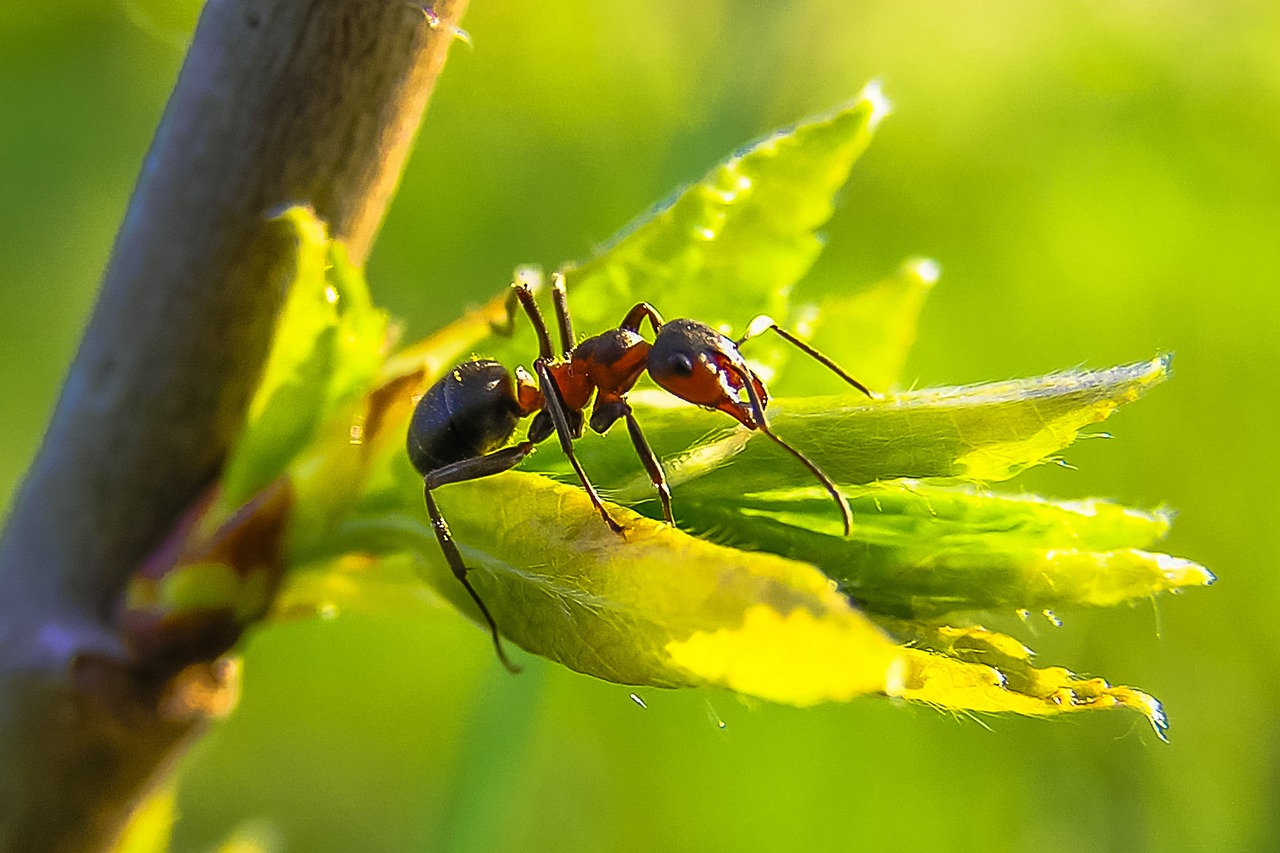
We’ve all heard the amazing fact that ants can lift 10-50 times their own body weight. This leads many people to assume that a human-sized ant could lift cars or even buildings. Unfortunately, the square-cube law strikes again, making this impossible.
While an ant’s strength scales with its cross-sectional area (squared), its weight scales with its volume (cubed). This means that a human-sized ant would actually be much weaker relative to its body weight than a normal ant.
Instead of lifting cars, a human-sized ant would struggle to lift its own body weight. The creature would likely be unable to walk properly, let alone perform the impressive feats of strength we associate with their smaller counterparts.
Wings That Can’t Fly: The Aerodynamic Nightmare
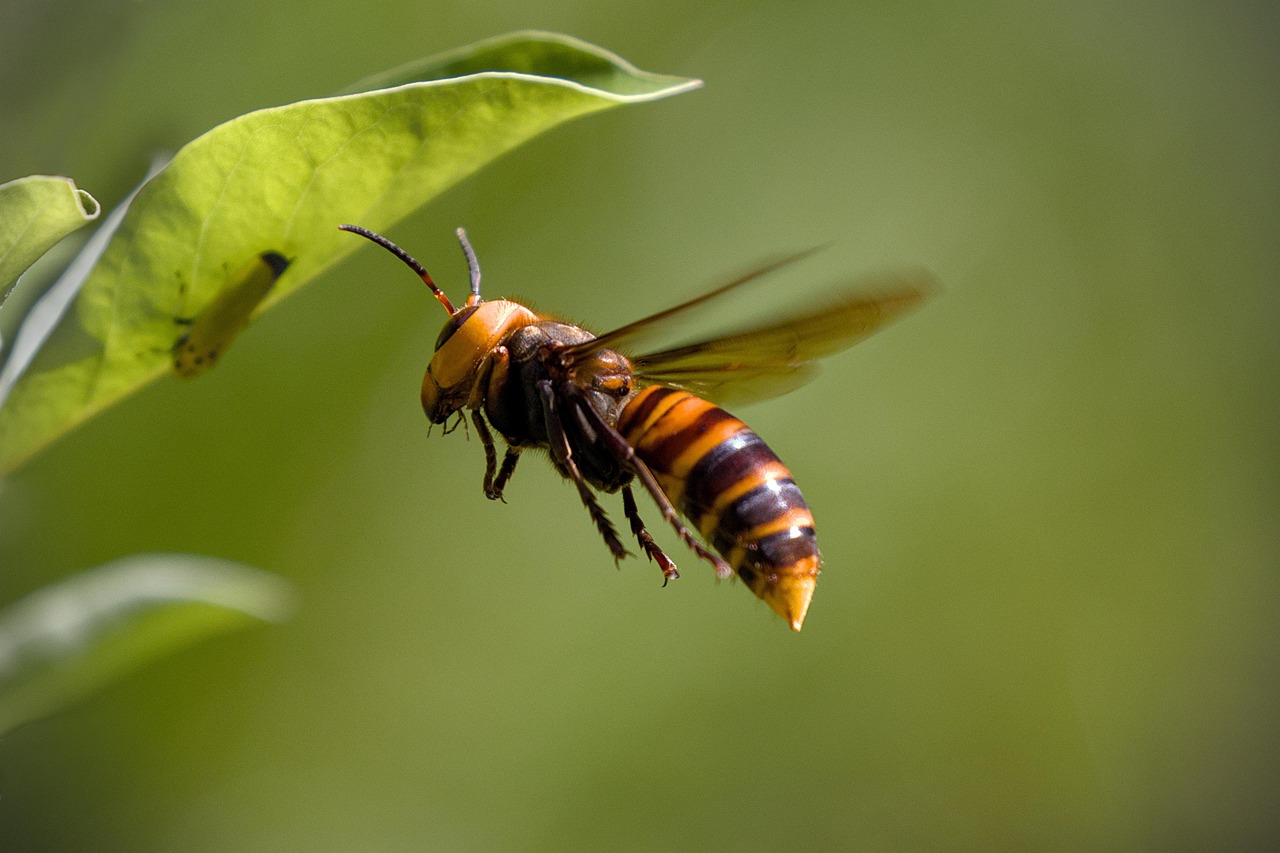
Flying insects face perhaps the most dramatic problems when scaled up to human size. The physics of flight changes completely at different scales, and what works for a bee becomes impossible for a human-sized version.
Wing loading – the ratio of body weight to wing area – would become catastrophically high. A human-sized bee would have wings that generate nowhere near enough lift to keep the creature airborne. The wings would need to be absolutely massive, potentially spanning 30-40 feet, to have any hope of flight.
Even then, the flight would be incredibly inefficient and energy-intensive. The creature would burn through its energy reserves in minutes of flight, making sustained flight impossible.
Temperature Regulation: Cooking from the Inside
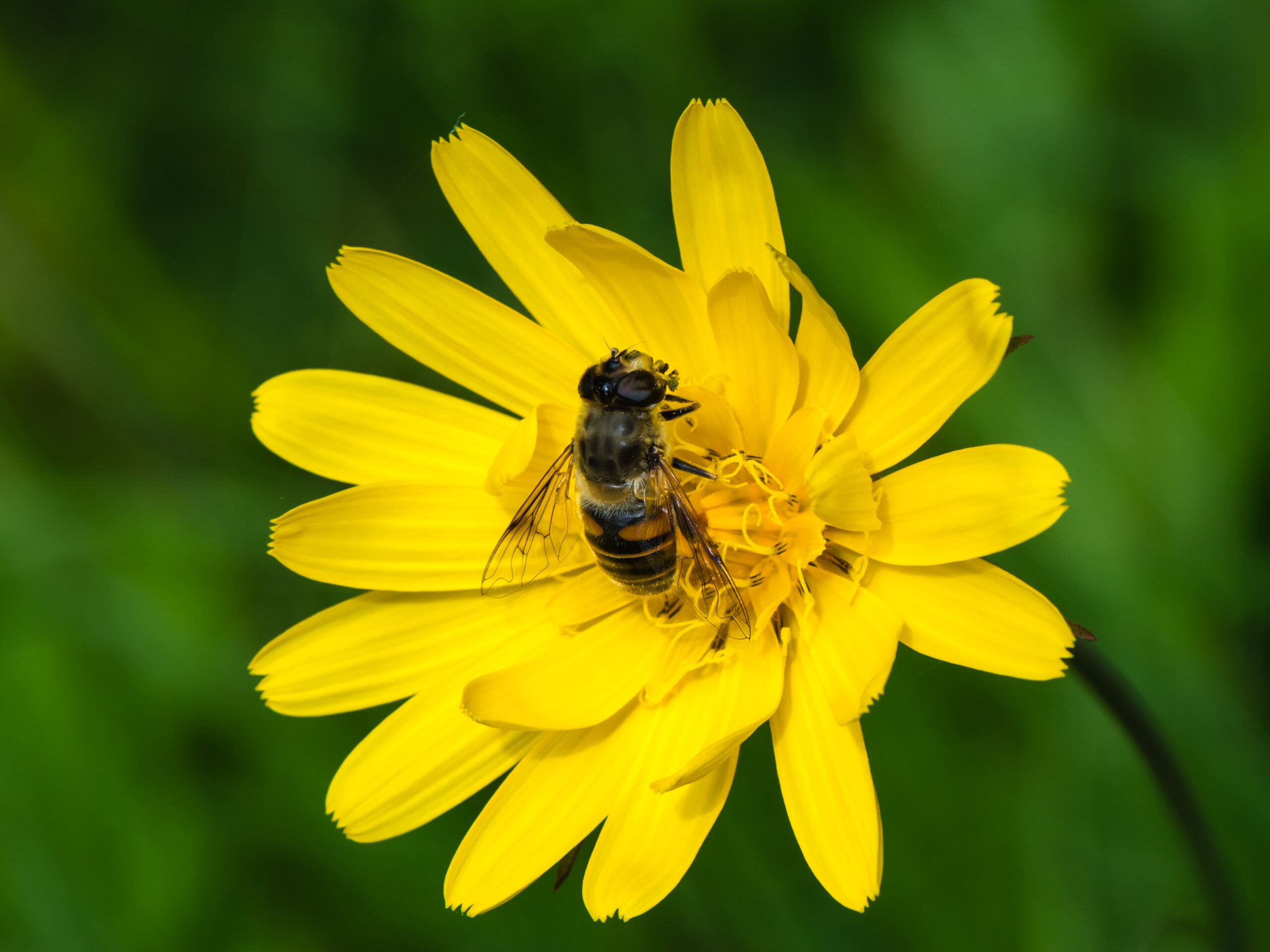
Small insects have a high surface-area-to-volume ratio, which makes it easy for them to regulate their body temperature. They can quickly warm up in the sun and cool down in the shade because heat can easily transfer through their small bodies.
A human-sized insect would have the opposite problem – it would struggle to release heat efficiently. The creature would essentially cook itself from the inside out, especially during periods of physical activity.
Without the ability to sweat or pant like mammals, these giant insects would face constant overheating. Even in cool environments, their internal heat production would likely exceed their ability to cool down, leading to fatal hyperthermia.
The Eating Challenge: Jaws That Don’t Work
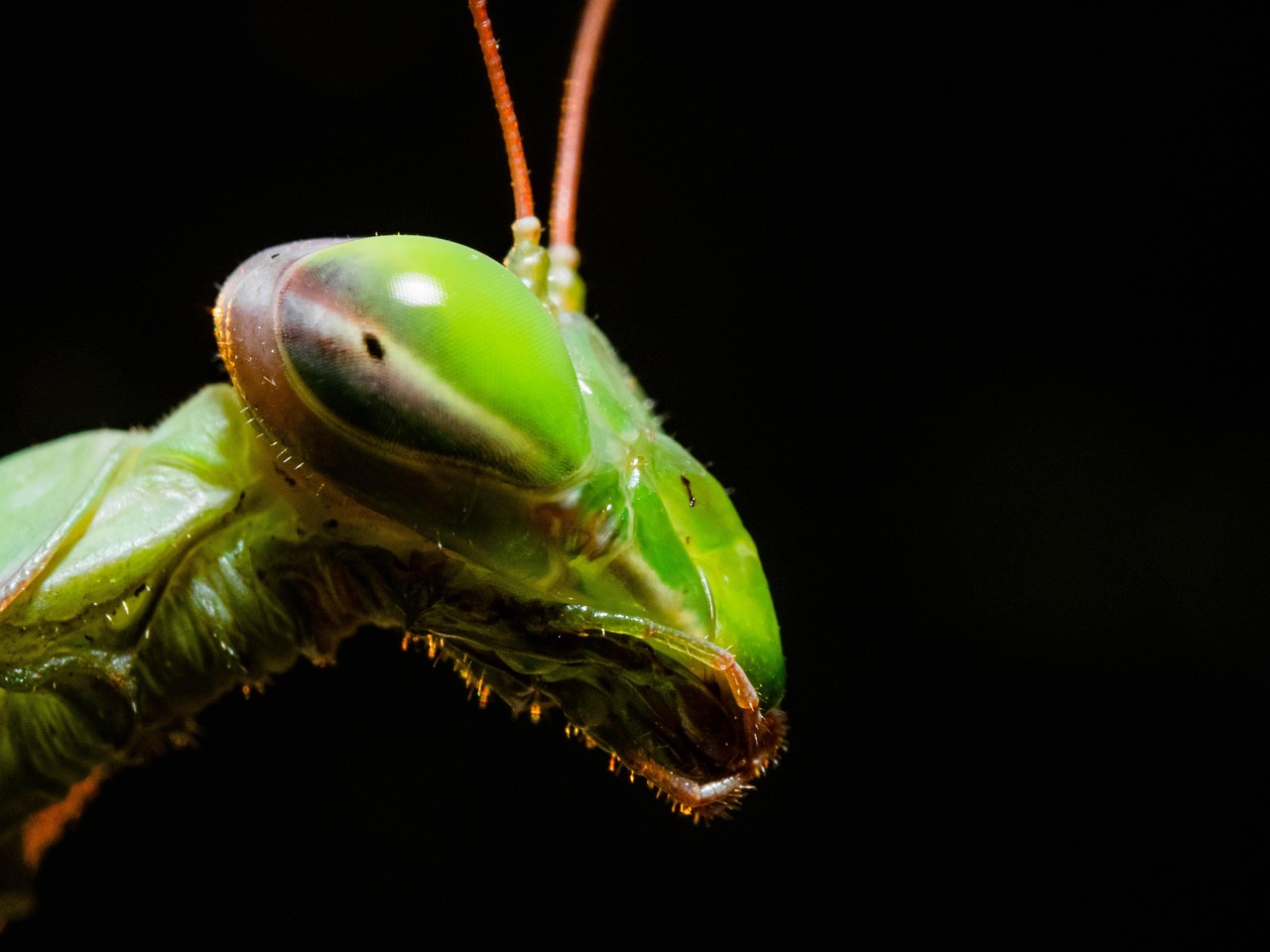
Insect mandibles and mouthparts are perfectly designed for their current size, but they would face serious problems when scaled up. The jaw muscles wouldn’t scale up proportionally with the force needed to operate massive mandibles.
A human-sized praying mantis would have mandibles that look terrifying but would actually be relatively weak. The creature would struggle to bite through materials that a normal-sized mantis could easily handle.
Additionally, the energy requirements for such a massive creature would be enormous. The insect would need to consume vast quantities of food constantly, but its inefficient feeding apparatus would make this nearly impossible.
Brain Power: Intelligence Doesn’t Scale
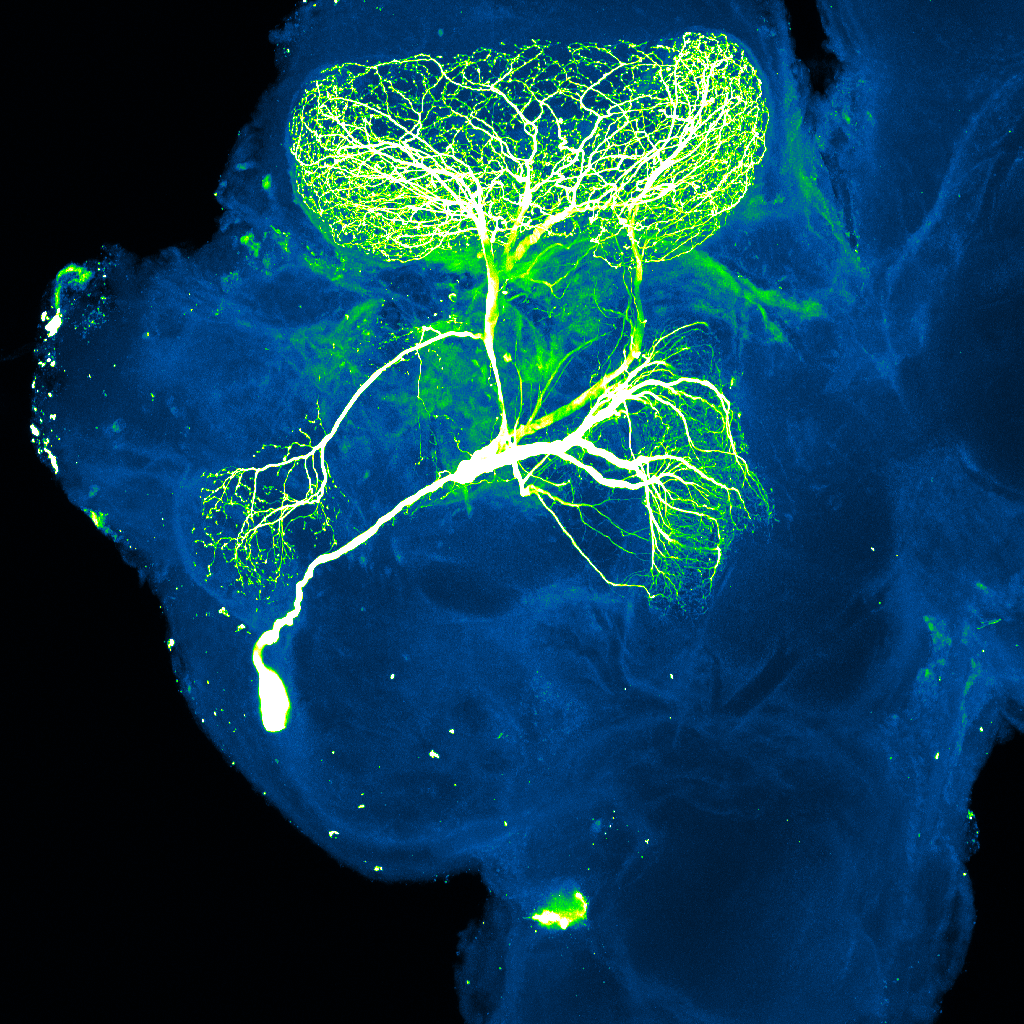
Despite their impressive behaviors, insects have relatively simple nervous systems compared to mammals. Their brains work efficiently for their size, but they wouldn’t benefit from being scaled up to human proportions.
A human-sized insect would essentially have the same intelligence as its tiny counterpart, just housed in a much larger body. The creature wouldn’t gain any new cognitive abilities or problem-solving skills despite its intimidating size.
This disconnect between size and intelligence would make these creatures particularly vulnerable. They would lack the mental capacity to adapt to their new physical limitations and would likely make the same behavioral choices that worked for their smaller versions but would be fatal at human scale.
Speed and Agility: The End of Quick Reflexes
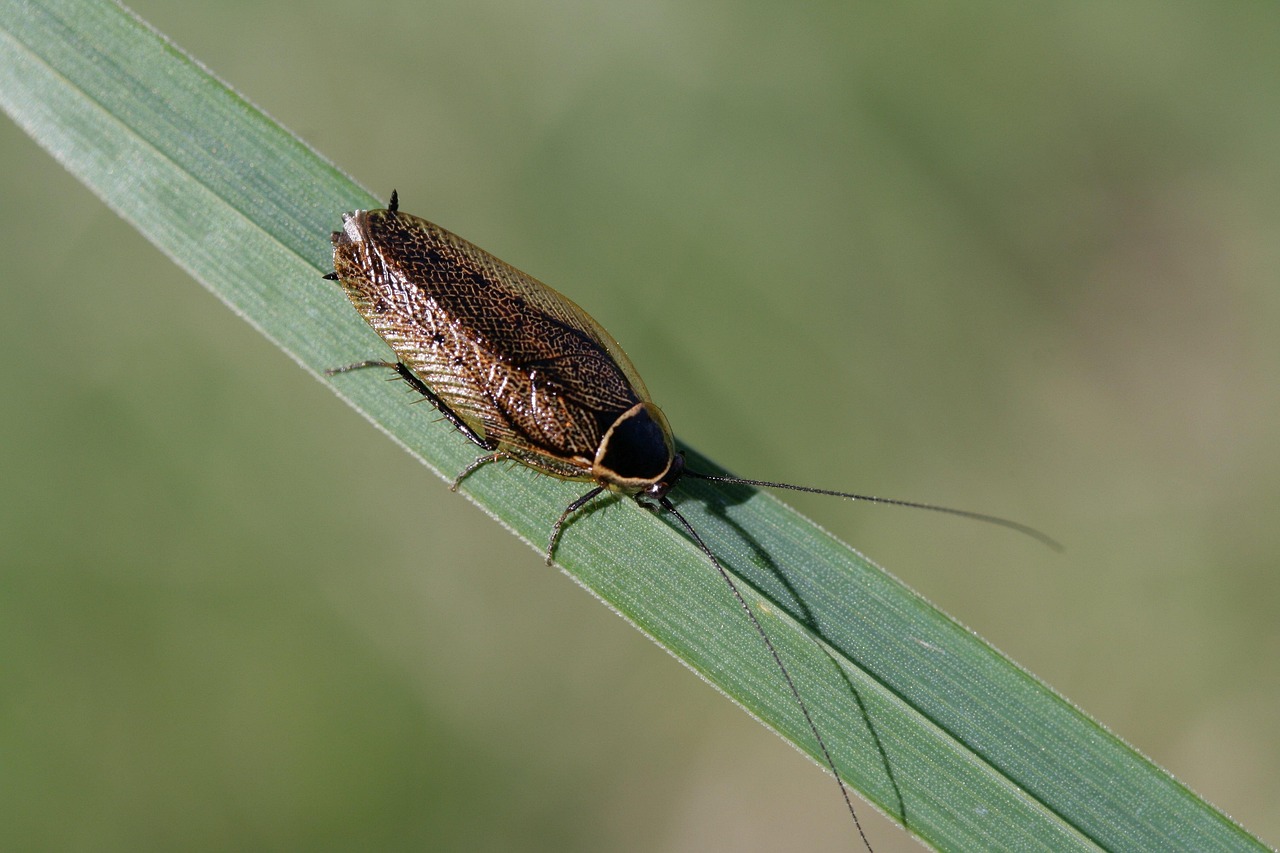
Insects are known for their incredible speed and agility relative to their size. A cockroach can run at speeds equivalent to a human running 200 miles per hour. However, this speed advantage would disappear entirely at human size.
The same square-cube law that affects strength also impacts speed and agility. Larger creatures simply cannot move as quickly relative to their size as smaller ones can. A human-sized cockroach would be slower and clumsier than a normal human.
The lightning-fast reflexes that help insects avoid predators would become sluggish and ineffective. These creatures would go from being masters of escape to sitting ducks in a world full of dangers.
Social Structures: When Teamwork Becomes Impossible
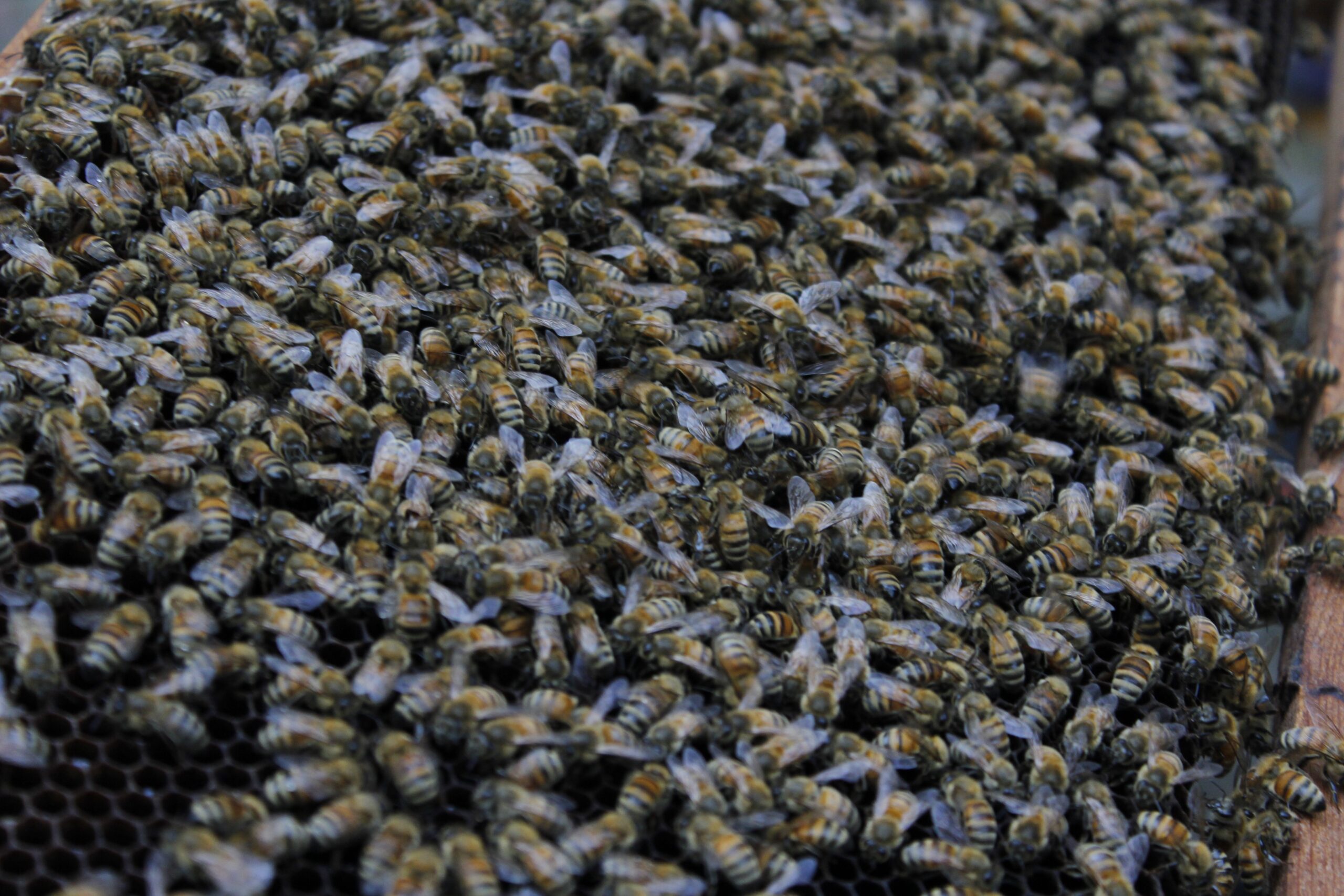
Many insects live in complex social structures that depend on large numbers of individuals working together. Ant colonies, bee hives, and termite mounds all rely on having thousands or millions of workers to function properly.
If these insects were human-sized, their social structures would collapse entirely. The energy requirements for maintaining such large creatures would make large colonies impossible. Instead of thousands of workers, a colony might only be able to support a handful of individuals.
The intricate division of labor that makes insect societies so successful would break down completely. These creatures would likely become solitary rather than social, fundamentally changing their entire way of life.
Environmental Impact: Ecosystems in Chaos
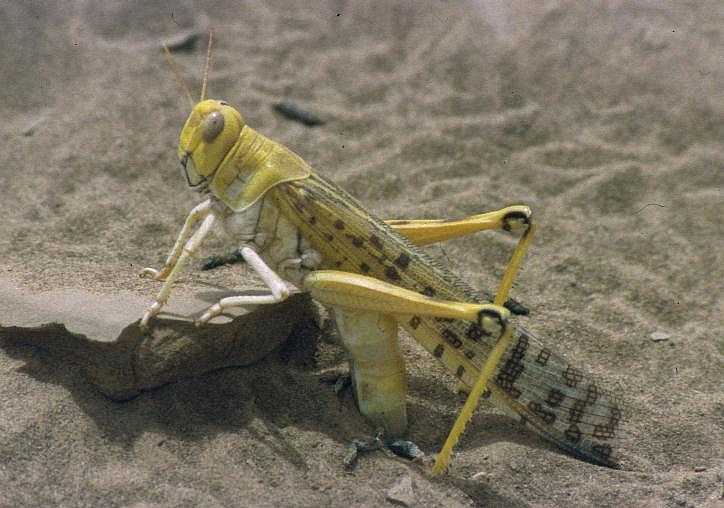
The environmental impact of human-sized insects would be catastrophic for existing ecosystems. These creatures would require enormous amounts of food and resources, quickly depleting the available supply in any given area.
A single human-sized locust could consume as much vegetation as hundreds of normal-sized ones. Swarms of these creatures would turn entire landscapes into wastelands in a matter of days.
The ecological balance that has developed over millions of years would be shattered. Plant life would struggle to recover from the massive consumption, and other animals would face starvation as their food sources disappeared.
The Predator-Prey Paradox
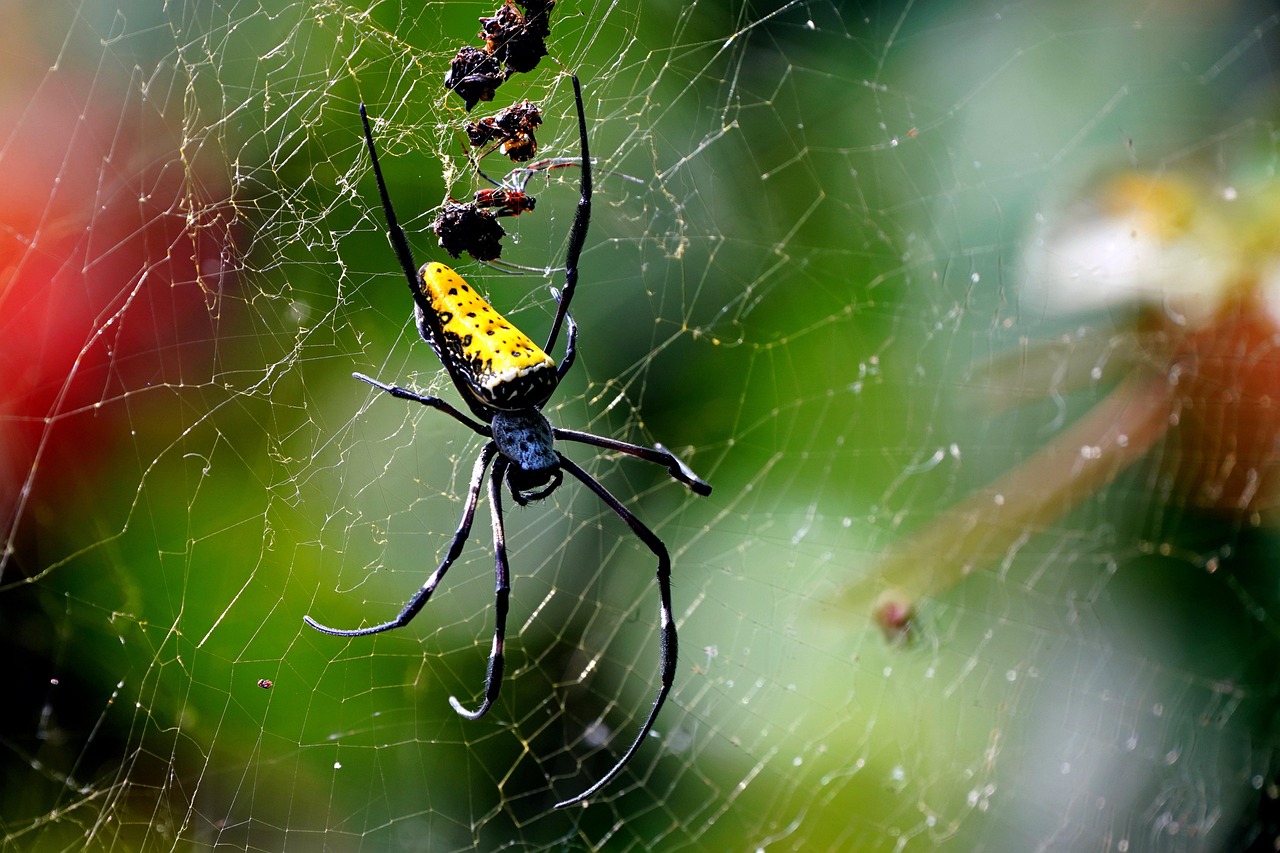
Interestingly, human-sized insects would face the strange situation of being both more and less dangerous than their smaller counterparts. While they would look more intimidating, they would actually be much more vulnerable to predators.
Large mammals like bears or big cats would find these slow, clumsy giant insects to be easy prey. The insects’ inability to hide, their sluggish movements, and their respiratory problems would make them sitting ducks for any reasonably-sized predator.
At the same time, these creatures would pose a significant threat to smaller animals and potentially to humans through sheer accident rather than predation. A human-sized butterfly landing on a car could cause serious damage, even though the butterfly itself would be harmless by intent.
Evolution’s Wisdom: Why It Never Happened
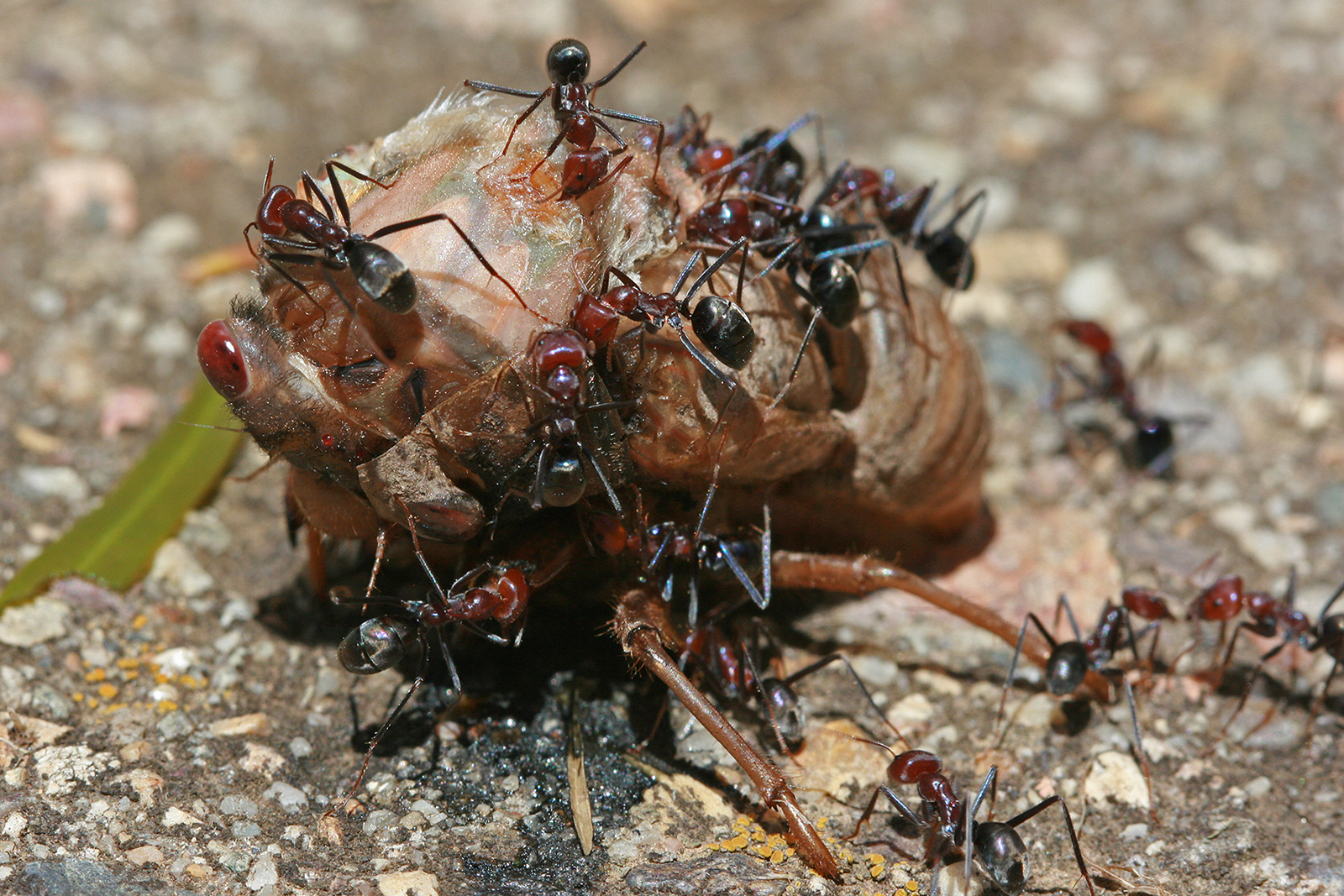
The fact that insects never evolved to be human-sized isn’t an accident – it’s a testament to the wisdom of natural selection. Evolution has had millions of years to produce giant insects, but it never happened because the physics simply doesn’t work.
During the Carboniferous period, when oxygen levels were much higher, some insects did grow larger than today’s versions. However, even then, the largest insects were only about the size of small birds, not anywhere near human dimensions.
This historical evidence shows that even under the most favorable conditions, there are hard physical limits to how large insects can grow while maintaining their basic body plan and physiology.
The world of human-sized insects would be a brief and tragic one. These creatures would face immediate respiratory failure, structural collapse, and overheating, making their existence measured in minutes rather than years. Rather than the terrifying monsters of science fiction, they would be pathetic giants, trapped in bodies too large for their biology to support. The laws of physics are unforgiving – they explain why insects remain small and why scaling up nature’s tiniest creatures would create not super-powered beasts, but rather gentle giants doomed to fail. Perhaps the most sobering realization is that size isn’t everything in nature’s grand design, and sometimes being small is exactly what makes something perfect. What would you miss most about our tiny six-legged friends if they suddenly became too large to survive?