
When E.B. White penned his beloved children’s classic “Charlotte’s Web,” he wasn’t just spinning a tale from thin air. Behind the fictional Charlotte A. Cavatica lay a real spider that had captured the author’s imagination in the most unexpected way. This wasn’t your typical garden spider encounter, but rather a fascinating interspecies friendship that would change how millions of readers viewed these eight-legged creatures forever.
The Barn That Started It All
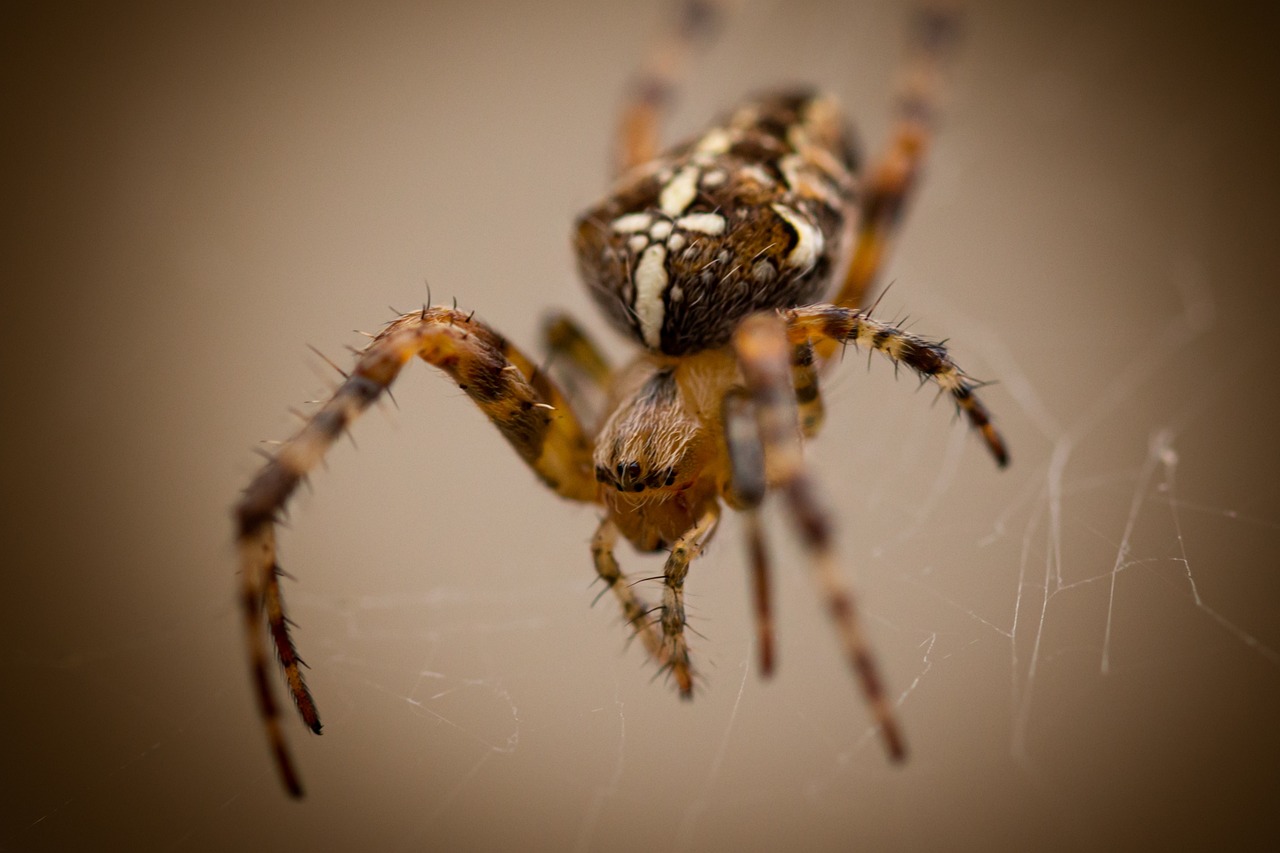
White’s Maine farm became the unlikely stage for one of literature’s most enduring friendships. In his weathered barn, among the hay bales and farm tools, a large gray spider had taken up residence. This wasn’t just any spider—it was an orb weaver that had chosen to make its home right where White could observe its daily activities. The author found himself drawn to this creature’s methodical web-building, watching as it spun intricate patterns that seemed almost artistic in their precision. Day after day, White would visit the barn, becoming increasingly fascinated by the spider’s behavior and survival strategies. What started as casual observation soon became a deep appreciation for the intelligence and complexity of this small but remarkable creature.
Meet the Real Charlotte: Araneus cavaticus
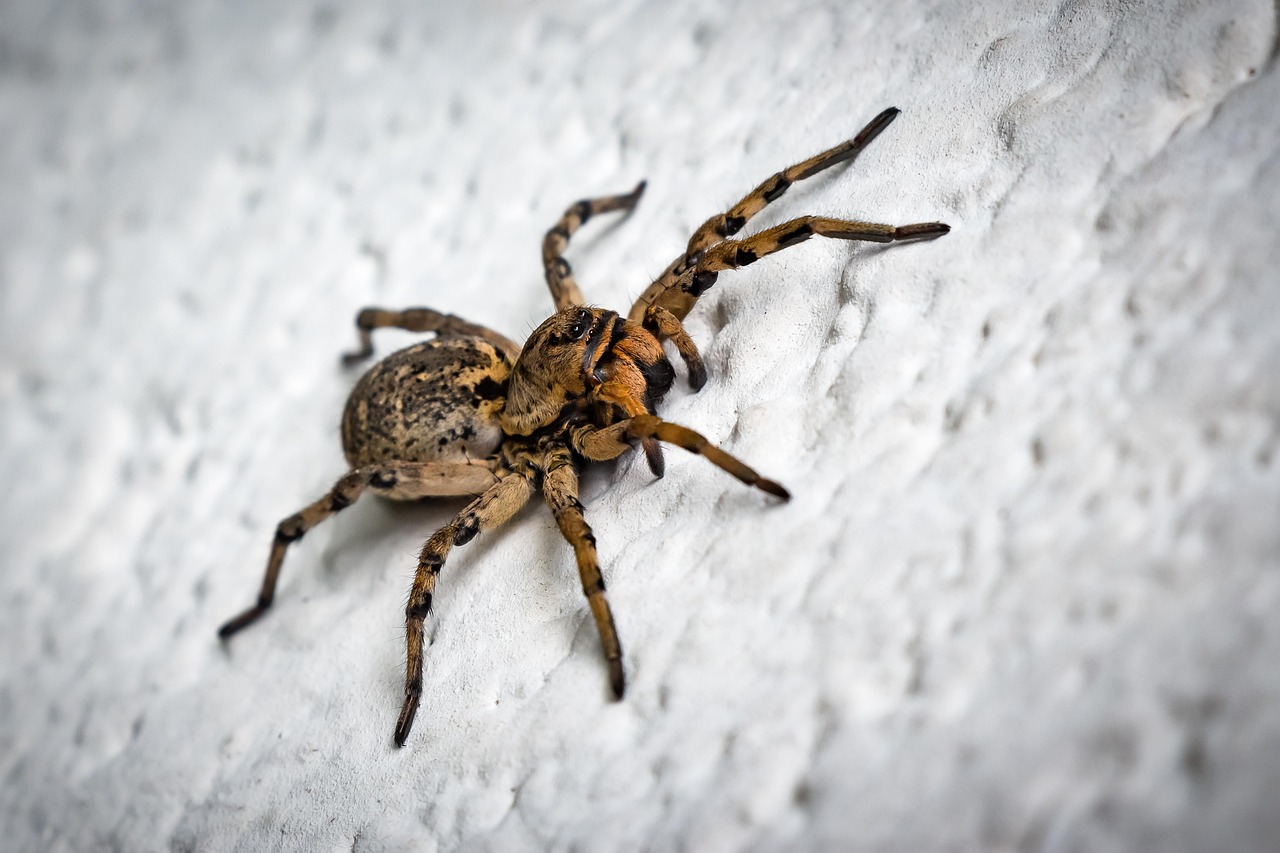
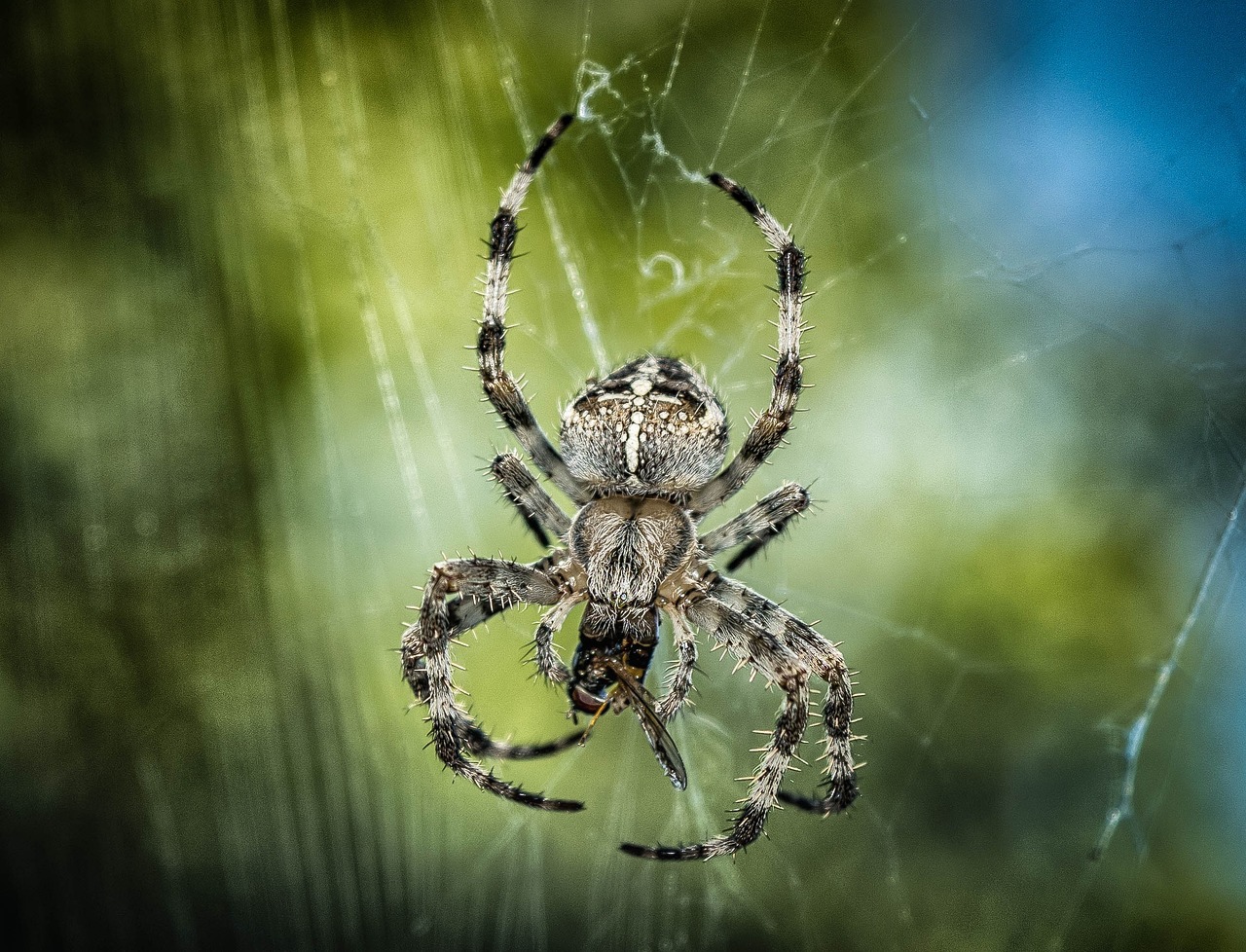
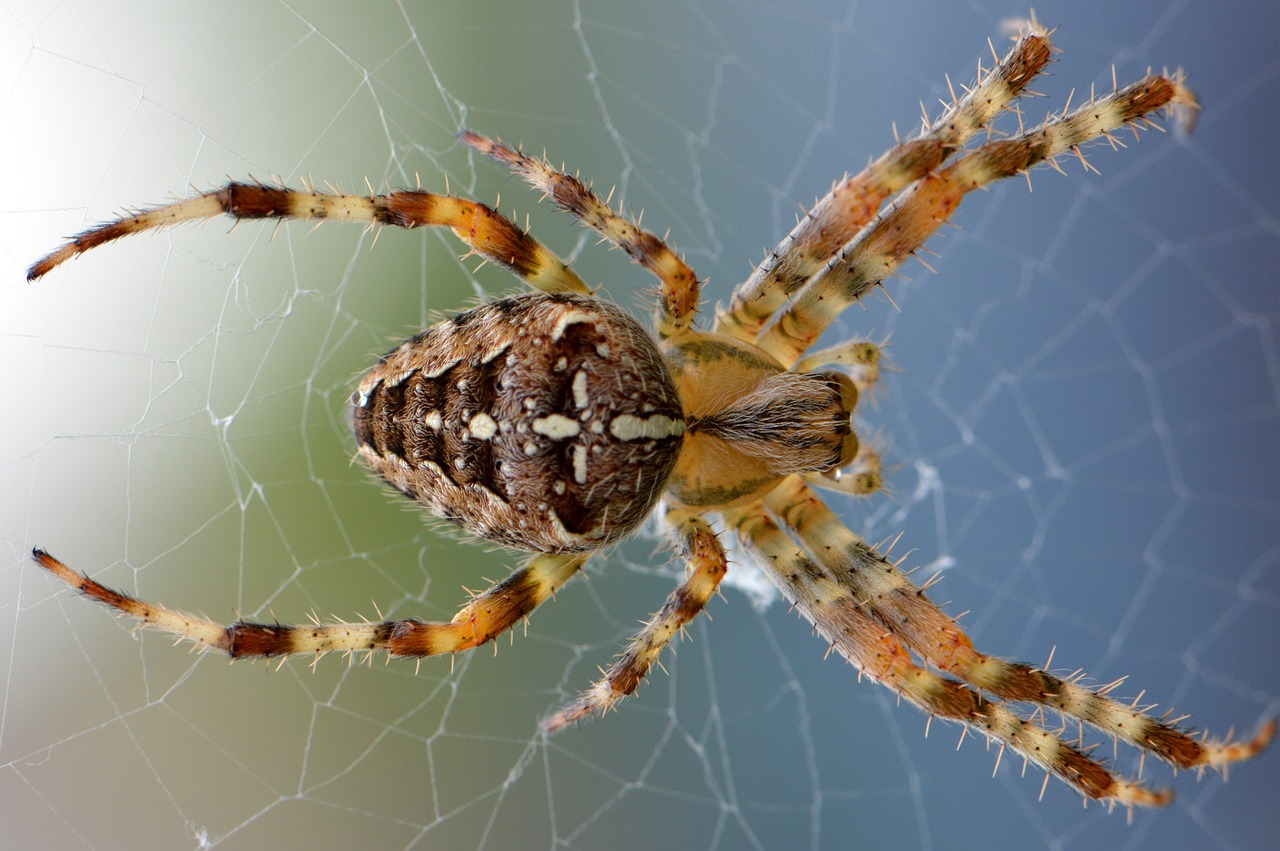
The spider that inspired Charlotte was actually an Araneus cavaticus, commonly known as the barn spider or orb weaver. These spiders are significantly larger than most household varieties, with females reaching up to an inch in body length and sporting leg spans that can exceed three inches. Their coloring ranges from gray to brown, often with intricate patterns that help them blend seamlessly into their surroundings. Unlike the colorful jumping spiders or the sleek black widows, barn spiders have a more subtle beauty—their bodies are marked with delicate geometric patterns that look almost like natural tattoos. White was particularly struck by how this spider seemed to have a personality, displaying what appeared to be curiosity and even recognition when he approached.
The Web That Defied Expectations
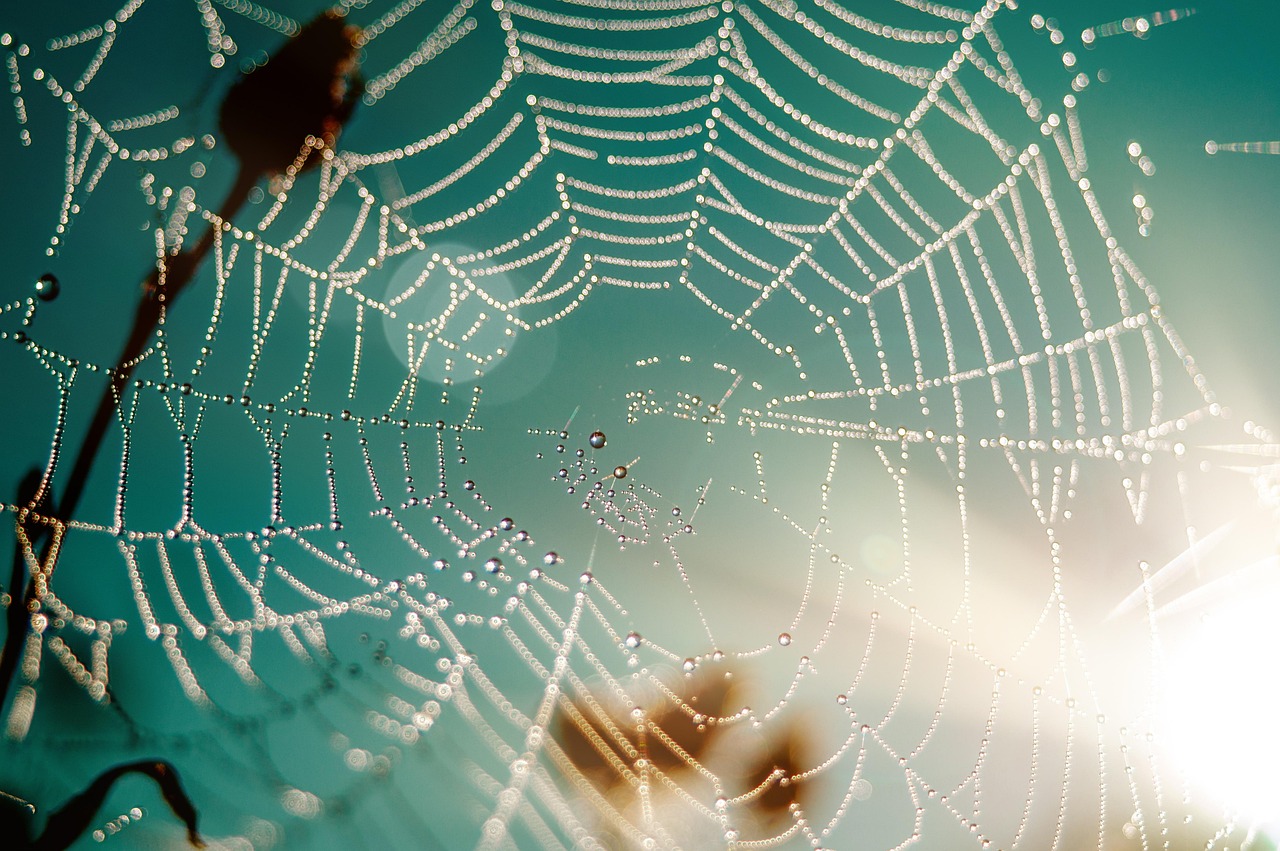
What made White’s spider truly extraordinary was the complexity and beauty of its web architecture. Unlike the random, messy webs of house spiders, this orb weaver created perfect geometric masterpieces that sparkled with morning dew. The web could span nearly two feet in diameter, with radial threads connecting to a spiral that was mathematically precise. Each morning, White would discover that the spider had often rebuilt or repaired its web, demonstrating a work ethic that would make any human proud. The sticky spiral threads were positioned with such accuracy that they could catch flying insects while allowing the spider to move freely along the non-sticky radial lines. This daily reconstruction process fascinated White, who began to see parallels between the spider’s dedication to its craft and his own commitment to writing.
A Spider’s Intelligence That Surprised Scientists
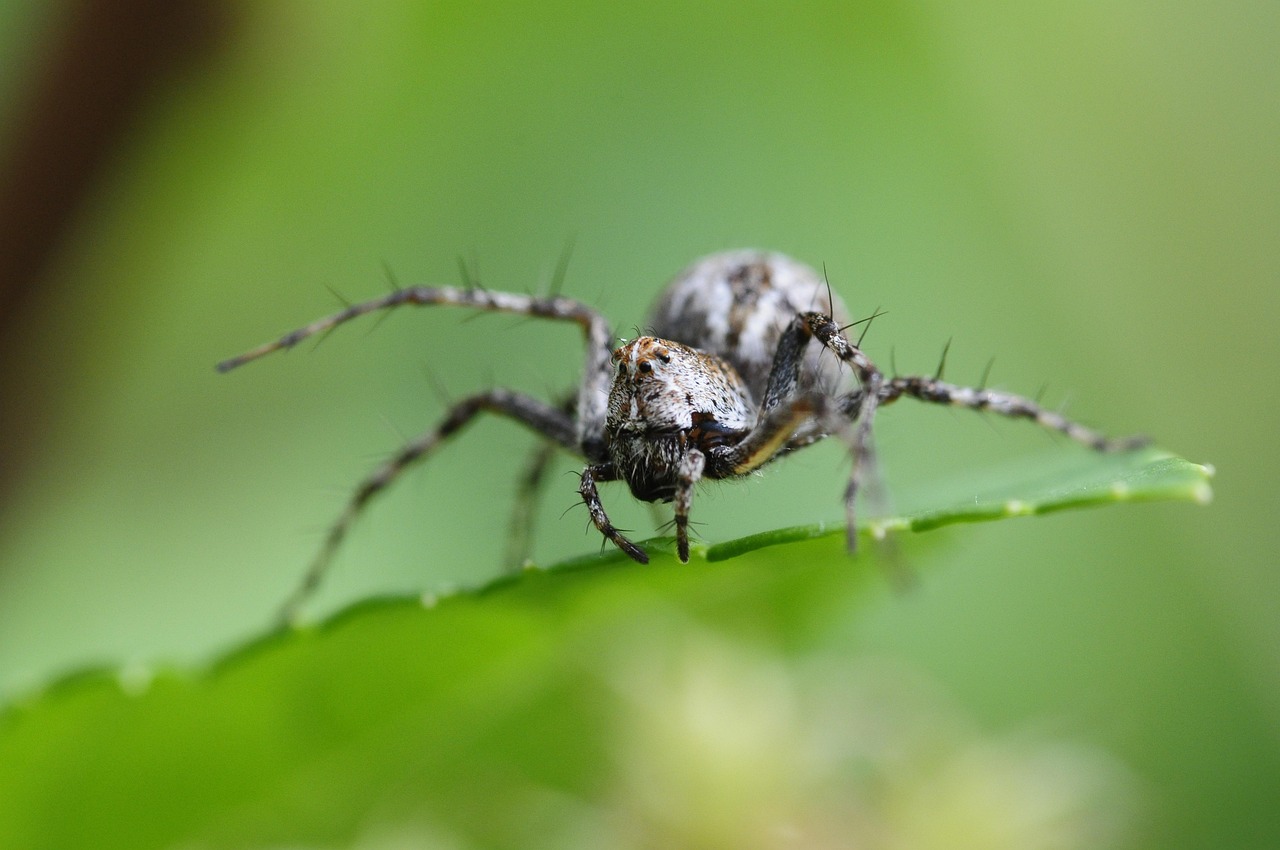
Research has revealed that orb weavers like White’s spider possess remarkable cognitive abilities that were barely understood during the 1950s. These spiders can remember web locations, adapt their hunting strategies based on prey availability, and even modify their web designs according to environmental conditions. They demonstrate problem-solving skills when their webs are damaged, often finding creative solutions to repair structural issues. Some studies suggest that orb weavers can distinguish between different types of vibrations in their webs, allowing them to identify potential prey, mates, or threats with surprising accuracy. White’s observations of his spider’s seemingly thoughtful behavior were actually scientifically accurate, though he couldn’t have known the extent of arachnid intelligence at the time.
The Seasonal Drama White Witnessed
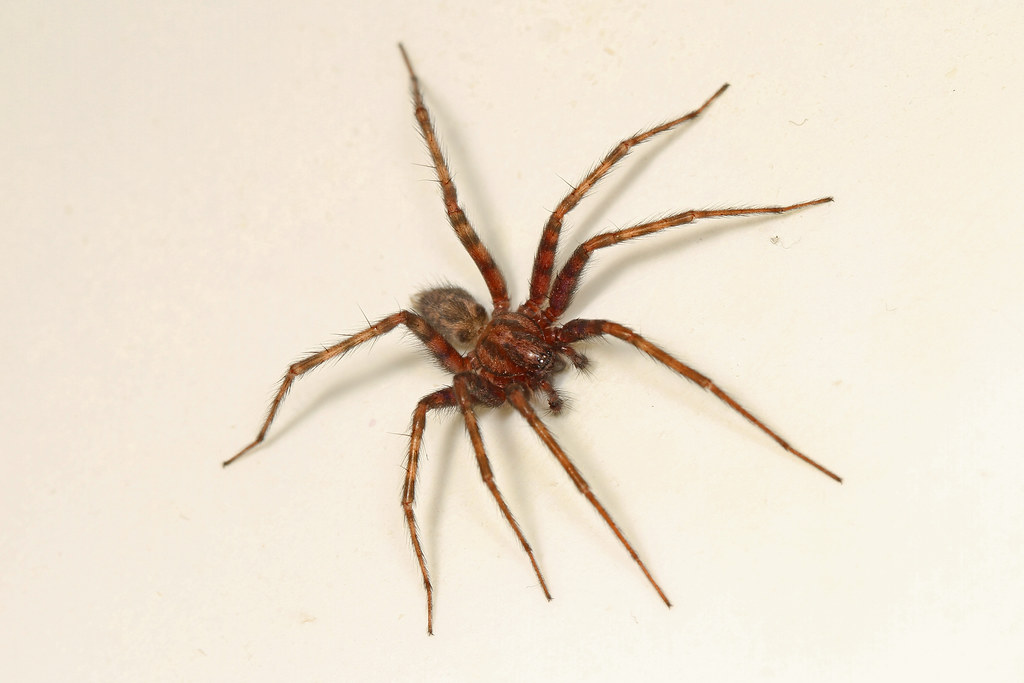
White’s relationship with his barn spider played out across multiple seasons, allowing him to witness the full life cycle of these remarkable creatures. In spring, he watched as the spider emerged from its winter hiding place, gradually growing larger and more confident. Summer brought the peak of web-building activity, with the spider creating increasingly elaborate structures as it matured. The most dramatic moment came in late summer when White observed the spider’s egg-laying behavior—a process that would directly inspire one of the most poignant aspects of Charlotte’s story. The spider’s dedication to creating and protecting its egg sac, even as its own strength waned, provided White with the emotional core of his novel.
Why Barn Spiders Choose Barns
The choice of a barn as habitat wasn’t random—these structures provide ideal conditions for orb weavers. Barns offer protection from harsh weather while maintaining the open spaces necessary for large web construction. The steady stream of flies and other insects attracted to livestock creates a reliable food source that spiders can count on. Additionally, the wooden beams and corners provide perfect anchor points for web attachment, allowing spiders to build larger and more stable structures than they could in outdoor environments. White’s barn, with its combination of shelter, food sources, and structural support, represented spider paradise. The dim lighting also works in the spider’s favor, as many flying insects are drawn to the contrast between dark interior spaces and bright doorway openings.
The Egg Sac That Broke White’s Heart
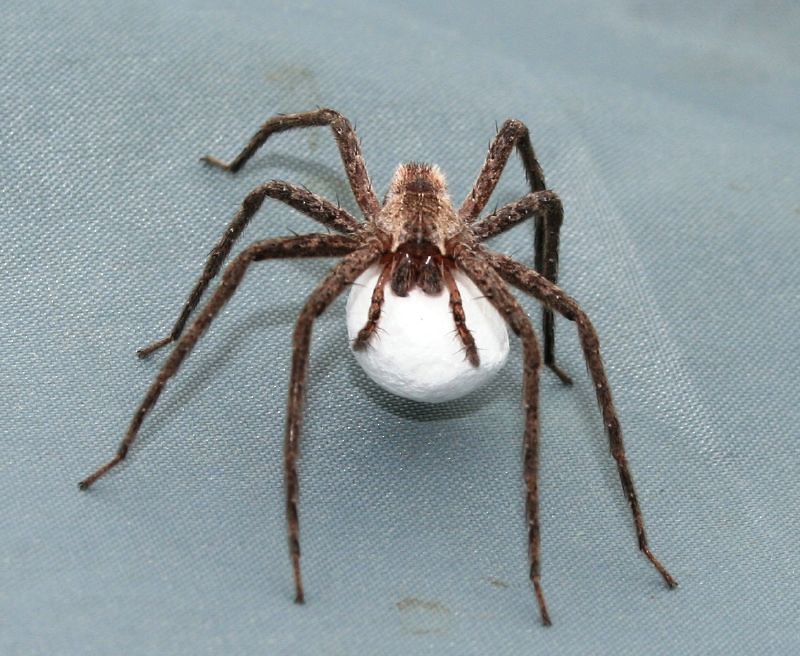
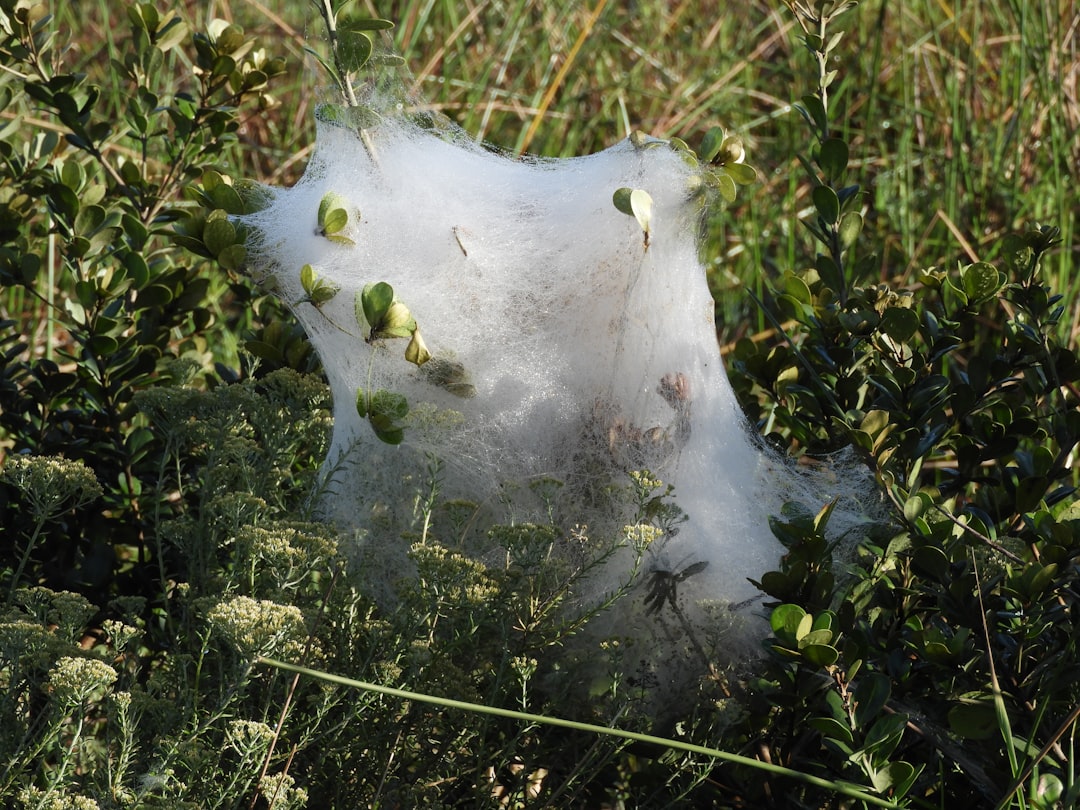
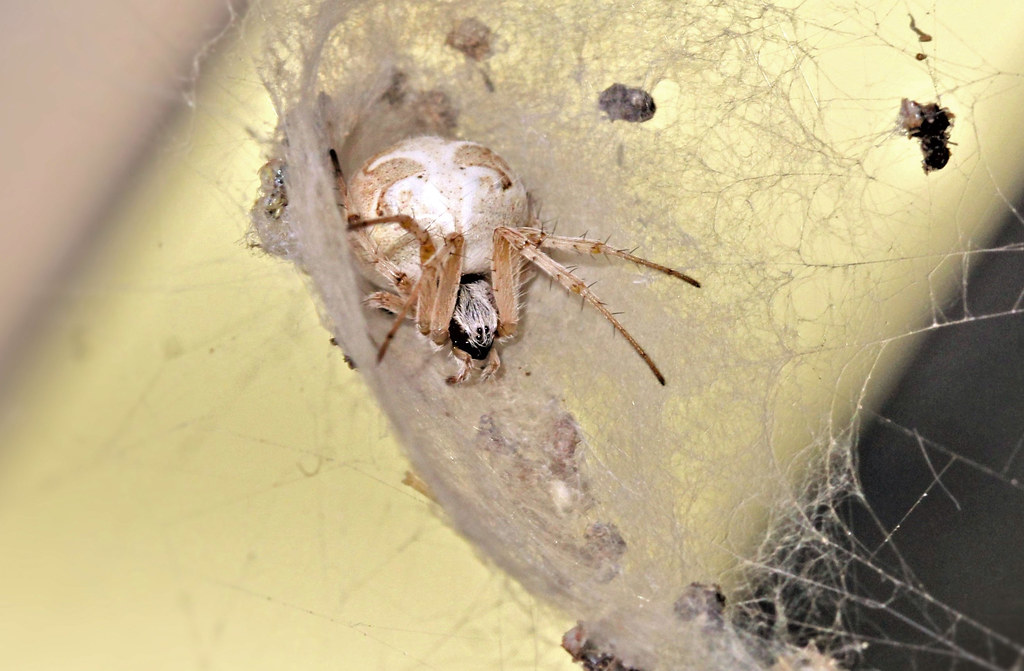
One of the most emotionally powerful moments in White’s observation came when his spider began preparing for the next generation. He watched as she carefully constructed an egg sac, a process that required enormous energy and dedication. The sac itself was a marvel of natural engineering—a silk balloon that would protect hundreds of eggs through the harsh Maine winter. White observed how the spider positioned the sac in the safest part of the barn, often checking on it and making adjustments to ensure its security. As autumn progressed, he noticed the spider becoming less active, spending more time near her precious cargo. This selfless devotion to her offspring, even as her own life force diminished, provided White with the inspiration for Charlotte’s ultimate sacrifice in his story.
What Made This Spider Different From Others
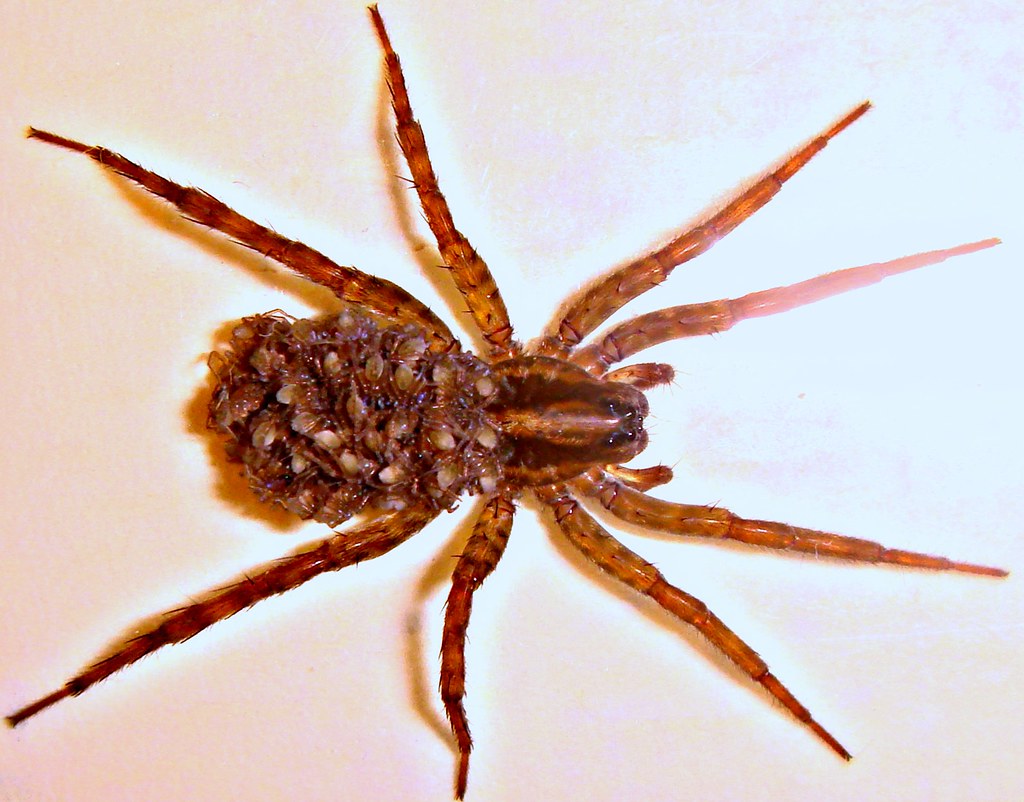
While all barn spiders share certain characteristics, White’s spider displayed behaviors that seemed particularly engaging and almost personality-driven. She appeared to recognize White’s presence, sometimes moving to the center of her web when he approached, as if acknowledging his visits. Her web-building schedule was remarkably consistent, suggesting a level of routine and planning that impressed the observant author. Unlike many spiders that flee at the first sign of human activity, this individual seemed comfortable with White’s presence, allowing him to observe her up close without displaying typical defensive behaviors. Her size was also exceptional—even for a barn spider, she was notably large, making her presence in the barn impossible to ignore. These unique qualities made her stand out as an individual rather than just another spider, which was crucial for White’s emotional connection to her story.
The Science Behind Spider Silk Strength
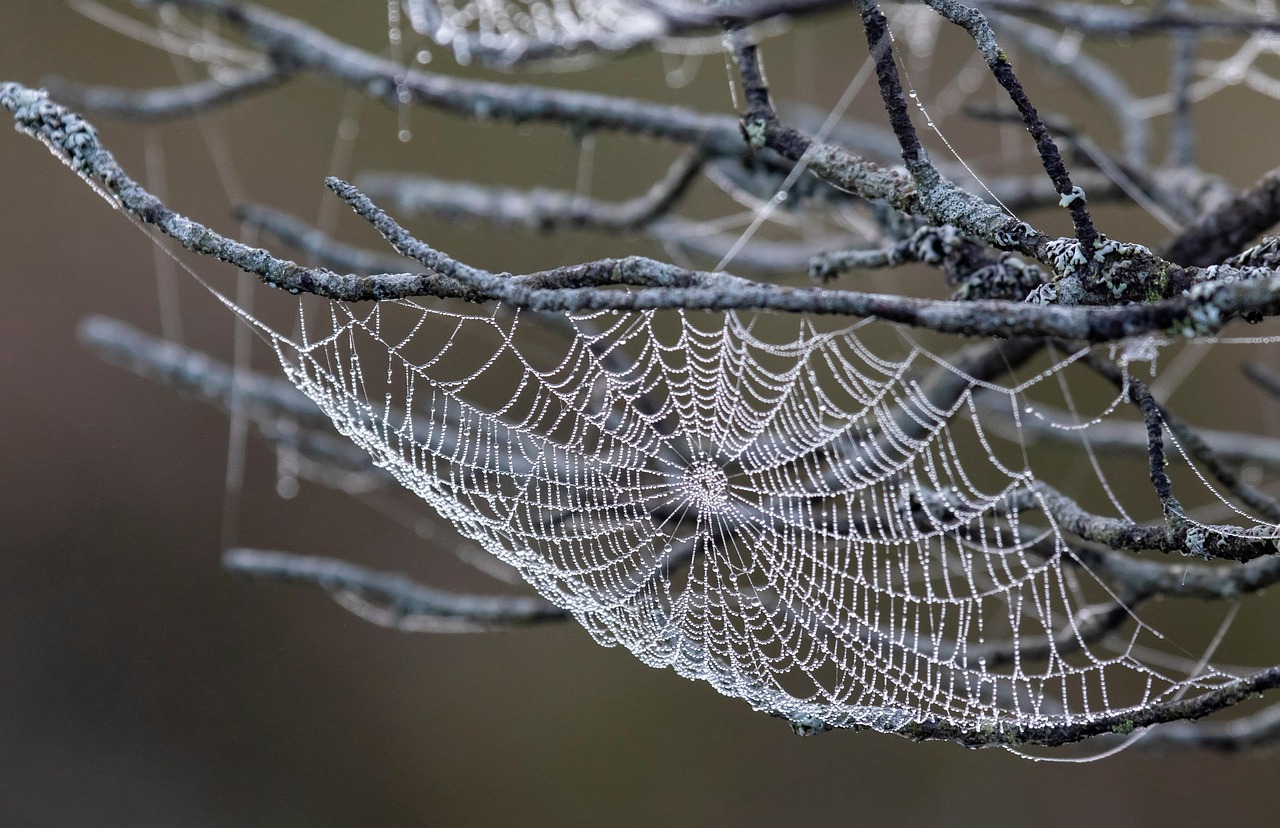
What White witnessed in his barn was actually one of nature’s most incredible engineering feats. Spider silk, particularly from orb weavers, is stronger than steel by weight and more flexible than rubber. The silk proteins are arranged in a way that provides both strength and elasticity, allowing webs to absorb the impact of flying insects without breaking. Each strand is actually composed of multiple types of silk, with different sections serving different purposes—some for structural support, others for catching prey. The spider produces this remarkable material in specialized glands, essentially manufacturing a high-tech composite material inside its own body. White’s spider was creating something that modern materials science still struggles to replicate, using only the proteins from her prey and the energy from her own metabolism.
How White’s Observations Influenced the Story
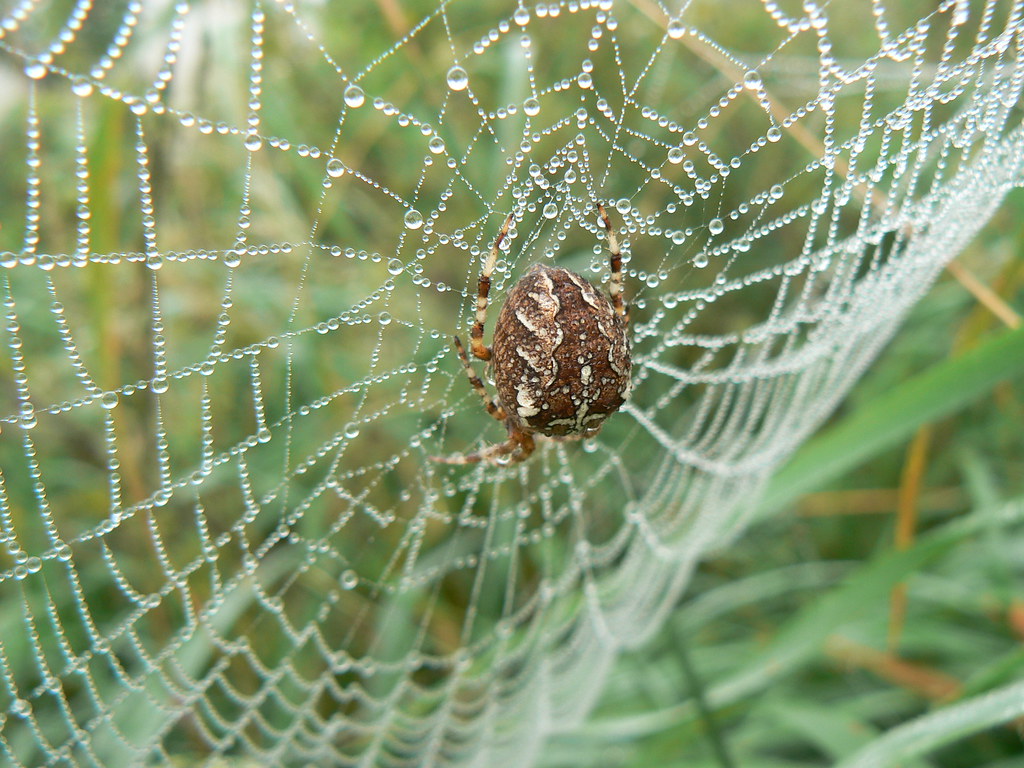
Every detail White observed in his barn found its way into “Charlotte’s Web” in some form. The spider’s methodical approach to web-building became Charlotte’s careful planning and problem-solving. The morning dew that highlighted the web’s beauty inspired the famous scene where Charlotte’s words appear in sparkling letters. White’s fascination with the spider’s apparent emotions and thoughts translated into Charlotte’s wise and caring personality. Even the spider’s interaction with other barn inhabitants—the flies, beetles, and occasional mouse—provided inspiration for the story’s cast of characters. The author’s genuine admiration for the spider’s intelligence and dignity shaped Charlotte into a character that readers could respect and love, rather than fear. White’s scientific curiosity combined with his emotional investment in the spider’s welfare created the perfect foundation for a story that would educate as well as entertain.
The Timing That Made Everything Possible
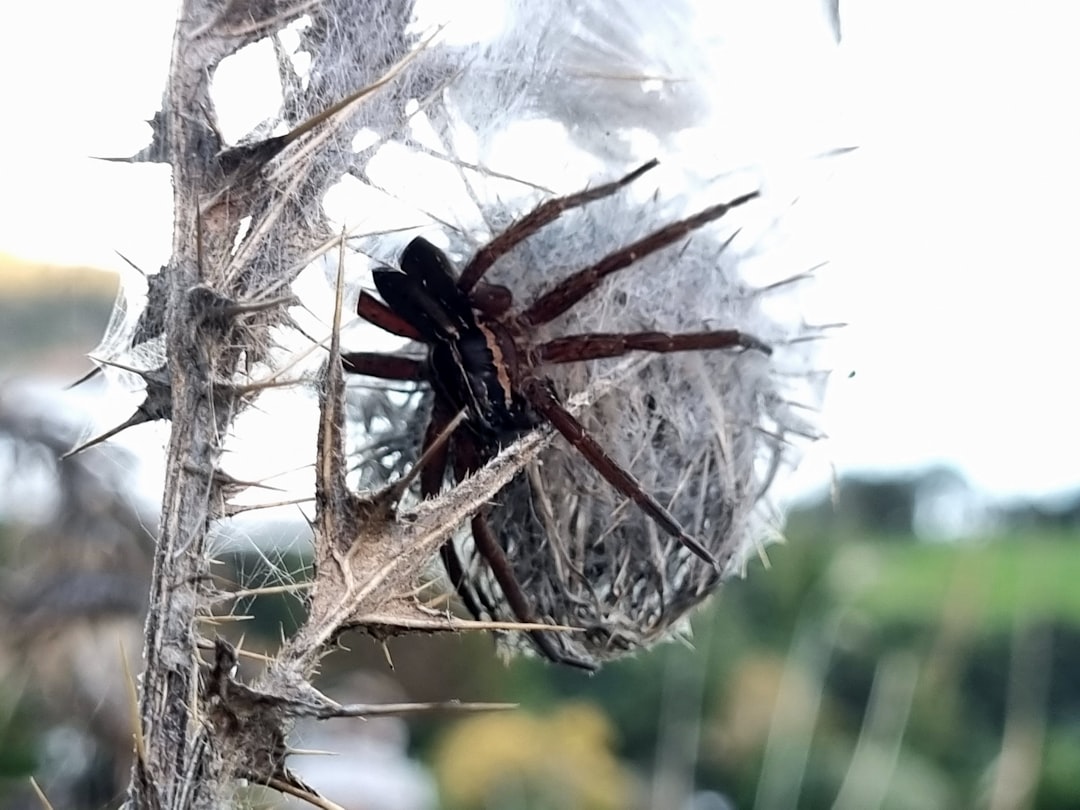
White’s encounter with his barn spider occurred at a perfect moment in his life and career. He had recently moved to his Maine farm and was spending more time observing nature than ever before. His children were at ages where they were naturally curious about the world around them, and their questions about spiders and other creatures sparked his own deeper investigations. The post-war period of the 1940s and early 1950s was also a time when people were beginning to develop a more scientific understanding of animal behavior and intelligence. White’s background as a writer gave him the skills to translate his observations into compelling narrative, while his genuine love of nature provided the emotional depth necessary for the story. Without this unique combination of circumstances, timing, and personal interest, Charlotte’s Web might never have existed.
The Real-Life Drama of Spider Survival
White’s barn spider faced genuine challenges that mirrored those in his eventual story. Weather changes could destroy webs overnight, requiring complete reconstruction. Competition from other spiders meant defending territory and food sources. The approach of winter posed the ultimate survival challenge, as adult spiders typically die with the first hard frost. White watched his spider navigate these challenges with what seemed like determination and ingenuity, adapting her strategies as conditions changed. The drama of her daily survival—finding food, avoiding predators, maintaining her web—provided White with real-life tension that would translate beautifully into his fictional narrative. Her resilience in the face of these challenges inspired the strength and resourcefulness that would define Charlotte’s character.
What Happened to the Original Spider
Like all barn spiders, White’s inspiration eventually succumbed to the natural cycle of life as winter approached. He found her one morning, still clinging to her web near the precious egg sac she had created. Her death was peaceful but deeply affecting to White, who had grown genuinely fond of this remarkable creature. The egg sac remained in the barn through the winter, and White watched anxiously for signs of the next generation. When spring arrived, hundreds of tiny spiders emerged, dispersing on silken threads in a phenomenon called “ballooning.” Most would not survive to adulthood, but a few would establish themselves in the barn, continuing the cycle that had so captivated White. This natural succession provided the perfect ending for his story, combining loss with hope and renewal.
Why This Story Still Resonates Today
White’s transformation of his barn spider into Charlotte tapped into something fundamental about how humans relate to nature. By showing a spider as intelligent, caring, and worthy of respect, he challenged readers to reconsider their assumptions about creatures they might typically fear or dismiss. The story’s power lies in its basis in real observation and genuine emotion—White’s love for his spider comes through in every page, making Charlotte’s personality believable and compelling. Modern readers continue to connect with this message as environmental awareness grows and people seek deeper connections with the natural world. The story reminds us that intelligence and worth come in many forms, and that even the smallest creatures can teach us profound lessons about life, death, and the bonds that connect all living things.
The Legacy of One Unusual Spider
White’s barn spider achieved a kind of immortality that few creatures ever attain. Through Charlotte’s Web, her story has reached millions of readers across generations, changing how countless people view spiders and nature itself. Teachers use the story to introduce children to concepts of life cycles, ecosystems, and animal behavior. The character of Charlotte has become a symbol of wisdom, sacrifice, and the power of words to create change. Museums and nature centers often reference the story when educating visitors about spiders and their ecological importance. White’s careful observations of one remarkable individual have had ripple effects far beyond what he could have imagined, proving that paying attention to the small wonders around us can lead to extraordinary discoveries.
The spider that inspired Charlotte’s Web was unusual not because she possessed supernatural abilities, but because she had a human observer who took the time to truly see her. White’s willingness to look beyond common prejudices and appreciate the complexity of a creature most people would dismiss or fear created one of literature’s most beloved characters. In a world where we often overlook the small miracles happening around us, Charlotte’s story reminds us that extraordinary inspiration can come from the most unexpected places. Did you ever imagine that a simple barn spider could change how millions of people see the natural world?