

From the terrifying xenomorph in “Alien” to the giant insects of “Starship Troopers,” some of Hollywood’s most memorable monsters draw inspiration from the tiny, often overlooked creatures that inhabit our world. While these movie monsters may tower over buildings or hunt humans with ruthless efficiency, their origins often trace back to real arthropods with fascinating evolutionary adaptations. Filmmakers and creature designers have long studied the natural world, magnifying and combining the most unnerving aspects of insects, arachnids, and crustaceans to create nightmares for the silver screen. This exploration reveals how nature’s smallest creatures have influenced some of cinema’s biggest terrors, demonstrating that sometimes reality is just as strange as fiction—just at a much smaller scale.
The Xenomorph: Parasitic Wasps and Marine Predators
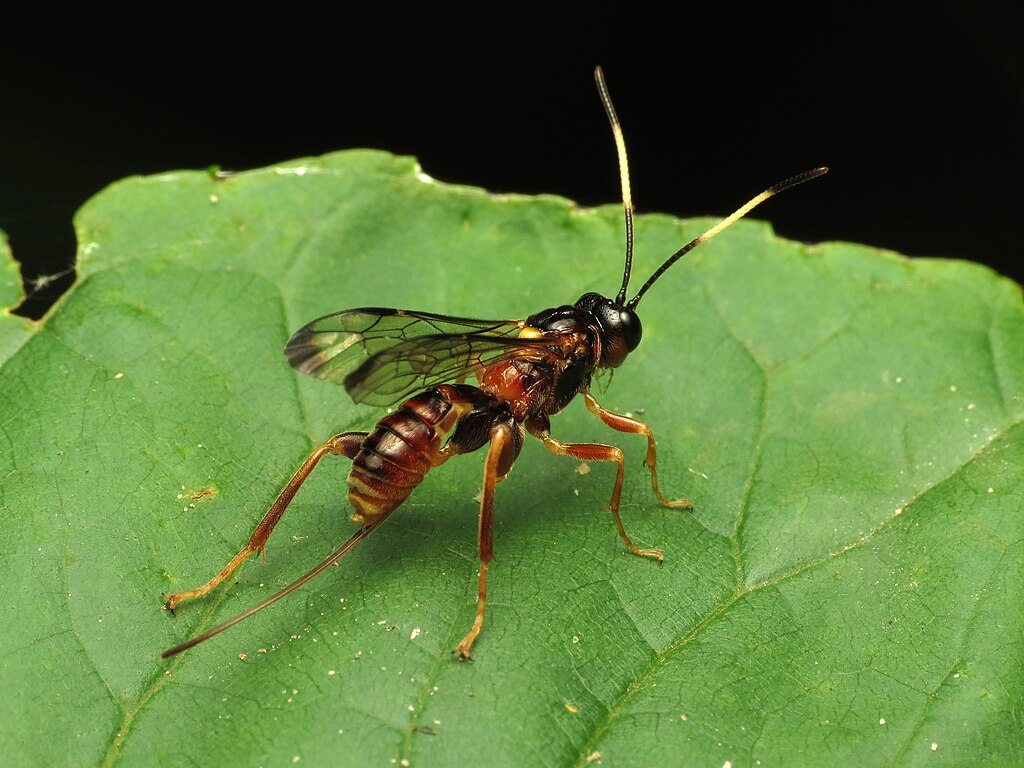
The iconic alien from Ridley Scott’s “Alien” franchise draws heavy inspiration from parasitoid wasps, particularly their horrifying reproductive cycle. These wasps inject their eggs into living hosts, where the larvae develop by consuming the host from within before violently erupting from their bodies—a process directly mirrored in the chest-burster scene that traumatized audiences in 1979. H.R. Giger, the creature’s designer, also incorporated elements from horseshoe crabs and various marine predators into the xenomorph’s elongated head and multiple mouths. The creature’s inner jaw mechanism resembles the pharyngeal jaw of moray eels, which can extend rapidly to grasp prey. Even the xenomorph’s acidic blood has parallels in nature, as bombardier beetles produce caustic chemical sprays for defense that can reach temperatures of 100°C.
Starship Troopers: Amplified Ant Colonies
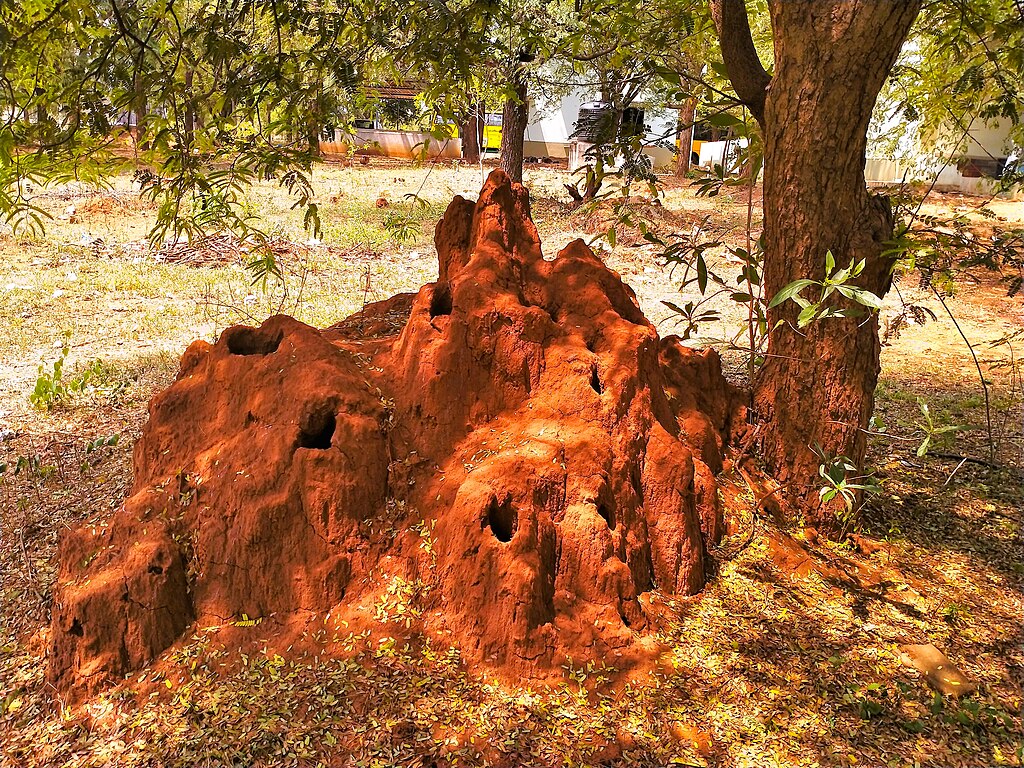
Paul Verhoeven’s “Starship Troopers” features massive arachnids that function as a clear analog to social insect colonies, particularly ants. The film’s bugs exhibit a strict caste system with specialized roles: worker bugs, soldier bugs, and the brain bug that controls the colony, directly mirroring the organization of ant colonies with their workers, soldiers, and queen. The soldier bugs’ mandibles and multiple limbs specifically recall the appearance of soldier ants, which have disproportionately large mandibles designed for colony defense. Even the behavior of the movie bugs, with their coordinated attacks and apparent willingness to sacrifice themselves for the collective, accurately reflects actual ant behavior, though dramatically amplified in scale and aggression. The film’s “tanker bugs,” which spray flammable liquid, parallel bombardier beetles, which combine chemicals in their abdomens to create explosive defensive sprays.
The Predator: Mandibles and Heat Vision

The Predator alien from the franchise of the same name features distinctive mandibles that were directly inspired by horseshoe crabs and insects. These articulated mouth parts, which open and close in a threatening display, evoke the mandibles of large beetles and spiders. Beyond its physical appearance, the Predator’s famous thermal vision capabilities parallel the infrared sensing abilities of certain insects and arachnids, such as jewel beetles that can detect forest fires from up to 80 miles away using specialized heat-sensing organs. The creature’s dreadlock-like appendages also resemble the antennae of certain longhorn beetles, which use these structures to sense vibrations and chemical signals in their environment. Stan Winston, who designed the creature, has acknowledged studying insect anatomy extensively to create a predator that feels both alien and biologically plausible.
The Monsters of “The Mist”: Arachnid Nightmares

Frank Darabont’s adaptation of Stephen King’s “The Mist” features an array of interdimensional creatures with strong arthropod influences. The giant “gray widowers” in the film are essentially massively enlarged spiders with exaggerated features, including their hunting methods of trapping prey in webbing and injecting digestive enzymes. Other creatures in the mist show clear inspiration from scorpions, with their segmented bodies, grasping pedipalps, and venomous stingers positioned over their backs. The pterodactyl-like creatures that swoop through the mist combine insect elements with pterosaur anatomy, featuring compound eyes and segmented bodies alongside leathery wings. Even the tentacled creatures that appear early in the film draw from marine arthropods like squat lobsters, with their probing, grasping appendages used to investigate and capture prey.
Cloverfield’s Parasites: Extremophile Crustaceans
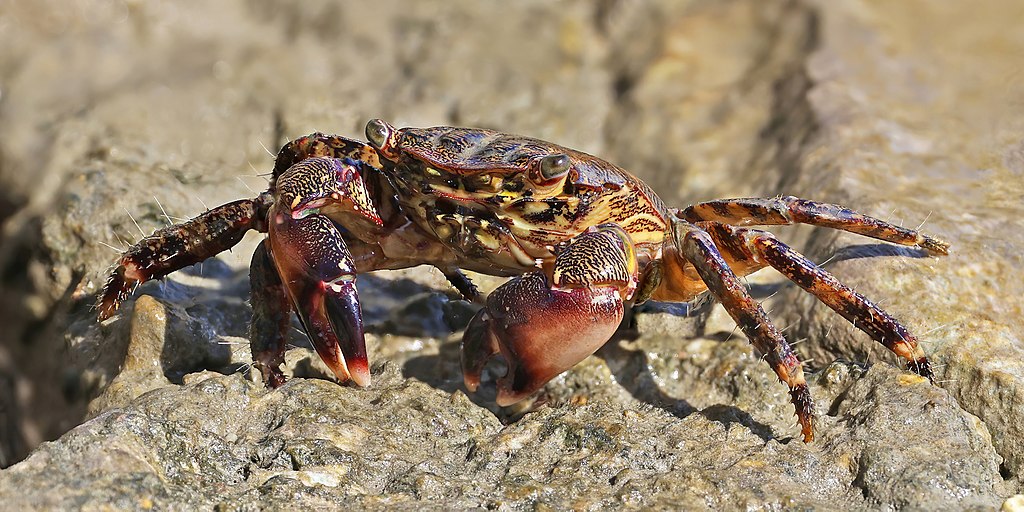
The main monster in “Cloverfield” may resemble a kaiju, but the smaller parasites that drop from its body draw direct inspiration from deep-sea isopods and extremophile crustaceans. These dog-sized creatures feature the segmented exoskeletons, multiple legs, and compound eyes characteristic of crustaceans, particularly giant isopods that inhabit the deep ocean. Their aggressive behavior and ability to survive extreme conditions mirrors that of certain resilient arthropods, such as tardigrades, which can survive radiation, pressure extremes, and even the vacuum of space. The parasites’ method of attack—biting victims and causing them to swell and eventually explode—parallels certain parasitic relationships in nature, such as the Cymothoa exigua, a parasite that replaces a fish’s tongue with its own body. Director Matt Reeves has stated that deep-sea creatures discovered around hydrothermal vents specifically informed the design of these creatures.
Mimic’s Judas Breed: Evolutionary Mimicry
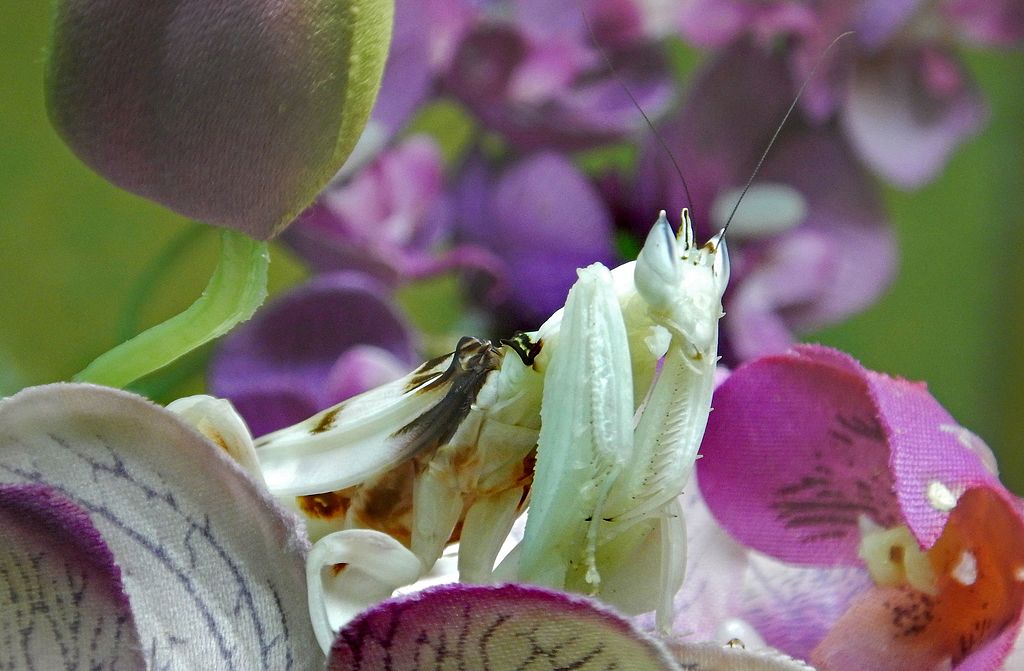
Guillermo del Toro’s “Mimic” centers on genetically engineered cockroaches that have evolved to mimic their predator—humans—creating giant insects that can fold their wings and limbs to appear as tall, cloaked human figures. This concept draws directly from evolutionary mimicry observed in numerous insect species, such as the orchid mantis, which resembles flower petals to ambush pollinating insects, or stick insects that perfectly mimic twigs and leaves. The Judas breed’s ability to rapidly evolve reflects the actual adaptive capabilities of insects, which can develop resistance to pesticides within just a few generations due to their short life cycles and large population sizes. Del Toro incorporated accurate cockroach anatomy into the creature design, including their respiratory systems, segmented bodies, and sensory capabilities, then exaggerated these features to create humanoid proportions. The film’s premise that the insects evolved to mimic their predator has actual parallels in defensive mimicry, where prey species evolve to resemble dangerous or toxic species.
District 9’s Prawns: Insectoid Aliens
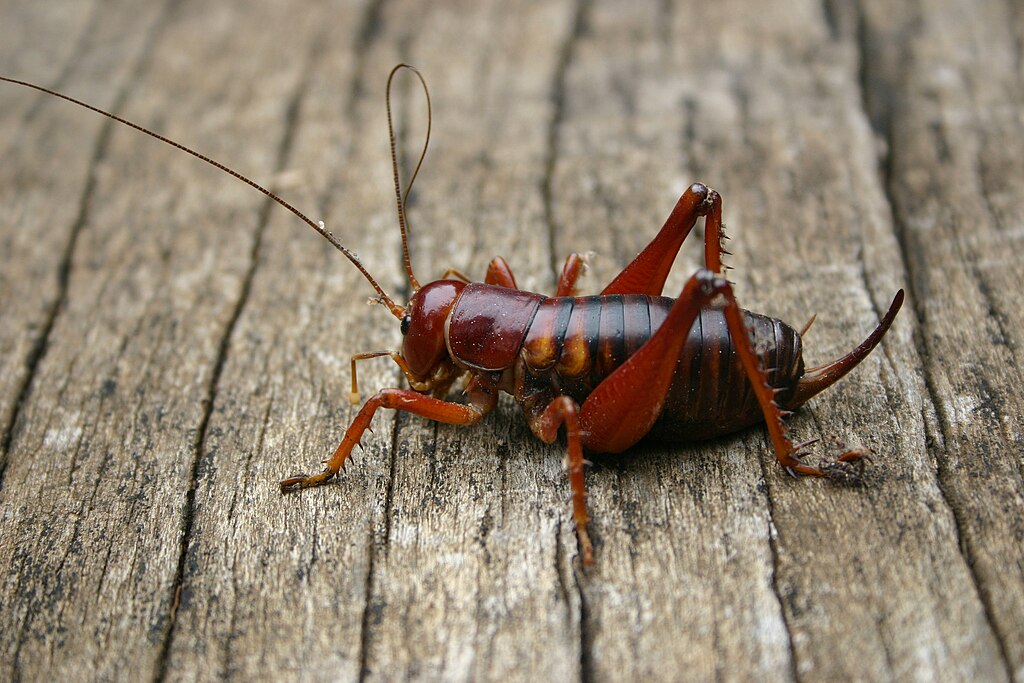
The alien “prawns” in Neill Blomkamp’s “District 9” draw their nickname from their resemblance to the Parktown prawn, a large king cricket native to South Africa that is considered a pest. The aliens’ exoskeletons, mandibles, and multiple limbs clearly reference arthropod anatomy, particularly that of mantids and crickets, while their upright posture and tool use add unsettling humanoid elements. Their social organization, with worker castes and leadership hierarchies, mirrors the social structures of advanced insect colonies like ants or termites. Blomkamp has discussed how the creatures’ design intentionally incorporates elements that would trigger instinctive disgust responses in humans, including their jerky movements and the clicking sounds they make, which directly mimic the movements and sounds of large insects. The prawns’ physical strength and resilience also parallel the impressive capabilities of arthropods, which can lift many times their own body weight and survive conditions that would kill vertebrates.
Men in Black’s Aliens: Cockroach Inspiration
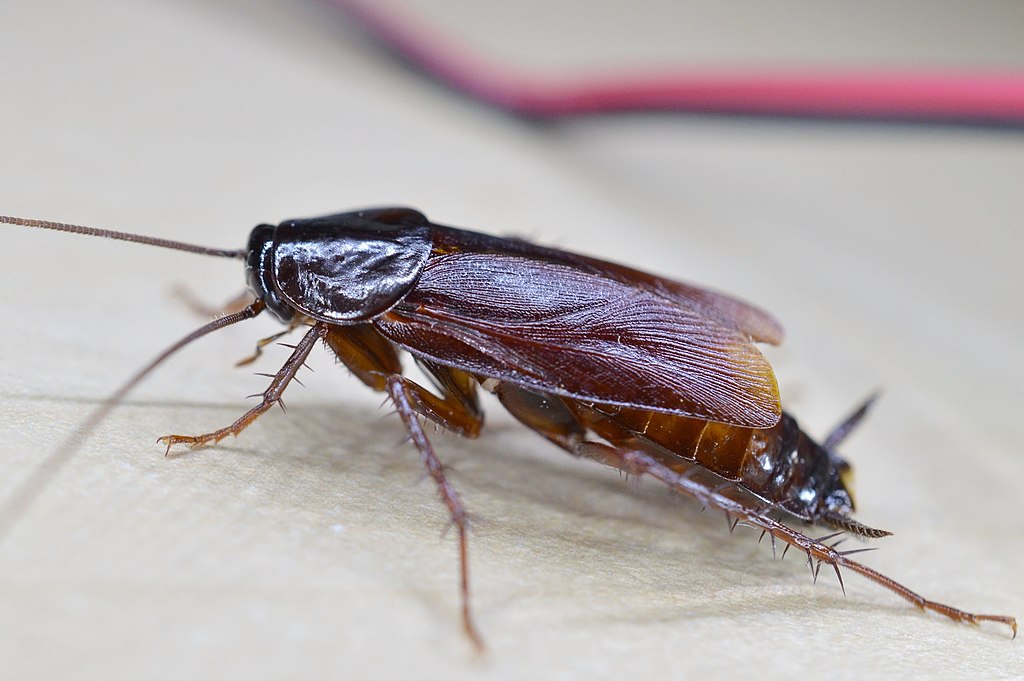
The primary antagonist in the original “Men in Black” film is an enormous cockroach-like alien that wears human skin as a disguise. This “Bug” character takes direct inspiration from cockroaches, from its segmented exoskeleton and six limbs to its incredible resilience and difficulty to kill. The creature’s ability to consume massive amounts of sugar mirrors the actual dietary habits of cockroaches, which are attracted to sweet substances due to their high energy content. Director Barry Sonnenfeld and his team studied cockroach anatomy and movement to create a creature that would move in an unsettlingly inhuman way even when disguised as a human. The final battle scene, where the Bug sheds its human disguise, reveals a giant version of a cockroach with exaggerated features, including massive mandibles and a segmented abdomen that accurately reflects actual insect anatomy scaled to gigantic proportions.
The Thing: Cellular Mimicry and Arthropod Defense Mechanisms
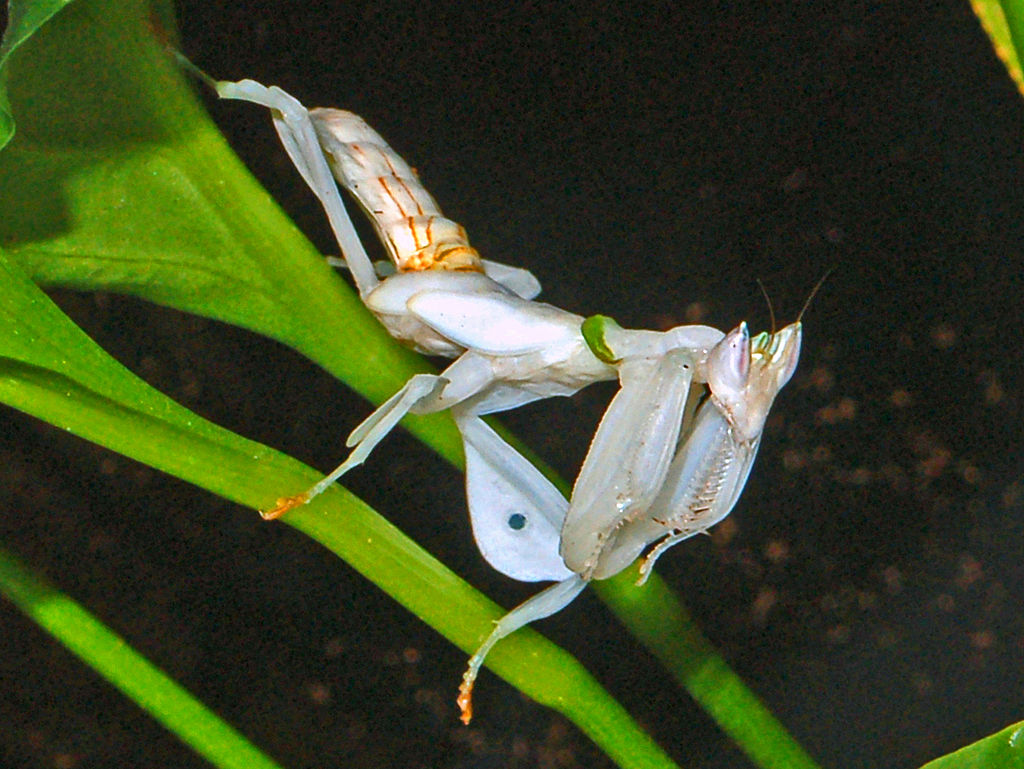
While John Carpenter’s “The Thing” isn’t explicitly insect-based, many of its transformation sequences and defense mechanisms draw inspiration from arthropod molting and anatomy. The creature’s ability to perfectly mimic other organisms parallels the remarkable camouflage abilities of insects like the orchid mantis or walking leaf insects. The Thing’s violent transformations, with bodies splitting open and limbs erupting from within, visually reference the molting process of arthropods, where the creature must break out of its old exoskeleton to grow. When threatened, the Thing often develops insect-like appendages, including spider-like legs, crab-like pincers, and insectoid mandibles, drawing from the most predatory and alien aspects of arthropod anatomy. Special effects artist Rob Bottin has acknowledged studying various invertebrates to create the unsettling biological transformations that made the film famous.
The Matrix’s Sentinels: Mechanical Squids with Insect Elements
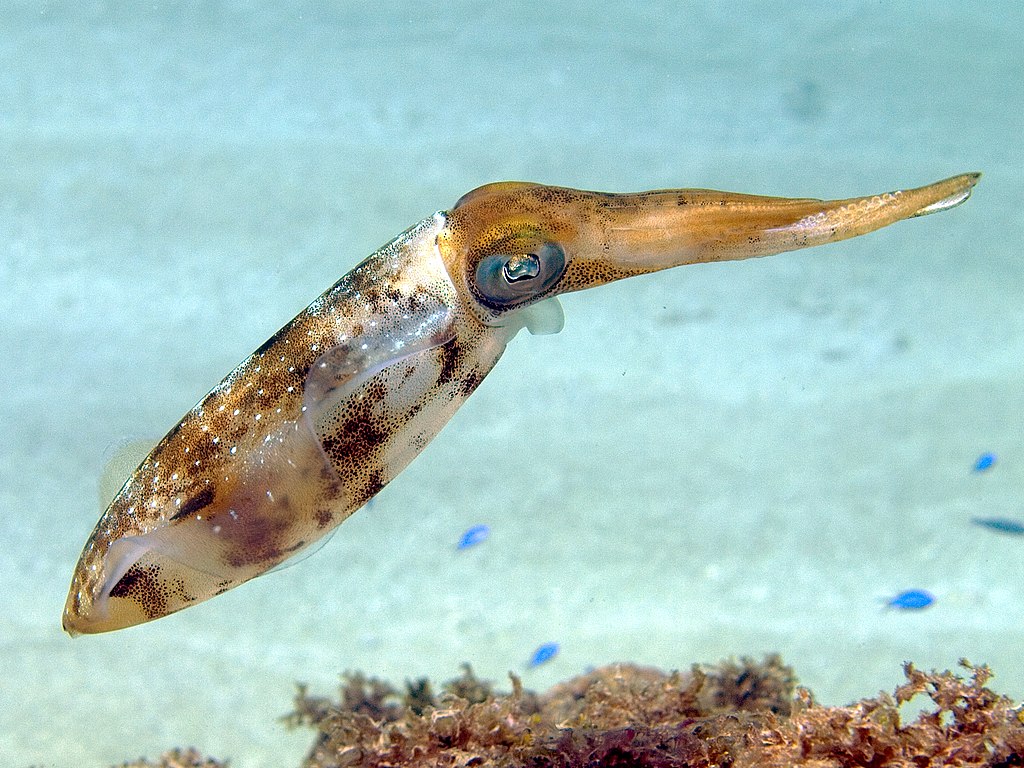
The Sentinels or “squiddies” from “The Matrix” trilogy combine cephalopod and insect attributes in their design, featuring multiple tentacle-like appendages that move with the precision and purpose of insect limbs. Their red sensor arrays resemble compound eyes, allowing them to detect and track targets much like a predatory insect. The Sentinels’ hunting behavior, where they swarm in large numbers to overwhelm targets, directly mirrors the coordinated attack strategies of social insects like army ants or hornets. Their method of “drilling” into ships to access the interior parallels how certain parasitoid wasps use ovipositors to drill into wood or insect bodies to deposit eggs. The Wachowskis created these machines to feel simultaneously organic and mechanical, drawing on the most unnerving aspects of insect behavior while rendering them in cold metal.
Pacific Rim’s Kaiju: Aquatic Arthropods
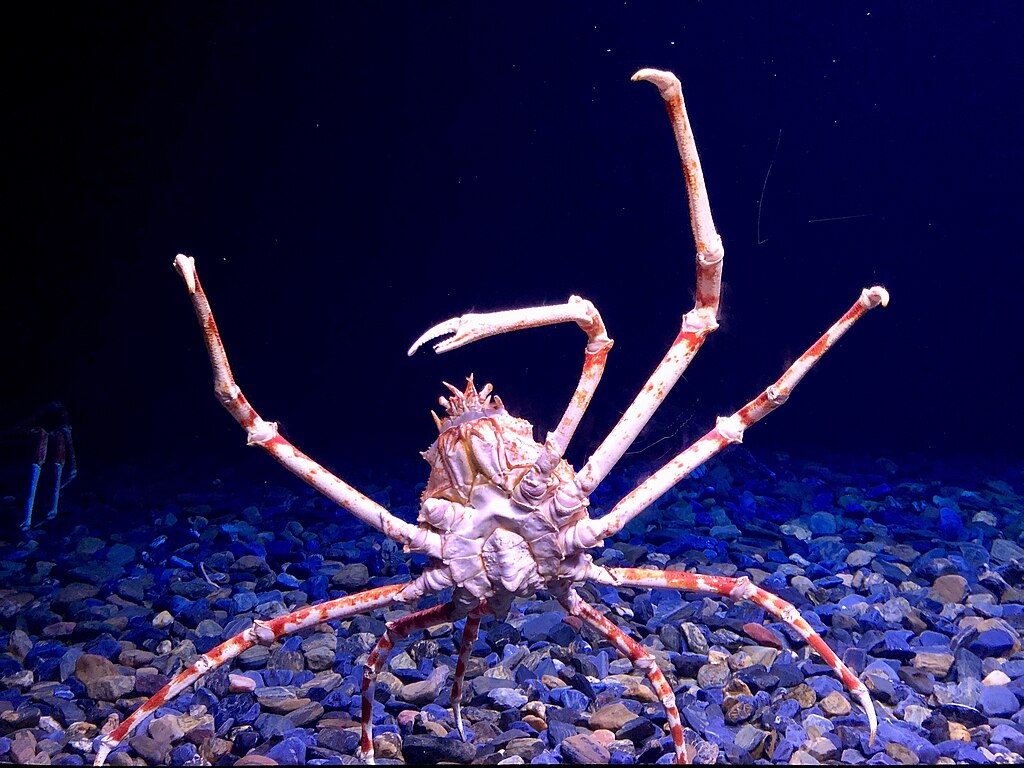
Guillermo del Toro’s “Pacific Rim” features kaiju with anatomy inspired by deep-sea arthropods and other marine invertebrates. Kaiju like Onibaba directly reference the anatomy of giant crabs, with a hard carapace, multiple jointed legs, and powerful claws designed for crushing. The kaiju Otachi combines elements from insects and deep-sea creatures, featuring bioluminescent organs similar to those found in deep-sea isopods and a specialized acid-spraying organ that parallels the chemical defenses of bombardier beetles. Del Toro has spoken extensively about how he studied the anatomy of horseshoe crabs, mantis shrimp, and other marine arthropods to create creatures that felt biologically plausible despite their enormous size. The film’s kaiju blood, a toxic blue substance called “Kaiju Blue,” has parallels to the copper-based blue blood of horseshoe crabs, which has significant medical applications in the real world.
Tremors’ Graboids: Subterranean Predators
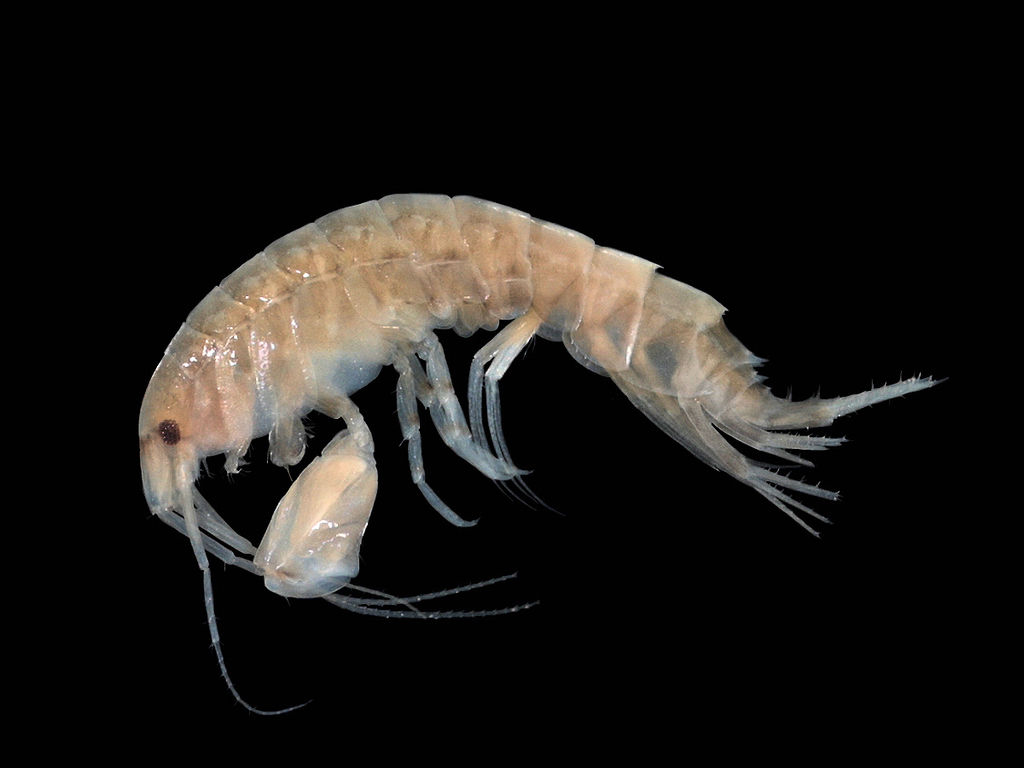
The Graboids from the “Tremors” franchise, while primarily worm-like in their overall morphology, incorporate numerous arthropod features in their design, particularly in their sensory and feeding mechanisms. The snake-like tentacles that emerge from the Graboids’ mouths resemble the sensing appendages of insects, while functioning as grasping organs similar to the raptorial legs of mantids. The creatures’ ability to sense vibrations through the ground parallels how scorpions and many spiders detect prey through substrate vibrations. Their three-part jaw structure, which opens like a flower to consume prey whole, draws inspiration from the radial mouth structures of sea urchins and certain annelid worms, combined with the powerful mandibles of large insects. The evolutionary progression seen throughout the franchise, where Graboids metamorphose into “Shriekers” and eventually “Ass-Blasters,” directly mirrors the complete metamorphosis life cycle of many insects, with distinct larval, pupal, and adult stages.
The Enduring Appeal of Arthropod-Inspired Monsters
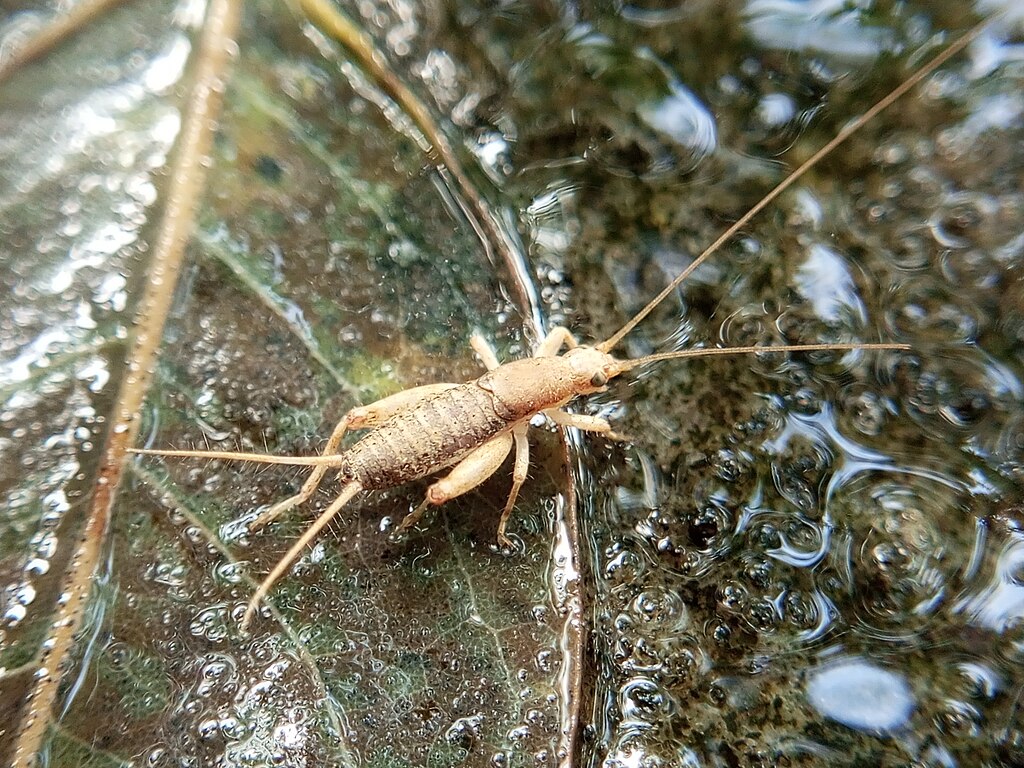
The creatures that crawl, fly, and scuttle around our world provide endless inspiration for filmmakers seeking to create memorable movie monsters. These arthropod-inspired designs tap into deep-seated human fears and discomfort with insects and their relatives—creatures whose anatomy, behaviors, and life cycles often seem alien compared to our own. The most successful movie monsters aren’t completely fabricated but rather carefully designed amalgamations of real biological features, exaggerated and combined in ways that trigger our instinctive responses. As we continue to discover new species in remote corners of our planet, from the deep ocean to tropical canopies, filmmakers will undoubtedly find fresh inspiration for the next generation of movie monsters. After all, when it comes to creating creatures that unsettle and terrify human audiences, nature has already done much of the work through millions of years of evolution.