
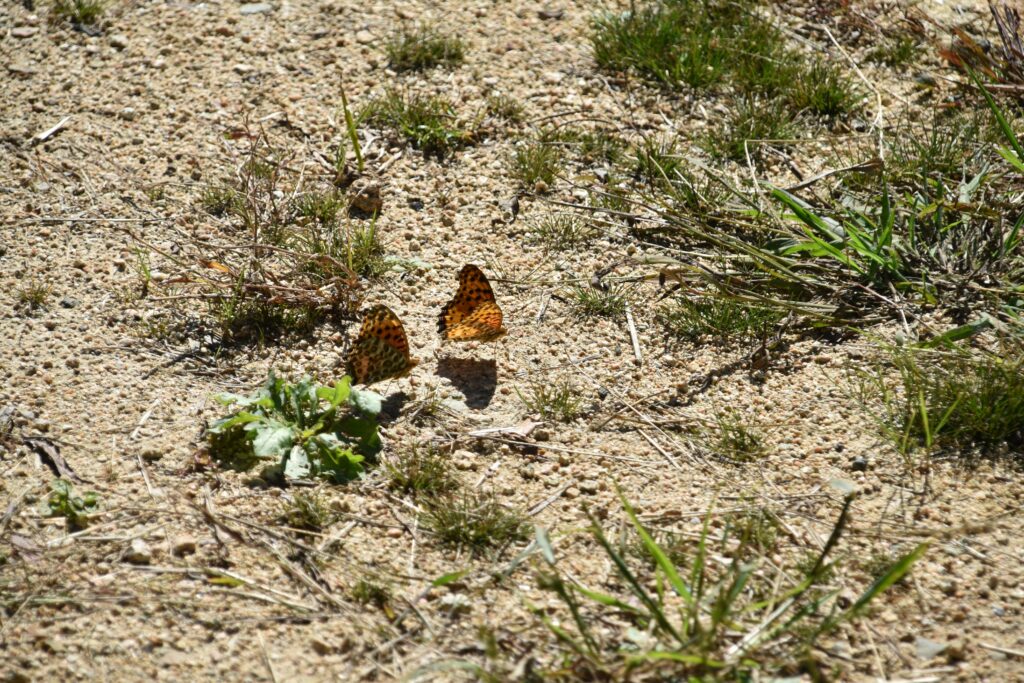
Picture this: every single day, our planet gains about 216,000 new human residents. That’s like adding a city the size of Salt Lake City every single day. Meanwhile, in that same 24-hour period, countless insects vanish forever from ecosystems around the world. This isn’t just some abstract environmental concern – it’s a collision course between two of the most successful life forms on Earth, and the smaller ones are losing badly.
The relationship between human expansion and insect decline isn’t just about stepping on a few bugs. We’re talking about a fundamental reshaping of life on Earth that’s happening right under our noses. Every new subdivision, every expanded farm, every bright city light represents another squeeze on creatures that have been perfecting their survival strategies for over 400 million years.
The Shocking Numbers Behind Insect Apocalypse

Scientists estimate that insects are disappearing at a rate eight times faster than mammals, birds, and reptiles combined. In some regions, insect populations have crashed by 75% in just the past 50 years – a timeframe that coincides perfectly with humanity’s most explosive growth period. The numbers are so staggering that researchers have coined the term “insect apocalypse” to describe what we’re witnessing. When you consider that insects make up about 80% of all animal species on Earth, losing them at this rate is like watching the very foundation of our ecosystems crumble. To put this in perspective, if insects were disappearing at the same rate as polar ice caps, we’d be in a state of global emergency.
Concrete Jungles Where Grasshoppers Used to Sing

Urban sprawl acts like a steamroller, flattening diverse habitats into monotonous landscapes of concrete and steel. Where once a single acre might have supported hundreds of insect species, now we have parking lots that support virtually none. Cities create what ecologists call “habitat fragmentation” – breaking up natural areas into tiny, isolated patches that can’t sustain healthy insect populations. The remaining green spaces in urban areas are often manicured lawns and ornamental gardens that offer little to no value for native insects. Think of it like replacing a bustling marketplace with a sterile shopping mall – everything looks neat and organized, but the vibrant community life has been completely stripped away.
Agricultural Expansion: Trading Biodiversity for Monocultures

Modern agriculture has transformed from diverse, small-scale farming into massive monocultures that stretch for miles. These agricultural deserts offer feast-or-famine conditions for insects – either you can eat corn, soybeans, or wheat, or you starve. The pesticides used to protect these crops don’t discriminate between “good” and “bad” insects, wiping out beneficial pollinators, predators, and decomposers along with the pests. Hedgerows, wildflower margins, and diverse crop rotations that once provided insect havens have been eliminated in favor of maximum efficiency. A single cornfield in Iowa might span thousands of acres, but it supports fewer insect species than a small backyard garden. The irony is cruel: we’re destroying the very creatures that make agriculture possible in the first place.
Light Pollution: When Darkness Becomes a Luxury

Our cities never sleep, and neither can many insects because of it. Artificial light disrupts insect navigation systems that have evolved over millions of years to rely on natural light sources like the moon and stars. Moths spiral to their deaths around streetlights, while beetles lose their way trying to follow artificial beacons instead of celestial ones. Light pollution affects insect mating behaviors, feeding patterns, and migration routes in ways we’re only beginning to understand. The glow from human settlements can be seen from space, creating what scientists call “ecological light pollution” that extends far beyond city limits. Even insects that aren’t directly attracted to light suffer when their nocturnal predators become confused and disoriented.
Climate Change: The Ultimate Habitat Shuffle

As human activities pump greenhouse gases into the atmosphere, we’re essentially moving entire ecosystems around like pieces on a chessboard. Insects, with their precise temperature and humidity requirements, often can’t keep up with rapidly changing conditions. Mountain-dwelling species find themselves running out of cooler habitat as temperatures rise, while desert insects face conditions too extreme even for their heat-adapted lifestyles. The timing of insect life cycles – when they emerge, breed, and migrate – is getting out of sync with the plants they depend on and the seasons they’ve evolved to follow. It’s like showing up to a party that ended hours ago, except the consequences are extinction rather than embarrassment.
The Pollinator Crisis: When Flowers Go Unvisited

Bees, butterflies, and other pollinators are experiencing some of the most dramatic population crashes in the insect world. Commercial beekeepers in some regions report losing 40-50% of their hives annually, while wild bee populations have plummeted even more dramatically. The causes are multiple and interconnected: habitat loss, pesticide exposure, diseases, and climate change all work together to stress these crucial insects beyond their breaking point. Without pollinators, about one-third of the food we eat simply wouldn’t exist – no apples, almonds, blueberries, or countless other crops. The economic value of insect pollination is estimated at over $200 billion globally, but the ecological value is truly priceless.
Chemical Warfare: Pesticides in the Modern World

The modern landscape is saturated with chemicals designed to kill insects, and they’re doing their job perhaps too well. Neonicotinoids, often called “neonics,” are systemic pesticides that make entire plants toxic to insects, from roots to pollen. These chemicals persist in the environment for months or years, creating a chronic poisoning situation for any insect that encounters treated plants. Even when pesticides don’t kill insects outright, they can impair their ability to navigate, remember, reproduce, and resist diseases. Imagine trying to function normally while constantly being exposed to low levels of neurotoxins – that’s the reality for insects in much of the developed world. The chemicals we use to protect our crops and lawns create dead zones where beneficial insects simply cannot survive.
Invasive Species: Ecological Refugees in a Globalized World

Human trade and travel have created superhighways for invasive species to colonize new territories where they have no natural predators or competitors. These biological invaders often outcompete native insects for resources, disrupt established food webs, and introduce diseases that local species have no defense against. The emerald ash borer, accidentally introduced from Asia, has killed hundreds of millions of ash trees in North America, eliminating habitat for countless native insects. Fire ants, zebra mussels, and dozens of other invasive species have fundamentally altered ecosystems across the globe. It’s like introducing a new player to a centuries-old game without explaining the rules – chaos inevitably follows, and the original players usually lose.
Fragmented Forests: Islands in a Sea of Development

What remains of our natural forests increasingly resembles a scattered archipelago of green islands surrounded by human development. These forest fragments are too small to support the full range of insect species that once thrived in continuous woodland. Edge effects – the altered conditions at the boundaries between forest and development – penetrate deep into these remnant patches, changing temperature, humidity, and light levels. Many insects require large territories or specific microhabitats that simply don’t exist in fragmented landscapes. The corridors that once allowed genetic exchange between populations have been severed, leading to inbreeding and local extinctions. It’s like trying to maintain a healthy community when all the neighborhoods have been separated by impassable barriers.
Ocean Plastic and Coastal Development

Coastal insects face a double threat from human activities: physical development that eliminates beach and dune habitats, and plastic pollution that degrades marine ecosystems they depend on. Many insects have life stages that depend on healthy coastal environments, from salt marsh mosquitoes to beach-dwelling beetles. Microplastics in the marine food web affect the small organisms that coastal insects feed on, while larger plastic debris physically alters beach structures and nesting sites. Sea level rise, accelerated by human activities, is drowning coastal wetlands faster than they can migrate inland, trapping specialized insects in shrinking habitat islands. The intersection of land and sea has always been a biodiversity hotspot, but human pressures are turning these dynamic ecosystems into sterile edges between development and degraded oceans.
The Nitrogen Cascade: When Fertilizers Become Pollutants

The massive amounts of nitrogen fertilizers used in modern agriculture don’t stay put in crop fields – they wash into waterways, blow into natural areas, and fundamentally alter soil chemistry across vast regions. This nitrogen pollution acts like an overdose of vitamins, causing explosive growth of certain plant species while crowding out the diverse wildflower communities that many insects depend on. Eutrophication in waterways kills aquatic insects and disrupts the emergence patterns of species like mayflies and caddisflies that spend part of their lives in water. The nitrogen cascade represents one of the most pervasive but least visible ways human activities are reshaping ecosystems. Even remote wilderness areas show signs of nitrogen pollution, demonstrating how our agricultural practices affect insects thousands of miles away.
Noise Pollution: The Hidden Acoustic Assault

The modern world is incredibly noisy, and this acoustic pollution affects insects in ways we’re only beginning to understand. Many insects communicate through vibrations, wing beats, and other sound-based signals that can be masked or disrupted by human noise. Traffic, construction, aircraft, and industrial activities create a constant din that interferes with insect mating calls, territorial displays, and predator warnings. Research shows that some insects change their behavior entirely in noisy environments, potentially reducing their reproductive success and survival rates. The cumulative effect of chronic noise exposure may be weakening insect populations even in areas that appear to have suitable habitat. Sound travels far and penetrates deep into natural areas, meaning that noise pollution affects insects across much larger areas than the direct footprint of human development.
Groundwater Depletion and Wetland Loss

Human water use has dramatically altered the hydrological cycle, draining wetlands and lowering water tables across vast regions. Many insects depend on seasonal wetlands, temporary pools, and moist soil conditions that are increasingly rare in our water-hungry world. Dragonflies, caddisflies, and countless other insects require aquatic habitats for their larval stages, but these environments are disappearing as we divert water for agriculture, industry, and urban use. Even insects that spend their entire lives on land often depend on the higher humidity and specialized plant communities associated with wetland areas. Climate change compounds these effects, as higher temperatures increase evaporation rates and change precipitation patterns. The result is a drying world where water-dependent insects find themselves literal fish out of water.
Microhabitat Destruction: The Devil in the Details

Insects are masters of exploiting tiny, specialized niches that humans often overlook or actively eliminate. Dead wood harbors countless beetle species, but modern forestry practices remove “debris” that insects see as luxury apartments. Leaf litter provides overwintering sites for butterflies and moths, but tidy landscaping rakes away these crucial habitats. Even something as simple as removing fallen logs or filling in small depressions can eliminate microhabitats that specialized insects absolutely require. Rock piles, brush heaps, and “messy” edges between different habitat types support disproportionately high insect diversity, but these features are typically the first to be cleared in development projects. The obsession with neat, managed landscapes creates ecological deserts where insects once thrived in the chaos of natural complexity.
The Cascading Effects: When the Bottom Falls Out

Insects form the foundation of most terrestrial food webs, so their decline triggers cascading effects throughout entire ecosystems. Birds that depend on insects for protein are experiencing population crashes, with some species declining by over 70% in recent decades. Fish populations suffer when aquatic insects disappear, affecting both freshwater and marine ecosystems. The decomposition of organic matter slows when insects that break down dead plant material become rare, altering nutrient cycling in forests and grasslands. Even large mammals feel the effects when the plants they eat are no longer pollinated or when the small prey species they depend on disappear. It’s like removing the rivets from an airplane wing – each individual loss might seem small, but eventually, the whole structure fails catastrophically.
Our expanding human footprint isn’t just claiming space – it’s reshaping the very fabric of life on Earth. The insects that buzz, crawl, and flutter around us represent hundreds of millions of years of evolutionary innovation, yet we’re watching them disappear in mere decades. The solutions exist, from creating pollinator corridors to reducing pesticide use, but they require us to see insects not as pests to be eliminated, but as essential partners in the web of life that sustains us all. What will it take for us to realize that in our rush to grow and develop, we might be sawing off the very branch we’re sitting on?