

In the vast, watery expanse of Florida’s Everglades, a small but formidable hunter prowls the marshlands with remarkable speed and precision. The Everglades tiger beetle (Cicindelidia floridana), a magnificent insect predator, has evolved specialized adaptations that make it perfectly suited to life in this unique wetland ecosystem. With its iridescent coloration, lightning-fast movements, and voracious appetite, this tiny carnivore embodies the fascinating intersection of evolutionary adaptation and ecological specialization. Despite its small size—rarely exceeding half an inch in length—this beetle commands attention as one of the most efficient predators in its size class, representing a critical link in the Everglades food web and serving as an important bioindicator for this threatened ecosystem.
Taxonomic Classification and Evolutionary History


The Everglades tiger beetle belongs to the family Carabidae, subfamily Cicindelinae, which includes over 2,600 species of tiger beetles worldwide. Taxonomists have placed this Florida specialist in the genus Cicindelidia, distinguishing it from other tiger beetles based on specific morphological characteristics and genetic markers. Evolutionary biologists believe tiger beetles diverged from other carabid beetles approximately 150 million years ago during the Late Jurassic period, developing their characteristic elongated legs and mandibles that facilitate their predatory lifestyle. The Everglades species specifically appears to have evolved its unique adaptations during the formation of the Florida peninsula and its wetland systems approximately 5,000 years ago, making it a relatively young species in evolutionary terms. Fossil evidence of related tiger beetles has been found in amber deposits, suggesting that the basic body plan of these predatory insects has remained remarkably consistent over millions of years.
Physical Characteristics and Identification
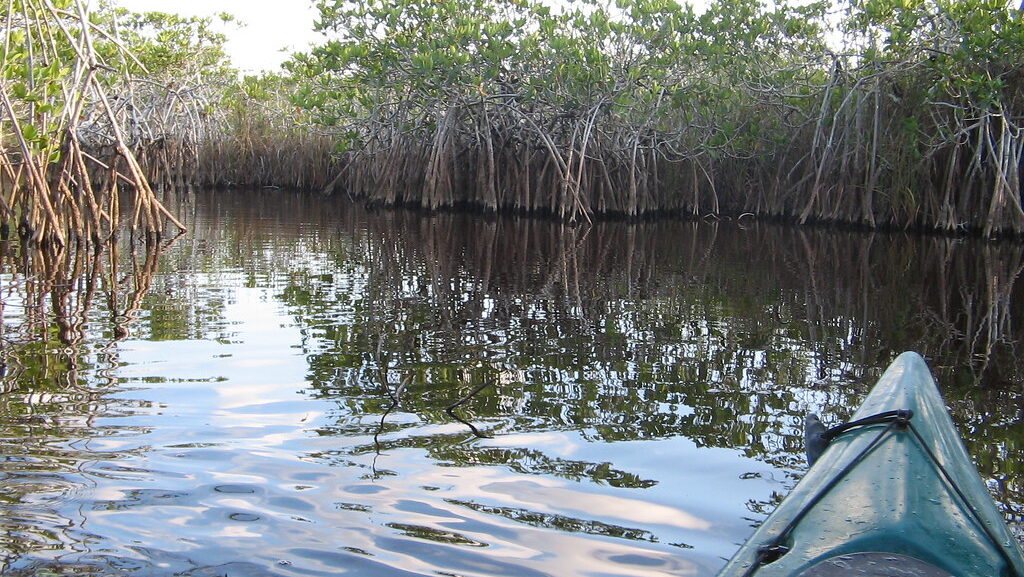
The Everglades tiger beetle possesses a striking metallic green to bronze exoskeleton that gleams in the subtropical sunlight, often displaying blue or purple iridescent highlights that shift with viewing angle. Its most distinctive features are the oversized, sickle-shaped mandibles that extend forward from its head like miniature scythes, perfectly designed for seizing and dismembering prey. Unlike many other tiger beetle species that have intricate patterns on their elytra (wing covers), the Everglades variant typically shows minimal patterning, with only subtle white markings along the lateral edges of its smooth carapace. The beetle’s body is streamlined and slightly flattened, an adaptation that allows it to move efficiently through the dense vegetation of its wetland habitat. Perhaps most remarkable are its eyes—disproportionately large, bulging orbs that provide nearly 360-degree vision, enabling the beetle to detect the slightest movement of potential prey or approaching predators in its environment.
Habitat and Geographic Distribution
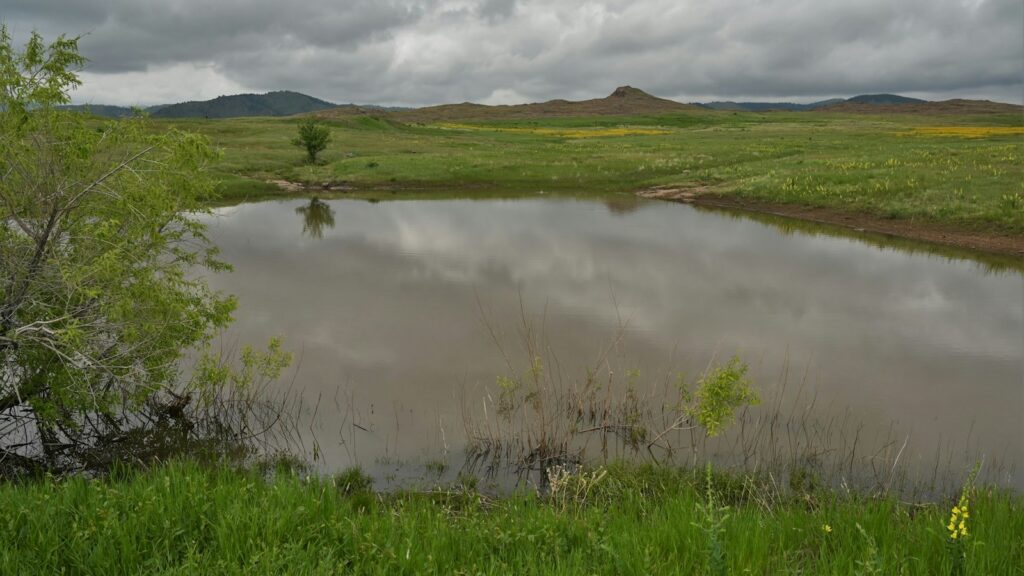
As its name suggests, the Everglades tiger beetle is primarily found throughout the freshwater marshes and wet prairies of the Florida Everglades ecosystem, where it has carved out a specialized ecological niche. These beetles show a strong preference for transitional zones between sawgrass marshes and slightly elevated tree islands, areas characterized by fluctuating water levels and rich biodiversity. Their distribution extends from the southern portions of Lake Okeechobee southward through the heart of Everglades National Park, though isolated populations have been documented in similar wetland habitats along Florida’s eastern coast. Interestingly, these beetles demonstrate remarkable adaptability to the seasonal hydrological cycles of the Everglades, shifting their territory as water levels rise and fall throughout the year. Recent surveys have revealed concerning population declines in areas affected by water management practices and urban development, particularly in the northern portions of their historic range.
Hunting Techniques and Predatory Behavior
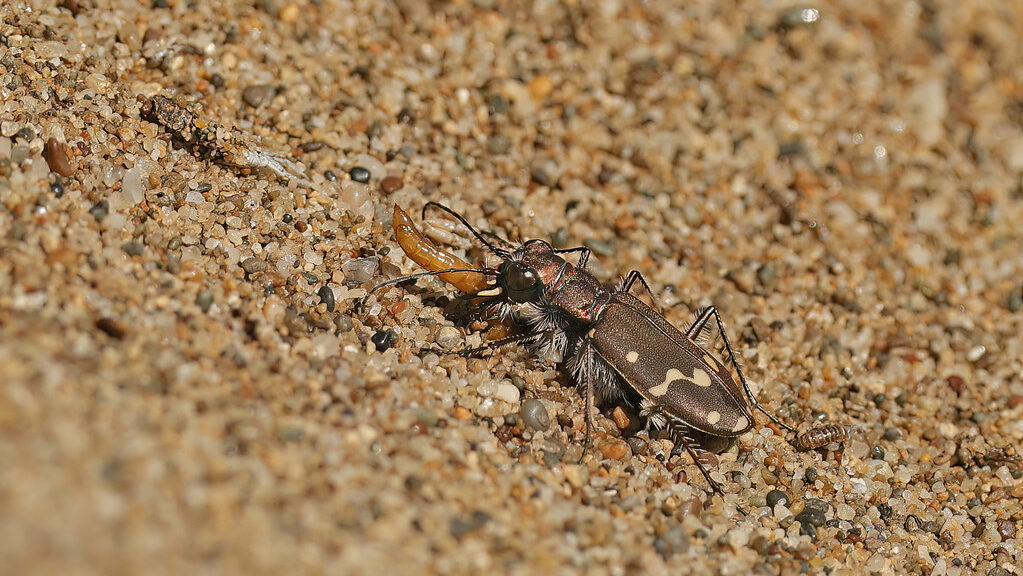
The Everglades tiger beetle has earned its predatory namesake through its remarkable hunting prowess, employing a combination of speed, vision, and ambush tactics to capture prey. These beetles are visual hunters that rely primarily on detecting movement, using their exceptionally developed compound eyes that can process visual information four times faster than human eyes. When hunting, they typically adopt a characteristic stop-and-go movement pattern, sprinting forward in short bursts up to 1.2 meters per second (equivalent to a human running at 400 mph in proportion to body size), then freezing to scan their surroundings for potential prey. The beetle’s mandibles snap shut with astonishing force when prey is within range, capable of piercing the exoskeletons of other insects with surgical precision. After capture, the beetle injects digestive enzymes into its prey and extracts the liquefied tissues, leaving behind only the emptied exoskeleton—a feeding method that allows it to process meals quickly and efficiently in its competitive wetland environment.
Diet and Feeding Patterns
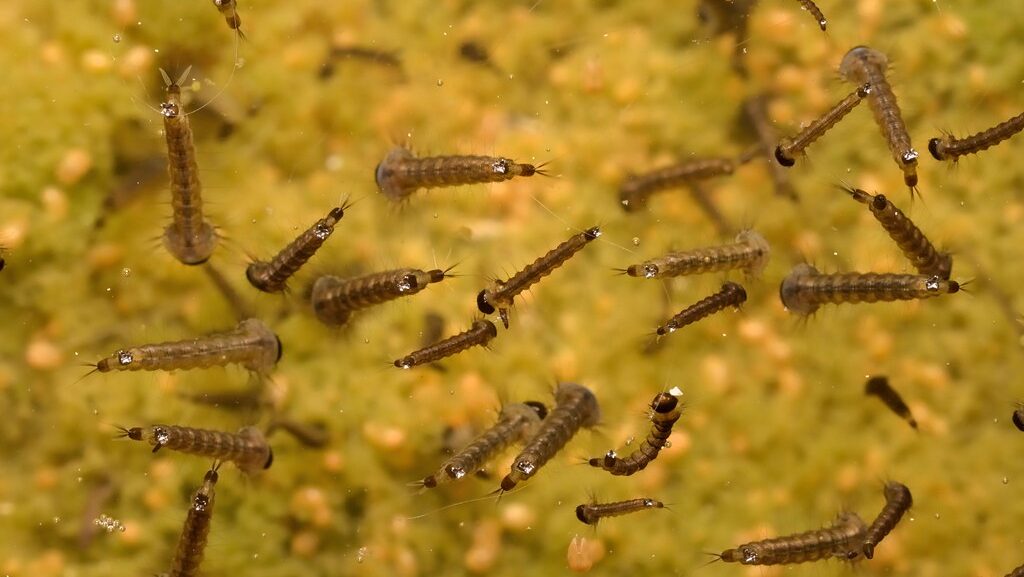
As specialized insectivores, Everglades tiger beetles consume a diverse array of small arthropods that share their wetland habitat, showing particular preference for mosquito larvae, midges, small flies, and aquatic springtails. Research has documented these beetles consuming up to their body weight in prey every day during peak activity periods, making them significant controllers of potential pest insect populations within the Everglades ecosystem. Their feeding patterns shift seasonally, with increased predation on mosquito species during the wet summer months when these potential disease vectors reach their population peaks. Interestingly, these beetles have been observed practicing dietary selectivity, often ignoring certain ant species or insects with chemical defenses while actively pursuing softer-bodied prey that offer better nutritional returns. Laboratory studies have shown that individual beetles can distinguish between prey types based on subtle movement patterns, suggesting a sophisticated neural processing system that belies their small size.
Reproduction and Life Cycle
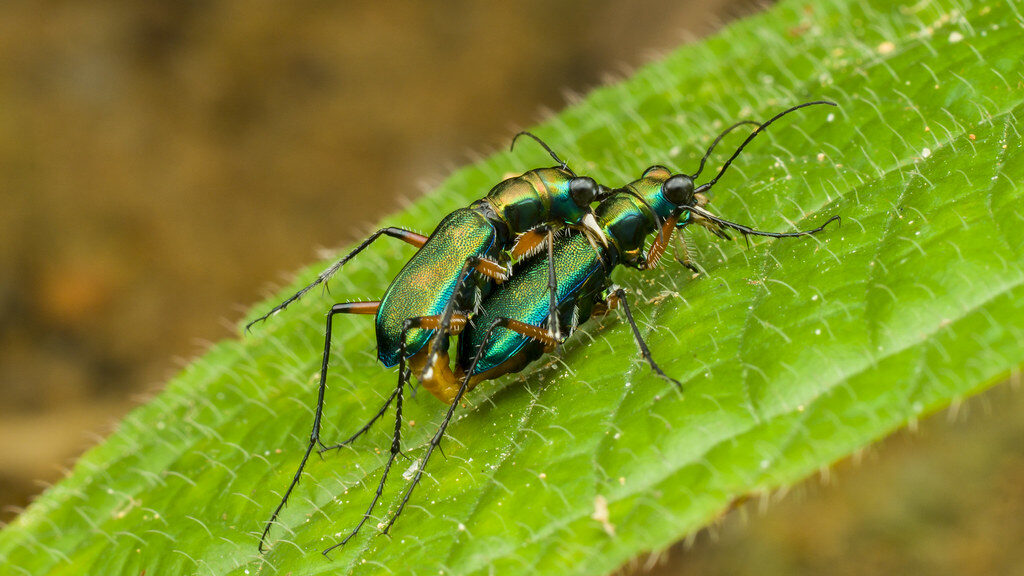
The reproductive biology of the Everglades tiger beetle follows a complex life cycle that is intricately synchronized with the seasonal rhythms of their wetland habitat. Mating typically occurs during the early dry season (November to January), when adults engage in elaborate courtship behaviors including mandible displays and antennae tapping to communicate reproductive readiness. After mating, females excavate small, vertical burrows in slightly elevated areas that remain above the water table, where they deposit clutches of 10-15 eggs individually placed in separate chambers. The egg stage lasts approximately two weeks before hatching into predatory larvae that are remarkably different in appearance from the adults, with hook-shaped bodies and enlarged heads adapted for an ambush lifestyle. These larvae develop through three distinct instars over a period of 3-4 months, remaining in their burrows and capturing prey that wanders too close to their hiding spots. After completing larval development, they pupate within specially constructed chambers, emerging as adults approximately two weeks later to begin the cycle anew.
Larval Development and Behavior
.jpg)
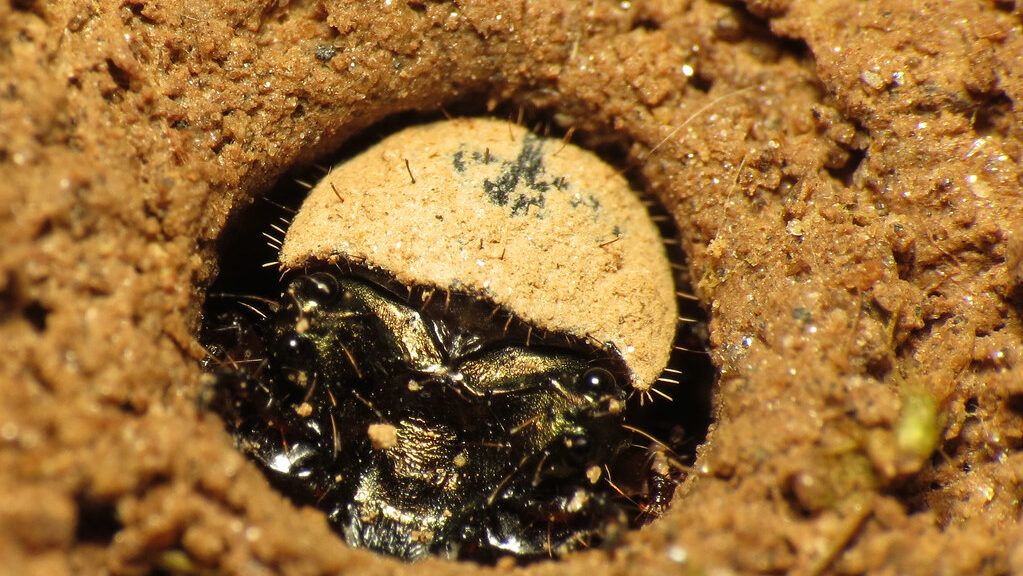
The larval stage of the Everglades tiger beetle represents a fascinating example of specialized predatory adaptation that differs markedly from the adult form. Tiger beetle larvae construct vertical burrows up to 20 centimeters deep in the moist substrate, creating hidden ambush positions from which they hunt passing prey. These larvae possess grotesquely enlarged heads with powerful mandibles and a unique dorsal hump equipped with backward-facing hooks that anchor them in their burrows, preventing prey from pulling them out during struggles. Unlike the mobile adults, larvae are sedentary ambush predators that position themselves at the entrance of their burrows with their heads and mandibles forming a living trap door at ground level. When suitable prey approaches, the larva lunges upward with remarkable speed, seizing the victim and dragging it down into the burrow where it can be consumed without competition or threat from other predators. This dual hunting strategy—mobile adults and sedentary larvae—allows the species to exploit different prey resources and reduces intraspecific competition within populations.
Adaptations to Wetland Living
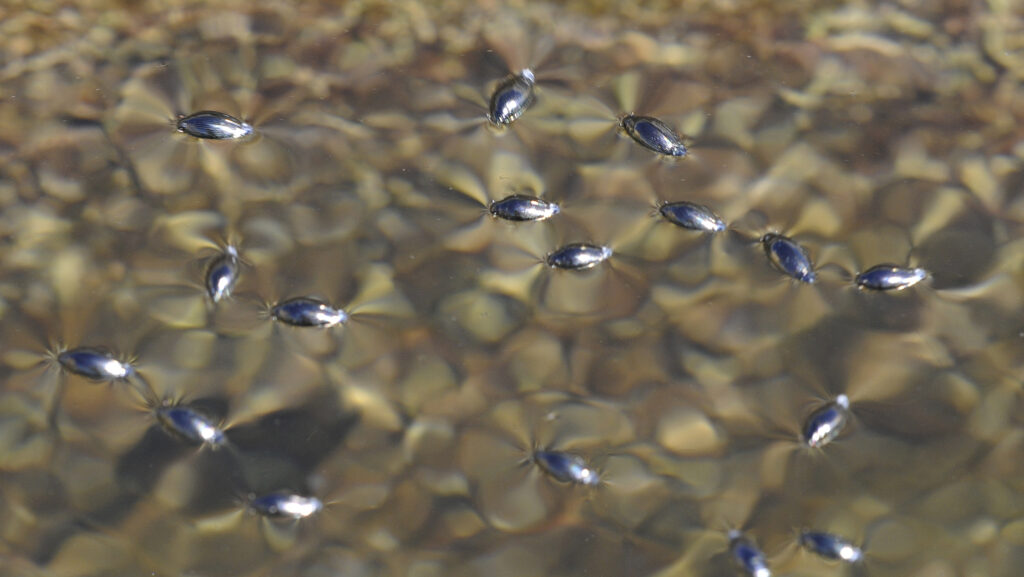

The Everglades tiger beetle has evolved numerous physiological and behavioral adaptations specifically suited to life in a fluctuating wetland environment. Their legs are notably longer and more hydrophobic than those of related upland species, allowing them to stride across water surfaces during brief periods of flooding by utilizing surface tension. The beetles’ respiratory system includes specialized hydrofuge hairs that trap air bubbles against their bodies, enabling them to survive temporary submersion when water levels rise suddenly during storm events. Additionally, these insects possess remarkable navigation abilities, utilizing polarized light patterns and memorized visual landmarks to maintain territories and return to favorable hunting grounds even after seasonal displacement. Perhaps most impressive is their ability to enter a state of diapause during extreme conditions, reducing metabolic activity during prolonged flooding or drought periods until favorable conditions return. These adaptations collectively demonstrate the remarkable evolutionary responses possible when selection pressures drive specialization to challenging environments over thousands of generations.
Ecological Importance in the Everglades
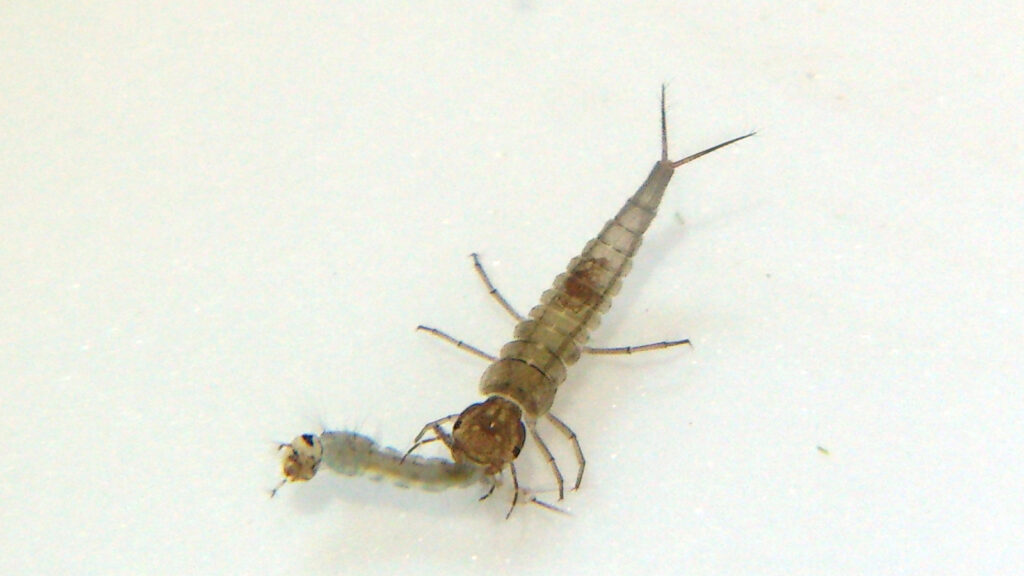

Despite their small size, Everglades tiger beetles play several critical ecological roles that ripple throughout the wetland ecosystem. As voracious predators of mosquitoes and other small insects, they help regulate populations of potential disease vectors and maintain balanced invertebrate communities within their habitat. Their larvae, through burrow construction, contribute to soil aeration and nutrient cycling in the otherwise dense, anaerobic substrates of wetland soils. These beetles also serve as important prey items for larger predators, including wading birds, reptiles, and amphibians, transferring energy up the food web from the invertebrate communities they help regulate. Perhaps most significantly, biologists recognize these specialized beetles as excellent bioindicators—their presence, abundance, and health providing valuable information about environmental conditions, water quality, and ecosystem integrity throughout the Everglades. Recent research has demonstrated strong correlations between tiger beetle population density and overall wetland health metrics, making them valuable subjects for environmental monitoring programs.
Conservation Status and Threats
.jpg)
The Everglades tiger beetle currently faces multiple anthropogenic threats that have led to concerning population declines across portions of its range. Water management practices, including drainage canals, flood control structures, and altered hydroperiods, have fundamentally changed the natural wet-dry cycles upon which these specialized insects depend for reproduction and hunting. Agricultural runoff containing pesticides and fertilizers poses a particularly serious threat, as these chemicals can bioaccumulate in predatory insects and disrupt their nervous systems and reproductive capabilities. Habitat fragmentation from urban development and transportation infrastructure has isolated formerly connected populations, reducing genetic exchange and increasing vulnerability to localized extinction events. Climate change projections for South Florida, including sea level rise and increased storm intensity, threaten to further alter the delicate hydrological balance of the Everglades ecosystem upon which these beetles depend. Conservation efforts currently focus on habitat preservation, water quality improvement, and restoration of natural water flow patterns through comprehensive Everglades restoration initiatives.
Research and Scientific Significance

.jpg)
The Everglades tiger beetle has attracted significant scientific interest across multiple disciplines, serving as a model organism for diverse research applications. Biomechanics researchers have studied their remarkable running speed and visual processing abilities, which have inspired innovations in robotics and high-speed camera technologies. Neurobiologists have investigated their sophisticated visual hunting systems, which accomplish complex prey-tracking computations using relatively small neural networks, providing insights into efficient information processing. Conservation biologists utilize these beetles as sensitive indicators of ecosystem health, with their population dynamics closely mirroring broader environmental changes within the Everglades system. Ongoing genetic research has revealed surprising diversity within seemingly uniform populations, suggesting complex evolutionary histories and potential cryptic speciation events that may help inform conservation prioritization. Despite this scientific value, significant knowledge gaps remain regarding their complete life history, population genetics, and specific vulnerability thresholds to various environmental stressors—areas where continued research could yield valuable insights for both basic science and applied conservation.
Observation and Photography Techniques


For nature enthusiasts hoping to observe these fascinating predators in their natural habitat, several specialized techniques can increase the chances of successful encounters. Early morning hours provide the best viewing opportunities, as the beetles are most active during this period but move more slowly due to cooler temperatures, making them easier to observe and photograph. Visitors should focus on slightly elevated areas along the edges of sawgrass prairies, particularly sections with mixed vegetation and patches of exposed soil where beetles often establish hunting territories. Approaching slowly and maintaining a low profile is essential, as these insects are extremely sensitive to movement and vibration, often taking flight at the first sign of potential danger. Photographers should come equipped with macro lenses capable of at least 1:1 magnification and consider using flash diffusers to capture the beetles’ metallic coloration without creating harsh reflections off their shiny exoskeletons. Patience is perhaps the most important requirement, as successful observation often requires remaining still for extended periods until these wary predators resume their normal behaviors after detecting human presence.
The Future of Everglades Tiger Beetles

.jpg)
The future of the Everglades tiger beetle remains inextricably linked to the broader fate of the Everglades ecosystem itself, with both challenges and reasons for cautious optimism on the horizon. The Comprehensive Everglades Restoration Plan, the largest environmental restoration project in U.S. history, aims to restore natural water flows and improve water quality throughout the system, potentially benefiting tiger beetle populations if successfully implemented. Recent advancements in captive breeding techniques have demonstrated the potential for population supplementation in severely impacted areas, though such approaches remain experimental. Citizen science initiatives involving these charismatic insects have increased public awareness and engagement, creating valuable data sets while building political support for conservation measures. Climate change remains perhaps the most significant long-term threat, with projected sea level rise potentially inundating significant portions of current tiger beetle habitat within the next century. Despite these challenges, the remarkable evolutionary adaptability demonstrated by these specialized predators throughout their history suggests potential resilience if given sufficient habitat protection and time to adapt to changing conditions.
The Everglades tiger beetle stands as a testament to the extraordinary specialization possible through evolutionary processes—a miniature predator perfectly adapted to its unique wetland niche. From its lightning-fast hunting sprints to its complex life cycle synchronized with the rhythm of the marshlands, this remarkable insect embodies the intricate ecological relationships that define the Everglades ecosystem. As conservation efforts continue to address the challenges facing Florida’s iconic “River of Grass,” the fate of this specialized predator will serve as one measure of success or failure. For those fortunate enough to observe these beetles in their natural habitat, they offer a window into the complex and fascinating world of specialized predator-prey relationships that have evolved over millennia in one of North America’s most unique ecosystems.