
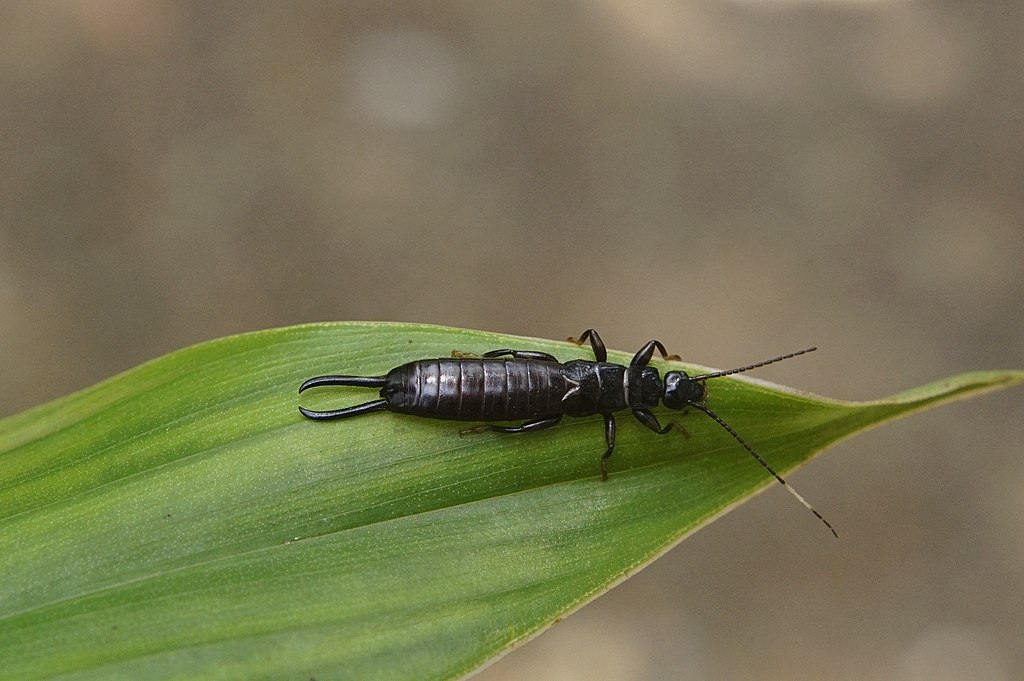
Picture this: you’re enjoying a peaceful evening in your garden when you lift a flowerpot, and dozens of dark, shiny creatures with menacing pincers scatter in all directions. Your first instinct might be to scream, but what you’ve just encountered is one of nature’s most misunderstood insects – the European earwig. These fascinating creatures have been living alongside humans for centuries, yet most people know surprisingly little about their complex lives and remarkable adaptations.
The Ancient Myth That Refuses to Die
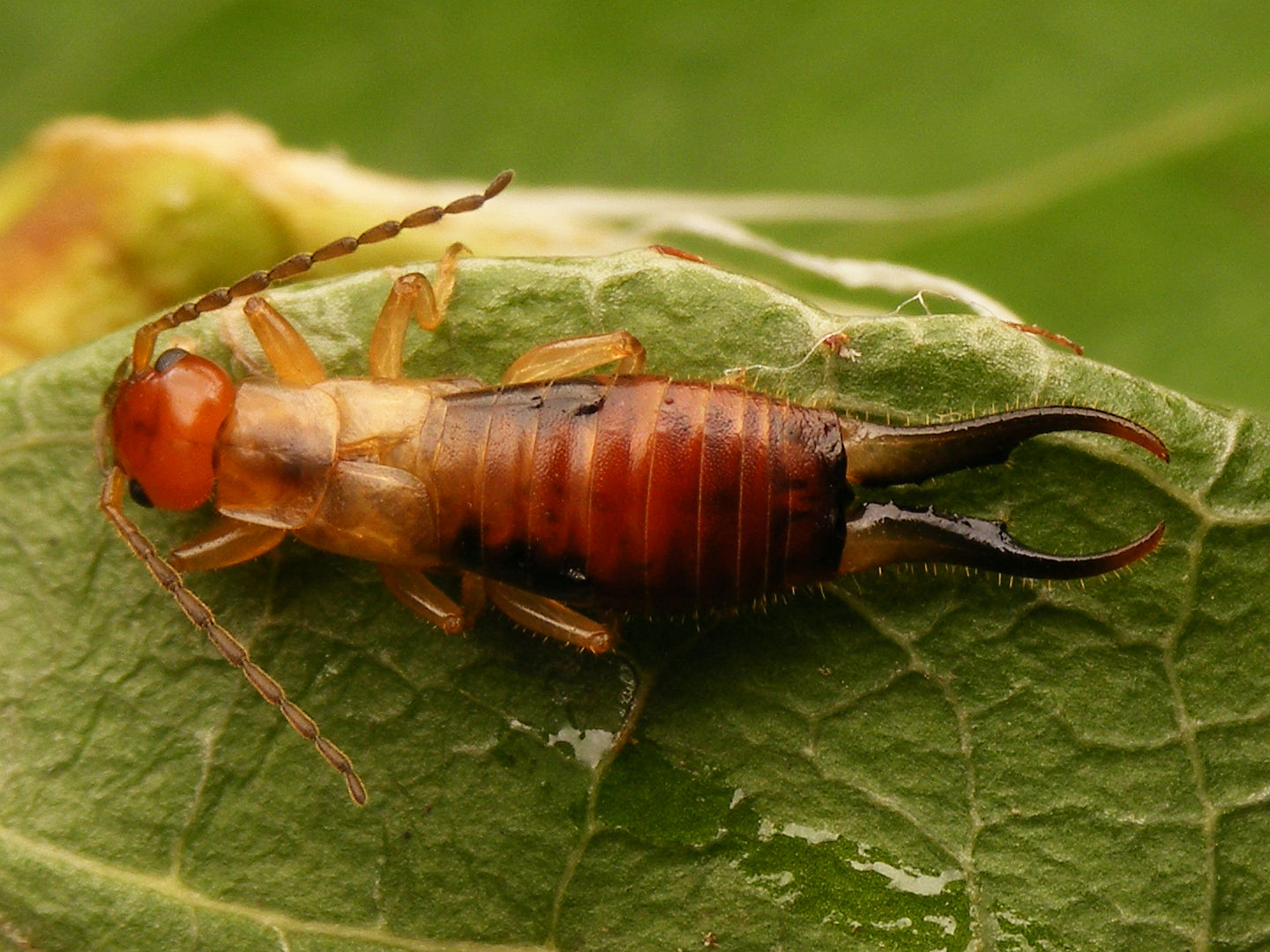
The European earwig’s reputation precedes it, and unfortunately, it’s built on one of the most persistent myths in the insect world. For generations, people have believed that earwigs crawl into human ears while we sleep, burrowing into our brains to lay eggs. This terrifying tale has absolutely no basis in scientific fact, yet it continues to fuel nightmares and unnecessary panic. The truth is far less dramatic but infinitely more interesting. Earwigs are actually quite shy creatures that prefer dark, moist hiding spots during the day. While they might occasionally wander into an ear by accident – just like any small insect might – they have no interest in making a permanent home there. This misconception likely arose from the insect’s name itself, which comes from the Old English “earwicga,” meaning “ear creature.” However, this name probably referred to the wing shape resembling a human ear rather than any ear-invading behavior.
Meet the European Earwig: A Master of Disguise
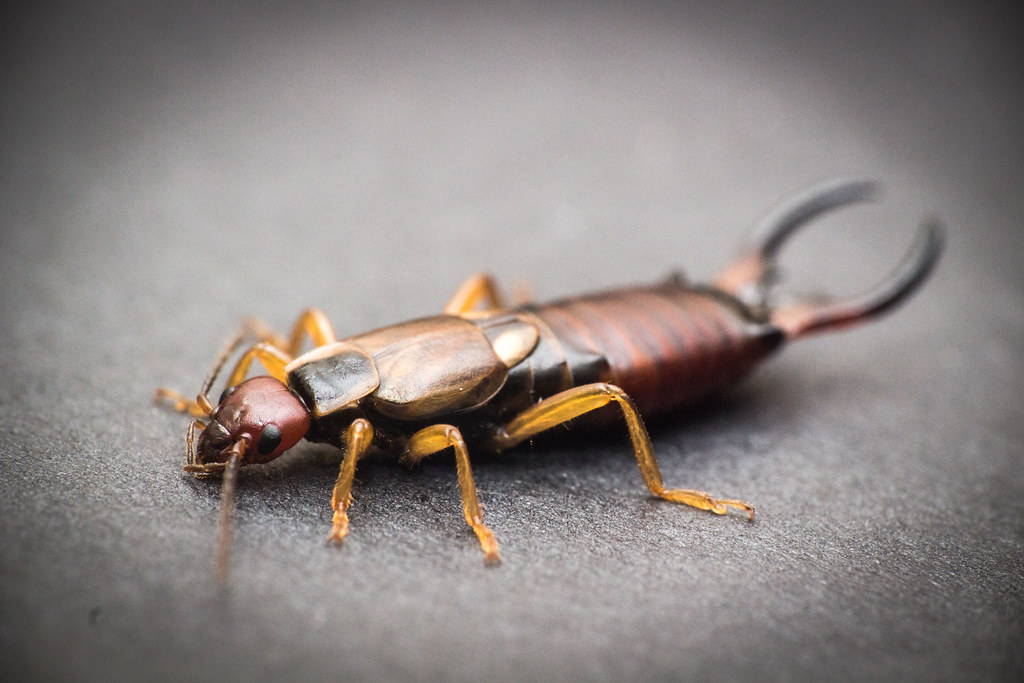
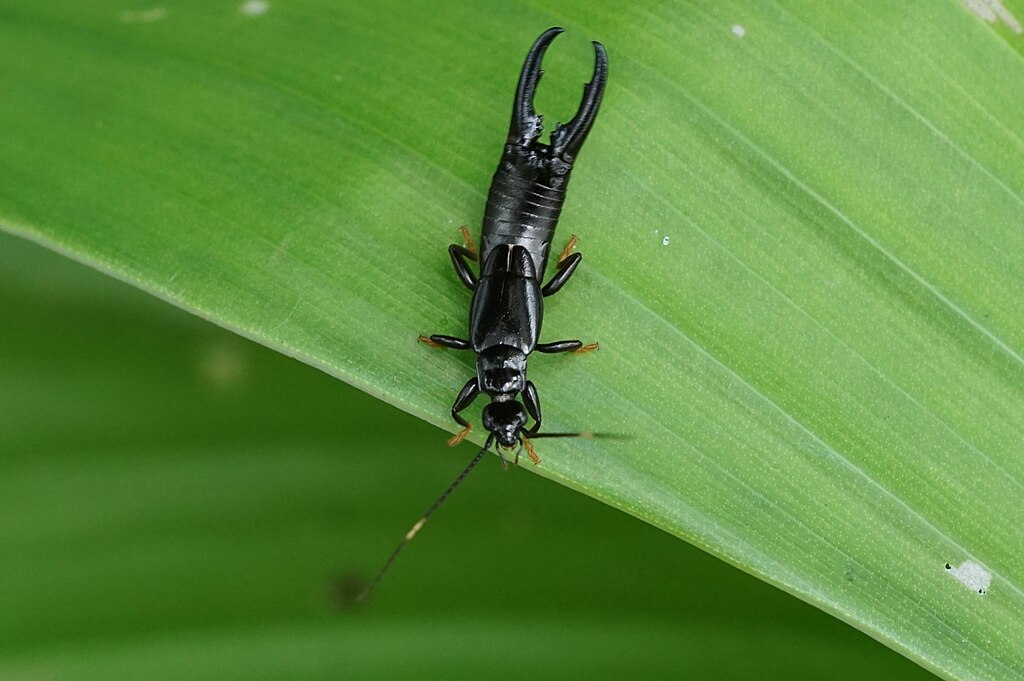
Forficula auricularia, commonly known as the European earwig, is a sleek, amber-colored insect that measures between 12 to 15 millimeters in length. Their most distinctive feature is undoubtedly the pair of forceps-like pincers, called cerci, protruding from their rear end. These pincers are curved and robust in males, while females sport straighter, more delicate versions. What many people don’t realize is that beneath their hard wing covers, earwigs possess delicate, fan-shaped wings that fold up like origami. These wings are rarely used for flight, as earwigs are surprisingly poor fliers despite their aerial capabilities. Instead, they rely on their six sturdy legs to scurry quickly across surfaces, much like tiny armored tanks navigating through garden terrain. Their flattened bodies are perfectly designed for squeezing into narrow crevices, making them expert hide-and-seek players in the natural world.
The Great Migration: How They Conquered the World
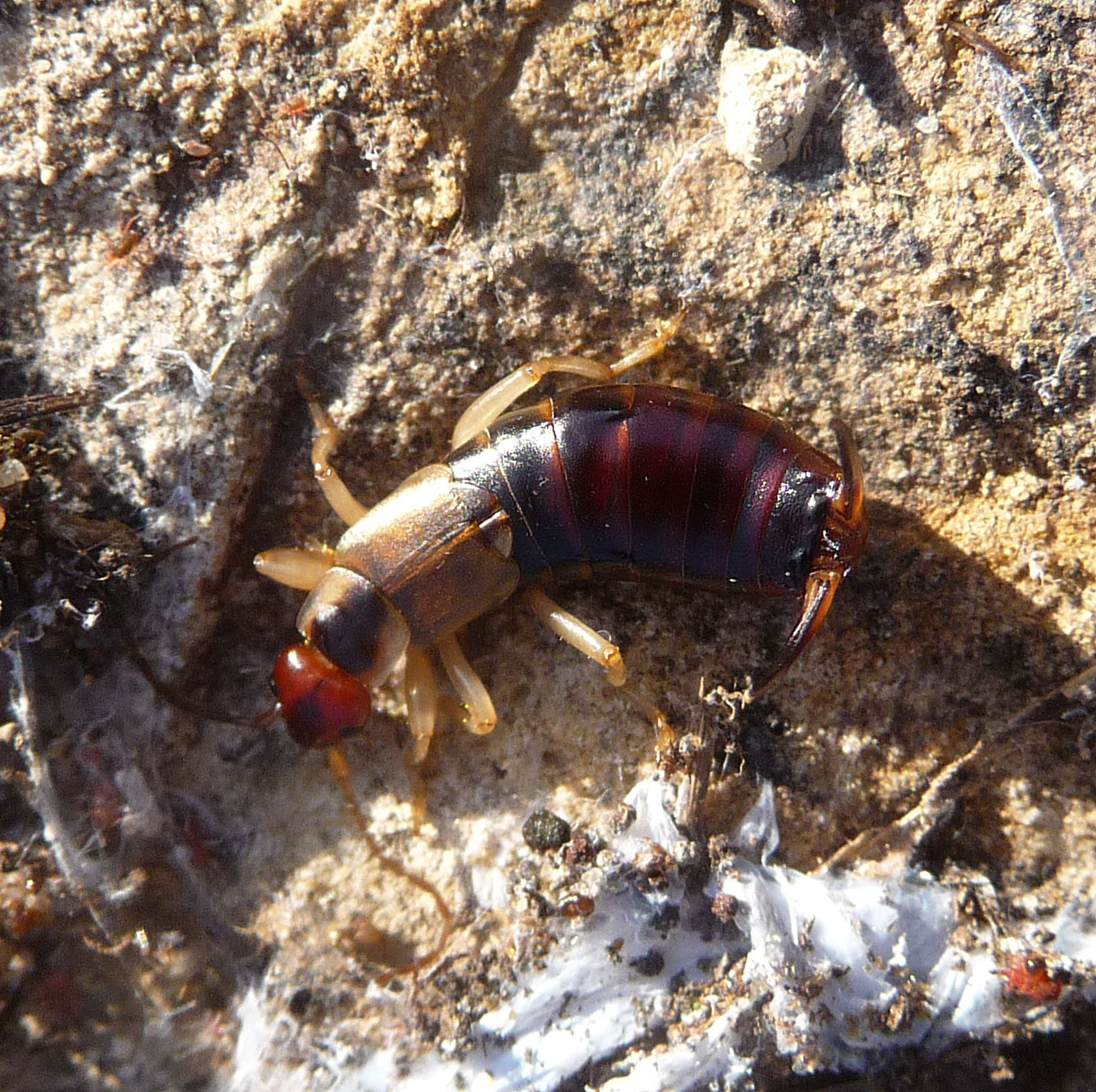
Originally native to Europe, these adaptable insects have become some of the most successful colonizers in the animal kingdom. European earwigs first arrived in North America in the early 1900s, likely hitchhiking in shipments of goods or nursery plants. Within decades, they had established thriving populations from coast to coast. Their success as invaders stems from their incredible adaptability and lack of natural predators in new environments. Unlike many introduced species that struggle to survive in foreign ecosystems, European earwigs found North American gardens and landscapes to be perfect substitutes for their European homeland. Today, you can find these remarkable insects on every continent except Antarctica, making them truly global citizens. Their spread continues to accelerate as international trade and travel provide new opportunities for accidental transportation.
The Secret Lives of Garden Ninjas
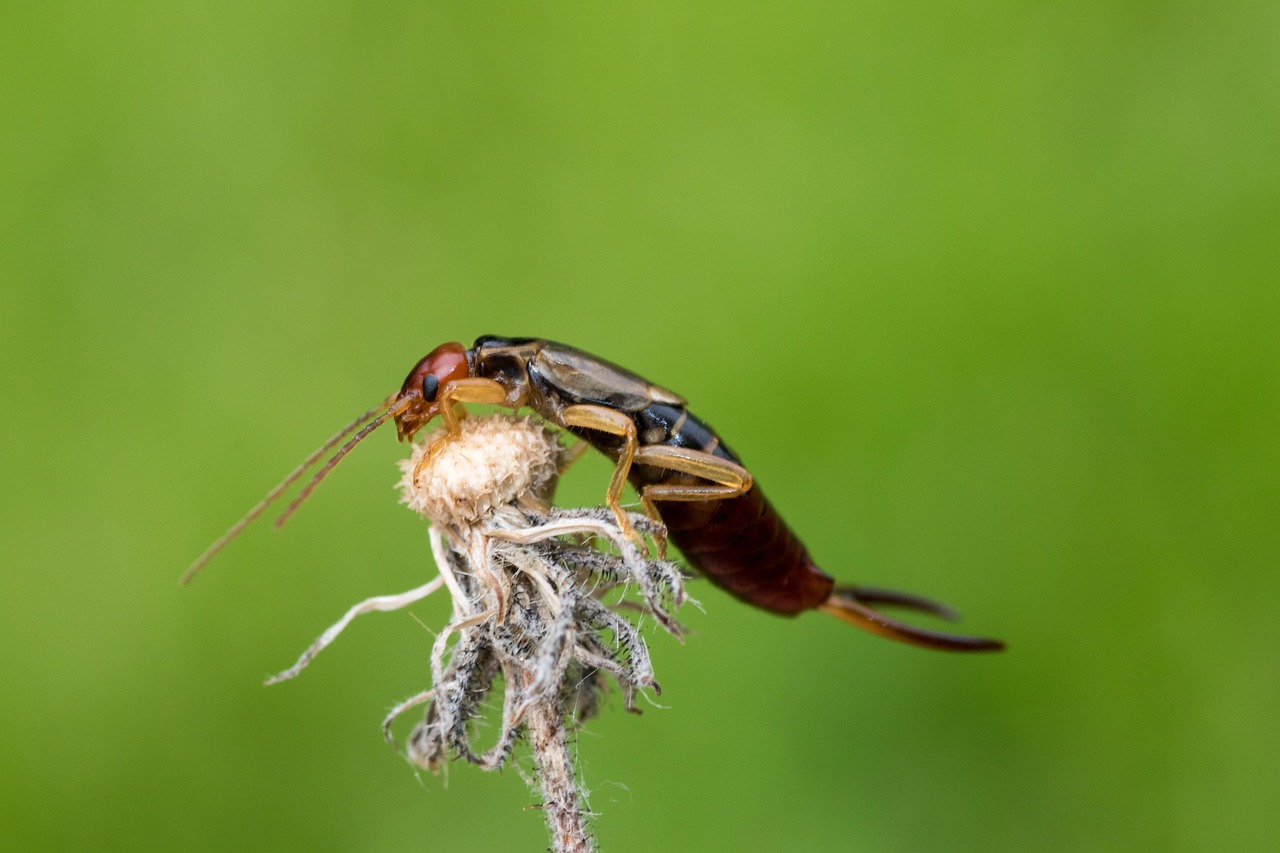
During daylight hours, European earwigs transform into masters of stealth, disappearing into the tiniest cracks and crevices imaginable. They squeeze under loose bark, nestle between flower petals, and huddle together in groups under rocks, logs, or garden debris. This behavior isn’t just about avoiding predators – it’s essential for maintaining the moisture levels their bodies require. As darkness falls, these nocturnal creatures emerge to begin their nightly adventures. They navigate through gardens and natural habitats with surprising confidence, using their antennae to feel their way through the darkness. Their flat bodies allow them to slip through spaces that seem impossibly narrow, making them incredibly efficient at accessing food sources that other insects cannot reach. This secretive lifestyle means that most people never see earwigs in action, contributing to their mysterious reputation and the myths that surround them.
Dining Habits: The Omnivorous Opportunists
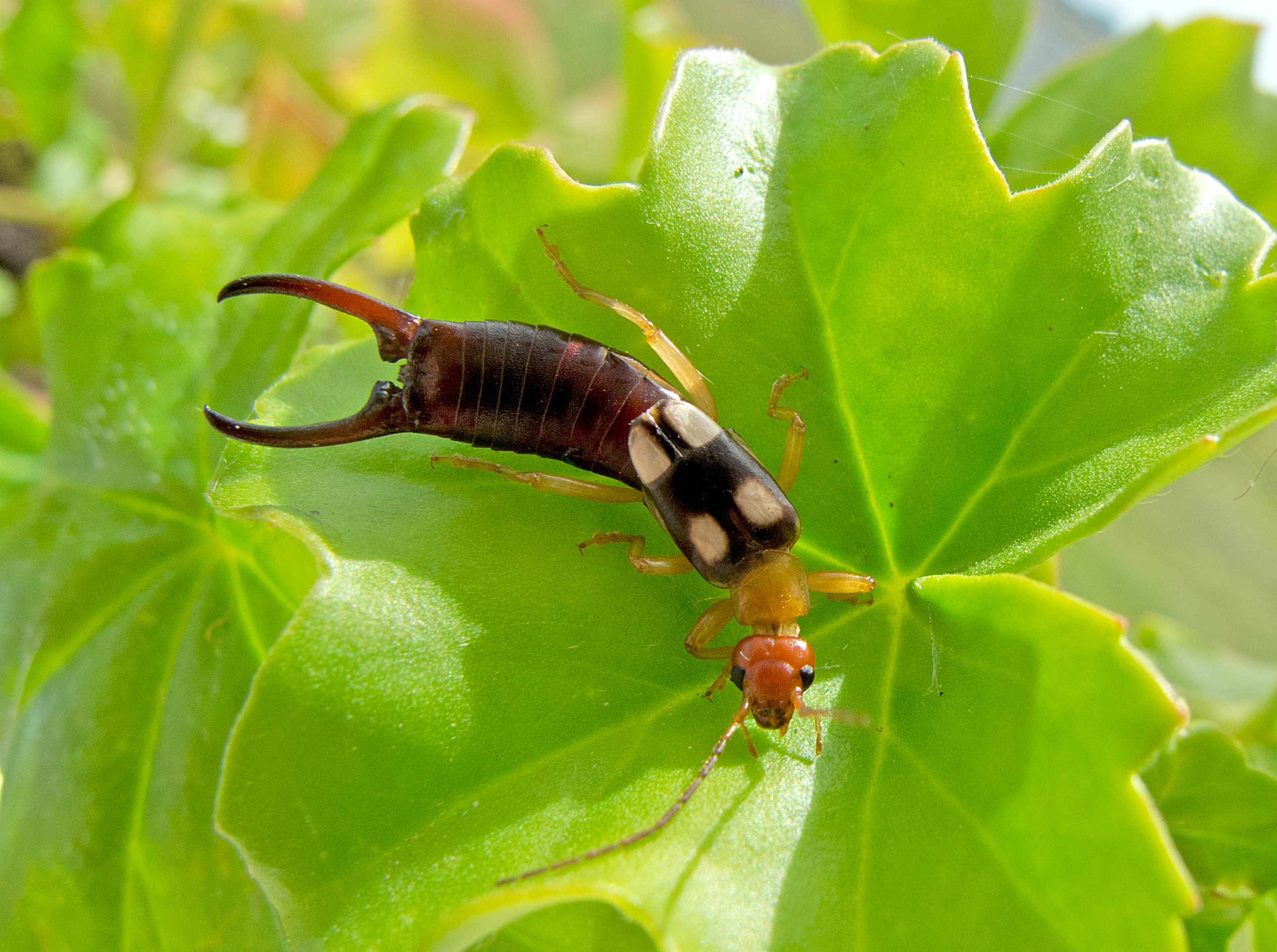
European earwigs are the ultimate opportunistic feeders, with dietary preferences that would make any food critic jealous. These insects are true omnivores, happily munching on everything from tender plant shoots to decomposing organic matter. Their powerful mandibles can slice through delicate flower petals just as easily as they can tear apart a dead insect. In gardens, they often target soft fruits like peaches and apricots, creating small holes that can be mistaken for bird damage. They also feast on aphids, mites, and other small insects, making them unexpected allies in natural pest control. However, their plant-eating habits can sometimes put them at odds with gardeners who discover damaged seedlings or chewed flower buds. Their scavenging behavior extends to household crumbs, pet food, and even organic waste, which explains why they’re sometimes found in kitchens and basements. This adaptable diet has been crucial to their success as a global species.
The Pincer Defense: Nature’s Swiss Army Knife
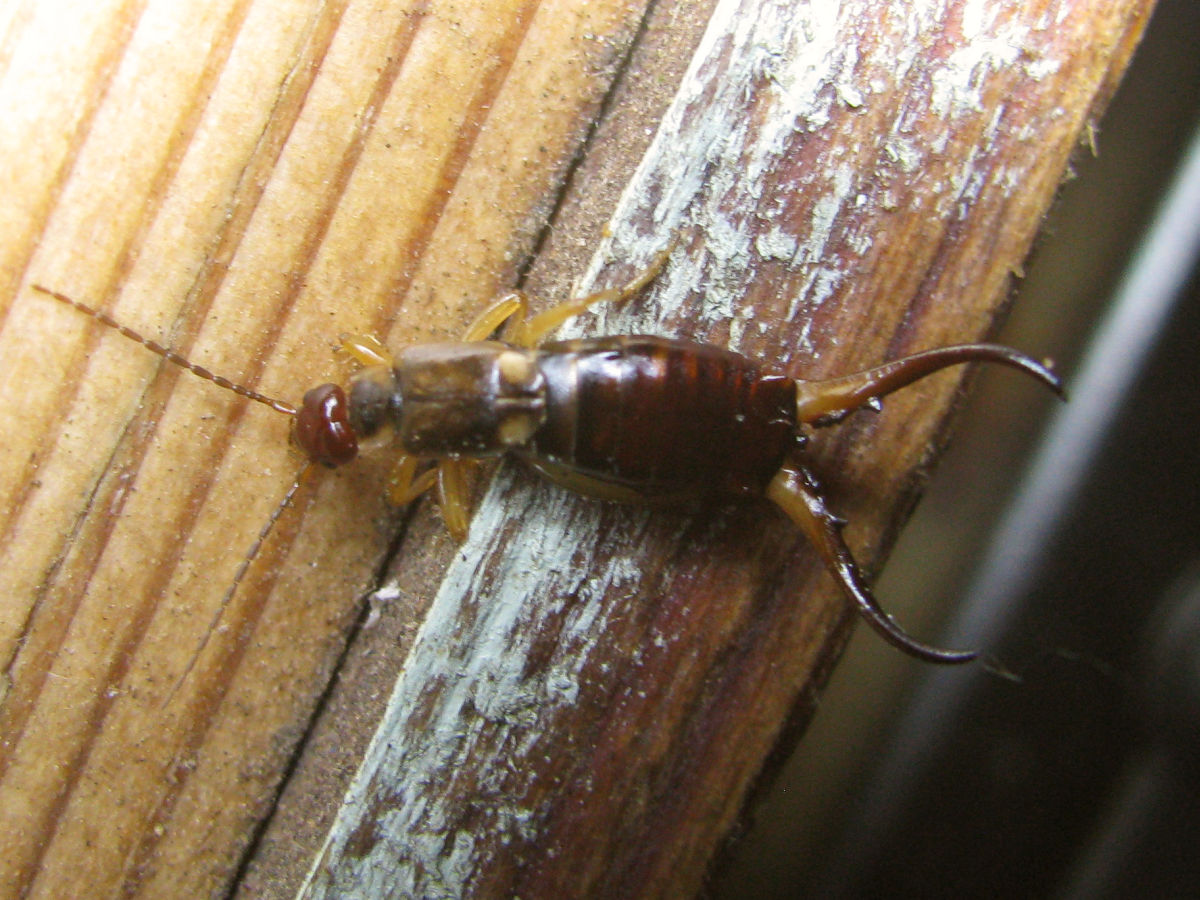
Those intimidating pincers that make people squirm serve multiple purposes beyond their obvious defensive function. Male earwigs use their curved cerci in territorial disputes, engaging in what looks like medieval sword fights to establish dominance. The pincers interlock and twist as males attempt to overpower their rivals, with the victor claiming the best hiding spots or mating opportunities. Females use their straighter pincers more delicately, employing them to capture prey and manipulate food items. Both sexes can deliver a surprising pinch if handled roughly, though their pincers are generally too small to cause serious harm to humans. The sensation is more startling than painful, similar to being grabbed by tiny pliers. These versatile appendages also serve as tools for grooming and nest construction, demonstrating the remarkable multi-functionality that has helped earwigs thrive in diverse environments.
Reproduction: The Devoted Mothers of the Insect World
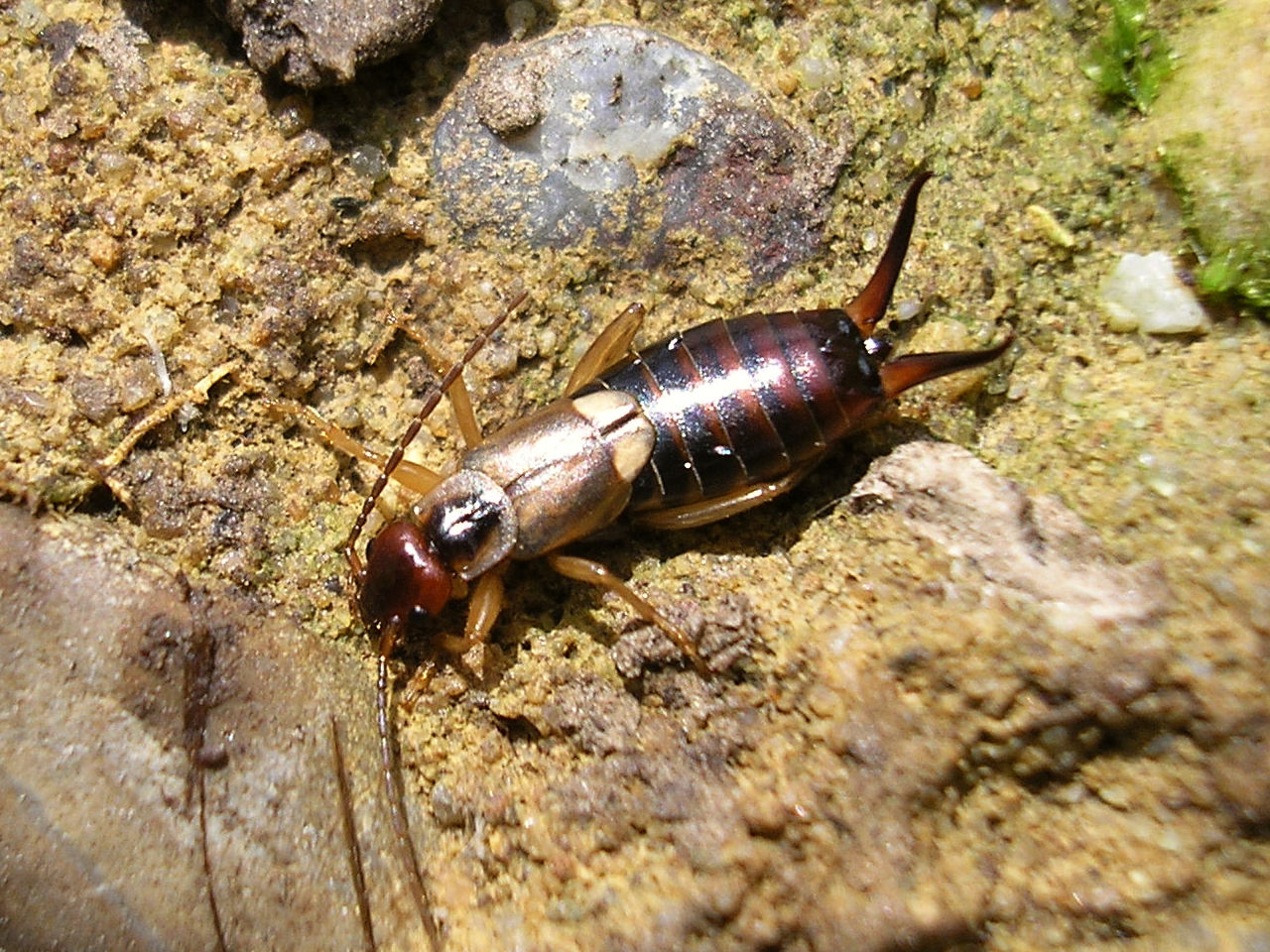
European earwigs display some of the most remarkable parental care behaviors found in the insect kingdom. Unlike many insects that abandon their eggs immediately after laying them, female earwigs are devoted mothers who tend to their offspring with surprising dedication. After mating in the fall, females create small chambers in the soil where they lay 20 to 80 creamy-white eggs. Throughout the winter months, the mother remains with her eggs, constantly turning them to prevent fungal growth and defending them from predators. She even cleans each egg individually with her mouth, removing any debris or potential threats. This level of maternal care is almost unheard of among insects and represents a significant investment in offspring survival. When the eggs hatch in spring, the tiny nymphs remain under their mother’s protection for several weeks. She brings them food and continues to guard them until they’re large enough to venture out on their own.
Growing Up Earwig: The Molting Marathon
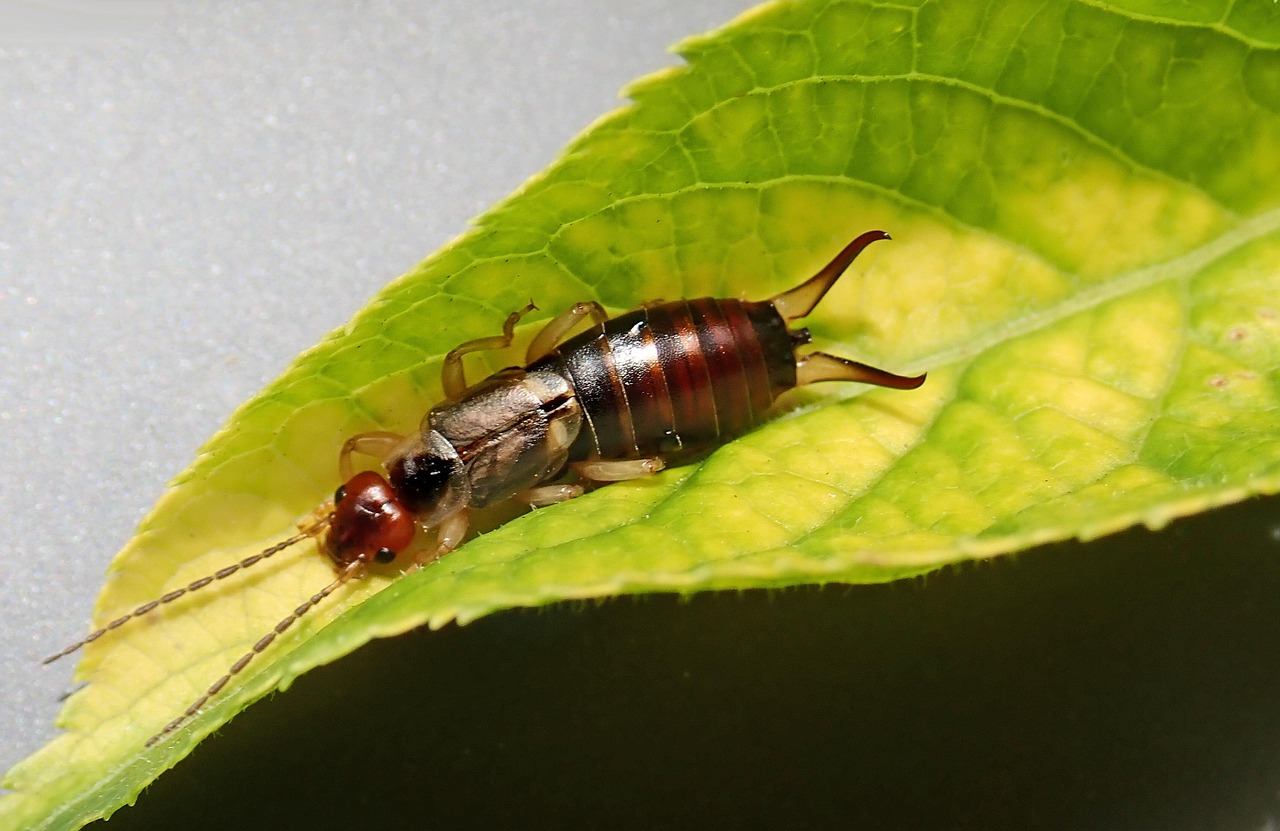
Young European earwigs don’t undergo complete metamorphosis like butterflies or beetles. Instead, they grow through a series of molts, shedding their exoskeleton as they outgrow it. This process, called incomplete metamorphosis, means that baby earwigs look like miniature versions of their parents from the moment they hatch. The nymphs go through four to five molting stages before reaching adulthood, each molt revealing a slightly larger and more developed individual. During these vulnerable periods, the soft-bodied nymphs are particularly susceptible to predation and dehydration, making their mother’s protection even more crucial. Each molting stage brings the young earwigs closer to sexual maturity, with wing buds becoming more prominent and pincers developing their characteristic shape. The entire process from egg to adult takes approximately one year, though this can vary depending on climate conditions.
Seasonal Behavior: Masters of Adaptation
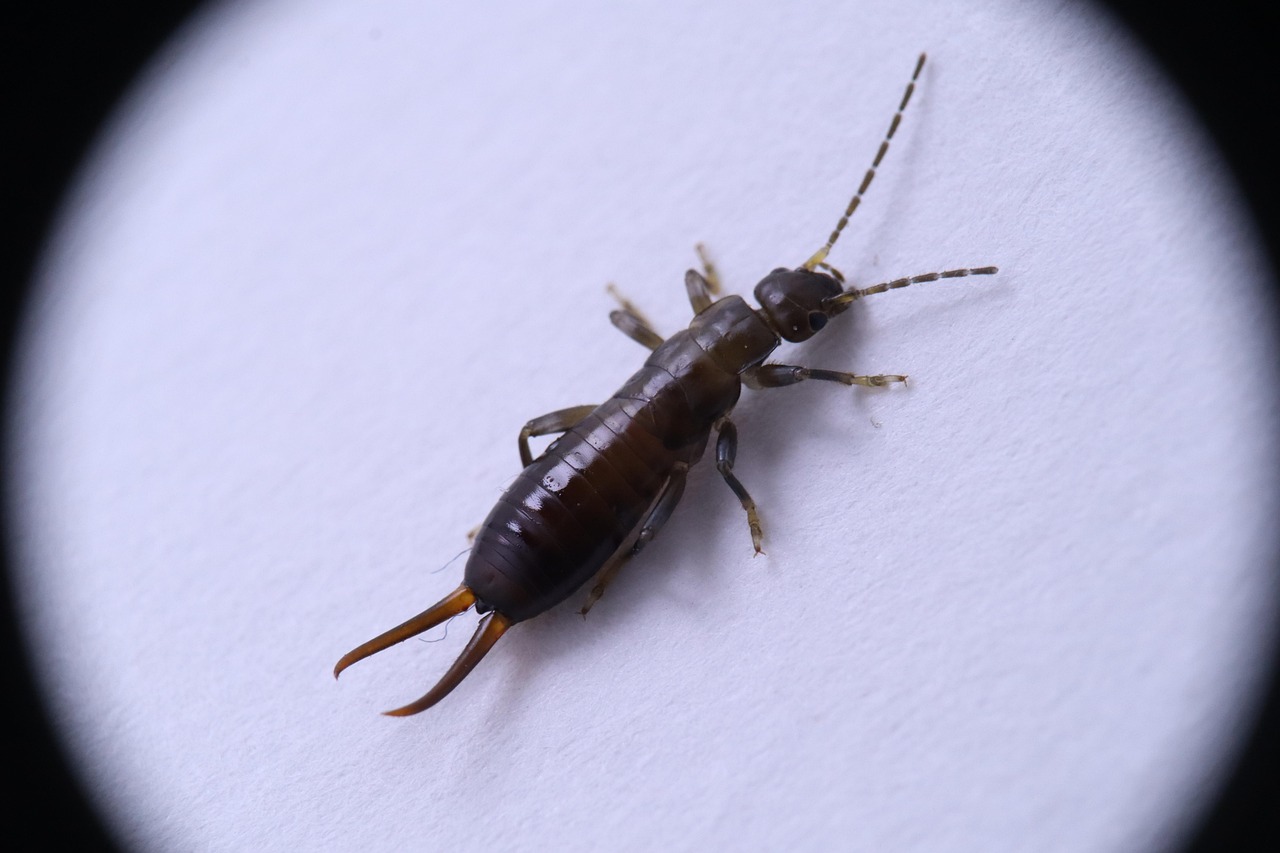
European earwigs demonstrate remarkable seasonal adaptations that allow them to survive in diverse climates around the world. As temperatures drop in autumn, adults seek out protected overwintering sites such as deep soil crevices, under tree bark, or in compost piles. They enter a state of reduced activity called diapause, slowing their metabolism to conserve energy during the harsh winter months. Spring brings a flurry of activity as earwigs emerge from their winter shelters and begin the mating process. The warmer weather triggers hormonal changes that drive reproductive behavior, with males becoming more aggressive and territorial. Females focus on finding suitable nesting sites and preparing for egg-laying. Summer represents the peak of earwig activity, with multiple generations possible in warmer climates. This is when gardeners are most likely to encounter them, as the abundant plant growth provides ample food sources and hiding places.
Ecological Role: The Unsung Heroes of Decomposition
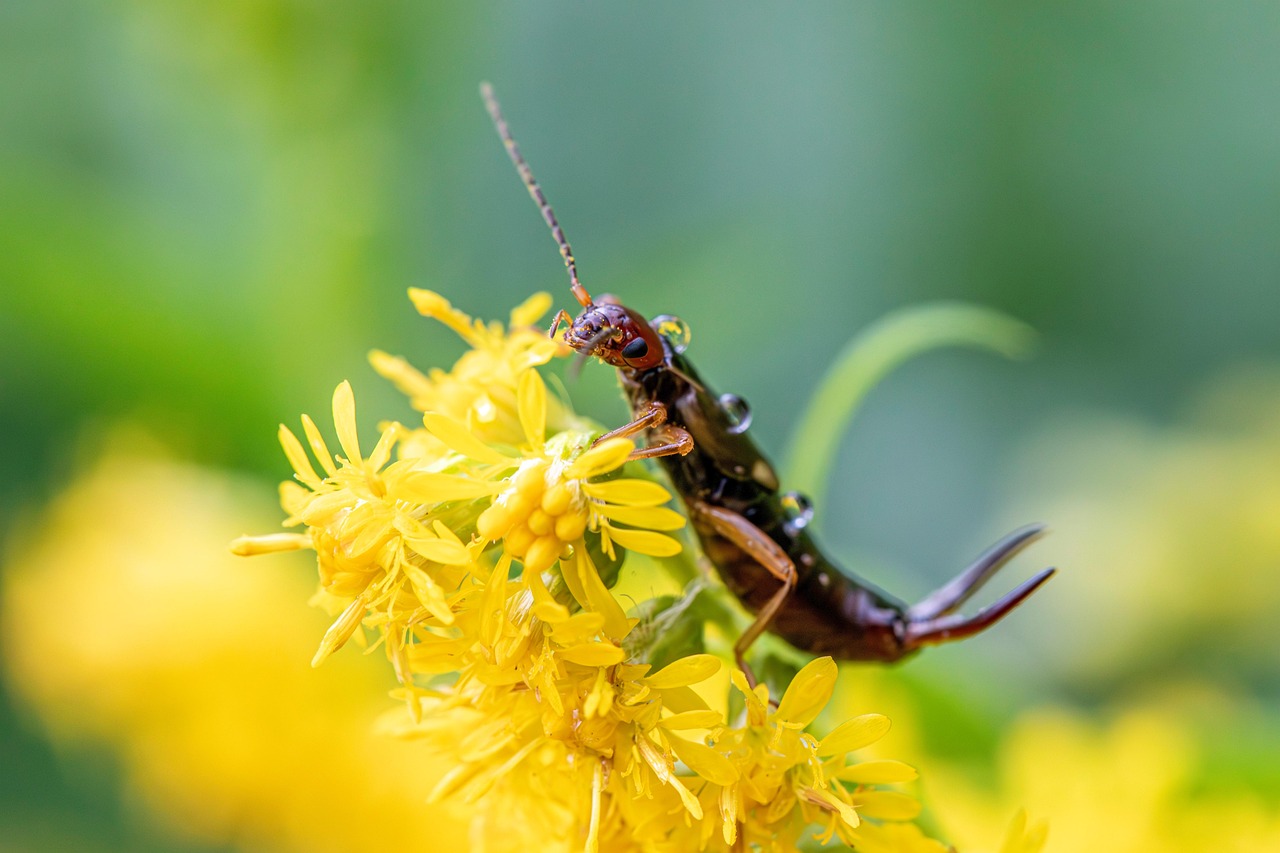
While European earwigs often get a bad reputation from gardeners, they actually play several important ecological roles that benefit the environment. As decomposers, they help break down dead plant material, returning nutrients to the soil and accelerating the natural recycling process. Their feeding on decaying organic matter helps prevent the buildup of debris that could harbor harmful bacteria or fungi. Their predatory behavior also contributes to natural pest control, as they readily consume aphids, scale insects, and other garden pests. Some studies suggest that earwigs can significantly reduce aphid populations in agricultural settings, potentially saving farmers millions of dollars in crop damage. However, their plant-feeding habits can sometimes put them at odds with human interests, particularly when they damage valuable crops or ornamental plants. This dual nature makes them both beneficial and problematic, depending on the context.
Predators and Survival Strategies
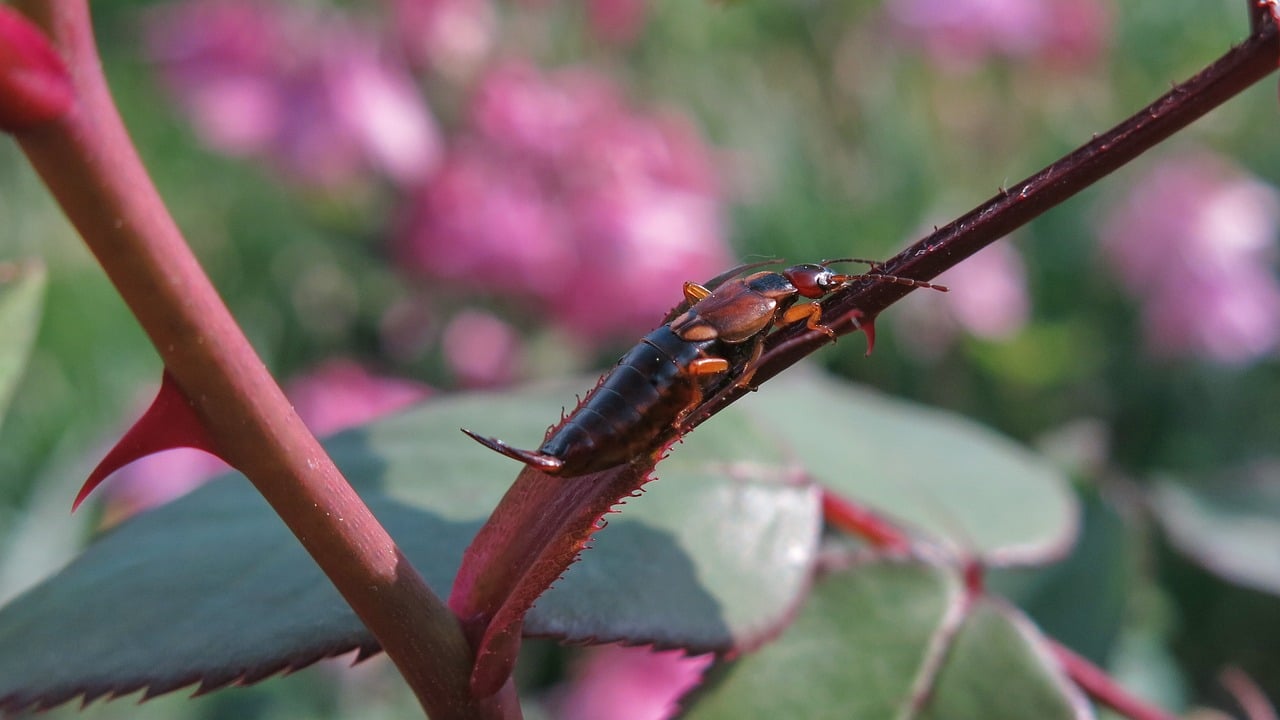
Despite their fierce-looking pincers, European earwigs face numerous predators in their daily struggle for survival. Birds, spiders, ground beetles, and centipedes all view earwigs as tasty meals, forcing these insects to develop sophisticated defense mechanisms. Their primary strategy involves staying hidden during daylight hours when most predators are active. When threatened, earwigs can release a foul-smelling liquid from their abdominal glands, similar to how skunks use odor as a defense mechanism. This chemical deterrent often convinces predators to seek easier prey elsewhere. They can also autotomize, or deliberately shed, their antennae or legs if grabbed by a predator, allowing them to escape while the predator is distracted by the wriggling appendage. Their fast running speed and ability to squeeze into narrow spaces provide additional escape options when confronted by danger.
Urban Adaptations: Thriving in Human Environments
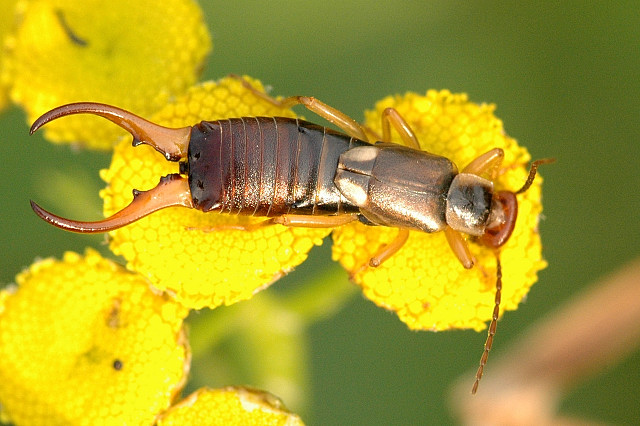
European earwigs have proven remarkably adept at adapting to urban environments, finding numerous opportunities in cities and suburbs that weren’t available in their natural habitats. They thrive in the modified landscapes created by human development, taking advantage of irrigation systems, garden mulch, and heated buildings that provide ideal microenvironments. Urban earwigs often develop different behavioral patterns than their rural counterparts, becoming more tolerant of artificial lights and human activity. They’ve learned to exploit new food sources such as pet food, garbage, and fallen fruit from ornamental trees. Some populations have even adapted to living in apartment buildings and commercial structures. This urban adaptability has contributed significantly to their global spread, as cities serve as launching points for colonization of surrounding natural areas. Their success in human-dominated landscapes demonstrates their remarkable evolutionary flexibility.
Cultural Impact and Human Perceptions

The relationship between humans and European earwigs is complex and largely shaped by cultural myths and misconceptions. In many cultures, earwigs are viewed with suspicion and fear, often associated with supernatural powers or evil omens. These negative perceptions have persisted despite scientific evidence debunking most earwig-related myths. Interestingly, some cultures have found positive uses for earwigs in traditional medicine, believing they possess healing properties for ear ailments – an ironic twist given their common name. However, there’s no scientific evidence supporting these medicinal claims. Modern entomologists and educators work tirelessly to change public perceptions of earwigs, emphasizing their ecological importance and dispelling harmful myths. Social media and nature documentaries have begun to showcase the fascinating aspects of earwig behavior, slowly shifting public opinion toward appreciation rather than fear.
Research Frontiers and Future Discoveries
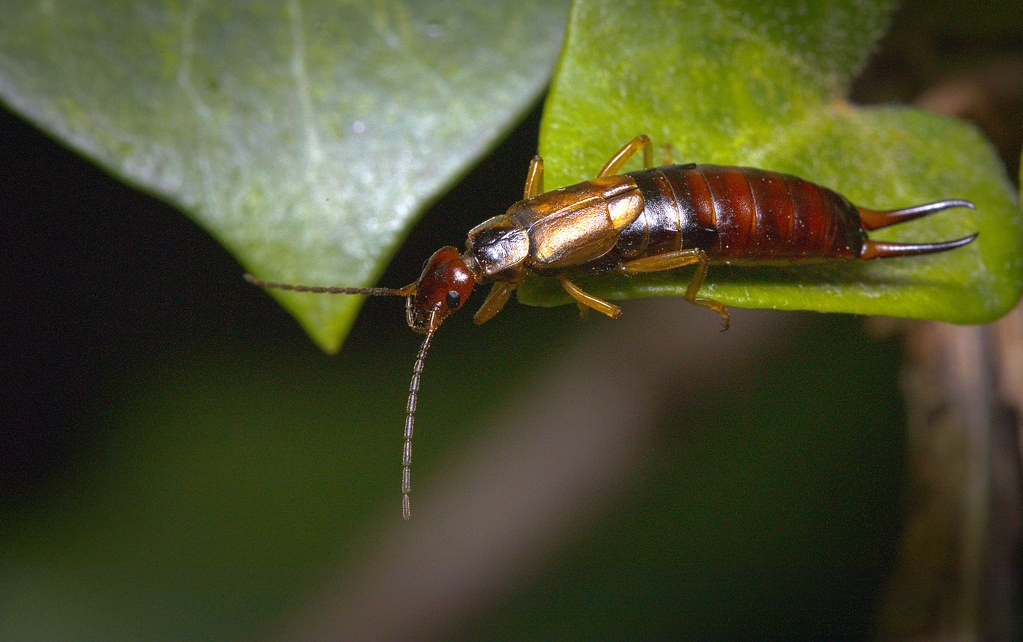
Scientific research on European earwigs continues to reveal surprising aspects of their biology and behavior. Recent studies have uncovered evidence of complex social behaviors, including cooperative care of young and sophisticated communication systems using chemical signals. Researchers are particularly interested in their maternal care behaviors, which are unusually advanced for insects. Climate change research is also focusing on how earwigs might respond to shifting environmental conditions. Their adaptability suggests they may be among the species that benefit from warming temperatures, potentially expanding their range even further. However, extreme weather events and changing precipitation patterns could also pose new challenges. Advances in genetic analysis are providing insights into how earwig populations spread around the world and adapt to new environments. This research has important implications for understanding biological invasions and predicting future colonization patterns.
Conclusion
The European earwig stands as a testament to the incredible adaptability and resilience of insects in our changing world. These remarkable creatures have overcome countless challenges to establish themselves as one of the most successful invasive species on the planet, all while maintaining complex social behaviors and ecological relationships that continue to surprise researchers. Their story reminds us that even the most feared and misunderstood creatures often play important roles in the delicate balance of nature, and that sometimes the most fascinating discoveries come from looking more closely at the small, dark corners of our world where these ancient survivors continue to thrive.