

Deep beneath your feet, something extraordinary is waiting. For nearly two decades, they’ve been counting time in a way that defies human comprehension, living in complete darkness while the world above transforms beyond recognition. These are the periodical cicadas, nature’s most patient performers, preparing for the biological equivalent of a flash mob that happens once every 17 years.
The Ultimate Long Game of Nature
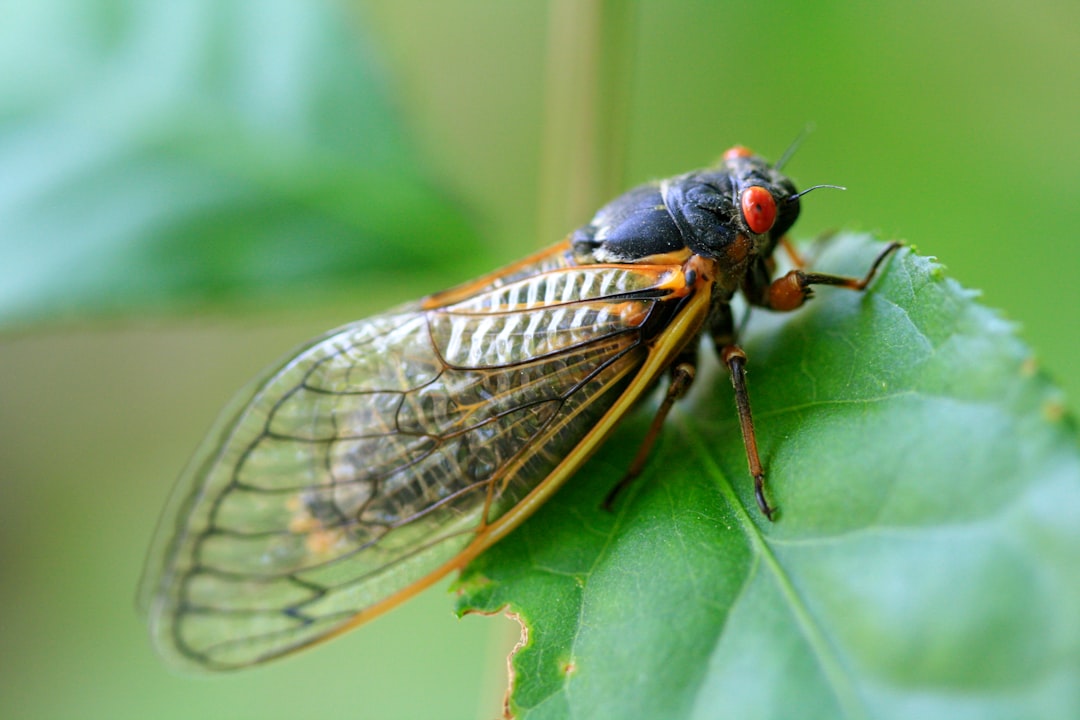
Imagine planning a party for 17 years straight, only to have it last just one week. That’s exactly what periodical cicadas do, and it’s arguably the most extreme example of delayed gratification in the animal kingdom. These insects spend 99.7% of their lives underground, slowly growing and waiting for a moment that most humans might witness only three or four times in their entire lifetime. The precision of their timing is mind-boggling. Scientists believe these cicadas can somehow track the changing seasons from deep underground, counting each annual cycle like a biological calendar. When that 17th spring arrives, millions of them emerge simultaneously, creating one of nature’s most spectacular and synchronized events.
Life in the Underground City
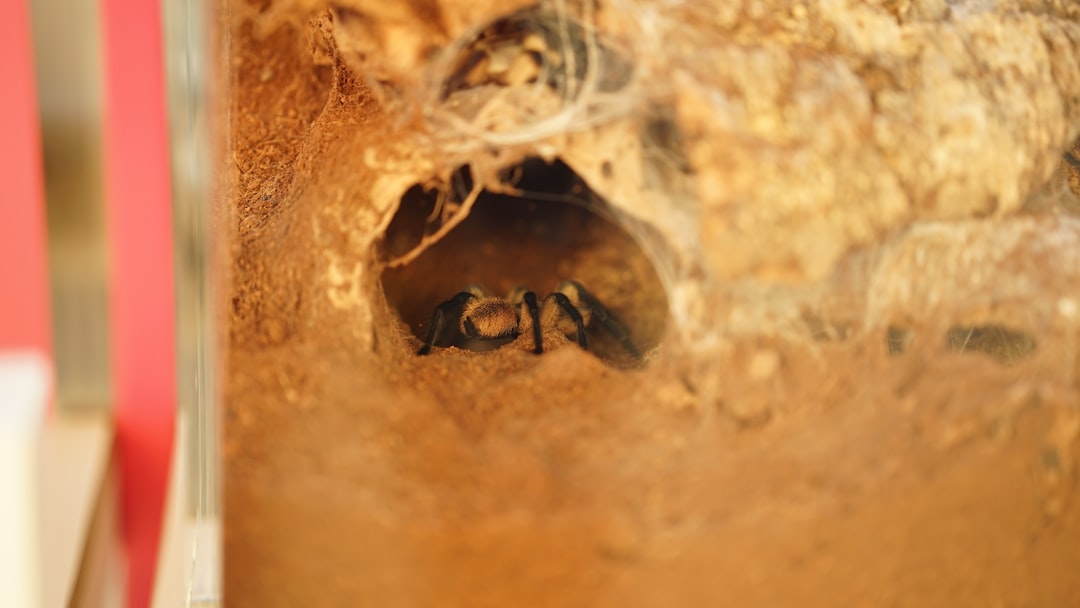
While we go about our daily lives above ground, periodical cicadas live in what can only be described as a vast subterranean city. These nymphs, as they’re called in their juvenile stage, create tunnels and chambers up to eight feet deep in the soil. They feed on tree root fluids, essentially becoming living IV drips attached to the forest’s circulatory system. The underground world they inhabit is surprisingly complex. Different species of cicadas occupy different depths, creating layers of activity beneath our feet. Some prefer the shallow zones near the surface, while others venture deeper into the earth’s cool, dark embrace. This vertical segregation helps reduce competition and allows multiple broods to coexist in the same area.
The Mystery of Perfect Timing
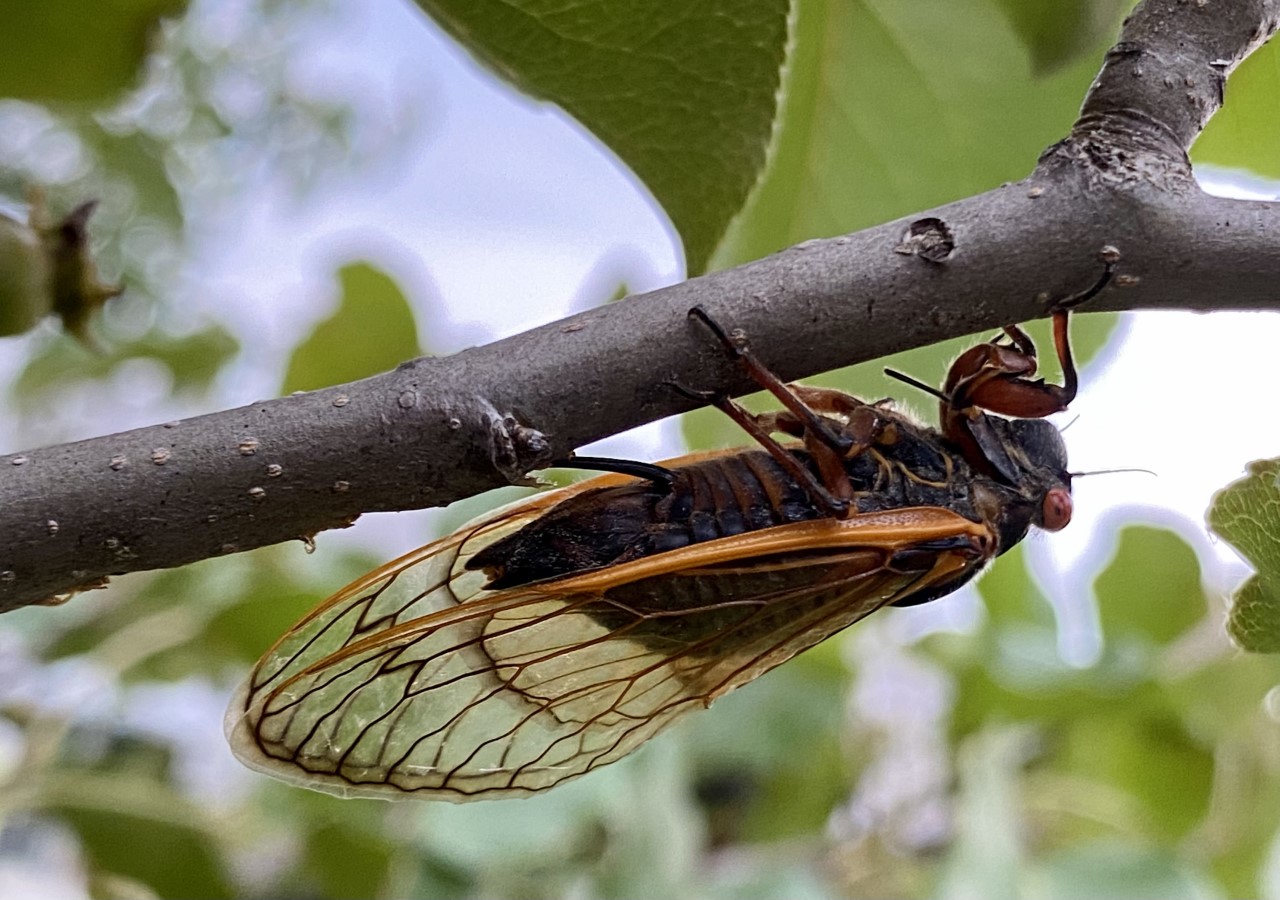
How does a creature living in perpetual darkness know when 17 years have passed? This question has puzzled scientists for decades, and the answer involves a combination of biological clocks and environmental cues that would make a Swiss watchmaker envious. The cicadas appear to track temperature fluctuations in the soil, which correspond to seasonal changes above ground. Research suggests they might also respond to chemical signals from tree roots, which change composition throughout the seasons. It’s like they’re reading a chemical calendar written in tree sap. The most remarkable aspect is how millions of individuals can stay synchronized without any apparent communication between them, creating a biological phenomenon that rivals the precision of atomic clocks.
The Great Emergence Spectacular
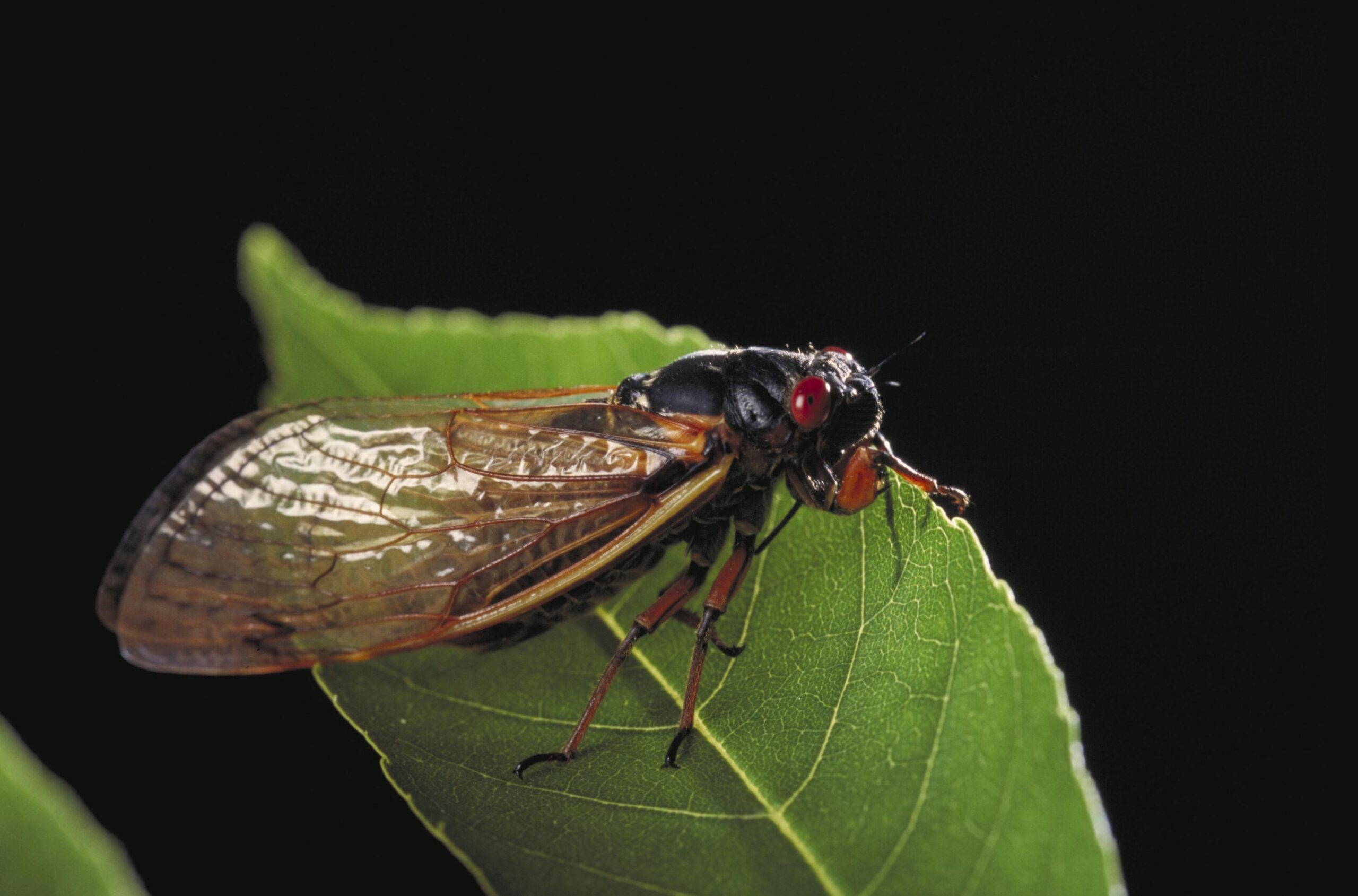
When the moment finally arrives, the emergence is nothing short of breathtaking. Picture this: on a warm evening in late spring, millions of thumbnail-sized holes appear in the ground simultaneously. From these portals, the cicadas begin their final journey to the surface, leaving behind ghostly shells that will litter the forest floor for weeks. The timing of this emergence is critical and incredibly precise. They wait for soil temperatures to reach exactly 64 degrees Fahrenheit before making their move. This usually happens after a warm rain, when the soil is soft enough for easy digging. The synchronization is so perfect that entomologists can predict emergence events with remarkable accuracy, often within a day or two.
Transformation Under the Moonlight
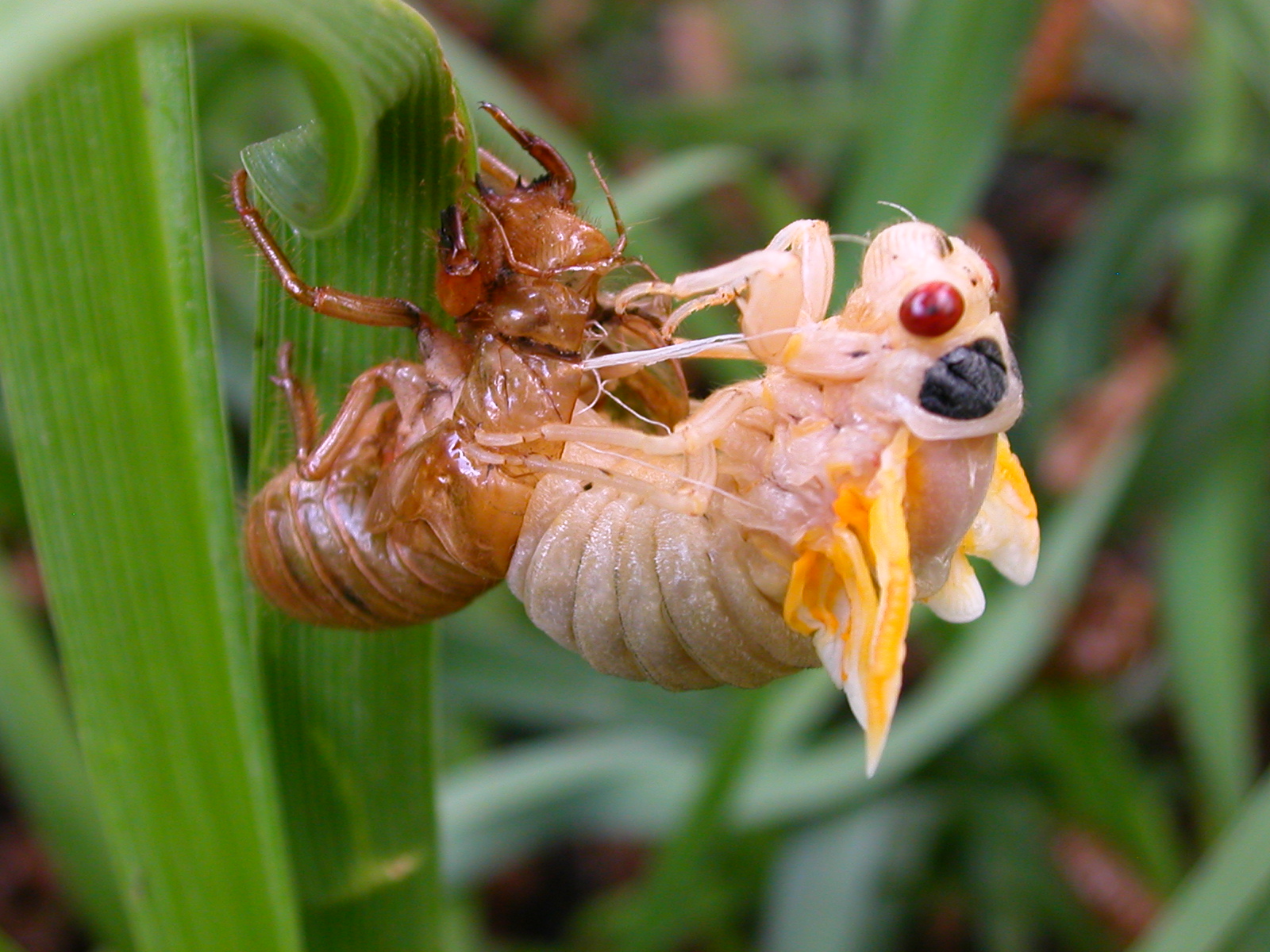
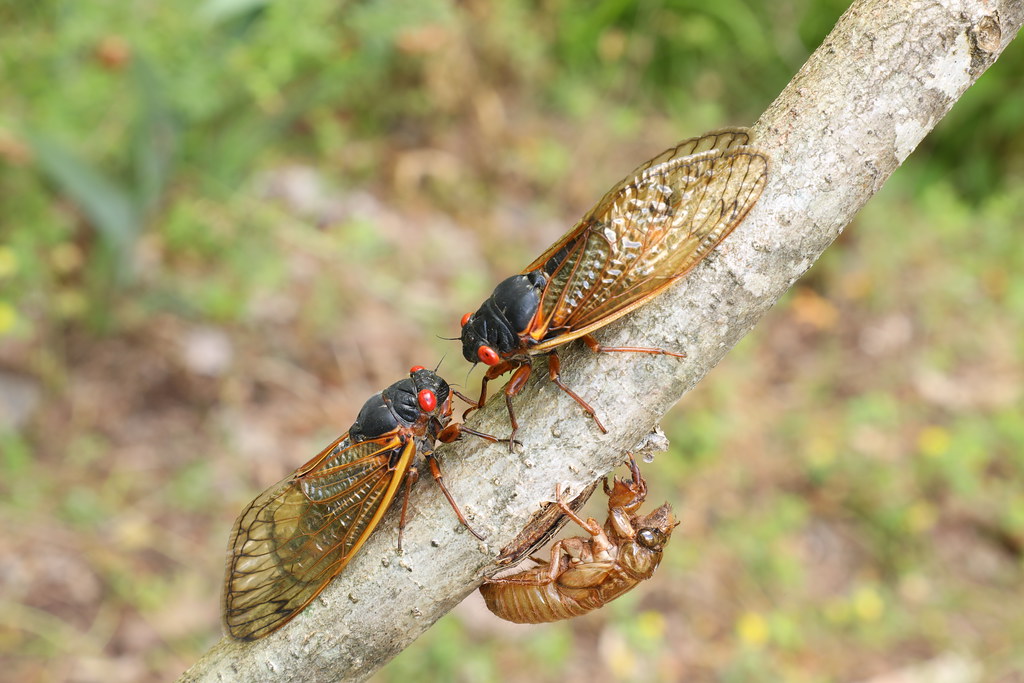
Once they reach the surface, the cicadas undergo one of nature’s most dramatic transformations. They climb the nearest vertical surface – tree trunks, fence posts, or even your house – and begin the process of molting. Their brown, crusty exoskeletons split open along the back, revealing the soft, pale adult inside. This molting process takes several hours and leaves the newly emerged cicadas incredibly vulnerable. Their wings are soft and folded, their bodies are pale and defenseless, and they can barely move. It’s like watching a butterfly emerge from its chrysalis, but magnified by millions. The discarded shells, called exuviae, cling to surfaces everywhere, creating an otherworldly landscape that looks like something from a science fiction movie.
The Deafening Symphony of Love
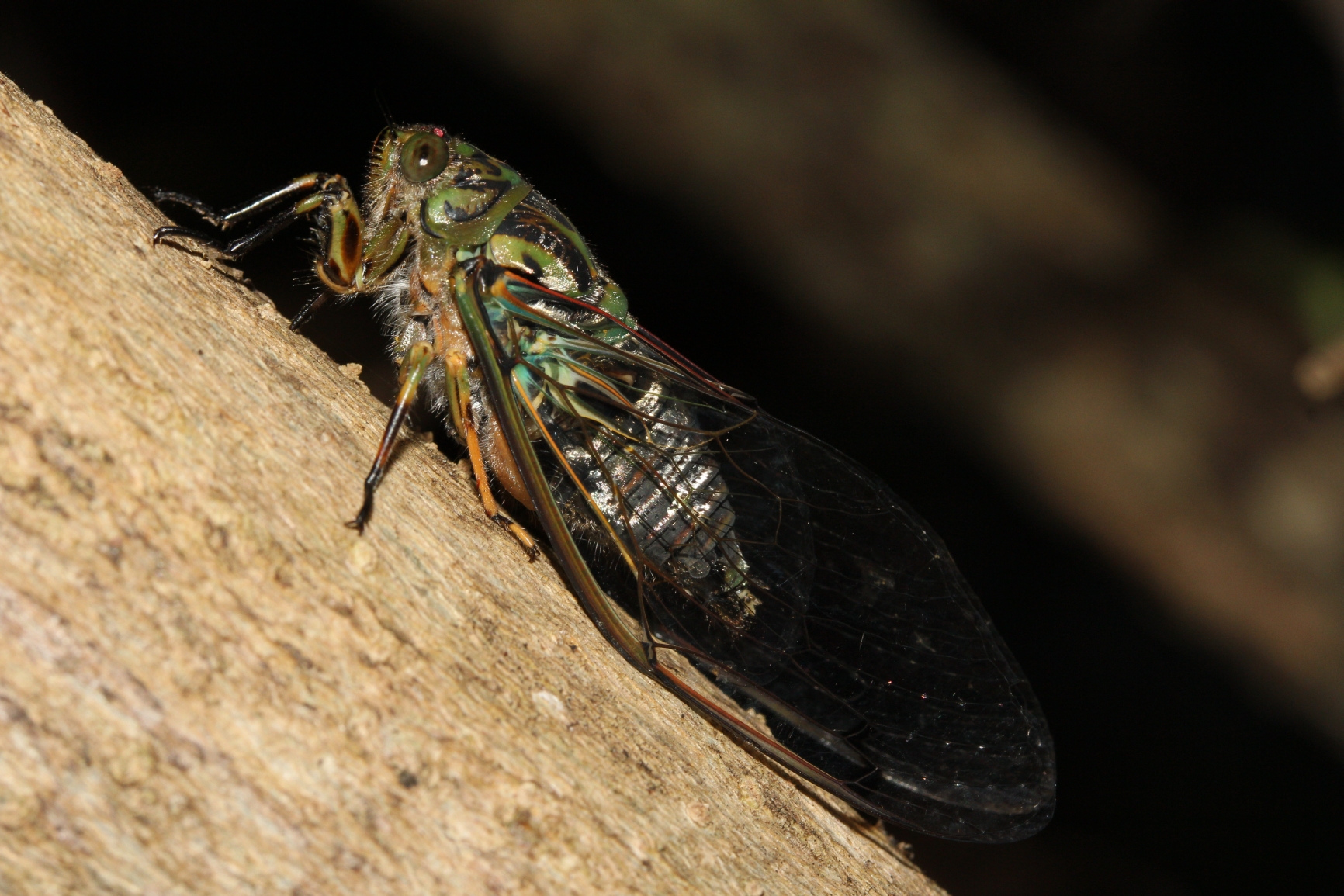
Once their exoskeletons harden and their wings unfold, male cicadas begin the concert of their lives. The sound they produce can reach 120 decibels – louder than a rock concert and nearly as loud as a jet engine. This isn’t just noise; it’s a precisely orchestrated symphony designed for one purpose: attracting females. Each species has its own unique song, created by rapidly vibrating organs called tymbals located on their abdomen. The males often gather in groups, creating chorus areas where hundreds of individuals sing together. The combined effect is so loud that it can drown out normal conversation and has been known to trigger car alarms and interfere with outdoor events.
Romance in the Treetops
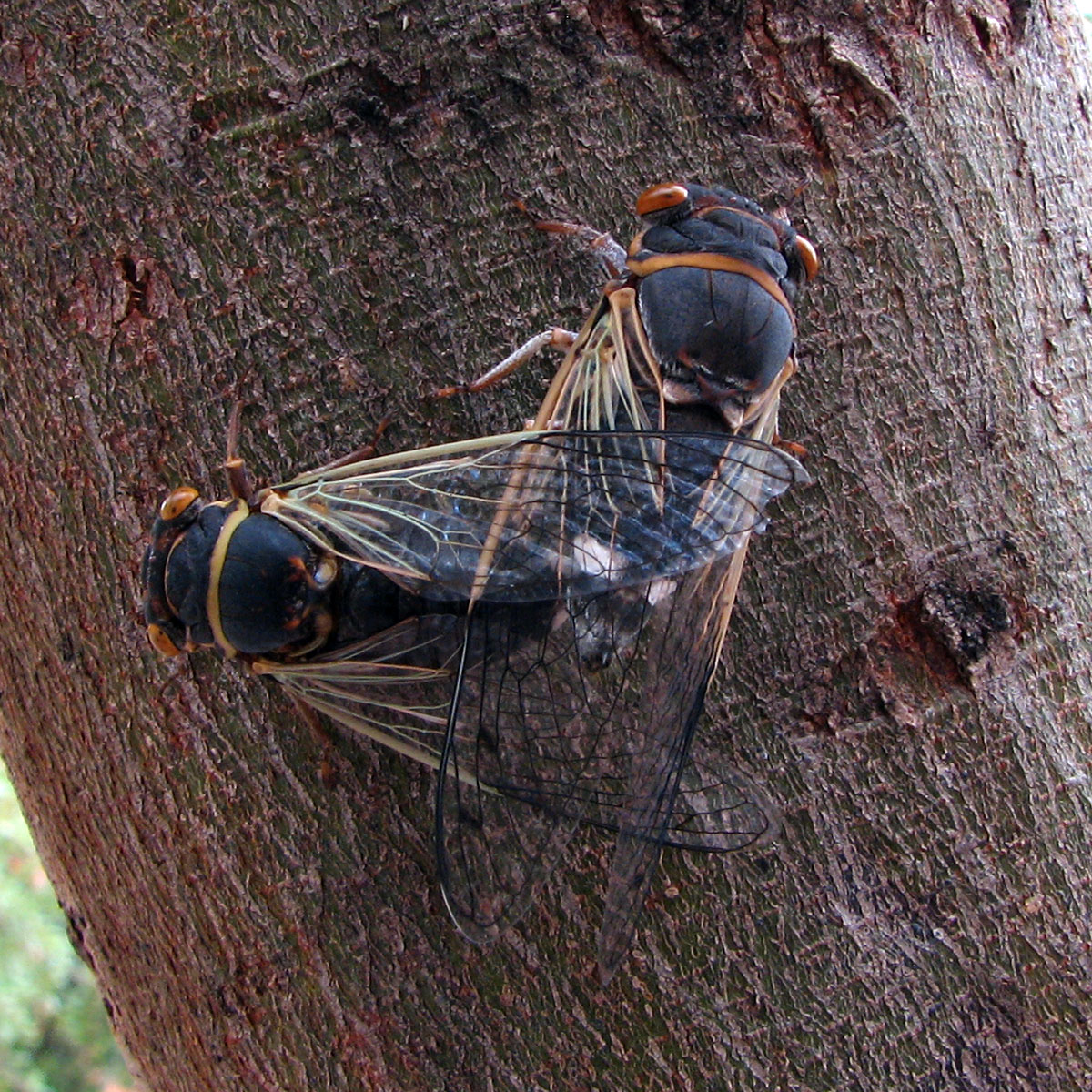
The mating ritual of periodical cicadas is surprisingly complex for creatures with such a short adult lifespan. Males don’t just sing randomly; they perform elaborate courtship displays that include specific wing movements and close-range acoustic signals. Females respond with subtle wing flicks that signal their interest, creating a delicate dance of attraction among the chaos. Competition among males is fierce, with prime singing spots in the canopy being highly contested. The loudest and most persistent males typically win the best territories, which gives them the greatest chance of attracting females. It’s a high-stakes game where 17 years of waiting can be made or broken in a matter of days.
The Art of Synchronized Egg-laying
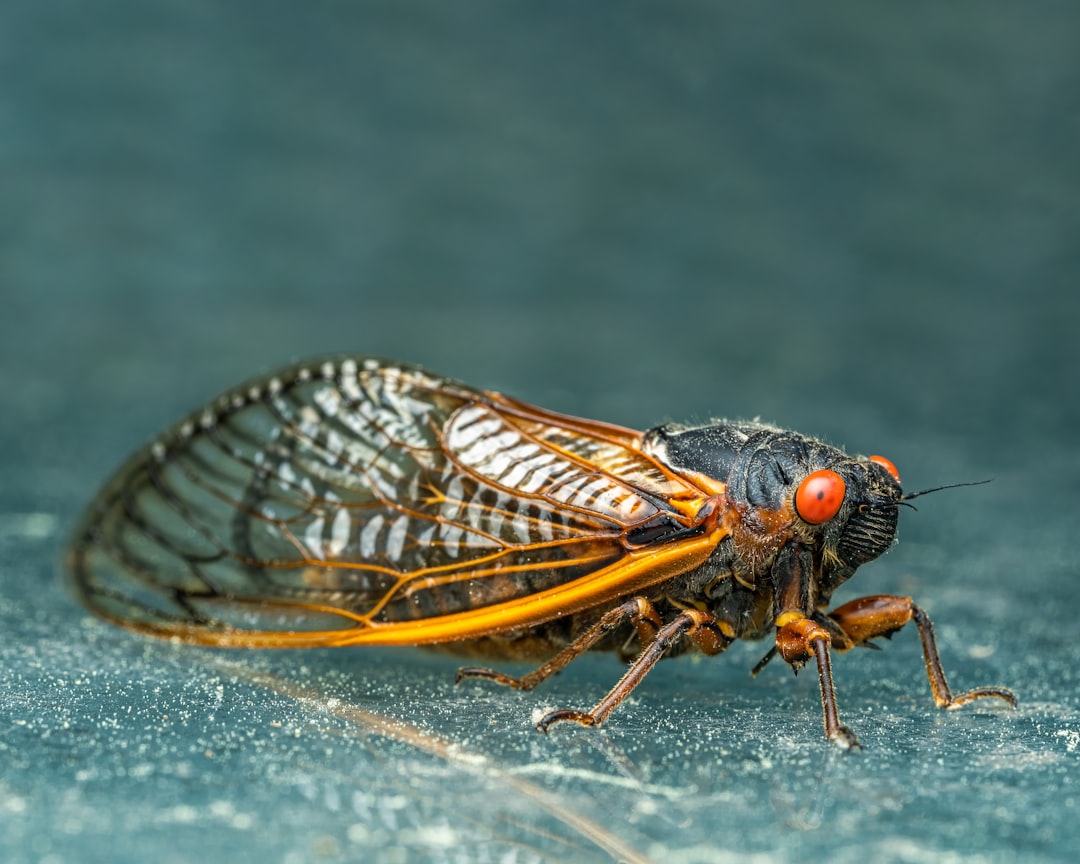
After mating, female cicadas face the crucial task of ensuring their offspring’s survival. They use their sharp ovipositors to cut slits in tree branches, creating perfect nurseries for their eggs. Each female can lay up to 600 eggs, distributing them across multiple branches to maximize the chances of survival. The timing of egg-laying is just as critical as the emergence. Females must deposit their eggs in healthy, living branches that will provide the right conditions for development. The eggs themselves are remarkably resilient, designed to withstand everything from severe weather to predator attacks during their vulnerable early stages.
The Great Die-Off
As quickly as they appeared, the adult cicadas begin to disappear. Their brief adult lives are intense but exhausting, and most individuals die within a week of emerging. The forest floor becomes carpeted with their bodies, creating a macabre but essential part of the ecosystem’s nutrient cycle. This mass die-off might seem tragic, but it’s actually a crucial ecological event. The decomposing cicadas provide a massive influx of nutrients to the soil, essentially fertilizing the forest for future generations. It’s estimated that in heavy emergence years, cicadas can add hundreds of pounds of nitrogen and other nutrients per acre to the ecosystem.
Baby Steps into the Underground
About six to eight weeks after the eggs are laid, tiny cicada nymphs emerge and immediately begin their journey to the underground world. These newly hatched insects are barely visible to the naked eye, but they’re already programmed with the instincts they’ll need to survive the next 17 years. The nymphs drop from the trees and burrow into the soil, beginning their long underground odyssey. They’ll molt several times as they grow, each stage bringing them closer to their eventual emergence. During this time, they’re completely dependent on tree roots for nutrition, forming a symbiotic relationship that will sustain them for nearly two decades.
Predator Satiation Strategy
The cicadas’ synchronized emergence serves a brilliant evolutionary purpose beyond just finding mates. By appearing in such massive numbers all at once, they employ what scientists call “predator satiation.” Simply put, there are so many cicadas that predators can’t possibly eat them all, ensuring that enough survive to reproduce successfully. Birds, spiders, mammals, and other creatures certainly take advantage of this protein-rich windfall, but even the most dedicated predators can only consume a fraction of the available cicadas. This strategy has been so successful that it’s remained virtually unchanged for millions of years, proving that sometimes the best defense is overwhelming offense.
Climate Change and the Cicada Clock
Scientists are increasingly concerned about how climate change might affect these precisely timed emergence cycles. Rising temperatures and changing precipitation patterns could disrupt the environmental cues that cicadas rely on to maintain their 17-year schedule. Some populations have already shown signs of emerging earlier than expected, raising questions about their long-term survival. The implications go beyond just the cicadas themselves. These insects play crucial roles in forest ecosystems, and any disruption to their cycles could have cascading effects throughout the food web. Researchers are closely monitoring cicada populations to better understand how they might adapt to our changing climate.
The Economic Impact of Cicada Emergences
Periodical cicada emergences can have surprising economic implications for affected regions. Outdoor events, construction projects, and even airport operations can be disrupted by the sheer volume of noise and insects. Some businesses have learned to capitalize on these events, offering cicada-themed products and tours for curious visitors. Agricultural impacts are generally minimal since adult cicadas don’t feed on crops, but their egg-laying can damage young trees and shrubs. Nurseries and orchards in emergence areas often delay plantings or cover vulnerable plants during peak cicada activity. The economic effects are temporary but can be significant in heavily affected areas.
Cultural Significance and Human Fascination

Cicadas have captured human imagination for centuries, appearing in folklore, literature, and art across many cultures. In some traditions, they’re symbols of rebirth and transformation, while in others, they represent the passage of time and the cyclical nature of life. Their periodic emergences have often been seen as omens or signs of significant change. Modern social media has given cicada emergences a new platform, with millions of people sharing photos, videos, and experiences during these remarkable events. The insects have become unlikely celebrities, inspiring everything from scientific documentaries to children’s books. Their story resonates with people because it touches on universal themes of patience, timing, and the incredible diversity of life strategies on Earth.
Conservation Challenges and Future Outlook
Despite their impressive numbers during emergence years, periodical cicadas face several conservation challenges. Habitat loss, urbanization, and pesticide use all threaten their long-term survival. Because they spend so much time underground, it’s difficult to monitor their populations between emergence events, making conservation efforts particularly challenging. Some broods have already gone extinct, and others have significantly reduced numbers compared to historical records. The loss of even a single brood represents the extinction of a unique genetic lineage that took millions of years to evolve. Scientists are working to better understand and protect these remarkable insects before it’s too late.
Conclusion
The next time you hear about a cicada emergence in your area, remember that you’re witnessing one of nature’s most extraordinary phenomena. These insects have perfected the art of patience, spending 17 years preparing for a single week of glory. Their story reminds us that some of life’s most spectacular moments are worth waiting for, even if it takes nearly two decades to see them unfold. What other secrets might be waiting just beneath our feet, counting down the years until their moment arrives?