
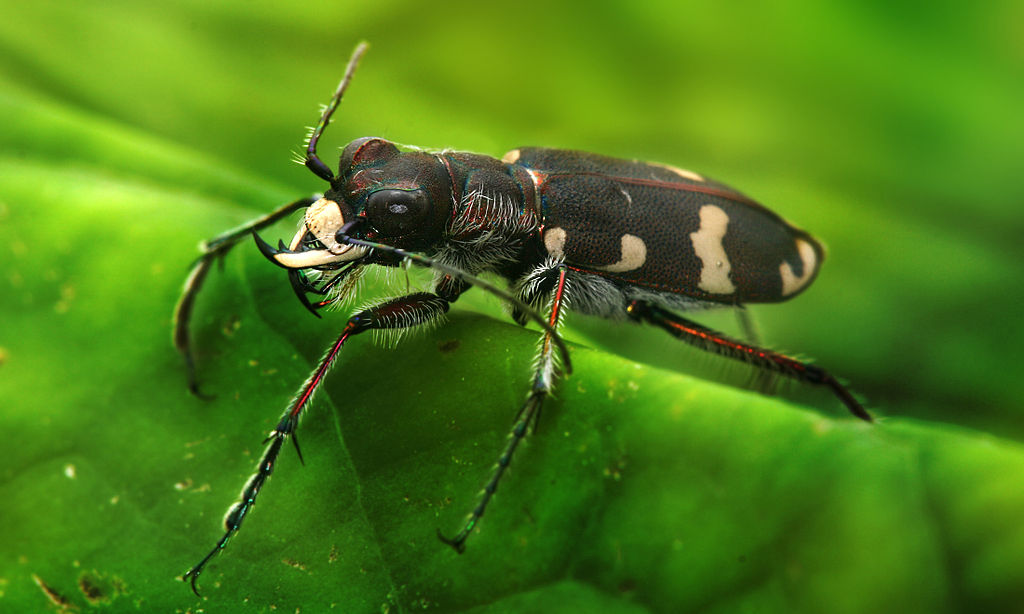
The insect world represents nature’s most diverse laboratory of evolutionary adaptations. With over a million described species and potentially millions more awaiting discovery, insects have developed an astonishing array of capabilities that would make any superhero envious. From ants lifting many times their body weight to mosquitoes that can track prey using thermal vision, these tiny creatures possess abilities that, if scaled to human size, would be truly extraordinary. In this exploration, we’ll rank various insects according to their “superpowers” in four key categories: speed, strength, survival, and stealth – revealing how these small beings accomplish feats that continue to inspire both scientific research and technological innovation.
Speed Demons: The Fastest Insects on Earth
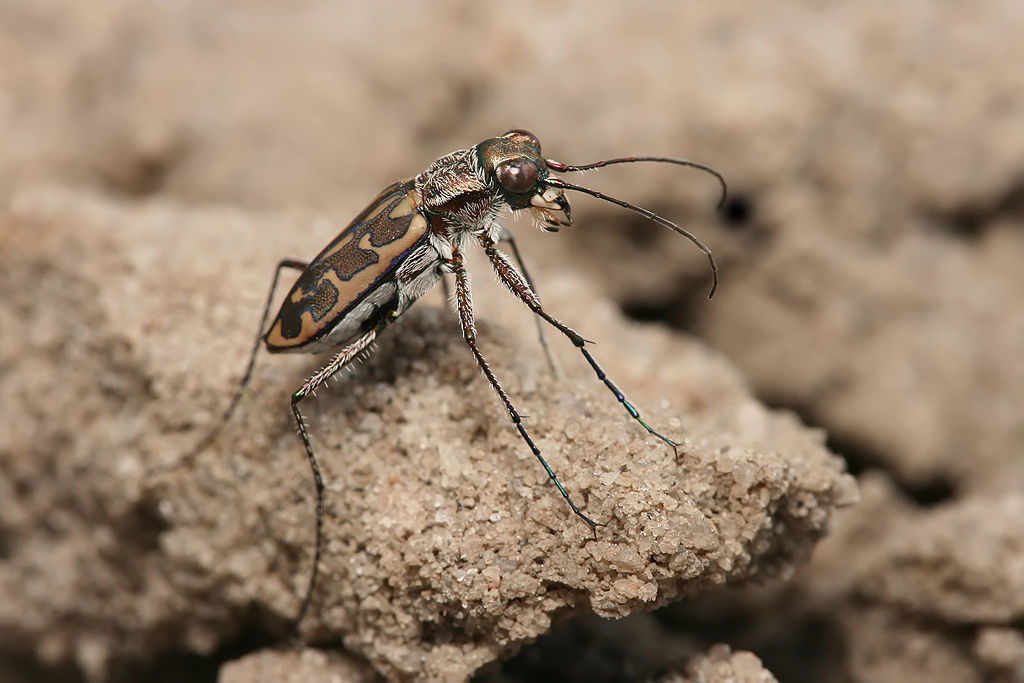
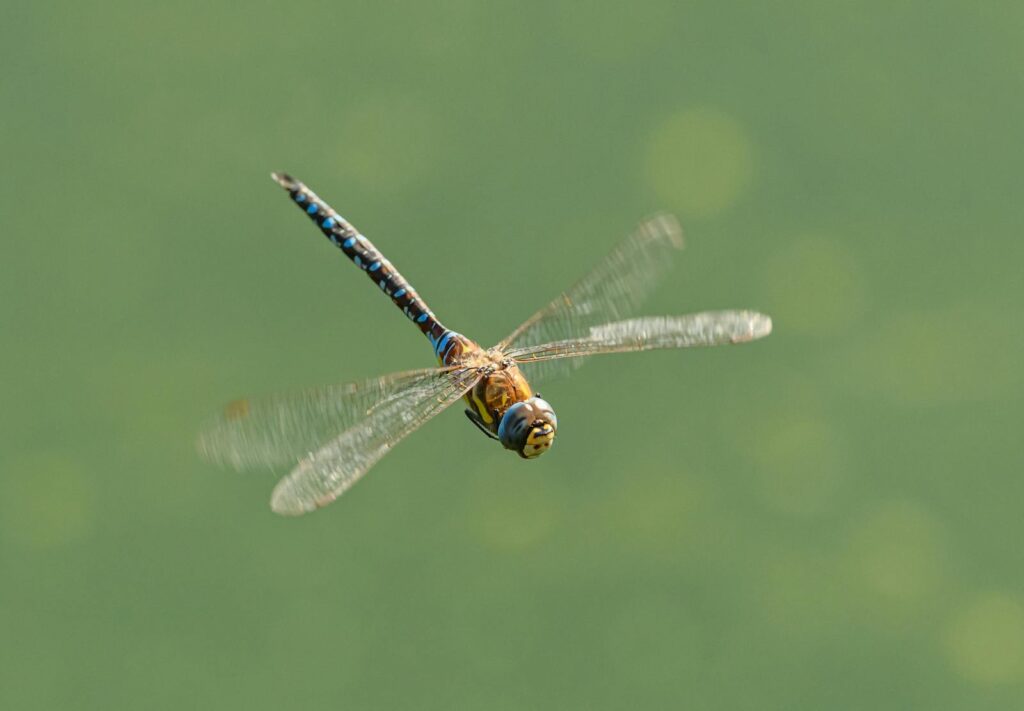
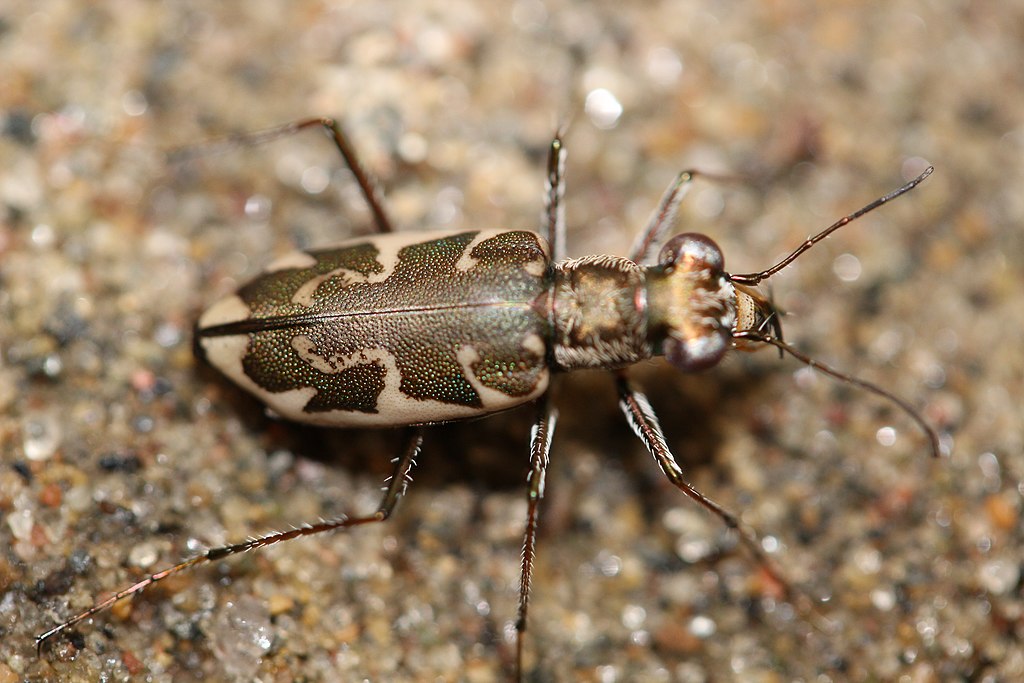
When it comes to pure speed, few insects can match the Australian tiger beetle (Cicindela hudsoni), which can run at speeds of 5.6 miles per hour – the equivalent of a human running at 480 miles per hour. These beetles actually move so quickly that their vision can’t keep up, forcing them to stop periodically to relocate their prey. Dragonflies dominate the airspeed category, reaching velocities up to 35 miles per hour while hunting on the wing, making them among the fastest flying insects. Horse flies aren’t far behind, capable of sustained flight at about 30 miles per hour when pursuing large mammals. Perhaps most impressive from a relative perspective is the flea, which can accelerate at 50 times the force of gravity and jump to heights 100 times its body length – the equivalent of a human leaping over a 30-story building.
Mighty Mites: Insects with Extraordinary Strength

The rhinoceros beetle stands as the undisputed champion of insect strength, capable of lifting objects 850 times its own body weight – equivalent to a human lifting 65 tons. This remarkable ability comes from their efficient muscular system and exoskeleton that provides mechanical advantage. The humble ant ranks second, routinely carrying objects 10-50 times their body weight while working collaboratively to move even larger items. Dung beetles demonstrate extraordinary strength by rolling balls of manure weighing up to 1,141 times their body weight – comparable to a human moving six double-decker buses filled with passengers. Leafcutter ants deserve special mention for their ability to carry leaf fragments weighing up to 50 times their body weight while climbing vertically – a feat made possible by their specialized neck muscles and powerful mandibles.
Survival Specialists: Insects That Defy Death
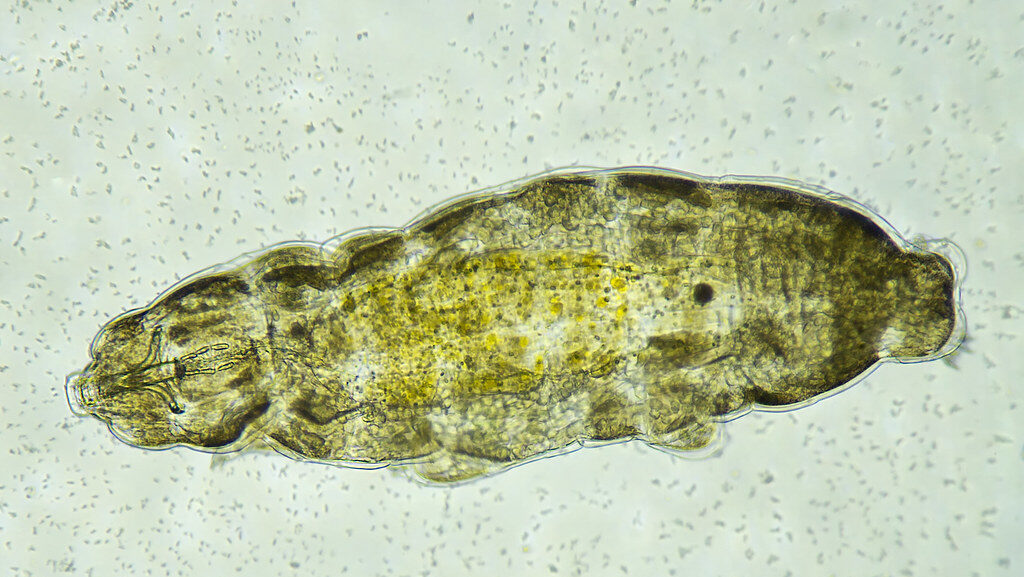
The cockroach has earned its reputation as the ultimate survivor, capable of living without food for a month, surviving without its head for weeks, and withstanding radiation levels that would kill humans. Tardigrades (water bears), while technically not insects but microscopic invertebrates, can survive being frozen to near absolute zero, heated to over 300°F, deprived of water for decades, exposed to the vacuum of space, and can withstand pressure six times greater than that at the ocean’s deepest point. The Arctic woolly bear moth caterpillar survives the harshest Arctic winters by producing a natural antifreeze that prevents its cells from freezing, allowing it to endure temperatures as low as -70°C. Some wood-boring beetles can survive complete dehydration for years in a dormant state called anhydrobiosis, reviving when moisture returns, while certain termite species have evolved sophisticated temperature regulation systems in their mounds that maintain conditions within one degree regardless of outside temperatures ranging from freezing to over 100°F.
Stealth Masters: Insects with Unparalleled Camouflage
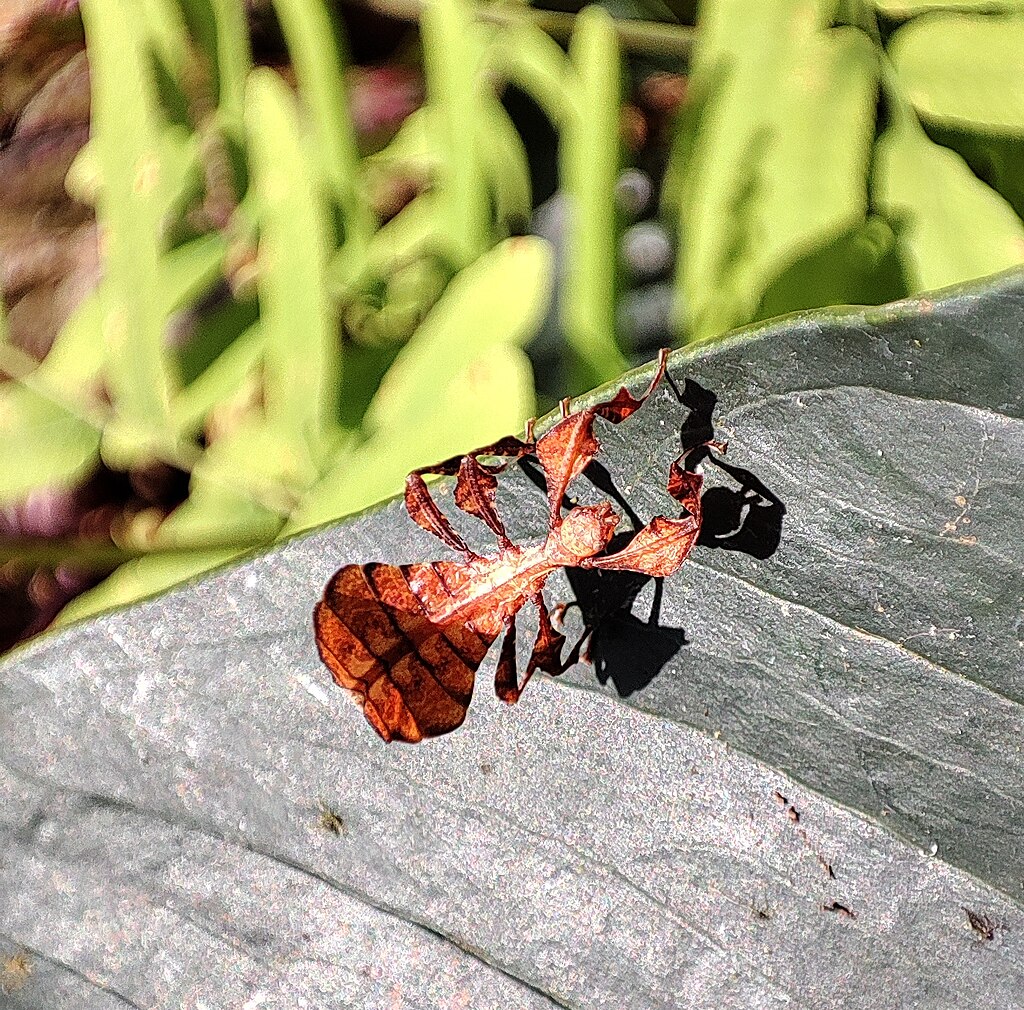
The leaf insect (Phyllium) represents perhaps the most perfect example of camouflage in the insect world, with bodies that mimic leaves in extraordinary detail – complete with leaf-like edges, veins, and even apparent damage marks that make them virtually invisible among foliage. Walking sticks (Phasmatodea) masterfully imitate twigs and branches, with bodies that sway gently to mimic branches moving in a breeze, enhancing their disguise. The dead leaf butterfly (Kallima) can instantly transform from a brightly colored flying insect to what appears to be a withered leaf when it lands and closes its wings, complete with what looks like a stem and veins. Some assassin bugs take stealth to another level by covering themselves with the carcasses of their victims or debris, creating a moving blind that conceals them from both predators and prey.
Speed Rankings: From Lightning Fast to Leisurely

When ranking insects purely by speed, dragonflies claim the top position with their remarkable flight speeds of up to 35 mph and ability to hover, fly backward, and make hairpin turns with precision. The second fastest insects are horse flies, reaching speeds around 30 mph, followed by hawk moths (sphingids) that can sustain flight at 25 mph and hover with hummingbird-like precision. The desert locust earns fourth place, flying at sustained speeds of 20 mph during migration with bursts of up to 33 mph when necessary. Fifth place goes to the honey bee, capable of flying at 15 mph while foraging and up to 20 mph when returning to the hive with nectar. At the slower end of the spectrum, we find insects like stick insects and certain caterpillars that move at a glacial pace of just a few inches per minute – a survival strategy that helps them remain undetected by predators.
Strength Champions: The Mightiest Insects by Weight Ratio
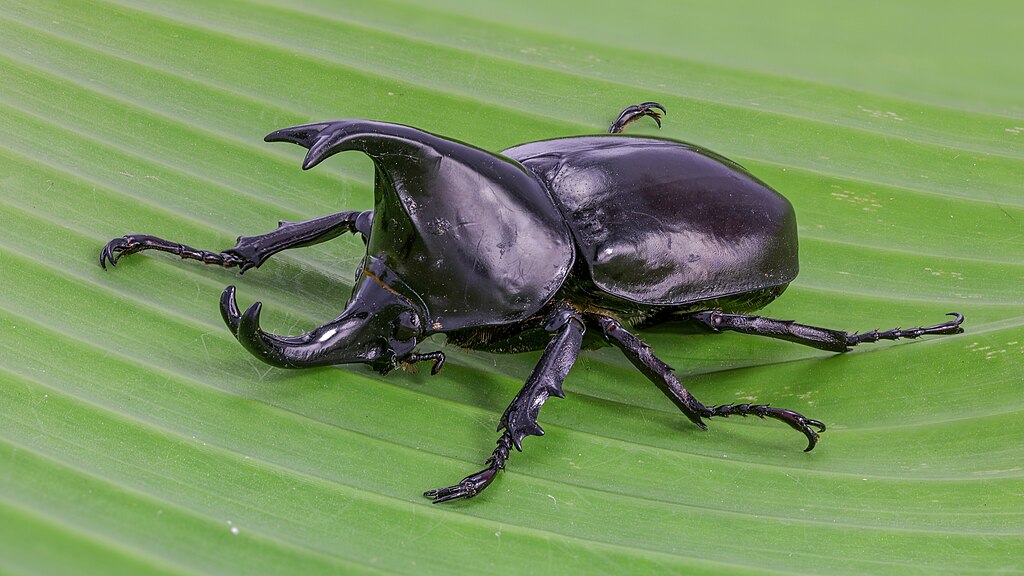
In the strength category, the rhinoceros beetle reigns supreme with its ability to carry 850 times its body weight, a feat made possible by its exceptionally strong exoskeleton and efficient muscular structure. The dung beetle claims second place, pushing and pulling weights up to 1,141 times its body weight – the equivalent of a human moving multiple blue whales. Leafcutter ants secure the third position, consistently carrying leaf fragments weighing 50 times their body weight while climbing vertically up tree trunks. The fourth position belongs to the horned dung beetle, which can pull 1,141 times its body weight – like a human pulling six fully loaded double-decker buses. Fifth place goes to the common field ant, which can lift 50-100 times its own weight using its powerful mandibles and neck muscles that are proportionally much larger than those of larger animals. The remarkable strength-to-weight ratios of these insects come from their exoskeletons, which provide mechanical advantage, and their small size, which allows their muscles to support relatively greater loads without collapsing under their own weight.
Survival Experts: Ranking Insects by Endurance and Adaptability
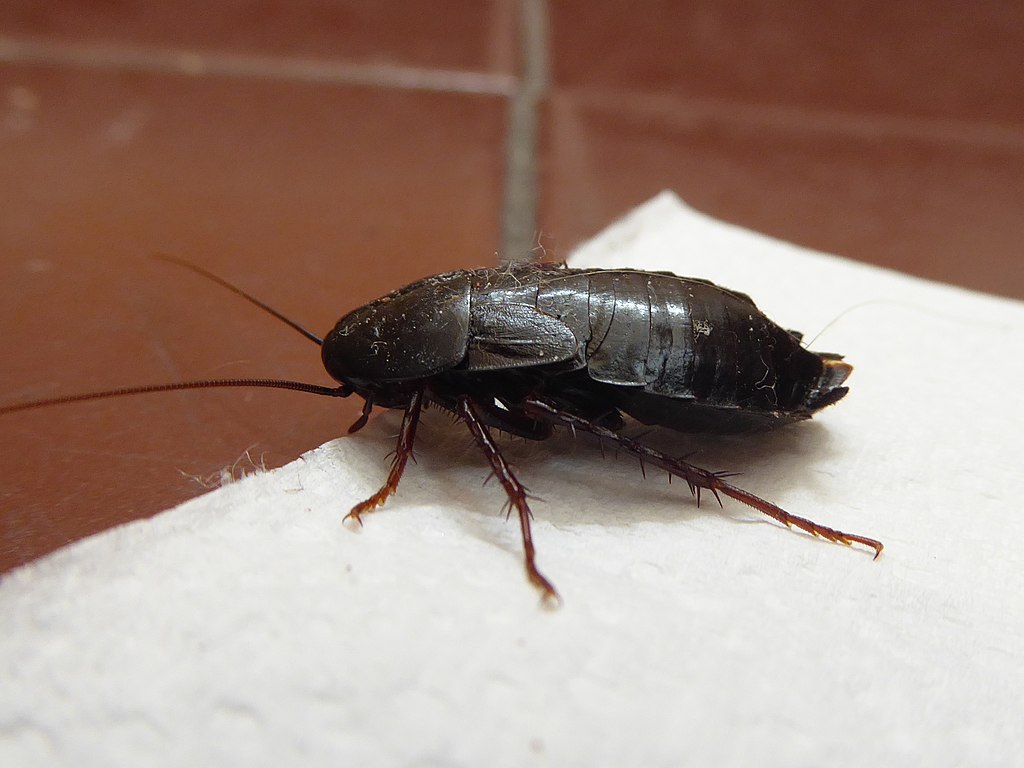
Cockroaches earn the top survival ranking for their legendary resilience – they can survive without food for a month, without water for two weeks, and can even live for a week without their heads (eventually dying only from dehydration). The second position goes to the Sahara desert ant, which can withstand body temperatures up to 50°C (122°F) while foraging in scorching desert conditions that would kill most organisms within minutes. Water boatmen secure third place for their ability to remain submerged indefinitely by carrying air bubbles that function as physical gills, extracting oxygen from the surrounding water. Fourth place belongs to the wax moth larva, which can digest polyethylene plastic (a material previously thought to be non-biodegradable) using specific gut enzymes, demonstrating remarkable metabolic adaptability. The fifth position goes to certain midge larvae that can survive being completely frozen, with their bodies producing glycerol and other compounds that prevent cell damage during freezing and thawing cycles.
Stealth Specialists: The Most Undetectable Insects
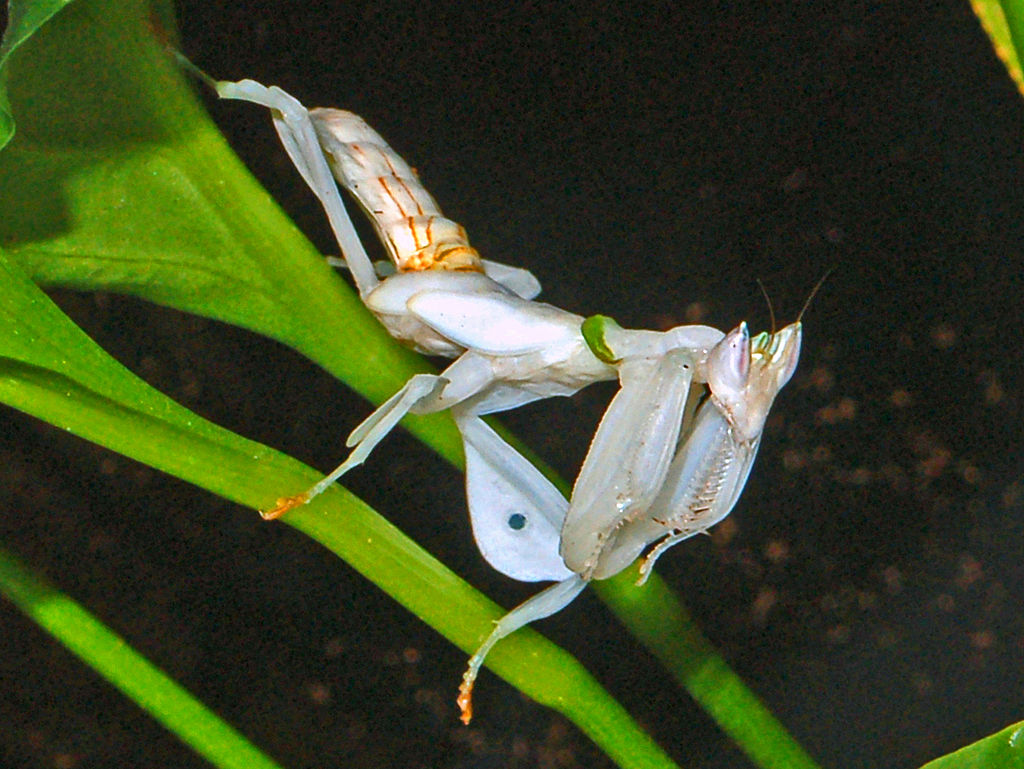
The orchid mantis tops the stealth rankings with its extraordinary resemblance to flower petals, not only in shape and color but also in ultraviolet reflection patterns that fool pollinators into landing directly within striking range. The second position belongs to the dead leaf butterfly (Kallima), which transforms from a brightly colored flying insect to a perfect dead leaf mimic when it lands, complete with apparent veins, stem, and decay marks. The thorn bug secures third place for its remarkable mimicry of plant thorns, remaining motionless for hours while predators pass by, unable to distinguish it from an actual thorn. Fourth place goes to the bird dropping spider (though technically an arachnid rather than an insect), which resembles fresh bird droppings so convincingly that predators avoid it entirely. The fifth position belongs to certain caddisfly larvae that construct portable cases from materials in their environment, effectively disguising themselves as innocuous bits of debris while moving through aquatic environments.
Speed-Strength Combination: The Most Powerful Movers
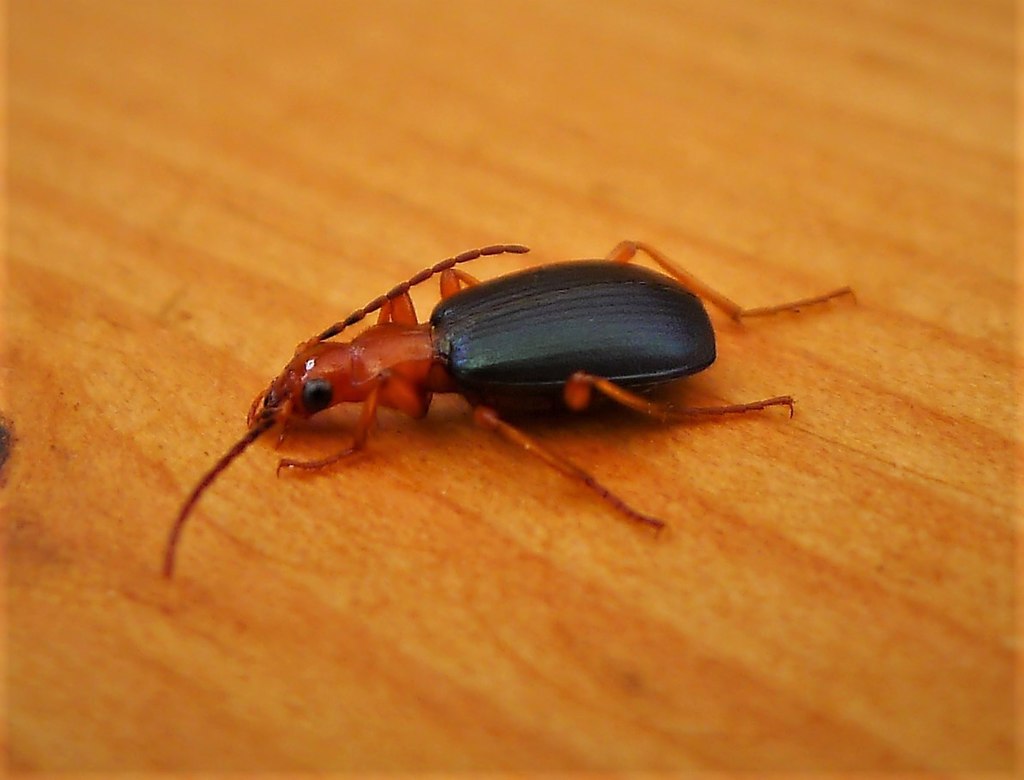
When considering insects that combine both speed and strength, the trap-jaw ant emerges as the clear leader, with mandibles that snap shut at speeds of 130 mph (the fastest known animal movement) and with enough force to launch the ant into the air to escape predators. The flea ranks second in this combined category, using specialized elastic proteins called resilin to store energy like a compressed spring, allowing it to accelerate at 100 g-forces and jump to heights 100 times its body length while carrying parasites and eggs that far exceed its own weight. The third position belongs to the rhinoceros beetle, which can fly at speeds of 6 mph while carrying weights up to 850 times its body weight. The bombardier beetle secures fourth place with its unique defensive mechanism that mixes chemicals to create an explosive reaction that fires boiling liquid at predators at high speed, requiring both strength to contain the reaction and speed to deploy it effectively. Fifth place goes to certain jumping spiders that can leap up to 50 times their body length while carrying prey items that may equal their own weight, combining explosive speed with impressive strength.
Survival-Stealth Specialists: Masters of Evasion

When combining survival and stealth capabilities, the leaf insect claims the top spot, with physical adaptations that make it nearly invisible among foliage and the ability to remain motionless for days while predators search nearby. The second position belongs to certain tiger beetle larvae, which create vertical burrows in the ground with their heads forming a perfect plug that matches the surrounding soil, allowing them to ambush prey while remaining completely hidden from predators. The walking stick insect secures third place, combining exceptional camouflage with the ability to regenerate lost limbs and remain motionless for extraordinary periods – some species can even change color gradually to match seasonal changes in their environment. Fourth place goes to certain assassin bugs that cover themselves with dust, soil, or the corpses of their victims, creating a portable blind that conceals them from both predators and prey while allowing them to survive in diverse environments. The fifth position belongs to the peppered moth, which famously evolved from primarily light-colored to primarily dark-colored populations during the Industrial Revolution in response to soot-darkened trees, demonstrating how survival through effective camouflage can drive rapid evolutionary adaptation.
Ultimate All-Rounders: Insects with Multiple Superpowers
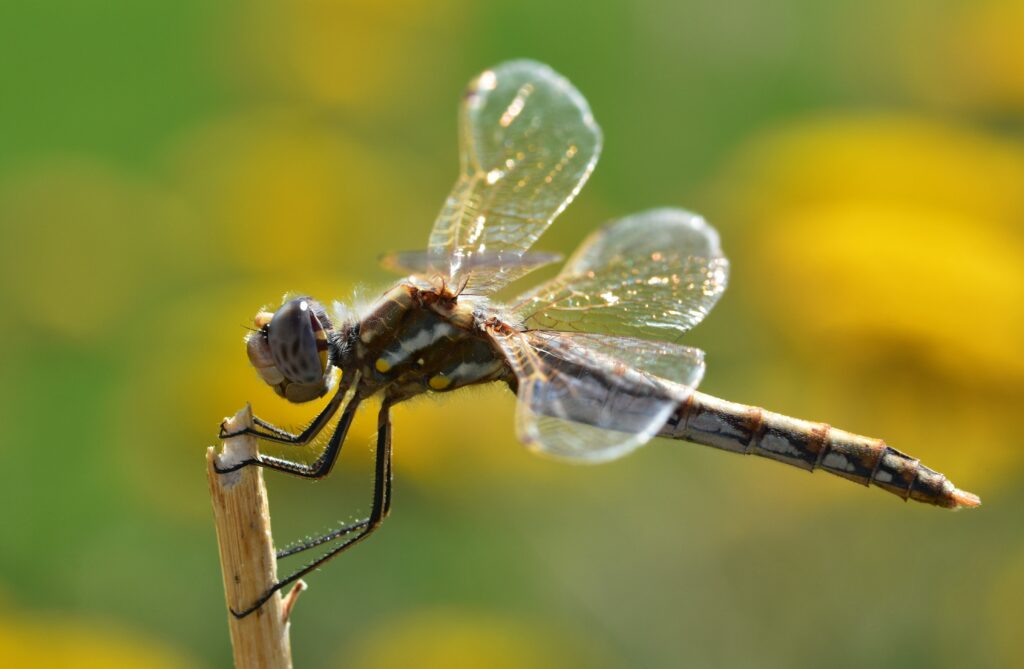
The dragonfly stands as perhaps the most impressive all-around insect superhero, combining exceptional aerial speed (35 mph), the ability to fly in any direction including backward, 360-degree vision with nearly 30,000 facets in its compound eyes, and the strength to carry prey equal to its own weight while flying. The second position belongs to the ant, which demonstrates extraordinary strength (lifting 50 times its weight), remarkable survival abilities (some species can swim and survive underwater for extended periods), sophisticated chemical communication, and collaborative problem-solving that allows colonies to overcome challenges no individual could manage. The praying mantis secures third place with its lightning-fast striking speed (within 50-70 milliseconds), exceptional camouflage abilities, 3D vision, the ability to rotate its head 180 degrees, and remarkable hunting prowess that allows it to capture prey much larger than itself. Fourth place goes to the Japanese honeybee, which has evolved a unique thermal defense against giant hornets – when a scout hornet is detected, hundreds of bees surround it in a ball and vibrate their flight muscles, raising the temperature to precisely 116°F, just high enough to kill the hornet but below the bees’ own thermal death point. The fifth position belongs to the monarch butterfly, which combines chemical warfare (sequestering toxins from milkweed plants), remarkable navigation abilities (migrating up to 3,000 miles guided by the Earth’s magnetic field), and warning coloration that effectively advertises its toxicity to potential predators.
Technological Inspirations: How Insect Superpowers Drive Innovation

The remarkable capabilities of insects have inspired countless technological innovations across various fields. The adhesive properties of gecko feet and insect attachment pads have led to the development of new adhesives that work on multiple surfaces without leaving residue. Dragonfly wing structure and flight mechanics have influenced drone design, particularly in creating more energy-efficient flying robots with improved maneuverability. The compound eyes of insects have inspired the development of wide-angle camera lenses and certain types of solar panels that can collect light from multiple angles simultaneously. Termite mound ventilation systems, which maintain stable internal temperatures despite extreme external fluctuations, have inspired energy-efficient building designs like Zimbabwe’s Eastgate Centre, which uses 90% less energy for heating and cooling than conventional buildings of similar size. The water-repellent properties of certain insect wings have led to the development of self-cleaning surfaces and fabrics that require less washing and maintenance.
Conservation Implications: Protecting the World’s Tiny Superheroes
The extraordinary abilities of insects highlight their ecological importance and the urgent need for conservation efforts to protect these remarkable creatures. Insects provide essential ecosystem services valued at an estimated $57 billion annually in the United States alone, including pollination, pest control, and waste decomposition that would be extremely costly or impossible to replace with technology. Climate change poses a significant threat to insect populations worldwide, with studies showing that insect biomass in some protected areas has declined by more than 75% over the past 27 years. Habitat destruction and fragmentation continue to eliminate the specialized environments many insects depend on, particularly affecting species with limited ranges or specific host plant requirements. The widespread use of pesticides and herbicides further threatens insect populations, with neonicotinoids specifically implicated in the decline of bees and other beneficial insects. Conservation efforts focused on protecting insect habitat, creating wildlife corridors, reducing pesticide use, and addressing climate change are essential to preserve the incredible diversity of insect superpowers for future generations to study and appreciate.
Conclusion: The Mighty Microcosm
The insect world represents nature’s greatest experimental laboratory, where millions of years of evolution have produced capabilities that continue to astound scientists and inspire engineers. From the blinding speed of tiger beetles to the herculean strength of rhinoceros beetles, from the almost supernatural survival abilities of tardigrades to the perfect disguise of leaf insects, these tiny creatures demonstrate that superpowers aren’t just the stuff of comic books – they exist all around us, often going unnoticed. As we continue to study and understand these remarkable adaptations, we not only gain insights that drive technological innovation but also develop a deeper appreciation for the importance of conserving these tiny superheroes and the vital ecological roles they play. In the grand theater of evolution, insects may be the smallest performers, but they undoubtedly possess the most impressive array of superpowers.