
When you think of maggots, your mind probably jumps to rotting meat or garbage cans swarming with disgusting white worms. The last place you’d expect to find these creatures is in a sterile hospital room, carefully applied by trained medical professionals. Yet that’s exactly where thousands of these tiny larvae end up every year, performing medical miracles that modern technology still can’t replicate.
The Ancient Art of Maggot Therapy
Maggot therapy isn’t some newfangled medical fad – it’s been around for thousands of years. Ancient civilizations discovered that wounds infested with certain types of maggots actually healed faster and cleaner than those left untreated. Aboriginal Australians used maggots to clean infected wounds, while Mayan healers deliberately introduced them to battle gangrene.
During World War I, battlefield doctors noticed something remarkable about soldiers whose wounds had become maggot-infested. These men often had better healing outcomes than those receiving conventional treatment. The maggots were literally eating away the dead tissue while leaving healthy flesh untouched.
The Science Behind Nature’s Tiny Surgeons
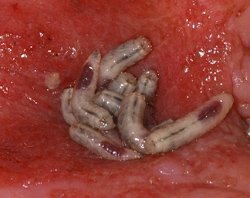
The magic happens through a process called selective debridement. Medical-grade maggots possess enzymes that specifically target necrotic (dead) tissue while completely ignoring healthy cells. It’s like having microscopic surgeons that can distinguish between what needs to go and what should stay.
These larvae secrete powerful antimicrobial compounds that fight dangerous bacteria, including antibiotic-resistant strains that conventional medicine struggles with. They’re essentially living, breathing pharmaceutical factories that produce their own antibiotics on demand.
Not Your Average Garden Variety Worms
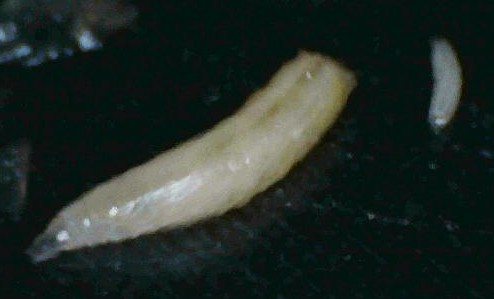
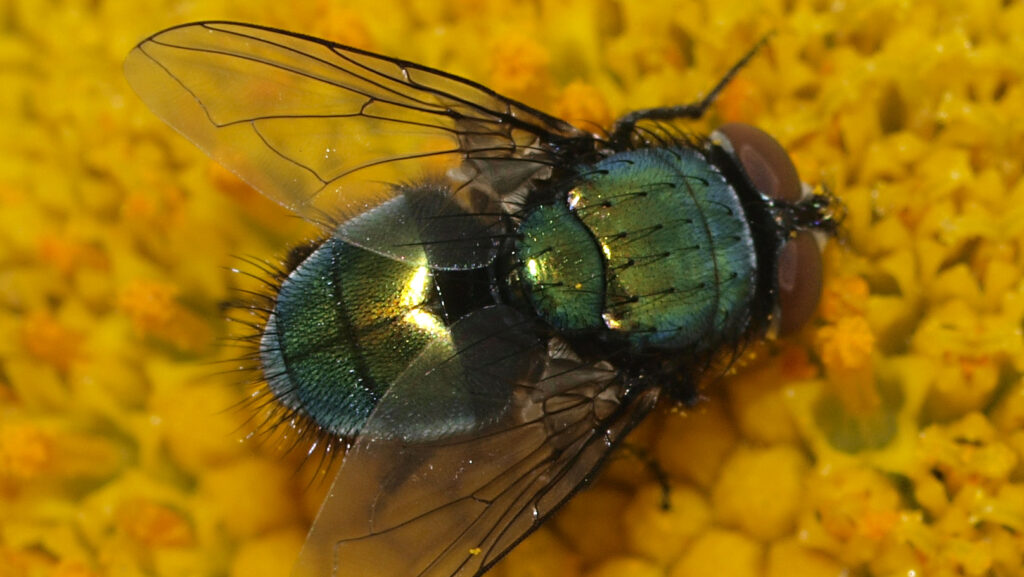
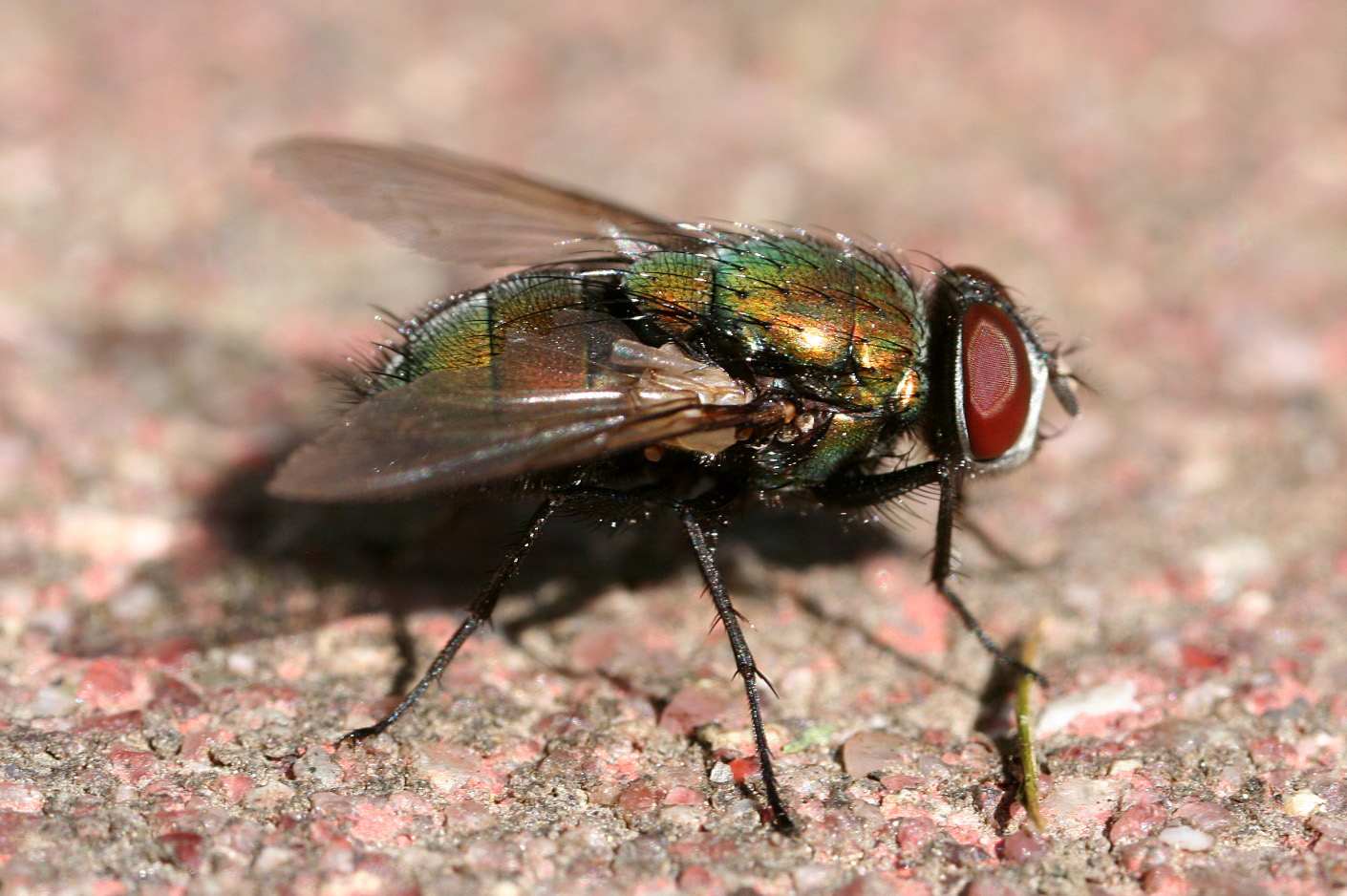
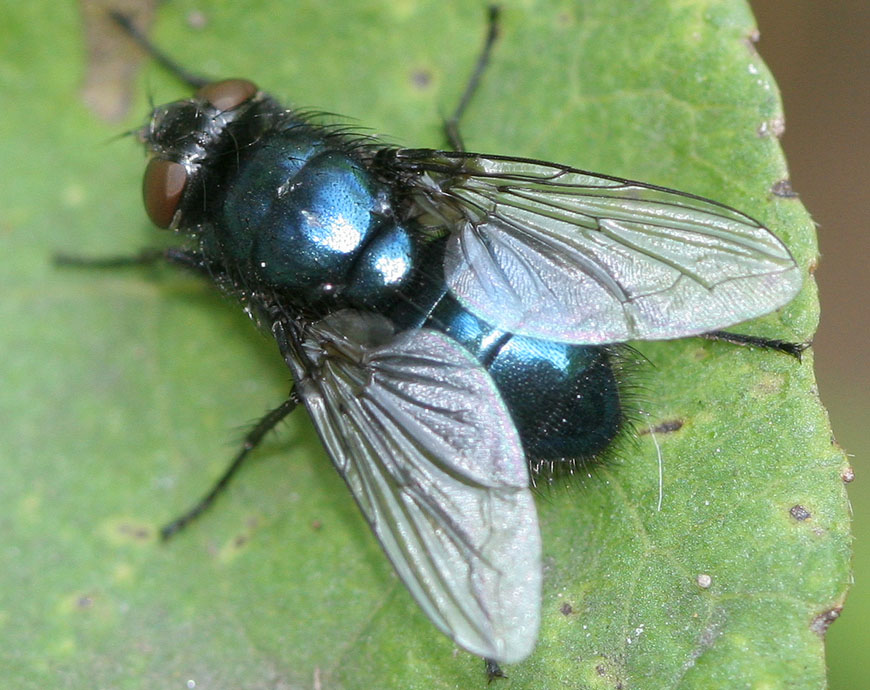
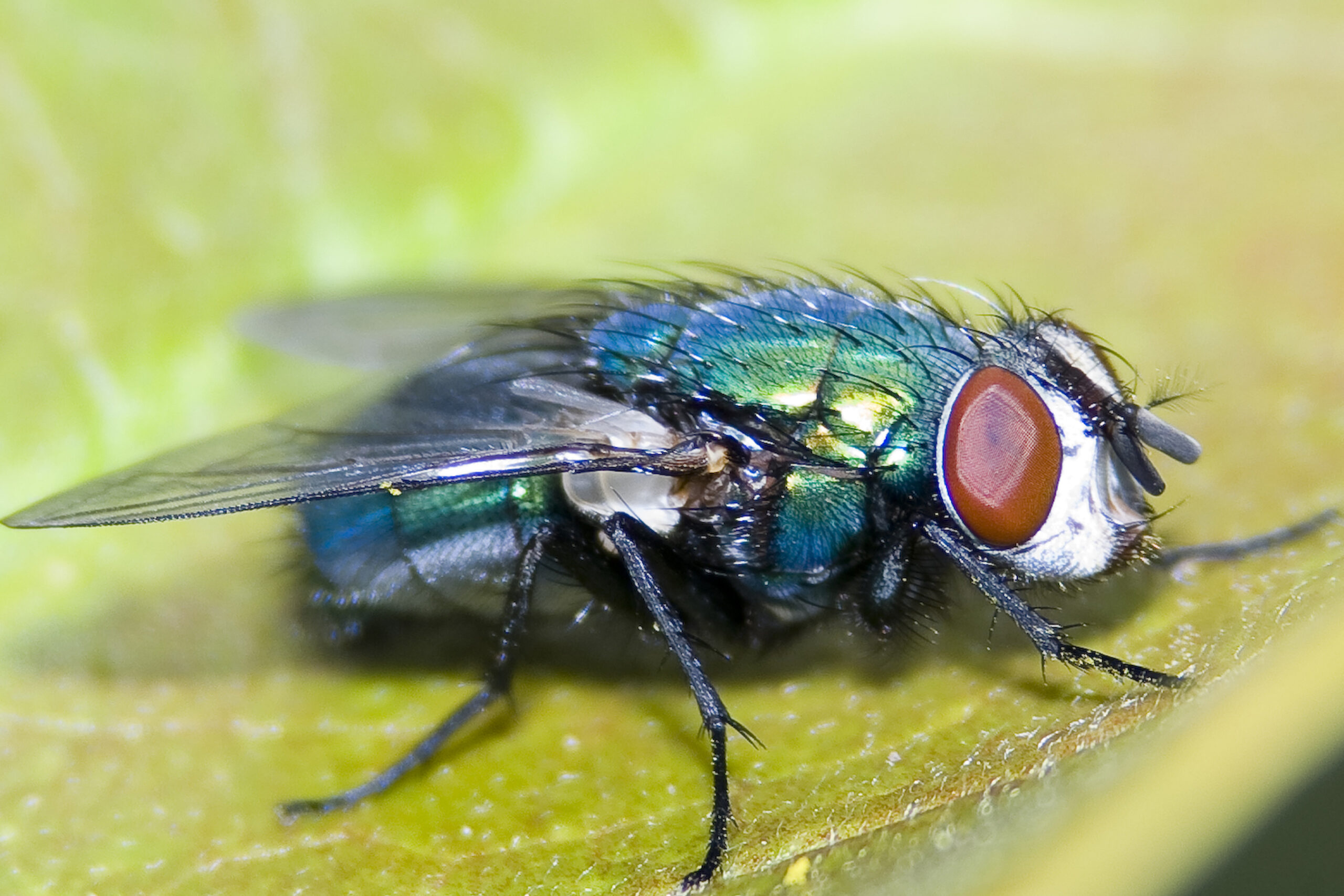
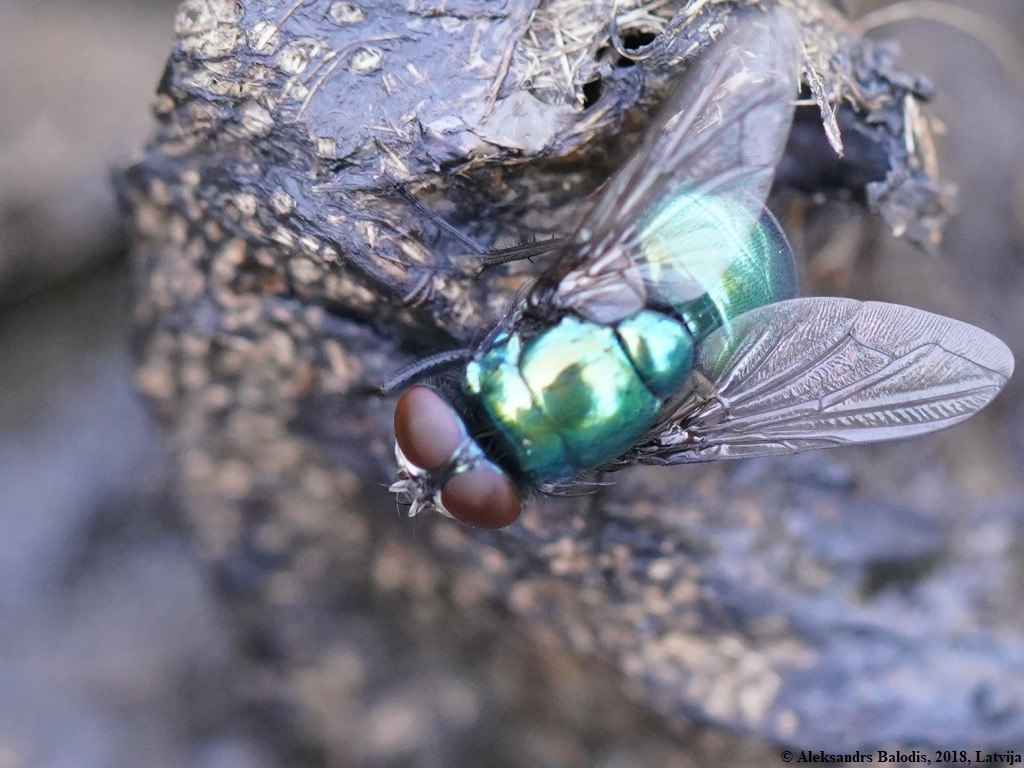
Medical maggots aren’t just any random larvae plucked from a compost pile. The most commonly used species is Lucilia sericata, better known as the green bottle fly. These specific maggots are raised in sterile laboratory conditions under strict quality control.
Each batch undergoes rigorous testing for pathogens and contaminants before being approved for medical use. The entire process, from egg to medical-grade larva, takes about 48 hours and follows pharmaceutical manufacturing standards that would make a drug company jealous.
The Shocking Reality of Modern Maggot Farms
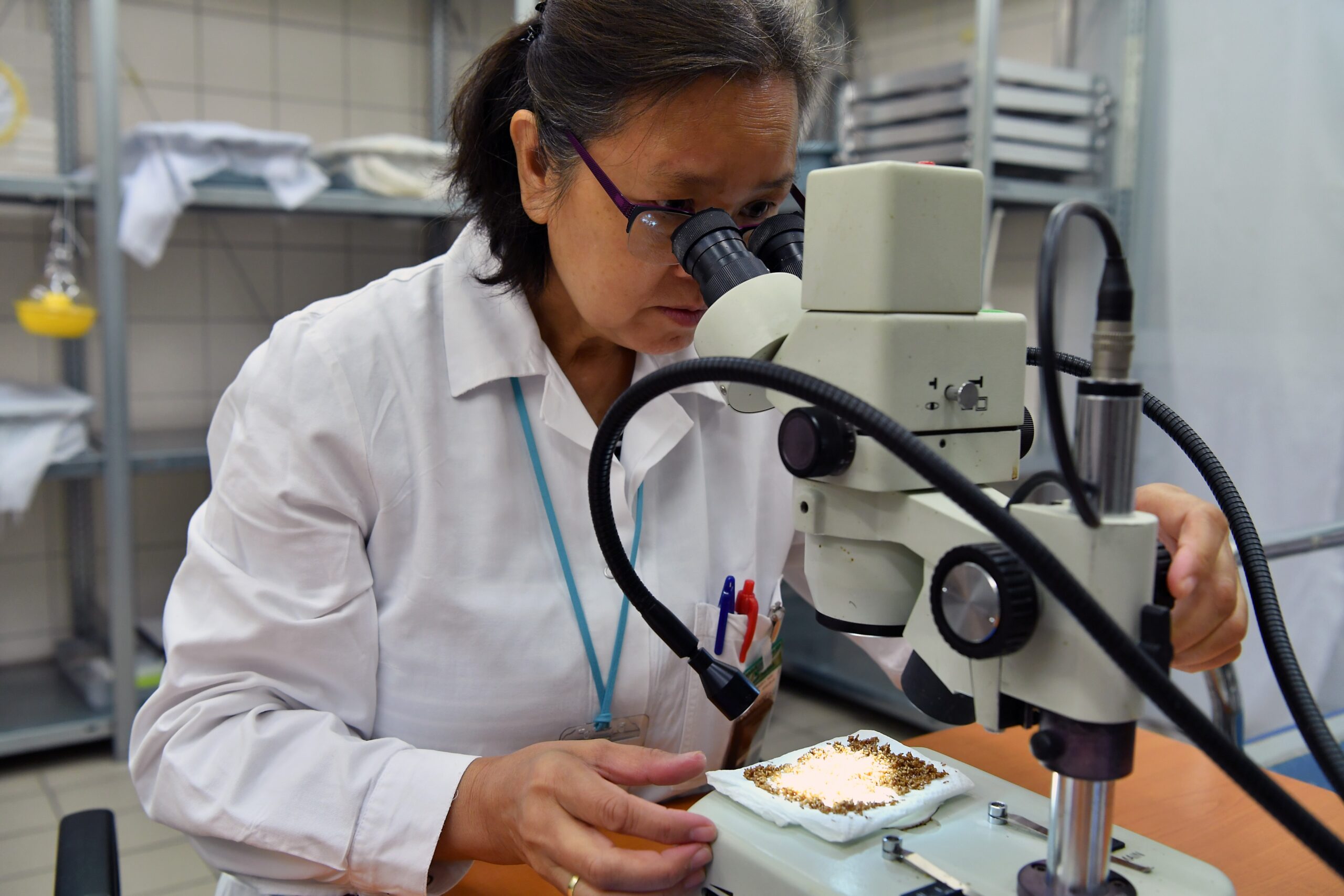
Medical maggot production facilities look more like high-tech laboratories than traditional farms. Rows of climate-controlled chambers house thousands of fly eggs at precisely regulated temperatures and humidity levels. The process is so refined that producers can predict exactly when each batch will be ready for harvest.
Workers wear full protective gear as they carefully collect the tiny larvae, which are then packaged in specialized containers that allow them to breathe while preventing escape. A single medical facility might order hundreds of maggots per week, each one representing a tiny miracle of biological engineering.
What Happens During a Maggot Treatment
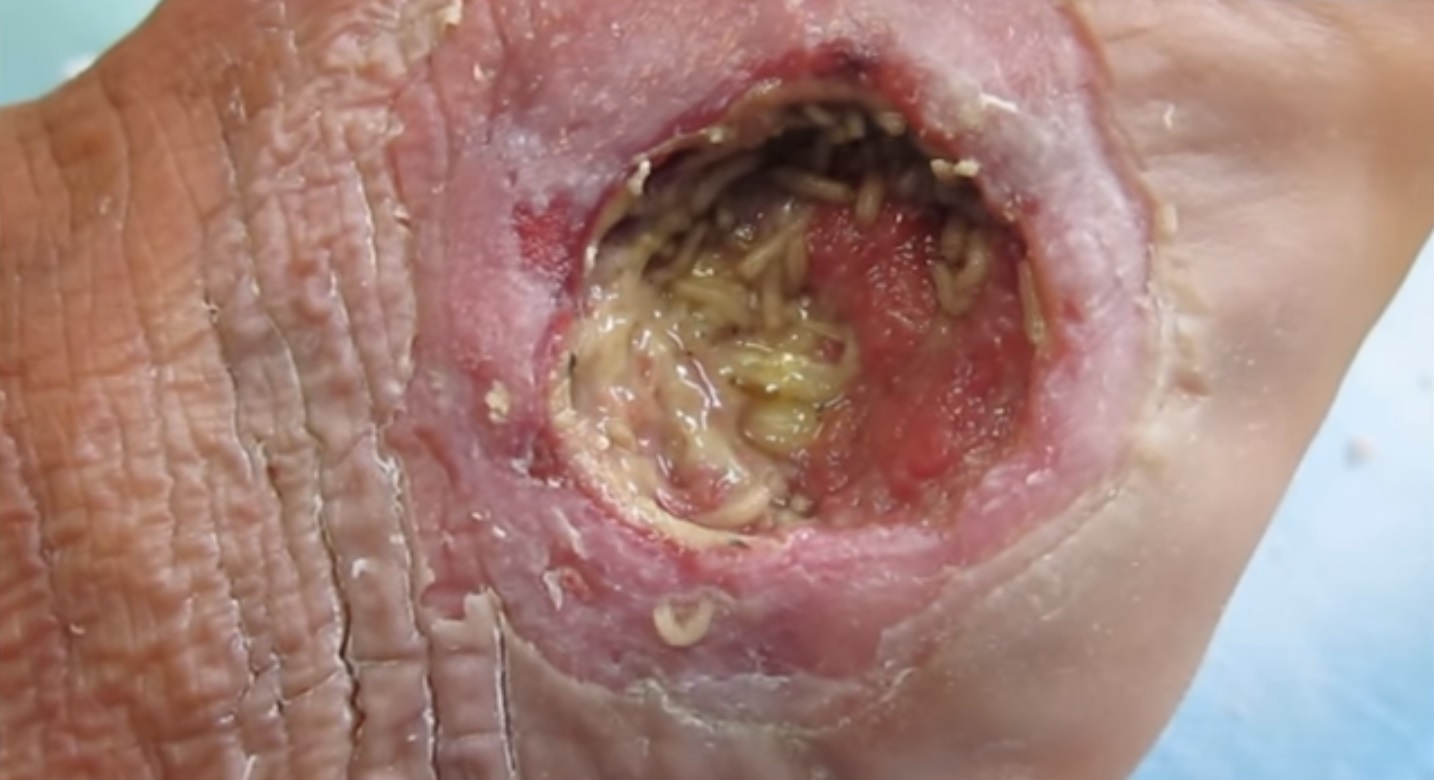
The application process is surprisingly straightforward, though it requires nerves of steel from both patient and medical staff. Doctors carefully place the sterile maggots directly onto the wound, then cover the area with a special dressing that allows air circulation while keeping the larvae contained.
Patients typically report feeling a tickling sensation as the maggots begin their work. The larvae remain active for 2-3 days, methodically consuming dead tissue and secreting healing compounds. During this time, they can grow to three times their original size.
The Incredible Healing Power of Hungry Larvae
What happens next seems almost magical. Wounds that have resisted conventional treatment for months begin showing dramatic improvement within days. The maggots consume bacteria-laden dead tissue that would otherwise prevent healing, creating a clean environment for healthy tissue to regenerate.
Studies show that maggot therapy can reduce healing time by up to 50% compared to traditional methods. The larvae also stimulate the growth of new blood vessels and tissue, essentially jump-starting the body’s natural healing processes in ways that modern medicine is still trying to understand.
Fighting Superbugs with Nature’s Weapons
Perhaps the most impressive aspect of maggot therapy is its effectiveness against antibiotic-resistant bacteria. MRSA, VRE, and other superbugs that terrorize hospitals worldwide are no match for the antimicrobial compounds produced by these tiny warriors.
The larvae’s secretions contain multiple antibiotics working in combination, making it nearly impossible for bacteria to develop resistance. It’s like having a multi-drug cocktail that constantly adapts to whatever microbial threats it encounters.
From Battlefields to Burn Units

Modern military medicine has embraced maggot therapy for treating combat wounds, particularly in situations where traditional surgical debridement isn’t possible. Field hospitals in Iraq and Afghanistan have used medical maggots to save limbs and lives when conventional treatments failed.
Burn units also rely heavily on maggot therapy for cleaning severely damaged tissue. The larvae can navigate complex wound topography that would be impossible for human surgeons to access, reaching into deep crevices and removing every bit of infected material.
The Psychology of Accepting Worms as Medicine

The biggest challenge isn’t medical – it’s psychological. Many patients initially recoil at the thought of having live maggots applied to their wounds. The “ick factor” remains a significant barrier to wider adoption of this highly effective treatment.
Healthcare providers spend considerable time educating patients about the sterile, controlled nature of medical maggots. Success stories from previous patients often help overcome initial resistance, especially when conventional treatments have failed.
Comparing Costs: Maggots vs. Modern Medicine

The economics of maggot therapy are surprisingly favorable. A single treatment session costs significantly less than repeated surgical debridements or extended antibiotic courses. The total cost of treating a chronic wound with maggots can be 75% lower than conventional approaches.
Hospital stays are often shortened dramatically, reducing overall healthcare costs. When you factor in the reduced need for pain medication and decreased risk of complications, maggot therapy becomes an economically attractive option for healthcare systems worldwide.
The Future of Larvae in Medicine
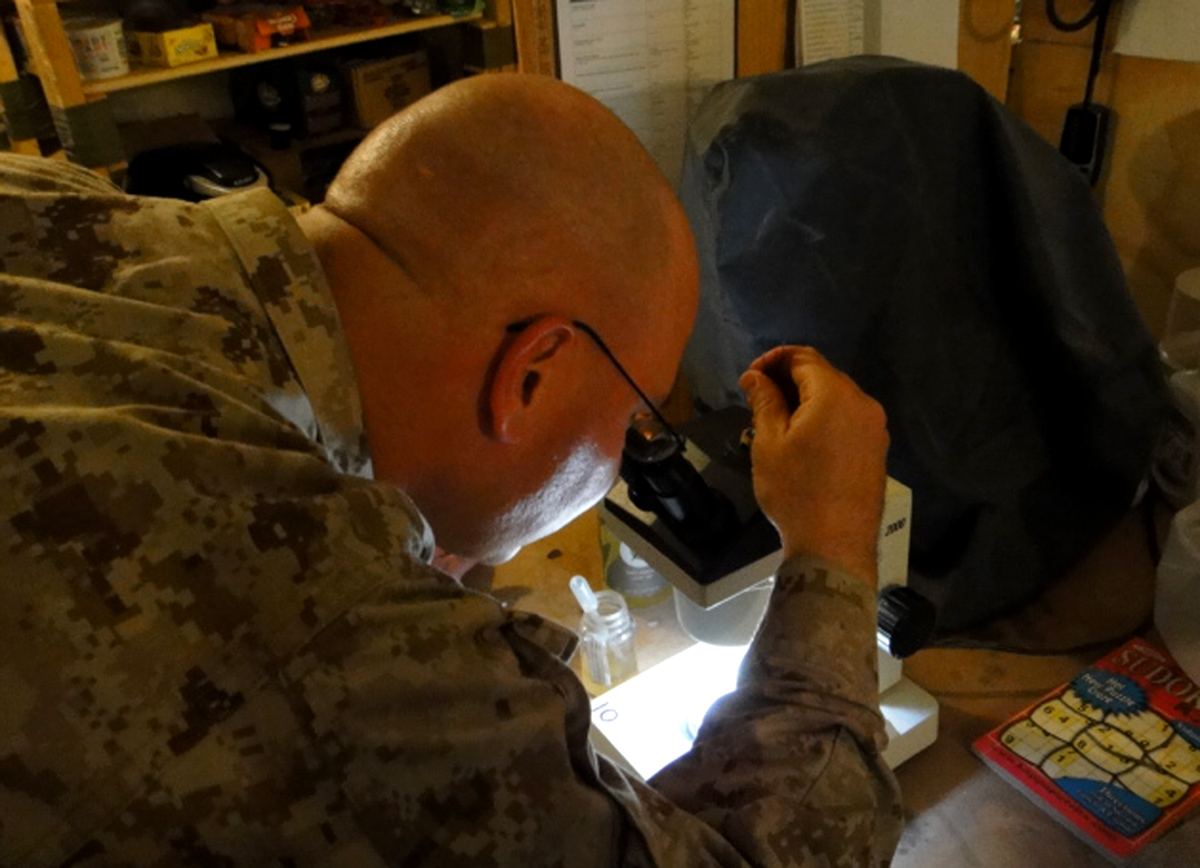
Researchers are exploring ways to harness the power of maggot secretions without using live larvae. Scientists are working to synthesize the antimicrobial compounds and enzymes that make these creatures so effective at wound healing.
Genetic engineering may eventually allow for the creation of “designer maggots” optimized for specific medical conditions. These enhanced larvae could potentially target particular types of bacteria or produce higher concentrations of healing compounds.
Global Adoption and Regulatory Challenges

Medical maggot therapy is approved and practiced in over 20 countries, with the United States, United Kingdom, and Germany leading the way. However, regulatory frameworks vary significantly, creating barriers to international standardization.
Some countries classify medical maggots as medical devices, while others treat them as biological therapies. This regulatory confusion has slowed adoption in regions where the therapy could save countless lives and limbs.
Success Stories That Defy Belief
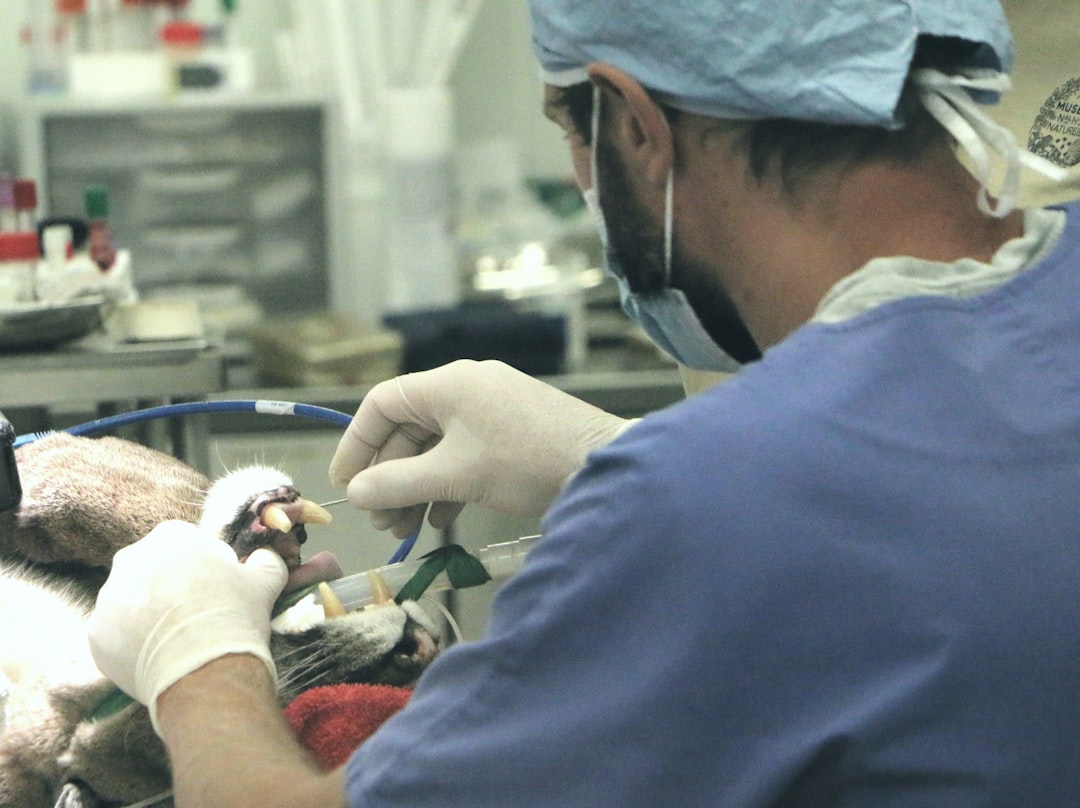
The case files of maggot therapy read like medical miracles. Diabetic patients facing amputation have saved their limbs through maggot treatment. Elderly patients with chronic wounds that refused to heal for years have experienced complete recovery within weeks.
One particularly striking case involved a patient with a severe infection that had been resistant to all antibiotics. After three days of maggot therapy, the infection was completely eliminated, and the wound began healing for the first time in months.
The Controversial Side of Flesh-Eating Medicine
Despite overwhelming evidence of effectiveness, maggot therapy faces resistance from some medical professionals who view it as primitive or unscientific. This bias has prevented wider adoption and research funding, potentially denying patients access to life-saving treatment.
Critics argue that modern surgical techniques and antibiotics should be sufficient for wound care. However, the rising tide of antibiotic resistance and the limitations of conventional surgery make maggot therapy an increasingly valuable tool in the medical arsenal.
The intersection of ancient wisdom and modern medicine continues to surprise us, challenging our assumptions about what constitutes proper healthcare. These tiny larvae, once viewed as symbols of decay and disease, have emerged as powerful allies in the fight against infection and tissue death. Their ability to distinguish between healthy and diseased tissue, combined with their natural antibiotic production, makes them uniquely suited for medical applications that our most advanced technologies cannot replicate. As healthcare costs continue to rise and antibiotic resistance becomes more prevalent, the humble maggot offers a cost-effective, environmentally sustainable solution that works in harmony with the body’s natural healing processes. The next time you see a fly buzzing around, remember that its offspring might one day save a life. Who would have thought that some of our most powerful medical tools would come with wings?