
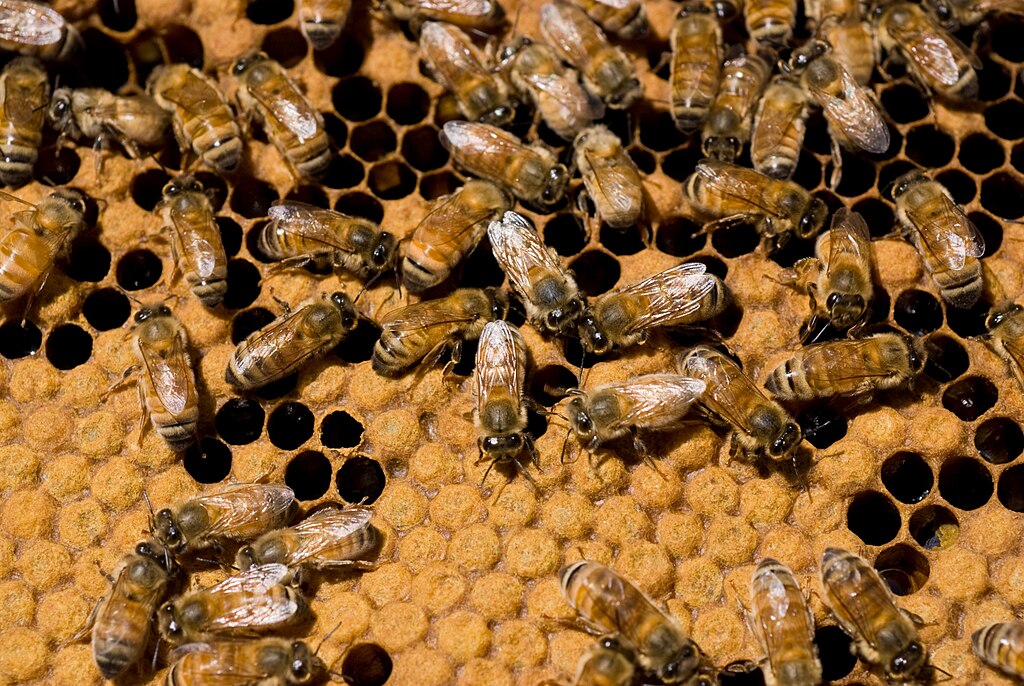
Imagine waking up tomorrow to discover that insects—those tiny creatures that outnumber humans by more than one billion to one—have established their own government and now run the world. What would such a society look like? How would decisions be made? While entirely speculative, exploring an insect-led political system offers fascinating insights into both entomology and political science. Insects have survived for over 400 million years through remarkable social structures, division of labor, and adaptation strategies. From the strict hierarchies of ant colonies to the democratic-like processes of honeybee swarms, these creatures have developed governance systems that, in some ways, parallel and even surpass human political organizations in efficiency and sustainability. Let’s embark on this imaginative journey to explore what an insect government might look like if our six-legged neighbors were suddenly in charge.
The Hive Mind Democracy: Decision-Making Processes
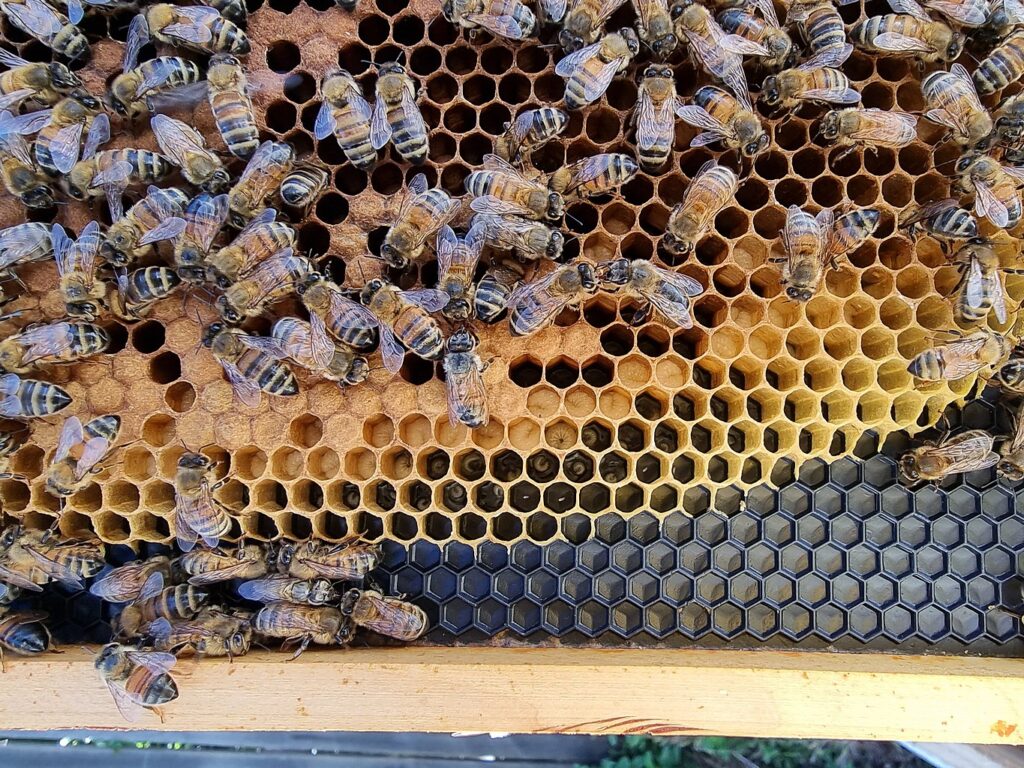
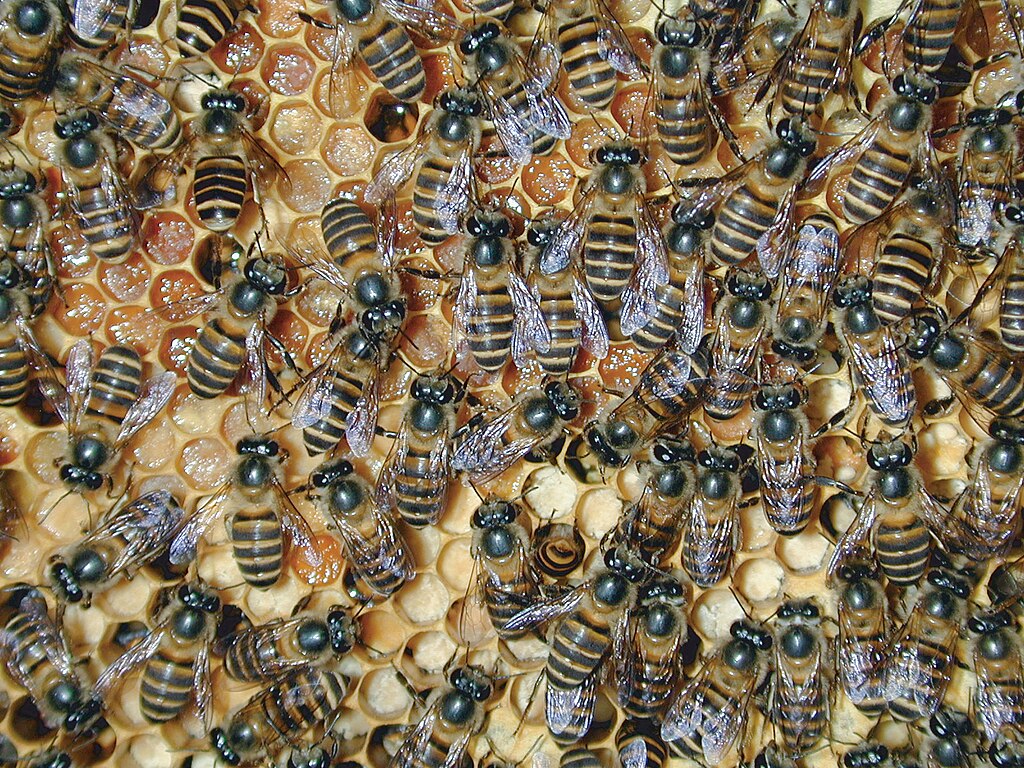
In an insect-run world, decision-making might operate through a sophisticated “hive mind” approach, taking inspiration from honeybees and their remarkable democratic processes. When honeybees need to find a new home, scout bees explore options and return to perform waggle dances that communicate the quality of potential sites, with more enthusiastic dances recruiting more bees to investigate promising locations. This continues until enough bees agree on one site, representing a form of democratic consensus that emerges without central authority. In our hypothetical insect government, major decisions might be made through this distributed intelligence approach, where millions of individual assessments combine to form collective wisdom. Unlike human democracies with their often slow deliberations, this system would work with remarkable speed and efficiency, processing information through countless parallel channels simultaneously.
Caste-Based Specialization: The Foundation of Insect Society

An insect government would likely embrace extreme specialization through caste systems similar to those seen in termite or ant colonies. Unlike human societies where individuals can change careers or roles, insects often develop physically distinct forms suited to specific functions—soldiers with enlarged mandibles for defense, workers specialized for food gathering, and reproductive castes ensuring population growth. This biological specialization would translate to governmental roles, with each citizen physically optimized for their governmental function from birth. Citizens might be raised and developed specifically for diplomacy, infrastructure maintenance, resource management, or defense, with their bodies and brains literally shaped for these purposes. While raising ethical concerns by human standards, this system would achieve unprecedented efficiency by eliminating the mismatch between individual abilities and societal roles.
Chemical Communication: A New Form of Political Discourse
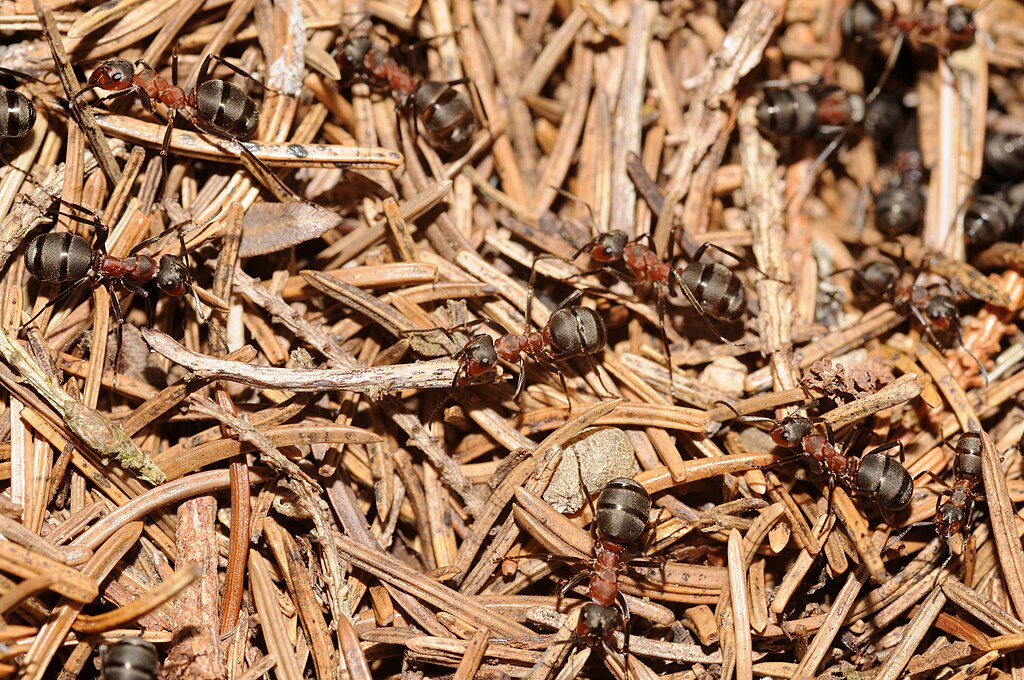
In our insect government, pheromones would replace speeches and debates as the primary mode of political communication. Insects naturally use chemical signals to coordinate actions, mark territories, and indicate reproductive status—a communication system both more honest and efficient than human language. Political leaders might release specific pheromone combinations to signal policy directions, with citizens responding instinctively to these chemical directives rather than through rational deliberation. This communication system would fundamentally alter the nature of politics, eliminating misinterpretation, lies, and rhetoric that plague human discourse. Imagine a society where leaders cannot make false promises because their chemical signals directly reveal their intentions and emotional states. However, this system would also diminish the role of individual choice and rational thought in the political process, as responses to chemical signals tend to be instinctual rather than contemplative.
Collective Welfare Over Individual Rights

An insect-led government would undoubtedly prioritize collective survival over individual freedoms, reflecting the natural organization of insect societies. In most social insect colonies, individuals routinely sacrifice themselves for the greater good—worker bees die after stinging threats to the hive, while ant workers will form living bridges with their bodies to help others cross gaps. This collectivist philosophy would form the cornerstone of insect governance, with policies designed to maximize the survival and prosperity of the group rather than to protect individual rights or enable personal advancement. Resources would be distributed based on collective need rather than individual merit or desire, creating a society that might appear socialist or even communist by human standards. While potentially efficient for resource allocation, such a system would offer little room for personal expression, creative development, or individual dissent.
Resource Management Through Swarm Intelligence
Insects would revolutionize resource management through their natural swarm intelligence capabilities, creating distribution systems of remarkable efficiency. Ant colonies, for example, can optimize foraging routes through simple individual behaviors that collectively create sophisticated solutions to complex problems. When ants find food, they lay pheromone trails that other ants follow, with more profitable food sources receiving stronger trails through positive feedback loops. An insect government would apply similar principles to economic systems, creating decentralized resource allocation that responds dynamically to changing conditions without central planning. This approach would eliminate waste, hoarding, and artificial scarcity that plague human economies, as the system would continuously adjust to ensure resources flow where needed most. Millions of individual assessments would create emergent patterns more sophisticated than any human-designed economic model.
The Architecture of Power: Physical Government Structures
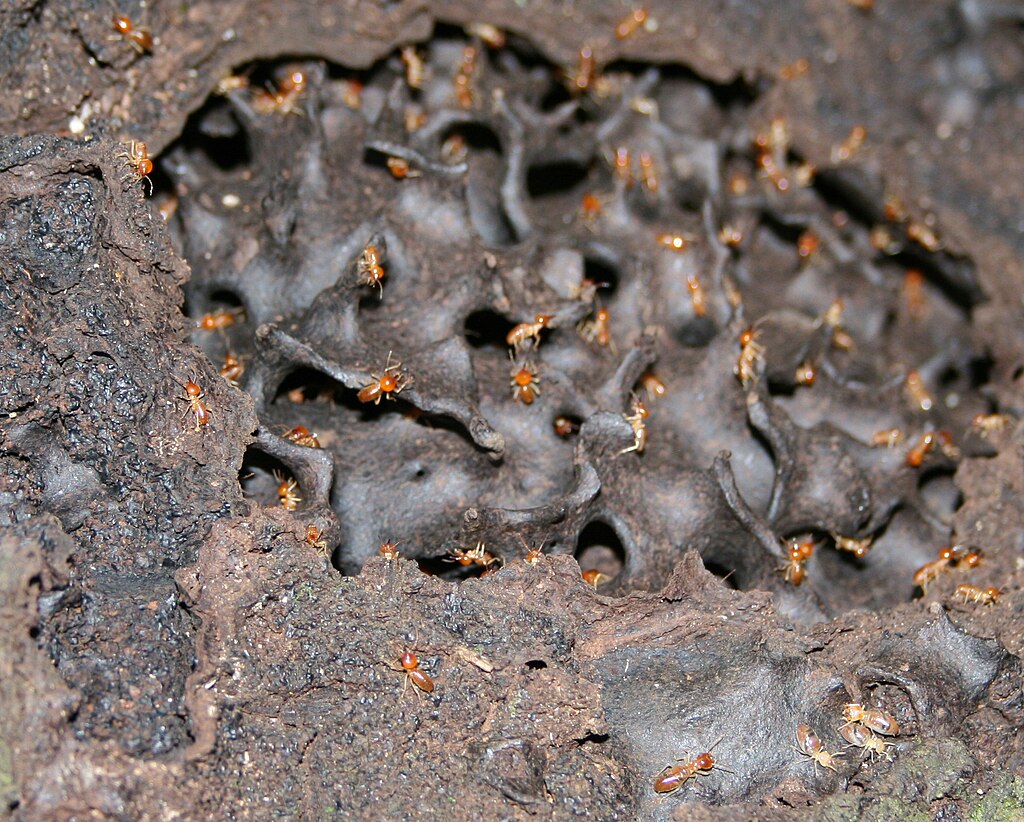
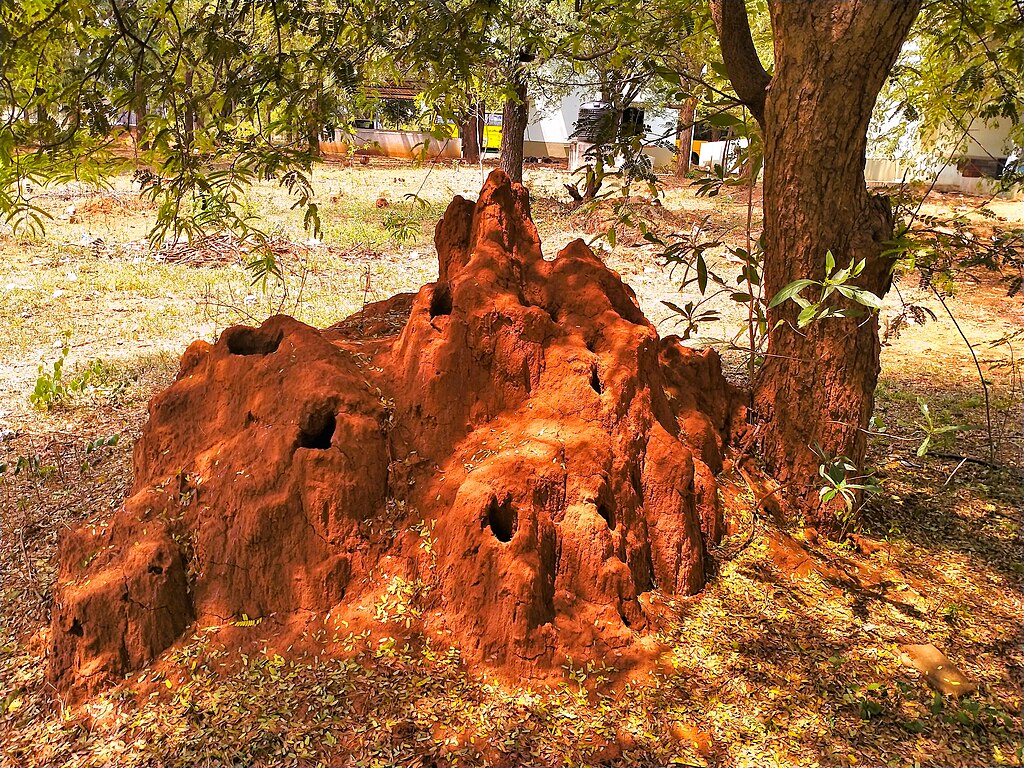
The physical infrastructure of an insect government would bear little resemblance to human government buildings, instead drawing inspiration from the remarkable architectural achievements of insects themselves. Termites construct massive mounds with sophisticated passive ventilation systems that maintain internal temperatures within one degree despite external fluctuations of 35°F or more. Army ants create temporary bivouacs from their own interlocked bodies that protect the queen and larvae while allowing for rapid mobility. Rather than permanent structures like parliaments or courthouses, insect government facilities might be living, dynamic structures constructed from and by the citizens themselves, capable of adapting to changing conditions. These biological buildings would blur the line between government infrastructure and the governed population, creating a literal embodiment of the concept that government is made up of its citizens.
Reproductive Politics: The Queen System
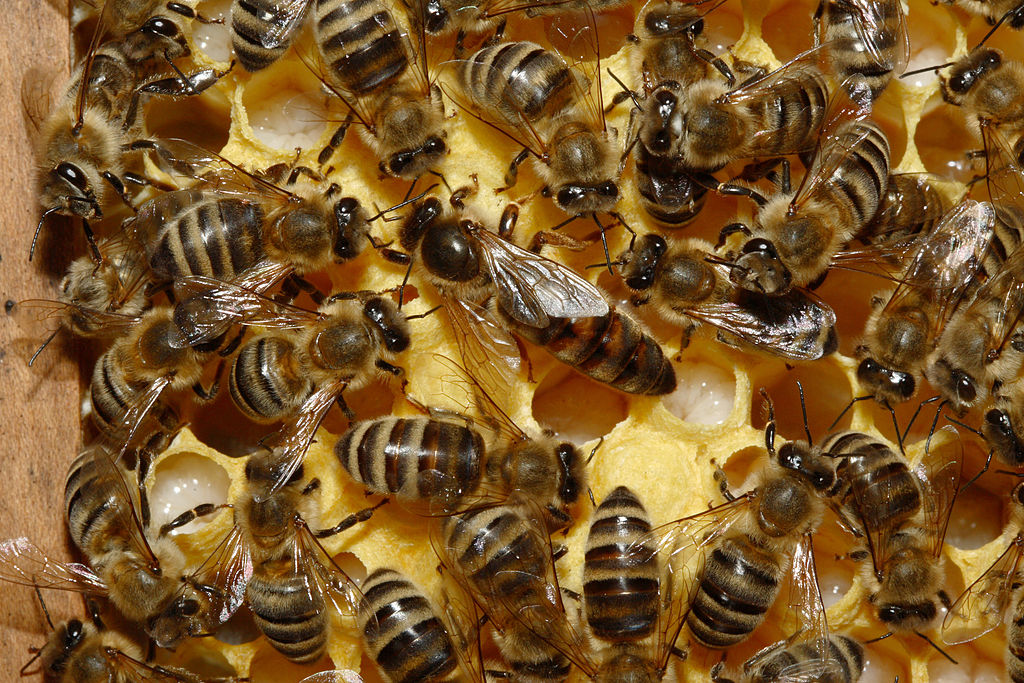
Perhaps the most alien aspect of an insect government would be its approach to reproduction, which would likely centralize reproductive rights in specialized individuals similar to queen insects in eusocial colonies. In many insect societies, reproduction is the exclusive domain of queens who may live decades while producing millions of offspring, while worker castes remain sterile and dedicated to supporting the reproductive elite. In our hypothetical insect government, population control and genetic planning would become central political concerns, with reproductive specialists making decisions about population growth and genetic diversity for entire regions. This system would eliminate concepts like family planning, romantic partnership, and parental rights that form cornerstones of human social organization. While efficient for controlling population growth and genetic quality, such a system would profoundly challenge human notions of reproductive freedom and family bonds.
Defense Strategies: The Military-First Approach
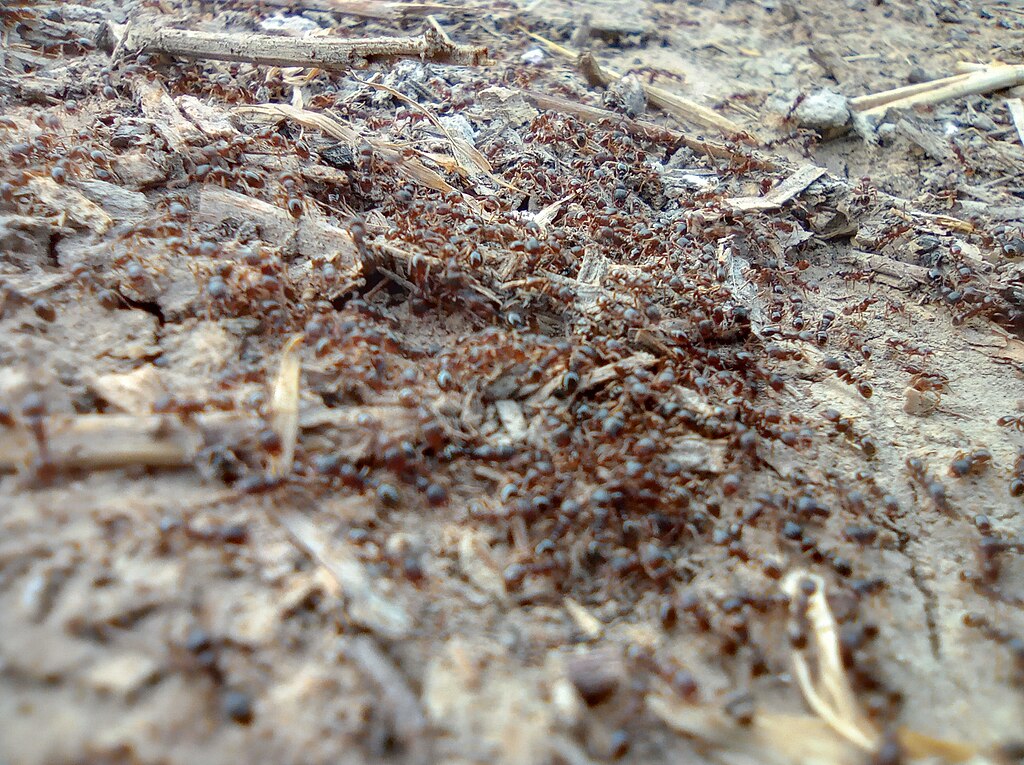
Insect governments would likely dedicate enormous resources to defense, reflecting the high priority that insect colonies place on protection against threats. In ant colonies, soldier castes can comprise up to 20% of the population, with specialized morphology like enlarged mandibles or chemical spray capabilities. An insect government would similarly maintain large standing defensive forces with members physically optimized for combat roles. Unlike human militaries which require extensive training, insect soldiers would be born ready to defend, with instinctual knowledge of their role and specialized physical adaptations. This approach would create extraordinarily effective defensive capabilities but might also lead to a militaristic society where security concerns dominate political discourse. The line between civilian and military would blur, as defense would be seen as a collective responsibility rather than a specialized function.
Environmental Governance: Sustainable by Design
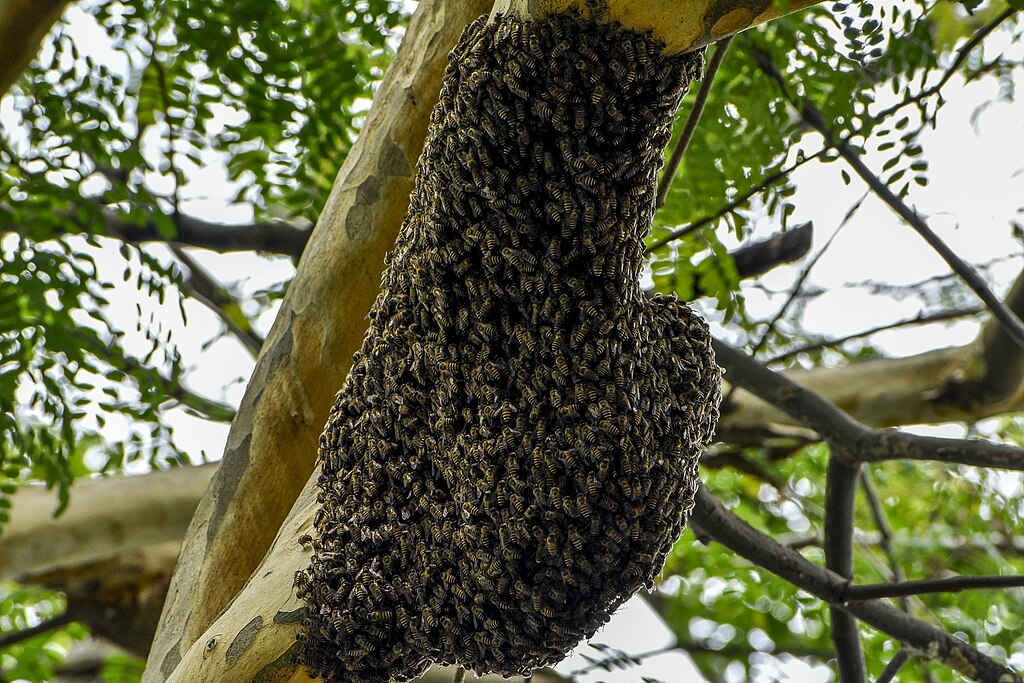
One area where insect governance might dramatically improve upon human systems is environmental management, as insects have evolved to exist in balanced relationships with their ecosystems. Insects serve as nature’s recyclers, decomposers, pollinators, and soil engineers—roles essential to ecosystem health that they perform without depleting resources beyond renewable levels. An insect government would inherently understand the importance of sustainable resource use, implementing circular economies where waste becomes resource in continuous cycles. Rather than extracting resources at unsustainable rates, insect societies would develop methods to harvest only what can be naturally replenished. Their governance would likely incorporate natural cycles into planning, with seasonal activities aligned with environmental rhythms rather than arbitrary calendars or growth targets disconnected from ecological realities.
Justice and Enforcement: Chemical Compliance
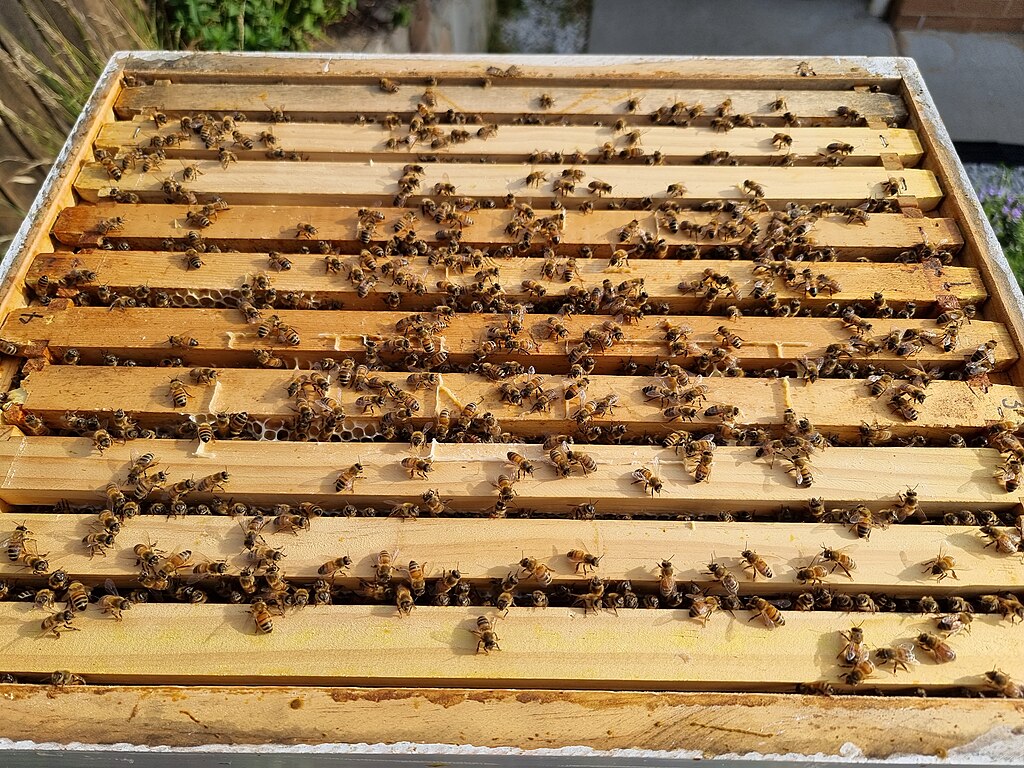
The justice system in an insect-governed world would bear little resemblance to human courts and police forces, instead relying on chemical control mechanisms and innate behavior modification. Social insects maintain order largely through pheromonal communication that triggers compliance behaviors, with very little need for punishment or enforcement. An insect government might employ specialized members who produce regulatory pheromones that inhibit antisocial behaviors and promote conformity to social norms. Rather than punishing wrongdoers after the fact, this system would prevent antisocial behavior by chemically inducing compliance. While extraordinarily effective at maintaining social order, such a system would eliminate concepts central to human justice like intention, redemption, and proportional punishment, replacing them with a binary compliant/non-compliant distinction that leaves little room for moral nuance.
Technological Development: Biological Innovation
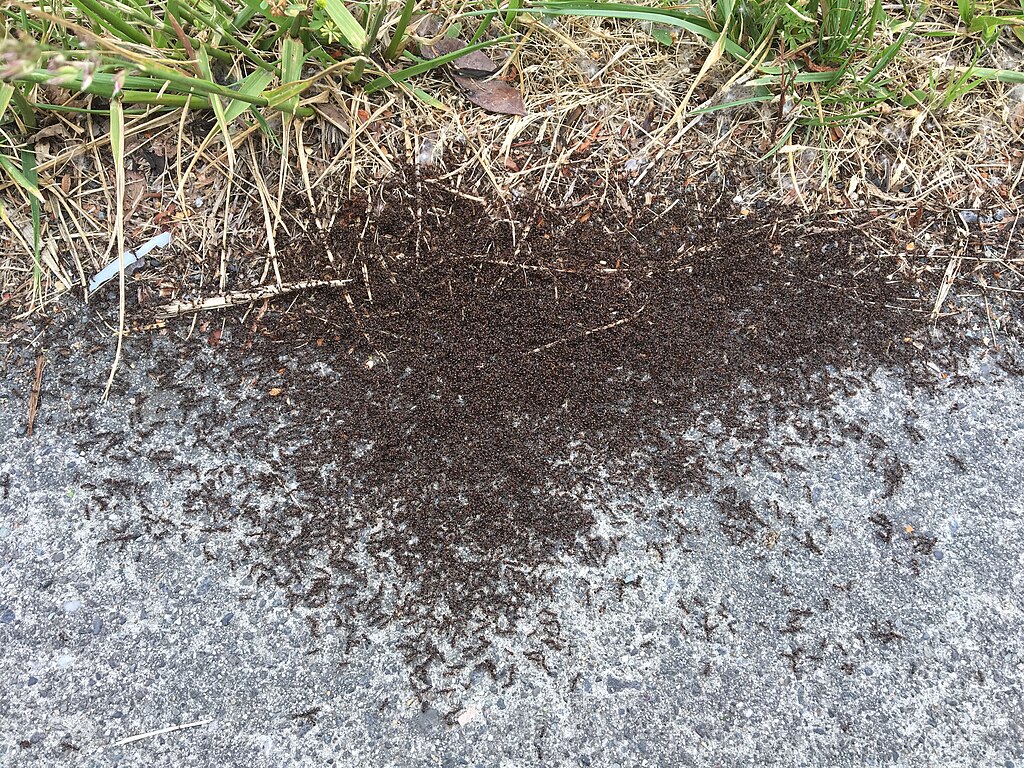
Rather than mechanical or digital technology, an insect civilization would likely advance through biological innovation, developing new forms of living technology that merge with their own bodies and societies. Insects already display remarkable biological engineering in their natural state—leafcutter ants farm fungus gardens using sophisticated agricultural techniques, while some ant species keep “livestock” in the form of aphids they protect and harvest secretions from. An insect government would extend these capacities, potentially developing biological computing systems using neural networks of specialized insects, living architecture that grows and adapts to needs, and communication systems based on modified pheromone pathways. Technology would not be separate from nature but an extension of it, with innovation occurring through selective breeding and symbiotic relationships rather than manufacturing. This approach would create sustainable technologies that integrate seamlessly with the environment rather than depleting or damaging it.
Interspecies Relations: The Politics of Coexistence
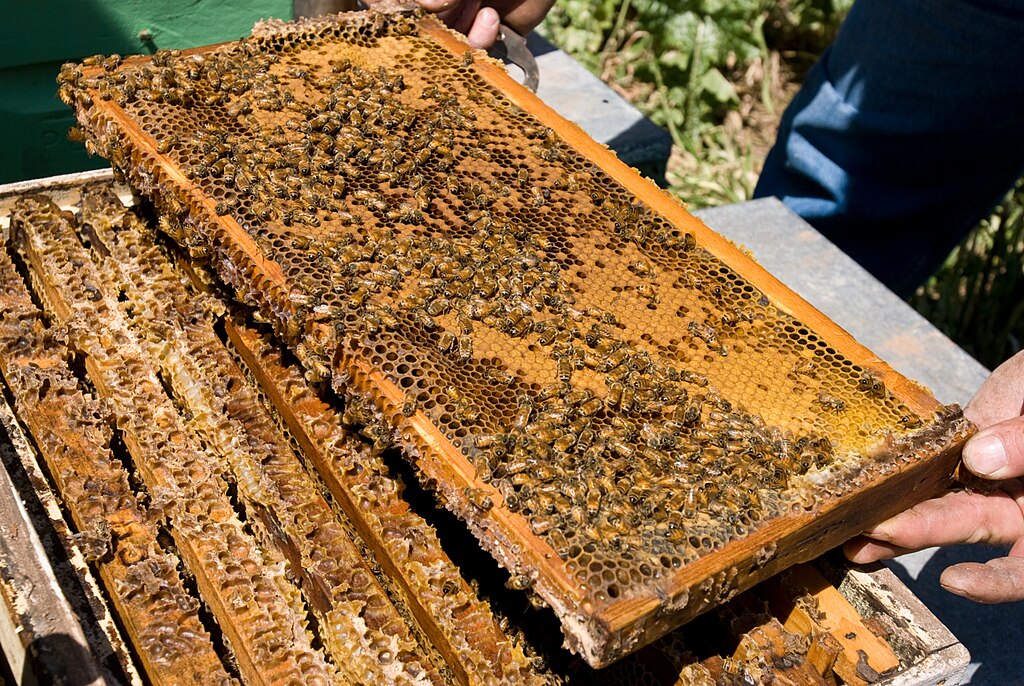
One of the most complex aspects of an insect government would be its approach to relationships with other species, including remaining human populations. Insects display a wide range of interspecies relationships in nature, from the parasitic to the mutualistic, suggesting that an insect government might develop sophisticated frameworks for managing cross-species interactions. Some insect societies already practice forms of “farming” and “animal husbandry”—aphid-tending ants protect their “livestock” from predators while harvesting their honeydew secretions. Similarly, an insect government might categorize other species based on their utility, developing specialized relationships ranging from cultivation to controlled predation. Humans might find themselves in an uncomfortable position in this new hierarchy, potentially relegated to specific ecological niches deemed appropriate by the insect overlords. Unlike human approaches to wildlife management that often focus on conservation of charismatic species, insect governance would likely make coldly practical assessments based on ecological function rather than sentimental value.
Education and Knowledge Transfer: Genetic Memory
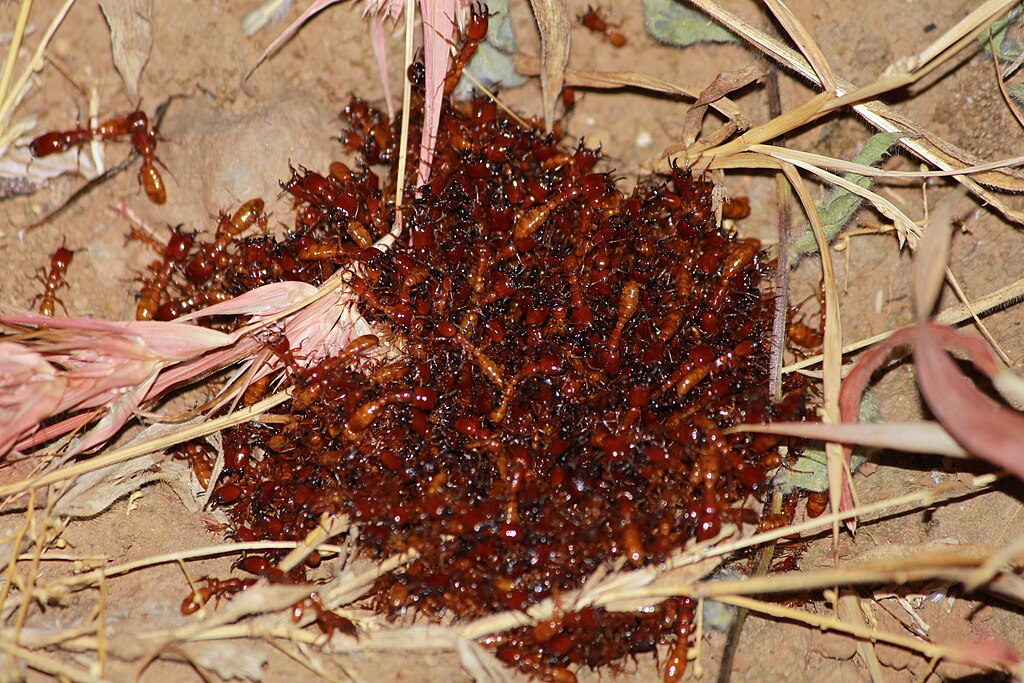
Education in an insect-governed world would operate through fundamentally different mechanisms than human learning systems, relying heavily on innate knowledge and chemical information transfer. Many insects emerge from pupation with complete instinctual knowledge of their role and required behaviors, requiring no formal education to function in society. An insect government might enhance this natural capacity through selective breeding for specific knowledge sets, creating citizens who are born already knowing their societal function. For knowledge that cannot be genetically encoded, insects might develop systems similar to trophallaxis—the mouth-to-mouth transfer of food and information practiced by ants—but adapted for transmitting complex learned information through chemical compounds. This would create a society where knowledge transfer occurs with remarkable efficiency but with limited capacity for innovation or critical thinking, as information would be passed intact rather than questioned or developed.
The Implications for a Human Minority
In this hypothetical insect-dominated world, any remaining humans would face profound challenges adapting to governance systems not designed with mammalian psychology or physiology in mind. We would struggle to interpret chemical directives, participate in collective decision-making processes, or find meaningful roles in a society where specialization is determined at birth. Yet perhaps there would also be valuable lessons to learn—about sustainable resource management, efficient collective action, and the power of decentralized intelligence. While a world governed by insects remains firmly in the realm of science fiction, contemplating such alternative political systems can provide fresh perspectives on our own governance challenges and assumptions about political organization. The remarkable success of insect societies over hundreds of millions of years suggests there may be wisdom in their collective approach to survival that could inform our own political evolution, even if we never need to literally bow to insect overlords.