

In the dark depths of Hawaii’s volcanic landscapes lies one of nature’s most remarkable evolutionary tales. The Kauai Cave Wolf Spider, scientifically known as *Adelocosa anops*, represents a masterclass in adaptation to extreme environments. This rare arachnid has captured the imagination of biologists worldwide not just for its complete lack of eyes, but for its remarkable hunting abilities despite this seeming disadvantage. Endemic to a small network of caves on the island of Kauai, this unique predator has evolved in isolation, developing specialized traits that allow it to thrive in perpetual darkness. As one of only two known blind wolf spiders globally, this creature offers fascinating insights into evolution, adaptation, and the fragile nature of specialized ecosystems.
A Evolutionary Marvel in Hawaiian Caves
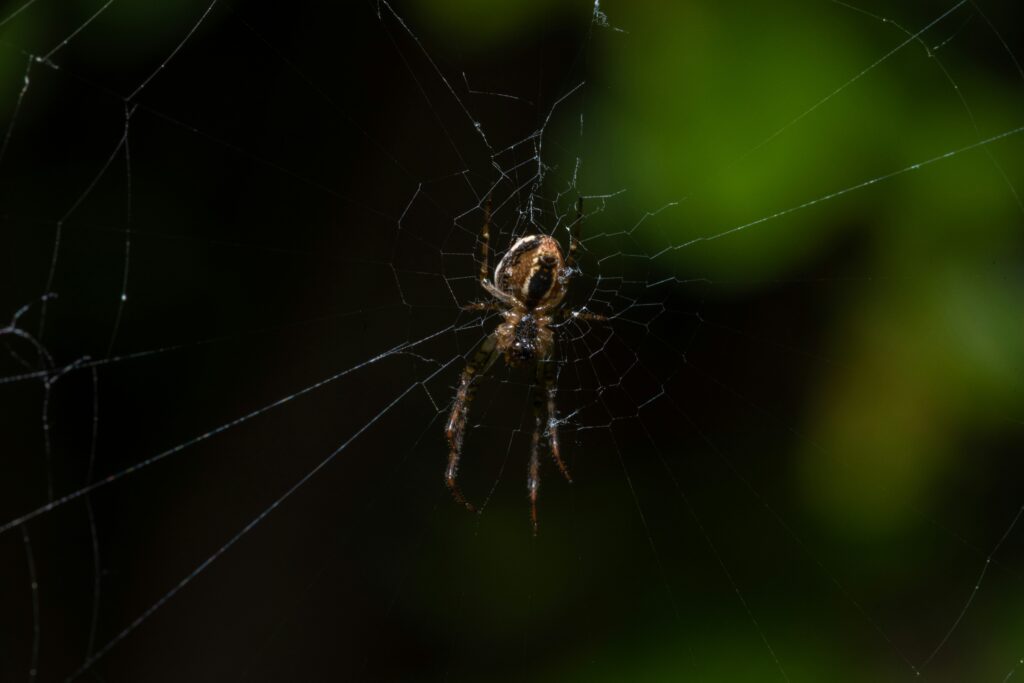
The Kauai Cave Wolf Spider represents one of the most specialized evolutionary adaptations in the Hawaiian archipelago. Unlike its surface-dwelling relatives, this remarkable spider has evolved in complete isolation within the lava tubes and caves of Kauai for countless generations. This isolation has driven the loss of features unnecessary in a lightless environment—most notably its eyes—while simultaneously enhancing other sensory capabilities. Scientists believe the species may have evolved from surface-dwelling wolf spiders that became trapped in cave systems as lava tubes formed during volcanic activity. Over time, these isolated populations adapted to their new environment, eventually becoming the distinct eyeless species we recognize today. This evolutionary journey exemplifies the process of regressive evolution, where traits become reduced or lost when they no longer provide survival advantages.
Physical Characteristics and Adaptations
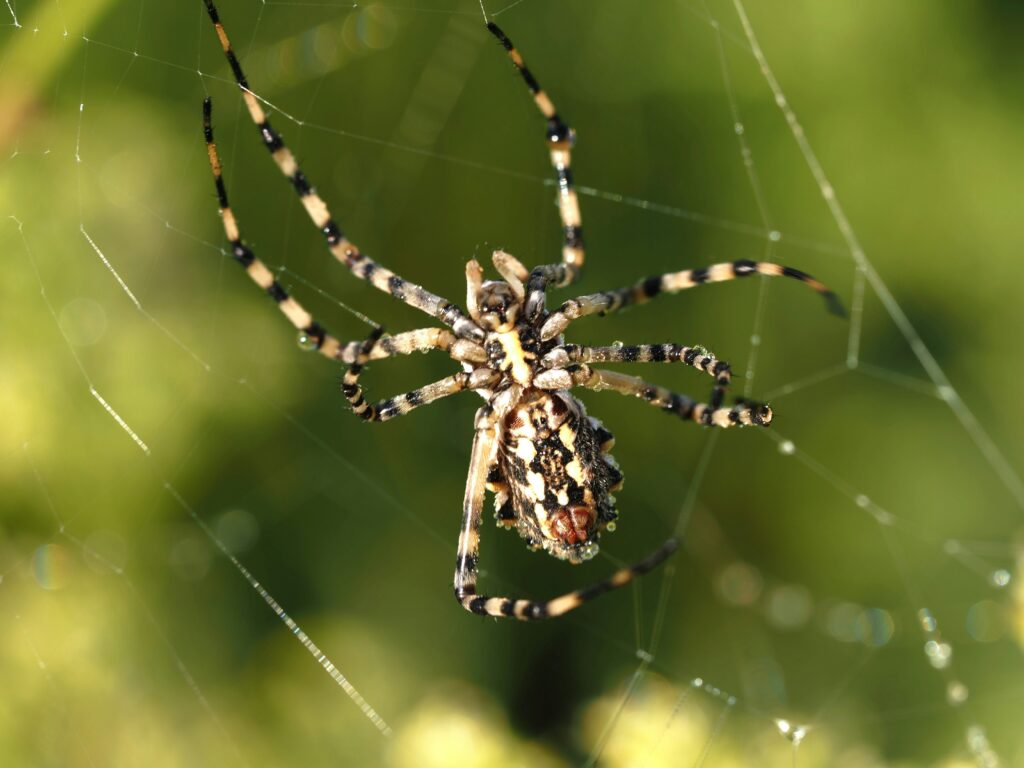
Despite lacking eyes, the Kauai Cave Wolf Spider possesses a formidable hunting physique perfectly suited to its subterranean lifestyle. Adults typically measure between 12 to 19 millimeters in length, with females generally larger than males—a common trait among spiders. Their bodies display a distinctive pale reddish-brown to orange coloration, noticeably lighter than their surface-dwelling relatives due to the absence of pigmentation needed for UV protection. Where eyes would normally be located, these spiders have only vestigial eye spots, non-functional remnants that hint at their evolutionary past. Perhaps most striking is their modified sensory equipment—elongated legs covered with highly sensitive tactile and chemical receptors that effectively “see” the environment through touch and chemical detection. These adaptations allow the spider to navigate and hunt with remarkable precision despite the perpetual darkness of its cave habitat.
Hunting Without Sight: Remarkable Predatory Behavior
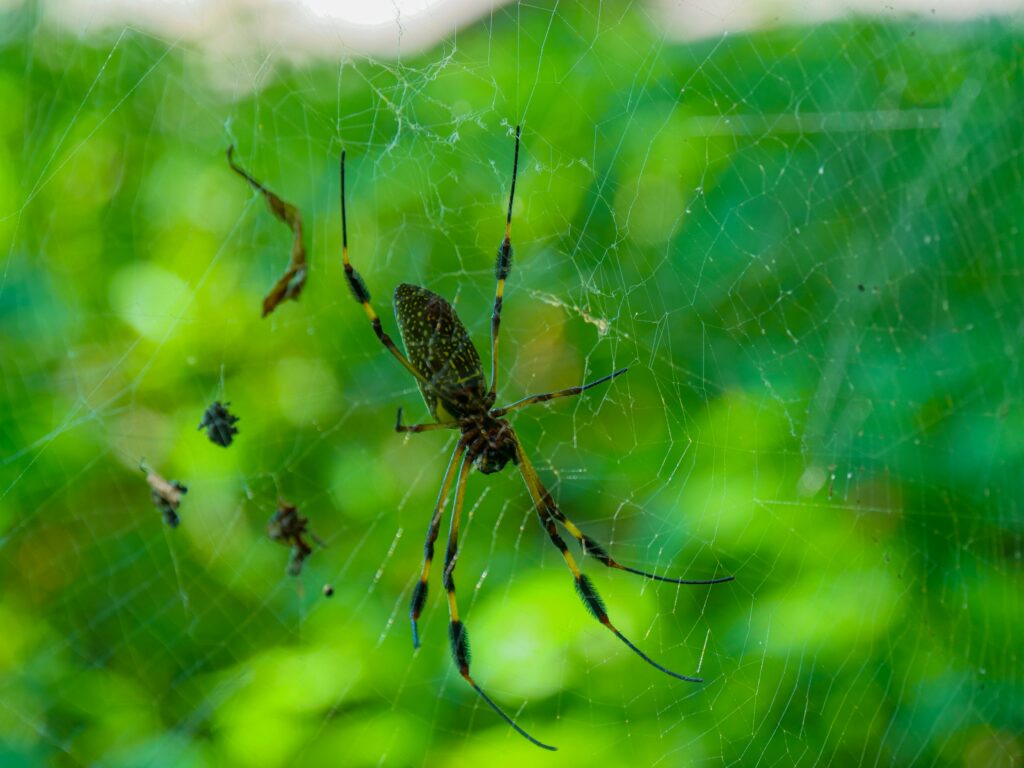
The hunting strategy of the Kauai Cave Wolf Spider demonstrates nature’s incredible ability to compensate for sensory limitations. Unlike many spider species that rely on webs, these active hunters patrol their territory in search of prey, primarily targeting the Kauai Cave Amphipod—another eyeless cave-dweller that shares its habitat. When hunting, the spider relies on extraordinarily sensitive hairs on its legs and body called trichobothria, which detect even the slightest air movements created by potential prey. Additionally, specialized chemoreceptors allow the spider to “taste” the environment, picking up chemical signatures left by other organisms. Once prey is detected, the spider employs a rapid ambush technique, pouncing with remarkable accuracy before delivering a venomous bite to immobilize its target. This sophisticated hunting approach illustrates how evolution can craft alternative sensory systems when traditional senses like vision are no longer advantageous.
Habitat: The Fragile Lava Tube Ecosystem
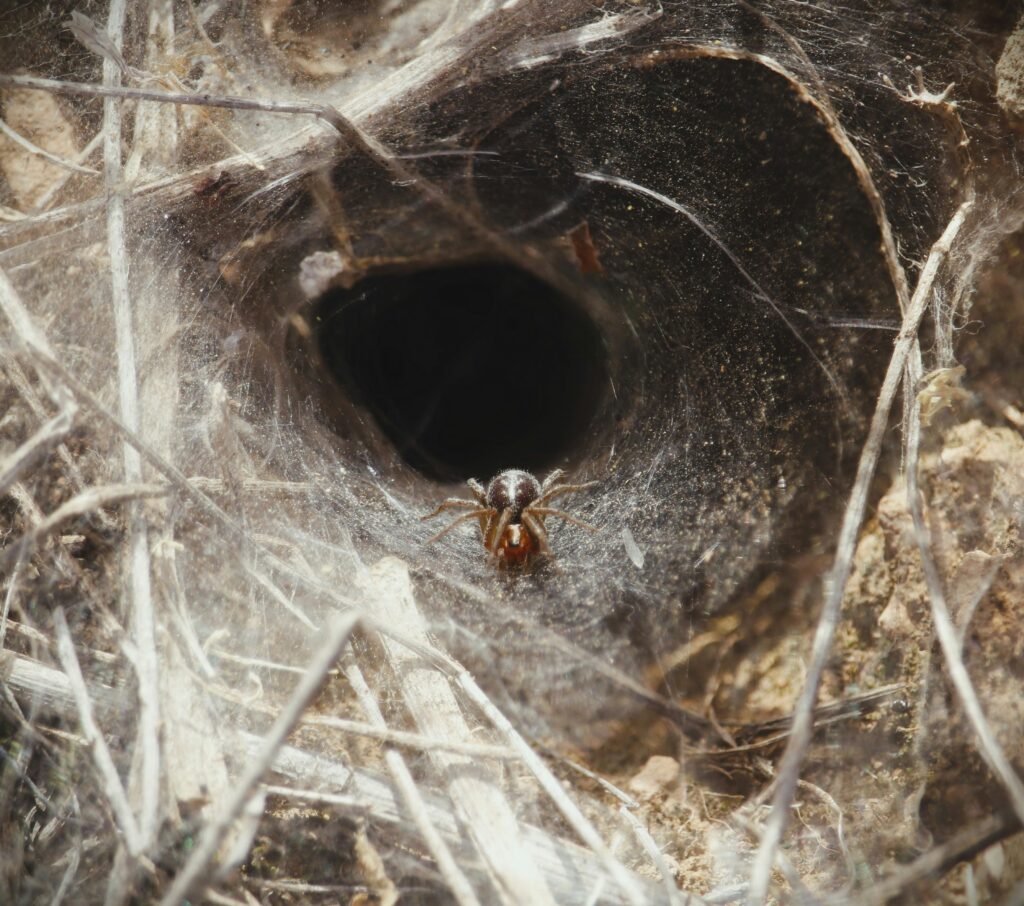
The Kauai Cave Wolf Spider inhabits an extraordinarily specialized and limited environment, found exclusively in a small network of lava tubes and caves near the Koloa district on Kauai’s southern coast. These volcanic formations created the perfect conditions for cave adaptation—consistent temperature, high humidity, and complete darkness. Within these caves, the spiders prefer areas with moist, stable microhabitats, typically where water percolates through the ceiling and maintains high humidity levels necessary for their survival. The entire known range of this species spans just a few square kilometers, making it one of the most geographically restricted predators in the world. This cave ecosystem represents a delicate balance, with the spider dependent on the presence of its primary prey, the Kauai Cave Amphipod, which in turn relies on nutrients filtered down from surface vegetation. This interconnected web of dependencies makes the entire ecosystem exceptionally vulnerable to disturbance.
Reproduction and Life Cycle Mysteries
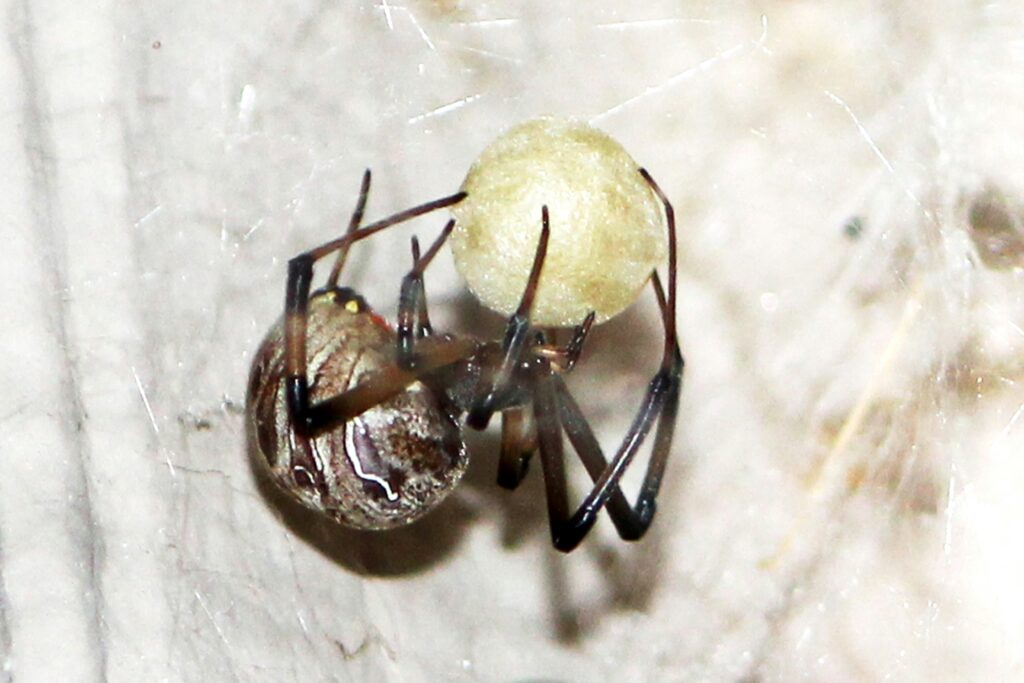
The reproductive biology of the Kauai Cave Wolf Spider remains one of the most enigmatic aspects of this rare arachnid, with much still to be learned. Unlike many spider species that produce numerous offspring, female Kauai Cave Wolf Spiders typically carry just 15-30 eggs in their egg sacs—a relatively small clutch size that reflects the limited resources in their cave environment. After hatching, the tiny spiderlings climb onto their mother’s abdomen and remain there for several weeks, receiving protection during their most vulnerable stage of development. Scientists believe these spiders likely have extended lifespans compared to surface-dwelling relatives, possibly living several years rather than just one season, though exact longevity remains unknown. Their reproductive rate appears remarkably slow, with females potentially producing only one or two egg sacs per year, further contributing to their vulnerability as a species. This conservative reproductive strategy means that population recovery from any decline happens exceedingly slowly, if at all.
Scientific Discovery and Naming
The scientific world first became aware of this remarkable arachnid relatively recently, with its formal discovery and description occurring in 1971 by entomologist Francis G. Howarth during cave surveys on Kauai. The spider’s scientific name, *Adelocosa anops*, offers insight into its nature—”Adelocosa” derives from Greek meaning “hidden coxa” (referring to anatomical features), while “anops” translates to “without eyes.” This apt naming reflects both its secretive nature and its most distinctive adaptation. Howarth’s discovery represented a significant breakthrough in understanding Hawaiian cave ecosystems, revealing that these supposedly barren environments actually supported specialized endemic species. Prior to this finding, scientists had generally believed that Hawaiian caves were too young geologically to have developed unique cave-adapted fauna. The discovery challenged this assumption and opened new avenues of research into island biogeography and evolution in isolated environments. Despite being known to science for several decades, many aspects of the spider’s biology remain poorly understood due to its rarity and the difficulty of studying organisms in cave environments.
Conservation Status and Threats
The Kauai Cave Wolf Spider faces numerous existential threats that have earned it a place on the U.S. Endangered Species List since 2000. With an estimated population of fewer than 1,000 individuals, this species balances precariously on the edge of extinction. Urban development represents perhaps the most immediate danger, as construction near Koloa has destroyed cave habitats and altered the hydrology of remaining caves. Agricultural chemicals and pesticides from surrounding developments infiltrate the caves through groundwater, poisoning both the spiders and their prey. Climate change poses another significant threat, as even subtle alterations in temperature and humidity can render their highly specialized habitat uninhabitable. Invasive species, particularly non-native arthropods that compete for resources or directly prey on cave fauna, further compound these pressures. The spider’s extremely limited range, slow reproduction rate, and highly specialized nature make it particularly vulnerable to these combined threats, leaving little margin for recovery once populations decline.
The Cave Food Web: An Intricate Balance
Within its cave habitat, the Kauai Cave Wolf Spider occupies the position of top predator in an extraordinarily simplified food web. Unlike surface ecosystems with their complex trophic interactions, the cave food web functions with just a handful of species. At its foundation are bacteria and fungi that decompose organic matter that enters the cave system through water percolation from the surface. These microorganisms support the Kauai Cave Amphipod, a small crustacean that serves as the primary consumer in this ecosystem and the main prey item for the wolf spider. The spider, in turn, regulates amphipod populations while facing essentially no predation pressure itself. This streamlined food chain makes the entire ecosystem remarkably vulnerable—if any single component is compromised, the effects quickly cascade through the entire system. For instance, research has shown that when amphipod populations decline due to environmental contamination, spider populations inevitably follow suit, demonstrating the tight interdependence of these specialized cave organisms.
Sensory Adaptations: Life Beyond Vision
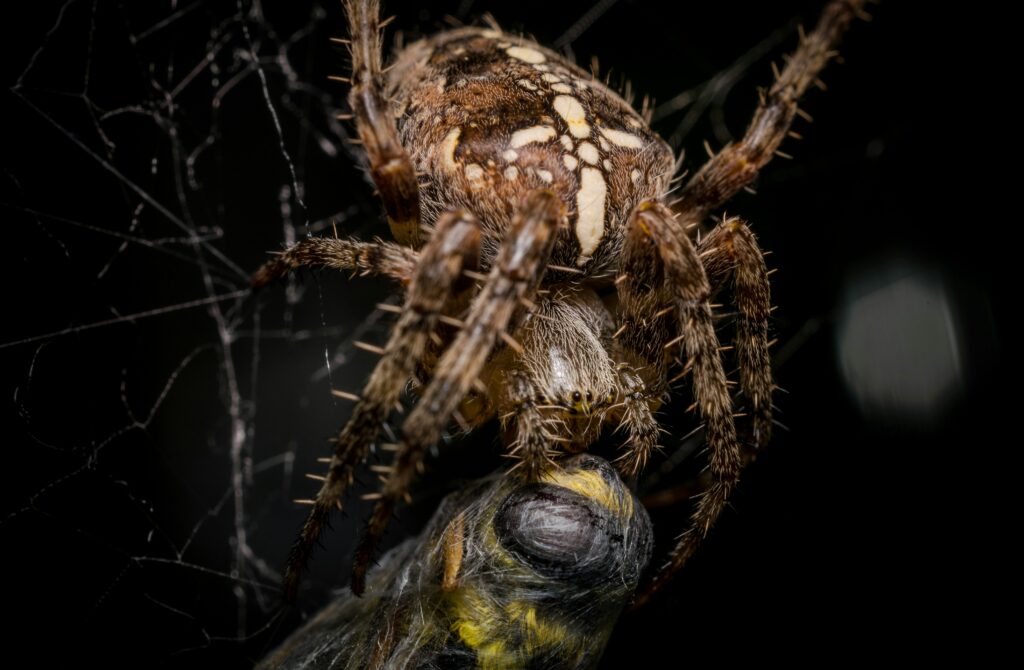
The sensory world of the Kauai Cave Wolf Spider represents one of the most fascinating aspects of its biology, showcasing how evolution can enhance alternative senses when vision is abandoned. Without eyes, these spiders have developed extraordinary mechanoreception through specialized sensory hairs called trichobothria that detect the slightest air currents—capable of sensing movements as subtle as a tiny amphipod several centimeters away. Their legs function as sophisticated sensory arrays, with thousands of chemoreceptors that effectively “taste” their environment, detecting chemical trails left by prey and potential mates. Some research suggests they may also utilize vibration detection through their legs, sensing the subtle movements of prey through the cave floor—a form of seismic sensing. Perhaps most remarkable is their potential use of humidity gradients for navigation, as they appear able to locate optimal microhabitats by detecting subtle differences in moisture levels. These combined sensory adaptations create an entirely different perceptual reality—a world experienced primarily through touch, chemistry, and air movement rather than light.
Conservation Efforts and Challenges
Protecting the Kauai Cave Wolf Spider presents unique conservation challenges that have required innovative approaches. Since its federal listing as endangered in 2000, recovery efforts have focused primarily on habitat protection, with several key cave systems receiving special management status. The U.S. Fish and Wildlife Service has designated critical habitat areas where development restrictions aim to preserve the integrity of underground ecosystems. Scientists have established monitoring programs to track population trends, though counting these elusive arachnids proves exceptionally difficult given their rarity and inaccessible habitat. Conservation groups have worked with local landowners to modify development plans, incorporating buffer zones around known cave systems and implementing measures to prevent groundwater contamination. Perhaps most challenging has been the development of public education initiatives to build support for protecting a species many people will never see—and one that triggers arachnophobia in many. Despite these efforts, securing the spider’s future remains uncertain, with some biologists advocating for captive breeding programs as insurance against extinction in the wild.
Evolutionary Significance and Research Value
Beyond its intrinsic value as a unique species, the Kauai Cave Wolf Spider holds tremendous scientific importance for understanding evolutionary processes. As an example of convergent evolution, it provides valuable insights into how similar environmental pressures can produce comparable adaptations in unrelated organisms across different geographic regions. The spider serves as a model organism for studying regressive evolution—the process by which features are reduced or lost when they no longer provide selective advantages. Genetic studies of this species offer windows into the molecular mechanisms underlying adaptation to extreme environments, potentially revealing how genes are activated or silenced during evolutionary transitions. For ecological researchers, the simplified cave ecosystem presents an ideal natural laboratory for studying predator-prey dynamics with minimal confounding variables. Medical researchers have also shown interest in the spider’s venom composition, which may contain novel compounds with potential pharmaceutical applications, highlighting how even obscure endangered species may hold value for human medicine. Each of these research avenues underscores the irreplaceable scientific value this rare arachnid represents.
Hawaiian Cave Biodiversity: A Hidden World
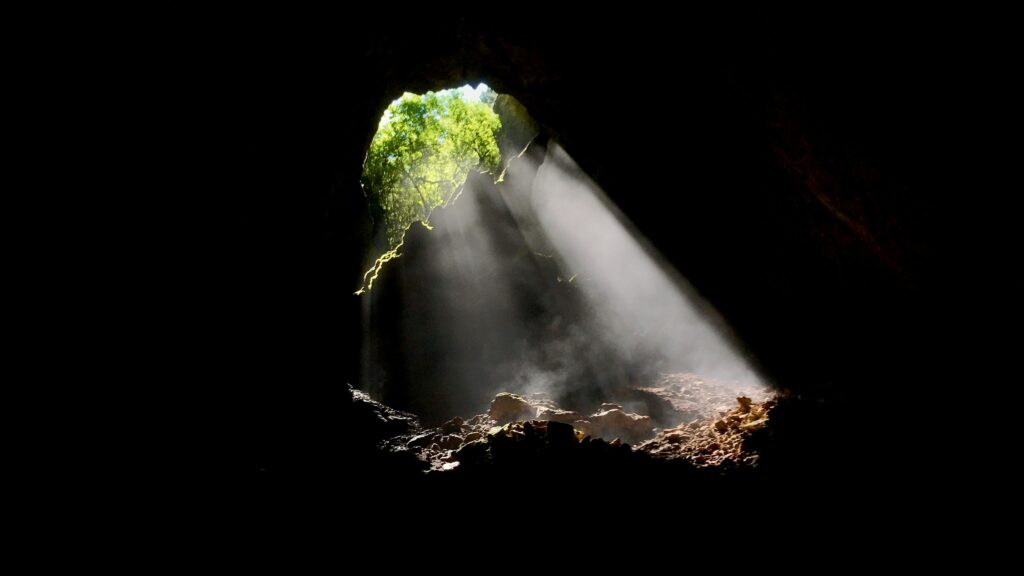
The Kauai Cave Wolf Spider represents just one fascinating component of Hawaii’s surprisingly diverse and unique cave ecosystems. Despite the relatively young geological age of the Hawaiian Islands, researchers have documented more than 75 cave-adapted species across the archipelago, many displaying remarkable specializations to subterranean life. These include eyeless insects, crustaceans, and other arthropods found nowhere else on Earth. The volcanic origin of these islands created extensive networks of lava tubes—natural conduits formed as molten lava cooled and solidified at the surface while still-molten lava continued flowing beneath, eventually emptying to leave hollow tunnels. These geological features provided the perfect environment for surface organisms to colonize and gradually adapt to underground conditions. Each island has developed its own unique cave fauna, with Kauai’s being among the most specialized due to its status as the oldest main Hawaiian island. This hidden biodiversity represents an important but often overlooked component of Hawaii’s famous natural heritage, with many species still awaiting scientific discovery and description.
Future Prospects and Ongoing Research

The future of the Kauai Cave Wolf Spider remains uncertain, balanced between conservation challenges and scientific opportunities. Ongoing research efforts aim to better understand its basic biology, including precise population numbers, detailed habitat requirements, and complete life cycle—fundamental information still lacking for this elusive species. Some researchers are exploring potential translocation projects, identifying additional suitable cave systems where the spider might be introduced to establish new populations, though such efforts face significant challenges regarding habitat suitability and potential ecosystem impacts. Advanced genetic techniques are being employed to assess genetic diversity within the remaining population, crucial information for determining whether the species faces inbreeding depression that might further compromise its survival prospects. Conservation biologists continue advocating for expanded habitat protections, particularly focusing on maintaining the integrity of water flowing into cave systems. Perhaps most promising are collaborative approaches involving local communities, developers, and conservation organizations working together to find solutions that balance human needs with the protection of this unique evolutionary treasure—recognizing that saving this remarkable spider ultimately requires preserving the entire specialized ecosystem it inhabits.
The Kauai Cave Wolf Spider stands as a testament to nature’s remarkable ability to adapt to extreme environments. This eyeless predator, hunting through darkness using senses we can barely comprehend, represents both an evolutionary marvel and a conservation emergency. With its highly restricted range, specialized adaptations, and the mounting pressures of development and climate change, this spider’s future hangs in a delicate balance. Yet in studying this remarkable creature, we gain invaluable insights into evolutionary processes, specialized sensory systems, and the hidden biodiversity that exists even within small, isolated ecosystems. Conservation efforts for this species ultimately protect not just a single spider, but an entire underground world of interconnected life forms and evolutionary history. The Kauai Cave Wolf Spider reminds us that some of nature’s most fascinating stories unfold beyond human sight, in the quiet darkness of places we rarely explore.