

When darkness falls and most humans retreat indoors, a fierce battle for survival unfolds in the shadows. The night belongs to countless insects, but increasingly, it’s the wrong ones winning. Across continents, invasive insects are turning nocturnal ecosystems upside down, pushing native species toward extinction while we sleep. These tiny invaders don’t just compete for food and shelter—they’re rewriting the rules of nighttime survival in ways that would shock even seasoned entomologists.
The Midnight Invasion Nobody Sees Coming
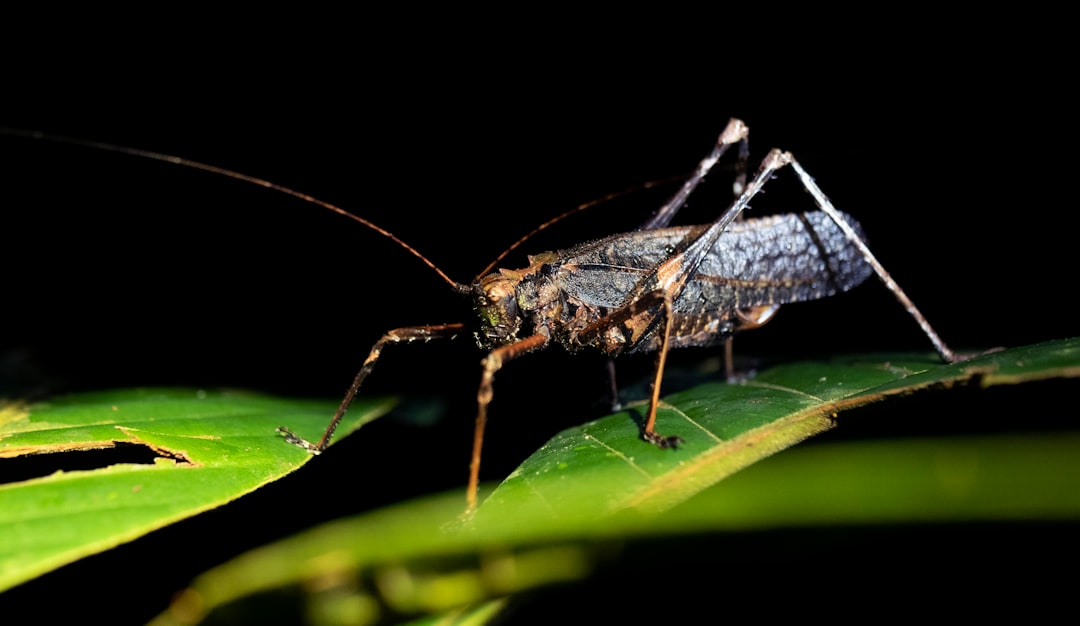
Most people never witness the nocturnal chaos happening right outside their windows. While we’re tucked safely in bed, invasive insects are staging one of nature’s most dramatic takeovers. These foreign species arrive through global trade, hitchhiking on cargo ships, airplanes, and even tourist luggage. Once they establish themselves, they exploit the cover of darkness to spread rapidly through new territories. The night provides perfect camouflage for their expansion, making early detection nearly impossible until populations explode. Think of it like a stealth invasion where the enemy has already captured half the territory before anyone realizes there’s a war going on.
Why Darkness Gives Invaders the Ultimate Advantage
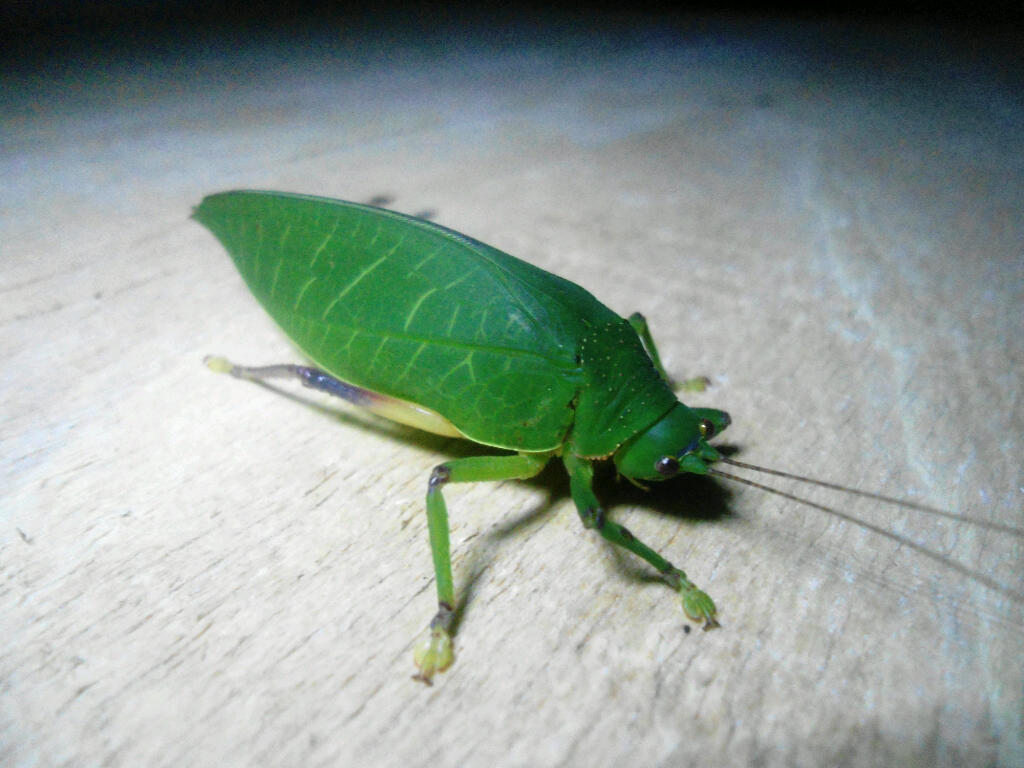
Nighttime creates the perfect storm for invasive success, and it’s not just about hiding from predators. Many invasive insects have evolved superior night vision compared to their native competitors, giving them a hunting advantage that’s almost unfair. They can navigate in near-total darkness while native species struggle to find food or mates. Temperature regulation also plays a crucial role—invasive species often handle nighttime temperature fluctuations better than natives who’ve adapted to specific local conditions. It’s like giving a night-vision equipped army the advantage over soldiers fighting blind in their own backyard.
The Asian Longhorned Beetle’s Nighttime Rampage
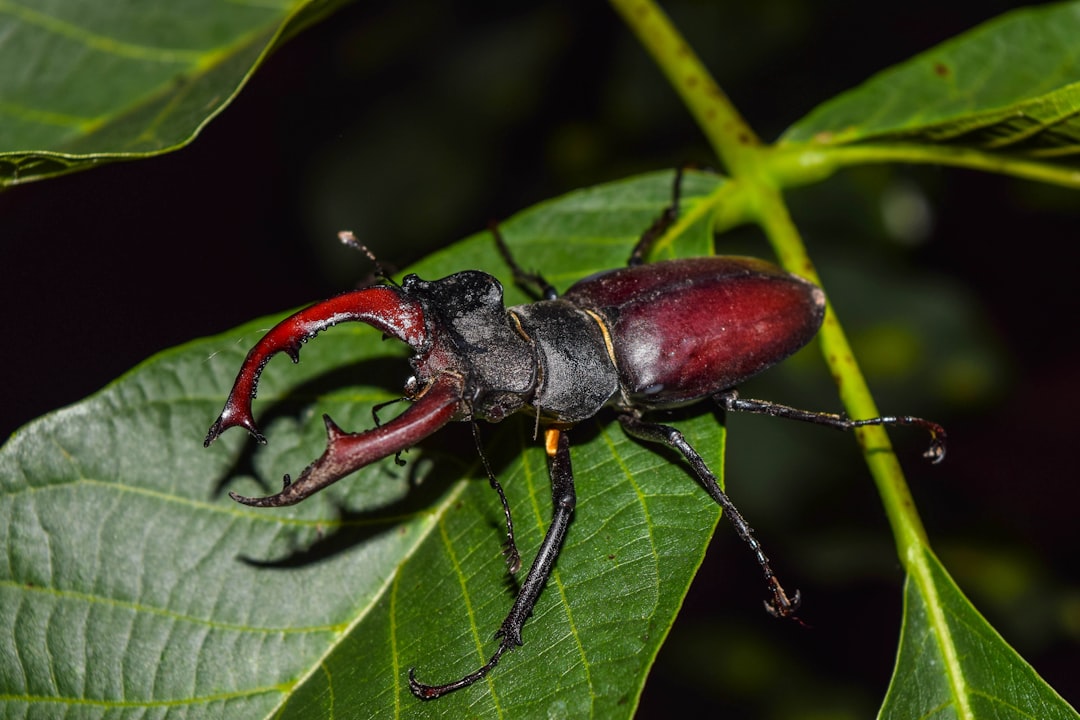
The Asian longhorned beetle has turned North American forests into its personal buffet, and it does most of its damage under cover of darkness. These glossy black beetles with white spots emerge at night to feed on tree bark and lay eggs in living wood. Native wood-boring insects simply can’t compete with their aggressive feeding behavior and reproductive strategy. The beetle’s larvae tunnel through trees for years, weakening entire forest ecosystems while remaining virtually invisible to human observers. By the time homeowners notice the telltale round holes in their maple or birch trees, entire neighborhoods of native insects have already been displaced or eliminated.
How Light Pollution Tilts the Scales
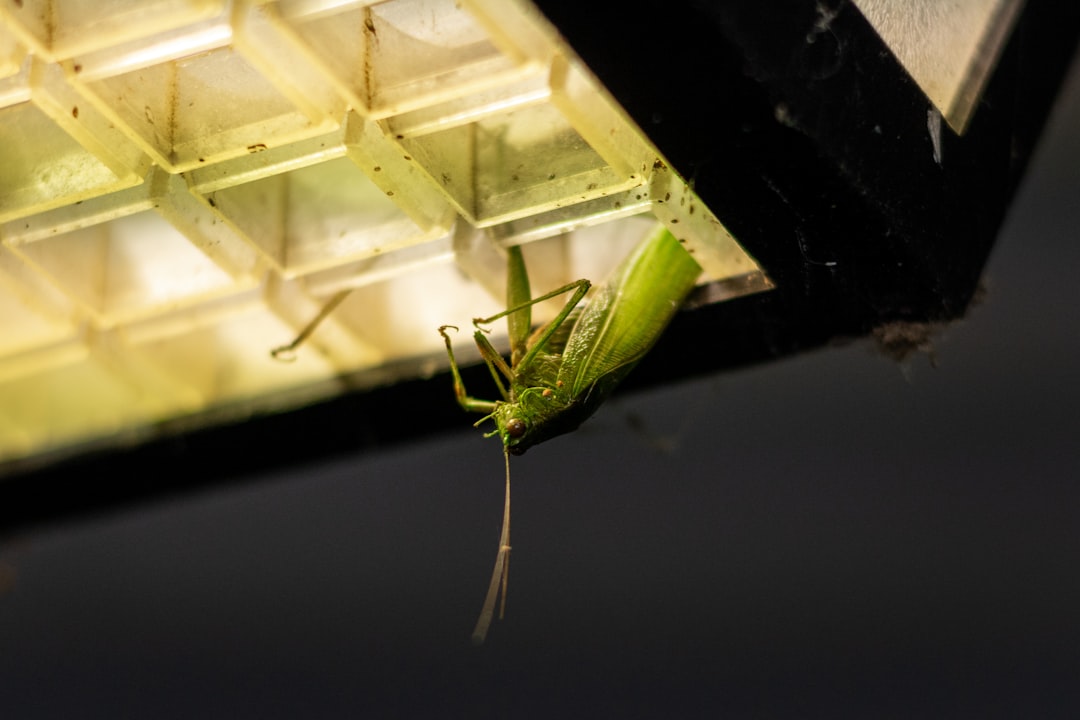
Artificial lighting has become an unexpected weapon in the invasive insect arsenal, disrupting the delicate balance that native species depend on. Many native insects use natural light sources like the moon and stars for navigation, but street lights and building illumination confuse their internal compasses. Invasive species often adapt faster to these artificial light sources, learning to exploit them for hunting and mating advantages. Meanwhile, native moths and beetles spiral helplessly around porch lights, exhausting themselves while predators pick them off. It’s a tragic irony that our attempts to light up the night are actually helping the wrong insects win the evolutionary race.
Fire Ants Turn Darkness Into Their Kingdom
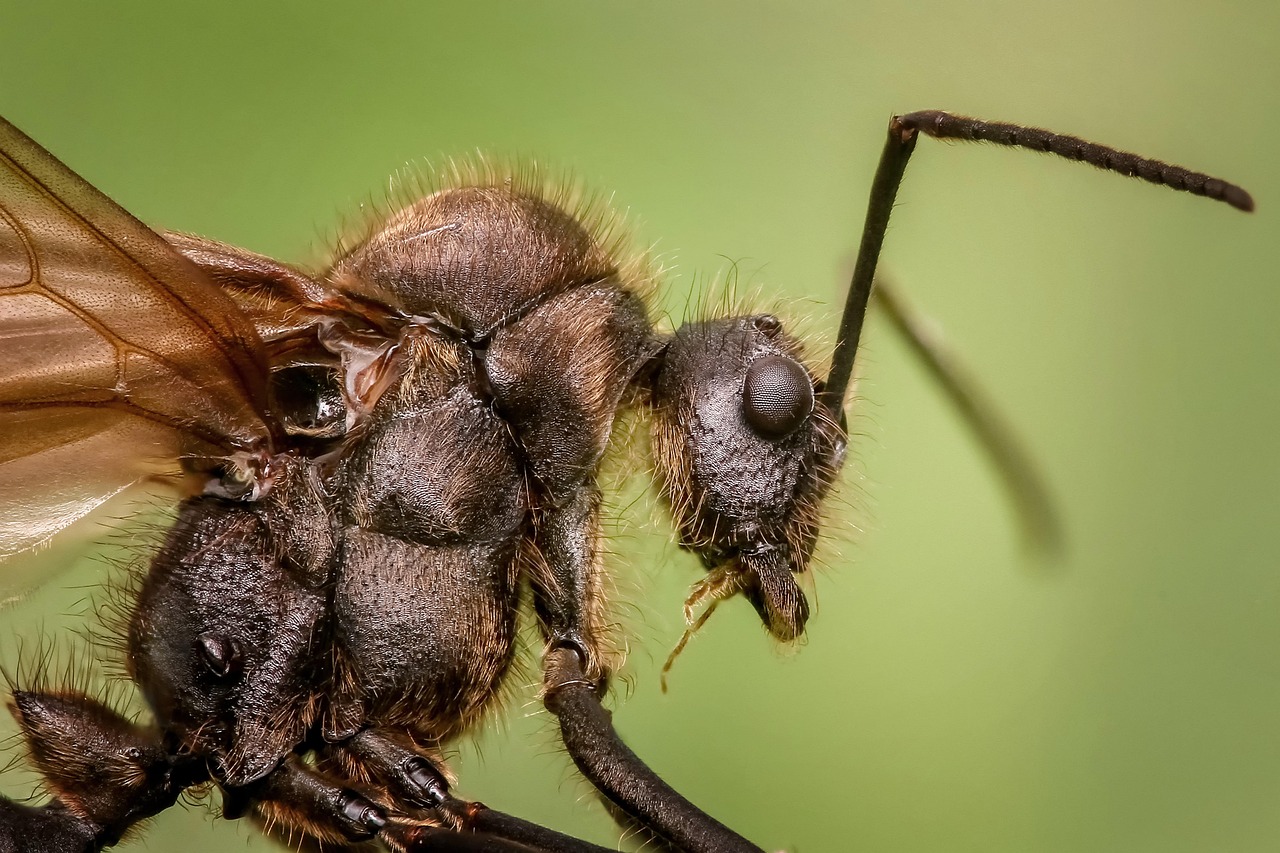
Red imported fire ants have mastered the art of nocturnal domination, using darkness to expand their territories without interference from native ant colonies. These aggressive invaders conduct most of their foraging and territorial battles at night when temperatures are cooler and competition is reduced. Their superior organizational skills and chemical communication give them a massive advantage over native ant species that aren’t prepared for such coordinated nighttime assaults. Once fire ants establish a foothold, they systematically eliminate native ant colonies, disrupting entire food webs that depend on indigenous species. The speed of their nocturnal expansion is so rapid that entire ecosystems can be transformed in just a few seasons.
The Emerald Ash Borer’s Silent Destruction
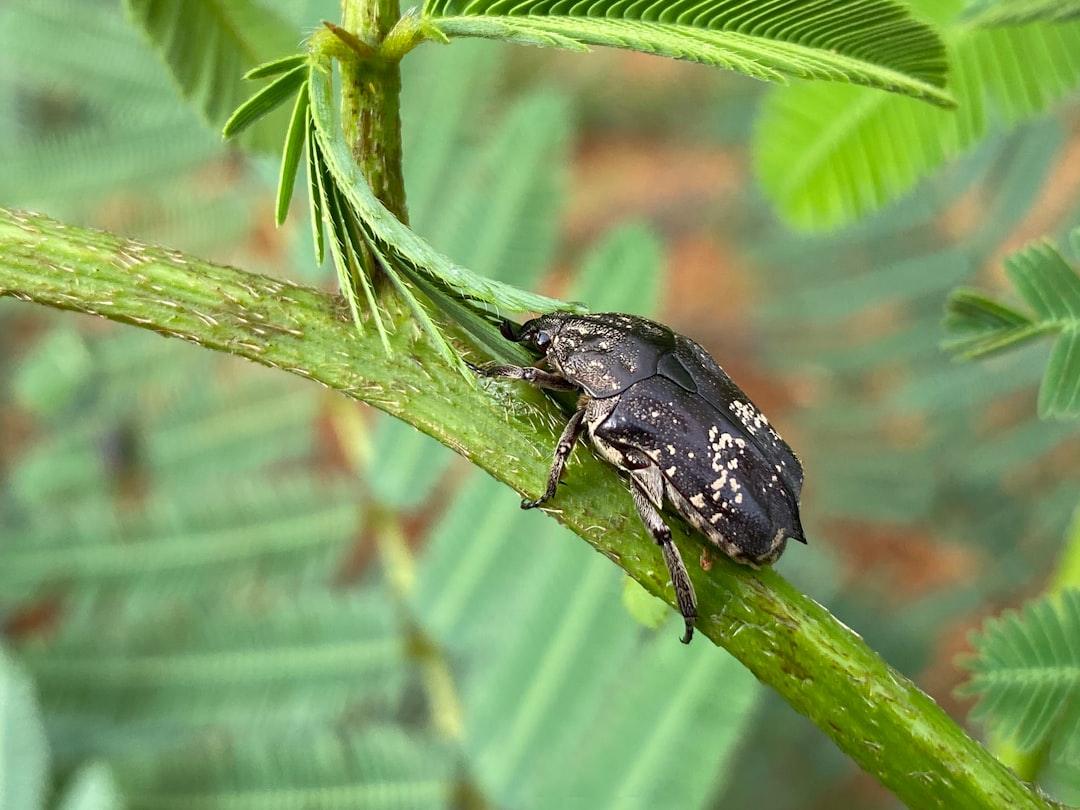
Perhaps no invasive insect demonstrates nighttime stealth better than the emerald ash borer, which has killed millions of ash trees across North America while remaining virtually invisible to the naked eye. These metallic green beetles conduct their most destructive activities during warm summer nights, when they mate and lay eggs beneath ash tree bark. Native bark beetles and wood-boring insects lack the specialized enzymes and behaviors needed to compete with these efficient killers. The larvae feed continuously through the night, creating serpentine galleries that cut off the tree’s nutrient flow. By the time visible symptoms appear, the tree is already doomed, and native insect communities that depend on healthy ash trees have lost their habitat forever.
Nocturnal Pollinator Wars
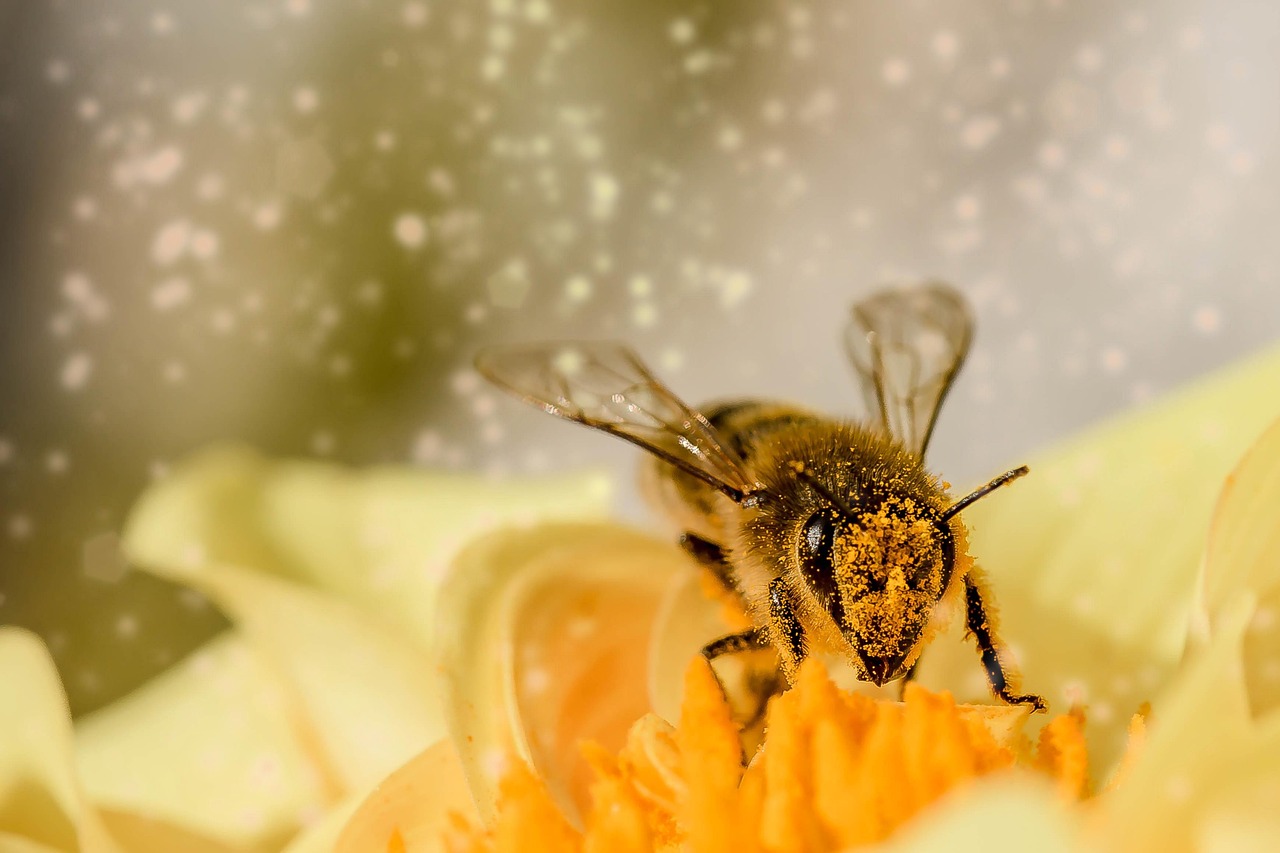
The night shift of pollination is under siege as invasive insects muscle out native species that have co-evolved with local plants for millennia. European honeybees, while beneficial in many ways, often outcompete native nocturnal pollinators for flower resources during dawn and dusk feeding periods. Invasive hawk moths and beetles can access nectar sources that native species have traditionally relied upon, disrupting pollination networks that took thousands of years to develop. When a native night-blooming plant loses its specialized pollinator to invasion, both species face extinction. It’s like watching a perfectly choreographed dance get interrupted by performers who don’t know the steps, resulting in chaos for everyone involved.
Temperature Tolerance Gives Invaders the Edge
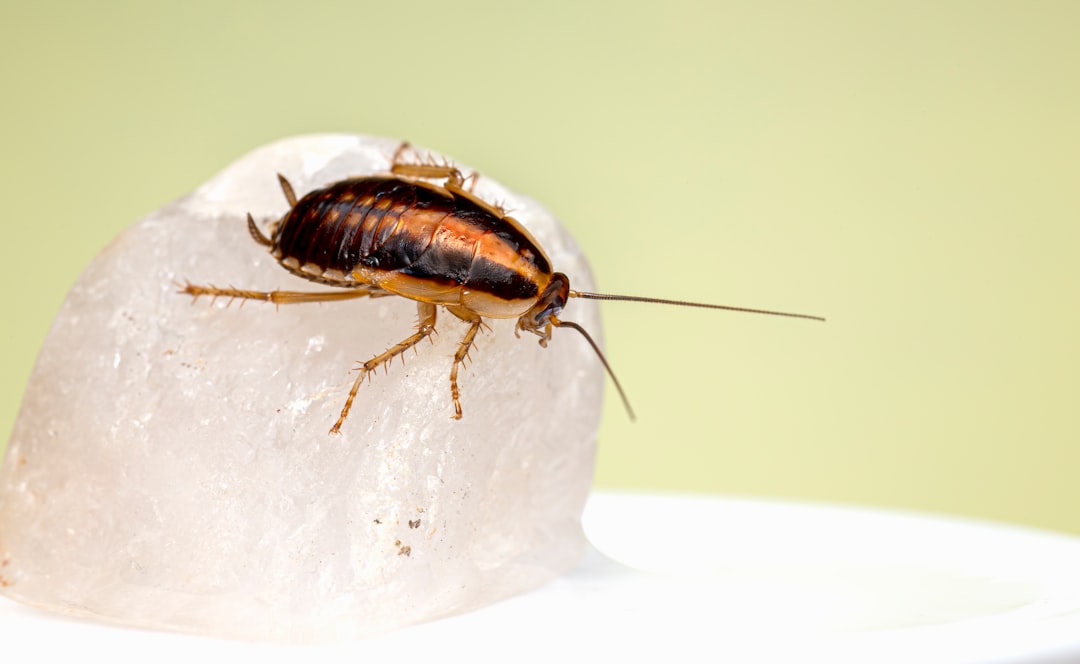
Climate change has created perfect conditions for invasive insects to exploit nighttime temperature advantages over native species. Many invaders come from regions with more variable climates, making them naturally better equipped to handle temperature fluctuations during cool nights. Native insects, finely tuned to local seasonal patterns, struggle when nighttime temperatures become unpredictable or extreme. Invasive species can remain active during cooler nights when natives become sluggish, giving them exclusive access to food sources and mating opportunities. This temperature tolerance acts like a biological superpower, allowing invaders to essentially extend their active hunting and breeding seasons beyond what native species can match.
The Brown Marmorated Stink Bug’s Midnight Feast
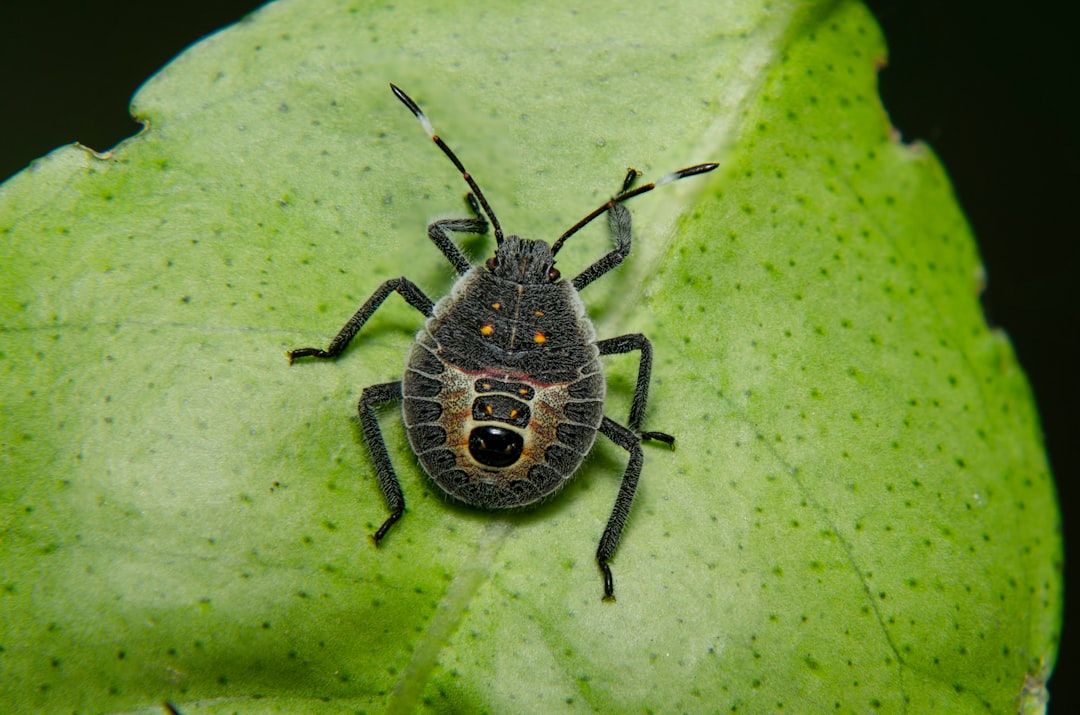
Originally from Asia, the brown marmorated stink bug has become a nighttime nightmare for both native insects and agricultural crops across North America. These shield-shaped invaders emerge after dark to feed on fruits, vegetables, and native plants, often consuming resources that native herbivorous insects depend on for survival. Their broad dietary preferences and efficient digestion allow them to strip food sources bare before native species even realize the competition has arrived. The stink bug’s defensive chemicals also contaminate food sources, making them unsuitable for native insects even after the invaders move on. It’s biological warfare disguised as simple feeding behavior, leaving native species to starve in territories their ancestors had occupied for centuries.
How Invasive Species Hijack Native Mating Signals
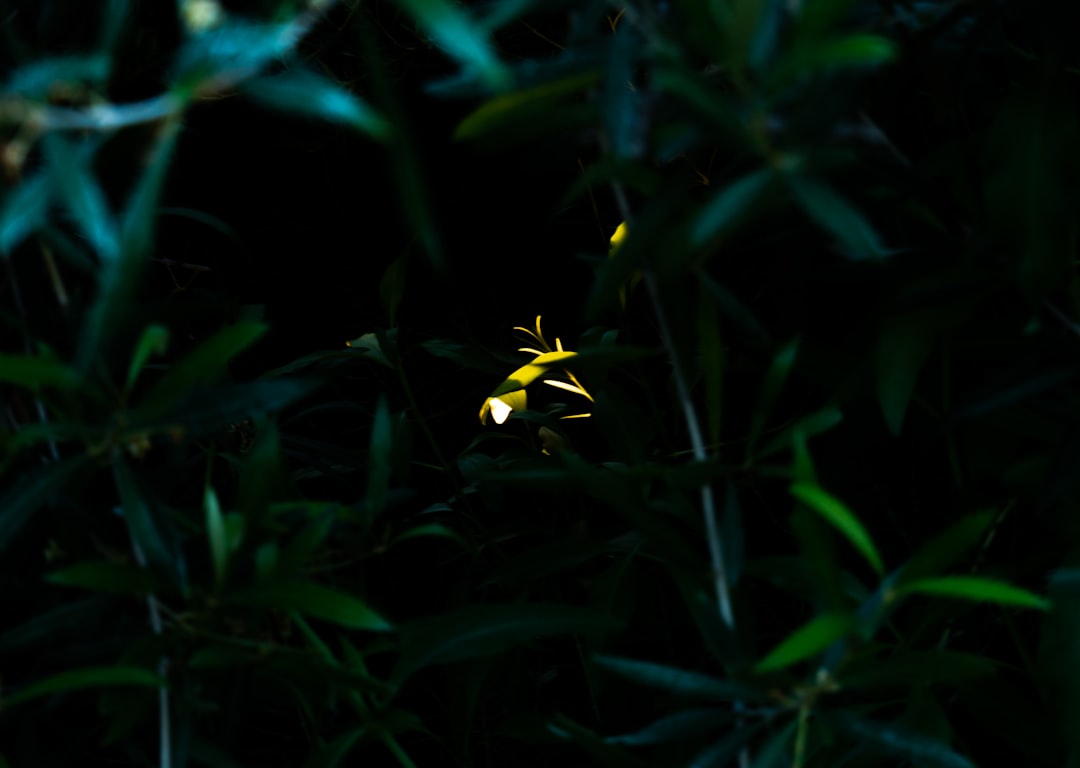
Some of the most devastating nocturnal invasions happen when foreign insects interfere with native mating rituals, and the results are absolutely heartbreaking for conservation efforts. Invasive fireflies can mimic the light patterns of native species, luring males to their death instead of successful reproduction. Certain invasive moths release pheromones that confuse native species’ mating communications, causing reproductive failures across entire populations. These signal hijacking strategies are particularly effective at night when visual cues are limited and insects rely heavily on chemical and light-based communication. When invasive species corrupt these ancient mating codes, they don’t just compete for resources—they actively prevent native species from reproducing, accelerating their path to extinction.
The Spotted Lanternfly’s Explosive Nighttime Spread
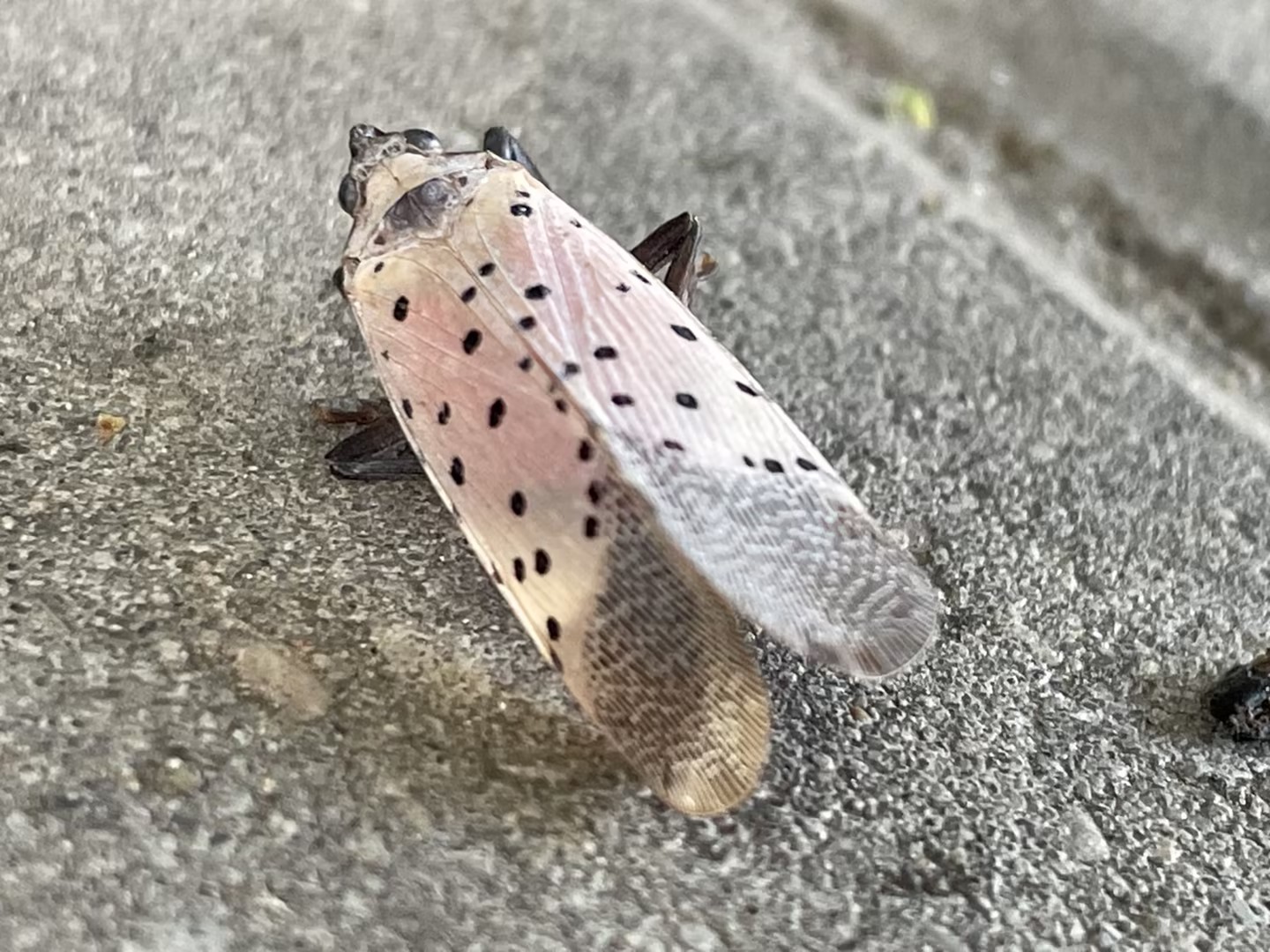
The spotted lanternfly has turned nighttime dispersal into an art form, using darkness to spread across the eastern United States at an alarming rate. These colorful invaders conduct their longest flights during night hours, when air temperatures are cooler and predator activity is reduced. Their ability to hitchhike on vehicles traveling at night has accelerated their spread beyond natural dispersal patterns. Native planthopper species can’t match their flight endurance or navigation skills, losing territory with each passing night. The lanternfly’s preference for feeding on tree sap during cooler nighttime hours also gives them access to resources when native sap-feeding insects are less active, creating a feeding advantage that compounds their competitive edge.
Parasitic Wasps and the Midnight Takeover
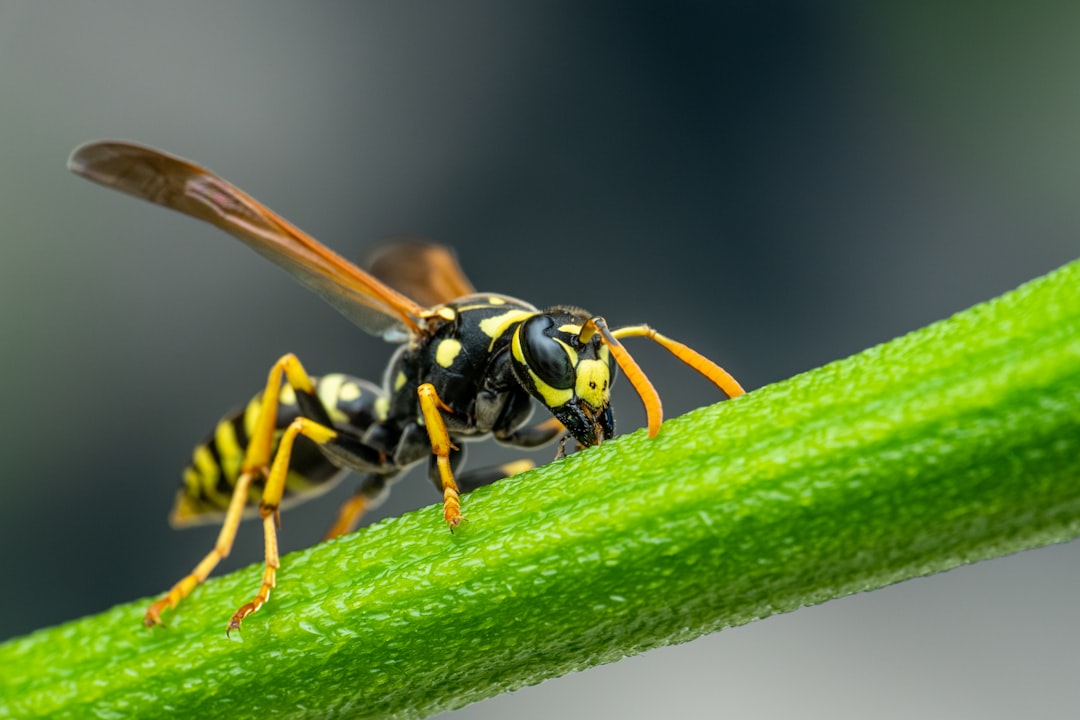
Invasive parasitic wasps represent one of the most sophisticated forms of nocturnal biological warfare, targeting native insect larvae with surgical precision during nighttime raids. These tiny assassins can detect the chemical signatures of native host species in complete darkness, using specialized sensory organs that outclass anything native parasites have evolved. Once they locate a victim, they inject eggs directly into living hosts, essentially turning native larvae into involuntary nurseries for invader offspring. The timing of these night attacks is crucial—many native insects are most vulnerable during specific developmental stages that occur after dark. Native parasitic wasps, adapted to local host species’ schedules, often miss these critical windows when invasive competitors strike first.
Chemical Warfare in the Dark
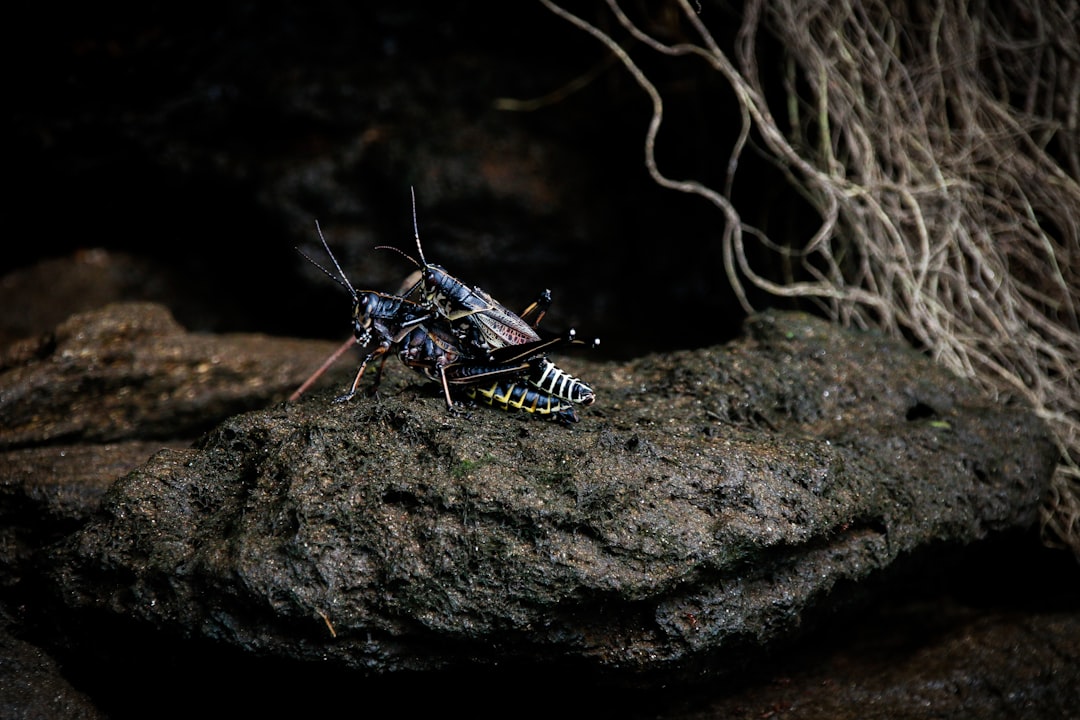
The nighttime battlefield becomes even more complex when invasive insects deploy chemical weapons that native species have no defense against. Some invaders release allelopathic compounds—natural pesticides that inhibit the growth and reproduction of native competitors. These chemical attacks are most effective at night when air circulation is reduced and toxins can concentrate in small areas where insects shelter. Native species, having never encountered these foreign chemicals, lack the detoxification mechanisms needed to survive exposure. It’s like a chemical arms race where one side has weapons the other doesn’t even know exist, resulting in systematic poisoning of native insect communities that took millennia to establish.
The Gypsy Moth’s Nocturnal Feeding Frenzy
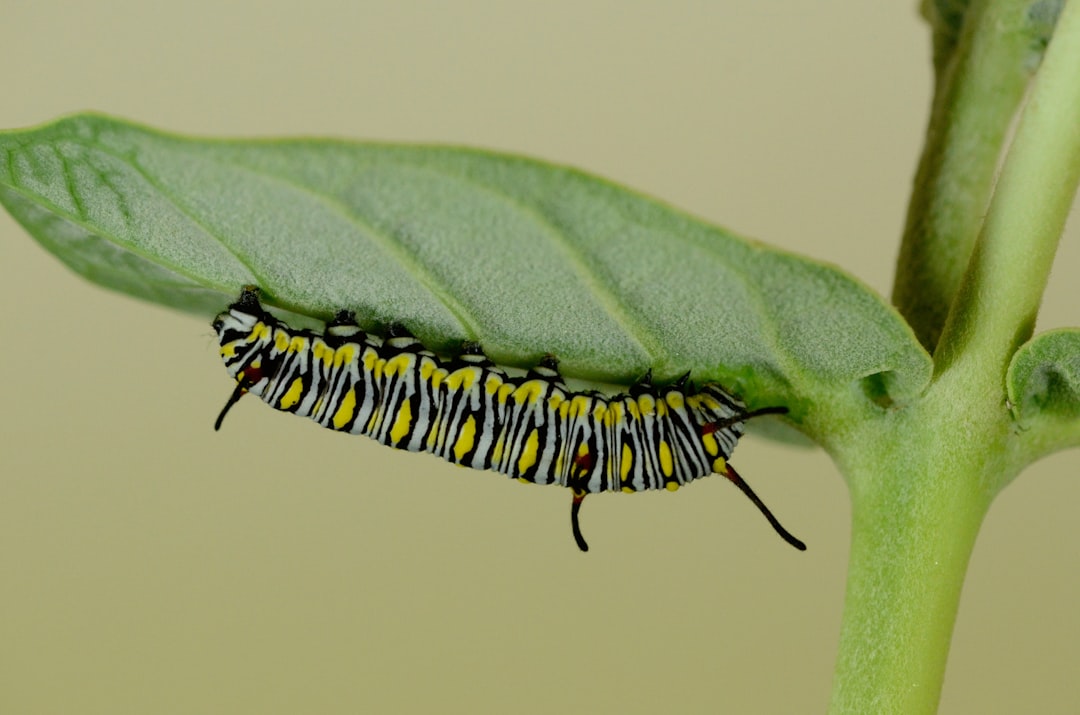
European gypsy moths have perfected the art of nighttime defoliation, stripping entire forests bare while native herbivorous insects struggle to compete for diminishing leaf resources. These voracious caterpillars feed primarily at night, consuming leaves at rates that far exceed what native species can match. Their catholic diet preferences mean they can switch between tree species when one becomes scarce, while native insects often depend on specific host plants and starve when their preferred food source disappears. The moth’s nocturnal feeding strategy also helps them avoid many daytime predators that native caterpillars must contend with, giving them a survival advantage that translates into explosive population growth. When gypsy moth outbreaks occur, native forest insects don’t just lose food—they lose entire ecosystems that supported complex webs of interdependent species.
Breaking the Cycle of Nocturnal Invasion
The battle against nighttime invasive species requires innovative strategies that work in the dark, and scientists are developing fascinating new approaches to level the playing field. Pheromone traps specifically designed for nocturnal insects can detect invasive species before they establish breeding populations. Light-based monitoring systems use specific wavelengths to attract and identify foreign insects without disrupting native species’ behavior patterns. Biological control programs are introducing natural enemies of invasive species—essentially fighting fire with fire in the midnight ecosystem. The key is early detection and rapid response, because once nocturnal invaders establish themselves, removing them becomes exponentially more difficult. Every night we delay action gives these biological conquistadors more time to rewrite the rules of survival in our native ecosystems.
The nocturnal world of insects reveals nature’s most ruthless competition, where invasive species exploit the cover of darkness to outmaneuver native communities that evolved over thousands of years. From the Asian longhorned beetle’s tree-killing sprees to fire ants’ coordinated territorial expansions, these midnight invaders are reshaping ecosystems faster than native species can adapt. The combination of superior night vision, temperature tolerance, and aggressive behavioral strategies gives foreign insects overwhelming advantages in environments where they don’t belong. As artificial lighting continues to disrupt natural navigation systems and climate change creates new opportunities for invasion, the balance tips further toward non-native species each passing night. What happens in the dark doesn’t stay in the dark—it fundamentally alters the biodiversity that daylight reveals.