

Picture this: mountains of rotting garbage stretching as far as the eye can see, releasing putrid odors that make your stomach turn. But beneath this seemingly lifeless wasteland thrives a bustling metropolis of tiny residents that most people never think about. Landfills aren’t just dumping grounds for our discarded items—they’re complex ecosystems teeming with insects that have adapted to call our trash home. These six-legged inhabitants don’t just survive in these harsh environments; they absolutely thrive, creating intricate food webs and playing crucial roles in breaking down the millions of tons of waste we produce daily. What’s truly shocking is how these insects have evolved to not only tolerate the toxic conditions but actually depend on them for survival.
The Hidden World Beneath Our Waste
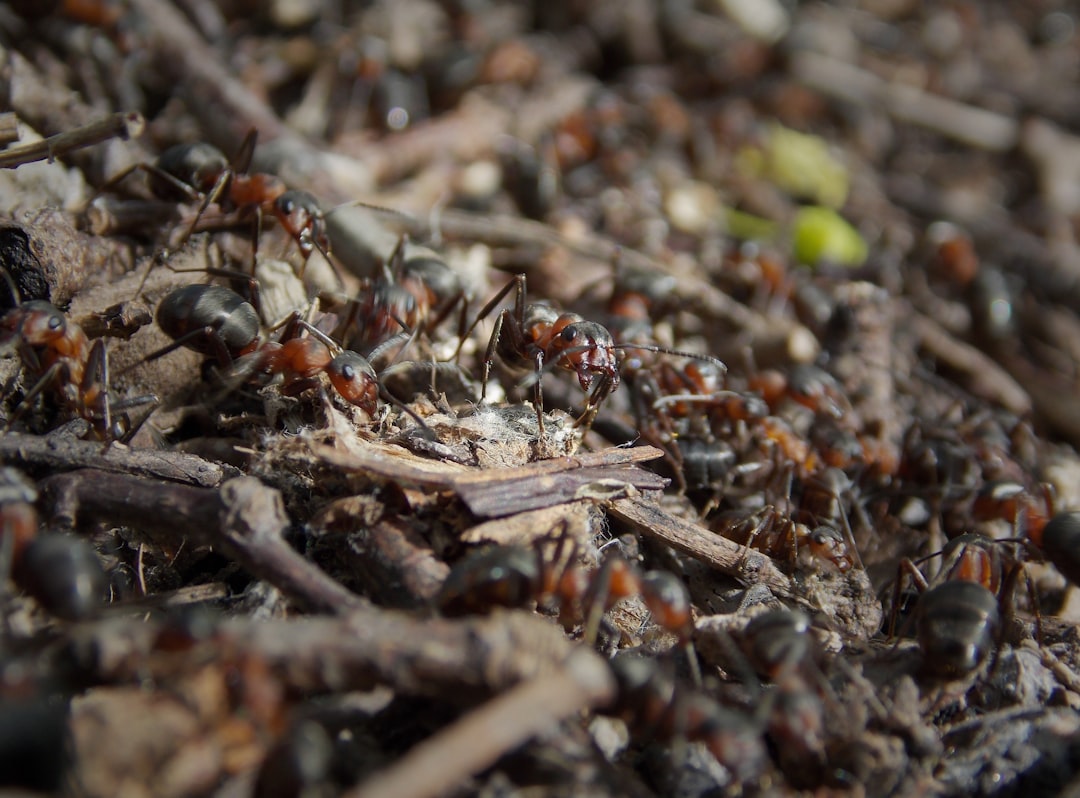
Every day, garbage trucks dump thousands of tons of waste into landfills across the globe, but what happens next is far more fascinating than most people realize. Within hours of fresh trash being deposited, an army of insects descends upon the new bounty like shoppers at a Black Friday sale. These creatures have developed an incredible ability to detect decomposing organic matter from miles away, using their highly sensitive antennae to navigate through the maze of waste. The landfill environment creates a unique microclimate where temperatures can soar due to decomposition processes, providing perfect breeding conditions for heat-loving species. It’s like nature’s own version of a tropical paradise, except instead of palm trees, there are towering piles of garbage bags and discarded furniture.
Flies: The Masters of Decomposition
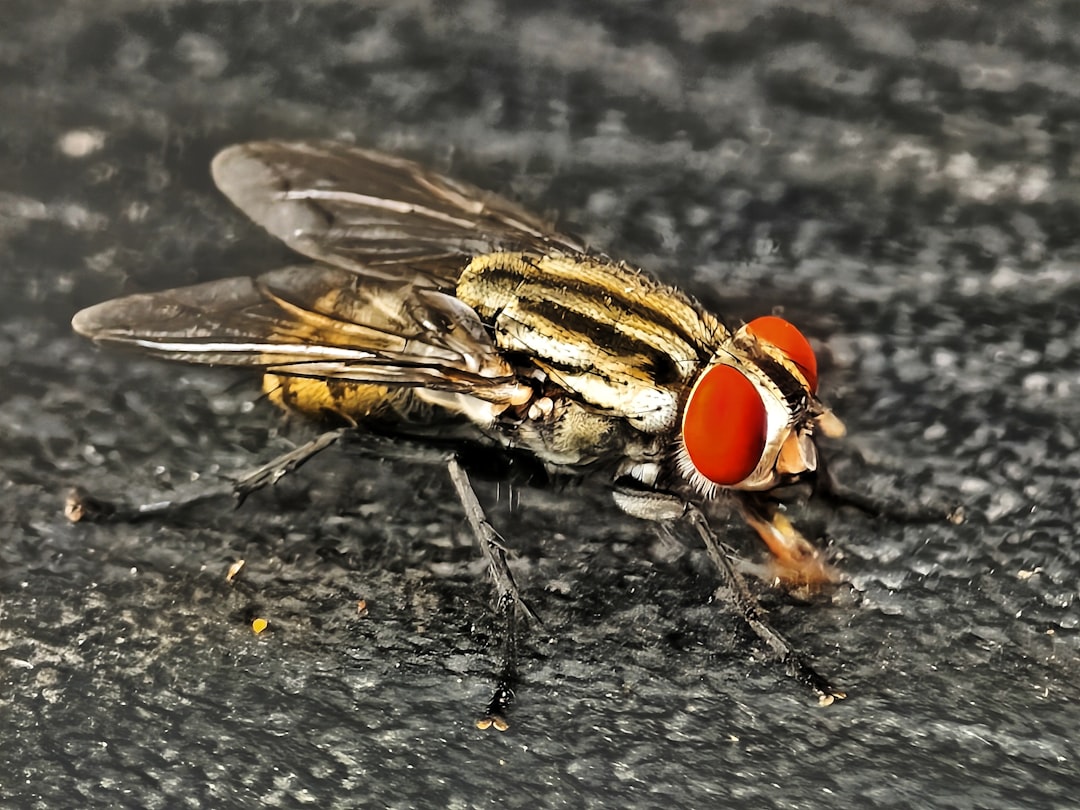
House flies and blow flies reign supreme in the landfill hierarchy, arriving faster than emergency responders to a crisis scene. These winged warriors can detect rotting organic matter from distances that would make a bloodhound jealous, sometimes flying over three miles just to reach a promising garbage pile. Female flies can lay up to 500 eggs at a time directly on decomposing food waste, ensuring their offspring have an immediate food source upon hatching. The lifecycle from egg to adult fly can be completed in just 7-10 days in optimal landfill conditions, creating population explosions that can number in the millions. What makes these flies particularly problematic is their ability to carry diseases between the landfill and surrounding communities, acting like tiny flying taxis for harmful bacteria and pathogens.
Beetles: The Cleanup Crew Champions
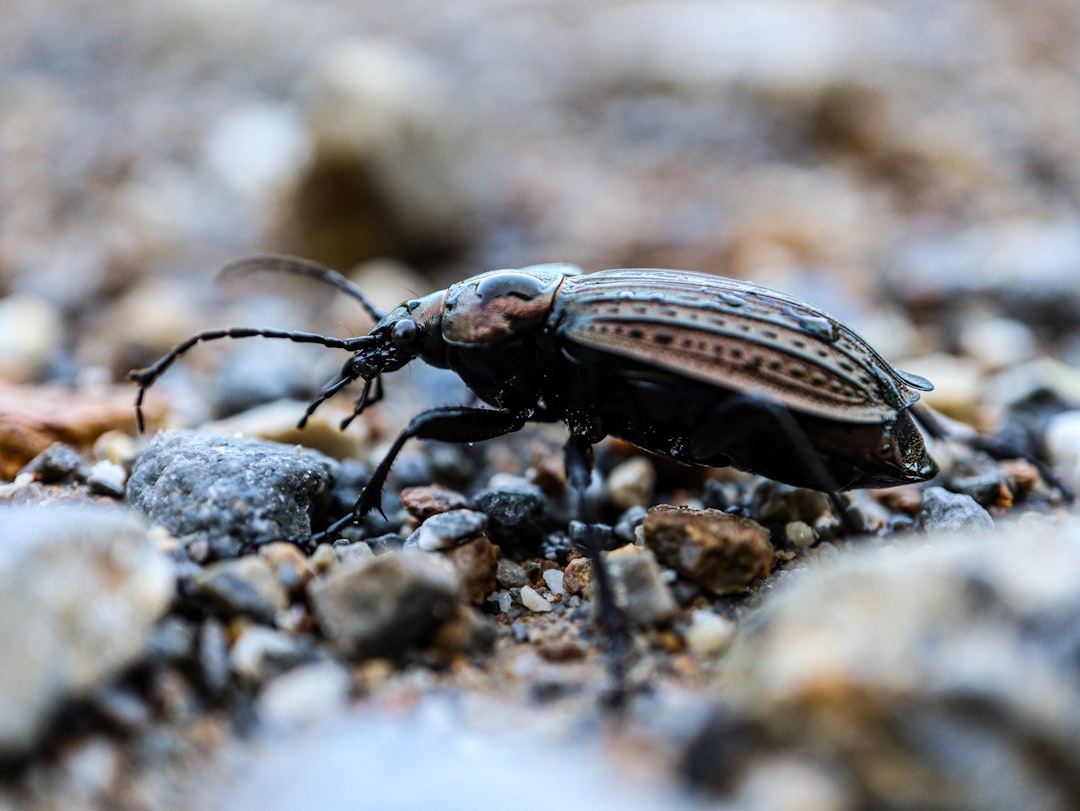
Carrion beetles and rove beetles work tirelessly as nature’s cleanup crew, processing dead animals and organic waste with remarkable efficiency. These armored insects can consume their own body weight in decomposing matter every single day, making them incredibly valuable for waste processing. Some beetle species have evolved specialized digestive systems that can break down materials that would be toxic to other organisms, essentially acting as living recycling centers. Ground beetles patrol the landfill floors like security guards, hunting smaller insects and maintaining the delicate balance of this artificial ecosystem. The diversity of beetle species in a single landfill can exceed that of entire forests, with some sites hosting over 200 different beetle varieties.
Ants: Building Empires in Garbage
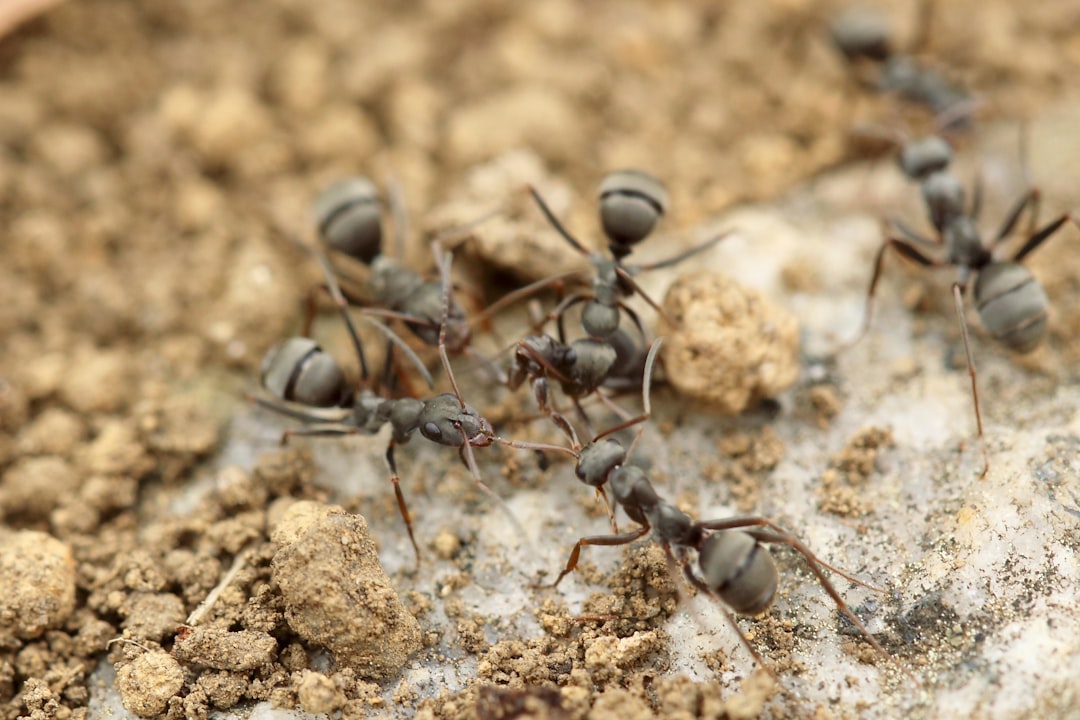
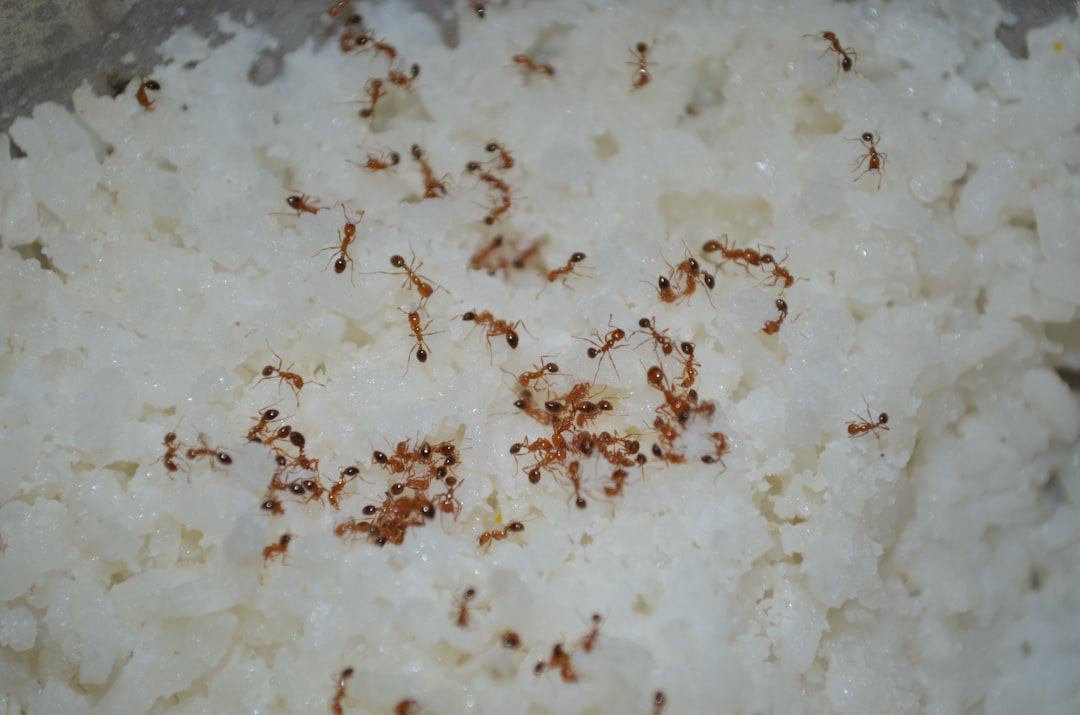
Ant colonies in landfills can grow to staggering proportions, with some supercolonies containing millions of individuals working together like a perfectly orchestrated corporation. These industrious insects create elaborate tunnel systems throughout the waste, essentially turning landfills into underground cities with multiple levels of activity. Fire ants have become particularly problematic in warmer climates, using landfills as launching pads to spread into surrounding areas and establish new territories. The abundance of food sources in landfills allows ant colonies to grow much larger than they would in natural environments, creating ecological imbalances that can affect entire regions. Worker ants can carry food items weighing up to 50 times their own body weight back to their nests, making them incredibly efficient at redistributing organic waste throughout the landfill.
Cockroaches: The Ultimate Survivors
If there’s an award for adaptability, cockroaches would win hands down, as they’ve mastered the art of thriving in landfill conditions that would kill most other creatures. These resilient insects can survive on practically anything organic, from food scraps to paper products, making landfills like all-you-can-eat buffets for them. American cockroaches in particular have shown remarkable growth rates in landfill environments, with some individuals reaching sizes that would make your skin crawl. They can survive radiation levels that would be lethal to humans, extreme temperature fluctuations, and even periods without food that would starve other insects. The scary part is that these landfill populations often serve as breeding grounds for cockroaches that eventually make their way into nearby residential areas.
Wasps and Hornets: Aggressive Guardians

Paper wasps and yellow jackets establish their territories in landfills like gang members claiming street corners, becoming increasingly aggressive as their populations grow. These stinging insects are attracted to the sweet liquids found in discarded soft drinks and fruit waste, but they also hunt other insects for protein to feed their developing larvae. Landfill wasp colonies can grow exponentially larger than normal due to the abundant food sources, creating serious safety hazards for landfill workers. The combination of sugary waste and protein-rich insects creates perfect conditions for wasp reproduction, leading to swarms that can number in the thousands. What’s particularly concerning is that these aggressive populations often expand beyond landfill boundaries, creating dangerous situations for nearby communities and outdoor workers.
Maggots: The Unsung Heroes of Waste Processing
Fly maggots might be revolting to look at, but they’re actually performing one of the most important jobs in the entire landfill ecosystem. These pale, wriggling larvae can process organic waste at rates that would make industrial composting facilities jealous, breaking down complex organic compounds into simpler molecules. A single cubic meter of organic waste can support thousands of maggots, each one consuming and processing waste materials around the clock. The heat generated by their collective feeding activity actually helps accelerate the decomposition process, creating a natural waste processing system that operates 24/7. Some landfill operators have begun recognizing the value of maggots in waste reduction, though most people still find the idea of millions of these creatures writhing through garbage deeply unsettling.
Springtails: The Microscopic Decomposers
Springtails are so small they’re often overlooked, but these tiny insects play a massive role in breaking down organic matter at the microscopic level. These primitive insects can survive in conditions that would kill most other creatures, including low oxygen environments and high moisture levels found deep within landfill piles. They feed on fungi, bacteria, and decaying organic matter, essentially cleaning up the waste that other insects can’t process. Springtail populations in landfills can reach densities of over 100,000 individuals per square meter, creating an invisible army of decomposers working beneath the surface. Their ability to survive extreme conditions makes them important indicators of landfill health and decomposition rates.
The Disease Transmission Highway
Landfill insects act like microscopic buses, carrying harmful bacteria, viruses, and parasites from waste sites to surrounding communities with alarming efficiency. House flies alone can carry over 100 different pathogens on their bodies and in their digestive systems, spreading diseases like cholera, typhoid, and dysentery. The warm, moist conditions in landfills create perfect breeding grounds for dangerous microorganisms that hitchhike on insects to reach new hosts. Cockroaches are particularly problematic disease carriers, as they can harbor pathogens for weeks and spread them through their droppings and body contact. This invisible disease transmission network extends far beyond landfill boundaries, potentially affecting communities located miles away from waste sites.
Adaptation Strategies in Toxic Environments
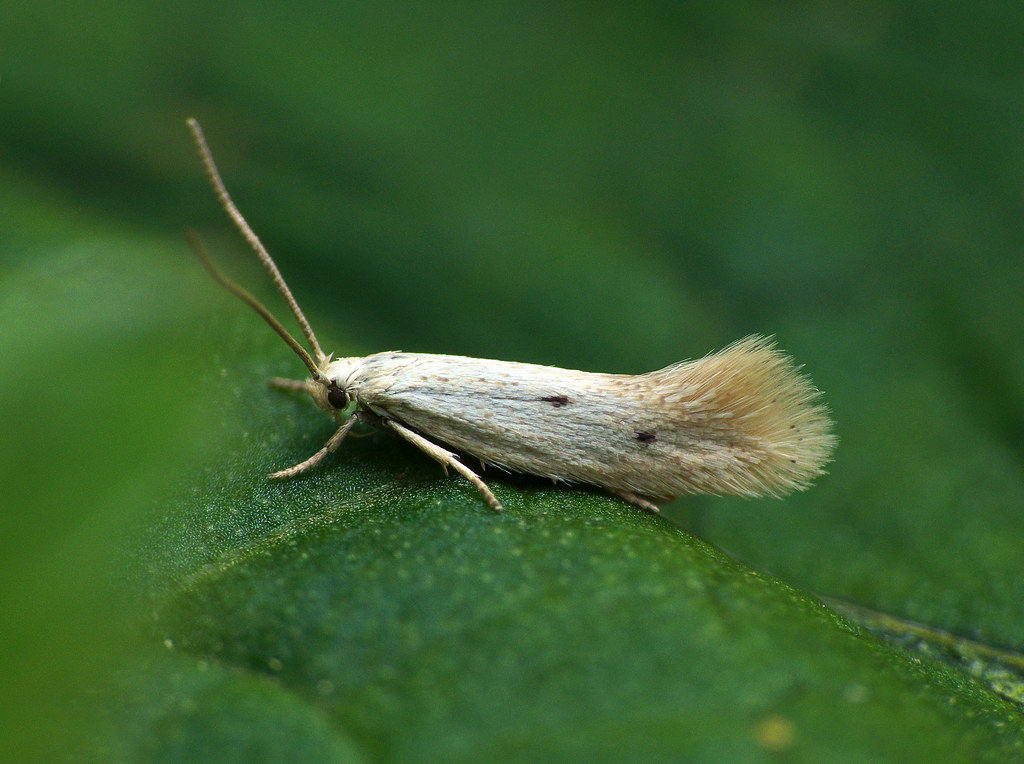
The insects living in landfills have developed remarkable adaptations that would make evolutionary biologists weep with fascination. Many species have evolved enhanced detoxification systems that allow them to process chemicals and pollutants that would be lethal to their wild counterparts. Some beetles have developed thicker exoskeletons to protect against toxic substances, while others have modified their digestive systems to extract nutrients from contaminated food sources. Certain fly species have even developed resistance to insecticides commonly found in household waste, creating super-populations that are nearly impossible to control. These adaptations happen surprisingly quickly in evolutionary terms, with some changes occurring within just a few generations of exposure to landfill conditions.
The Ecological Impact Beyond Landfills
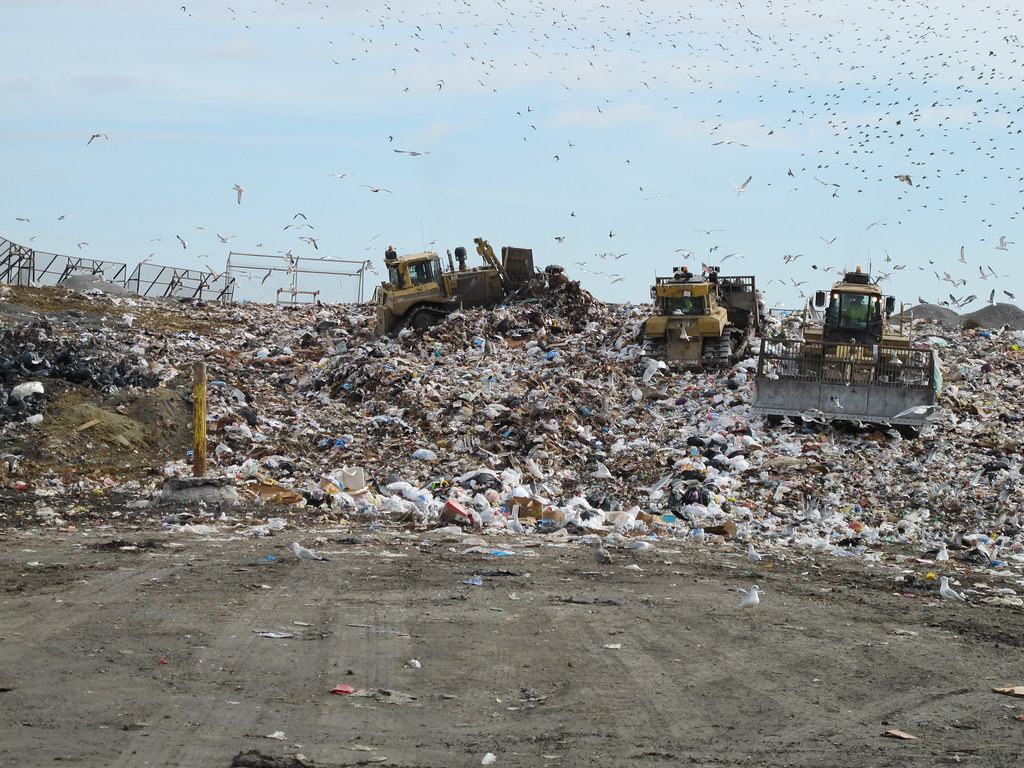
The ecological consequences of landfill insect populations extend far beyond the waste sites themselves, creating ripple effects that can alter entire regional ecosystems. Birds and small mammals that feed on landfill insects often experience population booms, disrupting natural predator-prey relationships in surrounding areas. These well-fed predators then compete more successfully with native species for territory and resources, potentially driving out indigenous wildlife populations. The abundance of insects also attracts larger predators like birds of prey and bats, concentrating these animals around landfills in unnaturally high densities. This artificial concentration of wildlife can lead to increased disease transmission, aggressive territorial behavior, and depletion of natural food sources in nearby habitats.
Climate Change and Insect Population Explosions
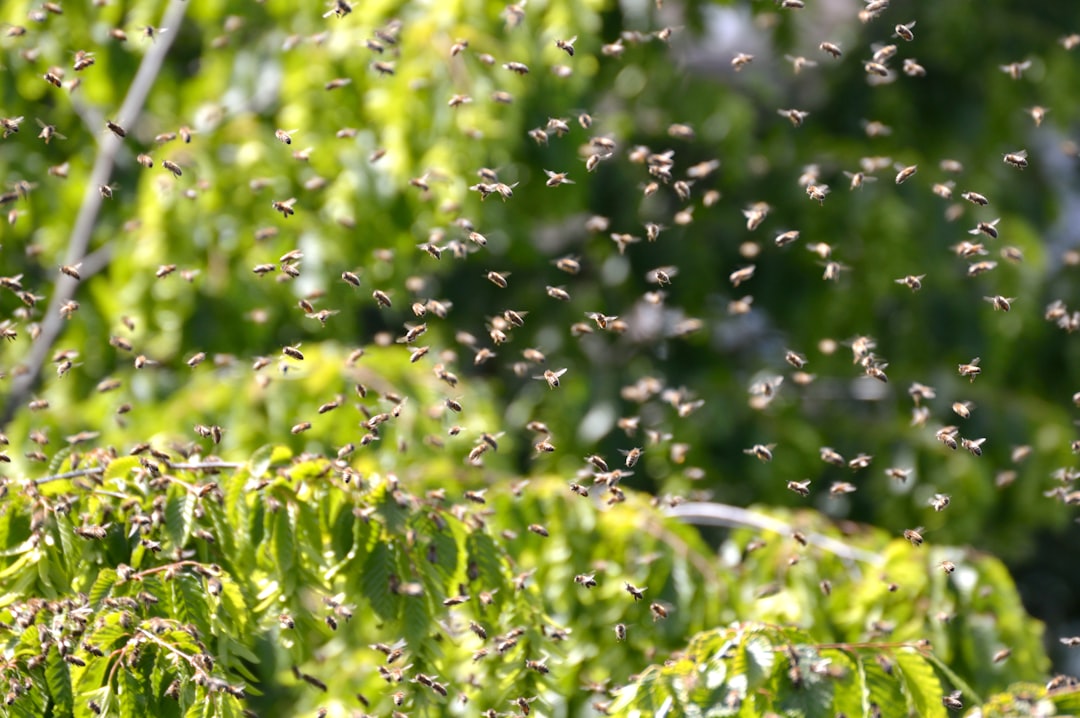
Rising global temperatures are turning landfills into insect breeding super-centers, with warmer conditions accelerating reproduction rates and extending breeding seasons. Climate change has increased the survival rates of overwintering insects, leading to larger founding populations each spring that can explode into massive swarms. The extended warm seasons now allow for additional generations of insects per year, multiplying population growth rates exponentially compared to historical norms. Drought conditions drive more insects toward landfills seeking moisture and food, concentrating populations in these artificial oases and increasing competition for resources. These climate-driven changes are creating perfect storm conditions for insect population explosions that could overwhelm traditional pest control methods.
Technological Solutions and Biological Control
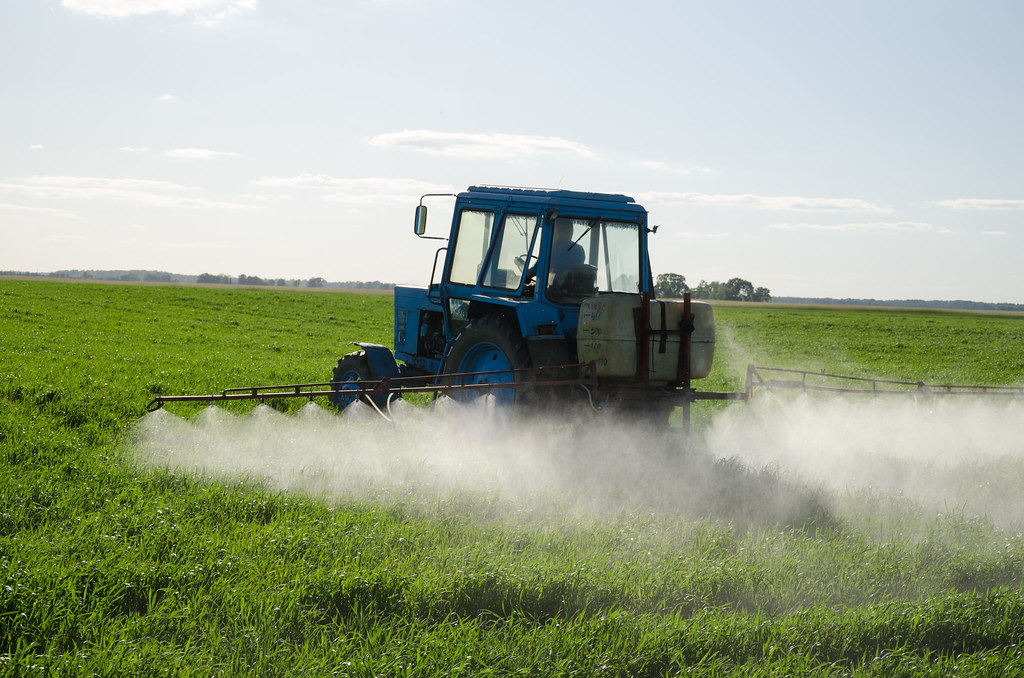
Scientists and engineers are developing innovative approaches to manage landfill insect populations while harnessing their waste-processing capabilities for beneficial purposes. Biological control programs using beneficial insects to prey on problematic species are showing promising results in some facilities. Advanced monitoring systems using pheromone traps and automated counting devices help landfill managers track insect populations and predict potential problems before they spiral out of control. Some facilities are experimenting with beneficial bacteria and fungi that can outcompete disease-causing microorganisms, reducing the health risks associated with insect vectors. The challenge lies in finding the sweet spot between controlling problematic insects while preserving the beneficial waste processing services they provide.
Future Implications for Human Health
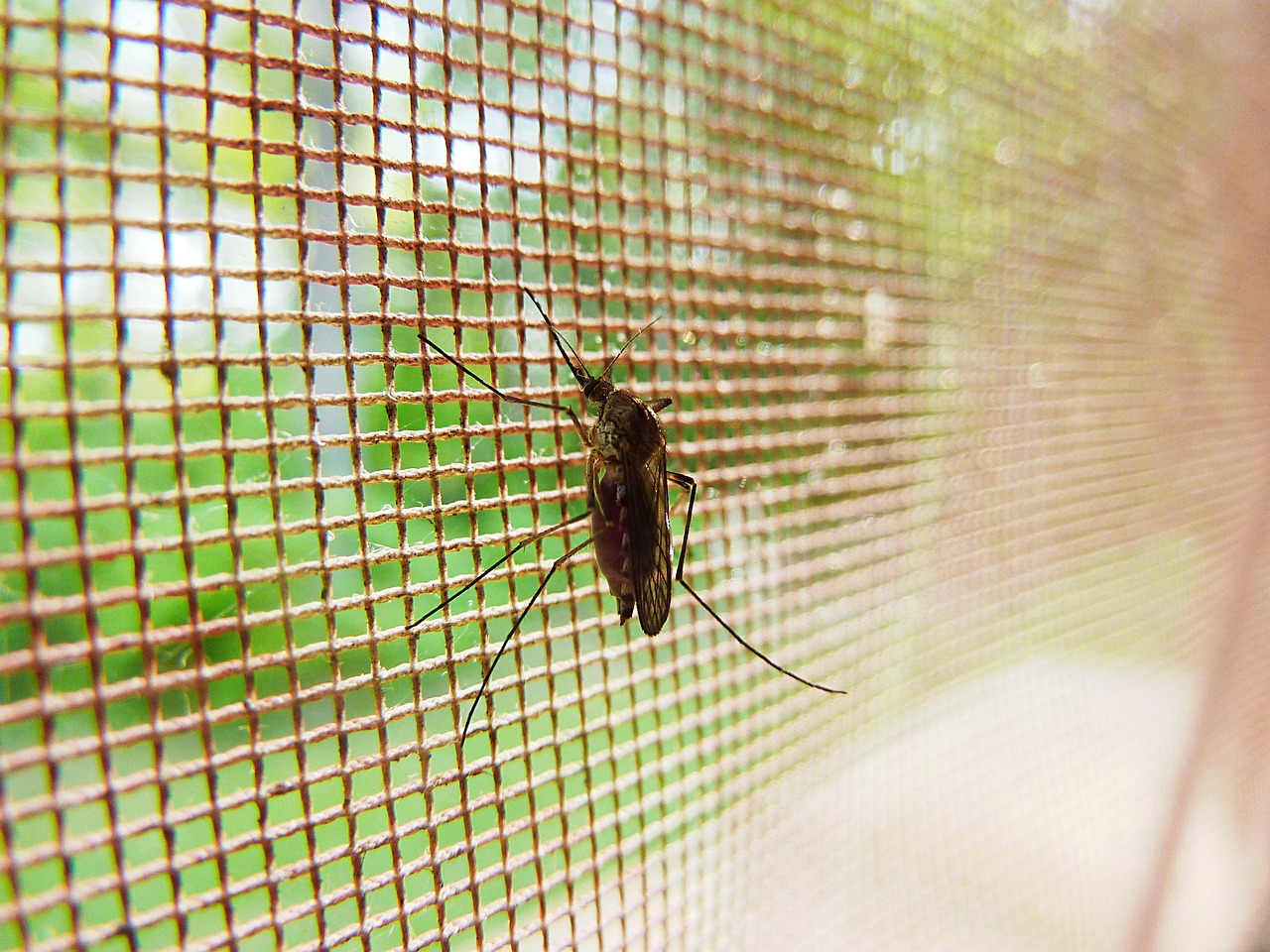
The growing populations of landfill insects pose increasingly serious threats to public health as urban areas continue expanding closer to waste management facilities. Antibiotic-resistant bacteria are now being found in landfill insects, creating the potential for super-infections that could be difficult or impossible to treat. The mobility of flying insects means that disease transmission can occur rapidly across large distances, potentially triggering widespread outbreaks in vulnerable populations. Climate change is expected to expand the geographic range of many landfill-adapted insects, bringing new disease vectors to regions that lack natural immunity or effective control measures. Public health officials are beginning to recognize landfill insect management as a critical component of disease prevention strategies, though funding and resources for these programs remain inadequate.
The Invisible Workers Processing Our Waste
Despite their reputation as pests, landfill insects provide waste processing services worth billions of dollars annually by accelerating decomposition and reducing landfill volume. Without these six-legged workers, our landfills would fill up much faster and produce even more harmful greenhouse gases as organic matter decomposes more slowly. The natural waste processing performed by insect communities is so efficient that some researchers are studying ways to enhance and optimize these processes for commercial waste management. However, the fine line between beneficial waste processing and dangerous pest proliferation requires careful monitoring and management. Understanding and respecting the role of these insects while controlling their negative impacts represents one of the most challenging aspects of modern waste management.
The millions of insects crawling through our landfills represent far more than just creepy pests—they’re the unsung workforce processing our massive waste streams while simultaneously creating new challenges for public health and environmental management. These remarkable creatures have turned our trash dumps into thriving ecosystems, demonstrating nature’s incredible ability to adapt and survive in even the most hostile environments we create. Yet their success comes with serious consequences, from disease transmission to ecological disruption that extends far beyond landfill boundaries. As our waste production continues growing and climate change intensifies, the delicate balance between beneficial waste processing and dangerous pest proliferation becomes increasingly critical to manage. The next time you throw something away, remember that your trash becomes someone else’s treasure—even if that someone happens to have six legs and wings. What will it take for us to find harmony between our waste and the creatures that call it home?