

Nature has always been the ultimate artist, painting the world with colors that dazzle and shapes that mystify. But perhaps nowhere is this artistry more surprising than in the microscopic realm of insect textures. These tiny creatures carry surfaces so intricate, so unexpectedly beautiful, that they challenge everything we think we know about the miniature world around us. From wings that shimmer like stained glass to bodies covered in what looks like the finest velvet money can’t buy, insects have evolved textures that would make any fashion designer weep with envy.
The Moth’s Feathered Antennae: Nature’s Most Sophisticated Sensors
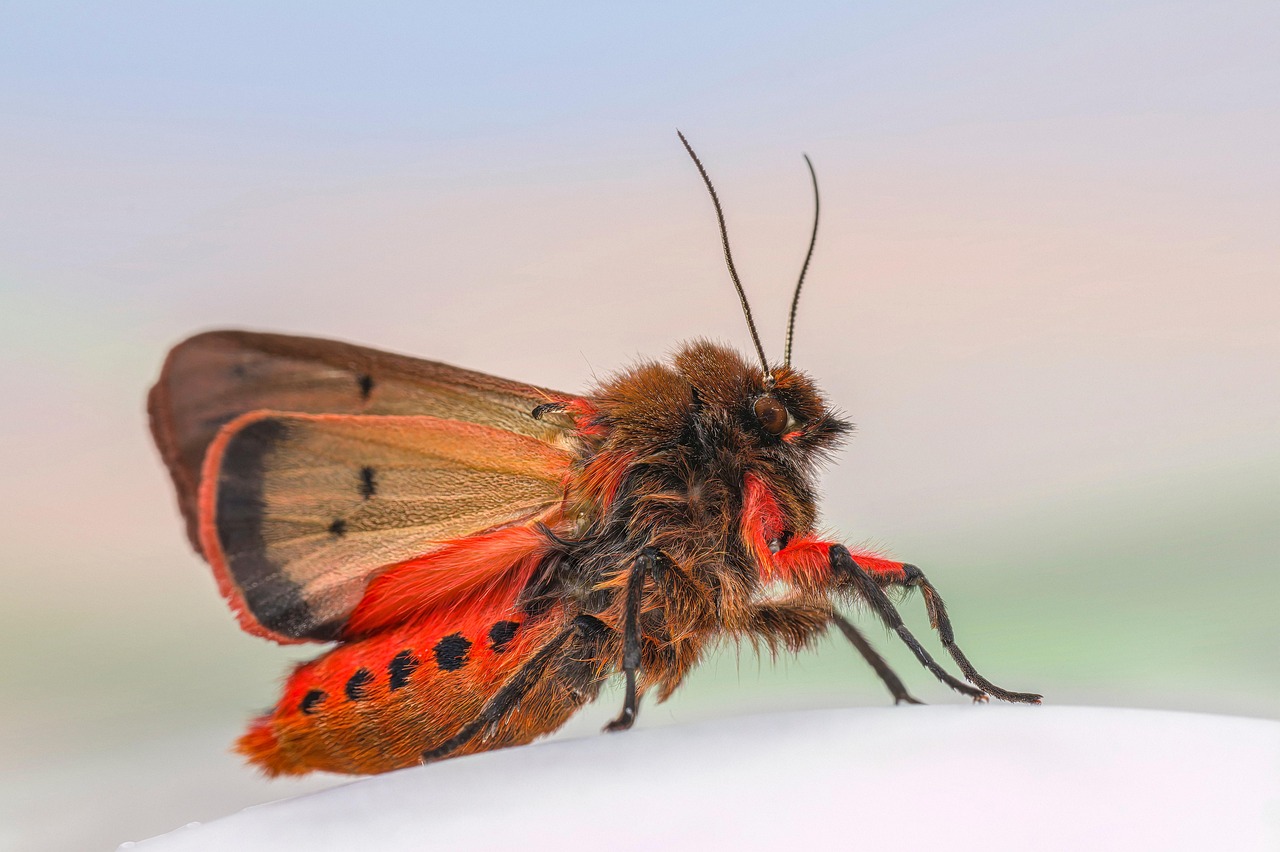
Male moths possess antennae that look like tiny feathers, branched and delicate in ways that seem almost too perfect to be real. These structures aren’t just for show – they’re chemical detection systems so sensitive they can pick up a single molecule of female pheromone from miles away. The feathery branches, called plumose antennae, increase the surface area dramatically, giving male moths what essentially amounts to superhuman smell. Each branch is covered in thousands of microscopic receptors, creating a sensory network that puts our best technology to shame. When you see a moth’s antenna under magnification, it looks like a miniature Christmas tree designed by an engineer who understood both beauty and function.
Velvet Ants: The Deceptive Softness of Danger
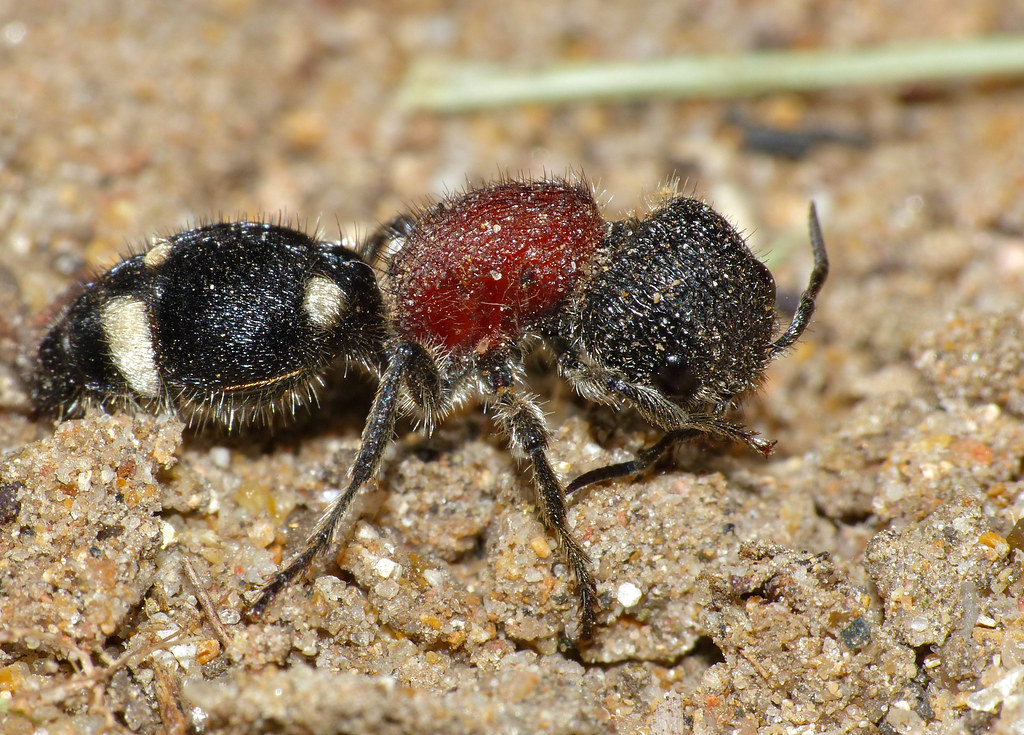
Despite their name, velvet ants are actually wingless wasps covered in dense, plush fur that makes them look like walking teddy bears. This velvety coating comes in stunning colors – bright reds, oranges, and blacks that warn predators of their painful sting. The texture is so appealing that you’d want to pet them, but that would be a mistake these insects earned the nickname “cow killers” for good reason. Their fuzzy appearance serves multiple purposes: the dense hairs help regulate temperature in desert environments and may also help them slip away when grabbed by predators. Running your finger across a velvet ant would feel exactly like touching the softest fabric, if only it weren’t attached to one of the most painful stings in the insect world.
Butterfly Scales: Living Pixels of Iridescent Wonder
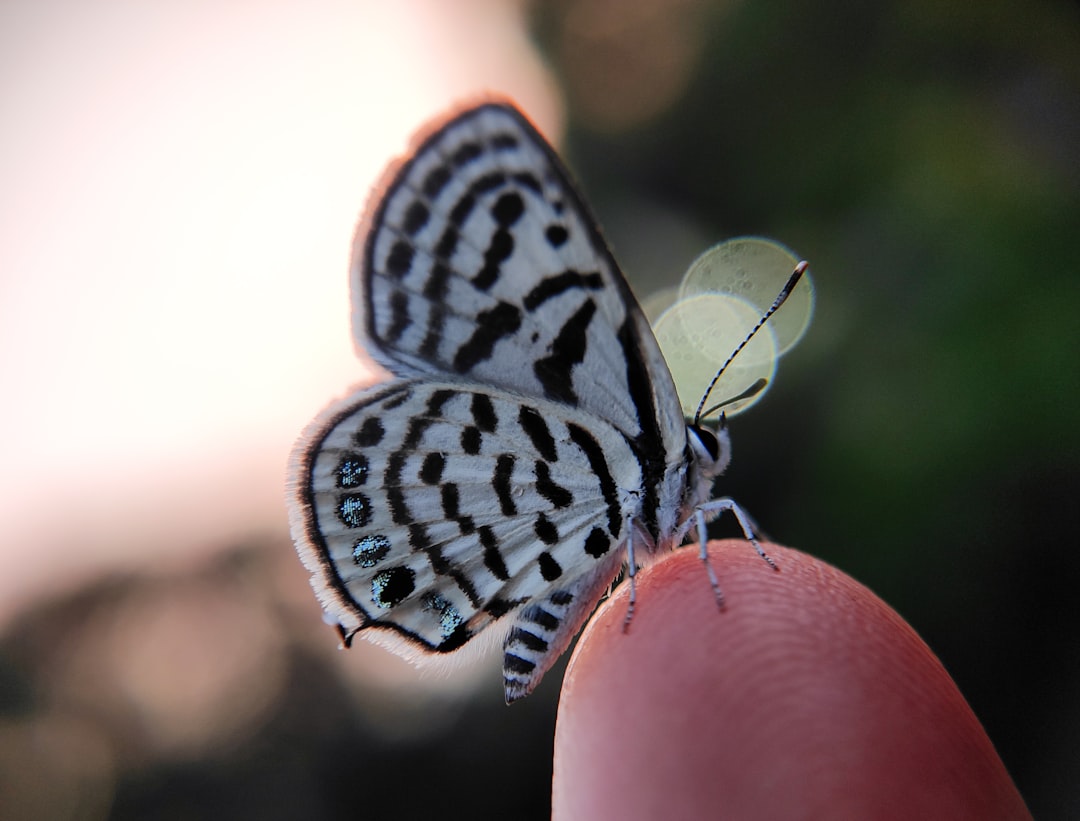
Butterfly wings aren’t actually covered in paint or pigment in the traditional sense – they’re blanketed with millions of microscopic scales that work like biological pixels. Each scale is a three-dimensional structure with ridges and grooves that manipulate light in extraordinary ways, creating the shimmering blues of a Morpho butterfly or the metallic greens of a swallowtail. These scales overlap like roof shingles, and when light hits them, it bounces around in patterns that create colors so vivid they seem to glow from within. Touch a butterfly wing gently, and you’ll see the “dust” that comes off – those are actually individual scales, each one a masterpiece of natural engineering. The texture feels like the finest powder, but under a microscope, each grain reveals itself as an intricate, jewel-like structure.
Beetle Armor: The Metallic Shine of Living Shields
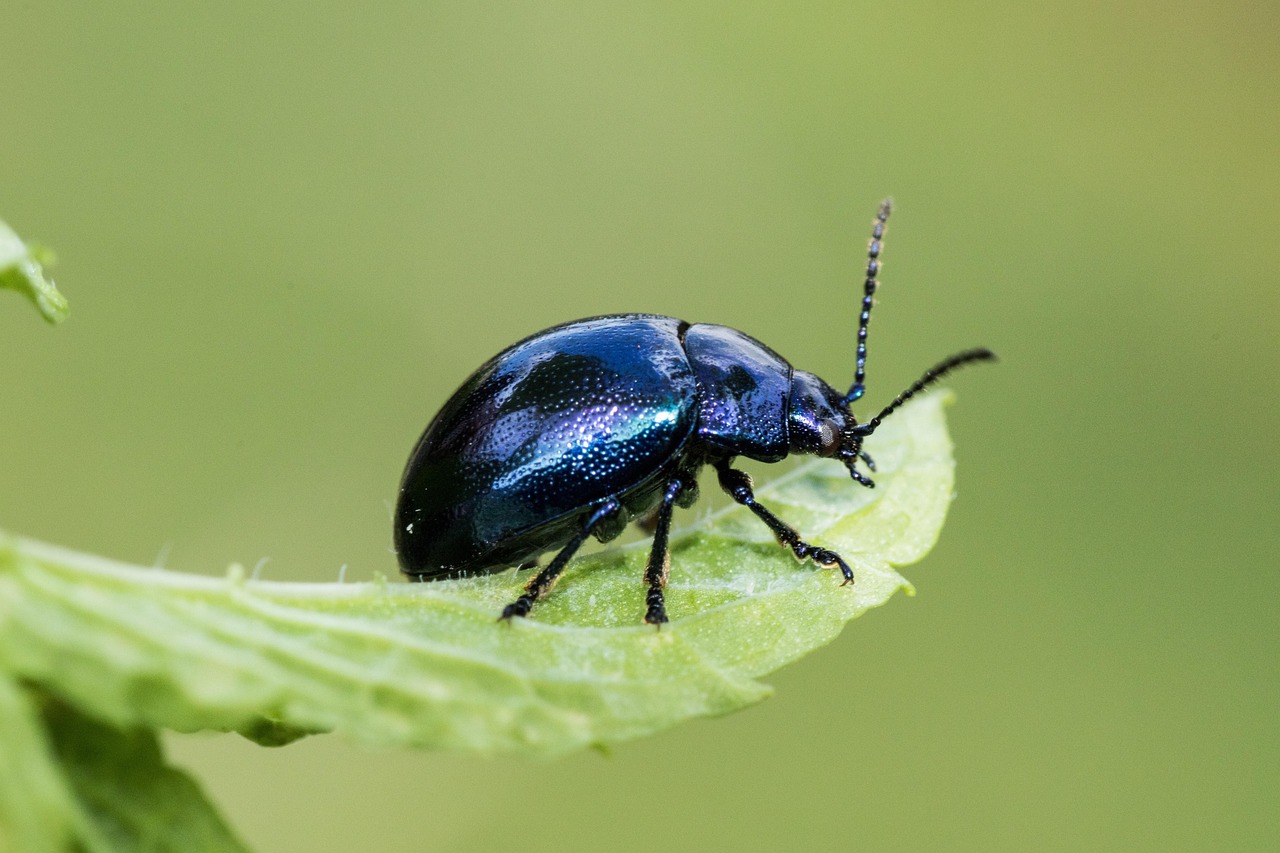
Some beetles wear what looks like polished metal armor, with surfaces so reflective you can see your face in them. The golden scarab beetles of Egypt gleam like they’ve been dipped in liquid gold, while certain weevils sport a mirror-like finish that seems impossible for a living creature. This metallic appearance comes from microscopic structures in their exoskeleton that reflect light in specific ways, creating optical illusions that make chitin look like precious metal. The texture feels hard and smooth, like touching a piece of carefully polished jewelry. These beetles essentially wear nature’s version of chrome plating, developed millions of years before humans figured out how to make similar effects with actual metals.
Fuzzy Bumblebees: The Science Behind the Snuggle
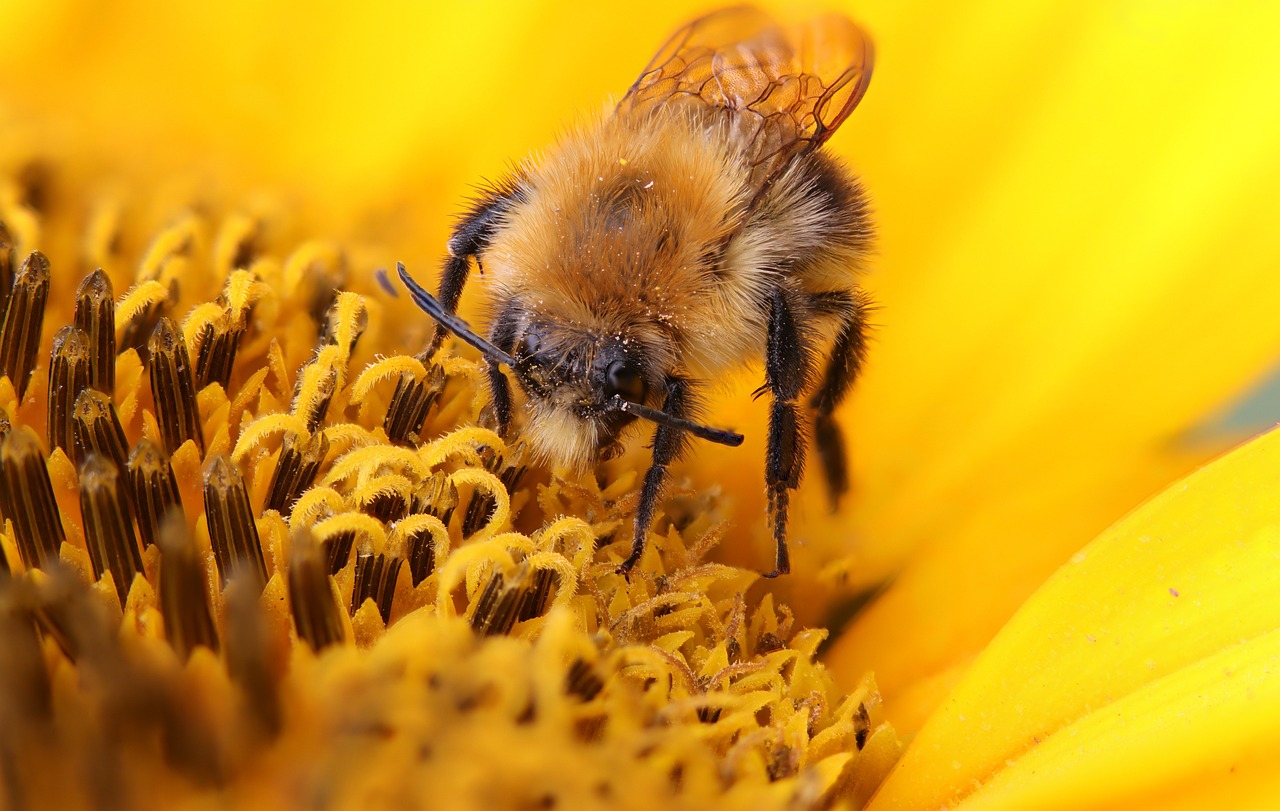
A bumblebee’s fuzzy body isn’t just cute – it’s a sophisticated piece of biological equipment designed for survival in cold climates. Each hair is branched like a tiny tree, creating air pockets that provide insulation and help these insects fly in temperatures that would ground other bugs. The texture feels surprisingly soft and warm, like a living stuffed animal that happens to buzz and collect nectar. These hairs also serve as pollen collectors, with each strand designed to grab and hold onto pollen grains with electrostatic forces. When a bumblebee visits your garden, it’s essentially wearing a full-body sweater that doubles as a pollen magnet, engineered by evolution to be both functional and undeniably adorable.
Dragonfly Wings: Transparent Lace with Hidden Architecture
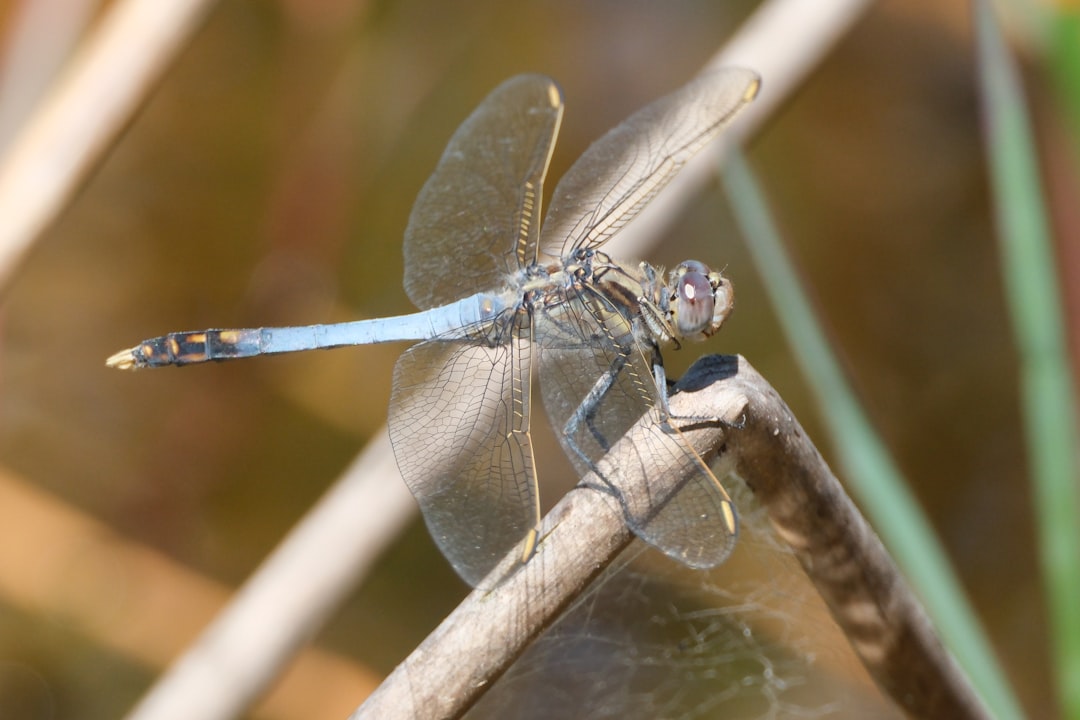
Dragonfly wings look like sheets of clear plastic stretched over an intricate framework, but they’re actually marvels of biological engineering that put human aircraft designs to shame. The wing surface feels smooth as glass, yet it’s covered with microscopic bumps and ridges that help manage airflow and reduce turbulence. The veining pattern isn’t random – it’s a carefully designed support structure that provides maximum strength with minimum weight, like a suspension bridge shrunk down to insect size. When light hits dragonfly wings at the right angle, they shimmer with rainbow colors that dance and shift as the insect moves. Touch one gently, and you’ll be amazed at how something so delicate can be strong enough to power some of the most agile flight in the animal kingdom.
Stick Insects: Masters of Bark-Like Deception
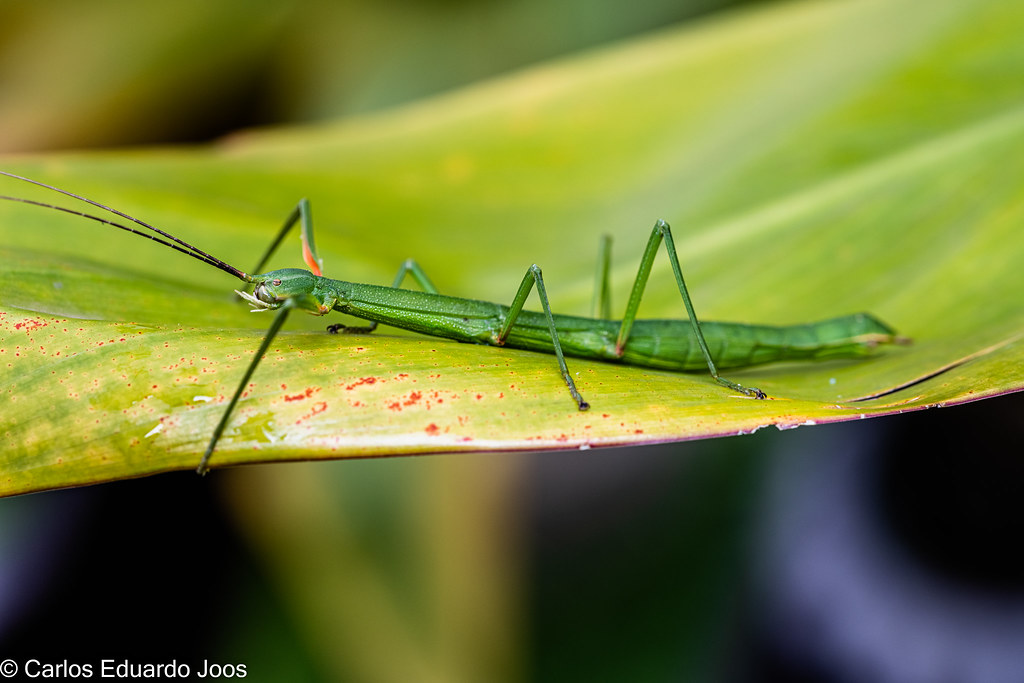
Stick insects have perfected the art of looking exactly like tree bark, complete with rough textures, ridges, and even what appears to be lichen growing on their bodies. Their skin feels genuinely woody – bumpy, coarse, and surprisingly rigid for something that belongs to a living animal. Some species have developed such convincing bark textures that they fool not just predators, but even experienced entomologists at first glance. The surface irregularities aren’t just for show; they break up the insect’s outline and create shadows that make them virtually invisible against tree trunks. Running your finger along a stick insect’s body feels like touching actual tree bark, complete with the rough ridges and valleys you’d expect from weathered wood.
Jewel Wasps: Nature’s Living Emeralds
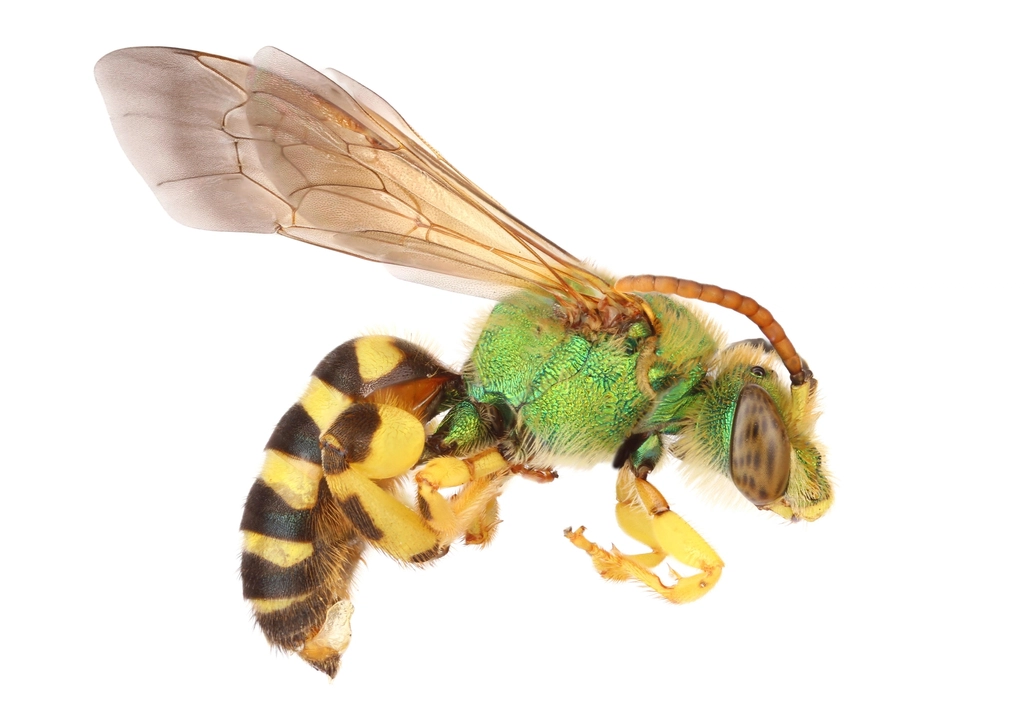
Jewel wasps possess a metallic green sheen so intense it looks like they’ve been carved from precious stones rather than grown from living tissue. Their bodies feel smooth and hard, like polished gems, with a surface that reflects light in ways that make them seem to glow with inner fire. The metallic coloration comes from microscopic structures that interfere with light waves, creating colors that shift and change as you view them from different angles. These wasps look like they belong in a jewelry store rather than flying around in nature, with a finish so perfect it seems artificial. The texture combines the hardness of their exoskeleton with an almost mirror-like smoothness that makes them some of the most visually striking insects on Earth.
Woolly Aphids: Cotton Balls That Walk
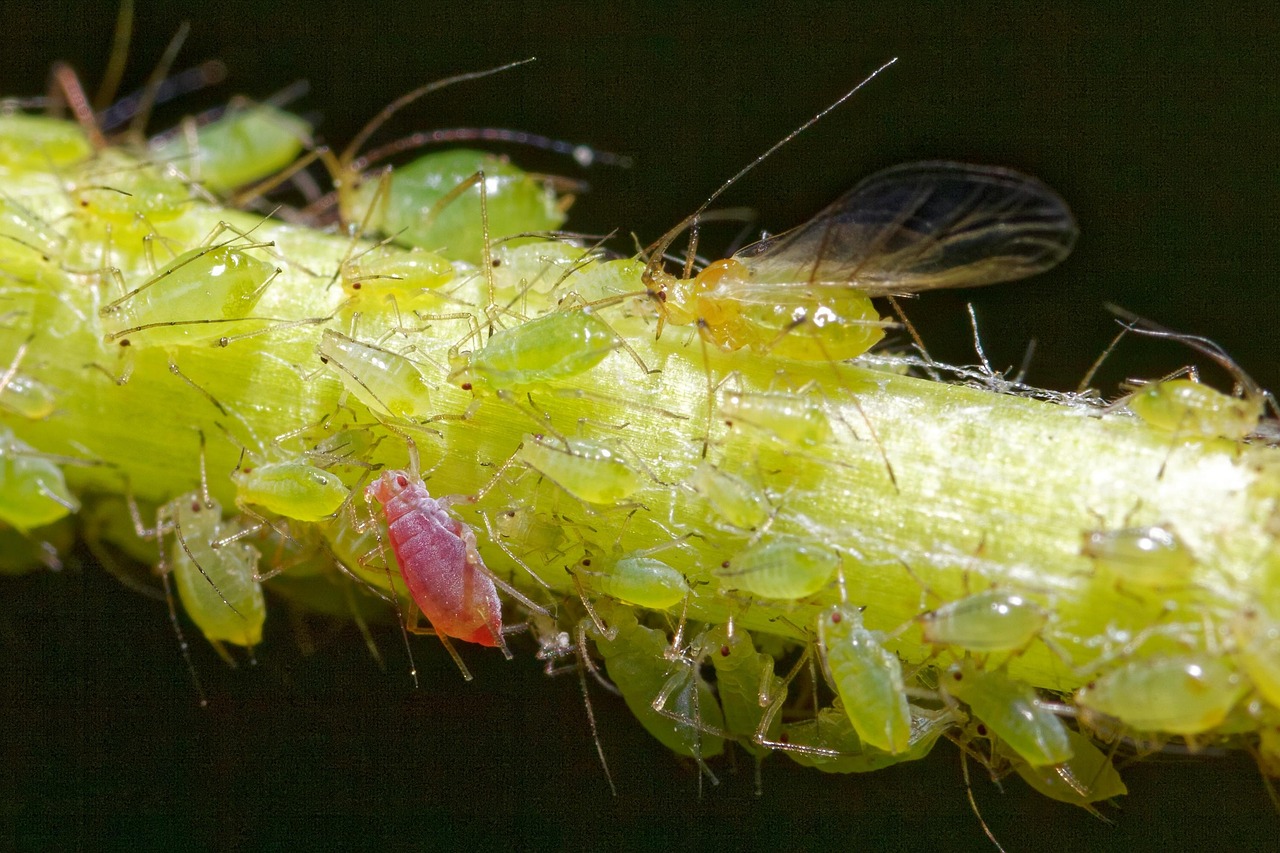
Woolly aphids look like tiny cotton balls that somehow learned to crawl, covered in white, fluffy secretions that make them appear more like plant matter than living insects. The waxy coating feels exactly like cotton – soft, fluffy, and surprisingly warm to the touch. This fuzzy armor serves as protection against predators and weather, creating a micro-environment around the aphid that helps regulate temperature and humidity. When disturbed, these insects can release clouds of their waxy fibers, creating a smoky appearance that helps them escape danger. The texture is so convincing that many people mistake woolly aphids for plant diseases or fungal growths rather than recognizing them as insects wearing nature’s own fleece jackets.
Thorn Bugs: Living Plant Spikes with Personality
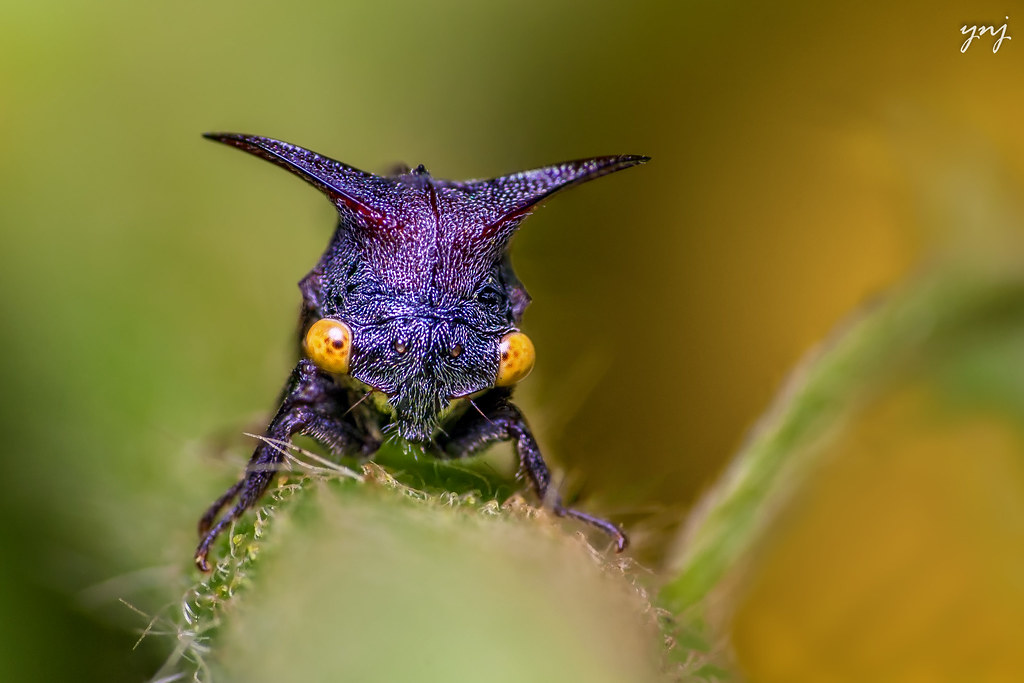
Thorn bugs have evolved to look exactly like rose thorns, complete with the sharp, pointed appearance and woody texture that makes them virtually indistinguishable from actual plant parts. Their bodies feel hard and rough, like touching a real thorn, with surfaces that mimic the bark-like texture of plant stems. Some species even have coloration that matches the specific plants they live on, creating camouflage so perfect it borders on the supernatural. The pointed projections on their backs aren’t just for show – they’re functional body parts that help these insects blend seamlessly into their thorny homes. When you finally spot one of these master mimics, the realization that you’re looking at an insect rather than a plant part can be genuinely startling.
Flower Mantises: Petal-Soft Predators
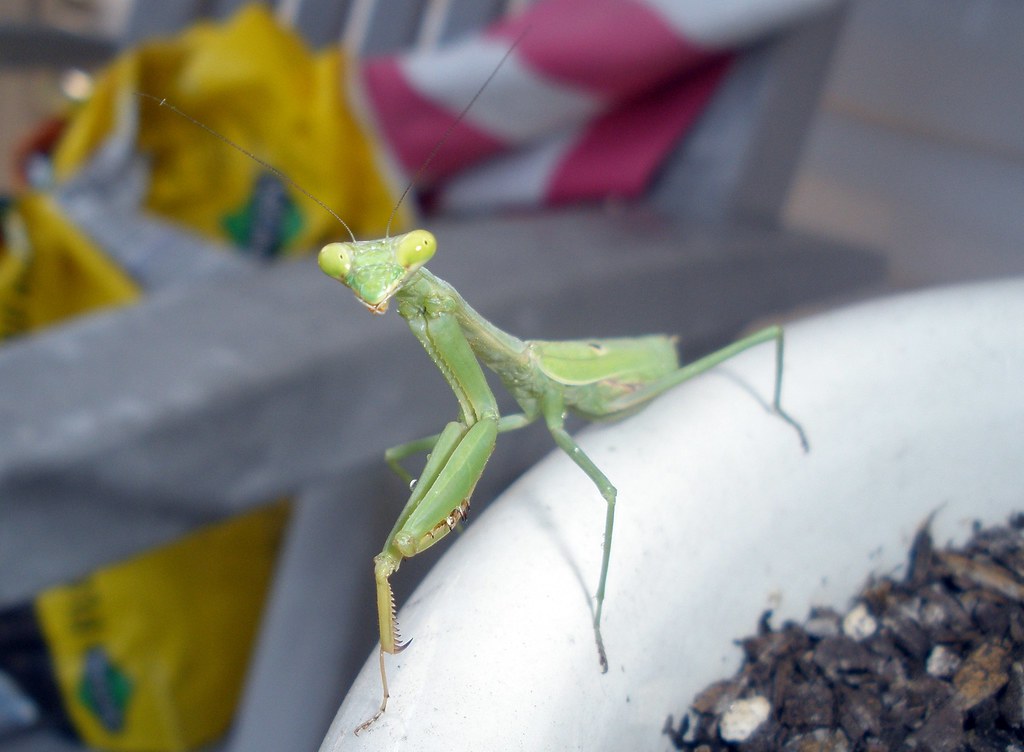
Orchid mantises have evolved to look like flower petals, complete with soft, curved surfaces that feel remarkably similar to actual flower parts. Their bodies have a smooth, almost silky texture that mimics the delicate feel of rose petals or orchid blooms. The coloration and texture work together to create one of nature’s most convincing disguises, allowing these predators to hunt while appearing to be nothing more than beautiful flowers. Some species even sway gently in the breeze like real petals, completing an illusion so perfect that both prey and human observers can be completely fooled. The contrast between their delicate, flower-like appearance and their lightning-fast predatory strikes makes them some of the most fascinating insects to observe in action.
Hairy Caterpillars: Nature’s Living Paintbrushes
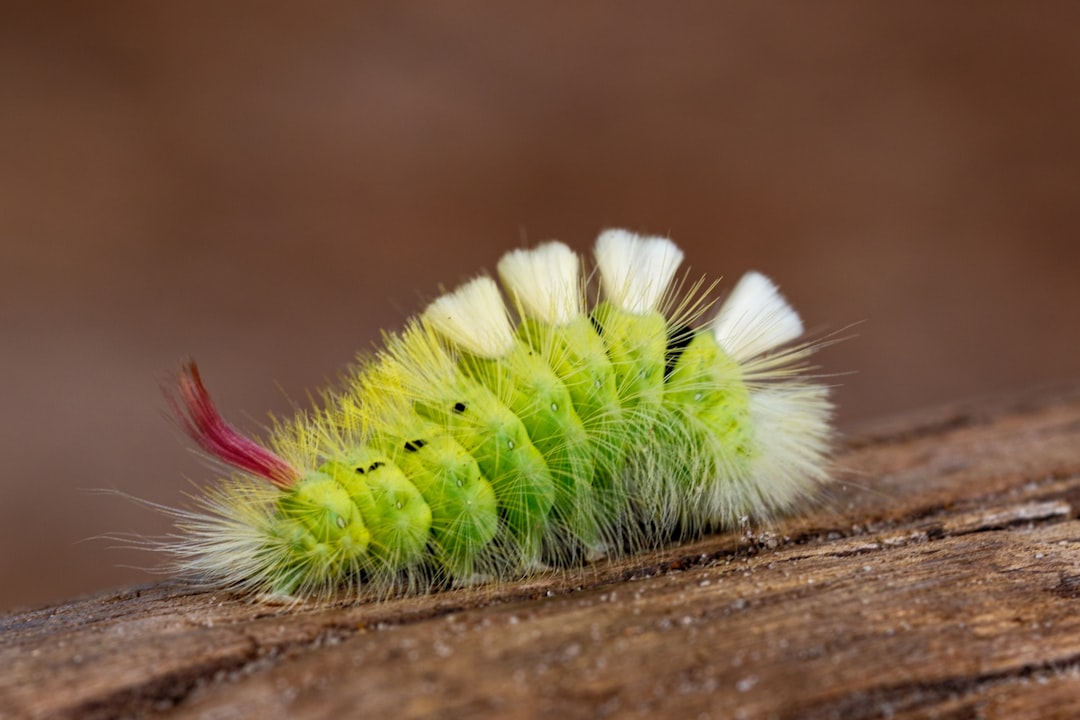
Some caterpillars are covered in dense fur that makes them look like colorful paintbrushes or tiny bottle brushes crawling through the garden. The hairs can range from soft and silky to stiff and bristly, with textures that vary dramatically between species. These fuzzy coatings serve multiple purposes: protection from predators, insulation against temperature changes, and sometimes even chemical defense systems that can cause irritation to anything that touches them. The most spectacular examples look like living works of art, with hairs arranged in patterns and colors that seem too perfect to be natural. Some feel like velvet, others like wire brushes, but all represent sophisticated evolutionary solutions to the challenges of surviving as a soft-bodied insect in a dangerous world.
Glass Wing Butterflies: Windows to Another World
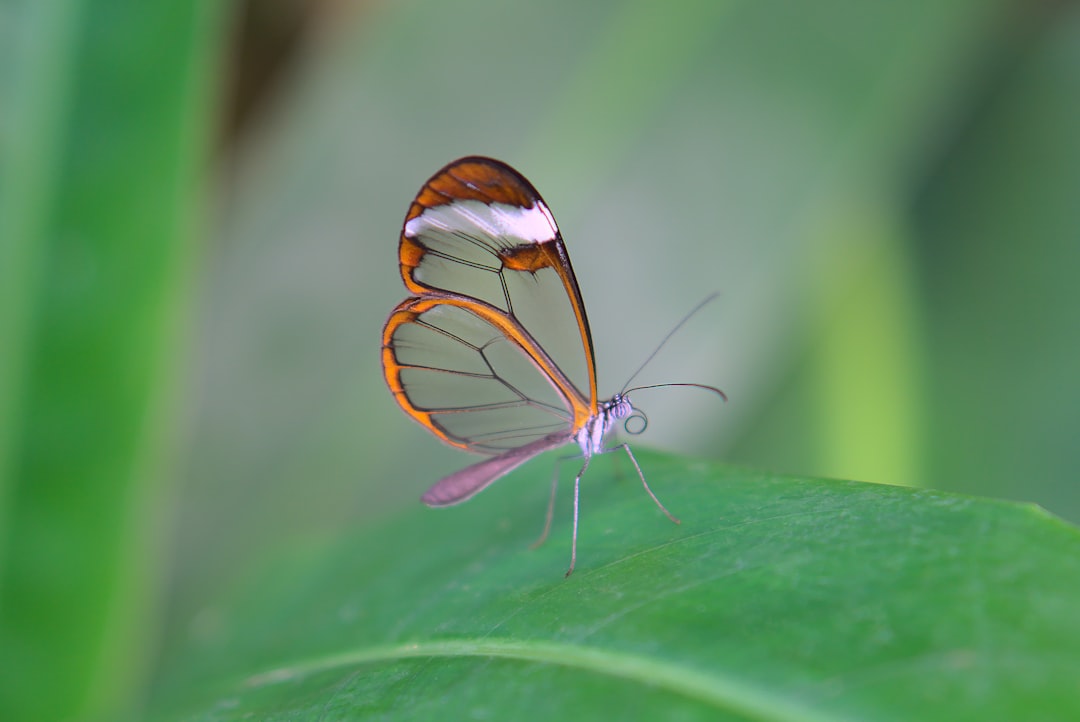
Glass wing butterflies have wings so transparent they’re nearly invisible, with surfaces that feel smooth as actual glass and reveal the world behind them with crystal clarity. The transparency comes from the absence of scales in most areas of the wing, leaving only the clear wing membrane that’s so thin it’s almost ethereal. When light passes through these wings, it creates an otherworldly effect that makes the butterflies look like flying windows or pieces of animated glass. The texture is remarkably delicate – smoother than silk and more fragile than tissue paper, yet strong enough to carry these insects through their aerial dances. These living windows challenge our expectations of what insect wings should look like, creating creatures that seem more like fairy tale magic than biological reality.
Spiny Assassin Bugs: Armor-Plated Hunters
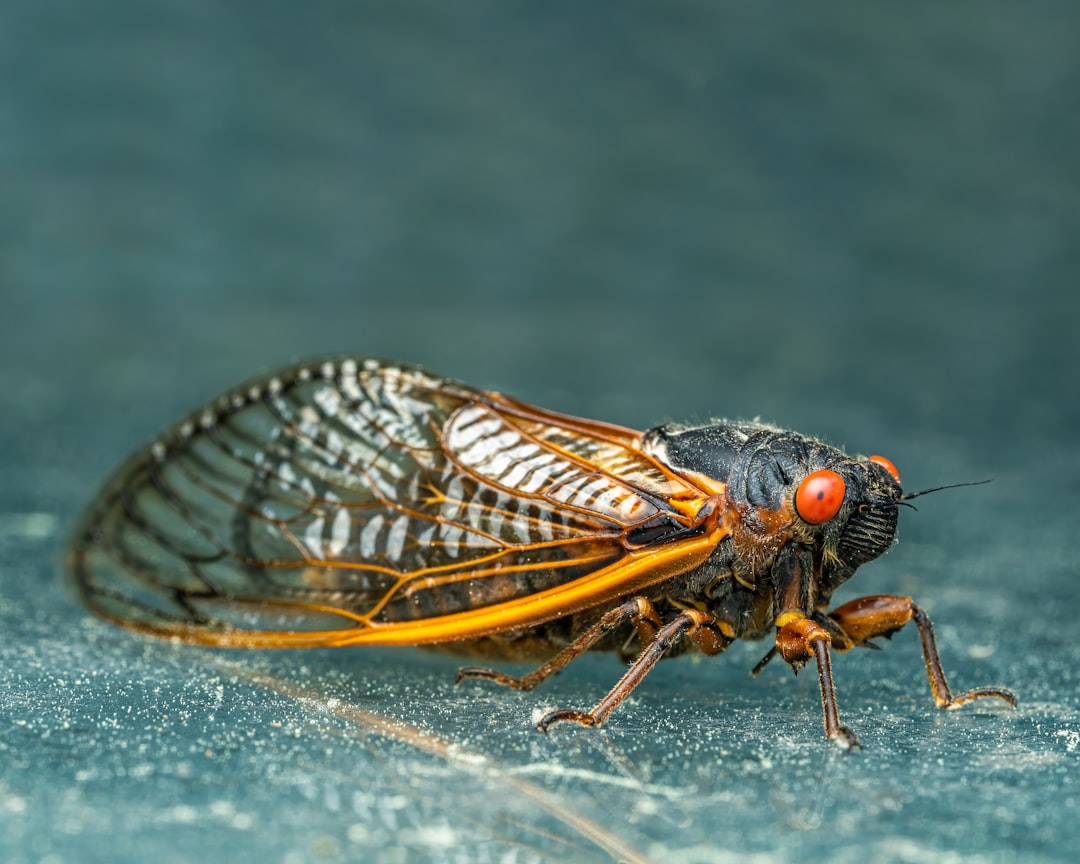
Assassin bugs often wear elaborate spiky armor that feels like miniature medieval plate mail, with surfaces covered in spines, ridges, and projections that make them look like tiny dragons. The texture is hard and rough, with edges sharp enough to deter predators and give these hunters a fearsome appearance that matches their predatory lifestyle. Some species have developed such elaborate spiky coverings that they look more like fantasy creatures than real insects, with projections that serve both defensive and offensive purposes. The contrast between their armored appearance and their surprisingly agile hunting behavior makes them fascinating to watch in action. Running your finger carefully along their backs reveals a landscape of points and ridges that feels like touching a miniature suit of armor designed by nature’s own blacksmith.
Rhinoceros Beetles: Living Tanks with Polished Shells
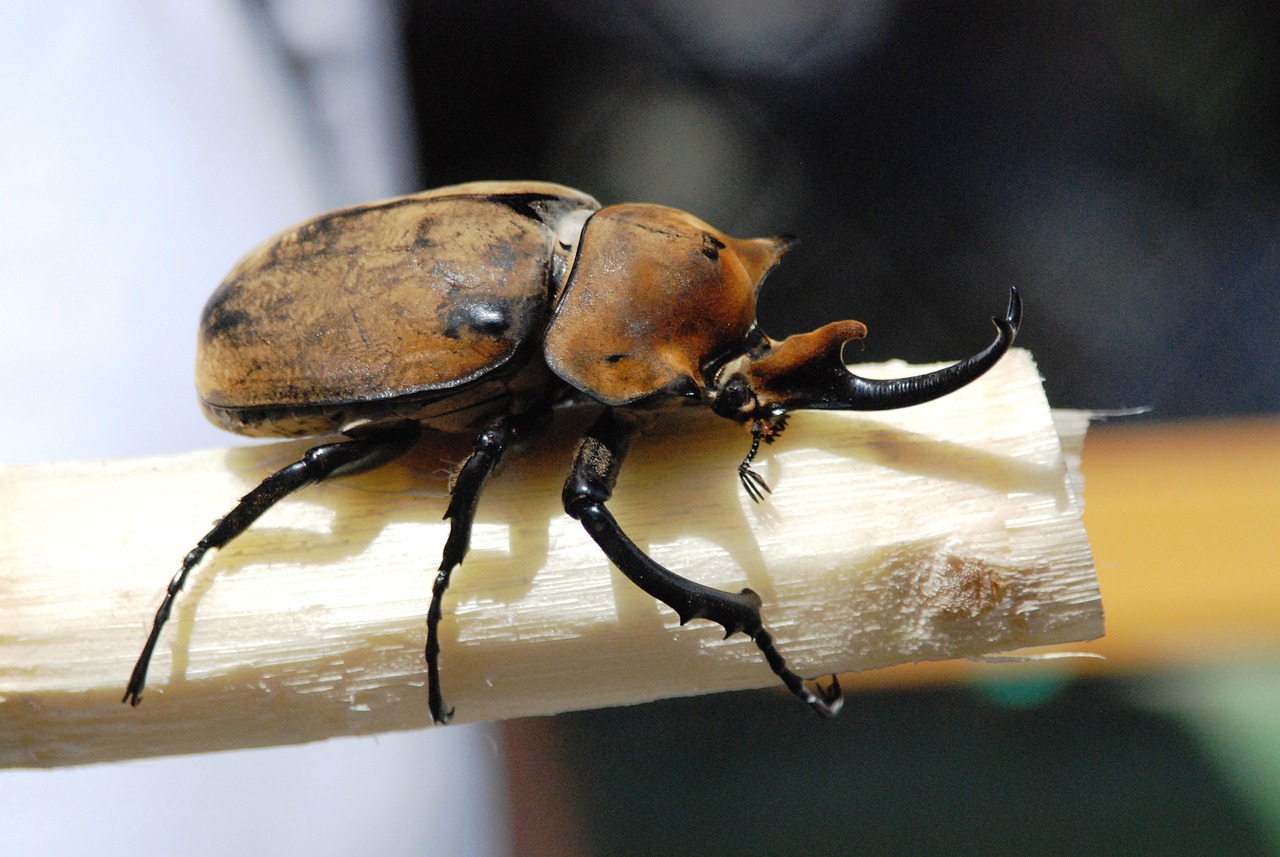
Rhinoceros beetles are like living tanks, with exoskeletons so thick and polished they feel like touching carved hardwood or polished stone. Their surfaces are incredibly smooth yet incredibly strong, capable of supporting weights many times their own body mass without cracking or bending. The horns and projections on these beetles feel solid and substantial, like natural sculptures carved from the hardest materials nature can produce. Some species have such a high gloss finish that they look like they’ve been waxed and polished, reflecting light like black mirrors that happen to have legs and attitude. These beetles represent the ultimate in insect armor design, combining beauty with functionality in ways that continue to inspire human engineers and designers seeking to create materials that are both strong and elegant.
The world of insect textures reveals a universe of sensory experiences hiding in plain sight around us. These creatures have spent millions of years perfecting surfaces that serve purposes we’re only beginning to understand, creating textures that range from softer than silk to harder than stone. Next time you encounter an insect, take a moment to really look at its surface – you might discover that you’re seeing one of nature’s most remarkable textile innovations, crafted by evolution’s patient hand over countless generations. What other hidden textures might be waiting in your own backyard, just beyond the reach of casual observation?