
The peaceful suburban landscape with its manicured lawns and playful children often hides a tiny but formidable threat – fire ants. These small yet aggressive insects have steadily expanded their territory across American suburbs, turning backyard barbecues and barefoot walks into potentially painful experiences. While they may seem like just another nuisance pest, fire ants pose unique challenges and health risks that every suburban homeowner should understand. As these resilient invaders continue to adapt to suburban environments, knowing how to identify, avoid, and manage fire ant populations has become essential knowledge for protecting yourself, your family, and your pets. This guide will equip you with the vital information needed to coexist safely with these tenacious insects.
Understanding the Fire Ant Invasion


Fire ants, particularly the imported red fire ant (Solenopsis invicta), arrived in the United States from South America in the 1930s, entering through the port of Mobile, Alabama. Without natural predators to keep their populations in check, these invasive insects have spread rapidly throughout the southern United States, establishing colonies in more than 15 states from Texas to Virginia and continuing their northward expansion. Climate change has accelerated their spread, with warming temperatures allowing these heat-loving insects to survive in previously inhospitable regions. Suburbia provides an ideal habitat for fire ants with its abundance of open, sunny lawns, landscaped areas, and disturbed soil – perfect conditions for establishing their distinctive mounded nests that can house up to 250,000 workers and multiple queens.
Identifying Fire Ants and Their Mounds

.jpg)
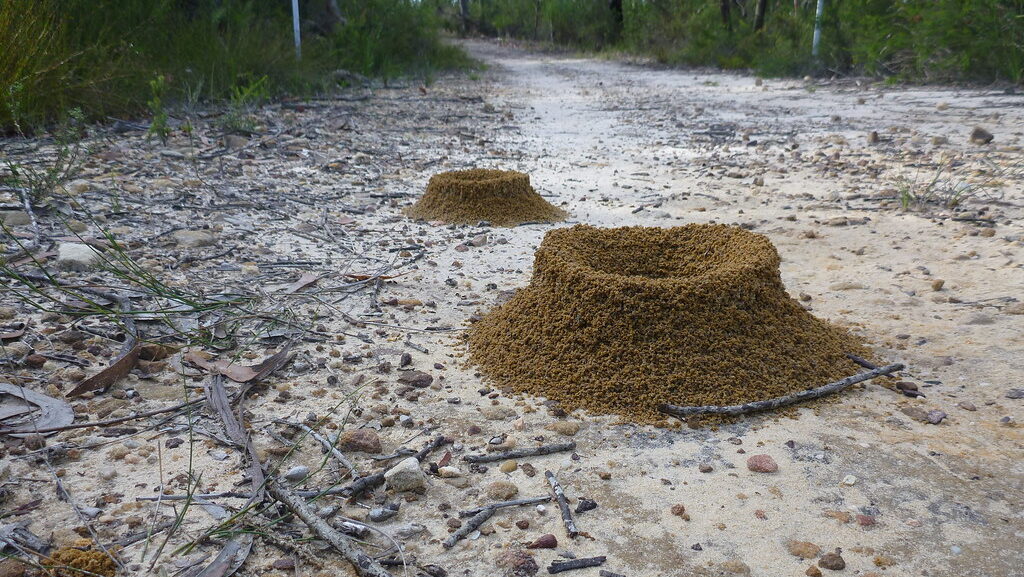
Learning to identify fire ants is your first line of defense against painful encounters. These ants range in size from 1/8 to 1/4 inch long and display a distinctive reddish-brown to reddish-black coloration with a two-segment waist and a stinger at the abdomen tip. Unlike other ant species that create small dirt piles with a central entrance hole, fire ant mounds are dome-shaped, can reach 18 inches in height, and lack a central opening, as the ants enter and exit through underground tunnels that can extend several feet from the visible mound. Fresh mounds appear fluffy and loose, particularly after rain, while established mounds become more compacted over time. The presence of aggressive ants that swarm quickly when disturbed is a telltale sign you’re dealing with fire ants rather than their less aggressive cousins.
The Painful Truth About Fire Ant Stings


A fire ant encounter typically begins with a sudden, sharp pain as the ant uses its mandibles to secure itself to your skin before delivering multiple stings in a circular pattern with its abdominal stinger. Unlike bees that lose their stinger after one use, fire ants can sting repeatedly, injecting a toxic alkaloid venom called solenopsin that causes an intense burning sensation – hence their appropriate name. Within 24 hours, these stings develop into distinctive white pustules that can take weeks to heal and often leave small scars. Most concerning is that fire ants attack en masse when their colony is disturbed, with a single person potentially receiving hundreds of stings from a disturbed mound, creating a medical emergency, especially for sensitive individuals. The psychological impact shouldn’t be underestimated either, as many suburban residents develop anxiety about outdoor activities following painful fire ant encounters.
Medical Risks and Allergic Reactions


While painful for everyone, fire ant stings pose particularly serious risks for approximately 1% of the population who experience severe allergic reactions. Anaphylaxis, a life-threatening allergic response, can develop rapidly after fire ant stings and requires immediate emergency medical attention, with symptoms including difficulty breathing, rapid pulse, dizziness, nausea, and swelling of the face, tongue or throat. Even without severe allergies, multiple stings can cause significant health issues, including intense pain, swelling, fever, and general discomfort that may last for days. Secondary infections are another concern, as the pustules from fire ant stings can become infected if scratched or broken, particularly in children who may have difficulty resisting the urge to scratch the intensely itchy welts. Medical professionals recommend having antihistamines readily available in fire ant-prone areas and seeking medical attention for any concerning symptoms following fire ant stings.
Fire Ant Hotspots in Suburban Settings


Fire ants demonstrate remarkable adaptability in suburban landscapes, establishing colonies in a variety of locations that suburban residents should learn to monitor regularly. Lawn edges, particularly along sidewalks and driveways, provide ideal nesting sites as these areas warm quickly in the sun and offer structural support for extensive tunnel systems. Landscaping features like mulched garden beds, foundation plantings, and the bases of trees and shrubs frequently harbor fire ant colonies that may go unnoticed until disturbed during gardening activities. Children’s play areas deserve special attention, as sandbox edges, playground equipment footings, and sports fields often attract fire ant colonies, creating dangerous situations for barefoot children. Utility installations also provide favorable conditions, with fire ants frequently establishing nests around electrical boxes, water meter housings, and cable installations – areas where homeowners and service personnel may inadvertently disturb colonies during routine maintenance.
Protecting Children and Pets from Fire Ants

Children and pets face heightened risk from fire ant encounters due to their curious nature and tendency to play on the ground where colonies thrive. Teaching children to recognize and avoid ant mounds is essential, with regular reminders about wearing shoes outdoors and instructions to tell an adult immediately if they notice ants on their body rather than trying to brush them off themselves. For infants and toddlers, maintaining a blanket barrier between them and the grass during outdoor play provides a simple but effective protection measure. Pets, particularly dogs, frequently disturb fire ant mounds while exploring or digging, resulting in painful stings around their faces, paws, and bellies that can cause significant distress and potential health complications. Veterinarians recommend checking pets after outdoor time for signs of fire ant stings, which may include excessive licking, swelling, or unusual behavior, and seeking immediate veterinary attention if multiple stings are discovered or allergic reactions are suspected.
Landscaping Strategies to Discourage Fire Ants

Strategic landscaping choices can significantly reduce your property’s attractiveness to fire ant colonies without relying heavily on chemical treatments. Regular lawn maintenance plays a crucial role, as keeping grass at the recommended height for your specific variety and addressing drainage issues eliminates conditions that attract fire ant queens looking to establish new colonies. Choosing native plants adapted to local conditions promotes a healthier ecosystem with natural pest resistance, while avoiding excessive mulch application prevents creating the warm, protected environment that fire ants prefer for nesting. Creating buffer zones of gravel or stone between structures and vegetation disrupts the connectivity fire ants need to expand their territory throughout your property. Perhaps most importantly, encouraging beneficial insects and animals that either prey on fire ants or compete with them for resources – including certain native ant species, lizards, and birds – establishes natural biological controls that work continuously to keep fire ant populations in check.
Chemical Treatment Options and Considerations

When fire ant infestations require intervention, homeowners can choose from several chemical treatment approaches, each with distinct advantages and limitations. Bait treatments, which combine food attractants with insecticides that worker ants carry back to the colony, work slowly but effectively, targeting the queen and eventually causing colony collapse with minimal environmental impact when used according to directions. Contact insecticides provide faster results for immediate problems, creating a protective barrier around specific areas like playgrounds or patios, though they may need more frequent reapplication and affect beneficial insects. Individual mound treatments, applied directly to visible colonies, offer targeted control for isolated problems without treating the entire yard, making them useful for spot management of particularly problematic mounds. Regardless of the method chosen, careful adherence to label instructions is essential, as improper application can reduce effectiveness, potentially harm beneficial organisms, and may contribute to the development of resistance in fire ant populations over time.
Natural and Low-Toxicity Control Methods

For households concerned about chemical exposure, several natural and low-toxicity approaches offer alternatives for managing fire ant populations. Boiling water, poured carefully onto individual mounds, provides immediate colony reduction though rarely achieves complete elimination and requires caution to prevent burns. Diatomaceous earth, a powder made from fossilized aquatic organisms, damages the exoskeletons of ants that walk through it, causing dehydration and death without introducing toxins into the environment. Essential oil-based repellents containing citrus, mint, or cinnamon oils create barriers that fire ants typically avoid, making them useful for protecting specific areas like patios or play equipment. Biological controls, including the introduction of naturally occurring phorid flies that parasitize fire ants or beneficial nematodes that attack underground colonies, offer long-term sustainable management options that work within natural ecological systems. While these natural approaches may require more patience and consistent application than chemical alternatives, they minimize environmental impact while still providing effective fire ant management when used as part of a comprehensive strategy.
Creating a Fire Ant Action Plan

Developing a systematic approach to fire ant management significantly improves your ability to enjoy your suburban outdoor spaces safely. Begin with thorough property mapping, identifying existing mounds and high-risk areas that require regular monitoring, with particular attention to places frequented by children, pets, and family gatherings. Establish a regular inspection schedule, checking your property after rain events when new mounds become more visible, and maintaining detailed records of colony locations and treatment effectiveness to identify patterns over time. Create clear communication protocols for your household, ensuring everyone knows how to identify fire ant activity, appropriate response steps for stings, and precautions during outdoor activities. Finally, implement a seasonal treatment strategy tailored to your local climate, typically applying preventative measures in early spring before colonies become active, maintaining vigilance through summer when fire ants are most aggressive, and addressing established colonies in fall before winter dormancy provides them time to recover from treatments.
When to Call Professional Pest Control

While many homeowners successfully manage moderate fire ant problems, certain situations warrant professional intervention from certified pest control operators. Severe infestations with numerous mounds across your property often indicate a deeply established problem that may extend beyond visible signs, requiring comprehensive treatment strategies that professionals can implement more effectively than do-it-yourself approaches. Properties adjoining natural areas, waterways, or undeveloped land face continuous reinfestation pressure that benefits from professional-grade barrier treatments and ongoing management plans. Households with individuals who have known allergies to fire ant stings should prioritize professional prevention to minimize risks of accidental exposure and potential medical emergencies. Professional pest control services offer important advantages including access to commercial-grade products not available to consumers, equipment that ensures more uniform application, integrated pest management expertise that combines multiple control strategies, and scheduled maintenance programs that provide continuous protection rather than reactive treatment after problems develop.
Community-Wide Fire Ant Management

The mobile nature of fire ant colonies makes neighborhood-wide coordination essential for long-term control success in suburban environments. Isolated treatment efforts often yield temporary results as untreated neighboring properties serve as reservoirs for reinfestation, with newly mated queens readily establishing colonies in previously treated areas. Organizing community education events with local extension services can increase awareness and promote consistent management practices among neighbors, creating wider zones of control that reduce overall population pressure. Homeowners associations can facilitate coordinated treatment days when multiple properties receive simultaneous applications, maximizing effectiveness and potentially reducing costs through group rates from professional services. Public spaces like parks, sports fields, and community gardens benefit from resident advocacy for regular monitoring and appropriate fire ant management by municipal authorities, protecting these shared spaces from becoming infestation sources. The combined impact of coordinated community efforts extends protection beyond individual property boundaries, creating sustained fire ant suppression that benefits the entire neighborhood ecosystem.
Living Safely with Fire Ants

Despite our best management efforts, complete elimination of fire ants from established areas remains nearly impossible, making safety practices essential for suburban residents in affected regions. Developing the habit of scanning the ground before setting up outdoor activities can prevent accidentally placing picnic blankets, lawn chairs, or play equipment directly on or near fire ant mounds. Appropriate footwear choices make a significant difference, with closed-toe shoes providing crucial protection during yard work and supervision ensuring children don’t go barefoot in potentially infested areas. Keeping emergency response supplies readily accessible, including insect sting relief products, antihistamines for mild reactions, and emergency contact information, prepares households to address stings promptly when they occur. Perhaps most importantly, maintaining perspective helps suburban residents balance reasonable caution with continued enjoyment of outdoor spaces, recognizing that with proper awareness and precautions, the risk of significant fire ant encounters can be substantially reduced without sacrificing quality of outdoor life.
Fire ants have become an established part of suburban ecosystems across the southern United States, requiring residents to adapt their outdoor habits and home maintenance practices accordingly. By understanding fire ant biology, recognizing the signs of infestation, implementing appropriate management strategies, and teaching household members proper safety precautions, suburban families can significantly reduce their risk of painful encounters. While complete eradication remains elusive, the combination of individual vigilance, appropriate treatment methods, and community cooperation creates an environment where humans and fire ants can coexist with minimal conflict. As climate change potentially expands fire ant territory northward, the lessons learned in current infestation zones will become valuable knowledge for newly affected communities, ensuring that suburban outdoor spaces remain safe and enjoyable despite the persistent presence of these formidable insects.