
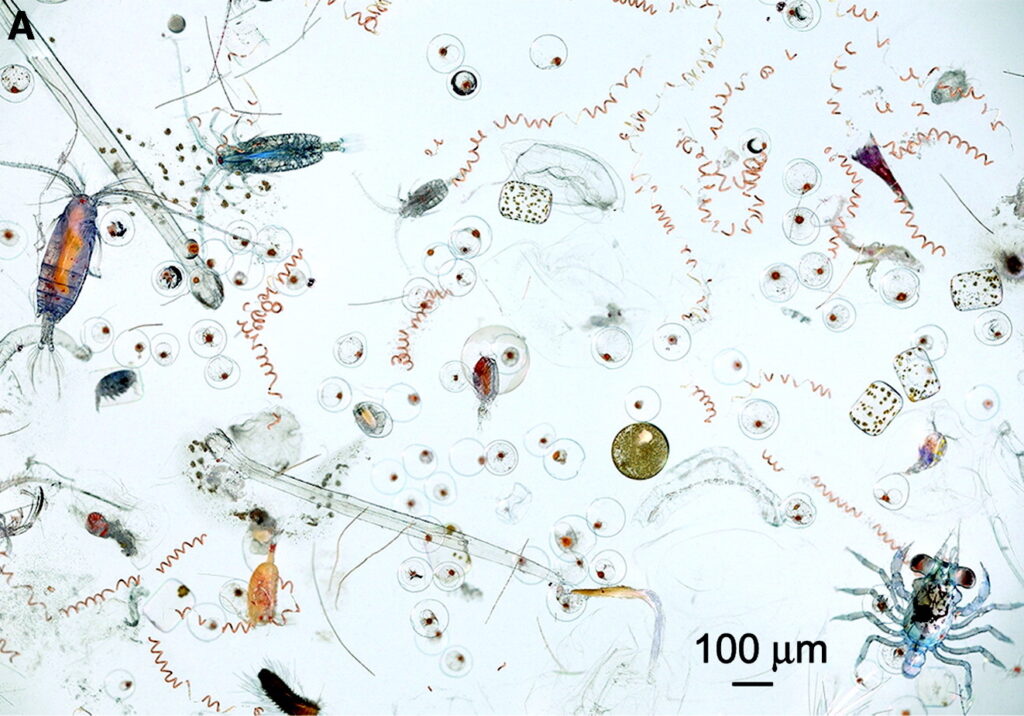
Every time you turn on your kitchen faucet, you’re unleashing a hidden world that most people never think about. That crystal-clear stream of water flowing into your glass might look pristine, but beneath the surface lies a microscopic ecosystem that would amaze and perhaps disturb you. While you’re worried about chlorine levels and fluoride content, there’s an entire universe of tiny creatures that might be calling your tap water home.
The Shocking Truth About What’s Really in Your Water
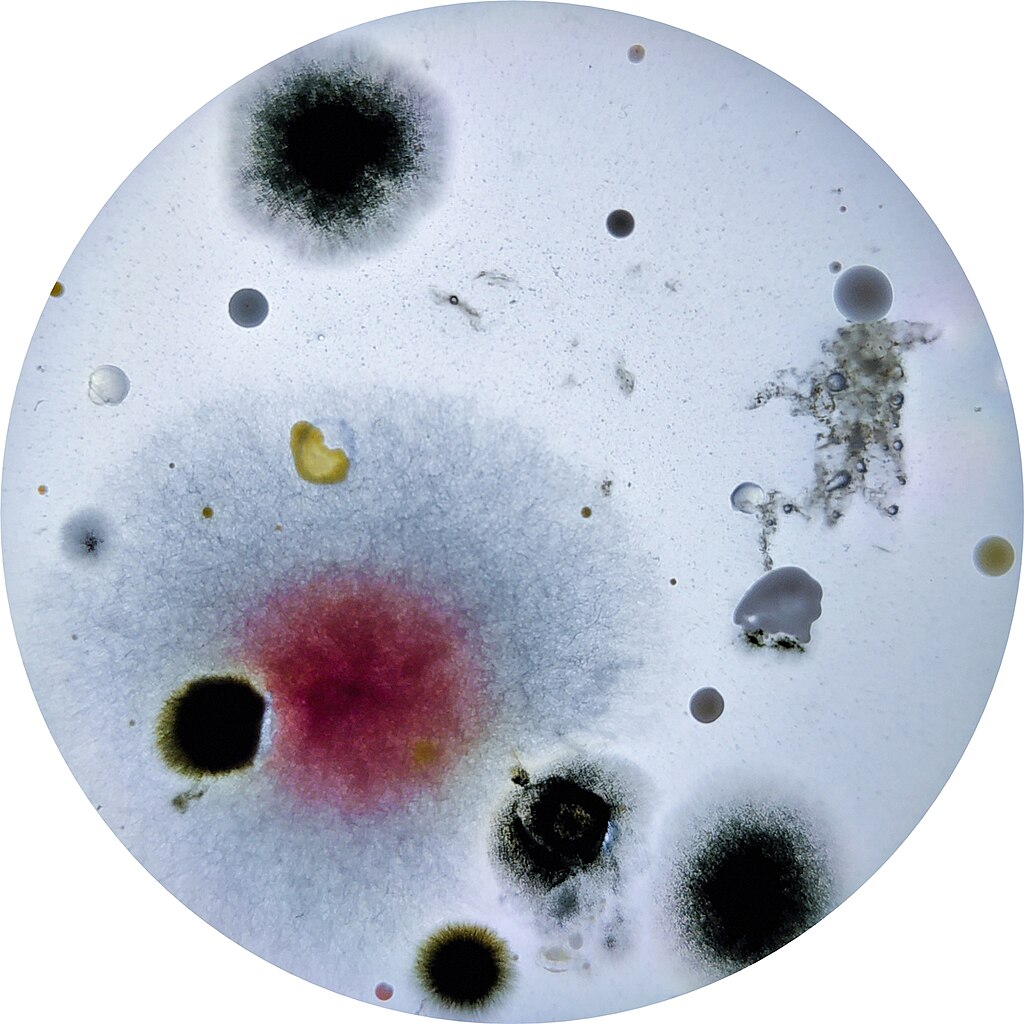
Your tap water isn’t just H2O – it’s a complex mixture that can harbor life forms smaller than the width of a human hair. While true insects don’t typically survive in treated municipal water systems, the reality is far more fascinating and complex. Water treatment facilities work around the clock to eliminate most living organisms, but some microscopic creatures are incredibly resilient. These tiny survivors have evolved mechanisms that allow them to withstand chemical treatments that would kill larger organisms instantly. The presence of these microscopic life forms doesn’t necessarily mean your water is unsafe, but it does reveal the incredible adaptability of life itself. When scientists examine tap water under powerful microscopes, they often discover a bustling community of organisms that challenge our assumptions about “clean” water.
Why Real Insects Can’t Survive the Municipal Water Treatment Process
The journey from water source to your tap involves multiple stages of treatment that create an environment hostile to insect survival. Chlorination, filtration, and UV sterilization work together to create conditions that would be lethal to any flying, crawling, or swimming insect. Even the tiniest gnats or fruit flies that might accidentally enter water systems face immediate death from chemical exposure. The pH levels maintained in municipal water systems are specifically designed to prevent bacterial growth, which also makes survival impossible for insects that require specific environmental conditions. Most insects need oxygen levels and organic matter that simply don’t exist in properly treated tap water. The pressure changes and temperature fluctuations throughout the distribution system would also prove fatal to any insect hardy enough to survive the initial treatment.
The Microscopic World of Water Mites and Tiny Arthropods
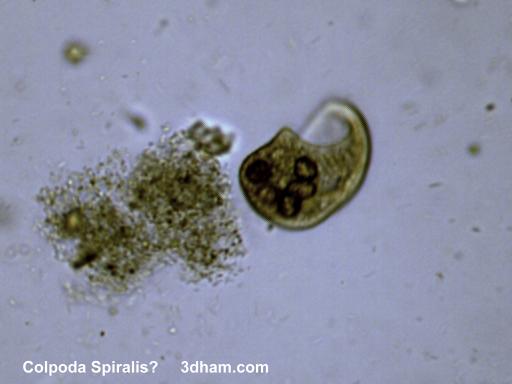
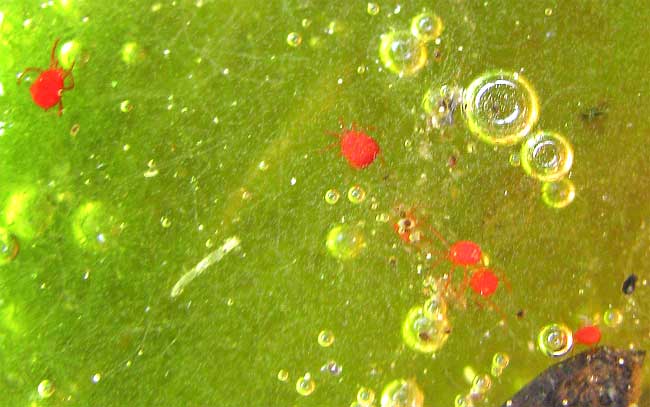
While full-sized insects can’t survive in tap water, their microscopic cousins tell a different story entirely. Water mites, which are related to spiders and belong to the arthropod family, can occasionally survive water treatment processes due to their incredibly small size. These creatures, measuring less than a millimeter, can slip through filtration systems that catch larger organisms. Some species of water mites have developed remarkable resistance to chlorine and other disinfectants commonly used in water treatment. Their ability to enter a dormant state when conditions become harsh allows them to survive treatments that would kill most other life forms. When conditions improve, these tiny arthropods can become active again, creating small populations in water distribution systems.
Nematodes: The Microscopic Worms Living in Your Pipes
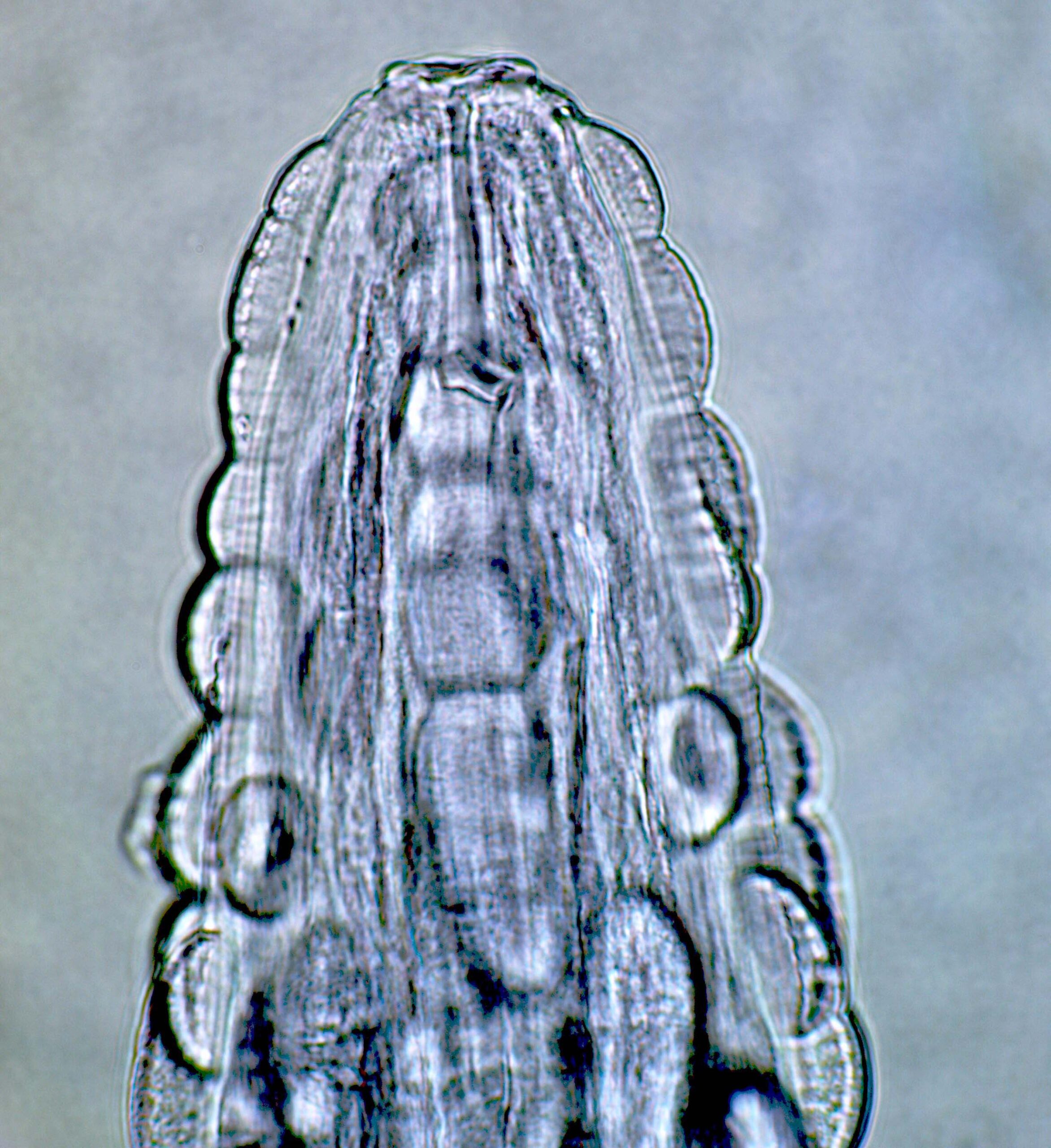
Perhaps the most common microscopic “insects” found in tap water are actually nematodes – tiny roundworms that aren’t insects at all but are often mistaken for them. These transparent, thread-like creatures can survive in biofilms that form inside water pipes, feeding on bacteria and organic matter. Nematodes are incredibly hardy and can withstand temperature changes, pressure variations, and even moderate levels of chlorine. Their microscopic size allows them to navigate through the smallest cracks and crevices in aging water infrastructure. While the presence of nematodes in tap water might sound alarming, most species are harmless to humans and actually serve as indicators of bacterial activity in water systems. Some water quality experts even view certain nematode species as beneficial, as they help control bacterial populations in distribution networks.
Copepods and Crustacean Cousins in Your Glass
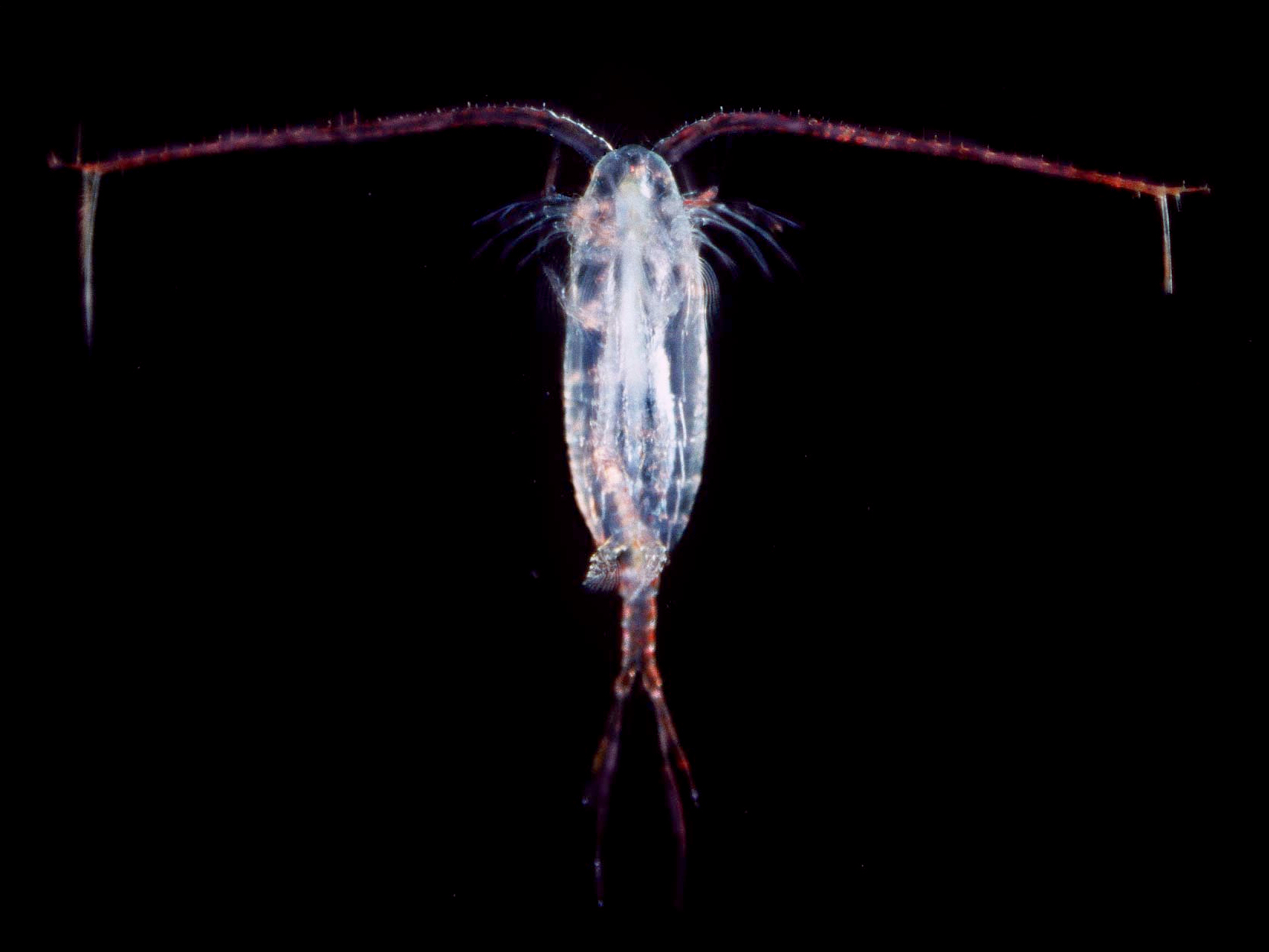
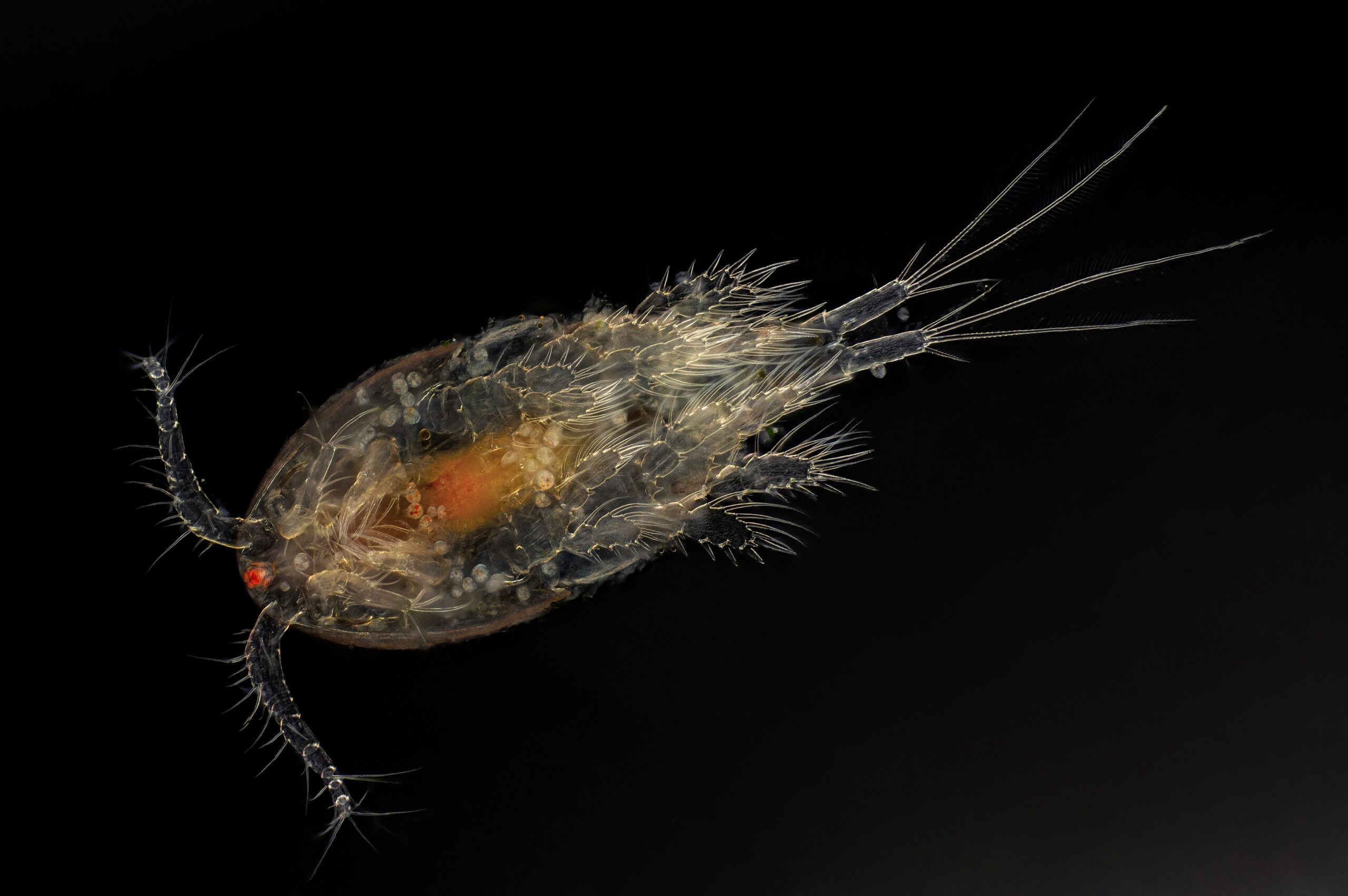
Copepods represent another group of tiny arthropods that can occasionally survive the journey from water source to your tap. These microscopic crustaceans, related to shrimp and crabs, are visible to the naked eye as tiny specks that move through the water. In areas where water treatment is less rigorous or where aging infrastructure creates pockets of untreated water, copepods can establish small populations. Their presence often indicates that water has spent time in reservoirs or storage tanks where they can reproduce. While copepods are generally harmless and even consumed as food in some cultures, their appearance in tap water can be startling for unsuspecting consumers. These creatures are actually quite beneficial in natural water systems, serving as important links in aquatic food chains.
The Role of Biofilms in Harboring Microscopic Life
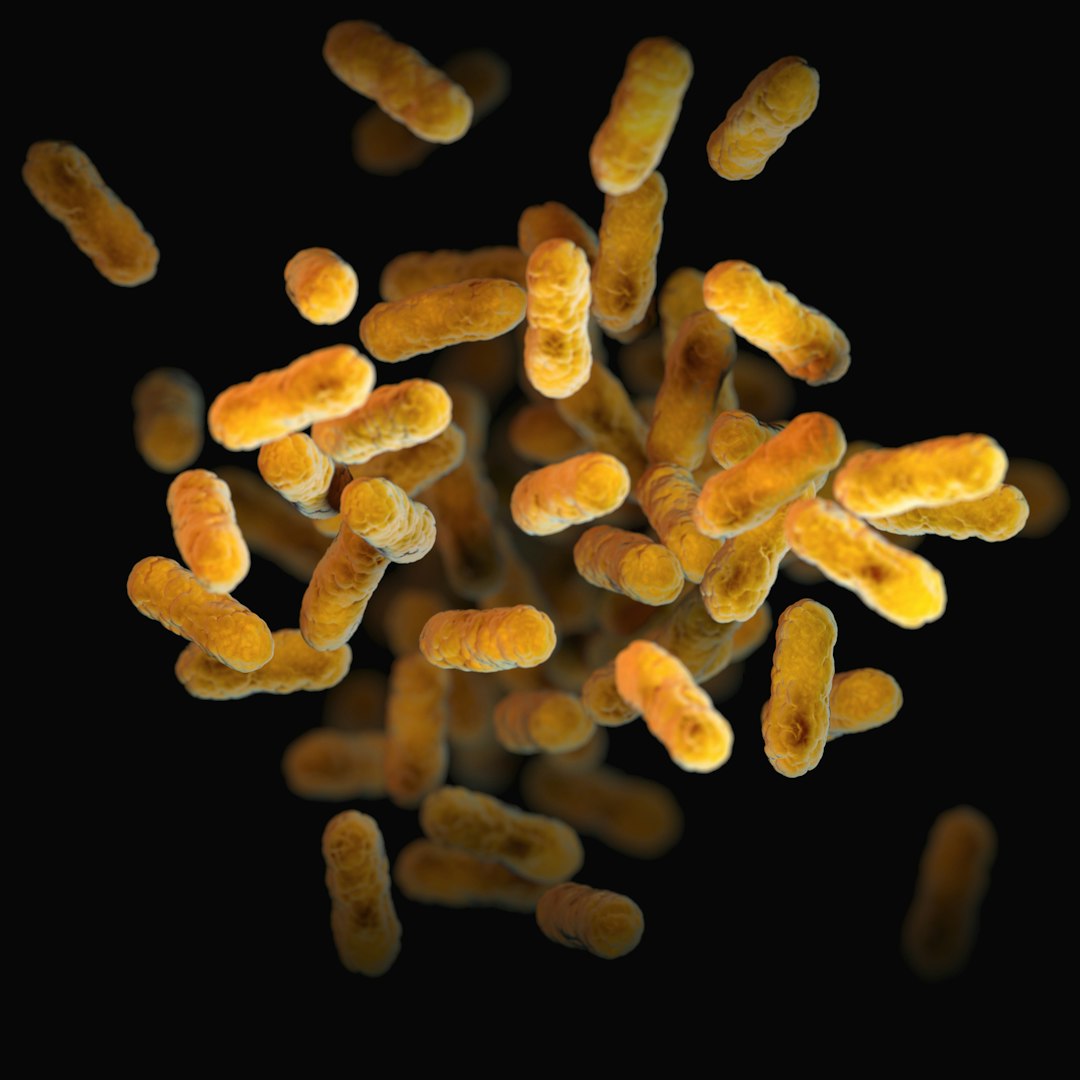
The secret to how these tiny creatures survive in treated water lies in biofilms – slimy layers of bacteria and organic matter that coat the inside of water pipes. These biofilms create protected environments where chlorine and other disinfectants can’t reach effectively. Within these microscopic havens, various organisms can establish communities that persist for months or even years. The organisms living in biofilms feed on each other and on organic compounds that accumulate over time. As water infrastructure ages, these biofilms become thicker and more complex, providing even better protection for microscopic residents. Understanding biofilms is crucial for water management because they represent the primary way that life can persist in otherwise sterile water systems.
Seasonal Variations in Microscopic Water Inhabitants
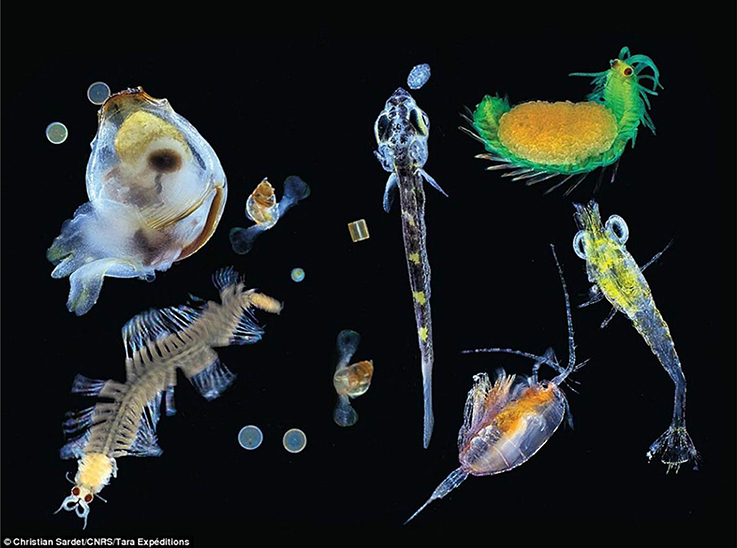
The population of microscopic organisms in tap water isn’t constant throughout the year – it fluctuates with seasons and environmental conditions. During warmer months, when water temperatures rise and organic matter increases, populations of tiny arthropods and nematodes can boom. Spring runoff often introduces new organisms into water systems, some of which may survive treatment processes. Heavy rainfall can overwhelm water treatment facilities, allowing more organisms to pass through filtration systems. Winter months typically see reduced populations as colder temperatures and increased chemical treatment create harsher conditions. These seasonal patterns help explain why you might notice tiny moving specks in your water during certain times of the year but not others.
How Aging Infrastructure Creates Microscopic Habitats
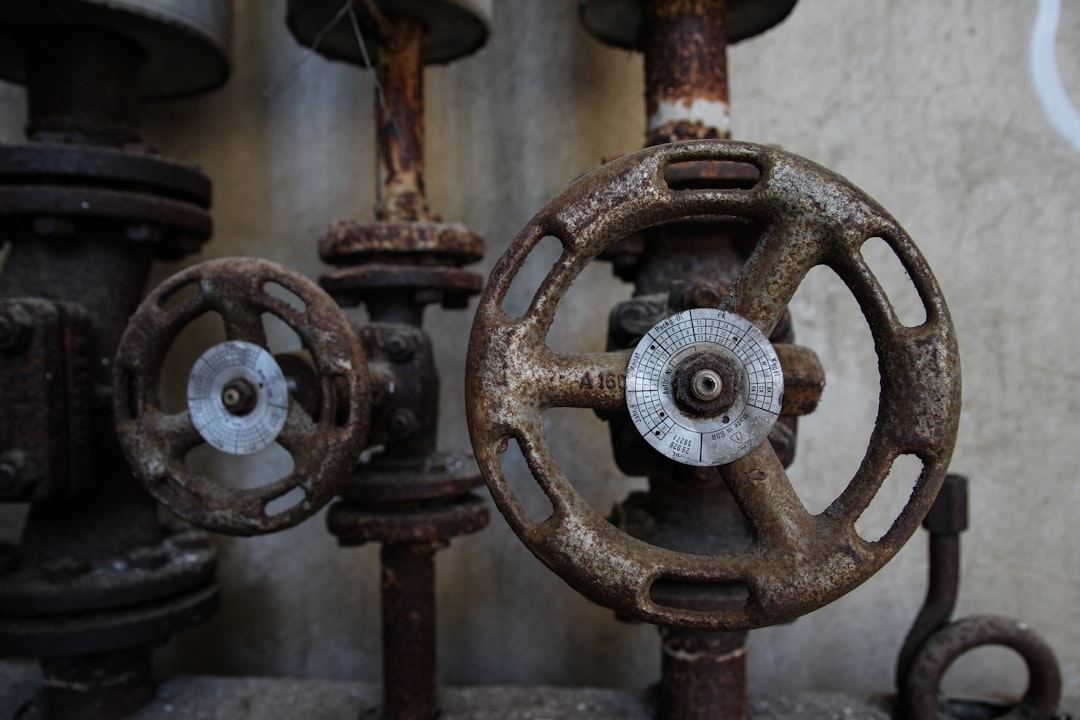
Old water pipes and storage tanks provide ideal conditions for microscopic life to flourish in ways that modern infrastructure doesn’t. Corrosion, mineral deposits, and cracks in aging systems create countless hiding spots where organisms can avoid chemical treatments. The rough surfaces of deteriorating pipes provide more surface area for biofilm formation, expanding the available habitat for tiny creatures. Dead zones in water flow, created by pipe bends and storage areas, allow organisms to establish populations without being constantly flushed out. Cities with older water infrastructure often report higher incidences of microscopic life in tap water compared to areas with newer systems. This reality highlights the ongoing challenge of maintaining water quality in aging urban environments.
The Difference Between Harmful and Harmless Microscopic Life
Not all microscopic life in tap water poses a threat to human health – in fact, most of it is completely harmless. Copepods, water mites, and many nematodes are non-pathogenic and won’t cause illness even if consumed. Some organisms actually provide benefits by consuming bacteria that could be harmful to humans. The key distinction lies between organisms that can cause disease and those that are simply sharing your water supply. Pathogenic bacteria, viruses, and parasites are the real concerns that water treatment is designed to eliminate. The presence of harmless microscopic arthropods might be aesthetically unpleasant but rarely represents a health risk. Understanding this difference can help reduce unnecessary anxiety about perfectly safe drinking water.
Detection Methods: How Scientists Find These Tiny Creatures
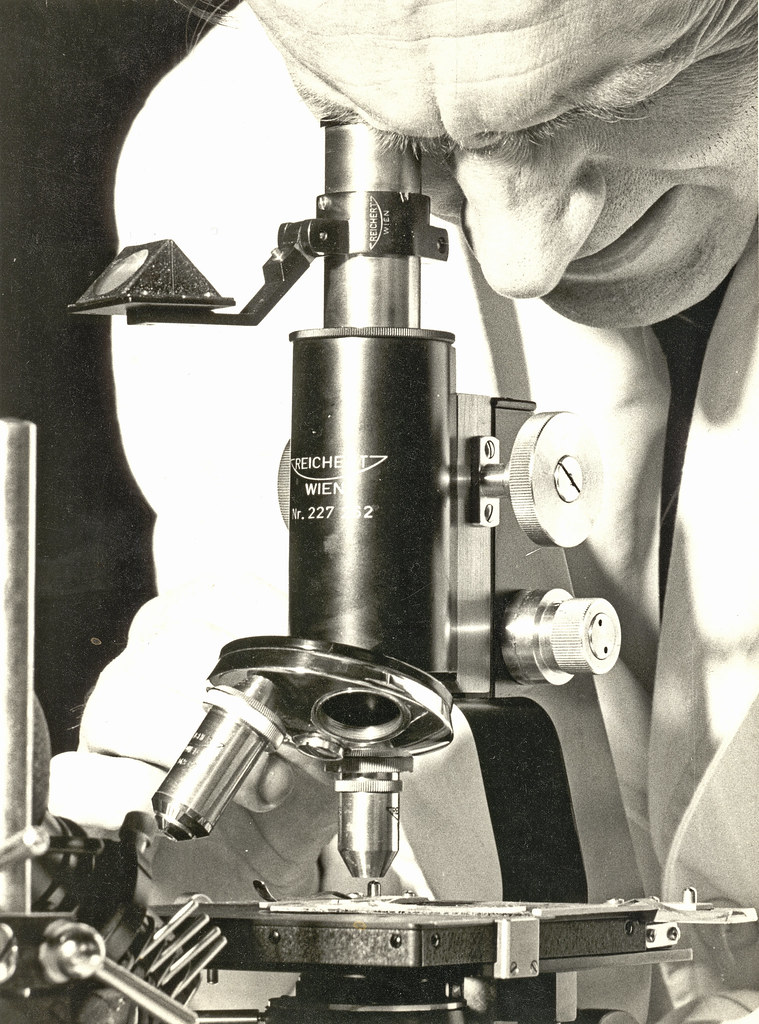
Discovering microscopic life in tap water requires sophisticated equipment and techniques that aren’t available to the average homeowner. Research laboratories use high-powered microscopes, DNA analysis, and specialized filtration to identify and count microscopic organisms. Flow cytometry allows scientists to examine thousands of particles per second, distinguishing between living organisms and non-living debris. Genetic sequencing techniques can identify species that are too small or transparent to recognize visually. Water utilities conduct regular monitoring using these methods to ensure treatment effectiveness and identify potential problems. The technology for detecting microscopic life continues to advance, revealing new insights about the hidden world in our water systems.
Regional Differences in Microscopic Water Life
The types and numbers of microscopic organisms in tap water vary dramatically depending on geographic location and water source. Areas that rely on surface water from lakes and rivers typically have higher populations of microscopic life compared to regions using groundwater. Coastal areas may have different species compositions due to salt intrusion into water systems. Mountain regions with pristine water sources often have fewer organisms but may harbor unique species adapted to cold, mineral-rich environments. Urban areas face different challenges than rural communities, with pollution and industrial runoff affecting the microscopic ecosystem. Climate also plays a crucial role, with tropical regions supporting more diverse populations of microscopic life than temperate or arctic areas.
Home Filtration and Its Impact on Microscopic Organisms
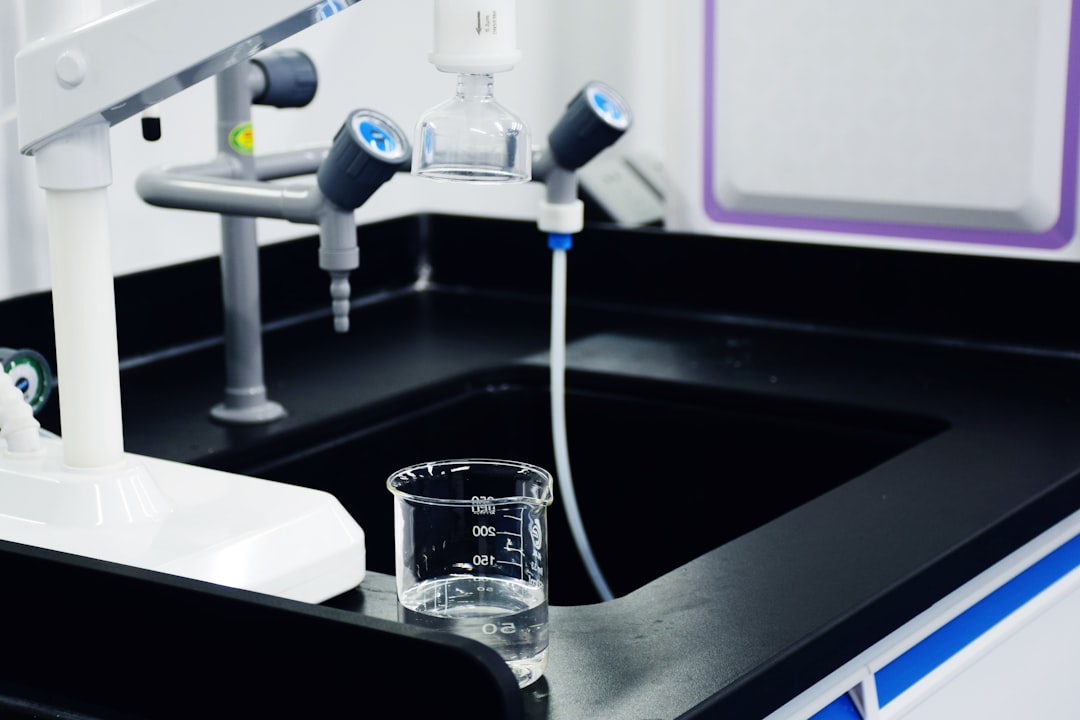
Many homeowners install filtration systems hoping to remove microscopic life from their tap water, but the effectiveness varies widely depending on the technology used. Standard carbon filters excel at removing chlorine and improving taste but may not capture the smallest organisms. Reverse osmosis systems are highly effective at removing almost all microscopic life, including nematodes and copepods. UV sterilization systems kill organisms but don’t remove their bodies from the water. Boiling water will eliminate all living organisms but isn’t practical for daily use. The choice of filtration system should match your specific concerns and the types of organisms present in your local water supply.
When Microscopic Water Life Becomes Visible
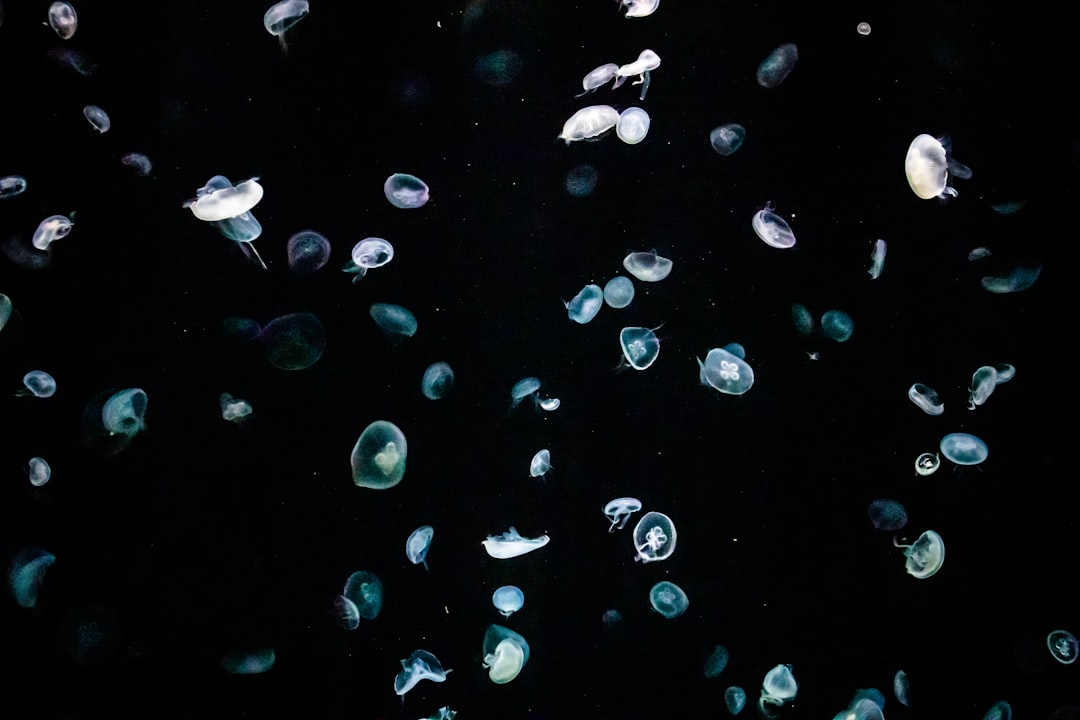
Sometimes populations of microscopic organisms can grow large enough to become visible to the naked eye, creating alarming situations for consumers. Tiny white or translucent specks moving through water are often copepods or large nematodes that have found favorable conditions to reproduce. These visible populations usually indicate problems with water storage, treatment, or distribution systems. Stagnant water in tanks or unused pipes can allow organisms to multiply until they reach noticeable levels. While seeing moving creatures in your water is disturbing, it often represents a temporary condition that water utilities can address through increased treatment or system flushing. The key is reporting these observations to local water authorities who can investigate and take corrective action.
The Future of Microscopic Life in Water Systems
Advances in water treatment technology continue to reduce the presence of microscopic life in tap water, but complete elimination may never be achievable or even desirable. New treatment methods using advanced oxidation, membrane filtration, and nanotechnology show promise for removing even the hardiest microscopic organisms. However, some experts argue that completely sterile water isn’t necessarily better for human health or the environment. The challenge lies in maintaining water safety while preserving beneficial aspects of natural water ecosystems. As our understanding of microscopic life in water systems grows, treatment strategies may become more targeted, eliminating harmful organisms while allowing beneficial ones to persist. Climate change and aging infrastructure will continue to present new challenges for managing microscopic life in water systems.
What This Means for Your Daily Water Consumption
Understanding the reality of microscopic life in tap water shouldn’t cause panic but rather informed awareness about the complexity of our water systems. The vast majority of tap water in developed countries is safe to drink despite the presence of harmless microscopic organisms. Regular water quality testing by utilities ensures that dangerous pathogens are eliminated while allowing harmless creatures to occasionally pass through. If you’re concerned about microscopic life in your water, simple home filtration can provide additional protection and peace of mind. The most important takeaway is that water treatment systems are designed to protect human health, not to create completely sterile environments. The presence of some microscopic life is often a sign of a healthy, functioning ecosystem rather than a cause for alarm.
Conclusion
The microscopic world hiding in your tap water reveals nature’s incredible ability to adapt and survive in the most unlikely places. These tiny creatures, from resilient water mites to hardy nematodes, challenge our assumptions about clean water while reminding us that life finds a way to persist even in treated municipal systems. While true insects can’t survive the rigorous treatment processes that bring water to your home, their microscopic relatives continue to fascinate scientists and occasionally surprise unsuspecting consumers. The next time you fill a glass from your kitchen tap, remember that you’re not just getting water – you’re glimpsing into a hidden world that exists right under our noses. What other microscopic mysteries might be swimming in your next drink?