

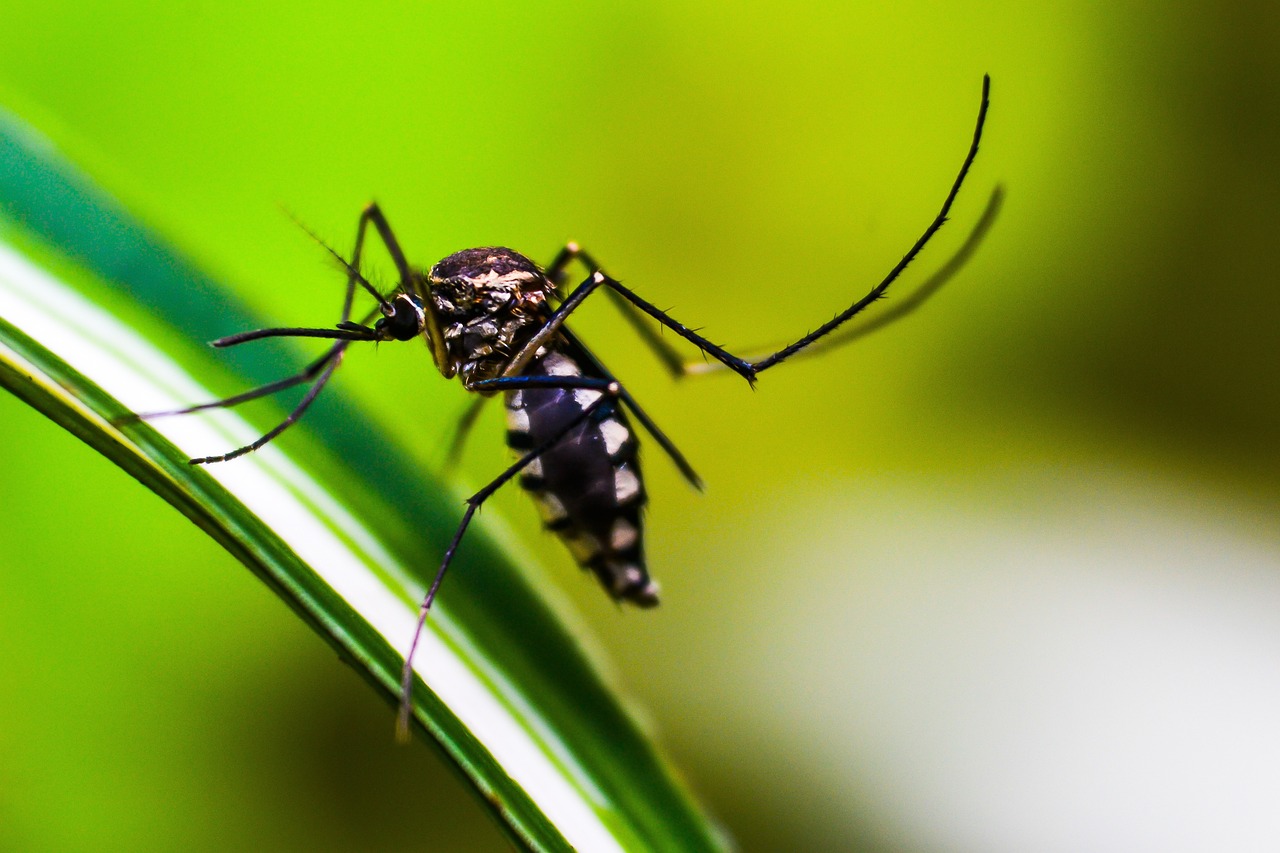
Picture this: a tiny insect no bigger than your pinky nail has managed to conquer the world in just a few decades. While humans struggle with passports and visas, this little traveler has crossed oceans, adapted to new climates, and established colonies on every continent except Antarctica. The Asian tiger mosquito, scientifically known as Aedes albopictus, has become one of the most successful biological invaders in modern history. What makes this story even more chilling is that this mosquito doesn’t just bite – it carries diseases that can kill. From its humble beginnings in Southeast Asian forests to becoming a global health nightmare, this striped menace has rewritten the rules of disease transmission and forced scientists to rethink everything they knew about mosquito-borne illnesses.
The Original Home of a Future Global Invader
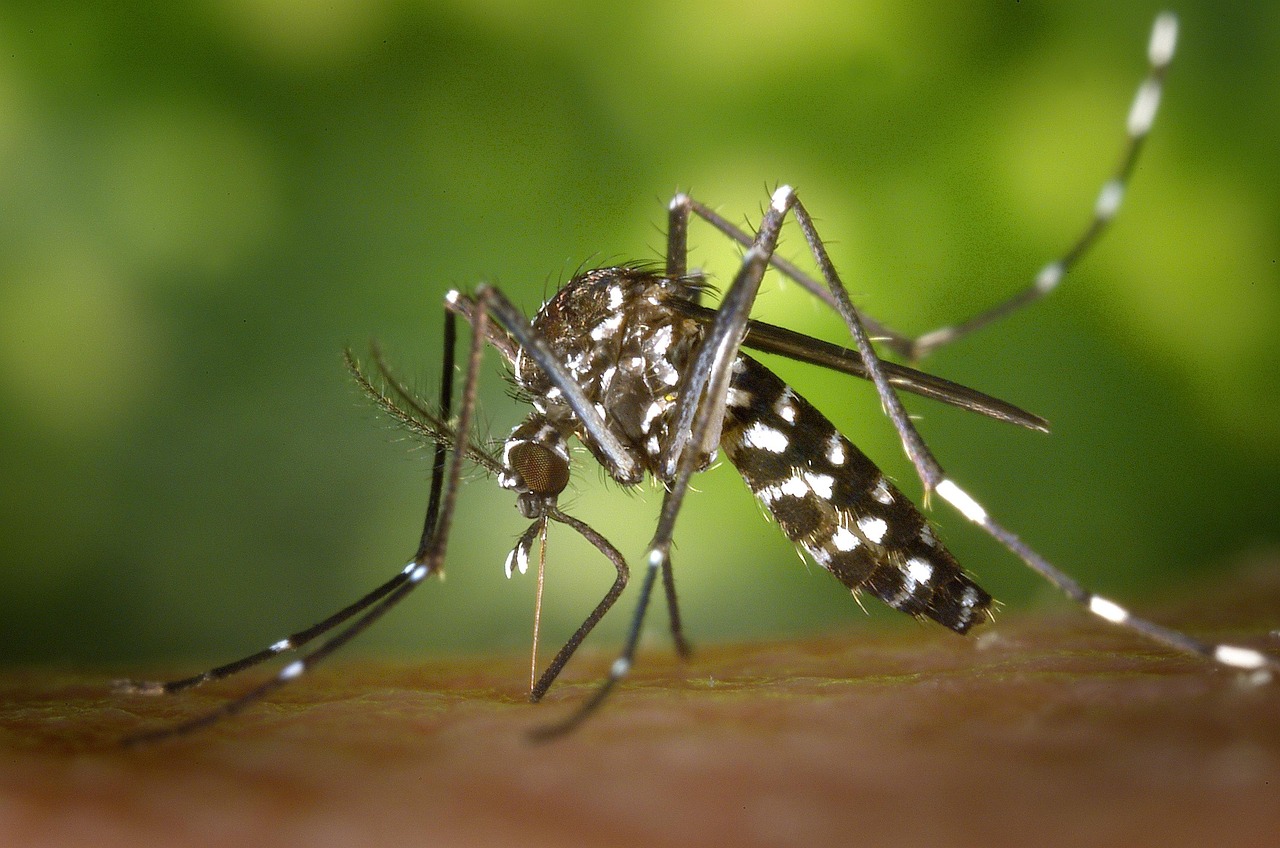
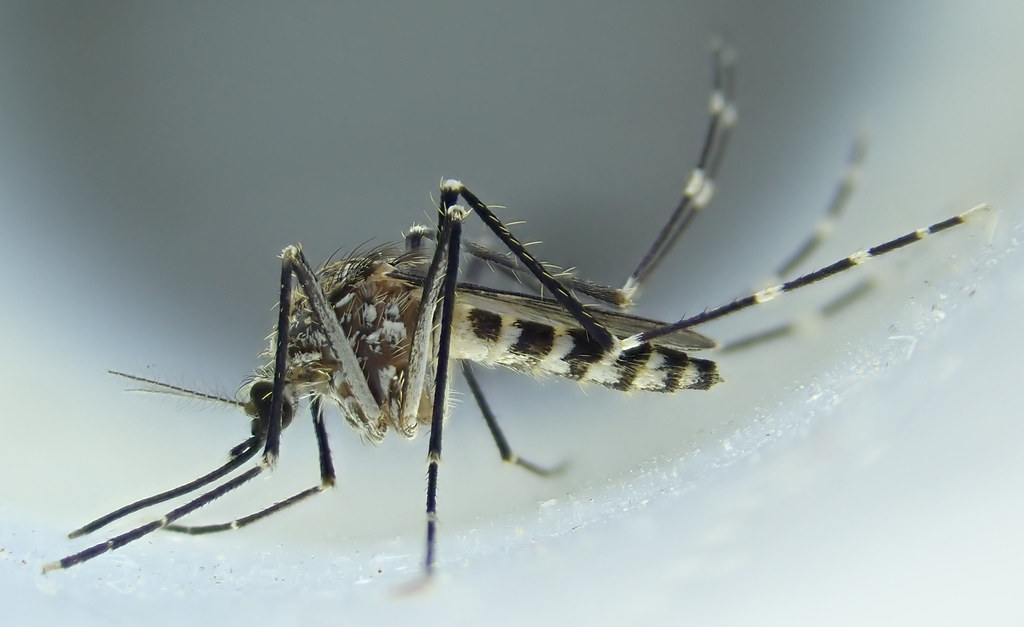
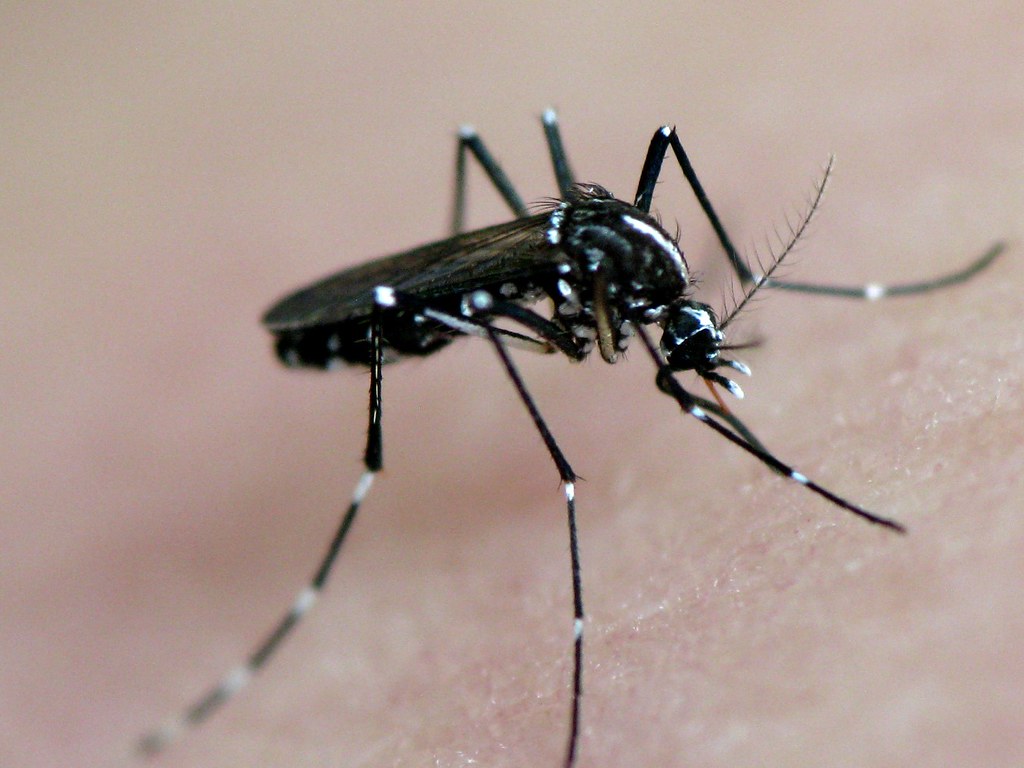
Deep in the tropical forests of Southeast Asia, the Asian tiger mosquito lived a relatively quiet life for thousands of years. This region, stretching from India to the islands of the Pacific, provided the perfect breeding ground for what would later become one of the world’s most feared insects. The mosquito got its name from the distinctive white stripes that run down its black body and legs, making it look like a tiny tiger stalking through the undergrowth. In its native habitat, Aedes albopictus played a balanced role in the ecosystem, feeding on tree sap, nectar, and occasionally taking blood meals from local wildlife. The dense canopy and consistent tropical climate created an ideal environment where this species evolved alongside its natural predators and prey.
The Great Escape: How Tires Changed Everything
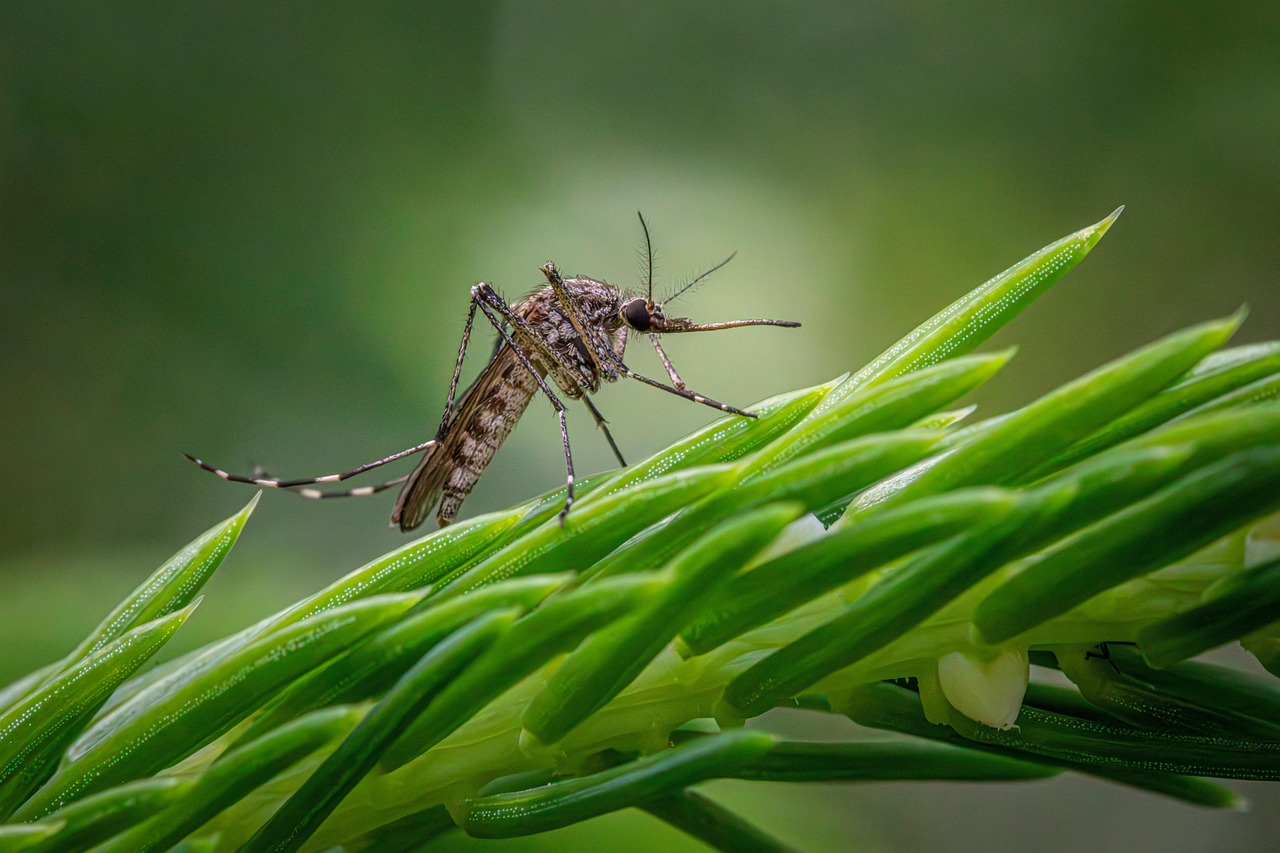
The 1970s marked the beginning of one of the most dramatic biological invasions in recorded history, and it all started with something as mundane as used car tires. International tire trading became the perfect taxi service for mosquito eggs, which can survive for months in the small pools of water that collect in tire treads. Ships loaded with these tires unknowingly carried millions of dormant Aedes albopictus eggs across oceans to new continents. When these tires reached their destinations and were exposed to rain, the eggs hatched in environments completely different from their Asian origins. This accidental transportation method was so effective that scientists now call it the “tire trade highway” – a global network that allowed these mosquitoes to bypass millions of years of natural barriers. The irony is striking: human commerce, designed to connect the world for our benefit, became the perfect vehicle for a tiny insect’s world conquest.
Landing in America: The 1985 Houston Discovery
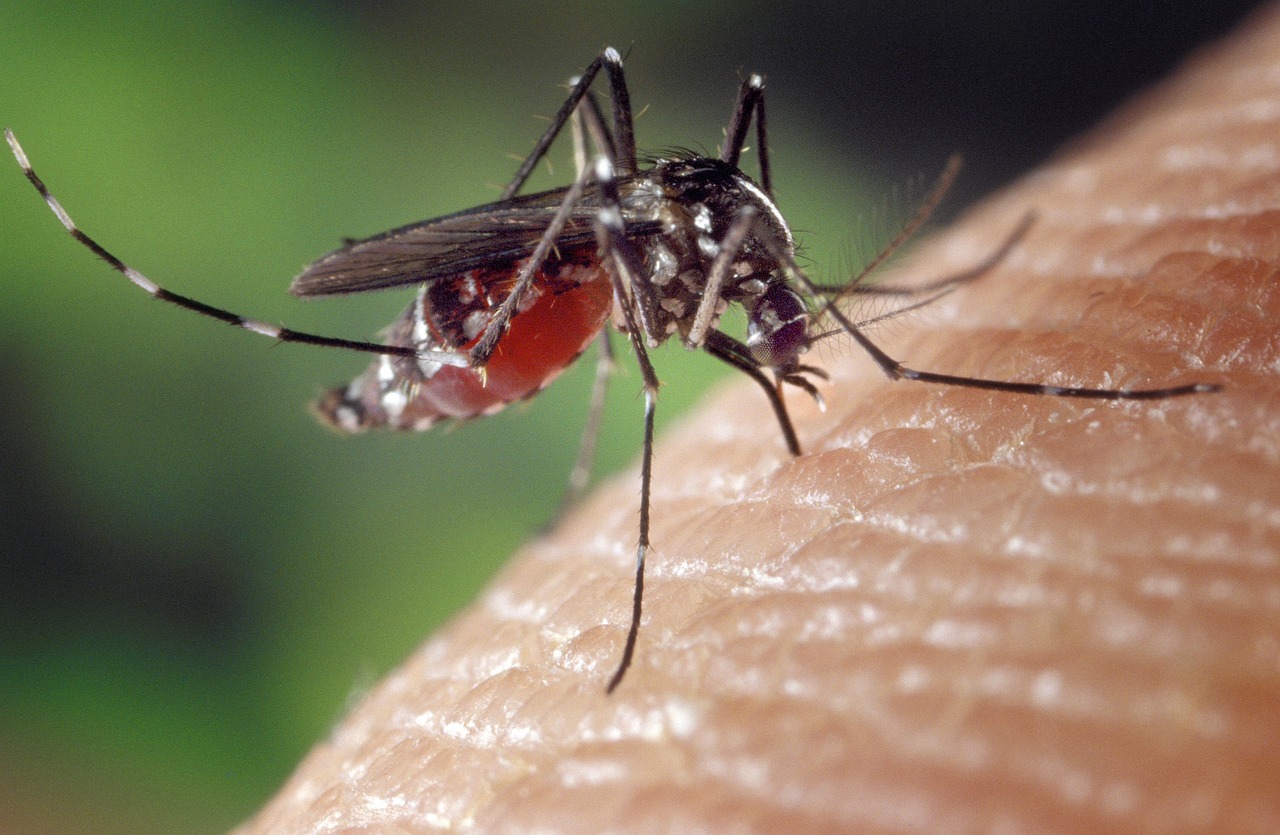
August 1985 marked a turning point in American public health when researchers made a shocking discovery in a tire yard in Houston, Texas. What they found wasn’t just a new mosquito species for North America – it was the beginning of a continental invasion that would reshape disease patterns across the United States. The Asian tiger mosquitoes had not only survived their transpacific journey but were thriving in the hot, humid Texas climate. Within months of this first detection, reports started flooding in from neighboring states, revealing that these mosquitoes had already established breeding populations far beyond that single tire yard. The speed of this spread caught scientists completely off guard, as traditional mosquito control methods proved ineffective against this new invader with its unique breeding habits and aggressive behavior.
European Invasion: From Albania to the Mediterranean
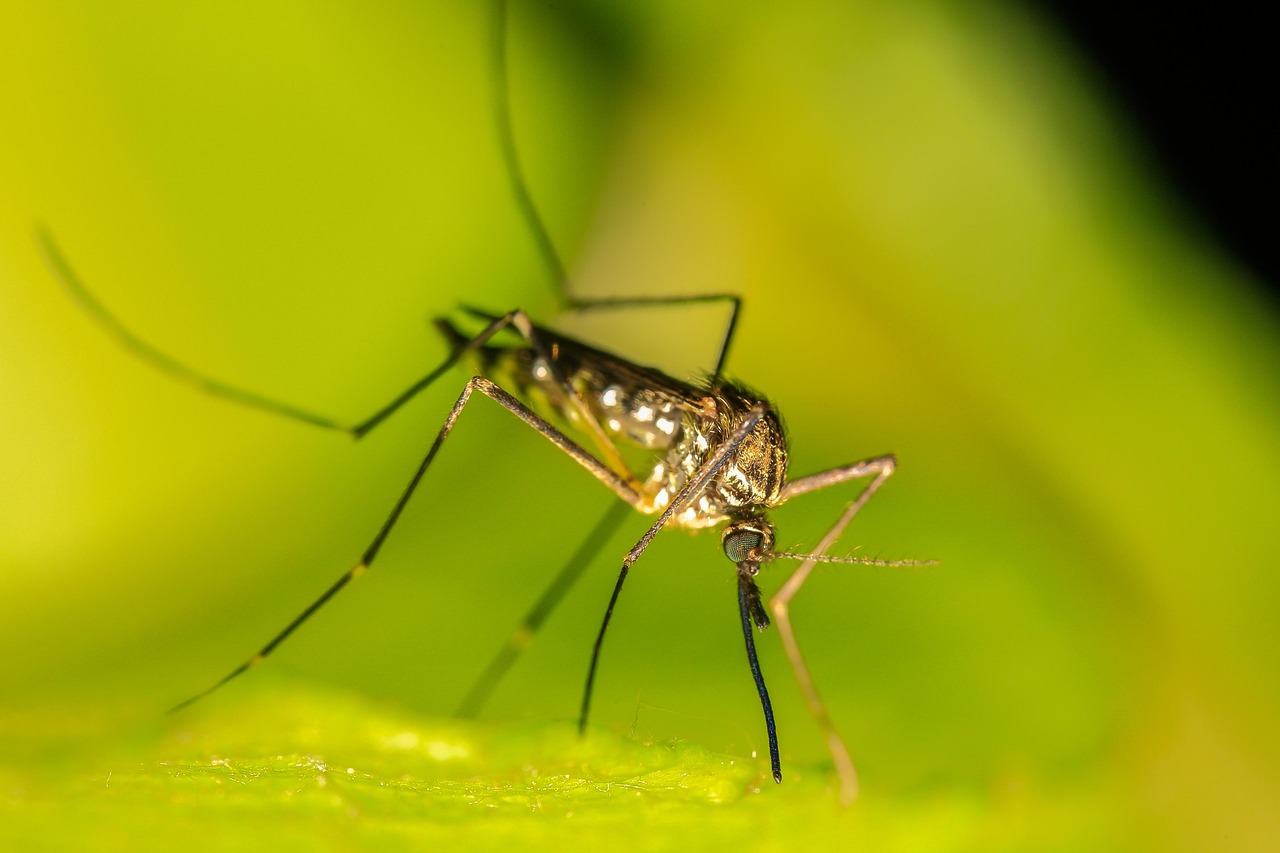
Europe’s first encounter with Aedes albopictus came in 1979 when the species was discovered in Albania, but it was in the 1990s that the real invasion began. Italy became ground zero for the European expansion when tiger mosquitoes established themselves in used tire importation sites near major ports. The Mediterranean climate proved surprisingly welcoming to these Asian natives, and soon countries like France, Spain, and Greece were reporting established populations. What made the European invasion particularly concerning was how quickly these mosquitoes adapted to urban environments, breeding in everything from flower pots to clogged gutters. European health officials realized they were facing not just an ecological invasion, but a potential public health catastrophe as disease transmission patterns began shifting across the continent.
The Master of Adaptation: Surviving New Climates
One of the most remarkable aspects of Aedes albopictus is its incredible ability to adapt to climates vastly different from its tropical origins. These mosquitoes have developed a survival strategy that would make any military strategist proud: their eggs can enter a state called diapause, essentially hibernating through harsh winters that would kill adult mosquitoes. This biological innovation allows them to survive in temperate regions where temperatures drop well below freezing for months. In warmer climates, they’ve learned to time their breeding cycles with rainy seasons, while in urban areas, they’ve become masters at finding artificial water sources. Their adaptability extends beyond just climate – they’ve also shown remarkable flexibility in their choice of hosts, feeding on everything from humans and dogs to birds and reptiles.
Urban Jungle Warriors: Thriving in Cities
Cities have become the ultimate playground for Asian tiger mosquitoes, offering countless breeding opportunities that don’t exist in natural environments. Unlike their forest-dwelling ancestors who relied on tree holes and bamboo stumps for breeding sites, urban tiger mosquitoes have embraced human-made containers with enthusiasm. They lay their eggs in discarded bottles, old tires, flower vases, pet water bowls, and even the tiny amounts of water that collect in bottle caps. This adaptability to urban environments has made them incredibly difficult to control, as there are simply too many potential breeding sites for traditional mosquito management to address. The urban heat island effect actually helps them by extending their breeding season, while the abundance of human hosts provides unlimited blood meal opportunities.
Disease Delivery System: What Makes Them Dangerous
The Asian tiger mosquito’s ability to transmit diseases is what transforms it from a mere nuisance into a genuine public health threat. These mosquitoes are what scientists call “competent vectors” for over 20 different viruses, including some of the world’s most feared diseases. When a female tiger mosquito bites an infected person or animal, the viruses multiply inside her body before being transmitted to the next victim through her saliva during feeding. What makes this particularly dangerous is that Aedes albopictus is an aggressive daytime biter, unlike many other mosquito species that are primarily active at dawn and dusk. This means they can spread diseases even when people think they’re safe from mosquito-borne illnesses during daylight hours.
Chikungunya: The Disease That Bends You Double
Chikungunya, a virus whose name literally means “to bend up” in the Makonde language, has become one of the most feared diseases associated with Asian tiger mosquitoes. This illness causes excruciating joint pain that can last for months or even years, leaving victims unable to perform basic daily activities. The disease was once confined to Africa and Asia, but tiger mosquitoes have helped it spread to new regions including Europe and the Americas. In 2014, the Caribbean experienced a massive chikungunya outbreak that infected over one million people, demonstrating how quickly tiger mosquitoes can facilitate disease transmission in naive populations. The chronic joint pain associated with chikungunya has created a new category of suffering that health systems worldwide are struggling to address.
Dengue Fever: The Breakbone Disease Goes Global
Dengue fever, sometimes called “breakbone disease” because of the severe muscle and joint pain it causes, has found a perfect partner in the Asian tiger mosquito for global expansion. While dengue was traditionally spread by a related species, Aedes aegypti, the tiger mosquito has proven equally capable of transmitting this devastating illness. The four different strains of dengue virus create a particularly dangerous situation where subsequent infections can be more severe than the first, leading to potentially fatal dengue hemorrhagic fever. Countries that never had to worry about dengue are now seeing their first cases as tiger mosquito populations establish themselves in new territories. The expansion of dengue through tiger mosquito vectors has forced tropical disease specialists to completely reconsider global disease surveillance and prevention strategies.
Zika Virus: The Unexpected Pandemic
The Zika virus outbreak of 2015-2016 caught the world completely off guard, and Asian tiger mosquitoes played a crucial role in its rapid spread. While scientists had known about Zika for decades, it was considered a minor tropical disease until it began causing devastating birth defects in babies born to infected mothers. Tiger mosquitoes proved to be efficient Zika vectors, helping spread the virus from Brazil throughout Latin America and into other regions where these invasive mosquitoes had established populations. The connection between Zika infection during pregnancy and microcephaly in newborns created a public health emergency that highlighted how quickly tiger mosquito-borne diseases can evolve from local concerns into global crises. The Zika pandemic showed that our interconnected world is only as safe as our ability to control these tiny disease-carrying invaders.
The Silent Spread: Why Detection Comes Too Late
One of the most frightening aspects of Asian tiger mosquito invasions is how they often go undetected until populations are already well-established. These mosquitoes are masters of stealth, breeding in small, hidden water sources that escape routine surveillance efforts. By the time people start noticing increased mosquito activity or the first disease cases appear, there may already be thousands of breeding sites scattered across a region. Their eggs can remain dormant for months, meaning that even successful control efforts may only provide temporary relief before the next generation emerges. This delayed detection problem has allowed tiger mosquitoes to establish footholds in dozens of countries before officials even realized they had arrived.
Climate Change: Creating New Opportunities
Global climate change is acting like a massive expansion program for Asian tiger mosquitoes, opening up new territories that were previously too cold for their survival. Rising temperatures and changing precipitation patterns are extending the geographical range where these mosquitoes can establish permanent populations. Areas that once enjoyed natural protection from mosquito-borne diseases due to their cooler climates are finding themselves vulnerable for the first time in recorded history. Scientists predict that climate change could expand tiger mosquito habitat by millions of square kilometers over the next few decades, potentially exposing hundreds of millions of additional people to mosquito-borne diseases. The interaction between invasive species and climate change creates a feedback loop where warming temperatures make invasions more successful, while successful invasions make disease outbreaks more likely in a warming world.
Fighting Back: Modern Control Strategies

The fight against Asian tiger mosquitoes has forced scientists and public health officials to develop innovative control strategies that go far beyond traditional pesticide spraying. Modern approaches include releasing genetically modified mosquitoes that produce offspring unable to survive to adulthood, effectively reducing population sizes over time. Another promising technique involves infecting mosquito populations with bacteria that prevent virus replication, turning the mosquitoes into evolutionary dead ends for disease transmission. Community-based surveillance programs train residents to identify and eliminate breeding sites around their homes, recognizing that effective control requires the participation of entire communities. These new strategies represent a shift from reactive pest control to proactive population management, acknowledging that we’re not just fighting individual mosquitoes but managing entire ecosystems.
Economic Impact: The Hidden Costs of Invasion
The economic burden of Asian tiger mosquito invasions extends far beyond the immediate costs of disease treatment and mosquito control programs. Tourism industries in affected regions suffer as travelers avoid areas known for mosquito-borne disease transmission, creating cascading economic effects through entire communities. Healthcare systems must invest in new diagnostic capabilities, treatment protocols, and prevention programs for diseases they previously never encountered. Agricultural regions face additional costs from livestock disease transmission and the need for protective measures for outdoor workers. The total economic impact of tiger mosquito invasions is measured in billions of dollars annually when all direct and indirect costs are calculated, making these tiny insects some of the most expensive invasive species in history.
Future Threats: What Scientists Fear Most
The most terrifying aspect of the Asian tiger mosquito story isn’t what has already happened, but what scientists fear might come next. These adaptable insects continue to expand their range and could potentially carry new diseases as they encounter different pathogens in their expanding territories. The possibility of yellow fever transmission by tiger mosquitoes represents a nightmare scenario that could bring this historically devastating disease to regions with no natural immunity. Scientists also worry about the emergence of new viral strains that might be even more efficiently transmitted by these mosquitoes, potentially creating pandemic scenarios worse than anything we’ve experienced. The rapid evolution of both mosquito populations and the pathogens they carry means that our current understanding of disease transmission may become obsolete faster than we can develop new control strategies.
The Asian tiger mosquito’s journey from Southeast Asian forests to global health threat represents one of the most successful biological invasions in modern history. These striped warriors have crossed oceans, adapted to new climates, and established themselves on every inhabited continent, carrying with them a cargo of devastating diseases. Their story serves as a stark reminder of how quickly our interconnected world can spread not just goods and ideas, but also tiny threats that can reshape entire ecosystems and disease patterns. As climate change continues to expand their potential habitat and global trade provides new pathways for invasion, the challenge of controlling these mosquitoes will only grow more complex. What began as an accidental hitchhiking trip in used tire shipments has evolved into one of the greatest public health challenges of our time, proving that sometimes the smallest invaders can have the biggest impact.