
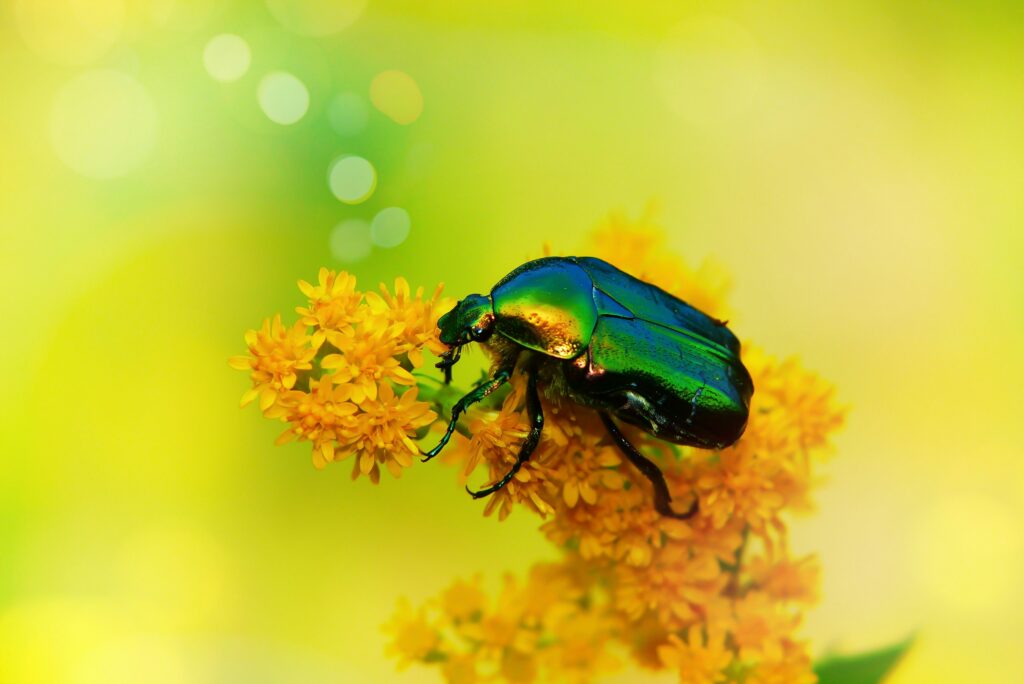
Picture this: you’re walking through an ancient Egyptian tomb, and carved into the walls are thousands of beetle images, each one representing rebirth, protection, and divine power. These weren’t just decorative choices—they were profound symbols that shaped civilizations. Across the globe, from the pyramids of Giza to the rice fields of Japan, beetles have crawled their way into human hearts and traditions in ways that might surprise you. What is it about these hard-shelled creatures that made our ancestors see them as harbingers of fortune rather than simple insects?
The Ancient Egyptian Scarab Revolution
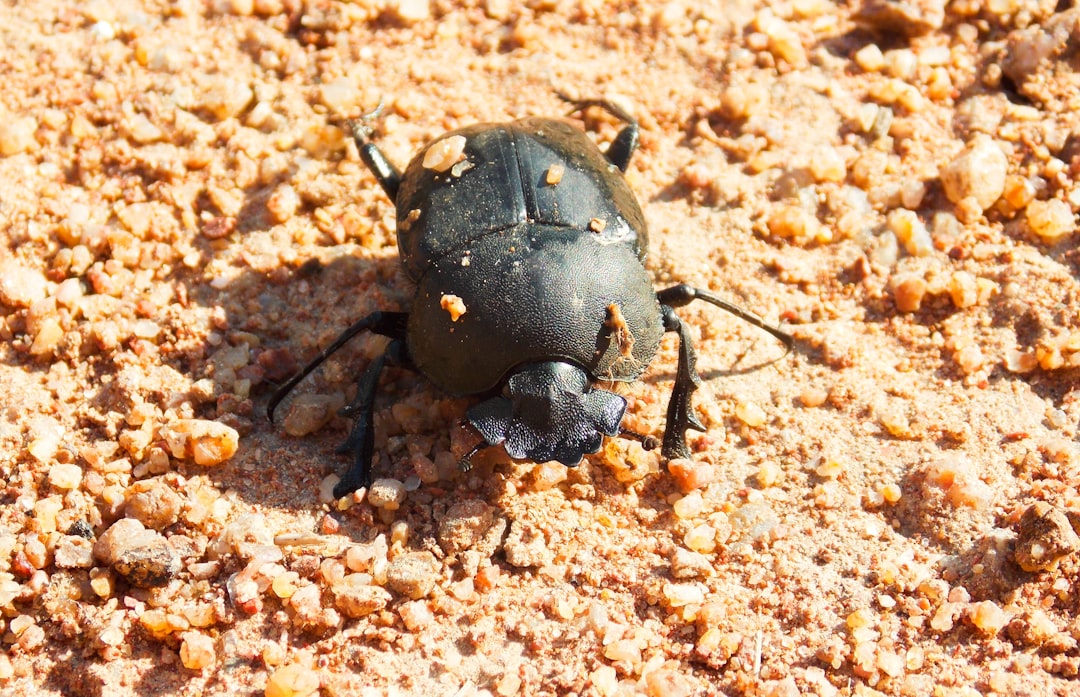
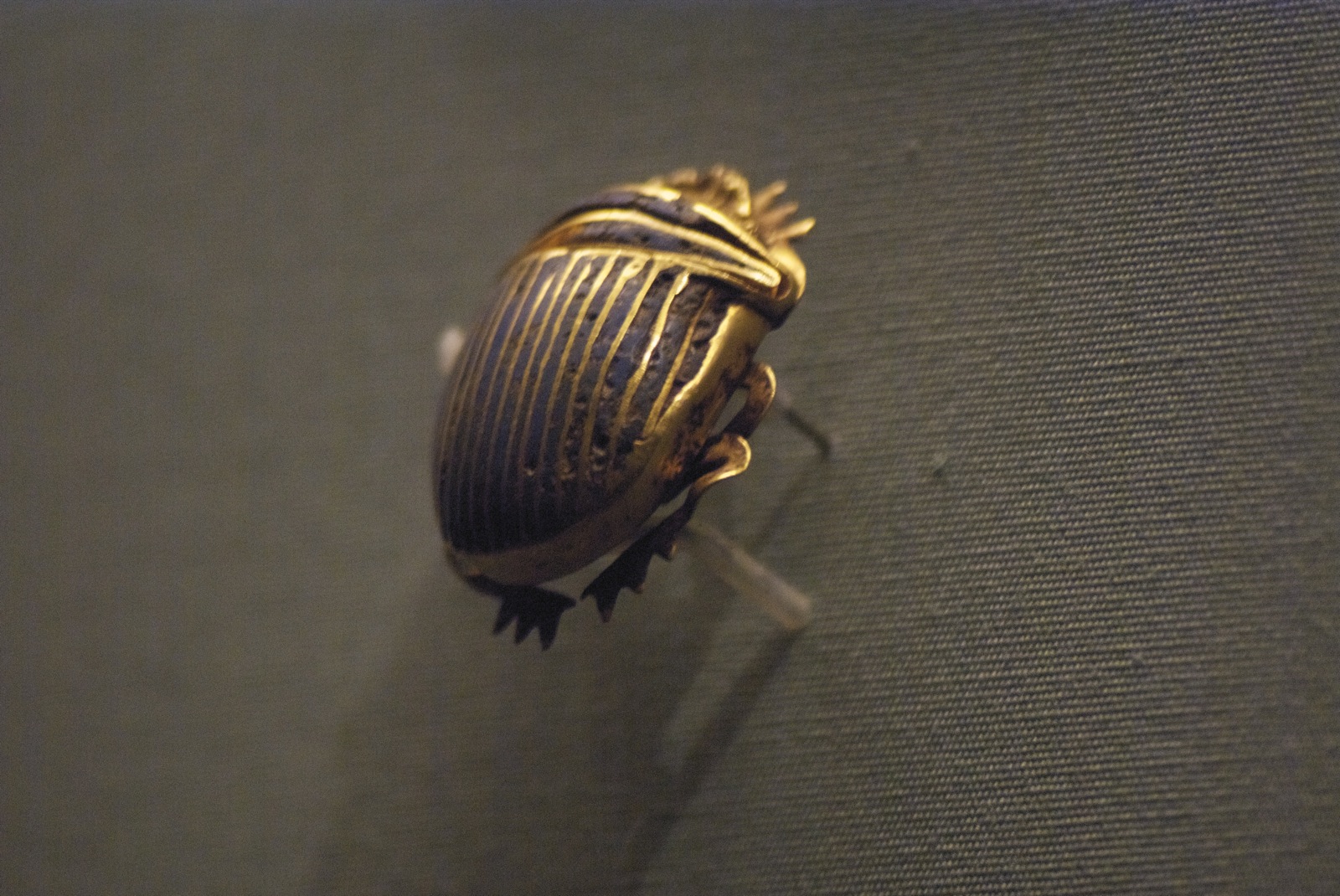
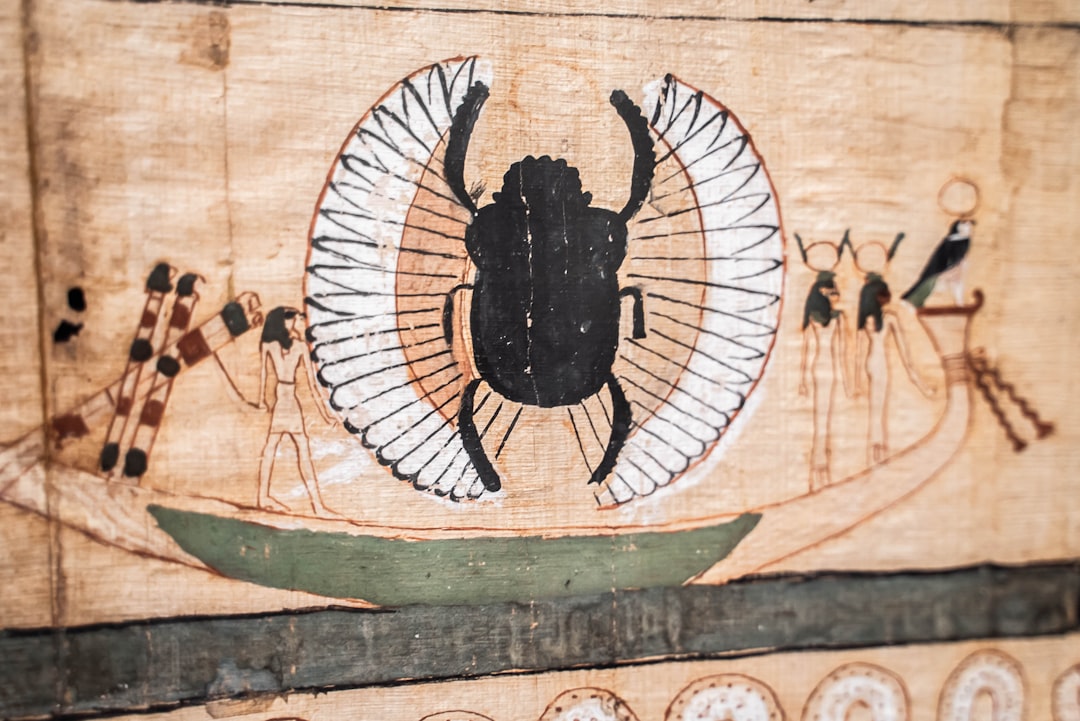
The scarab beetle became the ultimate symbol of good fortune in ancient Egypt, and it all started with a simple observation of nature. Egyptian priests noticed how dung beetles rolled balls of waste across the desert sand, which reminded them of the sun god Ra rolling the sun across the sky each day. This connection between a humble insect and cosmic forces transformed the beetle into a sacred creature representing eternal life and divine protection. Scarab amulets were placed over the hearts of mummies, carved into jewelry, and even used as official seals by pharaohs. The beetle’s life cycle—emerging from what seemed like lifeless matter—perfectly symbolized resurrection and renewal in Egyptian mythology.
Greek Philosophers and Beetle Wisdom
Ancient Greeks took a different approach to beetle symbolism, focusing on their industrious nature and perceived intelligence. Aristotle wrote extensively about beetles, describing them as creatures that demonstrated planning and foresight—qualities the Greeks deeply valued. The philosopher Pliny the Elder claimed that certain beetles could predict weather changes, making them valuable allies for farmers and sailors. Greek soldiers often carried small beetle charms into battle, believing these insects would help them think strategically and overcome obstacles. This intellectual respect for beetles laid the groundwork for their positive associations throughout European culture.
Celtic Druids and the Sacred Beetle Connection
The Celtic druids saw beetles as messengers between the earthly realm and the spirit world, particularly because of their ability to burrow underground and emerge again. They believed that beetles carried the wisdom of the earth itself, having spent time in the dark, mysterious depths where secrets were kept. During important ceremonies, druids would interpret the flight patterns of beetles to make predictions about harvests, weather, and tribal conflicts. The Celtic word for certain beetles translated to “earth’s children,” reflecting their deep respect for these creatures as beings connected to the life force of the planet. This spiritual connection made beetles powerful talismans for protection and guidance in Celtic communities.
Japanese Beetle Festivals and Fortune
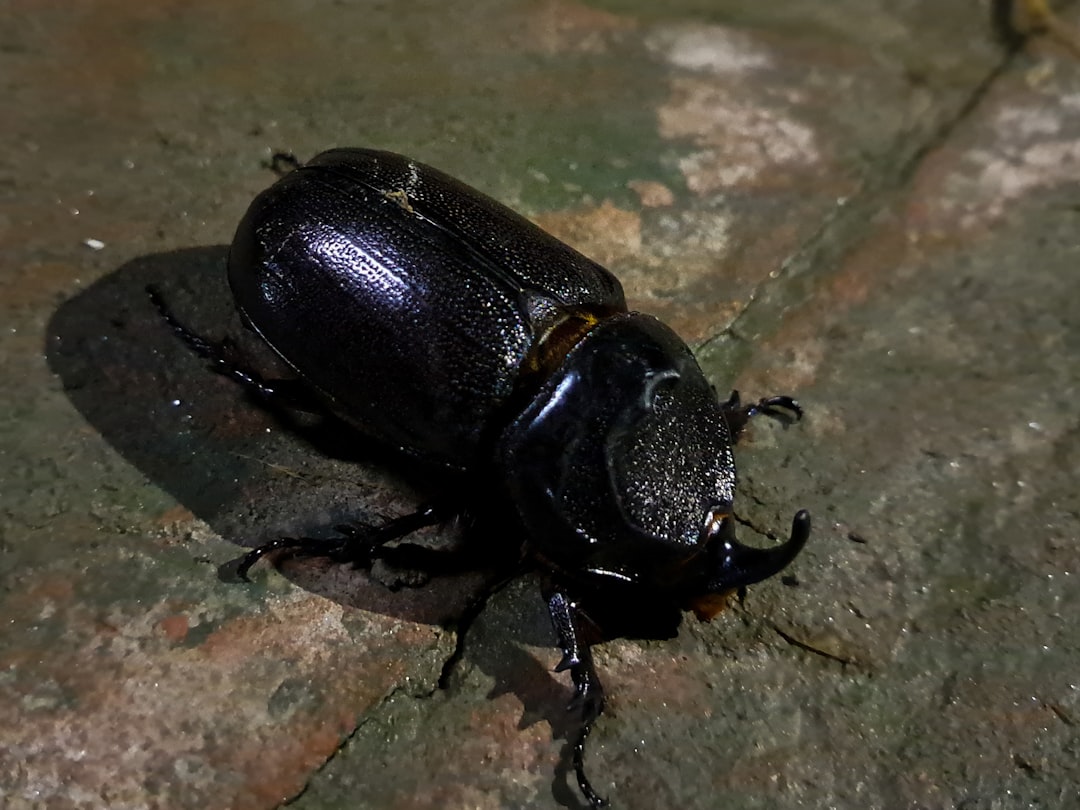
In Japan, beetles became symbols of strength, perseverance, and good fortune, with some species considered so lucky that entire festivals were dedicated to them. The rhinoceros beetle, with its impressive horn and powerful build, represented samurai-like qualities that Japanese culture deeply admired. Children would catch and keep these beetles as pets, believing they would bring success in school and courage in difficult situations. During the Edo period, wealthy merchants would pay enormous sums for rare beetle specimens, treating them like living jewels that could attract prosperity to their businesses. Even today, Japanese children participate in beetle-catching competitions, continuing a tradition that connects them to centuries of cultural beliefs about insect fortune.
Chinese Beetle Symbolism in Feng Shui
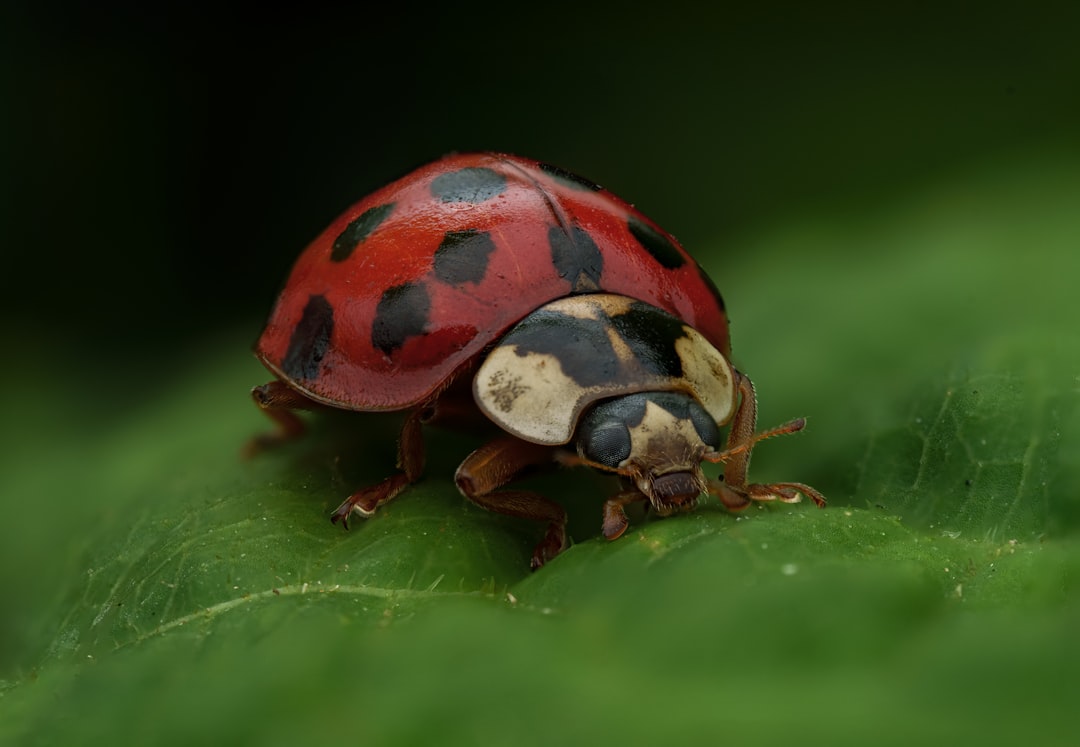
Chinese culture incorporated beetles into feng shui practices, using their images and sometimes live specimens to enhance positive energy flow in homes and businesses. The Chinese believed that beetles’ hard shells represented protection from negative influences, while their ability to fly symbolized the freedom to achieve one’s goals. Jade beetle carvings were particularly prized, combining the protective qualities of the stone with the insect’s natural luck-bringing properties. Traditional Chinese medicine also attributed healing powers to certain beetle species, believing they could cure ailments and restore balance to the body’s energy systems. Merchants would often display beetle imagery in their shops, trusting these symbols to attract customers and increase profits.
Native American Beetle Medicine and Protection
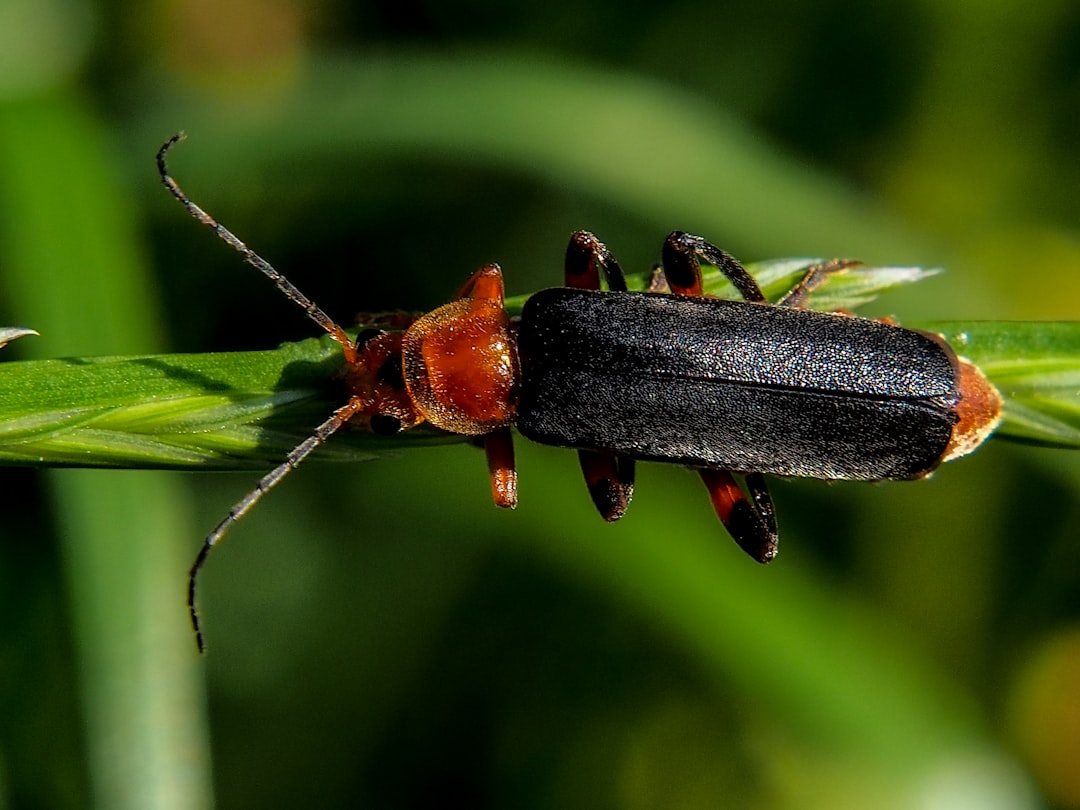
Native American tribes across North America developed unique relationships with beetles, incorporating them into medicine wheels, protective ceremonies, and healing rituals. The Hopi tribe believed that beetles carried messages from ancestors, while the Cherokee saw them as symbols of persistence and the ability to overcome obstacles. Beetle shells were ground into powders for ceremonial paint, and their images were woven into textiles and painted on pottery. Some tribes would release beetles during planting ceremonies, believing the insects would bless the crops and ensure a bountiful harvest. The transformation of beetles from larvae to adult insects particularly fascinated Native Americans, who saw this as a powerful metaphor for personal growth and spiritual development.
European Medieval Beetle Folklore
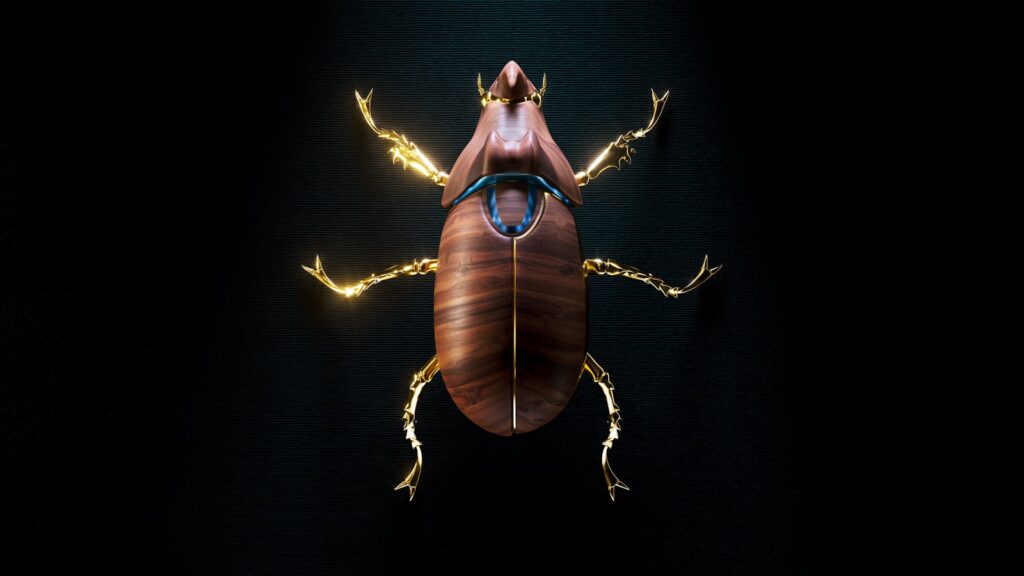
During medieval times in Europe, beetles took on complex meanings that blended Christian symbolism with older pagan traditions. Monks illuminating manuscripts often included beetle imagery to represent resurrection and divine protection, building on ancient Egyptian concepts. Farmers believed that finding a beetle in their fields was a sign of fertile soil and good harvests to come. Medieval physicians prescribed beetle-based remedies for various ailments, though these treatments were more about the symbolic power of the insects than their actual medicinal properties. The medieval period also saw the rise of beetle-themed jewelry and decorations among the nobility, who used these symbols to display their connection to divine favor and earthly abundance.
African Tribal Beetle Rituals
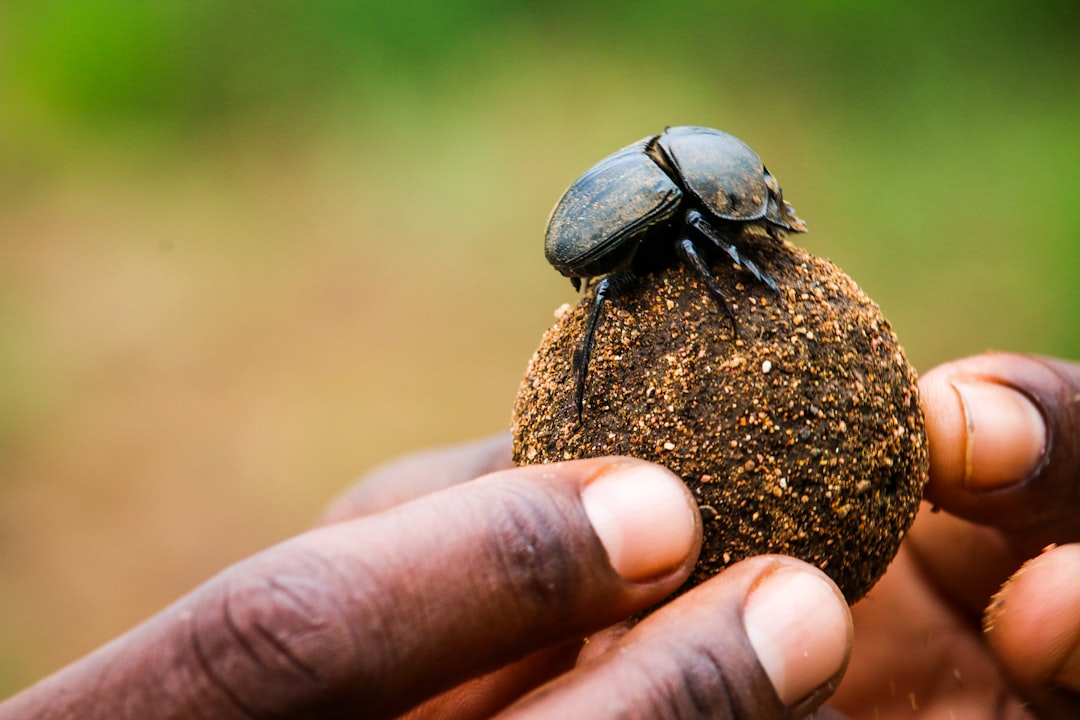
Across the African continent, various tribes developed sophisticated relationships with beetles that went far beyond simple superstition. The Dogon people of Mali created elaborate masks featuring beetle designs, used in ceremonies to ensure community prosperity and protection from harm. In South Africa, some tribes would read the flight patterns of dung beetles to determine the best times for hunting and gathering. Beetle shells were incorporated into traditional jewelry and ceremonial dress, serving as both decoration and spiritual armor. The strength and persistence of beetles resonated deeply with African cultures that valued resilience in the face of harsh environmental conditions.
Hindu Traditions and Sacred Beetles
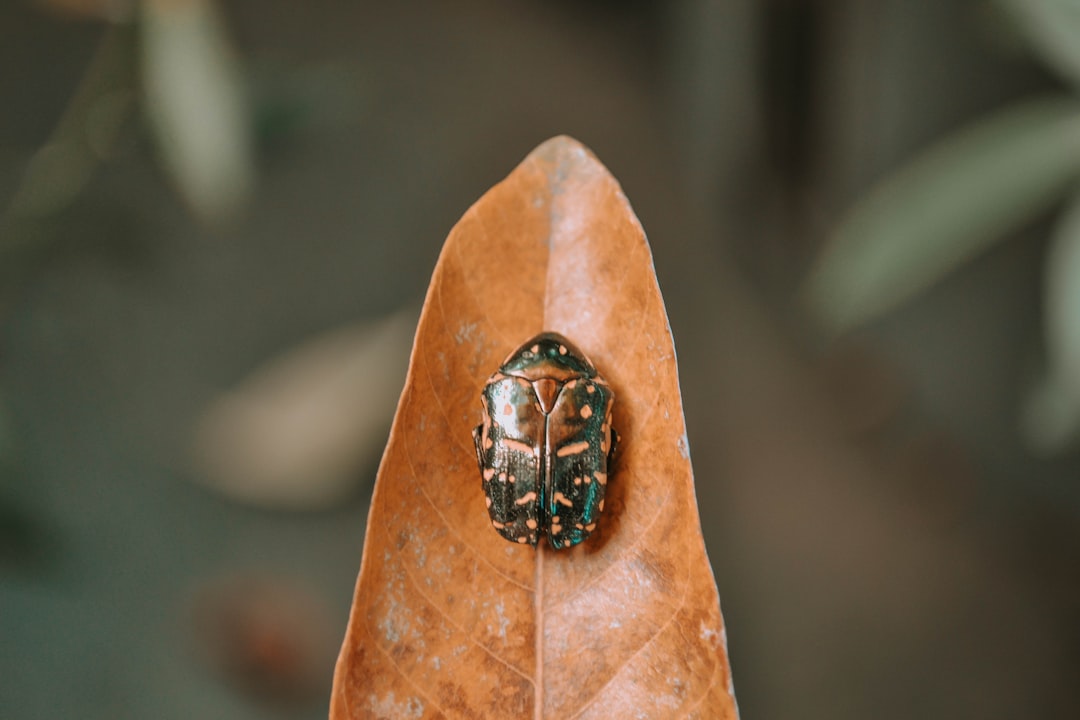
Hindu traditions incorporated beetles into religious practices, particularly in temples dedicated to Vishnu and other deities associated with preservation and protection. Certain beetle species were considered sacred because of their connection to the earth and their role in maintaining natural balance. Hindu texts describe beetles as creatures that carry the prayers of devotees to the gods, making them valuable intermediaries in spiritual practices. Temple sculptures often featured beetle motifs, and pilgrims would look for beetles as signs of divine approval during their journeys. The cyclical nature of beetle life cycles aligned perfectly with Hindu concepts of reincarnation and eternal return.
Modern Beetle Superstitions Around the World
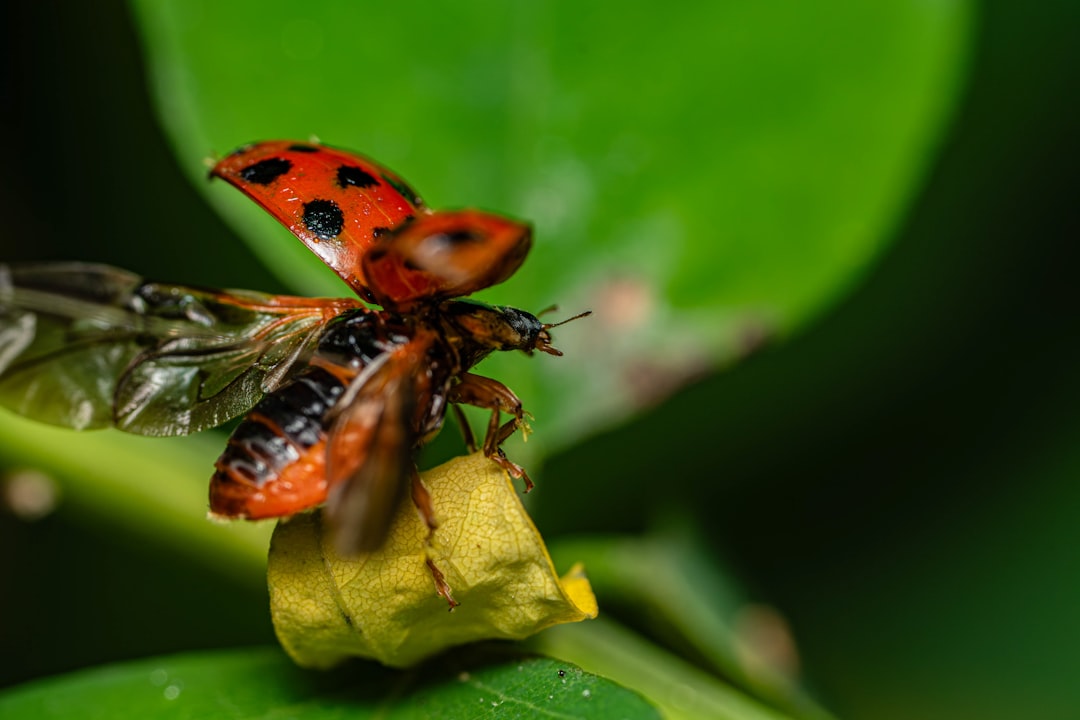
Even in our modern, scientific age, beetle superstitions persist across cultures, adapting to contemporary life while maintaining their ancient roots. In many European countries, finding a beetle in your home is still considered a sign of incoming good fortune, particularly if it’s discovered in the kitchen or near food storage areas. Gardeners worldwide continue to welcome certain beetle species as signs of healthy soil and thriving ecosystems. Some cultures maintain that beetle sightings can predict weather changes, relationship developments, or career opportunities. These modern interpretations show how deeply embedded beetle symbolism has become in human consciousness, transcending rational explanations to tap into something more primal and intuitive.
Scientific Reasons Behind Beetle Reverence
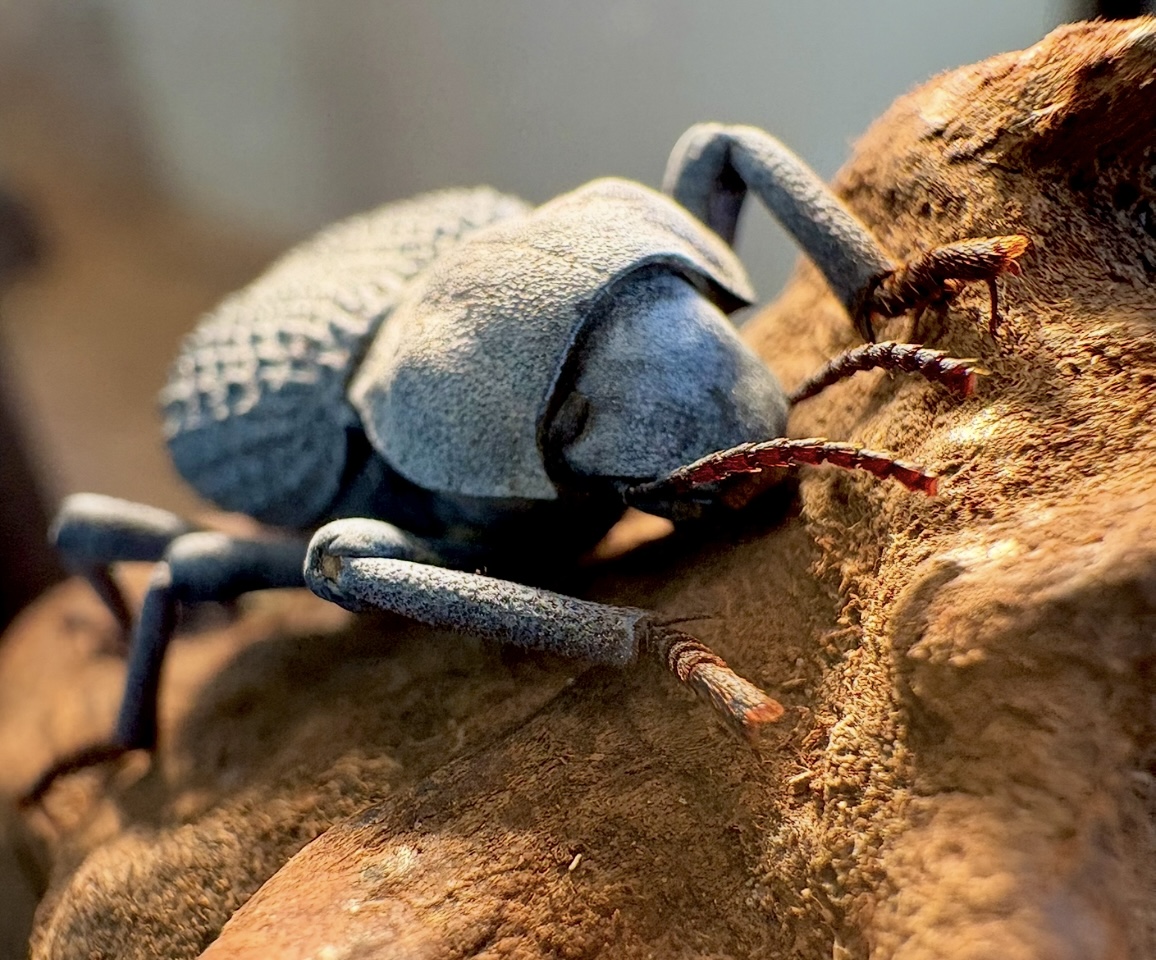
Modern science has revealed fascinating reasons why ancient cultures might have intuited something special about beetles long before we understood their ecological importance. Beetles are among the most successful life forms on Earth, representing about 25% of all known animal species and demonstrating incredible adaptability. Their role as decomposers and soil aerators makes them essential for healthy ecosystems, which ancient agricultural societies would have observed even without understanding the underlying mechanisms. The strength-to-weight ratio of many beetle species is truly remarkable, with some able to move objects many times their own body weight. These objective qualities may have subconsciously influenced human perceptions, leading to the widespread association of beetles with strength, persistence, and natural harmony.
Beetle Symbolism in Art and Literature
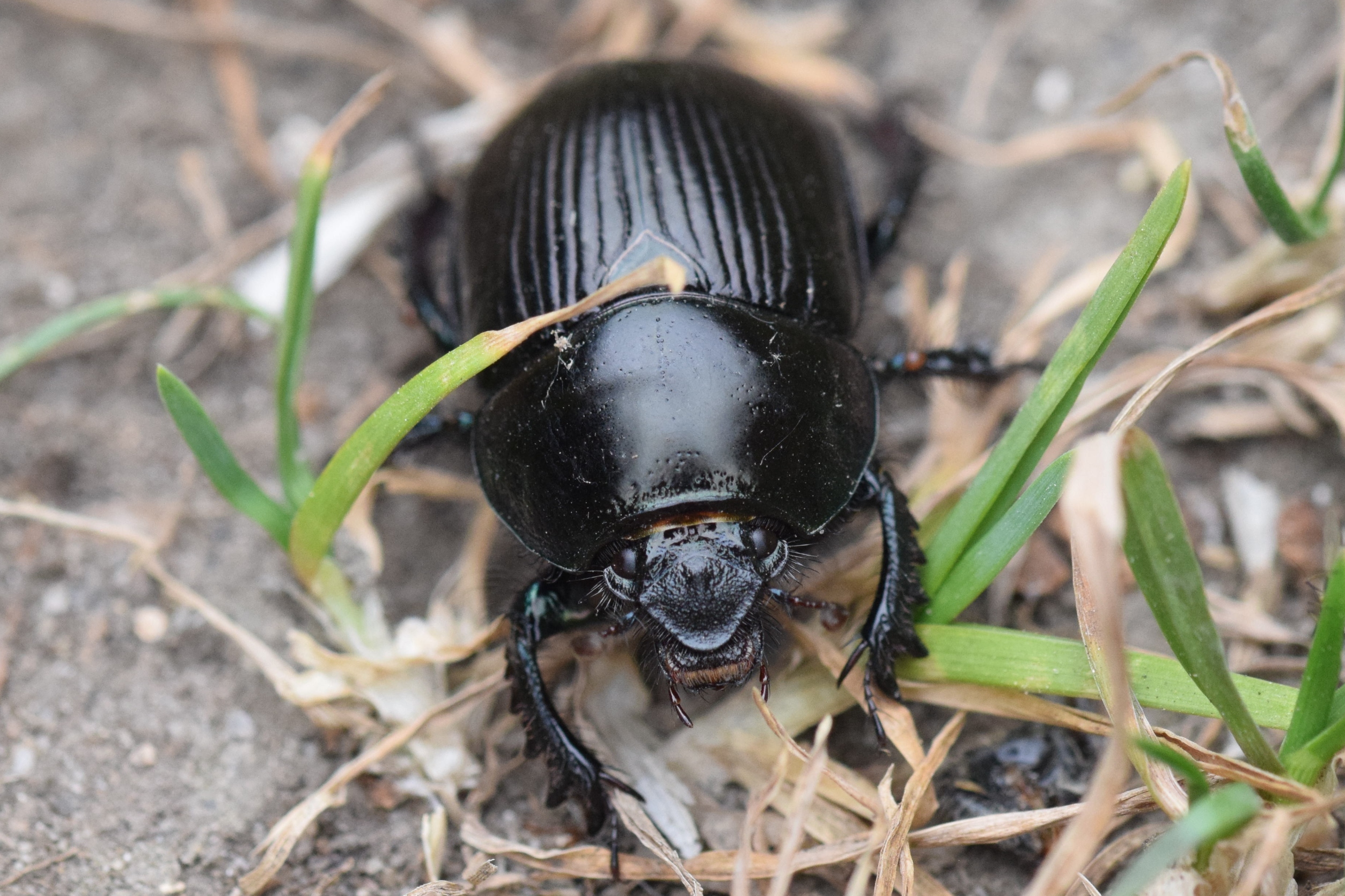
Throughout history, artists and writers have drawn upon beetle symbolism to convey deeper meanings about transformation, resilience, and the hidden forces that shape our world. Ancient cave paintings featured beetle imagery alongside hunting scenes and celestial observations, suggesting their importance in early human consciousness. Renaissance artists incorporated beetles into still-life paintings as symbols of earthly abundance and divine blessing. Modern literature has continued this tradition, with authors like Franz Kafka using beetle transformation as a metaphor for alienation and metamorphosis. Contemporary artists still draw inspiration from beetle forms and behaviors, creating sculptures, paintings, and installations that explore themes of adaptation, survival, and hidden beauty.
The Psychology of Beetle Good Luck Beliefs

Psychologists have studied why humans are drawn to attribute positive qualities to beetles, despite many people’s natural tendency to fear or avoid insects. The hard shell of beetles may trigger unconscious associations with protection and security, similar to how we respond to armor or shields. The persistence of beetles in overcoming obstacles resonates with human struggles and aspirations, making them natural symbols for determination and success. The fact that beetles often appear suddenly and unexpectedly may contribute to their perceived magical qualities, as humans tend to attach significance to surprising encounters. This psychological foundation helps explain why beetle good luck beliefs have persisted across cultures and centuries, even as our understanding of the natural world has evolved.
Contemporary Beetle Conservation and Cultural Preservation
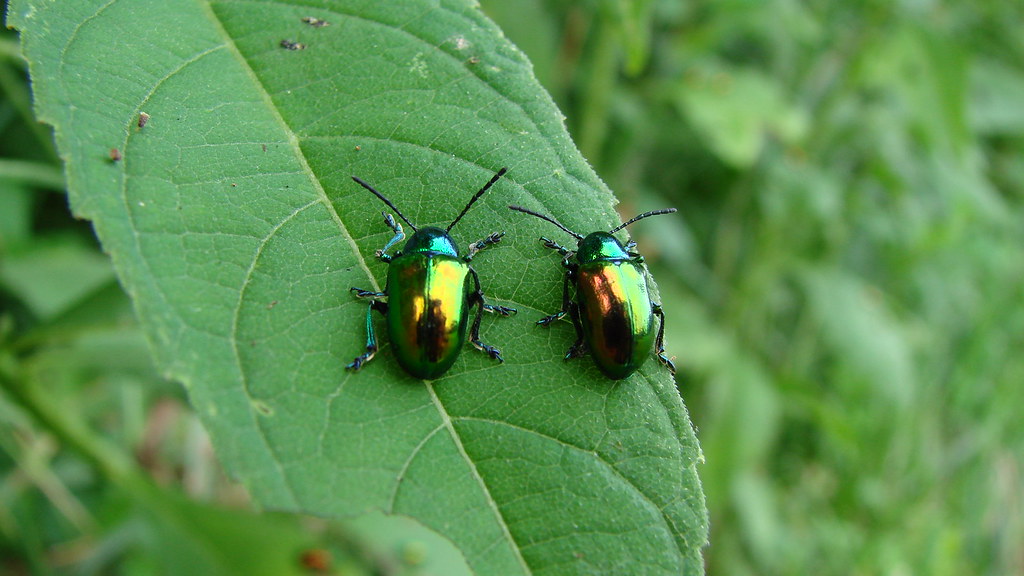
Today’s conservation efforts have revealed just how crucial beetles are to ecosystem health, validating ancient beliefs about their importance in new ways. Scientists estimate that beetles provide billions of dollars worth of ecological services through pollination, decomposition, and pest control. Many traditional cultures that revered beetles also developed sustainable practices that protected beetle habitats, showing an intuitive understanding of ecological balance. Modern conservation programs now work with indigenous communities to combine traditional knowledge with scientific research, recognizing that cultural beliefs about beetle luck often reflect deeper environmental wisdom. Museums and cultural centers worldwide are documenting beetle folklore and traditions, ensuring that these rich cultural connections don’t disappear as modern life distances us from nature.
Conclusion
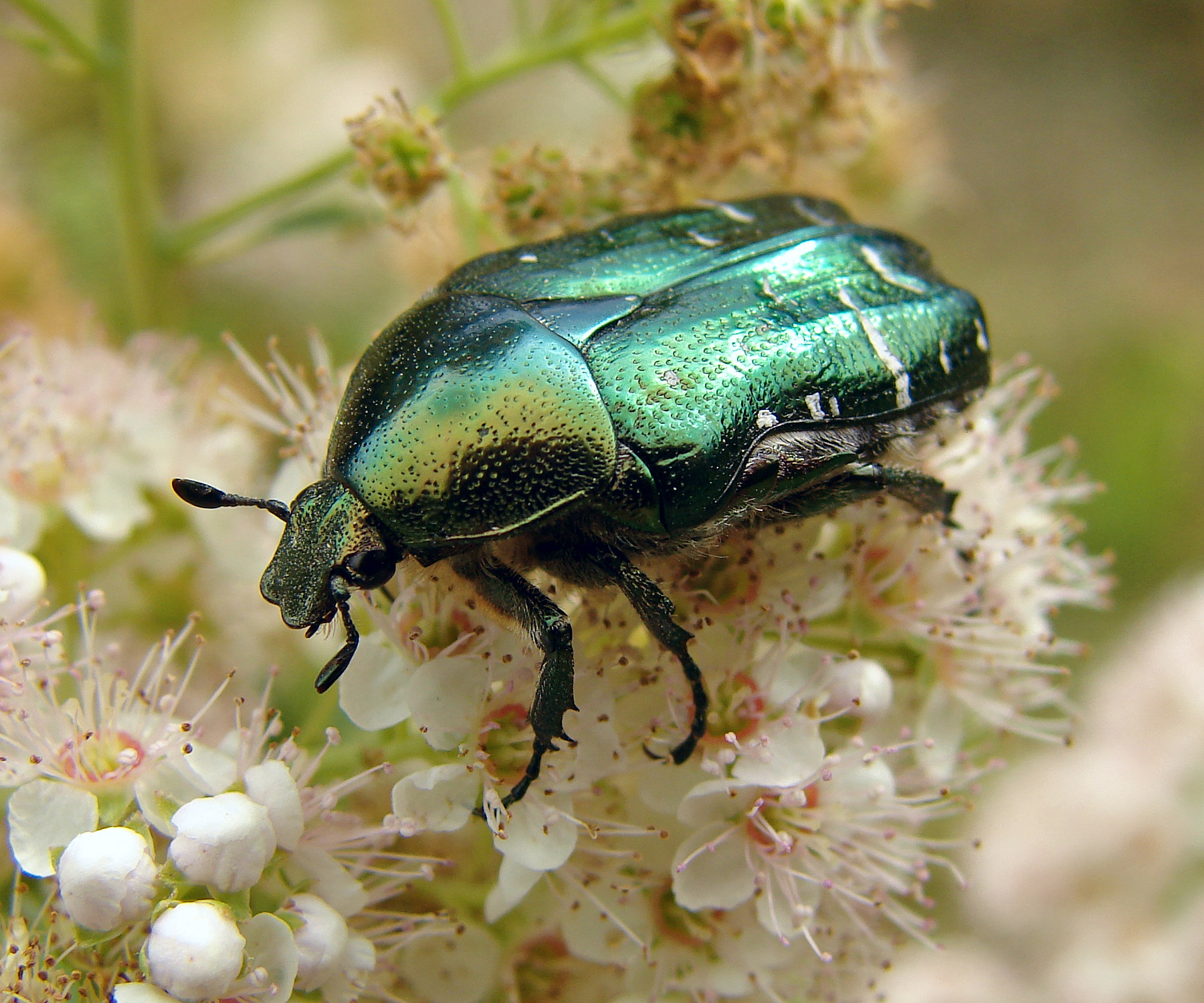
The transformation of beetles from simple insects to powerful symbols of fortune spans thousands of years and countless cultures, revealing something profound about human nature and our relationship with the natural world. These small creatures have crawled their way into our collective consciousness not through chance, but because they embody qualities we deeply admire: resilience, transformation, and the ability to thrive in challenging conditions. Whether carved into pharaohs’ tombs or featured in modern art installations, beetles continue to represent hope, persistence, and the mysterious forces that guide our lives. What strikes you most—that such tiny creatures could inspire such vast cultural traditions, or that these ancient beliefs still influence how we see the world today?