

Picture this: you flip on the bathroom light at 2 AM, and there it is—a silvery, wiggling creature darting across your tile floor like something from a science fiction movie. Your heart skips a beat, and suddenly you’re wide awake, wondering if your home has been invaded by alien insects. But before you grab the nearest shoe or call an exterminator, take a deep breath. That little silver speedster scurrying away from your feet isn’t the household villain you might think it is.
The Ancient Survivors Among Us
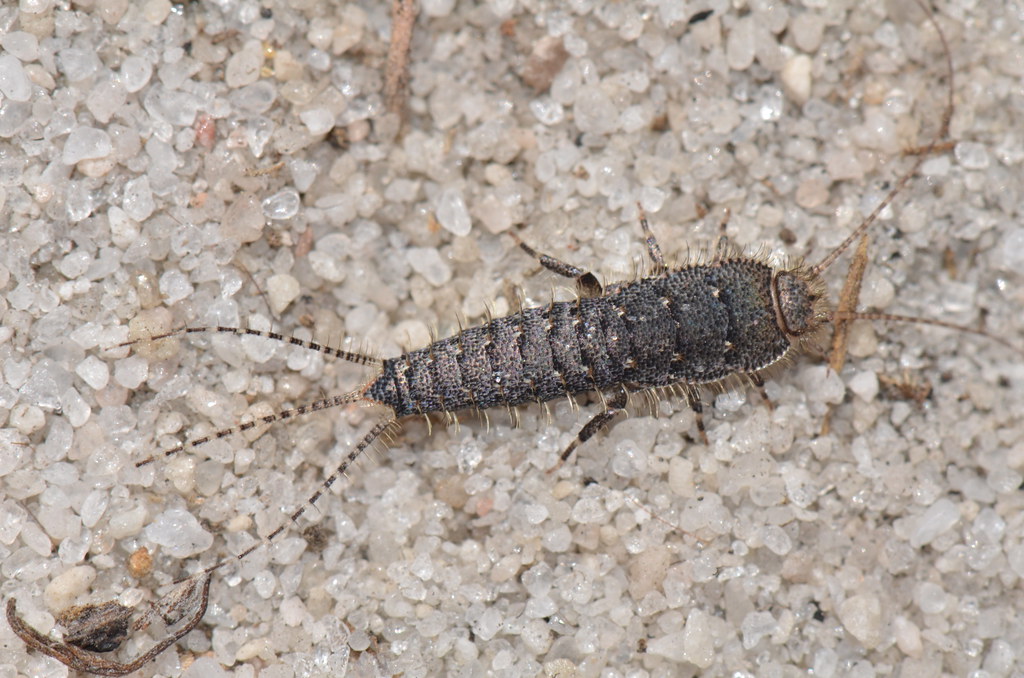
Silverfish have been sharing our planet for an absolutely mind-blowing 400 million years. To put that in perspective, these creatures were already ancient when dinosaurs first appeared on Earth. They’ve survived multiple mass extinctions, ice ages, and countless environmental changes that wiped out species far larger and seemingly more robust. When you spot one in your bathroom, you’re looking at a living piece of evolutionary history that has mastered the art of survival. Their resilience comes from their incredible adaptability and simple yet effective body design. Think of them as the ultimate minimalists of the insect world—they’ve figured out exactly what they need to survive and nothing more.
What Exactly Are These Mysterious Creatures
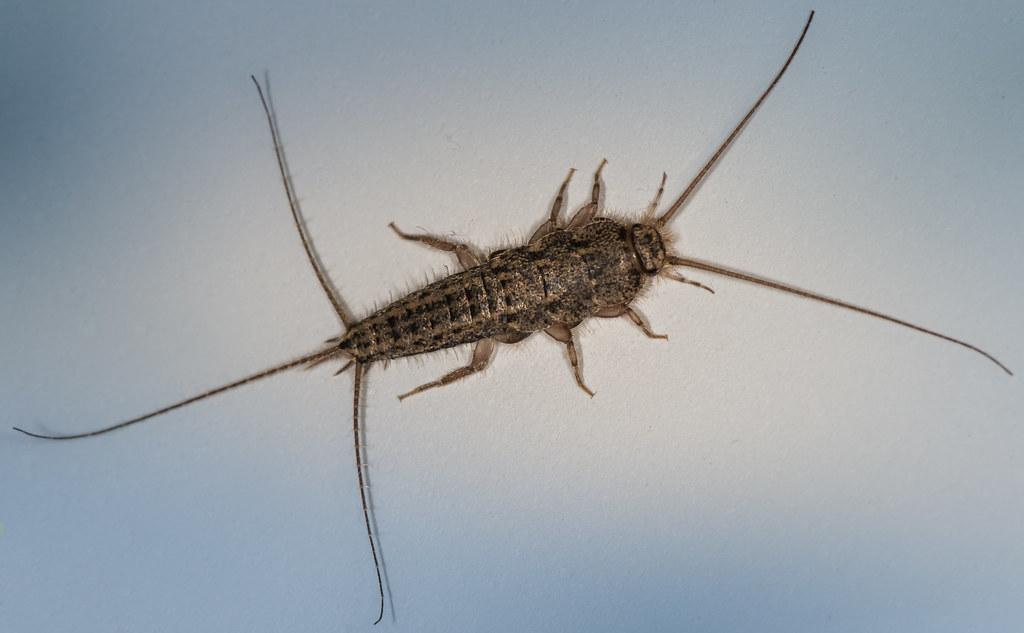
Silverfish belong to an order of insects called Zygentoma, and they’re actually quite fascinating from a biological standpoint. Their scientific name, Lepisma saccharina, literally translates to “sugar-loving scale,” which gives you a hint about their dietary preferences. These wingless insects typically measure between half an inch to an inch in length, with their distinctive fish-like movements giving them their common name. Their bodies are covered in tiny scales that create that characteristic metallic sheen, almost like they’re wearing microscopic armor. Unlike many insects, silverfish don’t undergo complete metamorphosis—they simply molt their skin as they grow, kind of like snakes do.
Why Your Bathroom Feels Like Paradise to Them
Your bathroom isn’t just a convenient pit stop for silverfish—it’s their version of a luxury resort. These creatures absolutely thrive in humid environments, and bathrooms typically maintain the 75-95% humidity levels that make silverfish feel right at home. The warm, moist air from your showers creates the perfect microclimate for them to flourish. They’re also drawn to the cellulose found in toilet paper, cotton towels, and even the glue behind wallpaper. Plus, bathrooms often have small cracks and crevices where silverfish can hide during the day, since they’re primarily nocturnal creatures. Your midnight bathroom encounters happen because that’s when they’re most active, searching for food and mates.
The Truth About Their Diet Might Surprise You
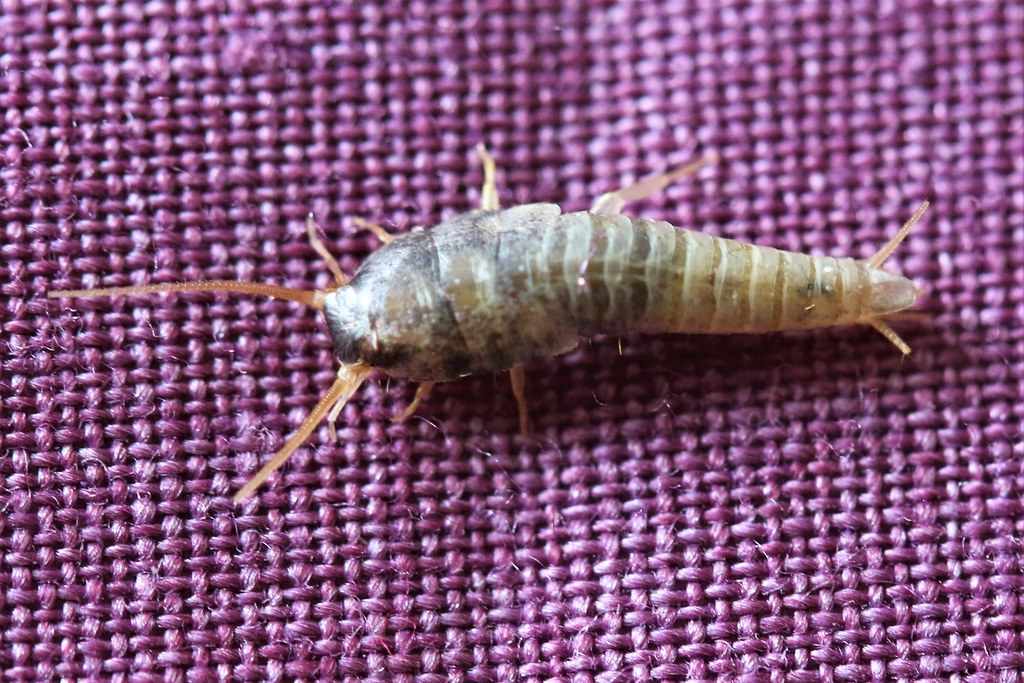
Contrary to popular belief, silverfish aren’t particularly interested in you or your family as a food source. They’re primarily scavengers with a taste for carbohydrates, particularly starches and sugars. In your bathroom, they might nibble on soap residue, toothpaste remnants, or even dead skin cells that naturally accumulate. They also have a peculiar appetite for book bindings, photographs, and synthetic fabrics—basically anything containing cellulose or starch-based adhesives. Interestingly, silverfish can survive for months without food, which explains why they can seem to appear out of nowhere even in relatively clean homes. Their slow metabolism allows them to make the most of whatever food sources they can find.
They’re Actually Helping More Than Harming
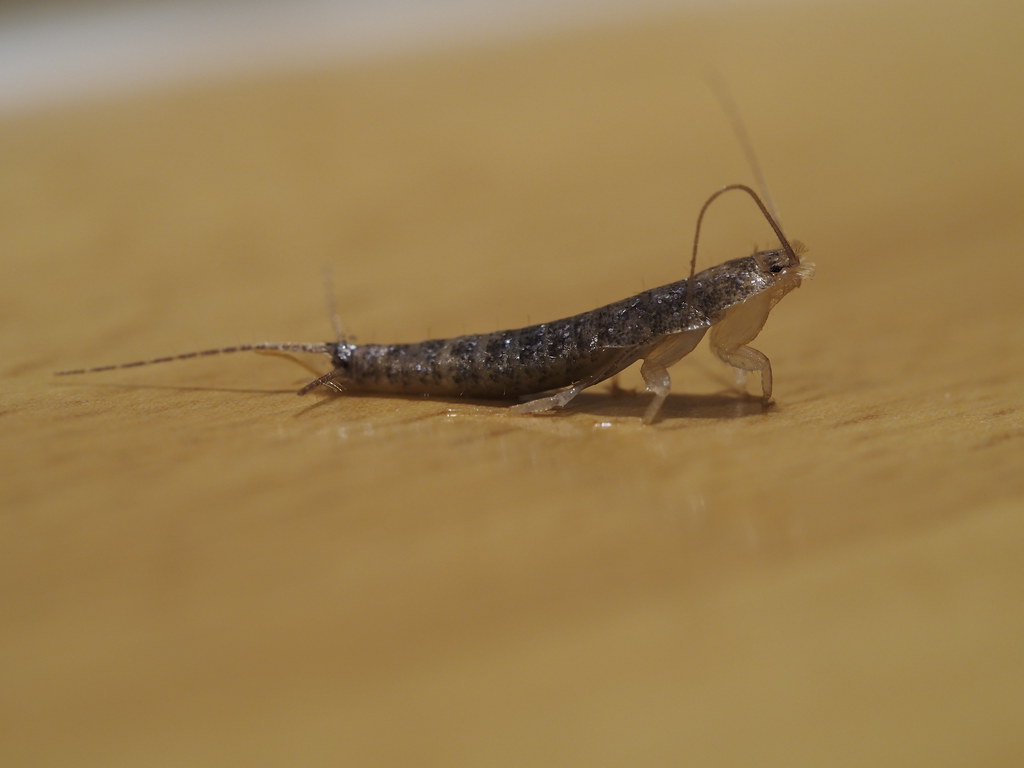
Here’s something that might change your perspective entirely: silverfish are actually performing a valuable cleaning service in your home. They consume dust mites, carpet beetle larvae, and other tiny organic debris that accumulates in hard-to-reach places. In many ways, they’re like tiny janitors working the night shift, cleaning up microscopic messes you didn’t even know existed. They also eat dead insects and organic matter that would otherwise decay and potentially create less pleasant odors or attract more problematic pests. While they might occasionally damage paper goods or synthetic fabrics, the amount of “cleaning” they do often outweighs these minor inconveniences.
The Bite Myth That Refuses to Die
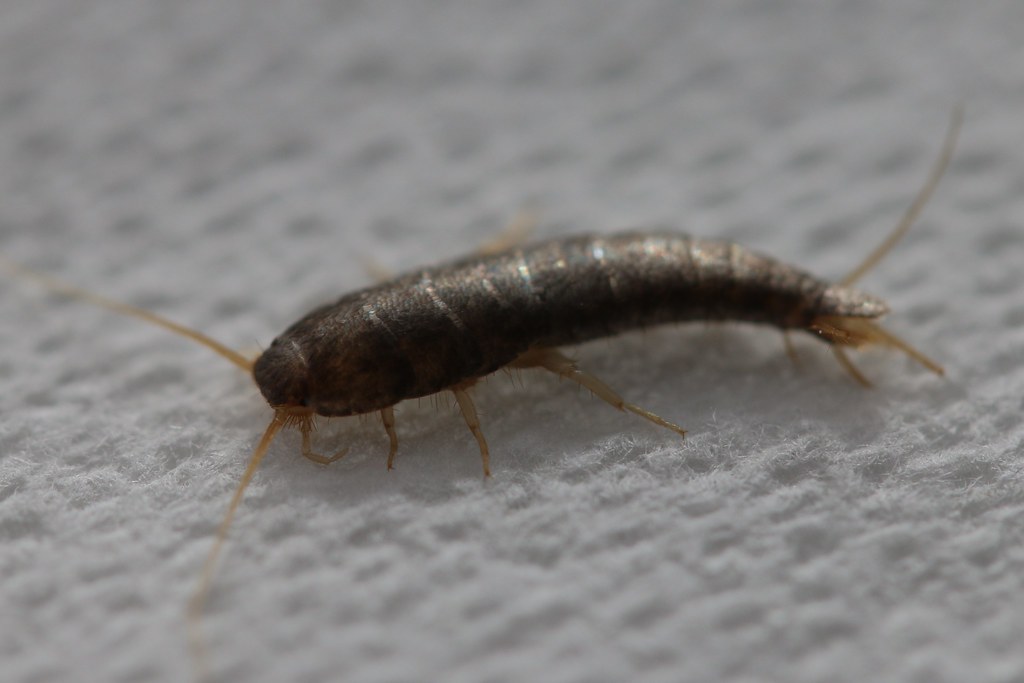
Let’s settle this once and for all: silverfish cannot and will not bite you. They simply don’t have the mouthparts designed for biting human skin, nor do they have any interest in doing so. Their small, weak mandibles are perfectly designed for scraping and chewing soft organic matter, but they’re completely incapable of penetrating human skin. If you’ve woken up with mysterious bites after seeing silverfish, you’re likely dealing with a completely different pest, such as bed bugs, fleas, or mosquitoes. This misconception probably persists because people associate any crawling insect with biting, but silverfish are about as harmless as insects get when it comes to direct human contact.
Why They’re Not Disease Carriers
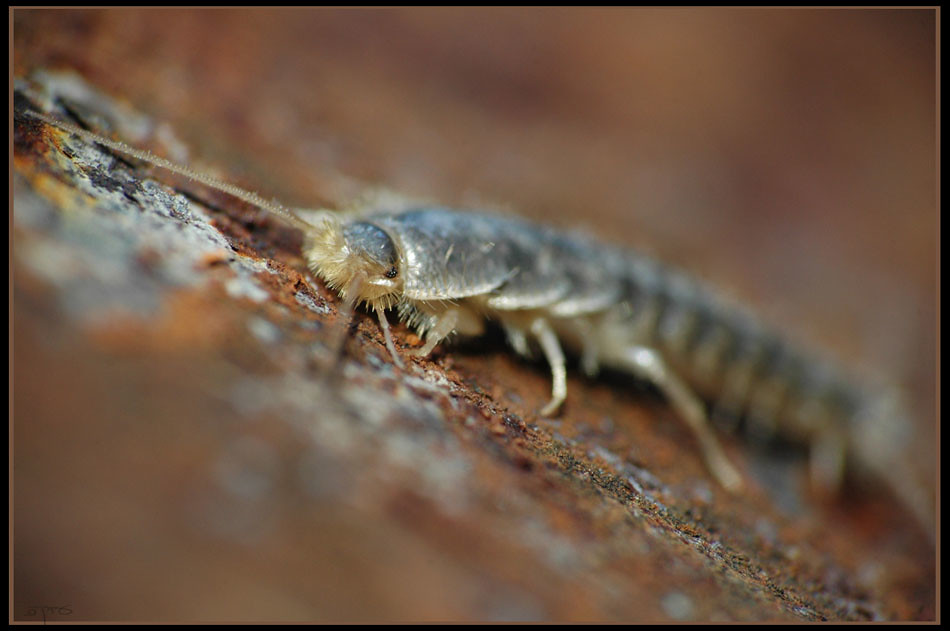
Unlike many other household insects, silverfish are remarkably clean creatures that pose virtually no health risks to humans. They don’t carry or transmit diseases, bacteria, or parasites that could affect your family’s health. Their grooming habits are actually quite meticulous—they spend considerable time cleaning their antennae and legs, much like cats groom themselves. Because they primarily feed on non-living organic matter rather than rotting food or waste, they don’t pick up the kinds of pathogens that make other insects problematic. The World Health Organization doesn’t even list silverfish among insects of medical importance, which should give you peace of mind about sharing your space with them.
Their Incredible Escape Artist Abilities
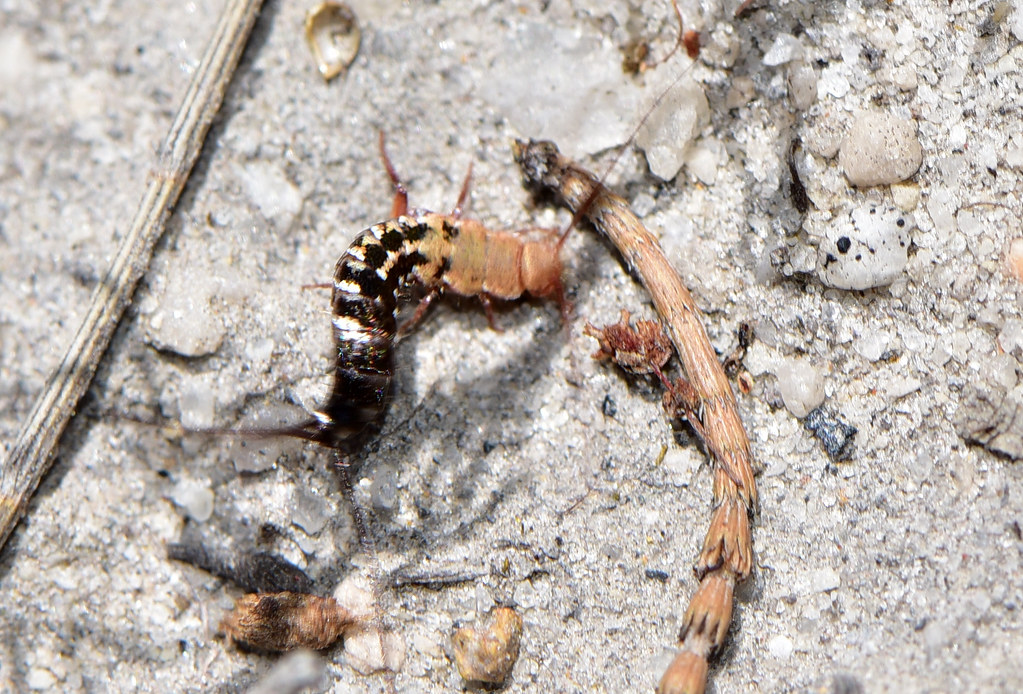
Watching a silverfish dart away when you turn on the lights isn’t just amusing—it’s witnessing one of nature’s most impressive escape artists in action. These insects can run up to 15 body lengths per second, which would be equivalent to a human running about 60 miles per hour. Their unique serpentine movement pattern makes them incredibly difficult for predators to catch and even harder to predict where they’ll go next. They can also squeeze through cracks that seem impossibly small for their body size, thanks to their flexible exoskeleton. Their three long tail appendages aren’t just for show—they’re sensory organs that help them detect air currents and potential threats, giving them a significant head start when escaping danger.
The Real Damage Assessment
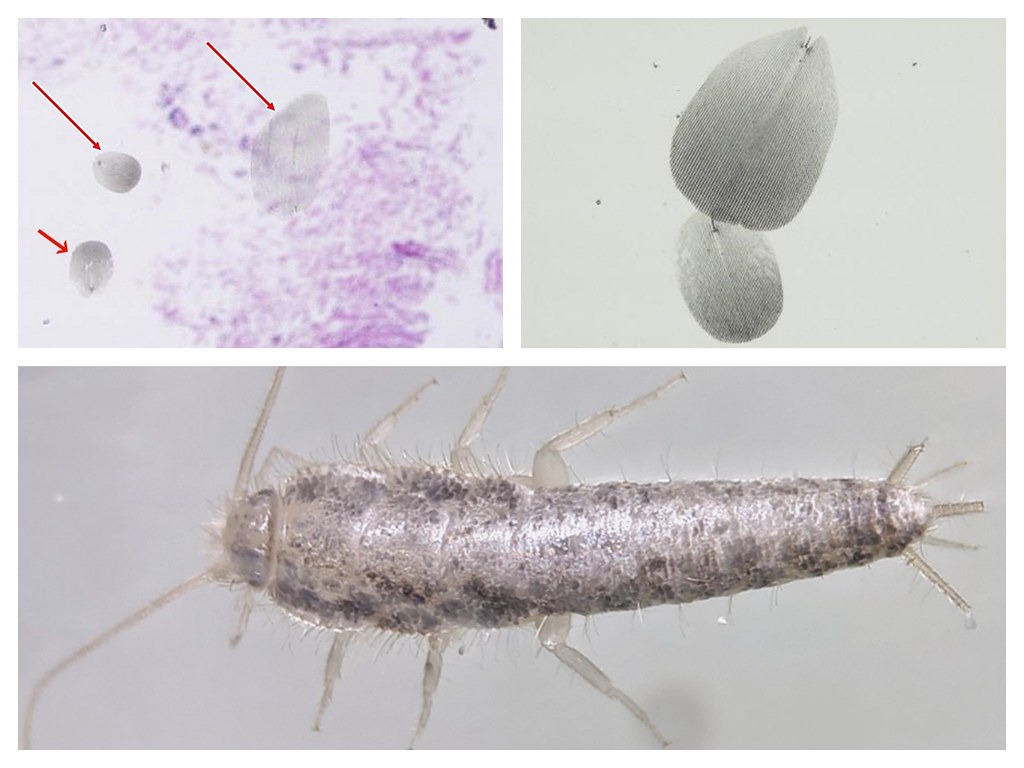
When we talk about silverfish “damage,” we need to put things in perspective. Yes, they might occasionally chew small holes in clothing, books, or wallpaper, but this typically happens over extended periods and only when their preferred food sources are scarce. The damage is usually so minimal that many people never even notice it. A single silverfish might take months to create a hole the size of a pinhead in a piece of fabric. Compare this to termites, which can literally destroy the structural integrity of your home, or carpenter ants that can cause thousands of dollars in damage. Silverfish are more like that neighbor who occasionally borrows a cup of sugar—slightly annoying but ultimately harmless.
Natural Population Control That Works
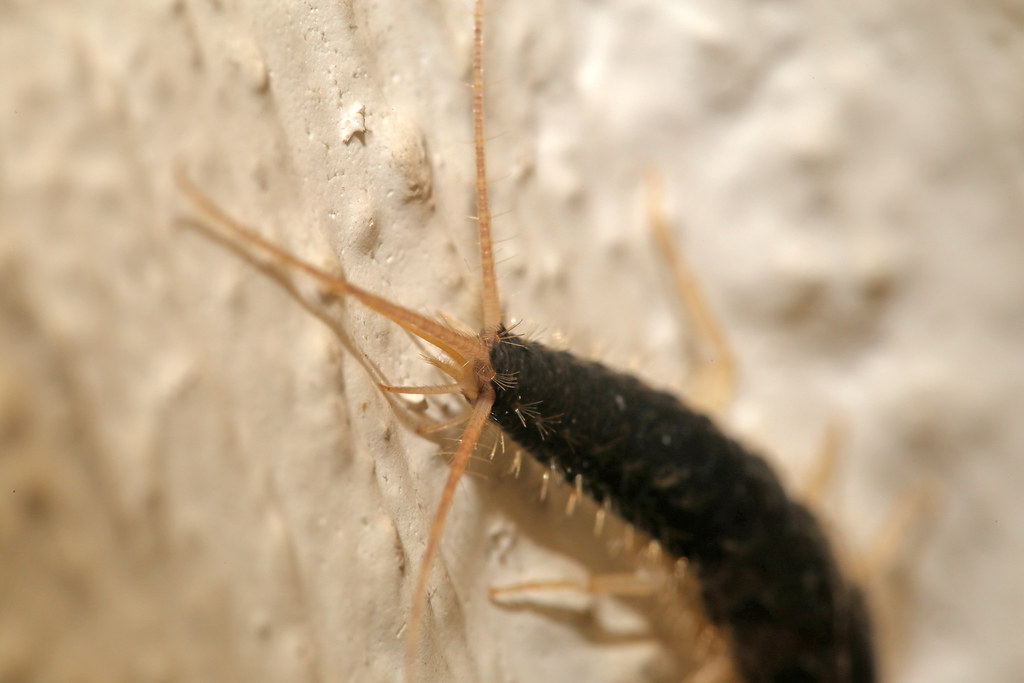
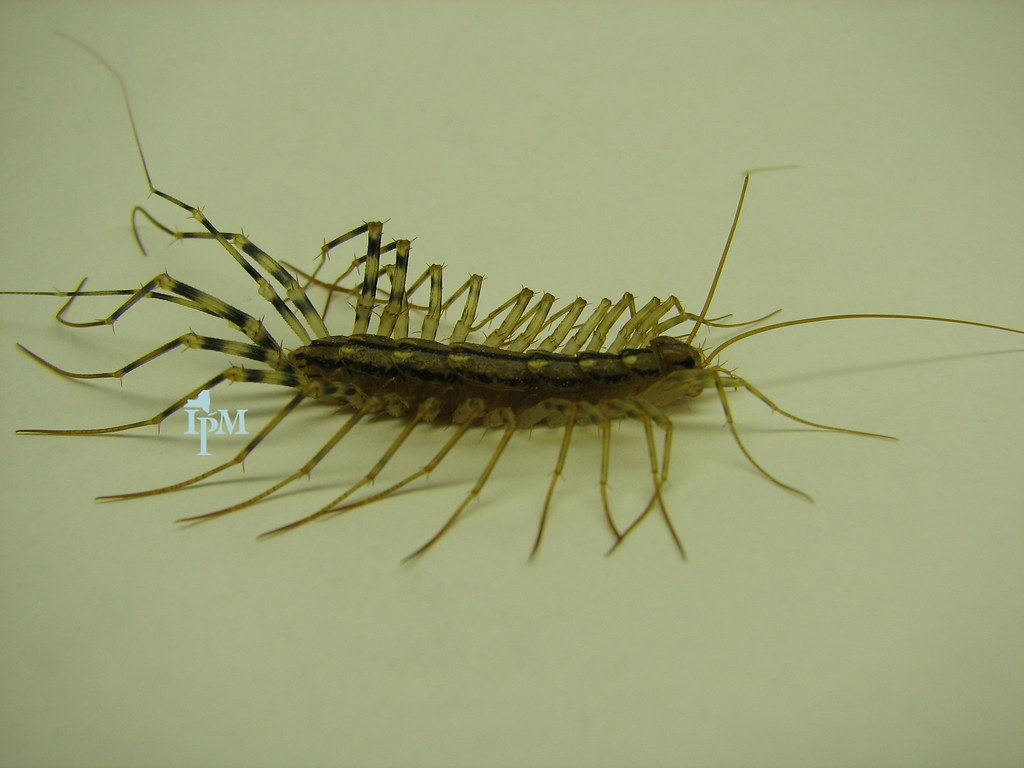
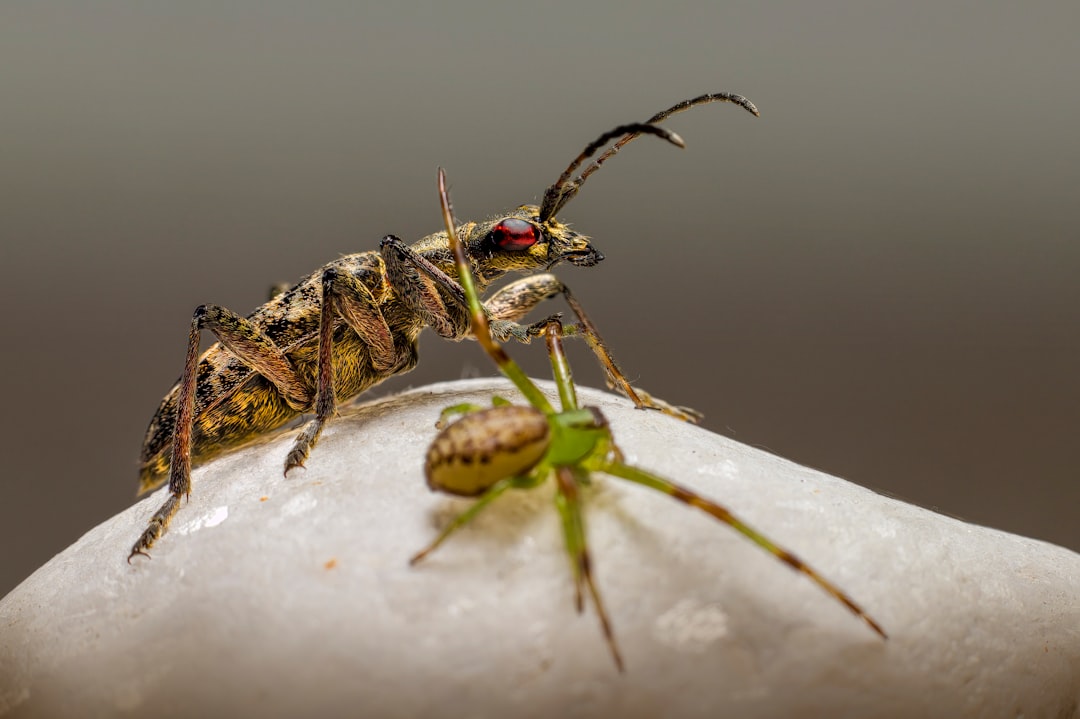
Silverfish populations tend to regulate themselves naturally, which means a few individuals rarely turn into a major infestation. These insects have a relatively slow reproductive rate compared to other household pests—females lay only a few eggs at a time and can take up to two years to reach maturity. They also face natural predation from spiders, centipedes, and even some beetles that share their habitat. Environmental factors like seasonal humidity changes also help keep their numbers in check. Most homes that have silverfish only harbor a small population that remains stable over time without human intervention.
When Professional Help Actually Makes Sense
While most silverfish situations don’t require professional intervention, there are specific circumstances where calling an expert might be worthwhile. If you’re consistently finding dozens of silverfish rather than the occasional individual, you might have an underlying moisture problem that needs addressing. Similarly, if you have valuable books, documents, or textiles that are being damaged, professional treatment might be justified. However, many pest control companies will honestly tell you that silverfish are among the least concerning insects they encounter. The money spent on professional treatment might be better invested in addressing humidity issues or simply learning to coexist with these harmless creatures.
Simple Coexistence Strategies
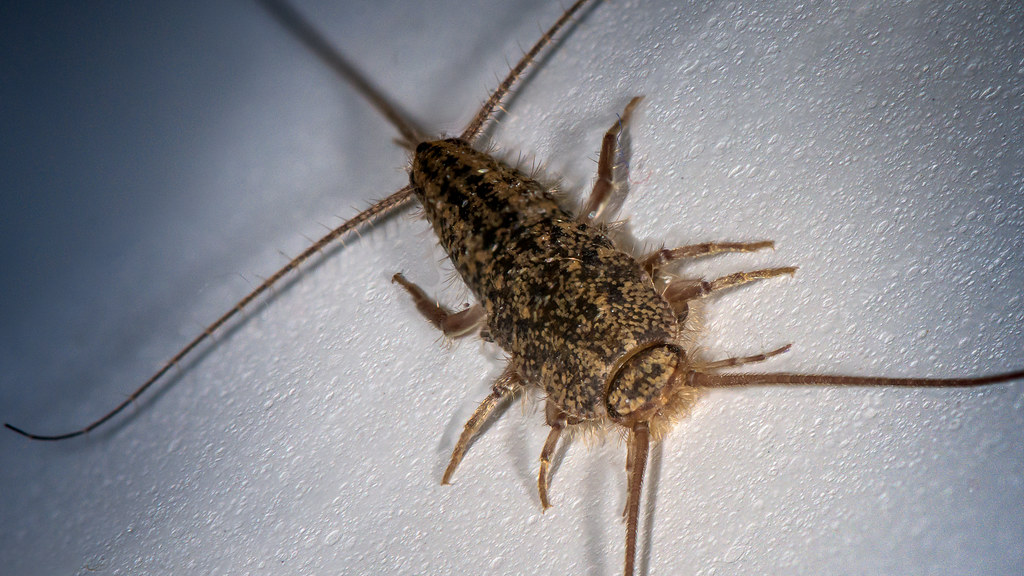
Living peacefully with silverfish is surprisingly easy once you understand their needs and behaviors. Reducing humidity levels in your bathroom through better ventilation or a dehumidifier will make the space less attractive to them without using any chemicals. Storing books, important papers, and seasonal clothing in sealed containers protects your valuables while still allowing silverfish to go about their business. Regular cleaning that removes dust and organic debris reduces their food sources naturally. Think of it as setting boundaries rather than declaring war—you maintain your space while respecting their right to exist.
The Bigger Picture of Household Ecosystems

Your home isn’t just your castle—it’s actually a complex ecosystem with many interconnected species, and silverfish play a small but important role in this balance. They’re part of the cleanup crew that processes organic waste and provides food for other beneficial creatures like house spiders. When you eliminate one species from this ecosystem, others often fill the void, and the replacement might be less desirable. For instance, removing silverfish might lead to an increase in dust mites or other microscopic pests that cause more significant problems. Understanding your home as an ecosystem rather than a sterile environment can completely change your relationship with the creatures that share your space.
Cultural Perspectives on Household Insects
It’s fascinating how different cultures view insects like silverfish—while many Western societies immediately reach for pest control, other cultures see these creatures as neutral or even beneficial household residents. In some traditions, the presence of certain insects is considered a sign of a healthy, living home rather than a problem to be solved. Japanese culture, for example, has a concept called “mono no aware” that appreciates the temporary nature of all living things, including the small creatures that share our spaces. This perspective shift from “pest” to “temporary roommate” can dramatically reduce the stress and anxiety that often accompany insect encounters.
What Science Tells Us About Fear Responses
That immediate panic you feel when spotting a silverfish isn’t unusual—it’s actually a deeply ingrained evolutionary response designed to protect us from potentially dangerous creatures. However, this same response can be triggered by completely harmless insects, creating unnecessary stress and anxiety. Research shows that education about specific creatures significantly reduces fear responses, which is why learning about silverfish behavior and characteristics can literally make you feel calmer about future encounters. The more you understand about these creatures, the more your brain can override that initial panic response with rational assessment. It’s like the difference between seeing a shadowy figure in the dark versus recognizing it’s just a coat hanging on a chair.
That little silver flash you glimpsed in your bathroom isn’t an invasion—it’s simply life doing what life does best: adapting, surviving, and finding its place in the world. These ancient creatures have been perfecting their craft for hundreds of millions of years, and they’ve earned their spot in the grand tapestry of life through sheer persistence and harmlessness. Next time you encounter one, maybe take a moment to appreciate that you’re witnessing a living piece of natural history rather than reaching for the nearest weapon of mass insect destruction. After all, in a world full of genuine problems, isn’t it refreshing to discover that some of our fears are just misunderstandings waiting to be cleared up?