

In the vast world of insects, there exists a phenomenon so extraordinary it seems like science fiction—aphids being born already pregnant. This reproductive marvel, known as telescopic generations or paedogenesis, represents one of nature’s most efficient reproduction strategies. While mammals require maturation, mating, and gestation before producing offspring, certain insects have evolved shortcuts that dramatically accelerate their reproductive timeline. These fascinating adaptations allow some species to multiply at astonishing rates, helping them survive in competitive ecosystems. The bizarre reproductive capabilities of insects offer a window into evolution’s creative solutions for species survival and highlight the remarkable diversity of life on our planet.
The Aphid Phenomenon: Born Ready to Reproduce
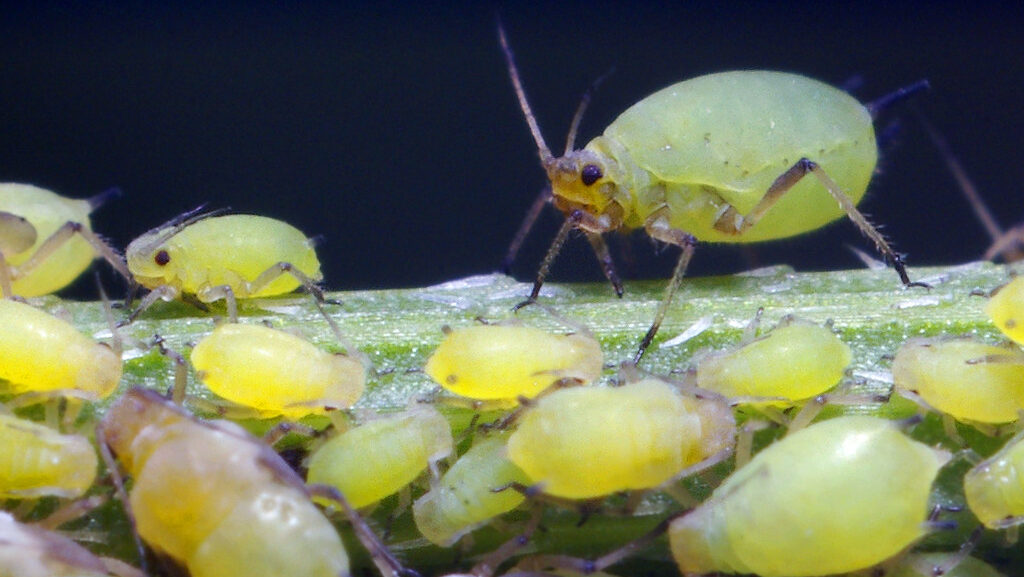
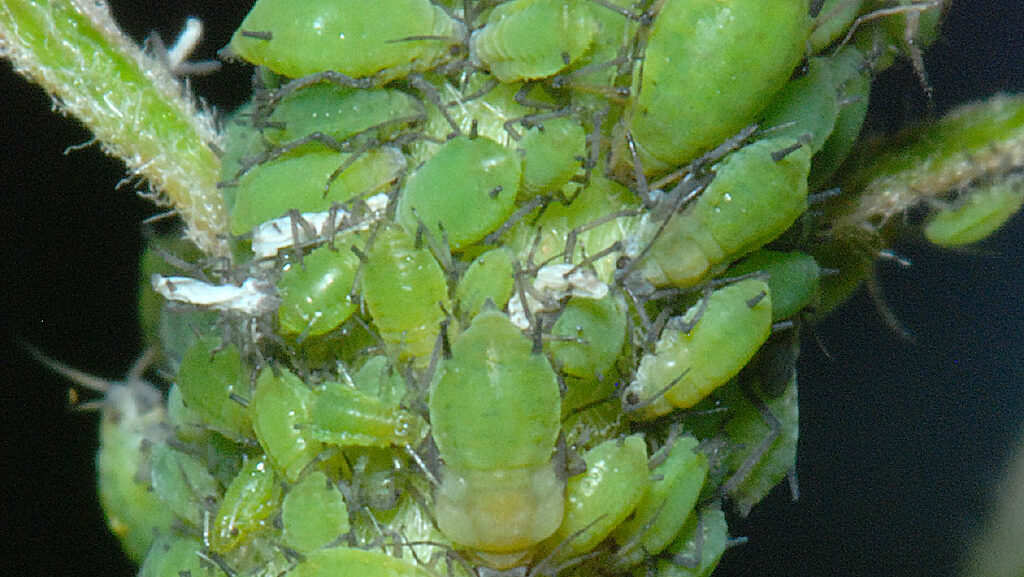
Aphids, tiny sap-sucking insects often considered garden pests, possess perhaps the most extraordinary reproductive capability in the insect world. Female aphids can be born containing developing embryos already growing inside them—essentially, they’re pregnant before they’re even born. This phenomenon occurs because a developing aphid embryo can start producing its own embryos before being born itself. Scientists call this telescopic generation, where multiple generations develop simultaneously within a single aphid. This reproductive shortcut allows aphids to bypass the usual time constraints of maturation and mating. Under ideal conditions, this remarkable adaptation enables aphid populations to explode exponentially, with up to 41 generations possible in a single year.
Parthenogenesis: Virgin Births in the Insect World
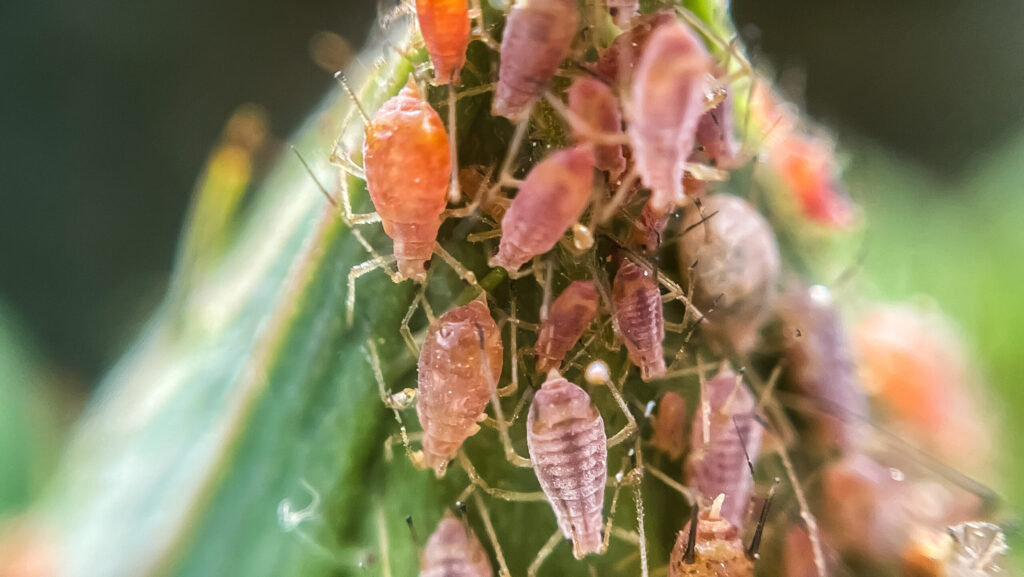

Many insects, including aphids, stick insects, and certain wasps, can reproduce through parthenogenesis—essentially giving birth without mating. During parthenogenesis, females produce eggs that develop into embryos without fertilization, resulting in offspring that are genetic clones of their mother. This adaptation provides significant advantages when males are scarce or environmental conditions favor rapid population growth. The ability to reproduce without males allows these species to colonize new areas quickly with just a single female. Some insects switch between sexual reproduction and parthenogenesis depending on seasonal conditions, maximizing their reproductive efficiency throughout the year while maintaining genetic diversity through occasional sexual reproduction.
The Evolutionary Advantage of Telescopic Generations
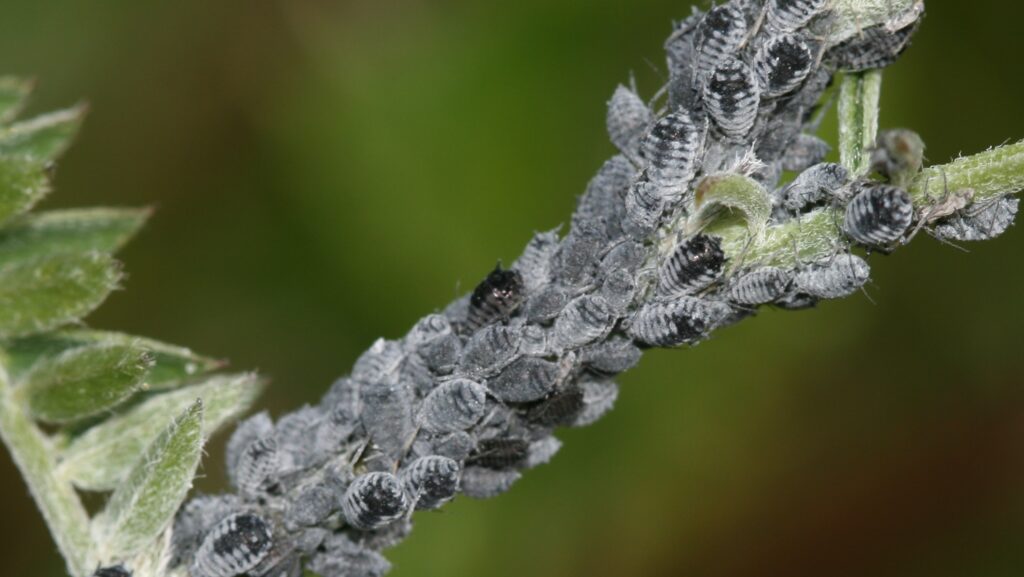

The evolution of telescopic generations represents a remarkable adaptation for rapid population growth. By compressing multiple generations into a dramatically shortened timeframe, aphids can capitalize on favorable conditions like abundant food resources with unprecedented efficiency. This reproductive strategy provides a significant competitive advantage in environments where conditions may only be optimal for short periods. Each female aphid can potentially produce up to 80 offspring in her lifetime, and with daughters born already pregnant, populations can increase by orders of magnitude within weeks. Evolutionary biologists consider this one of nature’s most efficient reproduction systems, allowing these small insects to quickly establish colonies despite their vulnerability to predators and environmental changes.
Aphid Life Cycles: Switching Between Reproduction Methods
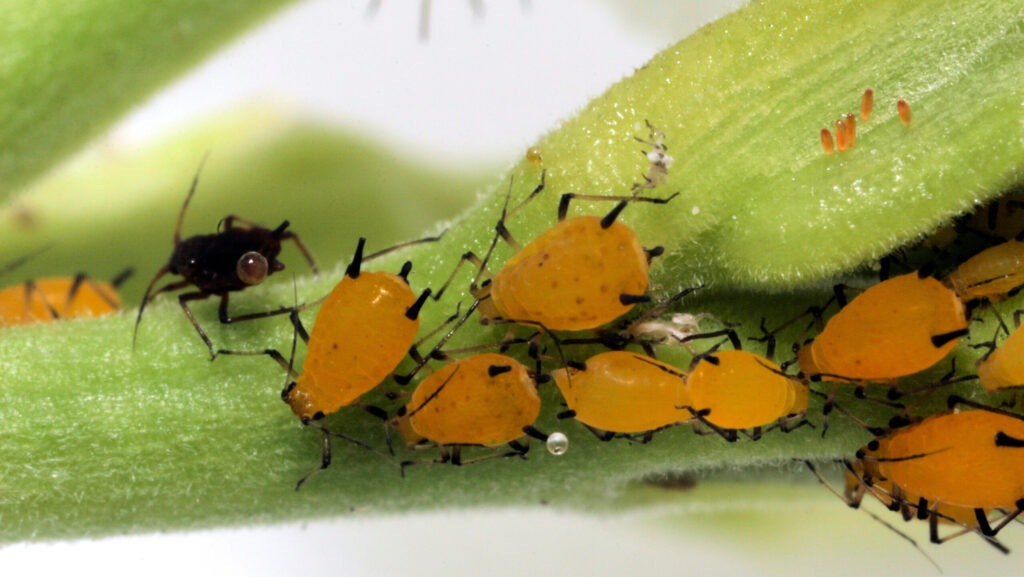

Aphids demonstrate remarkable reproductive flexibility, often switching between different reproductive modes depending on environmental conditions. During spring and summer when resources are abundant, female aphids reproduce asexually through parthenogenesis, giving birth to live young (viviparous reproduction) that are already developing their own embryos. These summer generations can be produced at an astonishing rate of one new aphid every 20-30 minutes. As winter approaches, however, many aphid species switch to sexual reproduction, producing males and special sexual females that mate and lay fertilized eggs that can survive harsh winter conditions. This seasonal switching between reproductive strategies allows aphids to maximize population growth during favorable conditions while ensuring genetic diversity and winter survival.
Insect Viviparity: Live Birth Without Eggs
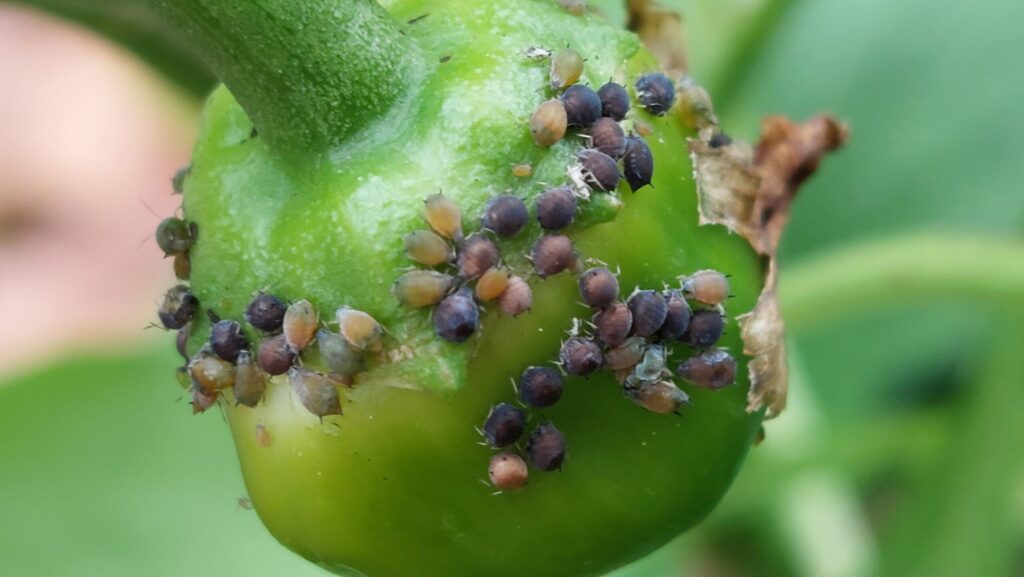

While most insects lay eggs, several species give birth to live young through a process called viviparity, further accelerating their reproductive timeline. Aphids are the most well-known viviparous insects, but certain flies, beetles, and cockroaches also employ this strategy. In viviparous insects, eggs develop entirely within the mother’s body, and she gives birth to fully-formed offspring rather than laying eggs that must develop externally. This approach provides greater protection for developing young and eliminates the vulnerable egg stage entirely. Some tsetse flies take viviparity to an extreme, producing only one offspring at a time but nourishing it within the reproductive tract until it’s almost adult-sized—an unusual strategy more reminiscent of mammalian reproduction than typical insect reproduction.
The Science Behind Paedogenesis
.jpg)
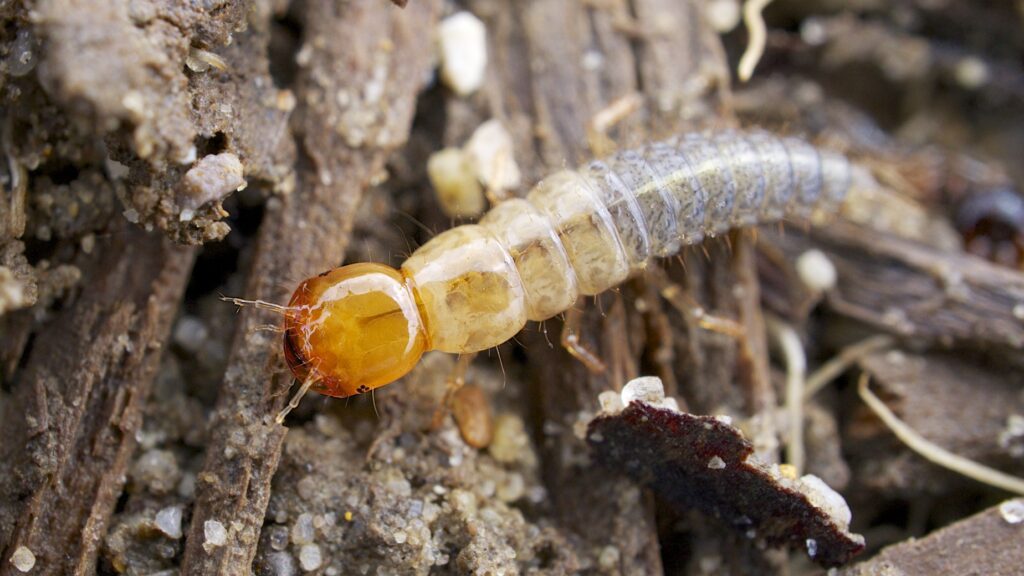
Paedogenesis, the development of reproductive organs in a juvenile or larval form, represents one of the most unusual reproductive adaptations in insects. This phenomenon occurs in certain gall midges, beetles, and other insects, allowing larvae to produce eggs without ever becoming adults. The developing young essentially reproduce while still in their immature form, creating new generations that may continue the same process. This peculiar reproductive strategy often evolves in species where adult forms have limited lifespans or face significant environmental challenges. The molecular mechanisms behind paedogenesis involve complex hormonal regulations that activate reproductive systems prematurely while suppressing complete metamorphosis. This creates a biological shortcut that dramatically accelerates reproductive timelines in these specialized species.
Record-Breaking Reproduction: The Fastest Multipliers
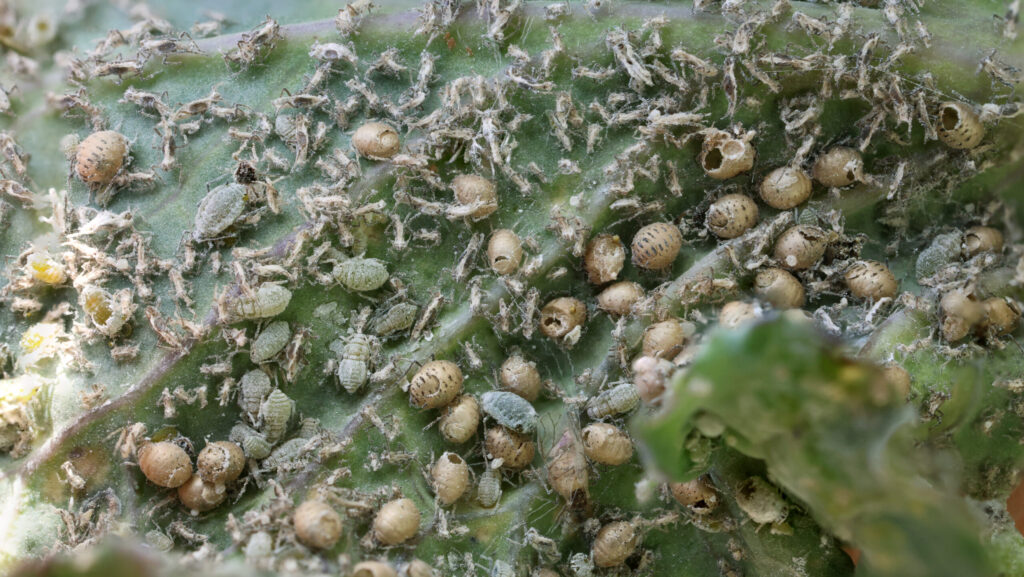

When it comes to rapid reproduction, few organisms can compete with aphids and their telescopic generations. Under ideal conditions, a single aphid could theoretically produce billions of descendants within a single season through its compressed reproductive timeline. This reproductive rate surpasses almost all other multicellular animals and approaches bacterial growth rates. Some aphid species can produce a new generation every 7-10 days, with each female capable of birthing 80-100 offspring during her lifetime. The mathematical progression becomes staggering—if all offspring survived, a single aphid’s descendants could weigh more than the earth’s population within months. Nature prevents this theoretical explosion through predation, disease, and resource limitations, creating a balance that nevertheless allows aphids to remain among the most successful insect groups.
Parasitic Wasps: Hijacking Reproduction
.jpg)
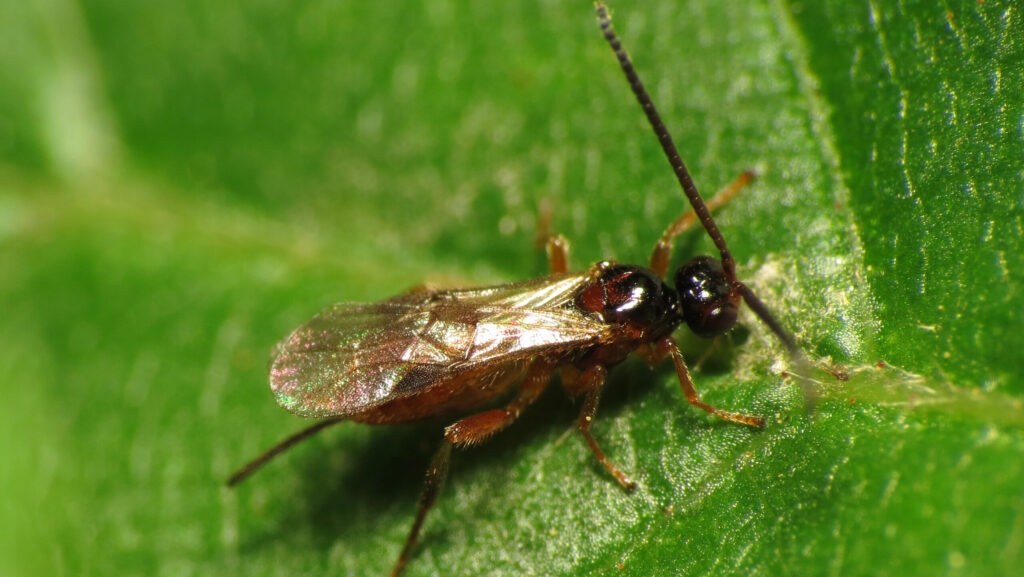
Parasitic wasps have evolved perhaps the most sinister reproductive strategy in the insect world, essentially hijacking other insects’ bodies as living incubators for their young. These wasps inject their eggs directly into host insects, often while simultaneously delivering a venom that paralyzes the host or alters its behavior. The wasp larvae develop inside the living host, consuming it from within while carefully avoiding vital organs to keep their living food source alive as long as possible. Some parasitic wasp species target aphids specifically, providing natural population control for these rapid reproducers. Certain parasitic wasps even practice hyperparasitism—laying eggs inside other parasitic insects that are already developing inside a host, creating a macabre Russian nesting doll of parasitism that demonstrates the extreme specialization possible in insect reproduction.
Polyembryony: Making Multiple Babies from One Egg
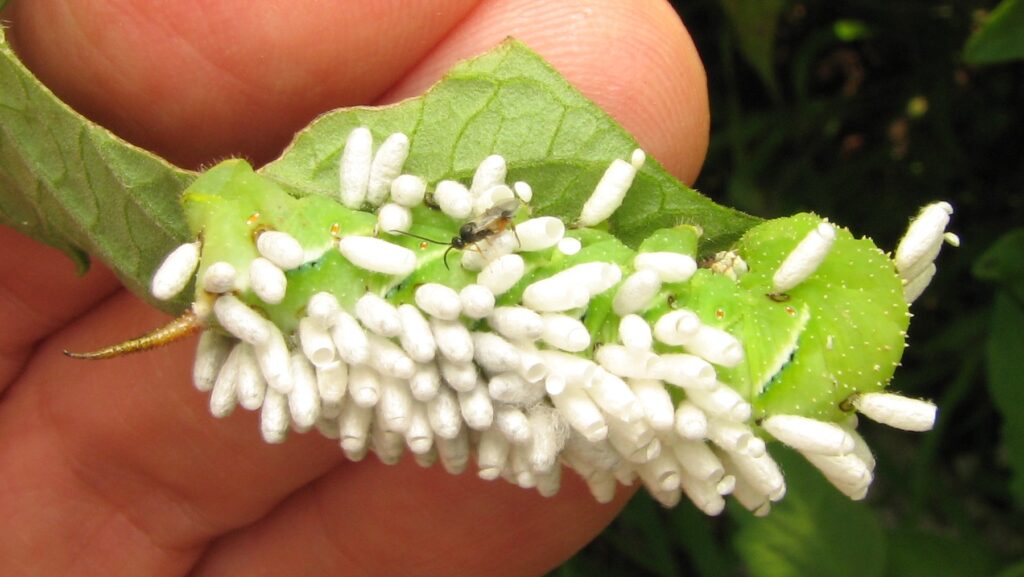

Some parasitic wasps demonstrate an extraordinary reproductive capability called polyembryony, where a single egg divides to produce multiple identical offspring. After a female wasp lays her egg in a host, that single egg can split into dozens or even thousands of identical embryos, all developing simultaneously within the unfortunate host. This process creates identical clone armies from a single egg, maximizing the reproductive output from each successful host parasitization. The record-holders for this reproductive strategy are certain encyrtid wasps, where a single egg can divide to produce over 2,000 individual wasps—all genetic clones that emerge from one unfortunate host caterpillar. Polyembryony represents a remarkable evolutionary solution for parasitic species, allowing them to maximize offspring production from limited host resources.
Climate Impact on Insect Reproductive Superpowers

Temperature plays a crucial role in regulating insect reproductive rates, with warming climates potentially accelerating already impressive reproductive capabilities. Research has shown that aphid reproduction rates increase dramatically with rising temperatures, up to a certain threshold. Climate change models predict that warmer conditions could allow additional generations per year in many insect species, potentially leading to larger and more frequent pest outbreaks. For aphids with telescopic generations, even small temperature increases can significantly impact population growth due to their compressed reproductive cycle. Scientists are closely monitoring these effects, as changes in reproduction rates of insects could have cascading impacts through ecosystems, affecting everything from pollination services to pest management strategies in agriculture.
Reproductive Arms Race: Predators vs. Rapid Reproducers
.jpg)
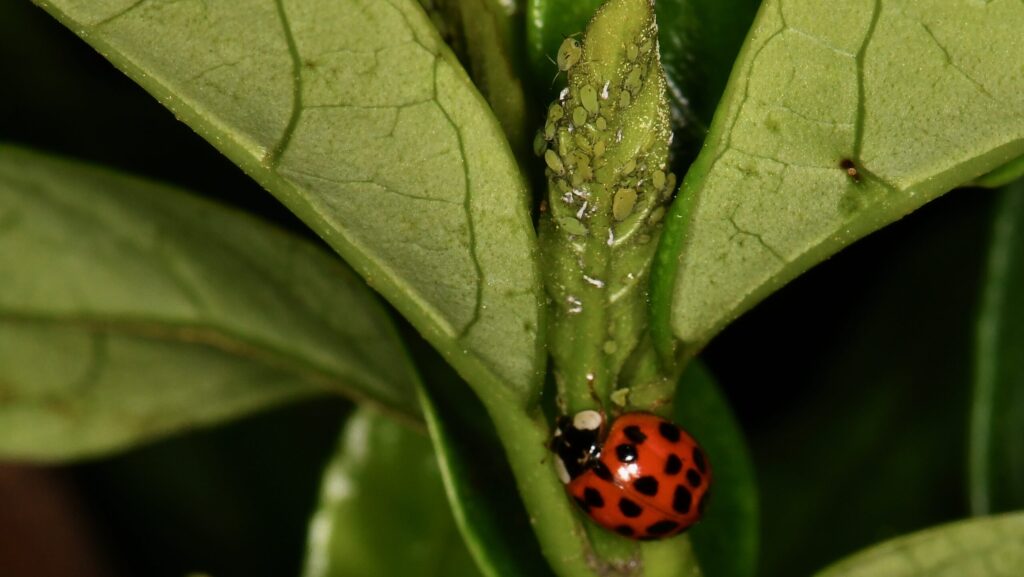
The extraordinary reproductive capabilities of insects like aphids have evolved in response to intense predation pressure, creating an evolutionary arms race between rapid reproducers and their natural enemies. Predators such as ladybugs, lacewings, and hoverflies have evolved voracious appetites and search strategies specifically for locating aphid colonies, with some ladybug species capable of consuming hundreds of aphids daily. Parasitic wasps have developed specialized abilities to detect even small aphid colonies, using sensitive chemical receptors to locate their prey. This constant pressure from natural enemies necessitates the rapid reproduction rates we see in aphids and similar insects. The balance between these opposing forces—rapid reproduction versus efficient predation—helps maintain ecosystem stability despite the theoretical potential for exponential insect population growth.
Genetic Consequences of Unusual Reproduction

The unusual reproductive strategies employed by aphids and other insects create interesting genetic consequences that influence their evolution and adaptability. Asexual reproduction through parthenogenesis produces clones with identical genetic material, which can be advantageous when the environment remains stable but potentially limiting when conditions change. Without genetic recombination, beneficial mutations spread more slowly through populations, and harmful mutations can accumulate—a phenomenon known as Muller’s ratchet. This explains why many insects with parthenogenetic capabilities still maintain sexual reproduction during certain seasons or conditions. The telescopic generations of aphids represent an evolutionary compromise, allowing rapid population growth through asexual reproduction during favorable conditions while preserving the option for genetic recombination through seasonal sexual reproduction, providing both short-term reproductive efficiency and long-term evolutionary adaptability.
Future Research and Unanswered Questions
Despite centuries of scientific observation, many aspects of insect reproductive superpowers remain poorly understood, offering rich opportunities for future research. Scientists are particularly interested in the genetic and hormonal mechanisms that control reproductive mode switching in aphids, which could provide insights into developmental biology applicable beyond the insect world. Understanding how telescopic generations are regulated at the molecular level might reveal new pathways in reproductive biology. Climate change presents an urgent need to better understand how these reproductive systems respond to environmental variables, as shifting temperatures could dramatically alter population dynamics. Additionally, researchers are investigating potential applications in pest management, where disrupting these specialized reproductive systems could provide targeted control methods for agricultural pests while minimizing impacts on beneficial insects.
The bizarre reproductive superpowers of insects like aphids showcase nature’s remarkable innovation in the endless quest for species survival. These compressed reproductive timelines—producing pregnant offspring and creating generations within generations—represent evolution’s solutions to the challenges of living in unpredictable environments with abundant predators. While these reproductive strategies may seem alien compared to mammalian reproduction, they highlight the extraordinary diversity of life on our planet and remind us that evolution finds countless paths to success. As climate change and other human impacts continue to alter ecosystems worldwide, understanding these unique reproductive adaptations becomes increasingly important for predicting population dynamics and developing sustainable approaches to living alongside these remarkable creatures.