
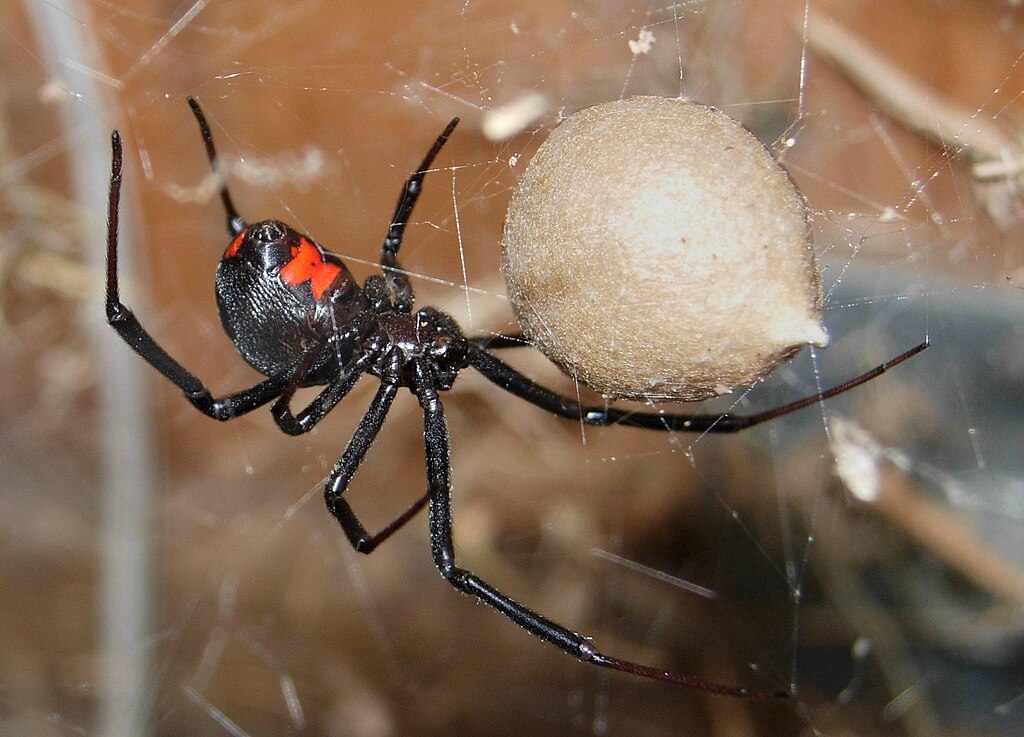
Throughout human history, insects have crawled, flown, and buzzed their way into our collective consciousness, becoming powerful symbols in folklore and superstition across diverse cultures. These tiny creatures—often misunderstood and sometimes feared—have inspired myths, omens, and beliefs that reflect humanity’s complex relationship with the natural world. From beetles revered as sacred in ancient Egypt to butterflies representing transformation in numerous societies, insects have served as messengers, omens, and spiritual symbols. This fascinating intersection of entomology and anthropology reveals how these small beings have had an outsized impact on human imagination and cultural practices worldwide. As we explore these traditions, we’ll uncover the surprising ways insects have influenced human beliefs and behaviors across continents and centuries.
Ancient Egyptian Beetle Worship
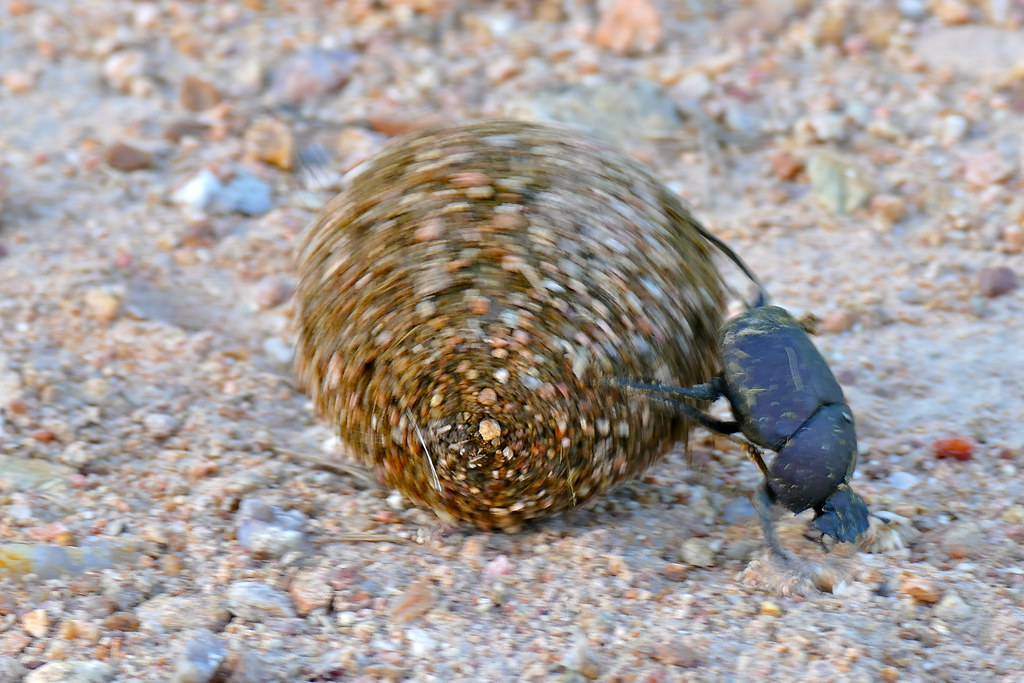
Perhaps no insect has achieved greater cultural significance than the scarab beetle in ancient Egyptian civilization. Egyptians observed the dung beetle rolling balls of manure across the ground, from which new beetles would eventually emerge, and connected this behavior to their understanding of cosmic cycles. This observation led them to associate the scarab with Khepri, the god of the rising sun, rebirth, and creation. Scarab amulets became one of the most common artifacts in Egyptian culture, worn by the living for protection and placed with the dead to ensure resurrection in the afterlife. The powerful symbolism was so integral to Egyptian belief that scarabs were frequently incorporated into jewelry, religious artifacts, and even mummification rituals, where heart scarabs were placed over the deceased’s heart to prevent it from testifying against them during judgment.
Butterflies as Soul Messengers

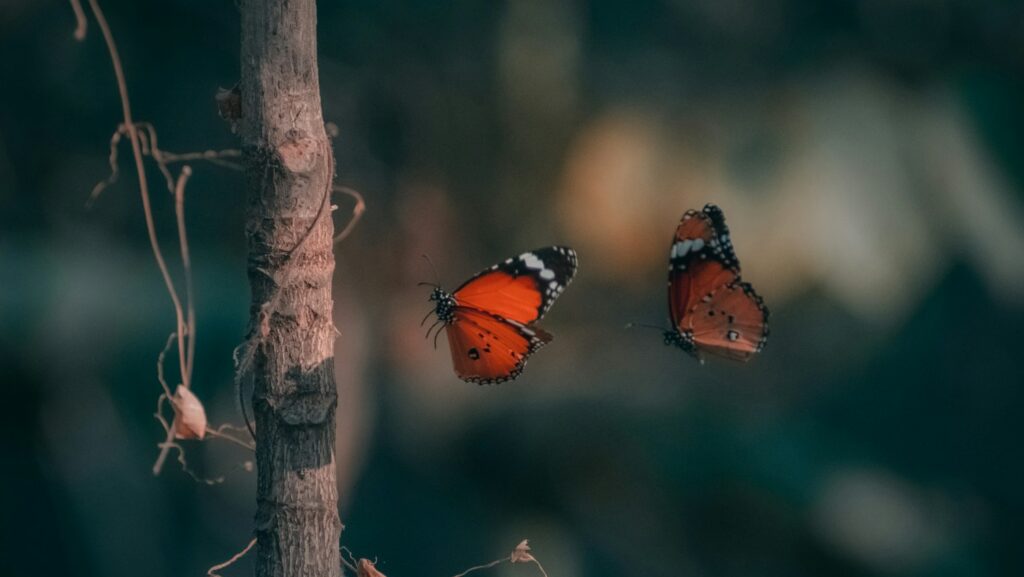
Across numerous cultures, butterflies have emerged as powerful symbols of the human soul and spiritual transformation. In ancient Greek, the word “psyche” means both butterfly and soul, reflecting the belief that butterflies carried the souls of the deceased. Similar beliefs appear in Mexican folklore, where monarch butterflies arriving during Day of the Dead celebrations are thought to be returning ancestors visiting their families. Japanese tradition holds that butterflies represent the souls of both the living and the dead, with white butterflies specifically symbolizing the souls of the departed. The butterfly’s dramatic metamorphosis from caterpillar to winged beauty provides a natural metaphor for spiritual transformation and rebirth that resonates across cultural boundaries, making it one of the most universally positive insect symbols.
Cricket Lore and Household Omens
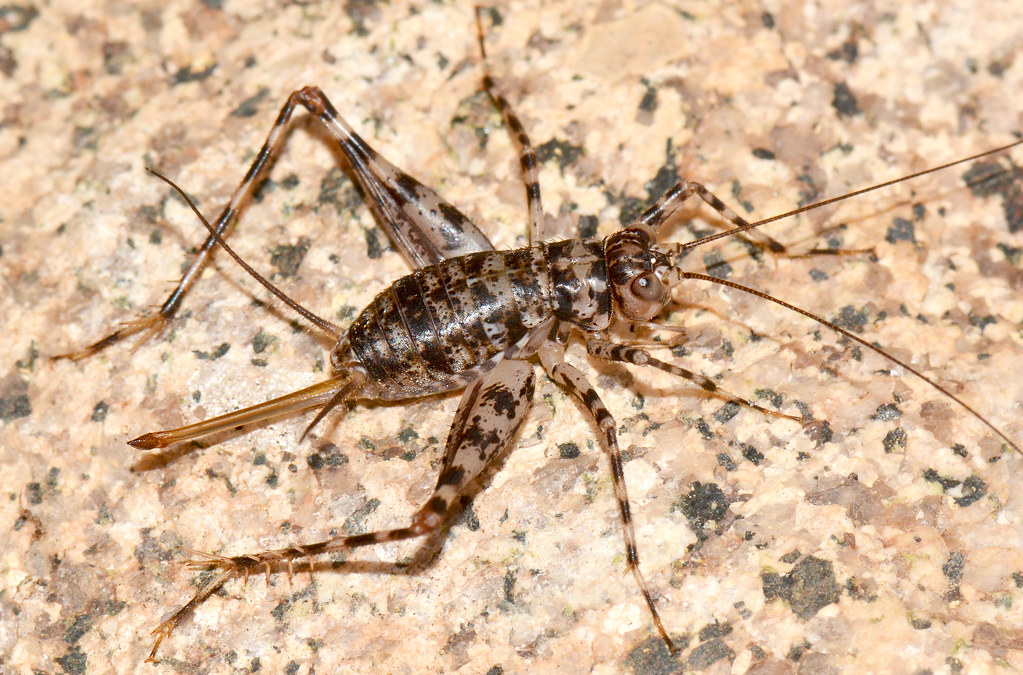
The humble cricket has earned special status in domestic folklore across multiple continents as a harbinger of fortune. In Chinese culture, crickets have been kept as pets for over 2,000 years, believed to bring good luck, prosperity, and happiness to the household. Their chirping is considered a positive omen, and cricket fights became a popular form of entertainment and gambling. Conversely, in European and American folklore, a cricket in the house generally signals good luck, but its departure or sudden silence warns of impending misfortune or death. The English tradition holds that killing a cricket brings terrible luck, as crickets were thought to be the reincarnations of loved ones or protective household spirits. Native American tribes like the Hopi and Navajo consider crickets sacred, incorporating their imagery into religious ceremonies and viewing them as symbols of intuition and protection.
Bees in European Superstition
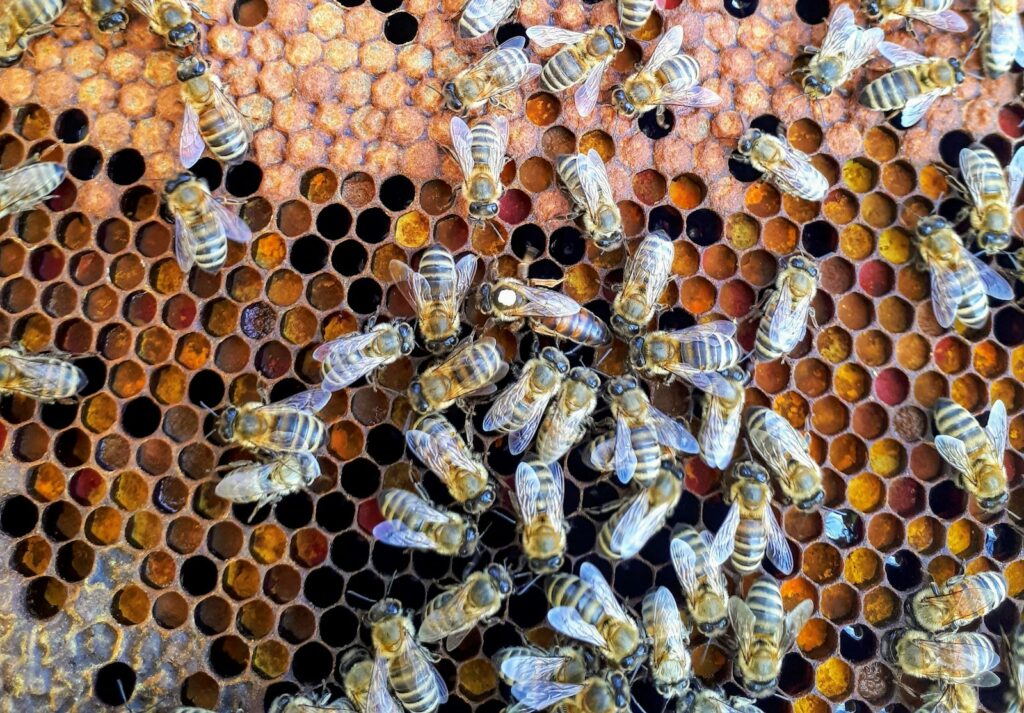
Bees occupy a revered position in European folklore, where they’re often considered messengers between the human and spirit worlds. A widespread tradition known as “telling the bees” required beekeepers to inform their hives of significant family events, particularly deaths, marriages, and births—failure to do so was believed to cause the bees to leave, stop producing honey, or even die. In Celtic mythology, bees were thought to bridge the physical and spiritual realms, carrying messages to the otherworld. The ancient Greeks viewed bees as emblems of purity and industry, with priestesses at the Temple of Delphi called “Melissae” (honeybees) and the god Apollo sometimes taking the form of a bee. Germanic and Slavic cultures believed bees possessed divine wisdom and were the only creatures that followed humans from paradise, making their presence a blessing and their products sacred.
Spider Symbolism Across Cultures
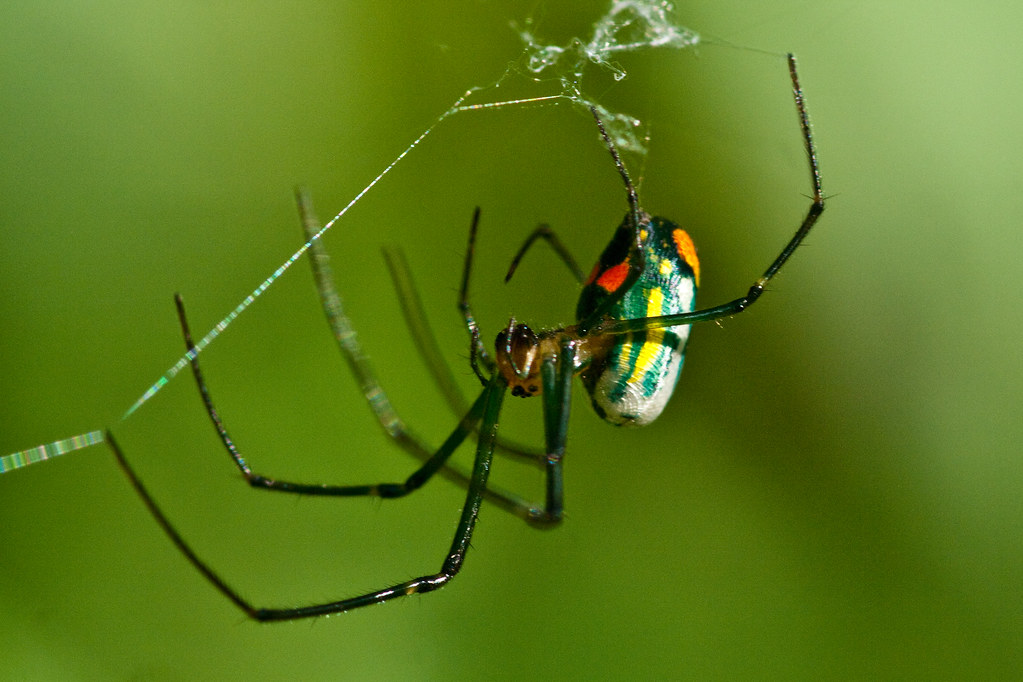
Despite triggering arachnophobia in many, spiders have woven a complex tapestry of symbolic meanings across world cultures. In West African folklore, particularly Ashanti tradition, the trickster god Anansi often appears as a spider, representing wisdom, creativity, and the importance of stories. Native American cultures like the Hopi view Spider Woman as a creator deity who taught humans how to weave, while the Navajo consider spiders sacred and avoid killing them. In European folklore, spiders developed dual symbolism: killing one could bring rain (in England) or bad luck (across much of the continent), yet finding a spider in your home could signal prosperity. Medieval European superstition held that seeing a spider in the morning brought sorrow, at noon brought anxiety, and in the evening brought hope—creating a temporal dimension to this creature’s symbolic meaning that reflected humans’ nuanced relationship with these eight-legged weavers.
Dragonflies in Japanese Mythology
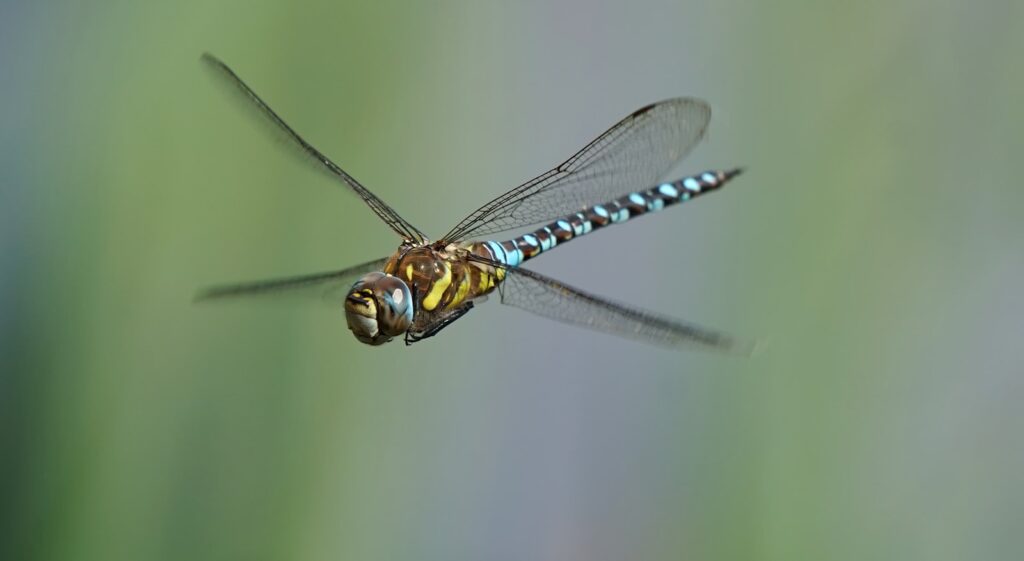
Dragonflies hold a position of particular reverence in Japanese culture, where they are known as “tombo” and have been celebrated in art, literature, and folklore for centuries. Japan was once called “Akitsushima” (Land of the Dragonflies), and these insects symbolize courage, strength, and happiness. Samurai warriors adopted the dragonfly as an emblem, believing its forward-only flight pattern (dragonflies cannot fly backward) represented unwavering courage and victory in battle. In Japanese Buddhism, dragonflies symbolize transformation, as they change from water-dwelling nymphs to aerial adults. A particularly poignant legend tells of an emperor who, upon seeing a dragonfly catch and eat a harmful insect, named the country “Dragonfly Island” in recognition of the creature’s protective qualities—illustrating how these iridescent insects became embedded in the national identity and cultural consciousness of Japan.
Fireflies and Their Luminous Mythology
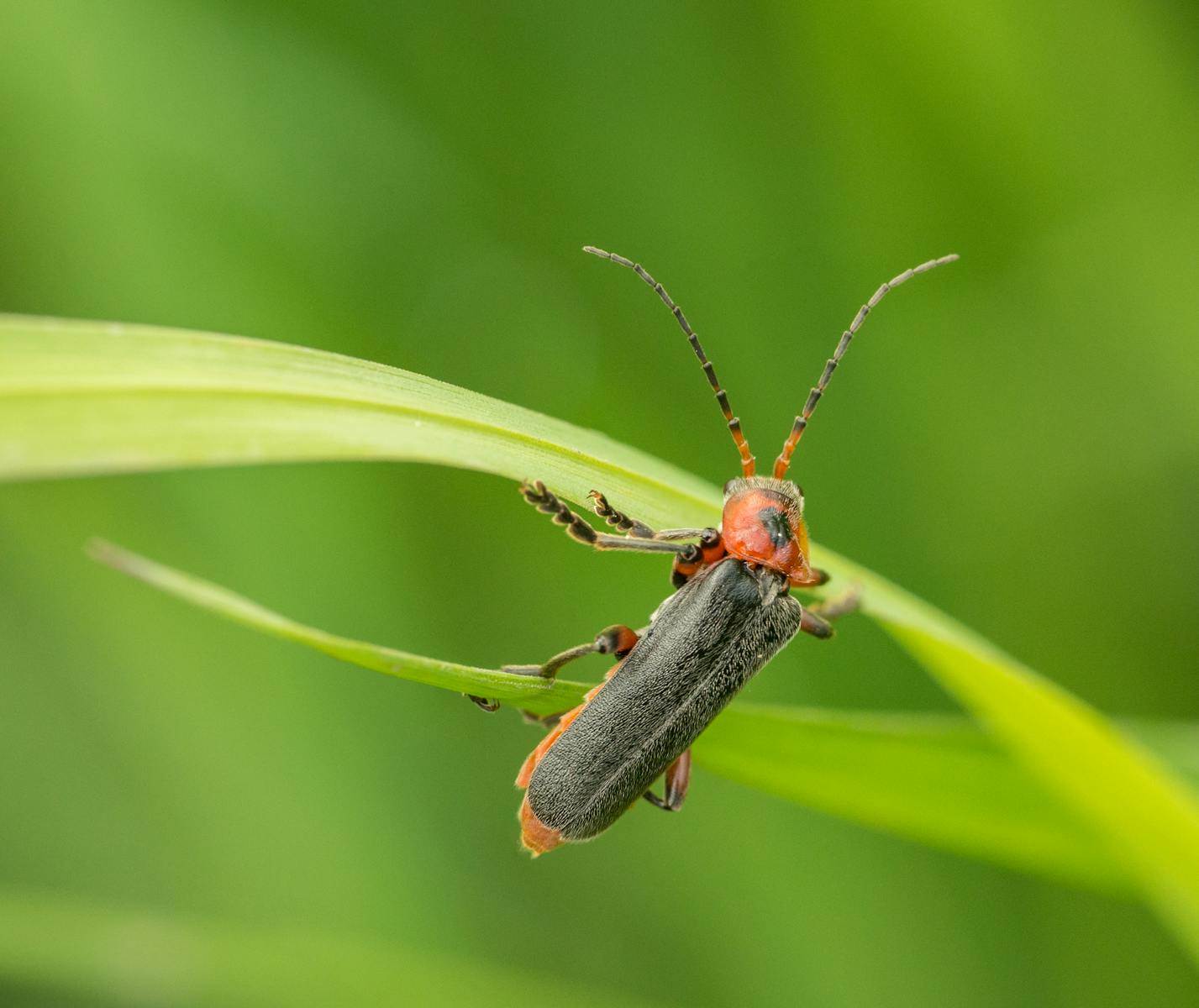
The enchanting glow of fireflies has inspired mythological interpretations across many cultures, particularly in East Asia and the Americas. In Japanese folklore, fireflies are believed to be the souls of the dead, particularly soldiers who fell in battle, with their lights representing the warrior spirit. Annual firefly festivals honor these connections, viewing the insects with reverence rather than as mere biological curiosities. Chinese tradition associates fireflies with scholarly brilliance and enlightenment, with ancient tales describing how poor students would capture fireflies in transparent containers to provide light for studying late into the night. Among some Native American tribes, fireflies were thought to bring fire to humans, serving as messengers between gods and people. The Mayans believed fireflies carried the souls of departed ancestors, guiding them along their journey in the afterlife—their ephemeral light a perfect metaphor for the transient nature of human existence.
Deathwatch Beetles and Harbingers of Doom
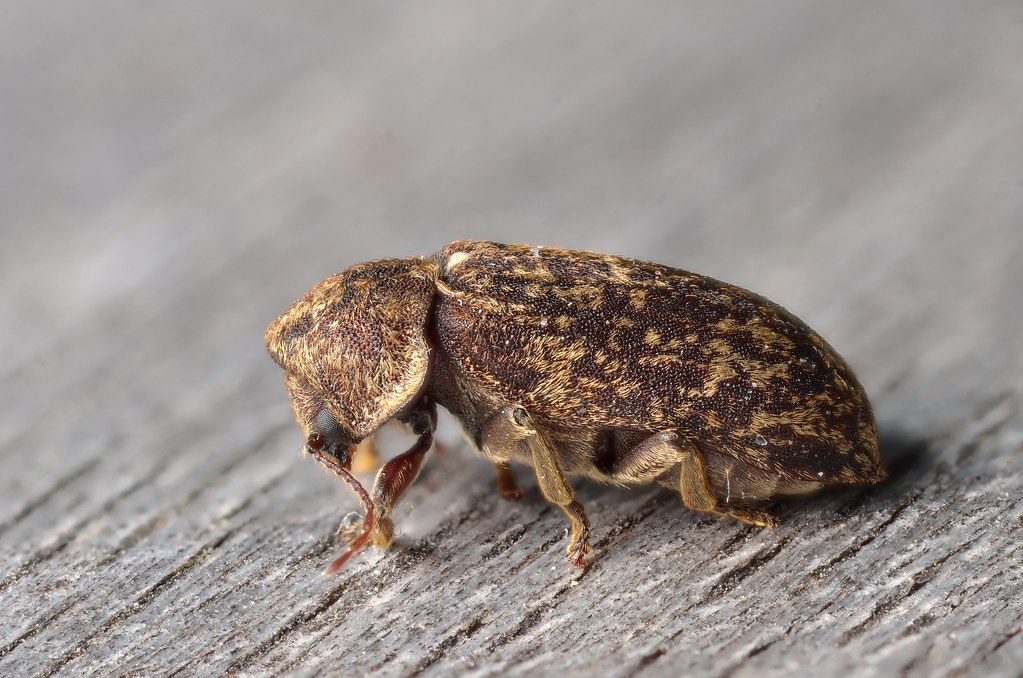
Few insects have inspired as much dread in Western folklore as the deathwatch beetle, whose name itself evokes its ominous reputation. These wood-boring beetles produce a distinctive tapping sound when they hit their heads against wooden surfaces as part of their mating ritual—a noise that became associated with death and doom when heard in quiet sickrooms where family members kept “death watches” over dying loved ones. The rhythmic tapping, often audible in the silent hours of night in old wooden houses, was interpreted as the beetle counting down the final hours of the ill person’s life. This superstition was particularly strong in Britain from the 17th to 19th centuries, appearing in the works of poets like John Donne and John Keats. The association was so powerful that the mere sound could cause psychological distress, demonstrating how insect behaviors can become intertwined with human fears about mortality.
Cicadas as Symbols of Rebirth
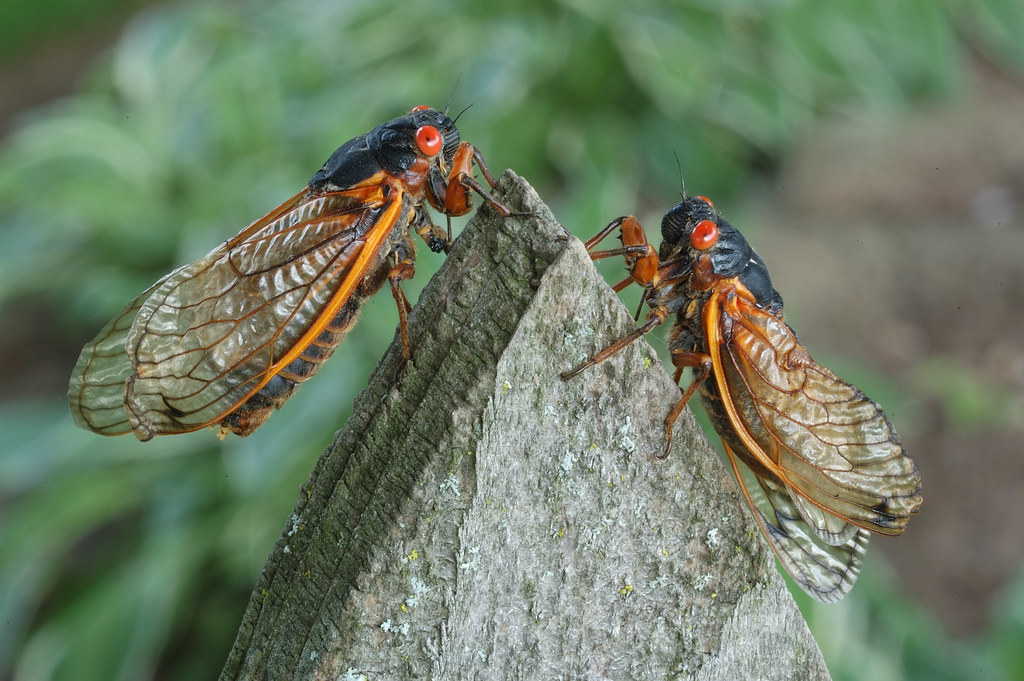
The remarkable life cycle of cicadas, with some species remaining underground for up to 17 years before emerging en masse, has made them powerful symbols of patience, resurrection, and immortality in various cultures. In ancient China, cicadas represented rebirth and immortality, and jade cicadas were placed in the mouths of the deceased to encourage resurrection in the afterlife. Greek mythology connected cicadas with immortality through the story of Tithonus, who was granted eternal life but not eternal youth, eventually transforming into a cicada. In Japanese art and literature, cicadas symbolize summer but also the transience of life, their brief adult existence after years underground serving as a poignant metaphor for human mortality. Native American tribes in cicada regions often incorporated these insects into their creation myths and viewed their emergence as signs of seasonal change and agricultural timing, demonstrating how these noisy insects became timepieces for human civilization.
Mantis Religious Symbolism
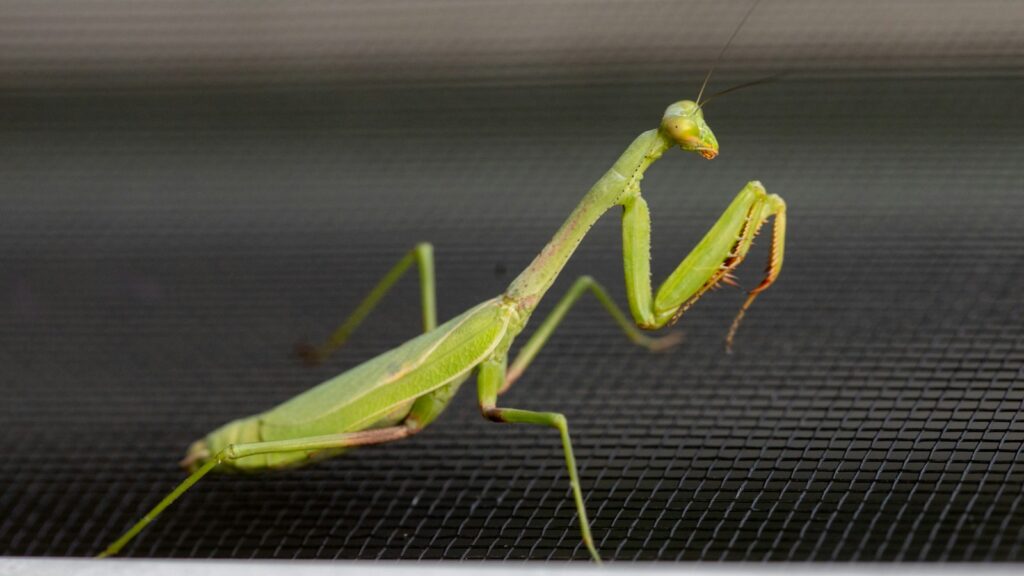
The praying mantis, with its distinctive posture resembling hands folded in prayer, has acquired spiritual significance across diverse cultures. In southern Africa, particularly among the San people, the mantis is considered a powerful supernatural being, sometimes associated with the creator god Kaggen who can shape-shift into mantis form. The mantis’s patient hunting strategy—waiting motionlessly before striking with precision—has led to associations with mindfulness and spiritual patience in Buddhist traditions. In ancient Greece and Egypt, the mantis was considered a divine prophet and guide, with its contemplative stance suggesting a connection to the divine. French folklore viewed mantises as directing lost travelers, earning them names like “soothsayer” and “prophet,” while some Mediterranean cultures believed mantises could point the way to Mecca. The remarkable visual appearance of these insects, combined with their unusual behaviors like female cannibalism of mates, has ensured their prominent place in human spiritual understanding across millennia.
Ladybugs and Good Fortune
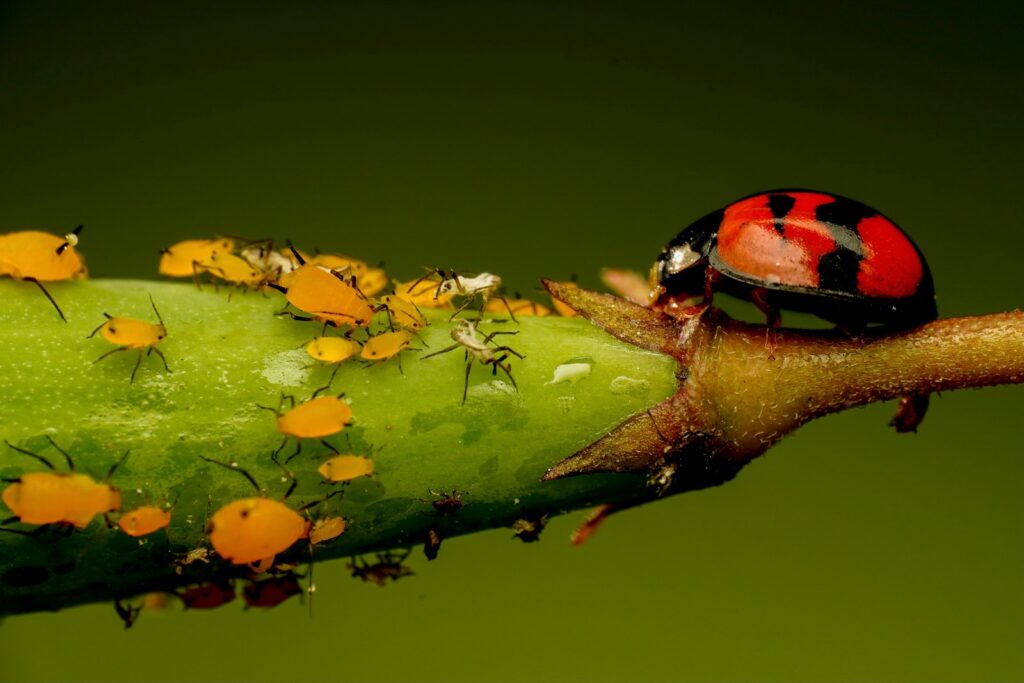
Few insects enjoy the nearly universal positive reputation of the ladybug (or ladybird), which is considered a bringer of good luck across much of Europe and North America. The name itself has religious origins, referring to “Our Lady” (the Virgin Mary) in Christian tradition, where the insect’s red color symbolized her cloak and the black spots her sorrows. European farmers considered ladybugs beneficial omens, protecting crops from pests, with German folklore suggesting the insects delivered babies (similar to storks) or brought good harvest. A widespread superstition holds that killing a ladybug brings misfortune, while the number of spots indicates how many months of good luck will follow an encounter. In Sweden, if a ladybug lands on a young woman’s hand, she will soon marry, while in parts of the United States, a ladybug landing on you grants you your wish if you make one before it flies away—illustrating how these colorful beetles have consistently inspired positive associations despite humanity’s generally ambivalent relationship with insects.
Insects in Modern Urban Legends
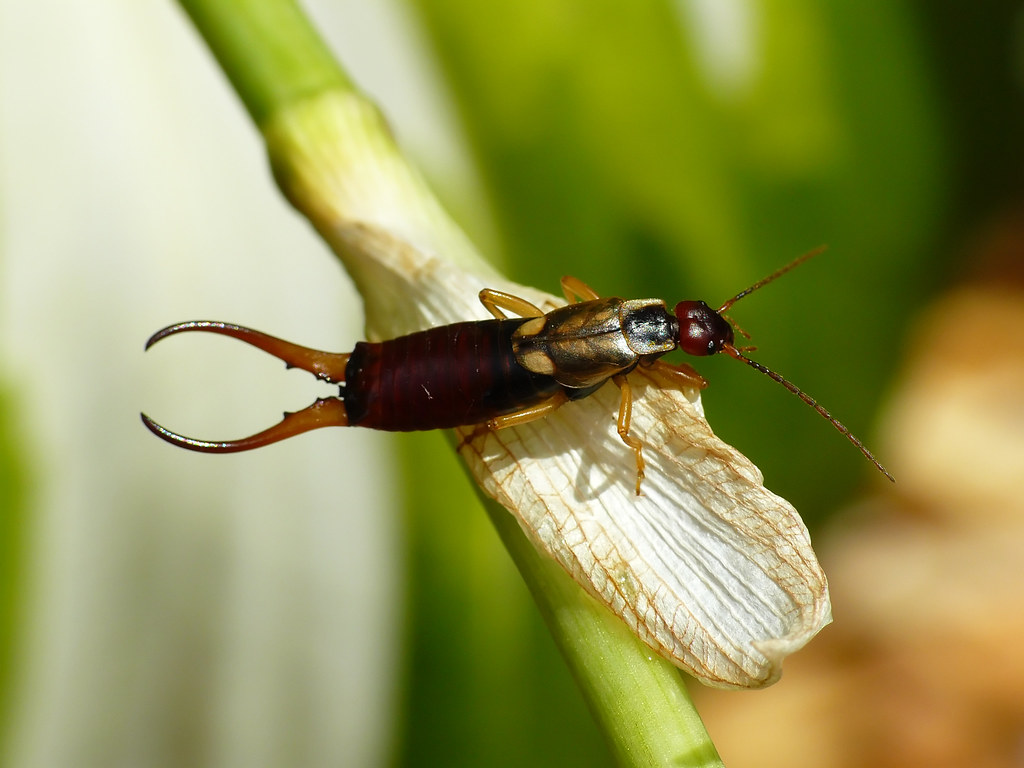
While ancient insect folklore evolved over centuries, the modern era has spawned its own insect-related urban legends that spread rapidly through contemporary media channels. One persistent tale claims earwigs were named for their supposed habit of crawling into human ears to lay eggs in the brain—a completely false belief that nonetheless reinforces innate fears about insect invasion of the body. The internet age has amplified stories of deadly spiders hiding under toilet seats or in clothing at retail stores, reflecting modern anxieties about globalization and unseen threats. Recent decades have seen the emergence of legends about insects intentionally engineered or accidentally released by government agencies, such as claims that Lyme disease-carrying ticks resulted from secret biological weapons programs. These modern myths demonstrate how insects continue to serve as vessels for human fears, even as scientific understanding has demystified many aspects of entomology, suggesting that our psychological relationship with these creatures remains as complex as it was in ancient times.
Insect Divination Practices

Throughout history, insects have served as vehicles for divination—the practice of seeking knowledge of the future or hidden things through supernatural means. Entomomancy, divination through insect behavior, appears in numerous cultures, including ancient Rome where augurs interpreted the flight patterns of bees and beetles as messages from the gods. In China, cricket behavior was carefully observed for divinatory purposes, with changes in their chirping patterns believed to predict weather changes or forthcoming events. The Azande people of Central Africa practiced termite divination, where questions were posed to termites whose eating patterns provided answers interpreted by specialists. Mexican cultures developed myrmomancy, divination through ant behavior, observing how ants interacted with offerings placed near their colonies to interpret divine will. These practices reflect humanity’s consistent effort to find meaning in the seemingly random behaviors of insects, demonstrating how closely human societies have observed these small creatures in hopes of gaining greater insight into an uncertain world.
Conclusion
Across continents and millennia, insects have buzzed, crawled, and fluttered through human imagination, acquiring symbolic significance far beyond their physical size. These folkloric and superstitious associations reveal much about human psychology—our fears, hopes, and need to find meaning in the natural world. While scientific understanding has replaced many supernatural explanations for insect behavior, the cultural significance of these creatures persists in our collective consciousness. From the sacred scarabs of ancient Egypt to the lucky ladybugs of European tradition, insects continue to inspire awe and fascination. Their presence in folklore serves as a reminder of humanity’s enduring connection to the natural world and our persistent habit of weaving meaning from the movements of even the smallest creatures that share our planet. As we face environmental challenges that threaten insect populations worldwide, perhaps these cultural connections can inspire greater appreciation and conservation efforts for these tiny but culturally mighty beings.