
Nestled within the unique ecosystem of New Jersey’s Pine Barrens, a delicate insect orchestrates summer evenings with its distinctive melody. The Pine Barrens tree cricket (Oecanthus pini), though small in stature, plays an outsized role in the natural symphony of this remarkable habitat. This specialized cricket species, perfectly adapted to its pine forest home, represents one of the Garden State’s most enchanting yet overlooked natural treasures. Unlike its more common cricket cousins, this particular songstress maintains a special relationship with the pitch pines that define its territory, creating a fascinating story of ecological adaptation and specialization. As temperatures rise on summer evenings, male crickets begin their chorus, a rhythmic serenade that has become synonymous with the Pine Barrens experience.
A Specialized Pine Dweller
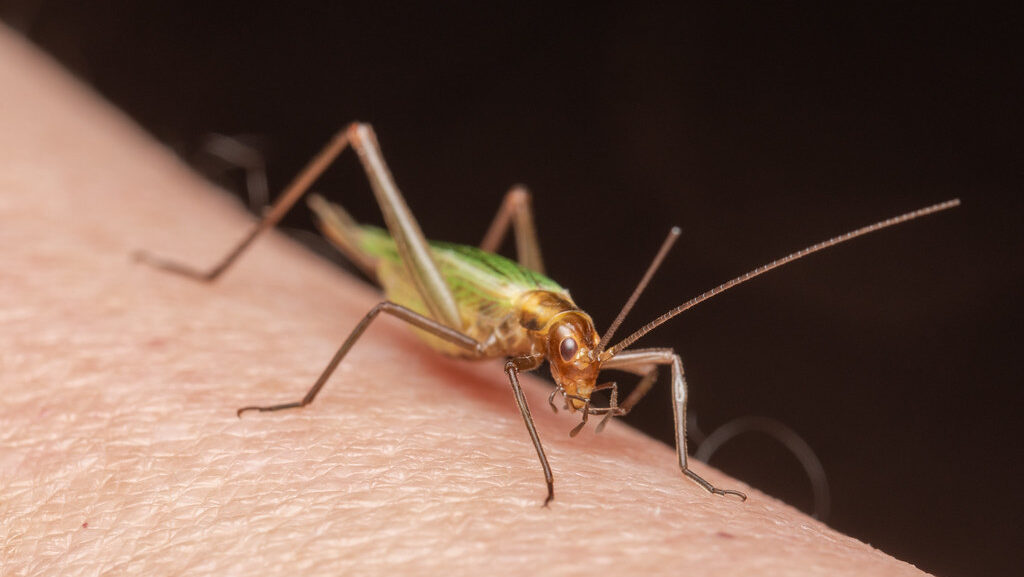
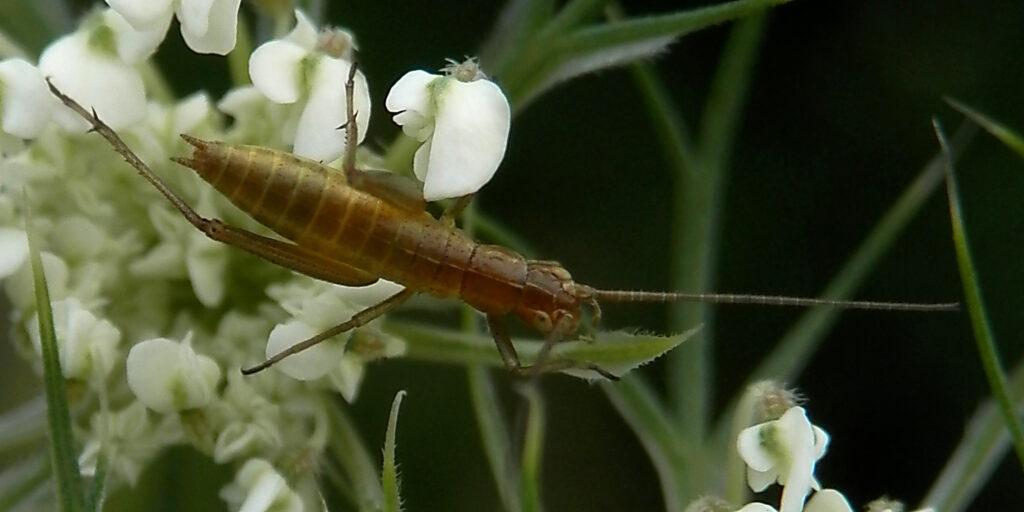
The Pine Barrens tree cricket evolved specifically to thrive among the pitch pine trees that dominate New Jersey’s Pinelands. Unlike generalist cricket species, Oecanthus pini displays remarkable adaptations that make it particularly suited to this environment. Its coloration—a light green to pale yellowish hue—provides perfect camouflage against pine needles and young branches. Researchers have documented the cricket’s preference for pitch pine over other tree species, with population densities significantly higher in pure pine stands than in mixed forests. The cricket’s life cycle synchronizes perfectly with the seasonal changes of the pine forest, with emergence timed to the warmest period when pine growth creates optimal habitat conditions. This specialization represents an evolutionary success story, with the cricket carving out a unique ecological niche that few other insects could occupy.
Physical Characteristics and Identification
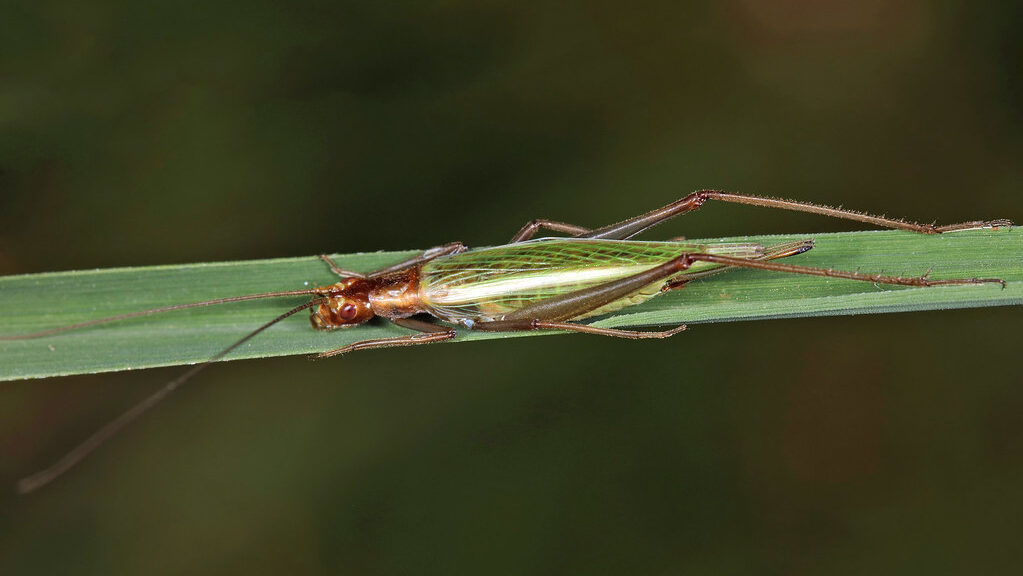
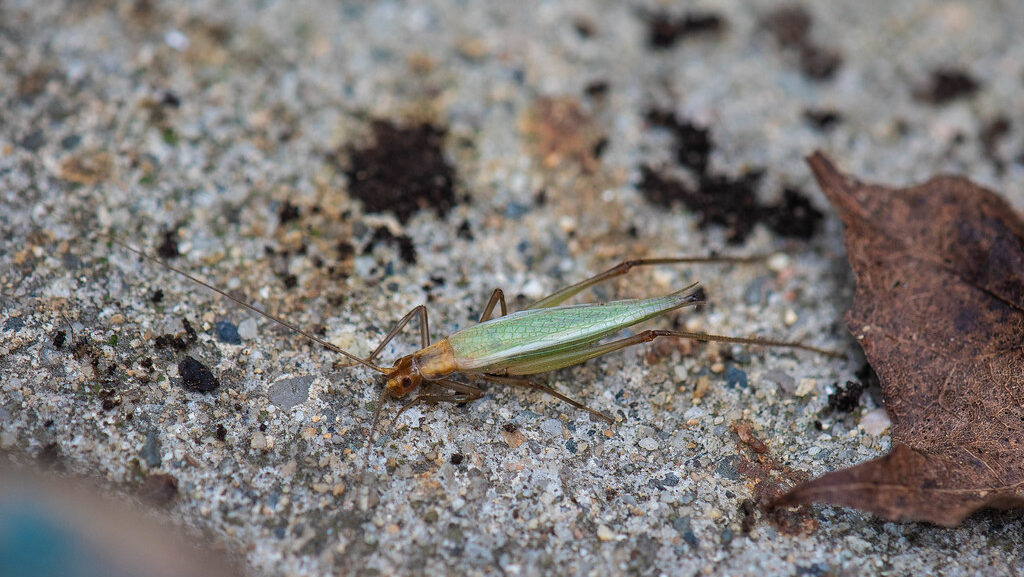
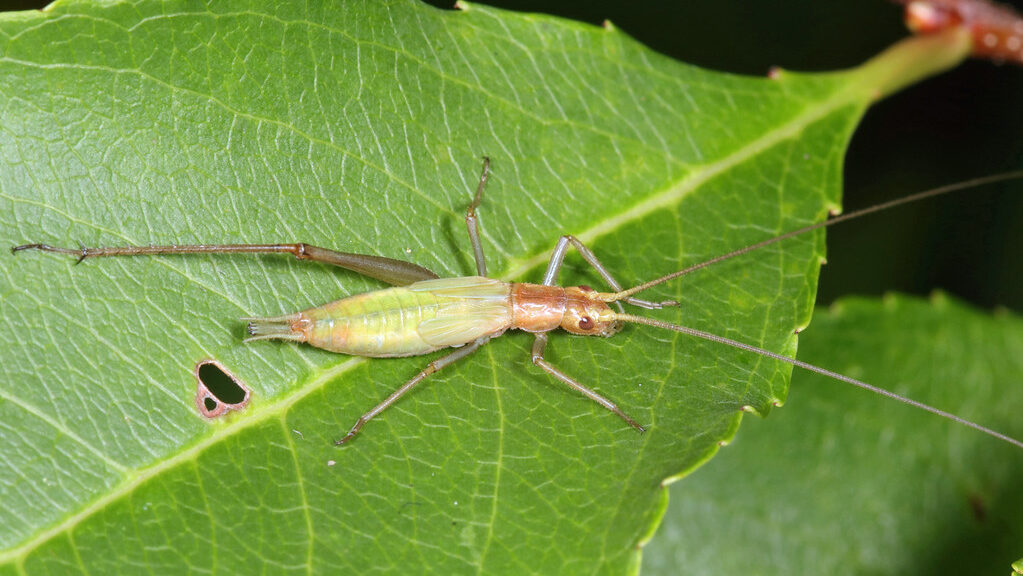
The Pine Barrens tree cricket presents a delicate form that averages about 14-16mm in length, making it slightly smaller than many other tree cricket species. Its most distinctive feature is its translucent light green to pale yellow coloration, occasionally displaying subtle brown markings that enhance its camouflage among pine needles. Unlike ground crickets, tree crickets possess notably long, thin antennae that often exceed their body length, serving as essential sensory tools for navigating their arboreal environment. The wings of males feature specialized structures called stridulatory organs—essentially natural musical instruments—with a unique pattern that acoustics experts can use to distinguish this species from other similar-looking crickets. Female Pine Barrens tree crickets can be identified by their long, curved ovipositors—specialized egg-laying appendages that allow them to deposit eggs precisely into pine bark and branches.
The Distinctive Song: Nature’s Thermometer
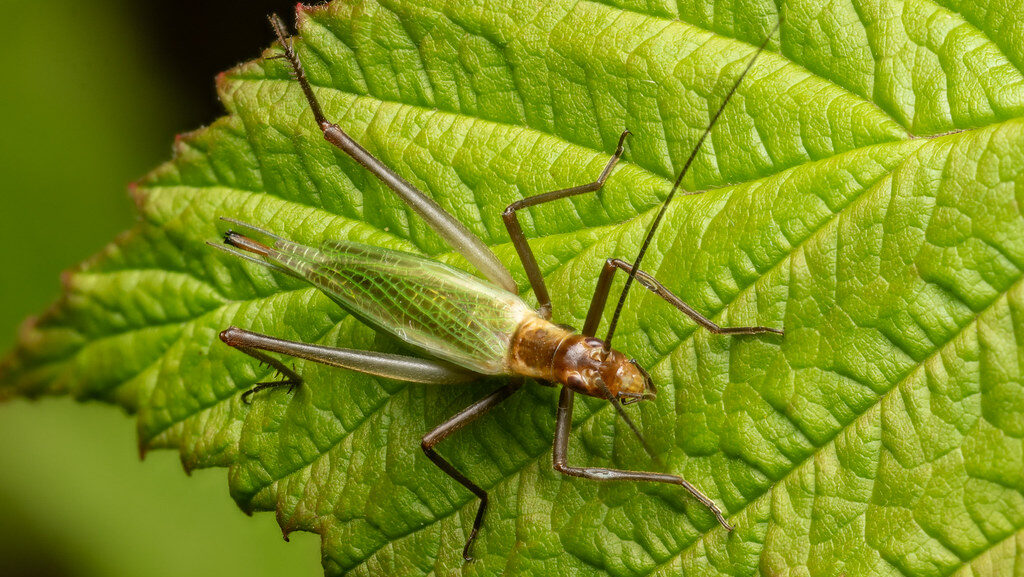
Perhaps the most remarkable aspect of the Pine Barrens tree cricket is its melodious calling song, produced exclusively by males to attract potential mates. Unlike the chirps of ground crickets, the Pine Barrens tree cricket creates a continuous, rhythmic trill that rises and falls with remarkable consistency. Fascinatingly, the pulse rate of this cricket’s song correlates directly with ambient temperature, leading naturalists to call tree crickets “nature’s thermometers.” By counting the number of chirps in a 13-second interval and adding 40, observers can approximate the temperature in Fahrenheit with surprising accuracy. The distinctive song of the Pine Barrens tree cricket typically begins at dusk and continues through the night, creating an essential soundtrack to summer evenings in the Pinelands. Each male establishes a singing perch on pine branches, carefully selecting positions that amplify their sound and maximize its carrying distance through the forest.
Life Cycle and Reproduction
_-_Guelph,_Ontario_2016-08-30.jpg)
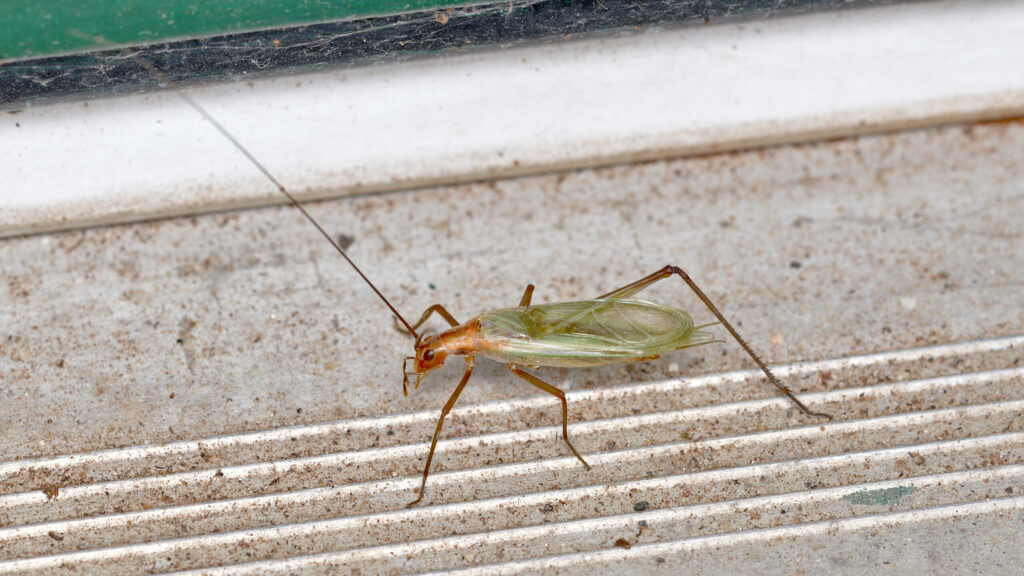
The Pine Barrens tree cricket follows a fascinating life cycle perfectly synchronized with the seasons of its woodland home. In late summer and early fall, after successful mating, females use their specialized ovipositors to insert eggs precisely into the soft bark and branch tissues of pitch pine trees, where they remain protected throughout the winter months. With spring’s arrival and warming temperatures, nymphs emerge from these eggs and begin their development, undergoing several molts as they grow. Unlike many insect species, tree cricket nymphs closely resemble smaller versions of adults, though they lack fully developed wings and reproductive capabilities. The cricket reaches full maturity by midsummer, with the distinctive songs of males beginning in July and peaking in August and September during the height of mating season. This annual cycle creates just one generation per year, making each population vulnerable to environmental disruptions that might affect breeding success.
Ecological Importance in the Pine Barrens
_-_Guelph,_Ontario_2013-06-30.jpg)
Though small, the Pine Barrens tree cricket plays several crucial ecological roles within its specialized ecosystem. As herbivores feeding primarily on pine needles, pollen, and occasionally fungi, these crickets participate in nutrient cycling, converting plant material into protein that becomes available to predators higher in the food web. Their eggs, inserted into pine bark, create minor wounds that actually stimulate resin production, potentially enhancing the trees’ defensive capabilities against more harmful pests. The cricket serves as an important food source for numerous predators, including birds, small mammals, reptiles, and other invertebrates, effectively transferring energy from plants to animals throughout the pine forest ecosystem. Additionally, entomologists have observed these crickets inadvertently pollinating certain flowering plants when they feed on pollen, creating mutually beneficial relationships with understory vegetation. Their presence or absence can serve as a bioindicator of pine forest health, making them valuable subjects for ecological monitoring programs.
Distribution Within New Jersey

The Pine Barrens tree cricket maintains a highly specialized distribution centered primarily within New Jersey’s Pinelands National Reserve, a 1.1-million-acre protected area spanning seven counties in the southern part of the state. The highest population densities occur in the heart of the reserve, particularly in Ocean, Burlington, and Atlantic counties where pitch pine dominates the forest canopy. Biologists have documented isolated populations extending into the pine-oak forests of the New Jersey Highlands region to the north, though these populations appear genetically distinct from their southern counterparts. Interestingly, recent surveys have revealed small satellite populations in suitable pine habitats along the coastal areas of southern New Jersey, suggesting the species may be gradually expanding its range. The cricket’s distribution closely mirrors the extent of the Pine Barrens ecosystem itself, reinforcing its status as a true specialist species intimately connected to this unique natural area.
Adaptations to Fire Ecology
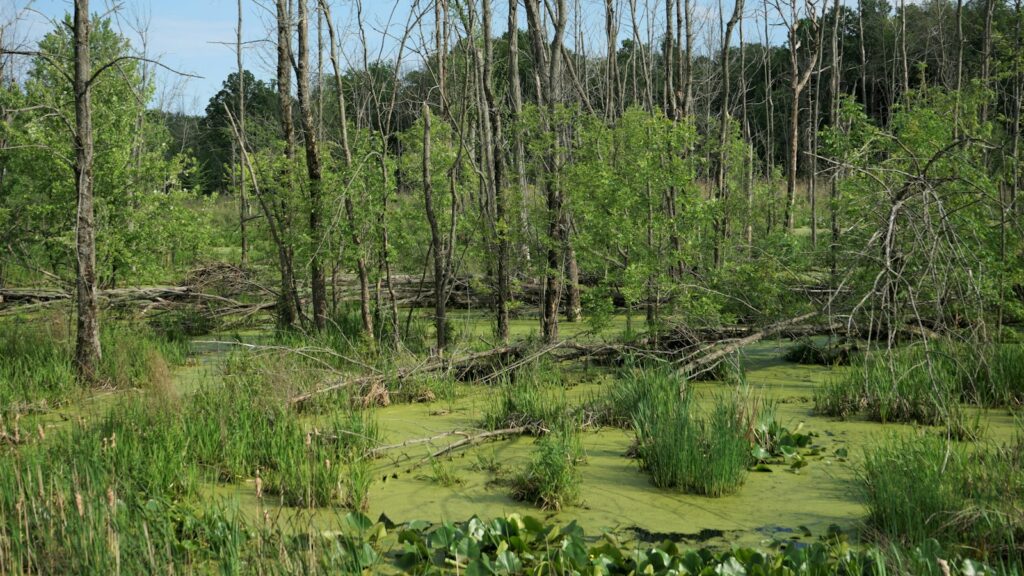
Perhaps the most remarkable aspect of the Pine Barrens tree cricket’s evolutionary journey is its adaptation to the fire-dependent ecology of the Pinelands. The Pine Barrens ecosystem evolved with periodic natural fires, and the native pitch pines actually require occasional burns to reproduce effectively. The tree cricket has developed fascinating behavioral and life cycle adaptations that allow it to survive and even benefit from this fire regime. Female crickets preferentially lay eggs deep in the bark of mature pines with thick, fire-resistant bark that protects the developing eggs even during moderate forest fires. Cricket populations show remarkable resilience following burns, often increasing significantly in the second growing season after a fire as new pine growth provides ideal habitat. Research has demonstrated that cricket songs actually become more abundant and widespread in recently burned areas with healthy regenerating pines compared to long-unburned forest sections. This fire adaptation represents an extraordinary example of co-evolution between an insect species and its pine forest habitat.
Threats and Conservation Concerns
Despite its specialized adaptations, the Pine Barrens tree cricket faces several significant threats that jeopardize its long-term survival. Habitat fragmentation from development continues to isolate populations, reducing genetic exchange and potentially leading to localized extinctions in smaller forest patches. Climate change presents perhaps the most serious long-term threat, as rising temperatures alter the synchronization between cricket life cycles and pine growth patterns, potentially creating ecological mismatches. Invasive species, particularly non-native insects that compete for resources or introduce diseases, have begun affecting cricket populations in the peripheral areas of the Pinelands. Fire suppression policies, though changing, have historically reduced the natural fire cycles that maintain healthy pine forests, indirectly impacting cricket habitat quality throughout much of their range. Conservation biologists have recently begun monitoring Pine Barrens tree cricket populations as potential indicators of overall ecosystem health, with preliminary findings suggesting worrying declines in areas subject to multiple environmental stressors.
Cultural Significance to New Jersey
The evening chorus of the Pine Barrens tree cricket has become deeply intertwined with New Jersey’s natural heritage and cultural identity. For generations of Pinelands residents, the cricket’s rhythmic song has served as a reliable harbinger of seasonal change, announcing the height of summer and the approaching transition to fall. Local folklore includes numerous references to the cricket, with traditional ecological knowledge passing down observations about how its song patterns predict weather changes and seasonal shifts. The species features prominently in environmental education programs throughout the state, with its distinctive call often being the first Pine Barrens sound that students learn to identify during nighttime nature programs. Artists and musicians from the region have incorporated the cricket’s song into works celebrating New Jersey’s natural heritage, from recordings that feature the crickets’ chorus as natural background to poetry that uses their rhythm as inspiration. The Pine Barrens tree cricket has earned its place as an unofficial ambassador species for New Jersey’s most famous ecosystem, representing the subtle wonders that make this landscape unique.
Research and Scientific Importance

Scientists from multiple disciplines have found the Pine Barrens tree cricket to be an invaluable research subject, offering insights into diverse biological questions. Bioacousticians study the cricket’s sound production mechanisms to better understand how such small creatures generate such loud, consistent sounds, with applications for miniature speaker design and sound engineering. Evolutionary biologists examine the species as a case study in ecological specialization, investigating the genetic changes that allowed this cricket to adapt so precisely to pine forest environments. The cricket’s temperature-dependent song rate provides chronobiologists with a natural model for studying how environmental cues regulate biological rhythms and behaviors. Conservation biologists monitor cricket populations as sensitive indicators of ecosystem health, with changes in population density or song frequency potentially signaling broader environmental issues before they become obvious through other measures. Ongoing research at Rutgers University and other institutions continues to reveal new aspects of this remarkable insect’s biology, demonstrating how even small, overlooked species can contribute significantly to scientific understanding.
Observing Pine Barrens Tree Crickets

For nature enthusiasts hoping to experience the Pine Barrens tree cricket firsthand, several approaches can increase chances of successful observation. Evening visits to the Pinelands between late July and September offer the best opportunities to hear males singing, with the hours just after sunset typically featuring the most active choruses. The Batona Trail, which winds through the heart of the Pine Barrens, provides numerous access points where visitors can listen for the distinctive continuous trill among the pines. Visually spotting these well-camouflaged insects requires patience and careful observation—look for slight movements on pine branches about 3-6 feet above ground, and carry a flashlight with a red filter that won’t disturb the crickets’ natural behavior. The Pinelands Preservation Alliance and New Jersey Conservation Foundation regularly offer guided night walks focusing on forest insects, providing expert interpretation of the various sounds and helping participants distinguish the Pine Barrens tree cricket from other singing insects. Responsible observation includes staying on established trails, refraining from collecting specimens, and minimizing disturbance to these sensitive habitat specialists.
Photography and Recording Challenges

Documenting the Pine Barrens tree cricket presents unique challenges that have made high-quality images and recordings relatively rare outside scientific collections. The cricket’s nocturnal habits necessitate specialized low-light photography techniques, with macro photographers typically using carefully diffused flash setups that won’t startle the insects into silence or flight. Their location high in pine branches often requires telephoto macro lenses or careful climbing techniques that minimize disturbance to both the trees and their tiny inhabitants. Sound recordists face the additional challenge of isolating individual cricket songs from the broader insect chorus that characterizes summer nights in the Pine Barrens. Professional wildlife sound recordists often use parabolic microphones or specialized directional equipment to capture clean recordings of single specimens. The most successful documentation typically comes from collaborative efforts between researchers and media specialists, combining scientific knowledge of cricket behavior with technical expertise in field recording. Citizen science projects increasingly encourage amateur naturalists to contribute observations, including smartphone recordings that, while not broadcast quality, help map distributions and seasonal activity patterns across the Pinelands region.
Conservation Success Stories
Despite ongoing challenges, several targeted conservation initiatives have yielded promising results for Pine Barrens tree cricket protection. The New Jersey Pinelands Commission’s comprehensive management plan now explicitly recognizes specialized invertebrates, including the tree cricket, as conservation priorities deserving specific habitat protections within land use planning. Prescribed burning programs, carefully implemented by the New Jersey Forest Fire Service in collaboration with ecological researchers, have successfully restored proper fire regimes to thousands of acres, creating ideal conditions for cricket population expansion. The Richard Stockton University Insect Conservation Initiative has established a monitoring network involving citizen scientists who document cricket songs throughout the region, creating valuable baseline data to track population trends. Land acquisition efforts by conservation organizations have strategically targeted properties with healthy cricket populations, permanently protecting several critical habitat areas that serve as population sources. These combined efforts demonstrate how effective conservation planning can protect even small, specialized species when their ecological requirements are properly understood and addressed through science-based management approaches.
The Pine Barrens tree cricket may be small in size, but its ecological significance and cultural importance to New Jersey loom large. As this specialized insect continues its ancient song among the pitch pines, it reminds us of the intricate connections that sustain natural communities. The cricket’s story—one of remarkable adaptation, specialized relationships, and resilience in a fire-shaped landscape—exemplifies the hidden wonders awaiting discovery in New Jersey’s natural heritage. By protecting the Pine Barrens ecosystem and the unique species it harbors, we ensure that future generations can experience the magical summer evenings when these hidden songstresses transform the forest into a living concert hall, continuing a musical tradition that long predates human presence in the Garden State.