
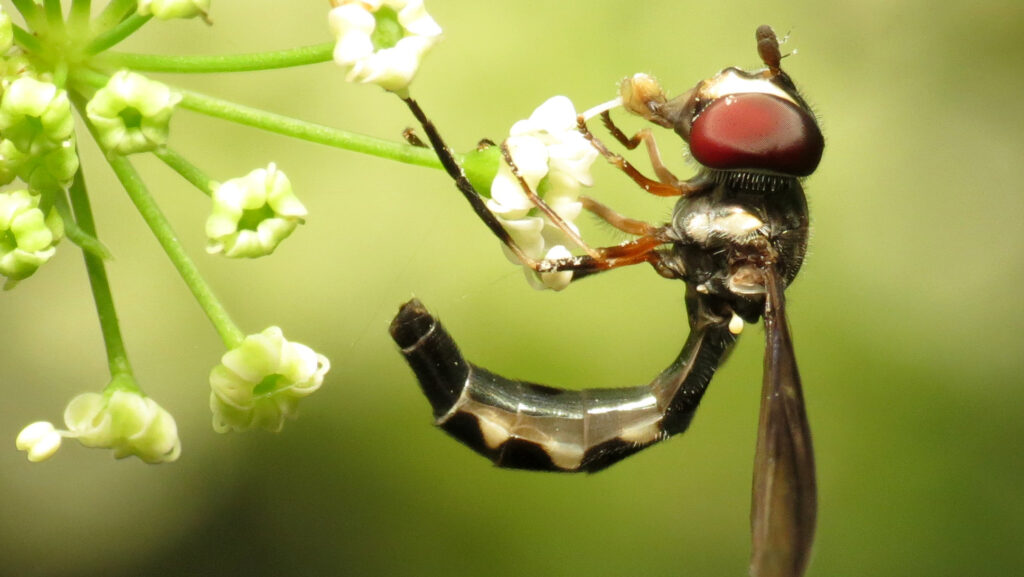
Picture this: you’re sitting on your porch, enjoying a quiet afternoon when a buzzing insect lands on your arm. Without thinking, you swat it away, assuming it’s just another annoying fly. But what if I told you that innocent-looking fly might actually be one of nature’s most sophisticated con artists? The world of insect mimicry is far more complex and fascinating than most people realize, and that “fly” you just dismissed could be pulling off one of evolution’s greatest magic tricks.
The Art of Deception in Nature

Nature has perfected the art of deception over millions of years, and nowhere is this more evident than in the insect world. What we call mimicry isn’t just a simple costume change – it’s a complete evolutionary makeover that can fool even experienced entomologists. These creatures have essentially become living, breathing optical illusions that challenge everything we think we know about identification.
The stakes couldn’t be higher for these mimics. In the brutal world of predator and prey, looking like something dangerous when you’re actually harmless can mean the difference between life and death. It’s like nature’s version of wearing a fake police uniform – except instead of fooling humans, these insects are deceiving birds, spiders, and other predators that would otherwise make them their next meal.
Meet the Hoverfly: Nature’s Master Impersonator

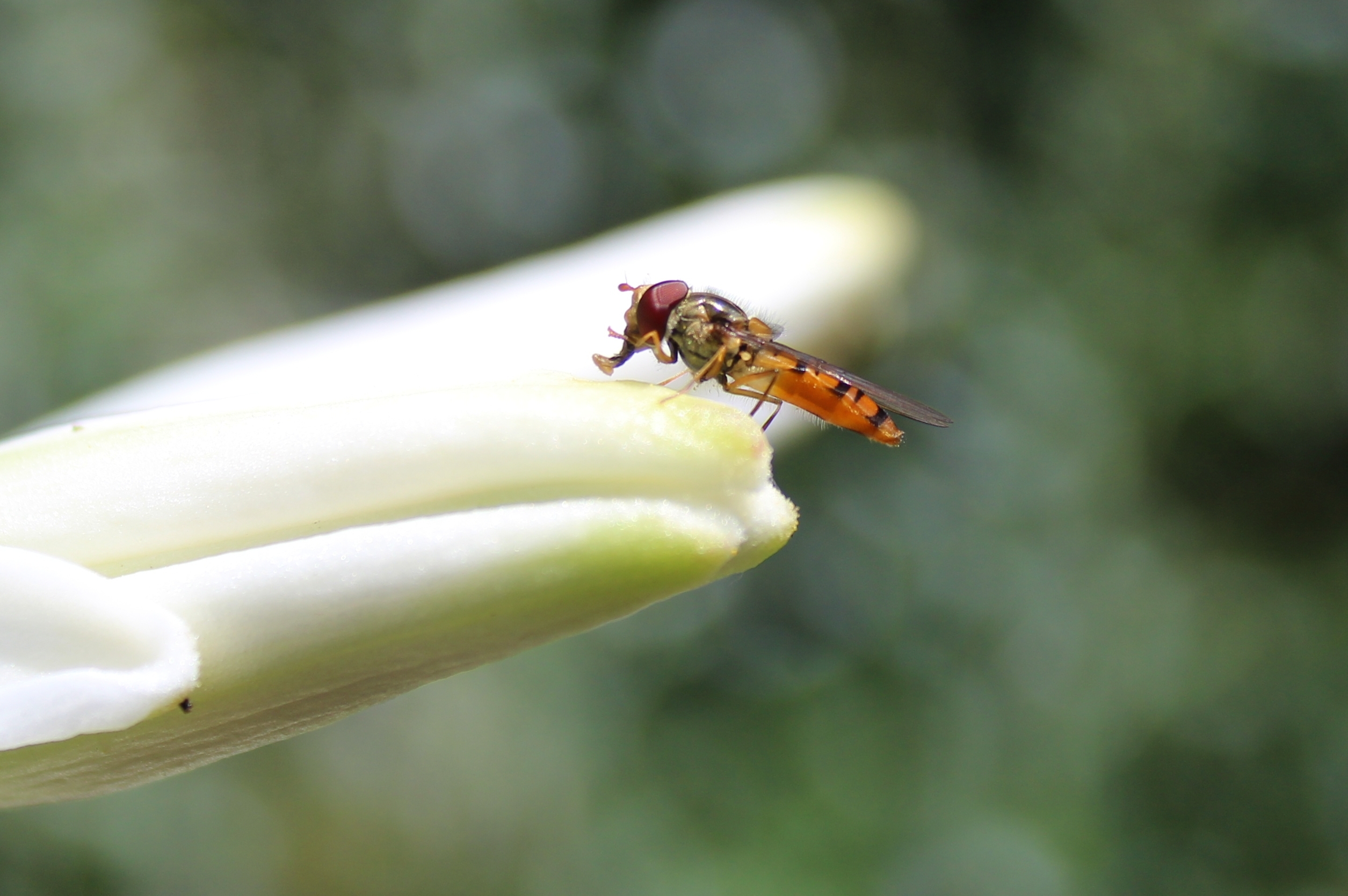
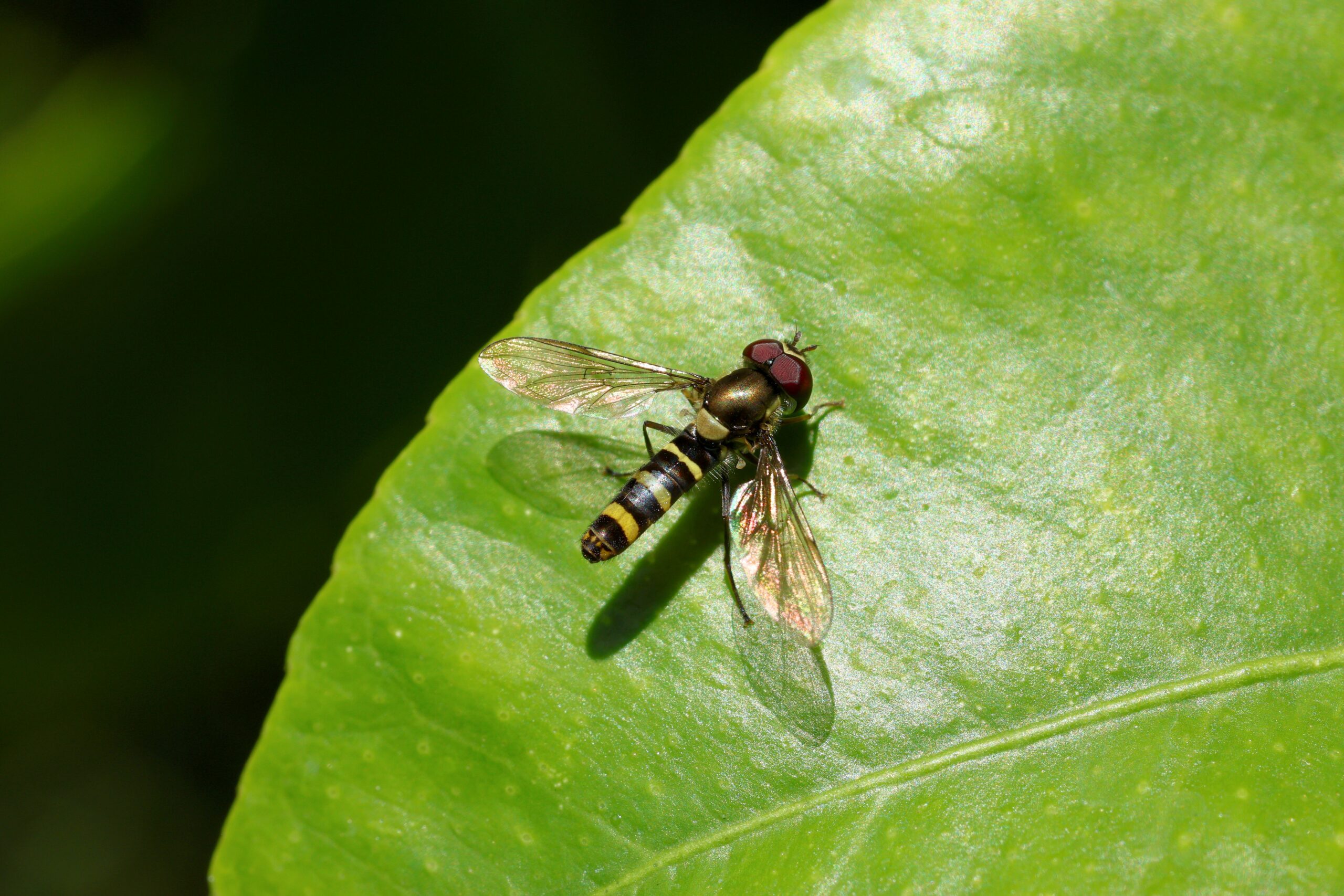
The hoverfly, also known as syrphid flies, represents one of nature’s most convincing wasp impersonators. These remarkable insects have evolved to mimic everything from honeybees to fearsome hornets, complete with yellow and black stripes that would make any predator think twice. What makes them even more impressive is their ability to hover in place, just like their dangerous counterparts.
But here’s where it gets really interesting – hoverflies aren’t just copying the look of wasps and bees. They’ve also adopted their flight patterns, their body movements, and even their feeding behaviors. Some species will buzz aggressively when threatened, while others will curl their bodies in a way that mimics a wasp’s stinger-ready posture. It’s method acting at its finest, performed by creatures with brains smaller than a pinhead.
The Science Behind Batesian Mimicry
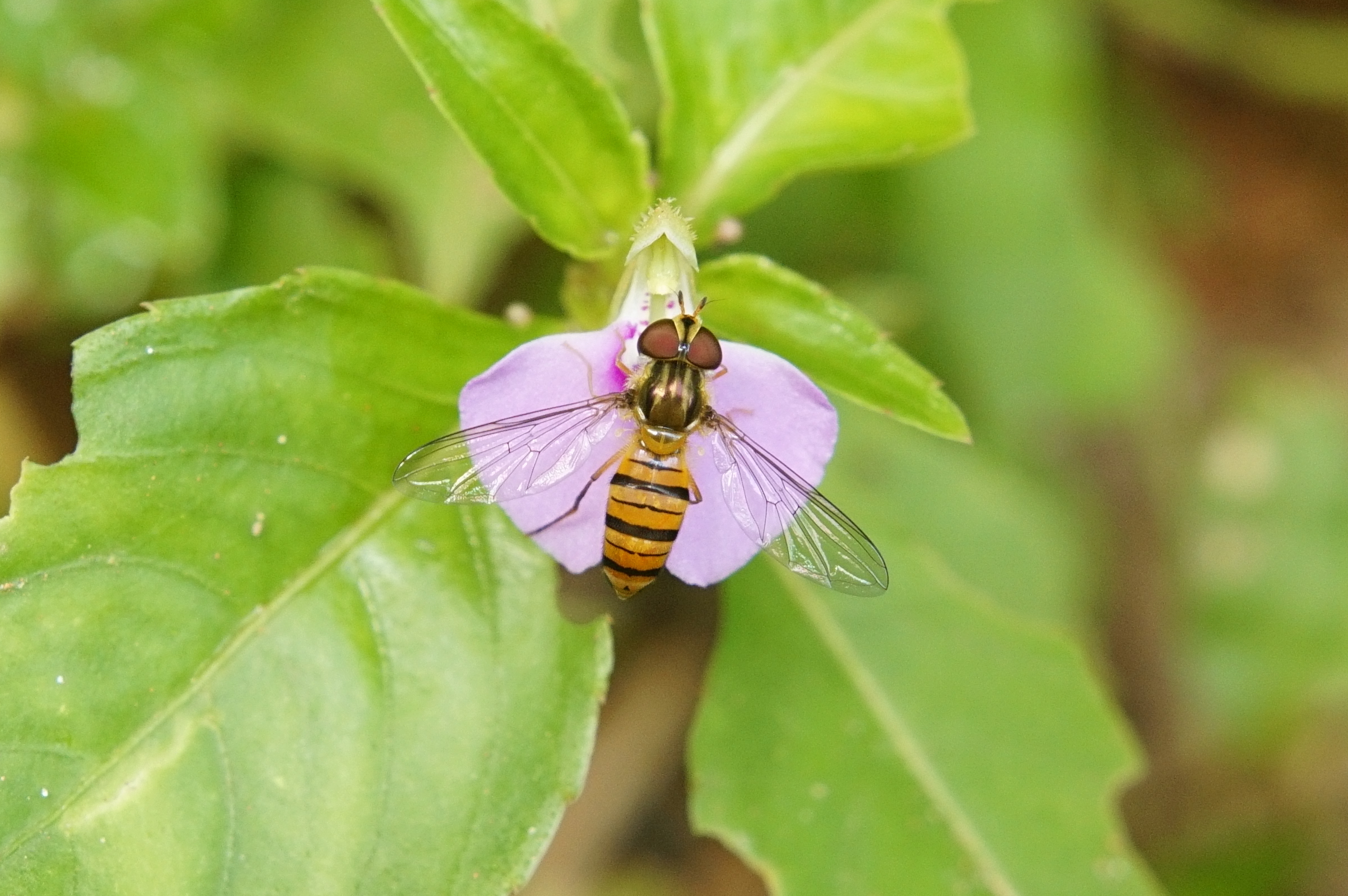
What hoverflies are doing has a name in scientific circles: Batesian mimicry, named after the naturalist Henry Walter Bates who first described this phenomenon in 1862. This type of mimicry occurs when a harmless species evolves to resemble a dangerous or unpalatable one, gaining protection through association. Think of it as nature’s version of borrowed credibility.
The effectiveness of Batesian mimicry depends on several factors, including the ratio of mimics to models in the environment. If there are too many harmless mimics compared to dangerous models, predators eventually catch on to the deception. This creates a fascinating evolutionary arms race where mimics must constantly refine their disguises while predators become increasingly skeptical of warning signals.
Physical Transformations That Fool the Eye
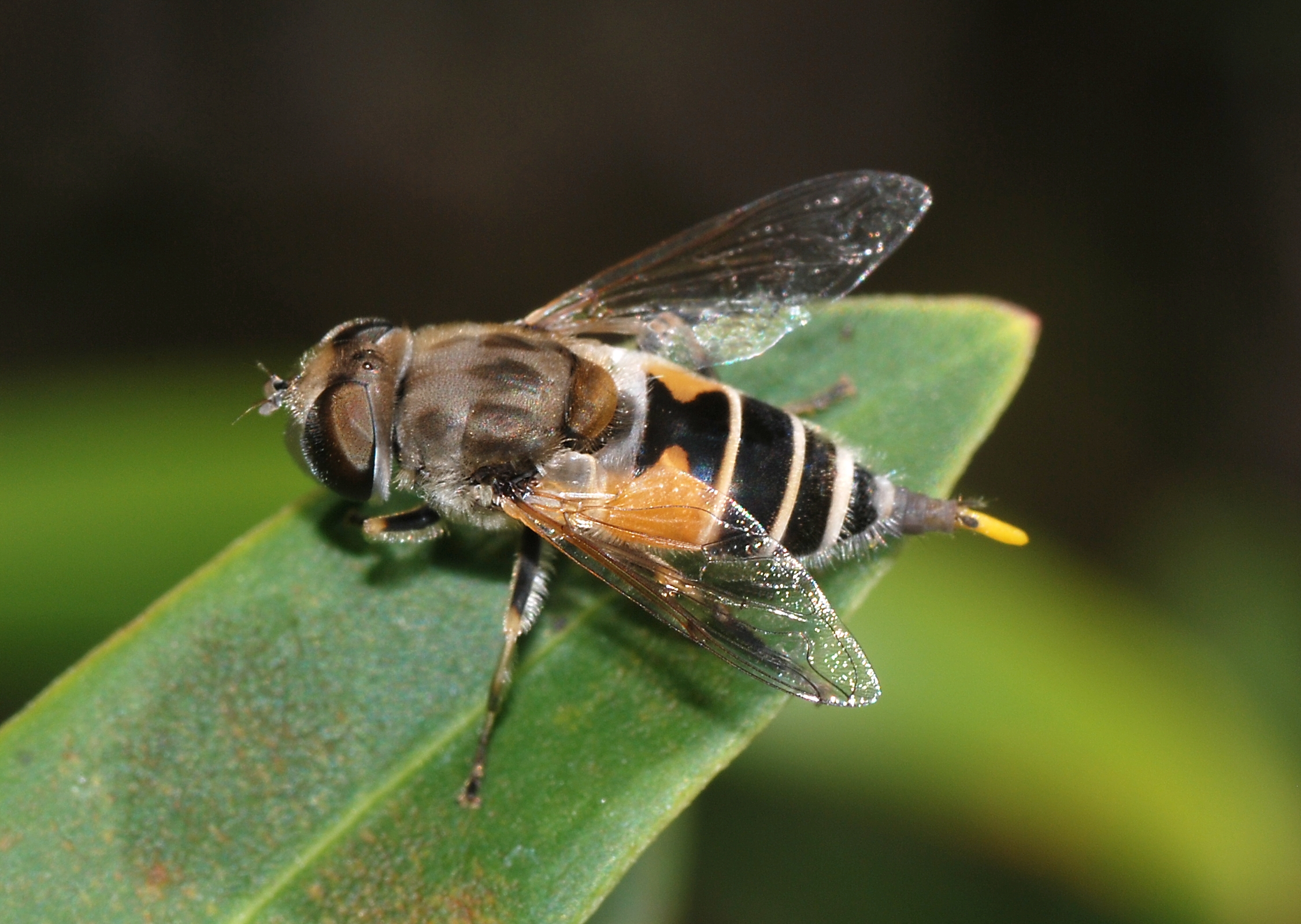
The physical changes that hoverflies undergo to mimic wasps are nothing short of remarkable. Their bodies have evolved to appear more robust and muscular, while their wings have developed patterns that create the illusion of the narrow wasp waist. Some species have even evolved fake eye spots that make them appear larger and more threatening than they actually are.
The coloration is perhaps the most striking aspect of their mimicry. These flies have developed intricate patterns of yellow, black, and sometimes orange that perfectly match the warning colors of their dangerous models. The precision is so accurate that even under close examination, the resemblance can be uncanny. It’s as if nature employed a team of professional makeup artists and costume designers.
Behavioral Mimicry: Acting the Part

Physical appearance is only half the story when it comes to successful mimicry. Hoverflies have also evolved behavioral patterns that complete their wasp disguise. They’ve learned to move with the confident, purposeful gait of a wasp, rather than the erratic movements typical of most flies. This behavioral mimicry is crucial because predators often rely on movement patterns to identify potential prey.
Some hoverfly species take their performance to the next level by actually hanging around real wasp colonies, feeding on the same flowers and participating in the same activities. This bold strategy allows them to blend in with the crowd while gaining additional protection from the proximity to actual dangerous insects. It’s like hiding in plain sight among your own bodyguards.
The Evolutionary Arms Race
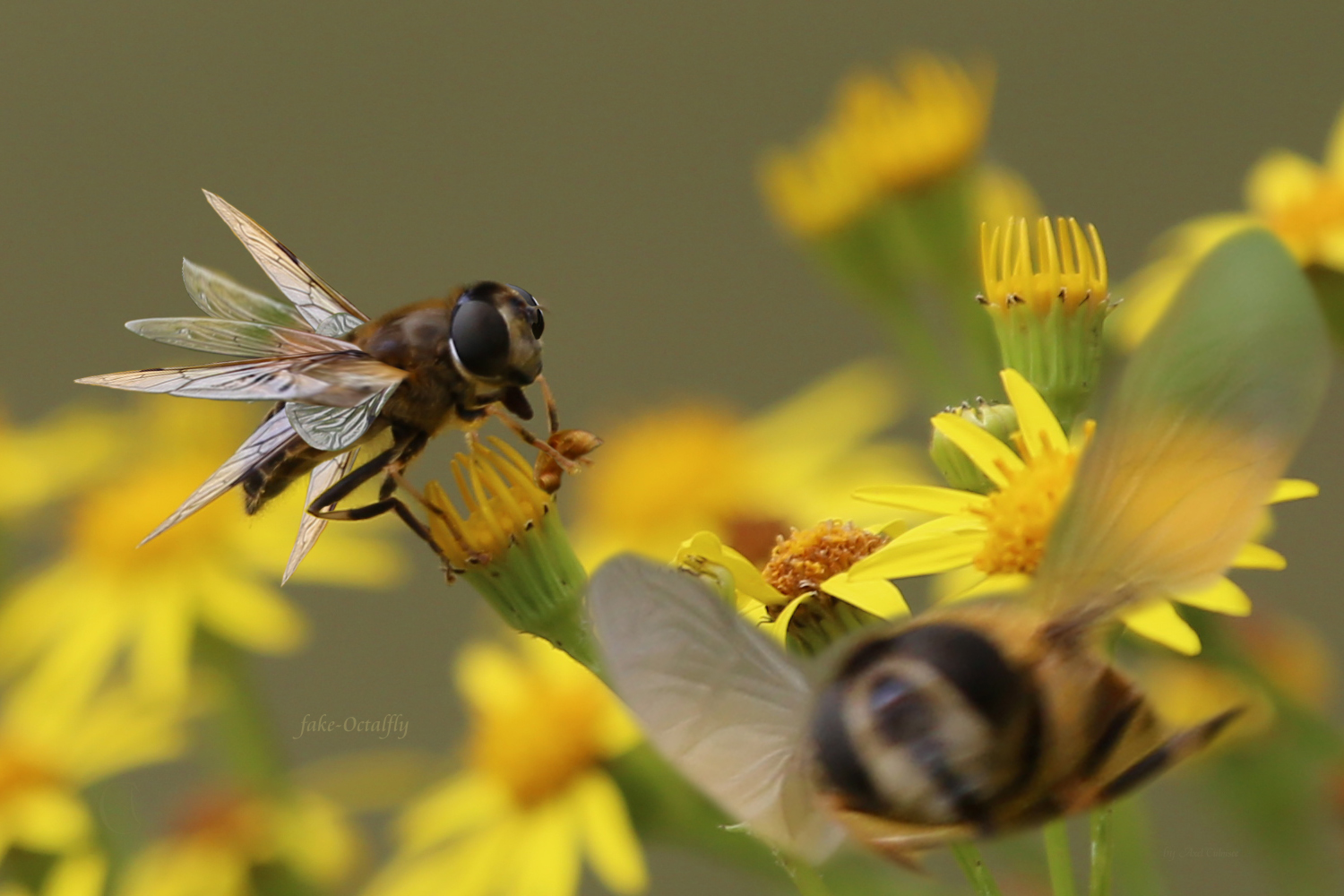
The relationship between mimics and their models isn’t static – it’s a constantly evolving arms race that has been going on for millions of years. As predators become better at distinguishing between real threats and harmless imitators, the mimics must become even more convincing. This pressure has led to some of the most sophisticated examples of mimicry in the natural world.
What’s particularly fascinating is how this arms race has led to the evolution of what scientists call “imperfect mimics.” These are species that don’t perfectly resemble their models but are still effective enough to gain protection. This suggests that even partial mimicry can provide significant survival advantages, and that evolution doesn’t always require perfection to be successful.
Regional Variations in Mimicry
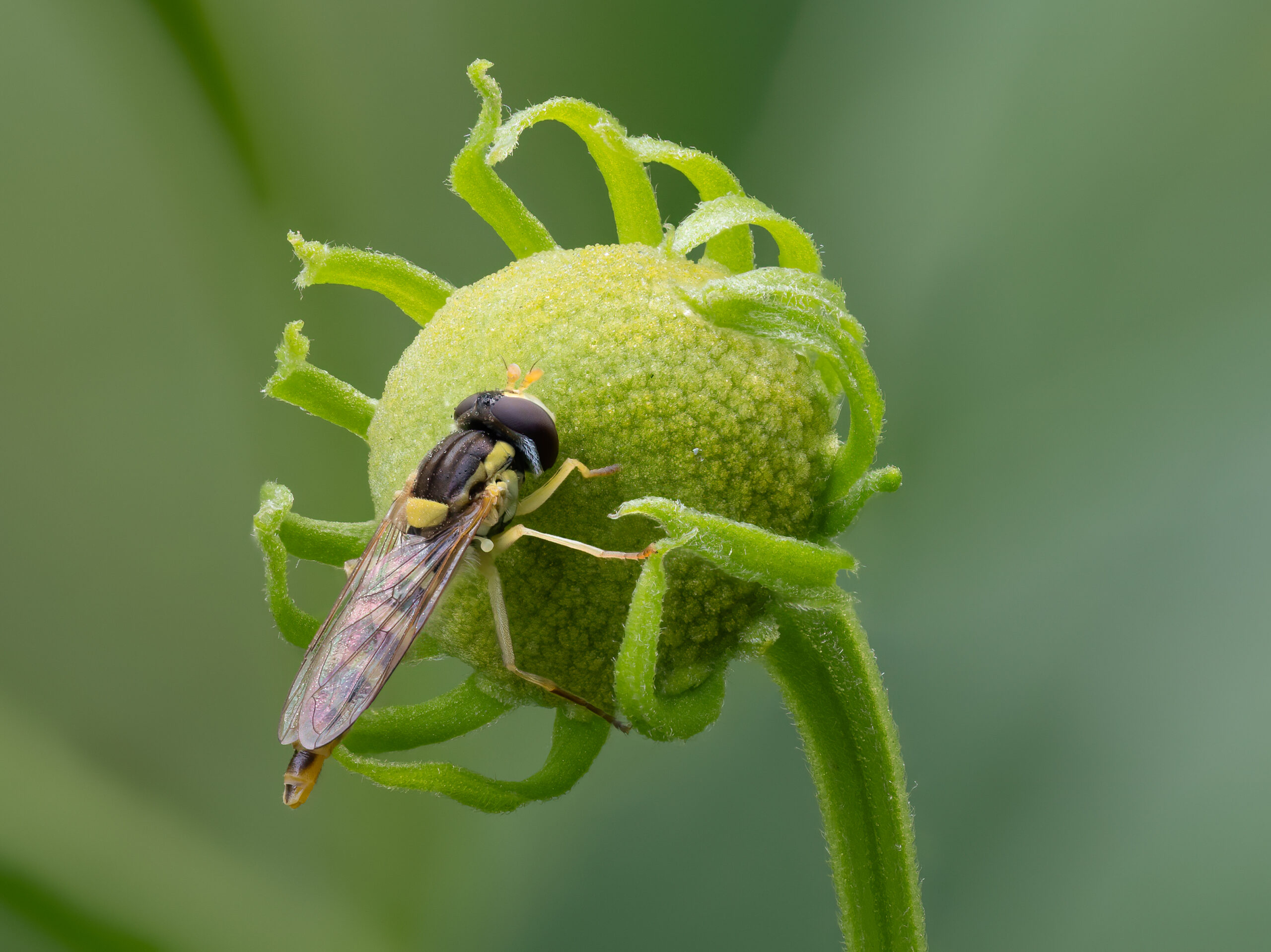
One of the most intriguing aspects of hoverfly mimicry is how it varies geographically. Different populations of the same species often mimic different wasp species depending on which dangerous insects are most common in their local environment. This regional specialization demonstrates the incredible adaptability of these mimics and their ability to fine-tune their disguises based on local conditions.
In some regions, hoverflies have evolved to mimic multiple species simultaneously, creating what scientists call “generalist mimics.” These versatile impersonators can fool predators familiar with various dangerous insects, giving them an edge in environments where multiple wasp species coexist. It’s like being fluent in several different languages of deception.
The Role of Predator Psychology
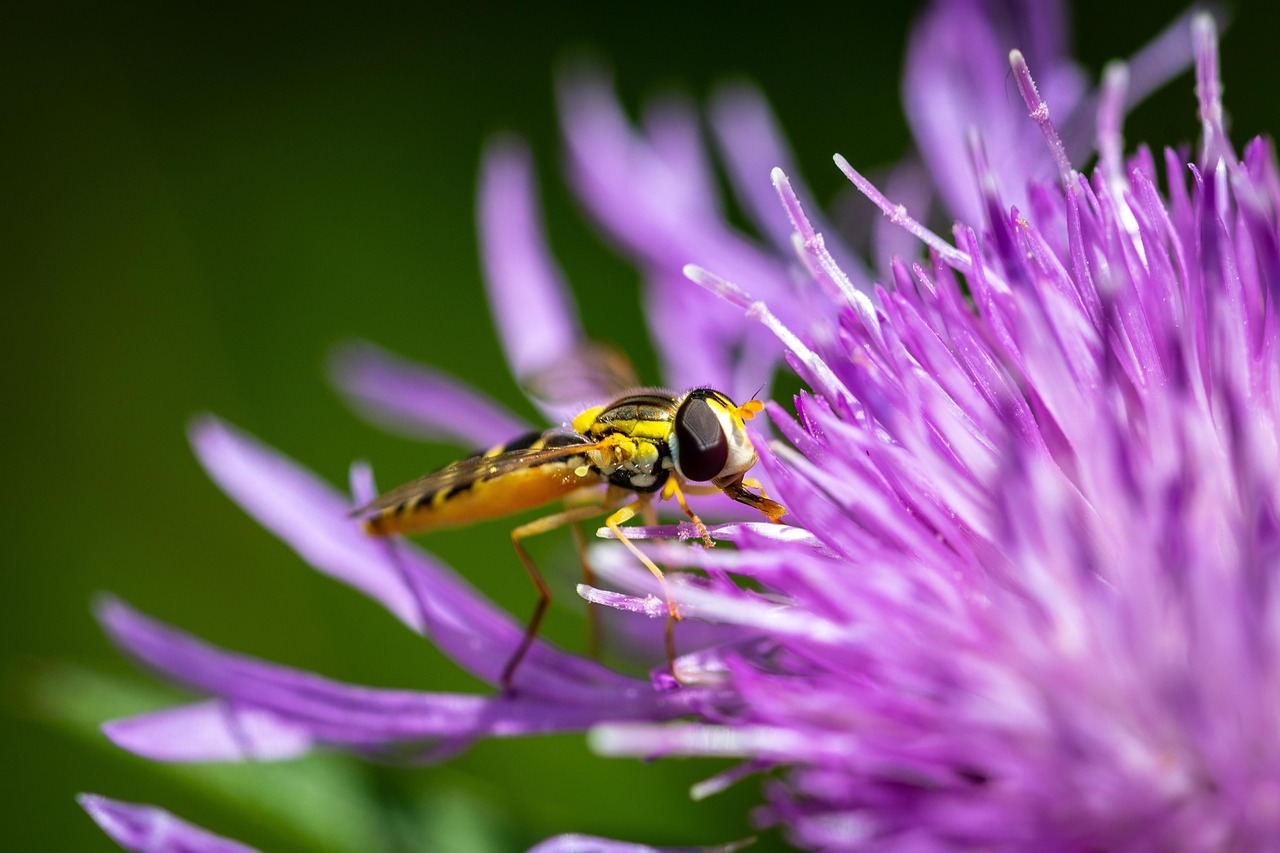
Understanding why mimicry works requires delving into the psychology of predators. Most predators operate on a simple risk-versus-reward calculation: is this potential meal worth the risk of being stung or poisoned? The mere possibility that a striped insect might be dangerous is often enough to make predators look elsewhere for easier prey.
This psychological warfare has shaped the evolution of both predators and prey in fascinating ways. Predators have evolved to be cautious around warning signals, while prey species have evolved to exploit this caution. The result is a complex system of bluffs and counter-bluffs that rivals any high-stakes poker game.
Common Hoverfly Species and Their Models
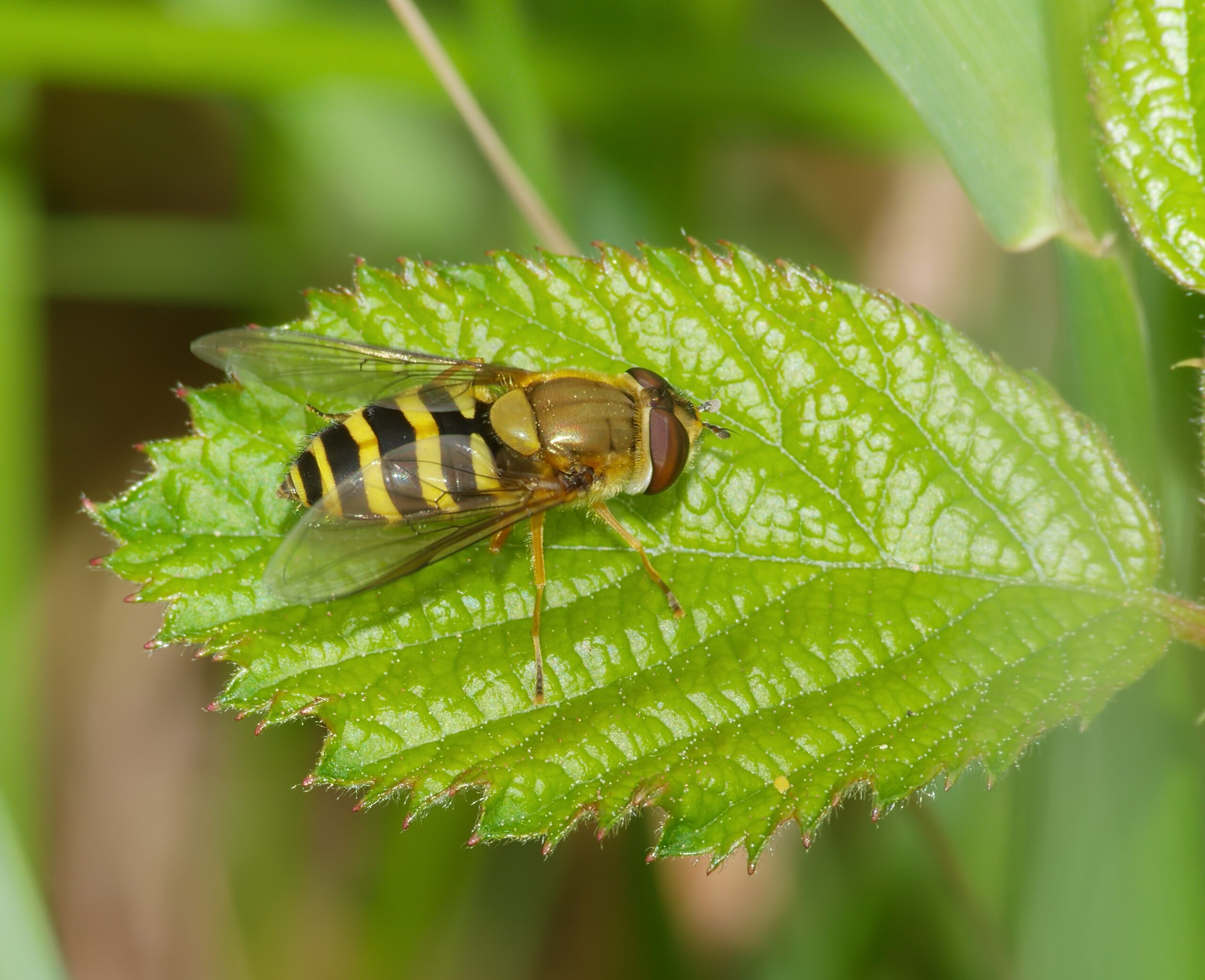
The diversity of hoverfly mimics is truly staggering, with different species specializing in imitating specific wasp and bee species. The marmalade hoverfly, for example, has evolved to closely resemble honeybees, complete with fuzzy-looking bodies and golden coloration. Meanwhile, the hornet mimic hoverfly has taken on the appearance of the much more fearsome European hornet.
Some of the most convincing mimics belong to the genus Milesia, which includes species that so closely resemble wasps that they were initially classified as such by early entomologists. These flies have evolved not just the coloration but also the body proportions and even the leg positioning that makes wasps so distinctive. The level of detail in their mimicry is truly extraordinary.
How to Distinguish Real Wasps from Mimics

Once you know what to look for, distinguishing between real wasps and their hoverfly mimics becomes much easier. The most reliable difference is in the antennae – wasps have longer, more prominent antennae, while hoverflies have shorter, stubbier ones. The eyes are another giveaway: hoverflies typically have much larger, more prominent eyes than wasps.
Flight patterns can also be revealing. True to their name, hoverflies are exceptional at hovering in place, a behavior that’s much less common among wasps. Additionally, if you observe the insect feeding on flowers, you can look at how it positions itself – hoverflies often feed face-first into flowers, while wasps typically approach from the side.
The Ecological Impact of Mimicry
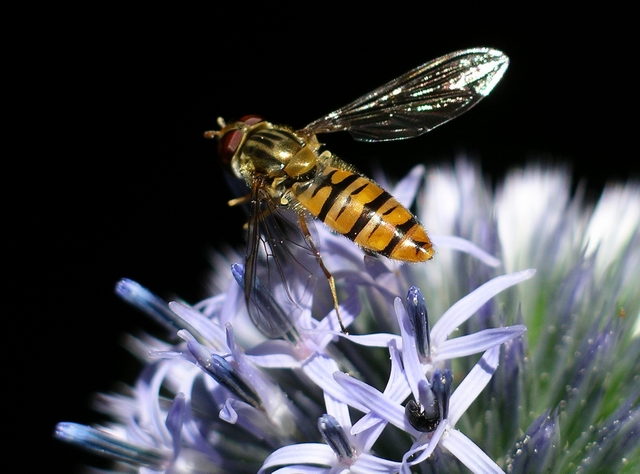
The presence of wasp mimics in ecosystems has far-reaching effects beyond just the individual survival of the mimics themselves. These insects play crucial roles as pollinators, often visiting flowers that real wasps might avoid. Their mimicry allows them to access nectar sources while simultaneously providing pollination services to plants.
The abundance of mimics can also influence predator behavior throughout entire ecosystems. When predators encounter numerous convincing wasp mimics, they may become more cautious around all striped insects, providing protection not just to the mimics but potentially to other harmless species as well. This creates ripple effects that can influence the entire food web.
Conservation Implications
The conservation of wasp mimics presents unique challenges because their survival depends not just on their own habitat needs but also on the continued presence of their dangerous models. If the real wasps disappear from an area, the mimics lose their protection and become vulnerable to predation. This interdependence highlights the importance of maintaining complete ecosystems rather than focusing on individual species.
Climate change poses particular threats to these mimicry relationships. As temperatures and weather patterns shift, the geographic ranges of both mimics and their models may change at different rates, potentially disrupting these carefully evolved relationships. Understanding these dynamics is crucial for effective conservation planning.
The Future of Mimicry Research

Modern technology is opening new frontiers in mimicry research, allowing scientists to study these relationships in unprecedented detail. High-speed cameras can capture the subtle differences in flight patterns, while advanced genetic techniques are revealing the molecular basis of mimicry. These tools are helping researchers understand not just how mimicry works, but how it evolves and adapts over time.
Artificial intelligence and machine learning are also being employed to analyze the effectiveness of different mimicry strategies. By training computers to distinguish between models and mimics, researchers can gain insights into which features are most important for successful deception. This research may even have applications in fields like robotics and camouflage technology.
Conclusion: A New Appreciation for Nature’s Deceptions
The next time you encounter a striped, buzzing insect, take a moment to appreciate the incredible evolutionary story it might represent. Whether it’s a genuine wasp or a masterful hoverfly mimic, you’re witnessing millions of years of evolutionary refinement in action. These creatures remind us that nature is far more complex and sophisticated than we often give it credit for.
The world of insect mimicry challenges our assumptions about identity, survival, and the very nature of reality in the natural world. It shows us that sometimes the most effective strategy isn’t to be the strongest or fastest, but simply to be the most convincing actor in nature’s grand theater. Understanding these relationships not only enhances our appreciation for the natural world but also provides valuable insights into evolution, ecology, and the interconnectedness of all life.
So the next time you’re tempted to swat that striped insect, remember that you might be face-to-face with one of evolution’s most accomplished performers. What other secrets might be hiding in plain sight in your own backyard?