
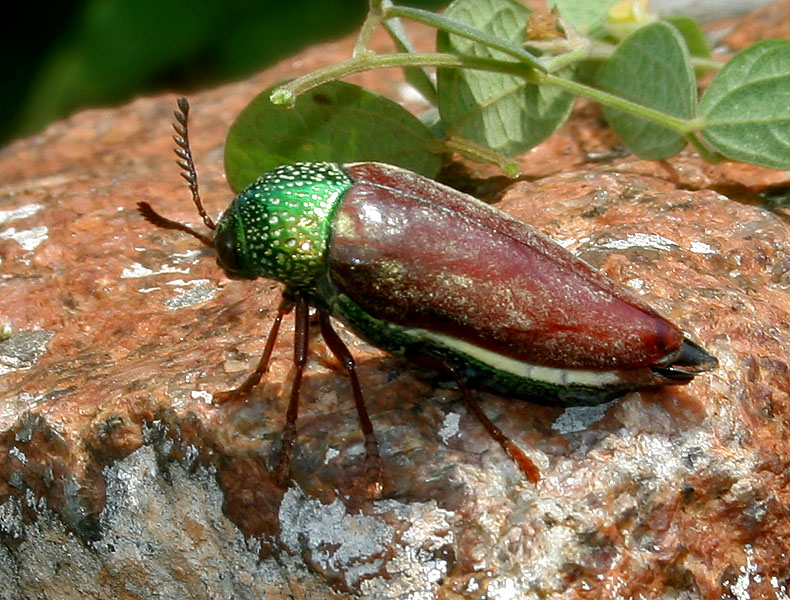
That antique armoire you inherited from your grandmother might harbor more than just family memories. Behind its ornate carvings and weathered wood lies a hidden world of tiny inhabitants that have been quietly making themselves at home for decades, possibly even centuries. These microscopic tenants don’t pay rent, but they’ve certainly earned their place in the ecosystem of aged furniture. The thought of insects living in our cherished furniture pieces might make your skin crawl, but the reality is far more fascinating than frightening. These creatures have evolved alongside human civilization, adapting to our homes and belongings in ways that would make any survival expert jealous. From the tiniest beetle larvae boring through solid oak to moths that treat your vintage velvet as an all-you-can-eat buffet, the insect world of old furniture is both diverse and surprisingly sophisticated.
The Wood-Boring Beetles That Turn Antiques into Swiss Cheese
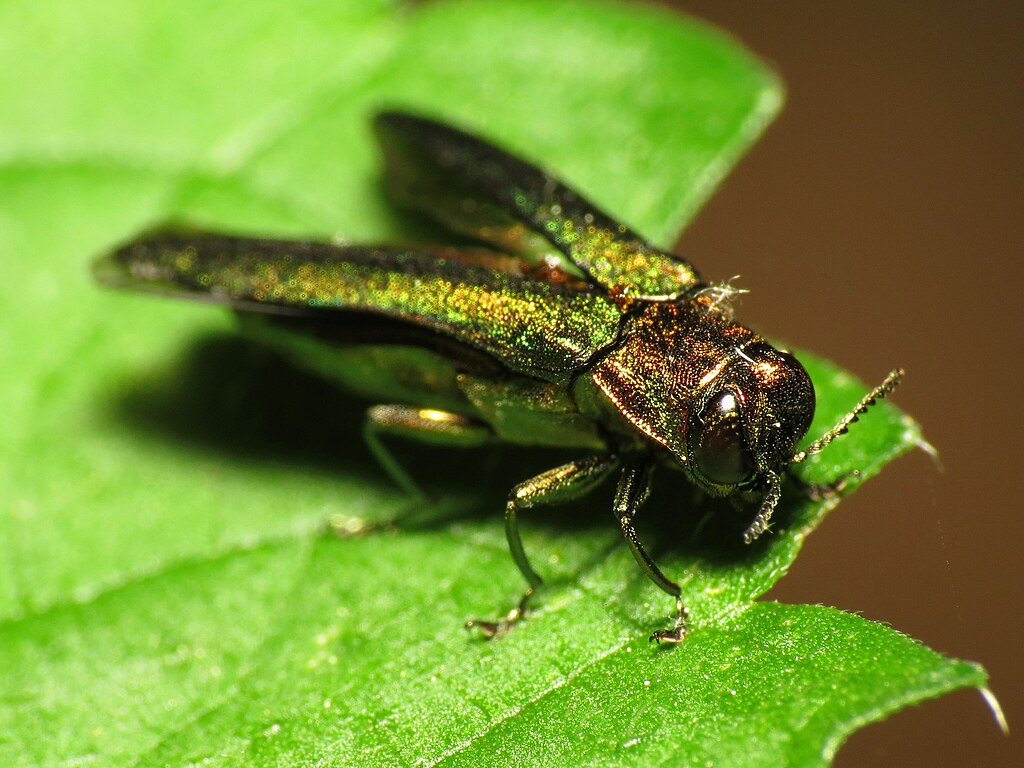
Powderpost beetles are perhaps the most notorious furniture destroyers in the insect kingdom. These tiny brown beetles, barely larger than a grain of rice, can reduce solid hardwood to powder over time. The larvae are the real culprits, spending months or even years tunneling through wood fibers, creating intricate networks of galleries that weaken the structure from within. What makes these beetles particularly troublesome is their preference for aged, seasoned wood. They’re especially drawn to furniture made from oak, ash, and other hardwoods that have been sitting around for decades. The telltale signs include small, round holes about the size of a pinhead and fine, powdery dust that accumulates beneath infested pieces. Common furniture beetles, another member of this destructive family, have been found in pieces dating back to the 1800s. These insects can remain dormant for years, only to emerge when conditions are right, making antique furniture purchases a potential lottery of surprise infestations.
Carpet Beetles: The Fabric Destroyers of Upholstered Treasures
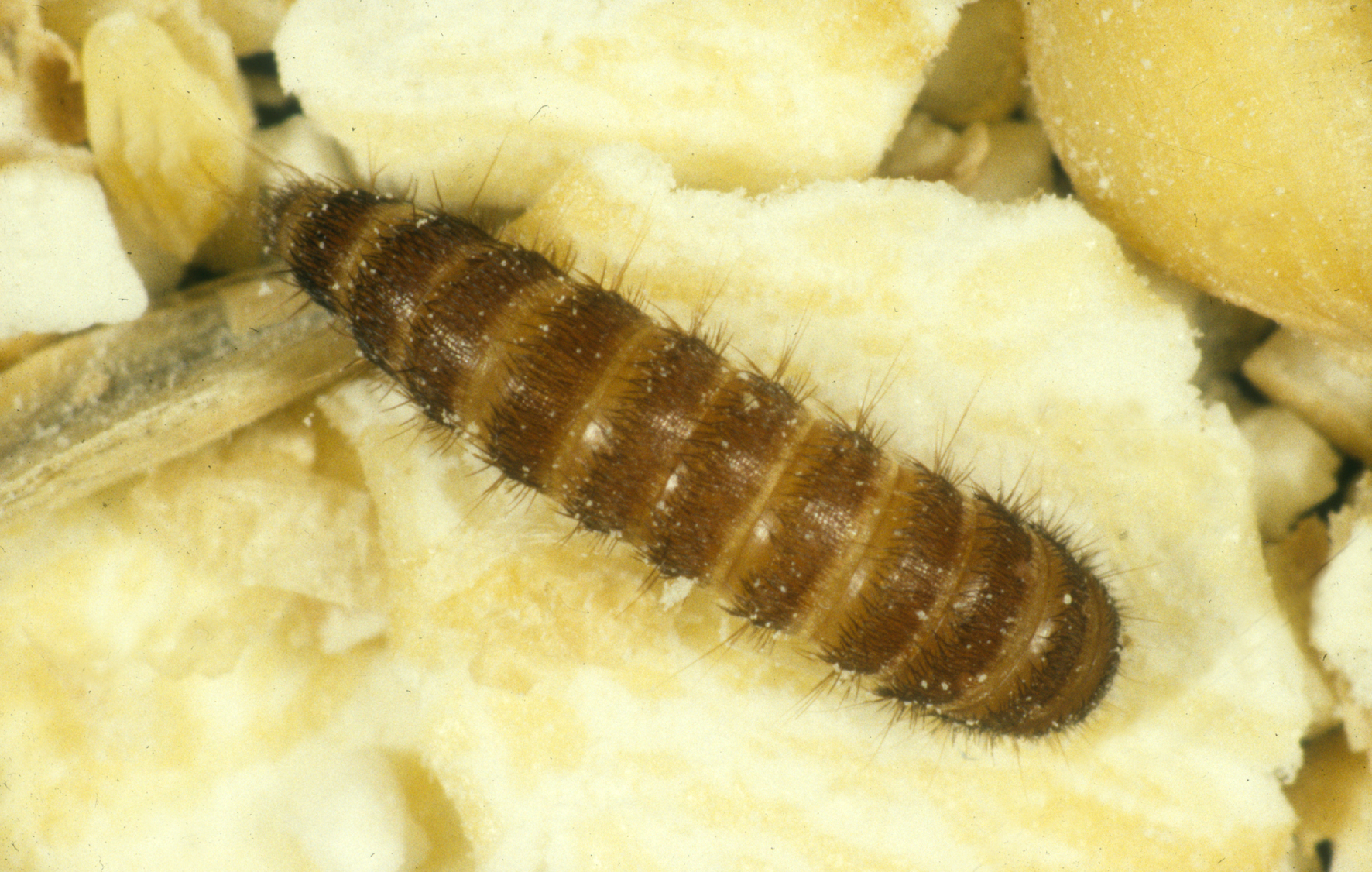
While their name suggests they stick to carpets, these versatile insects have a particular fondness for the natural fibers found in antique upholstery. Carpet beetle larvae are voracious consumers of wool, silk, and even cotton, treating vintage chair cushions and sofa fabric like an endless buffet. These oval-shaped beetles are masters of disguise, often mistaken for small ladybugs due to their mottled appearance. The larvae, however, are the real furniture destroyers, appearing as small, fuzzy caterpillars with bristly hairs. They prefer dark, undisturbed areas, making the undersides of antique furniture perfect hiding spots. What’s particularly concerning about carpet beetles is their ability to survive on virtually any organic material. They’ve been found feeding on everything from horsehair stuffing in Victorian chairs to the silk lining of old jewelry boxes, making no piece of antique furniture truly safe from their appetite.
Clothes Moths: Silent Destroyers of Vintage Textiles
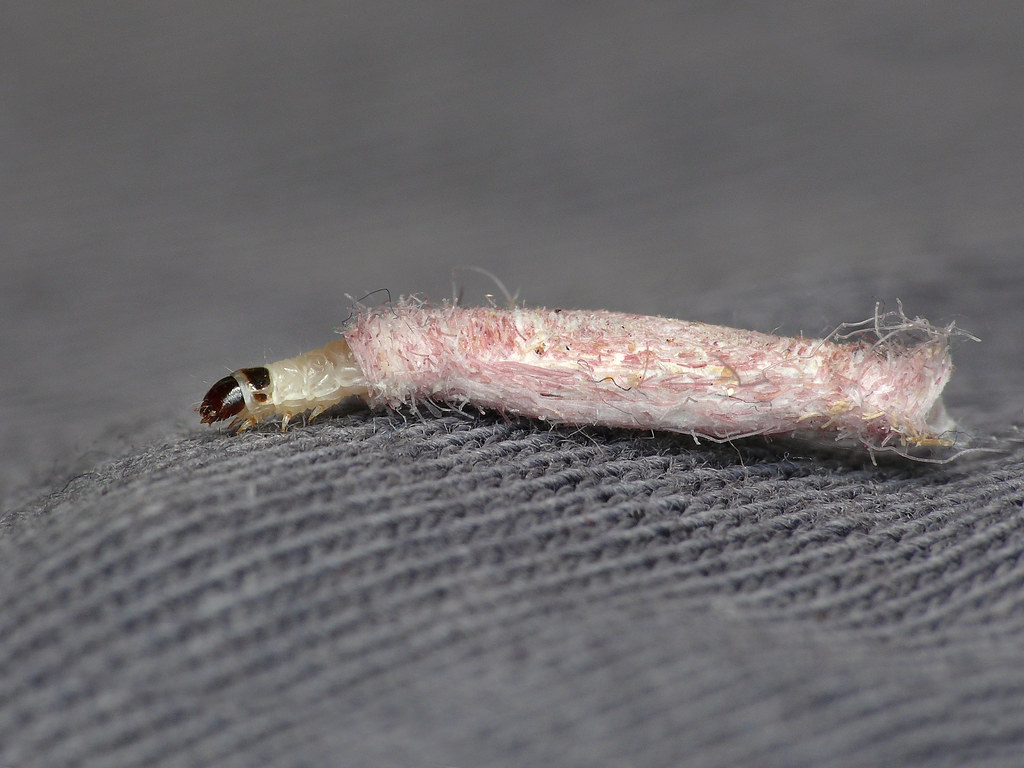
The webbing clothes moth might be small, but its impact on antique furniture with fabric components is enormous. These golden-brown moths are particularly attracted to natural fibers that have been stored in dark, undisturbed places for extended periods. Unlike their reputation suggests, adult moths don’t actually eat fabric – it’s their larvae that cause all the damage. The larvae create small, irregular holes in fabric and often leave behind silken tubes or cases. They’re particularly drawn to items that have been stained with food, perspiration, or oils, making vintage dining chairs and bedroom furniture prime targets. The damage often goes unnoticed until it’s extensive, as these insects prefer to feed from the underside of fabrics. Case-bearing clothes moths present an even more challenging problem. Their larvae construct protective cases from fabric fibers, essentially wearing their food as armor while they continue to feed. These mobile feeding stations can move throughout a piece of furniture, spreading damage across multiple areas.
Termites: The Ultimate Furniture Architects
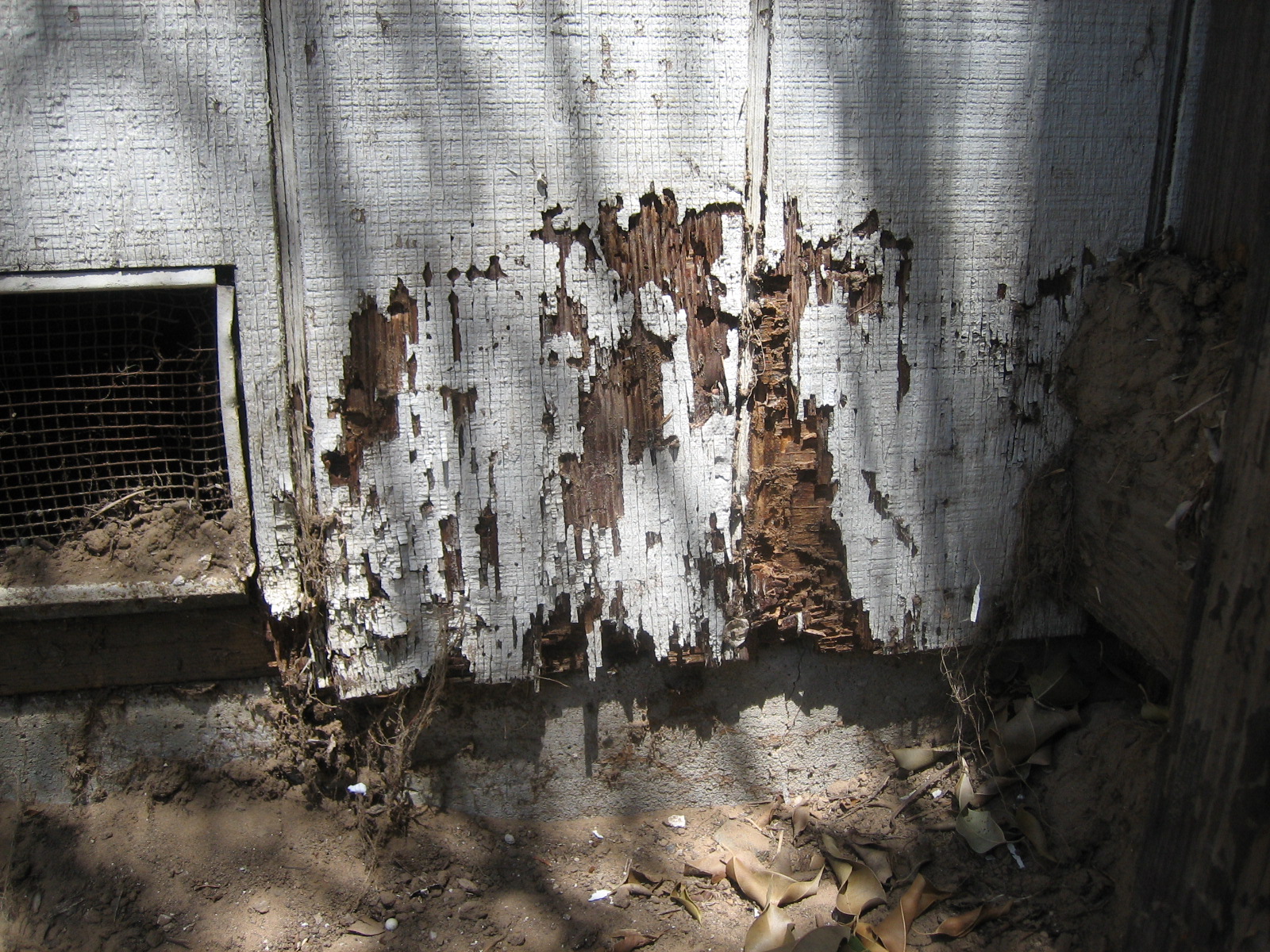
When most people think of termites, they imagine house foundations and wooden structures, but these insects are equally at home in antique furniture. Subterranean termites can find their way into furniture that’s been stored in basements or areas with high moisture, while drywood termites can infest pieces regardless of location. The signs of termite infestation in furniture are often subtle at first. Small piles of what looks like sawdust, hollow-sounding wood when tapped, or tiny holes with mud-like material might indicate their presence. Unlike other wood-boring insects, termites work in colonies, making their potential for damage exponentially greater. Drywood termites are particularly problematic for antique furniture because they don’t require contact with soil or external moisture sources. They can establish entire colonies within a single piece of furniture, quietly consuming it from the inside out while leaving the exterior largely intact.
Silverfish: The Paper and Glue Enthusiasts
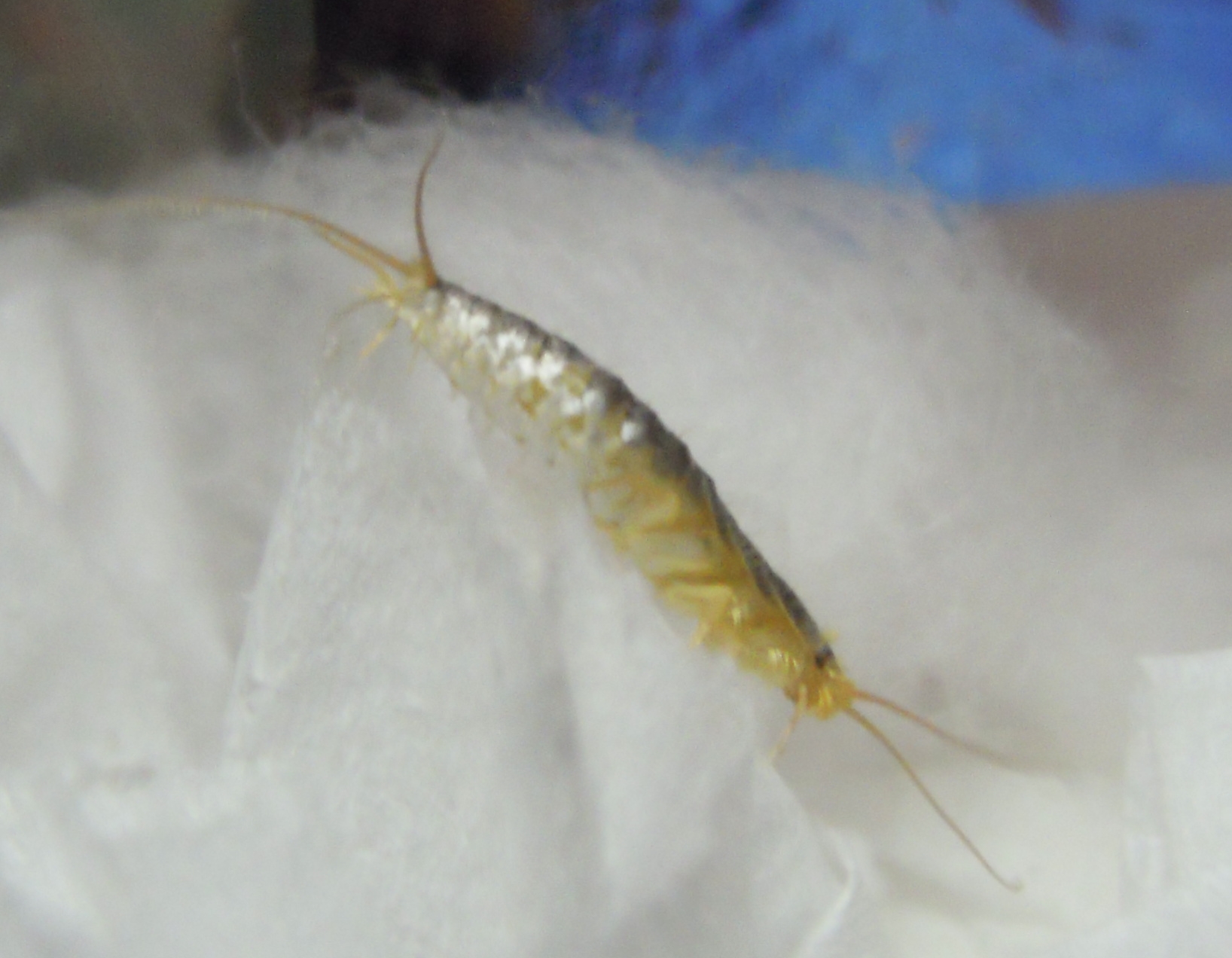
These primitive, wingless insects might look like tiny prehistoric creatures, and in many ways, they are. Silverfish have been around for hundreds of millions of years, and they’ve perfected the art of surviving in human environments. They’re particularly fond of old furniture that contains paper elements, book bindings, or adhesives. Silverfish are nocturnal creatures that prefer dark, humid environments. They’re often found in antique desks, bookcases, and cabinets where they feed on paper documents, photographs, and even the glue used in furniture construction. Their fish-like movement and silver scales make them easily identifiable, though they’re quick to dart away when disturbed. What makes silverfish particularly troublesome for antique furniture owners is their ability to survive without food for extended periods. They can go months without eating, making them incredibly resilient inhabitants of stored or rarely used pieces.
Booklice: Microscopic Moisture Lovers
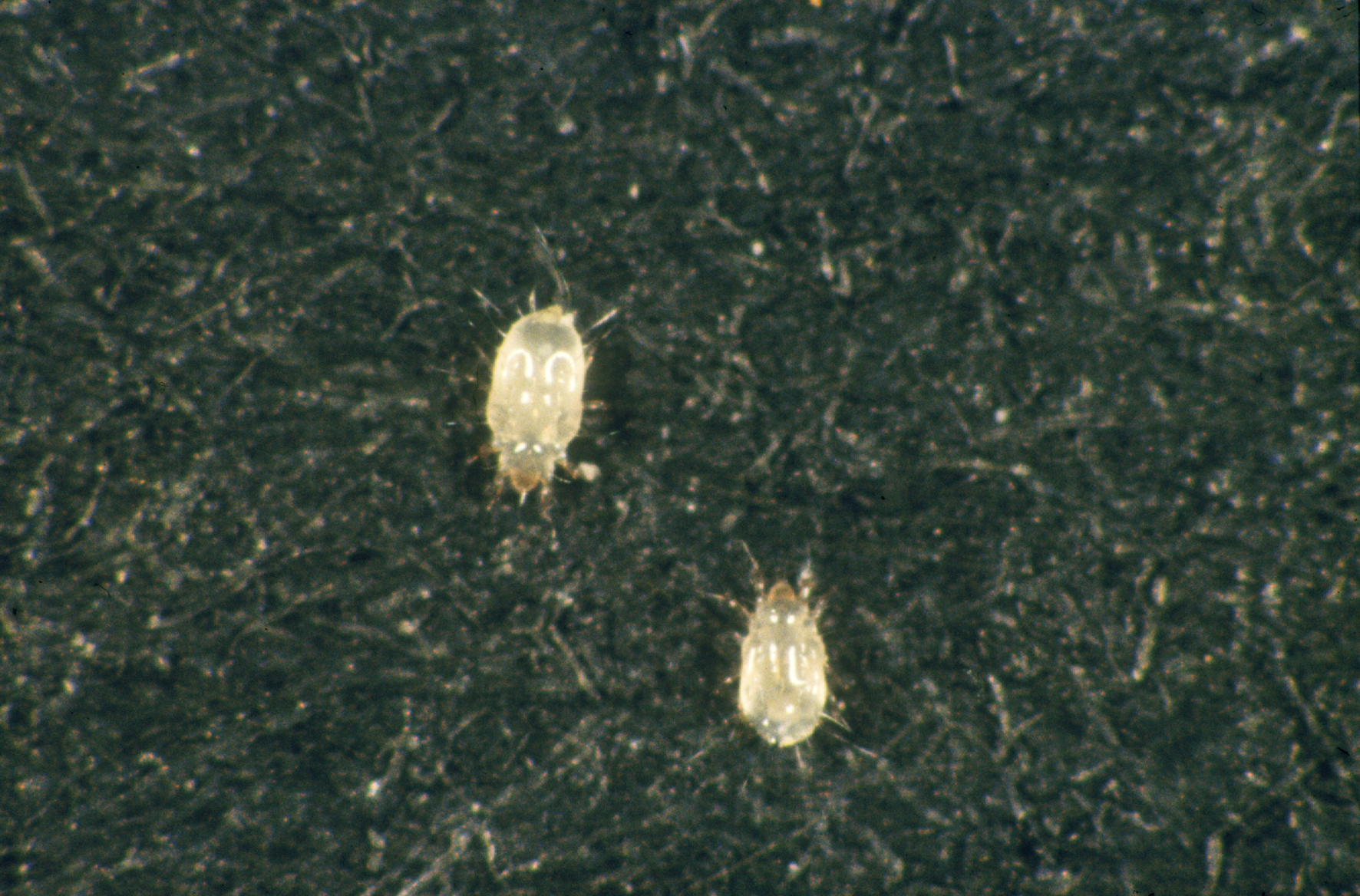
Despite their name, booklice aren’t actually lice at all, nor do they exclusively live in books. These tiny insects, barely visible to the naked eye, are drawn to humid environments and organic materials. They’re commonly found in antique furniture, particularly pieces that have been stored in damp basements or attics. Booklice feed on mold, mildew, and organic debris that accumulates in cracks and crevices of old furniture. While they don’t cause direct structural damage, their presence often indicates moisture problems that can lead to more serious issues. They’re particularly common in furniture with paper components, such as old desk drawers lined with decorative paper. These insects are so small that infestations often go unnoticed until they reach significant numbers. They appear as tiny, crawling specks that seem to move in waves across surfaces, particularly when disturbed by light or movement.
Spider Beetles: The Scavengers of Forgotten Corners
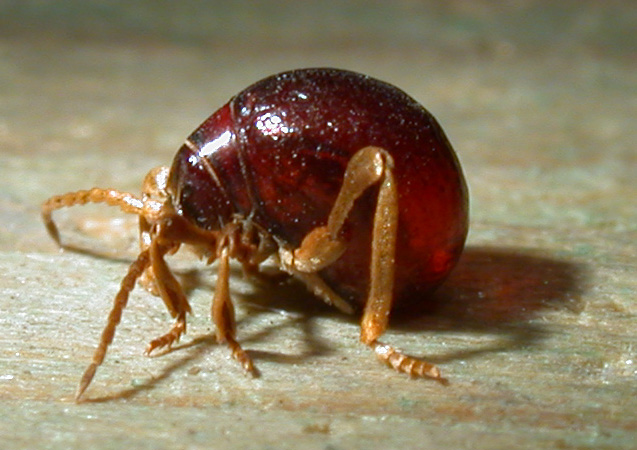
Spider beetles get their name from their spider-like appearance, with their long legs and rounded bodies. These insects are opportunistic feeders that thrive in undisturbed areas of old furniture, particularly pieces that have been stored for extended periods. They’re commonly found in antique trunks, old wardrobes, and storage chests. Unlike many other furniture-dwelling insects, spider beetles are generalists when it comes to food. They’ll consume everything from fabric fibers to old food debris, dead insects, and even paper products. This adaptability makes them particularly successful in the varied environments that antique furniture can provide. The presence of spider beetles often indicates that a piece of furniture has been undisturbed for a considerable time. They prefer stable environments and can establish long-term populations in furniture that’s kept in storage or rarely moved.
Anobiid Beetles: The Clockwork Destroyers
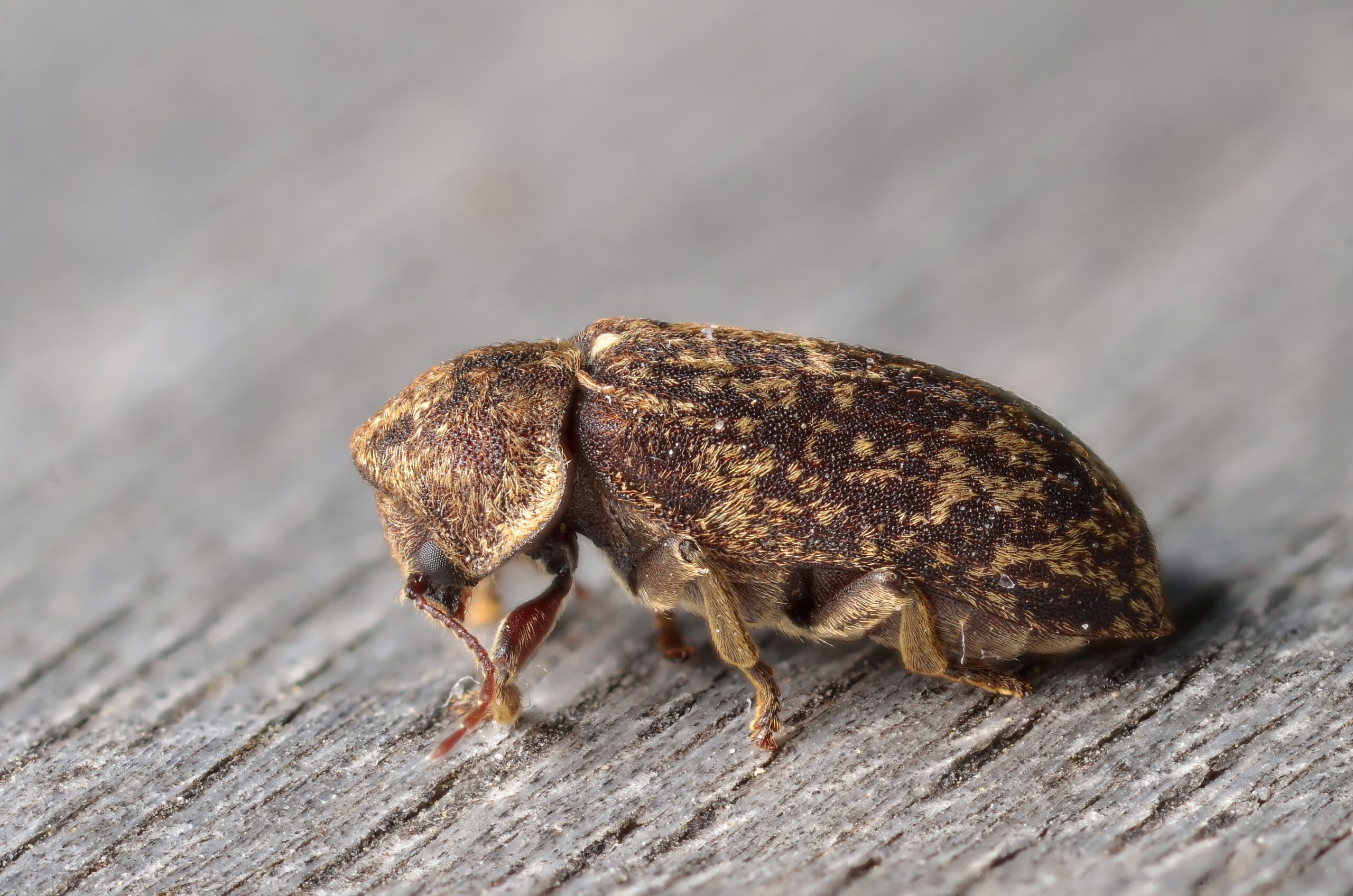
The distinctive ticking sound of the deathwatch beetle has haunted quiet rooms for centuries, earning it a reputation in folklore and superstition. These anobiid beetles are particularly drawn to old hardwood furniture, where their larvae create extensive tunnel systems that can compromise structural integrity. The adults are small, brown beetles that emerge from infested wood to mate and lay eggs. The larvae, however, are the real architects of destruction, spending years boring through wood fibers. The ticking sound is actually the adult beetles communicating by tapping their heads against the wood, a behavior that’s more common in old, seasoned timber. What makes anobiid beetles particularly concerning for antique furniture is their preference for wood that’s already been weakened by age or previous insect damage. They often target areas where moisture has compromised the wood’s natural defenses, making restoration efforts more challenging.
Psocids: The Tiny Bark Lice of Indoor Environments
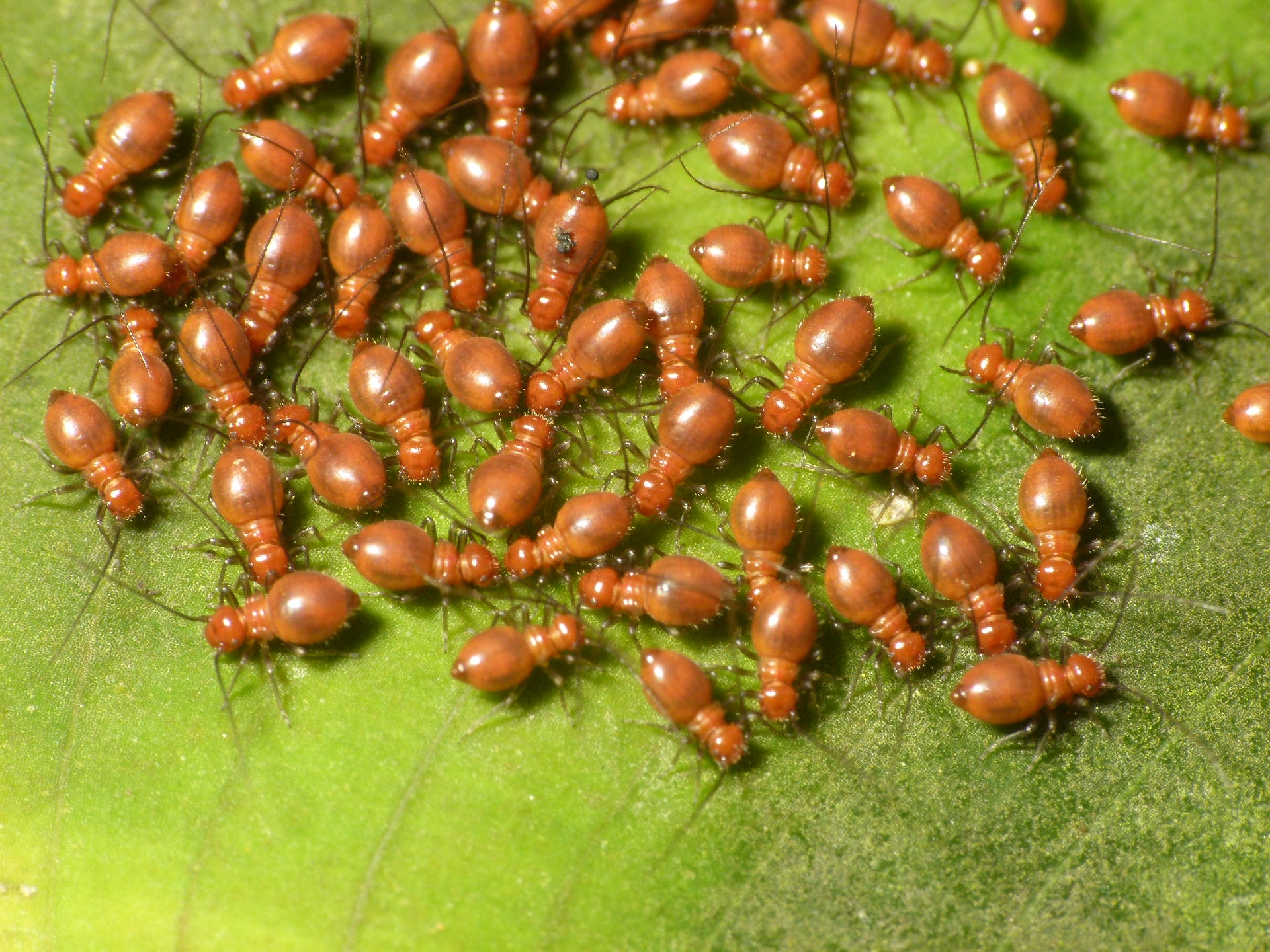
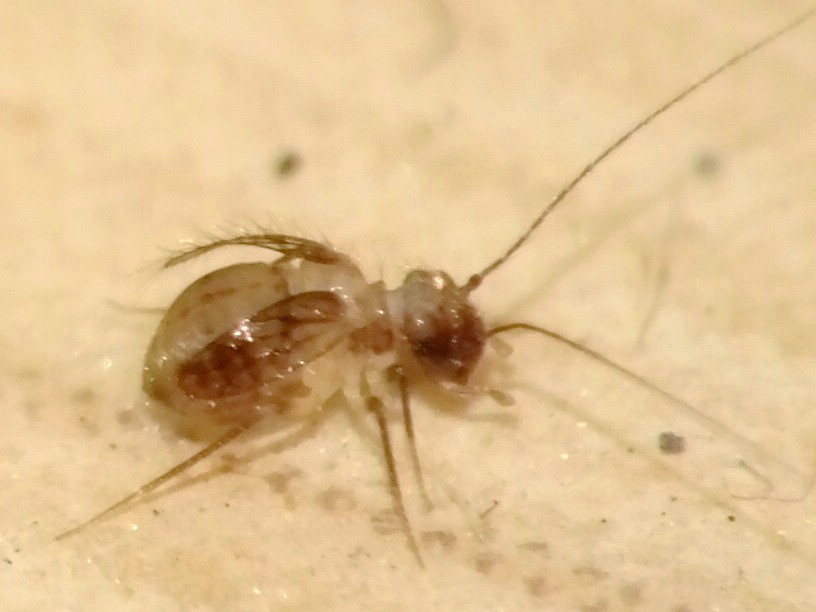
Psocids, commonly known as bark lice or book lice, are among the smallest insects found in antique furniture. These pale, soft-bodied insects are barely visible without magnification, but they can establish significant populations in suitable environments. They’re particularly drawn to furniture with high moisture content or pieces that have been exposed to humidity. These insects feed primarily on microscopic fungi and organic debris that accumulates in cracks and joints of old furniture. While they don’t cause direct structural damage, their presence can indicate conditions that favor mold growth and wood decay. They’re often found in conjunction with other moisture-related problems. Psocids are particularly common in antique furniture that’s been stored in basements, attics, or other areas with poor ventilation. They reproduce rapidly under favorable conditions, making early detection and environmental control crucial for preventing large infestations.
Furniture Mites: The Microscopic Inhabitants
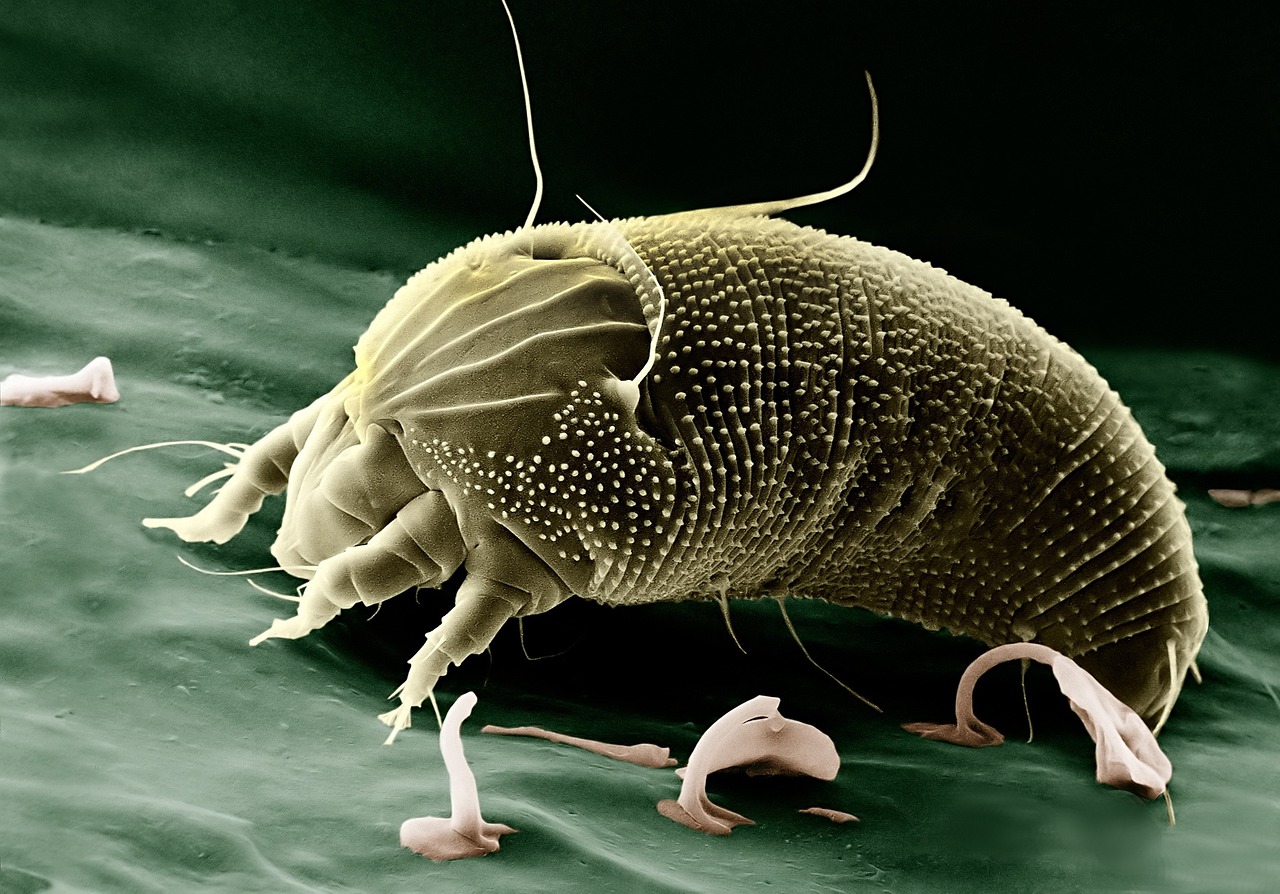
These tiny arachnids are so small they’re practically invisible to the naked eye, but they can establish massive populations in antique furniture. Furniture mites feed on organic debris, shed skin cells, and microscopic fungi that accumulate in upholstery and wooden crevices over time. Different species of mites have different preferences when it comes to furniture habitats. Some prefer the stuffing of old chairs and sofas, while others are drawn to the wooden joints and crevices where organic matter accumulates. Their presence is often indicated by a fine, dust-like material that seems to move when disturbed. While furniture mites don’t cause structural damage, they can be problematic for people with allergies or respiratory sensitivities. Their waste products and shed exoskeletons can accumulate over time, potentially causing health issues for sensitive individuals.
Cigarette Beetles: The Stored Product Specialists
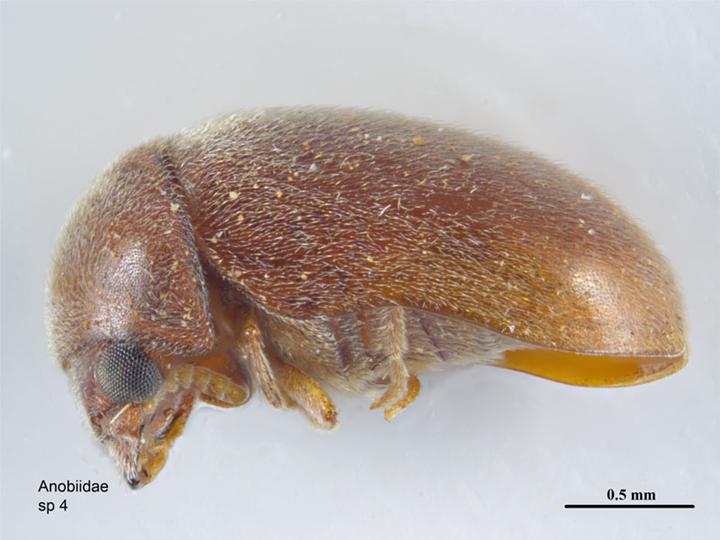
Originally named for their tendency to infest stored tobacco, cigarette beetles have adapted to life in various organic materials found in antique furniture. These small, brown beetles are particularly drawn to furniture that contains natural stuffing materials like horsehair, cotton, or kapok. The larvae of cigarette beetles are generalist feeders that can survive on a wide variety of organic materials. They’re commonly found in the stuffing of antique chairs and sofas, where they can cause significant damage to both the padding and the fabric that contains it. Their feeding creates characteristic irregular holes and weakened areas in upholstery. What makes cigarette beetles particularly troublesome is their ability to complete their life cycle entirely within a piece of furniture. They can establish self-sustaining populations that persist for years, gradually compromising the integrity of upholstered pieces.
Fungus Gnats: The Moisture Indicators
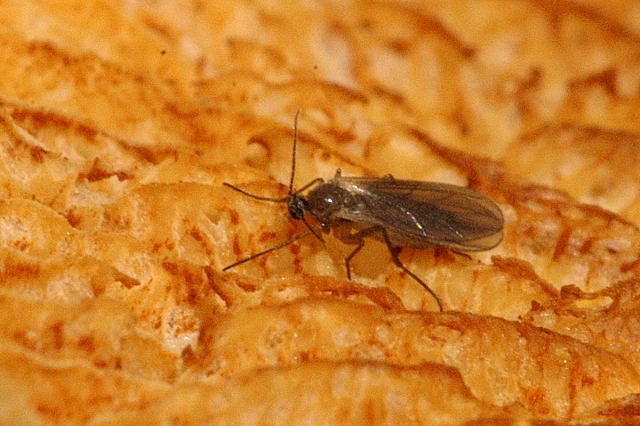
While not permanent residents of furniture, fungus gnats often appear around antique pieces that have moisture problems. These tiny, dark flies are attracted to the fungi that grow in damp wood and organic materials, making their presence a reliable indicator of conditions that could lead to more serious insect infestations. Fungus gnats are particularly common around antique furniture that’s been stored in humid environments or pieces that have suffered water damage. The adults are weak fliers that tend to hover around infested areas, while the larvae develop in the moist organic matter where fungi are growing. Although fungus gnats themselves don’t cause significant damage to furniture, their presence often signals environmental conditions that favor wood decay and other pest problems. They serve as an early warning system for moisture issues that could lead to more serious infestations.
Prevention and Early Detection Strategies
The key to managing insect populations in antique furniture lies in understanding their needs and creating environments that are less favorable to their survival. Most furniture-dwelling insects require specific combinations of moisture, temperature, and food sources to thrive. By controlling these factors, you can significantly reduce the likelihood of infestations. Regular inspection is crucial for early detection of insect activity. Look for small holes in wood, fine dust accumulations, irregular damage to fabrics, and any signs of insect presence such as shed skins or waste products. Many infestations can be managed effectively if caught early, but advanced infestations may require professional intervention. Environmental control measures include maintaining proper humidity levels, ensuring adequate ventilation, and keeping furniture in stable temperature conditions. Isolation of newly acquired pieces allows for observation and treatment before introducing them to other furniture or living spaces.
The Fascinating Adaptations of Furniture-Dwelling Insects
The insects that call antique furniture home have developed remarkable adaptations that allow them to thrive in these specialized environments. Their ability to survive on limited food sources, tolerate varying temperature and humidity conditions, and remain dormant for extended periods makes them incredibly successful colonizers of human-made habitats. Some species have synchronized their life cycles with the seasonal patterns of human activity, emerging when conditions are most favorable and remaining dormant during periods of disturbance. Others have developed specialized feeding strategies that allow them to extract maximum nutrition from materials that would seem inedible to most creatures. The diversity of insects found in antique furniture reflects the variety of microhabitats these pieces provide. From the dark, humid interior of upholstered cushions to the dry, stable environment of solid wood construction, each niche supports its own community of adapted species. This hidden ecosystem continues to fascinate researchers and reminds us that nature finds a way to thrive even in the most unlikely places. The next time you admire an antique piece of furniture, remember that you’re looking at more than just wood, fabric, and craftsmanship. You’re observing a complex ecosystem that has been developing for decades or even centuries, shaped by the interactions between human creativity and nature’s incredible adaptability. What other secrets might your favorite antique be hiding?