

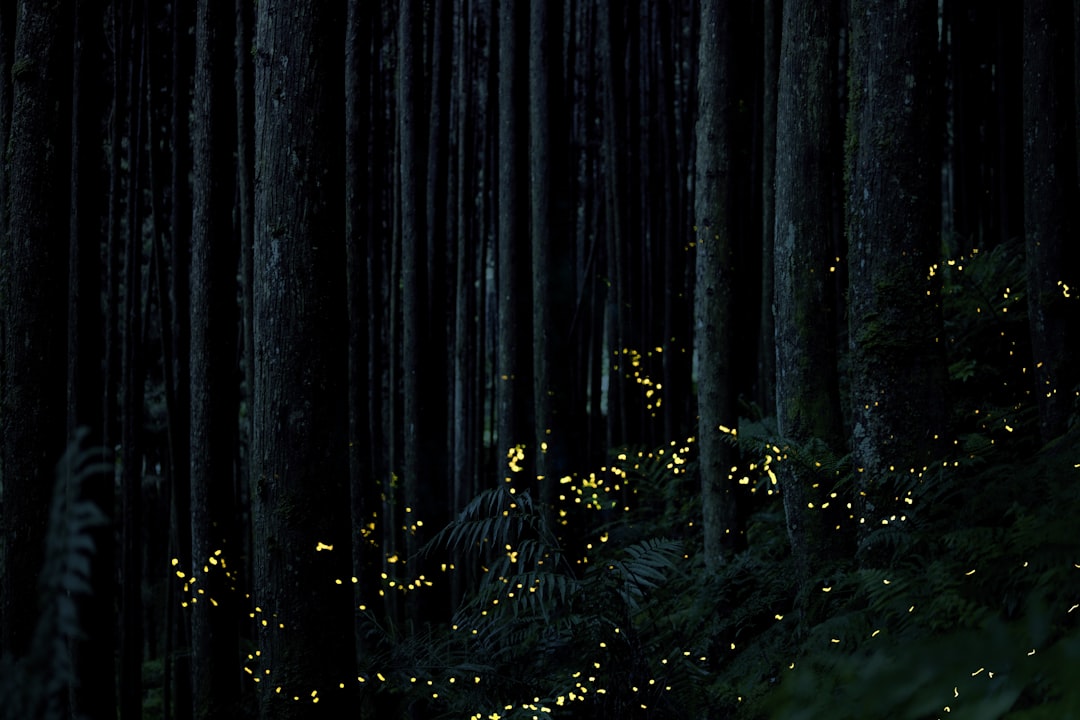
Picture this: a summer evening where the streetlights aren’t powered by electricity, but by the gentle glow of engineered fireflies dancing in glass tubes. It sounds like science fiction, but researchers worldwide are seriously investigating whether these tiny beetles could revolutionize how we think about sustainable lighting and energy.
The Magic Chemistry Behind Nature’s Light Show
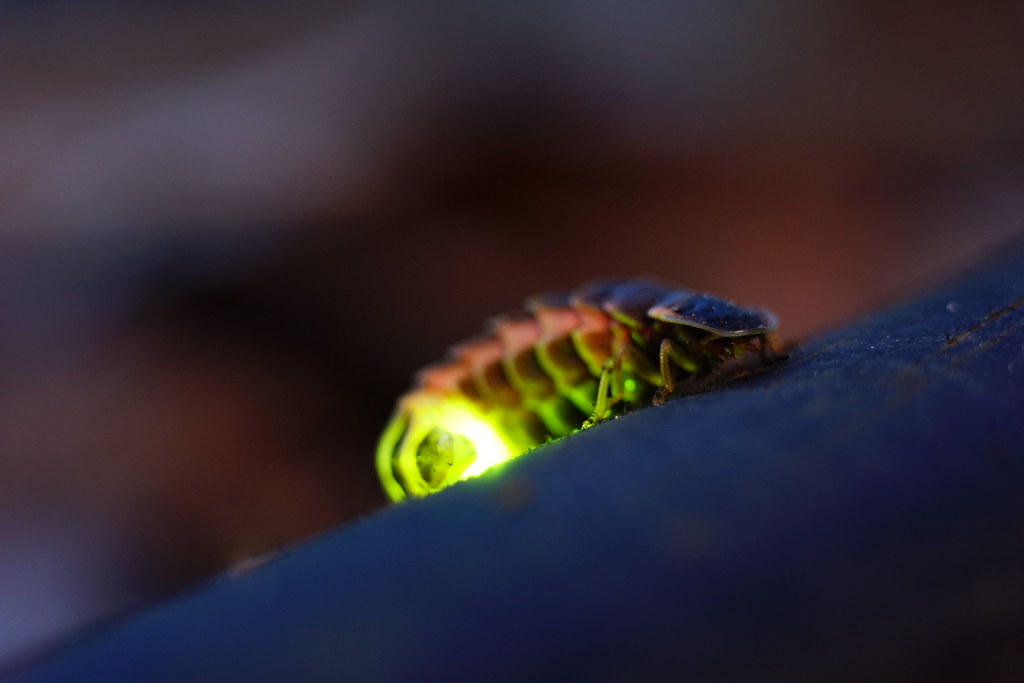
Fireflies produce light through a chemical reaction called bioluminescence, which is essentially nature’s version of a chemical glow stick. Inside their abdomens, an enzyme called luciferase catalyzes a reaction between luciferin (a light-emitting compound), oxygen, and ATP (the cell’s energy currency). This process creates light with almost no heat waste, making it nearly 100% efficient.
To put this in perspective, traditional incandescent bulbs convert only about 5% of their energy into light, while the rest becomes heat. LED bulbs, currently our most efficient artificial lighting, achieve around 20-30% efficiency. Fireflies blow these numbers out of the water with their nearly perfect energy conversion.
Why Scientists Are Obsessed With Firefly Light
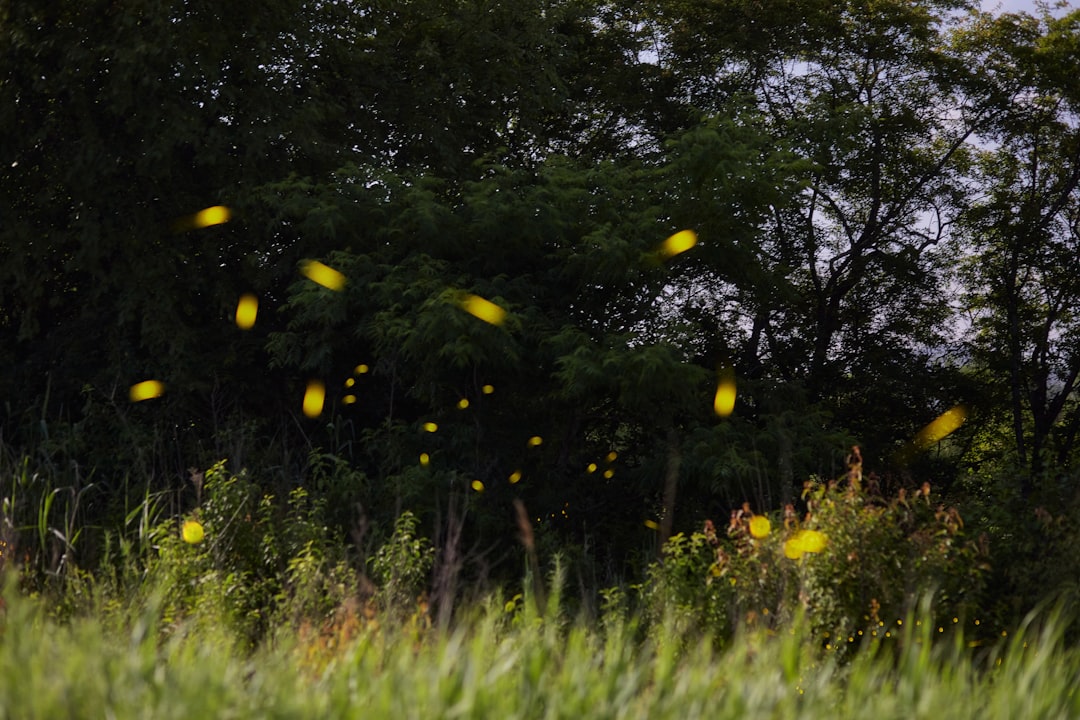
The scientific community has been captivated by firefly bioluminescence for decades, and for good reason. This biological system represents the holy grail of lighting technology: cold light production with minimal energy waste. Unlike our current lighting systems that generate significant heat, fireflies produce what’s called “cold light” – illumination without thermal energy loss.
Research teams at MIT, Harvard, and other prestigious institutions have been dissecting the molecular mechanisms behind firefly light production. They’ve discovered that the light-producing organs contain specialized cells called photocytes, which are packed with mitochondria and peroxisomes to support the energy-intensive light production process.
Biomimetic Lighting: Copying Nature’s Blueprint
Engineers are now attempting to recreate firefly light production through biomimetic approaches. This involves isolating the key components – luciferase, luciferin, and ATP – and creating artificial systems that can sustain the bioluminescent reaction. Some researchers have successfully created glowing solutions in laboratory settings that mimic firefly light.
The challenge lies in making these systems stable and long-lasting. In nature, fireflies continuously regenerate the necessary chemicals through their metabolism, but artificial systems need external replenishment of these compounds. Scientists are working on creating self-sustaining bio-reactors that could potentially power lighting systems.
The Color Spectrum of Firefly Innovation
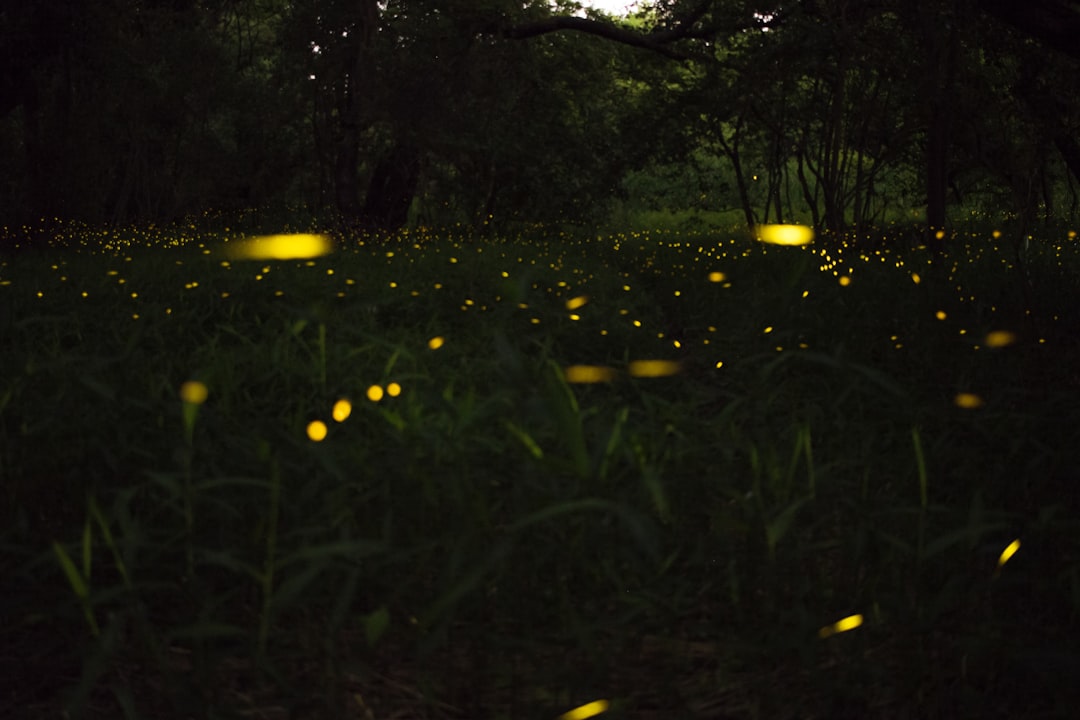
Different firefly species produce different colors of light, ranging from yellow-green to red, depending on the specific structure of their luciferase enzyme and the pH of their light-producing cells. This natural diversity has inspired researchers to engineer modified versions of firefly luciferase that can produce custom colors for specific applications.
Some scientists have created blue and red variants of firefly luciferase through genetic modification, opening up possibilities for full-spectrum biological lighting. Imagine being able to adjust the color temperature of your home lighting simply by changing the pH or introducing different enzyme variants.
Energy Efficiency: The Firefly Advantage
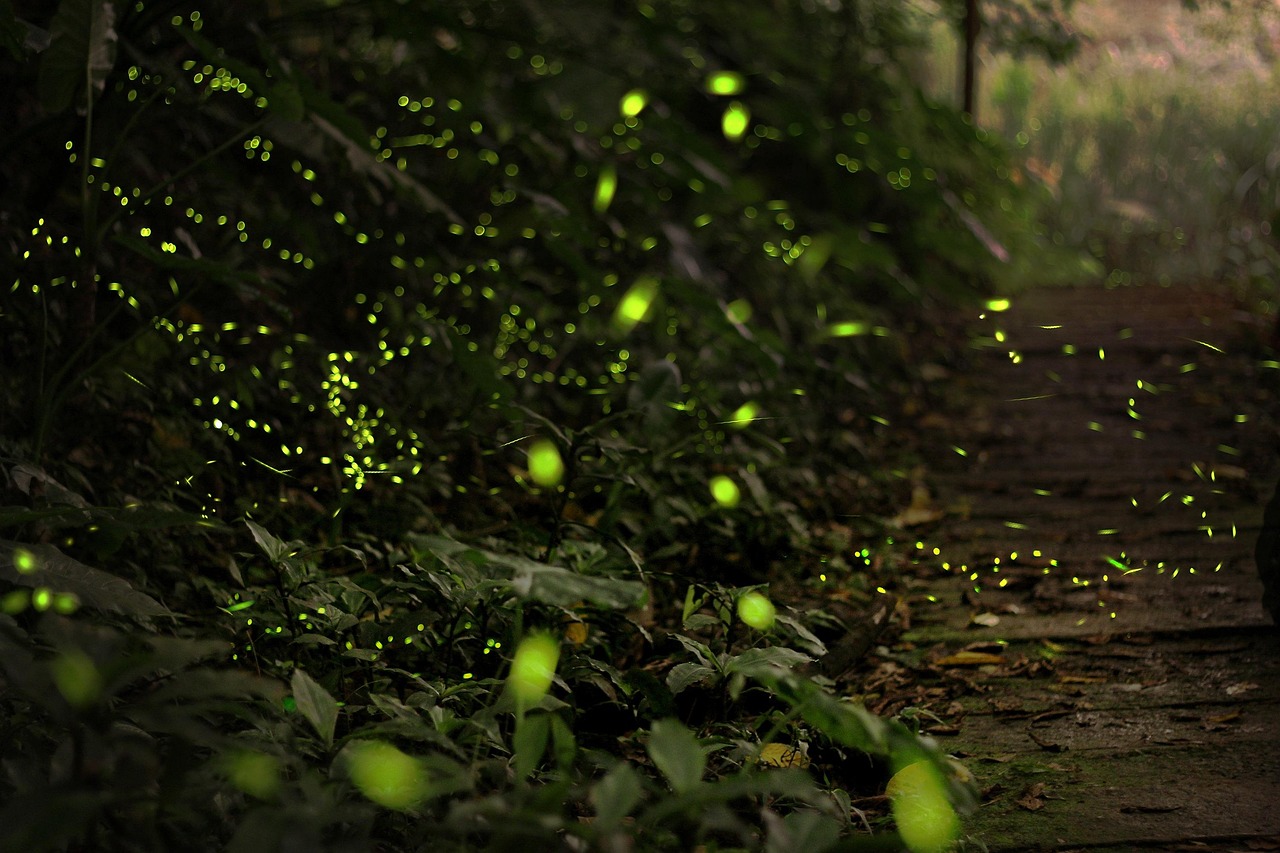
The energy efficiency of firefly bioluminescence is staggering when compared to human-made lighting technologies. While a typical LED might produce 100 lumens per watt, fireflies achieve the equivalent of thousands of lumens per watt in their natural system. This efficiency stems from the direct conversion of chemical energy to light without intermediate heat production.
However, the total light output of a single firefly is relatively low – about 1/40th the brightness of a candle. The challenge for researchers is scaling up this efficiency while maintaining the same energy conversion ratios. Some teams are exploring using millions of engineered bacteria containing firefly genes to create brighter biological light sources.
Living Light: Genetic Engineering and Synthetic Biology
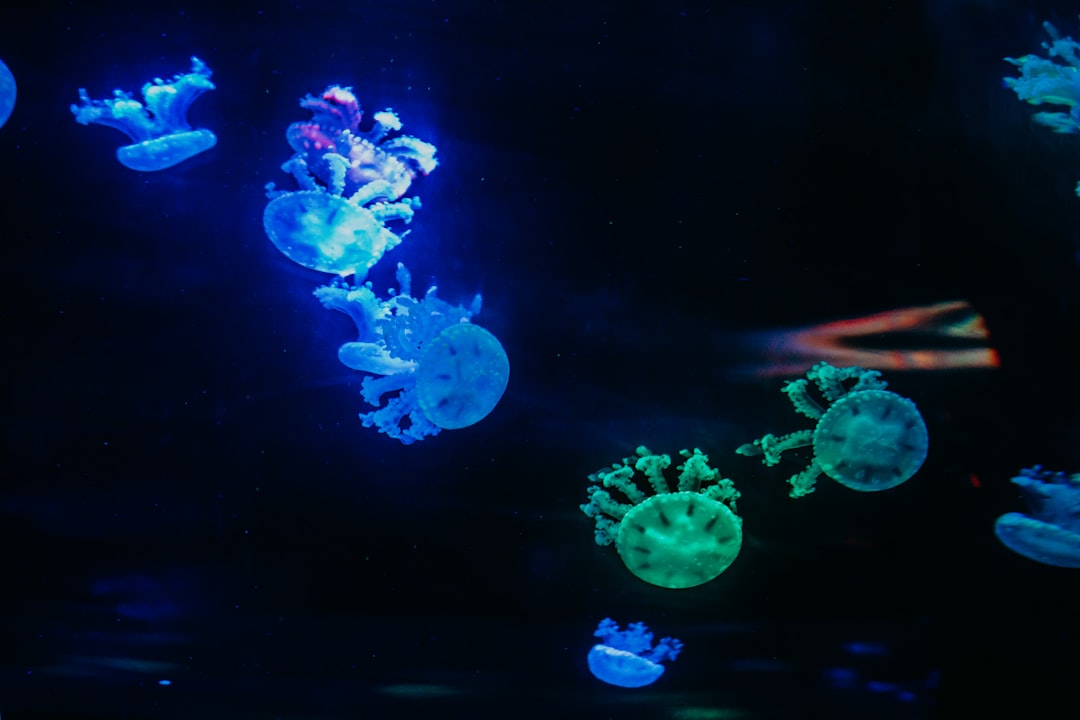
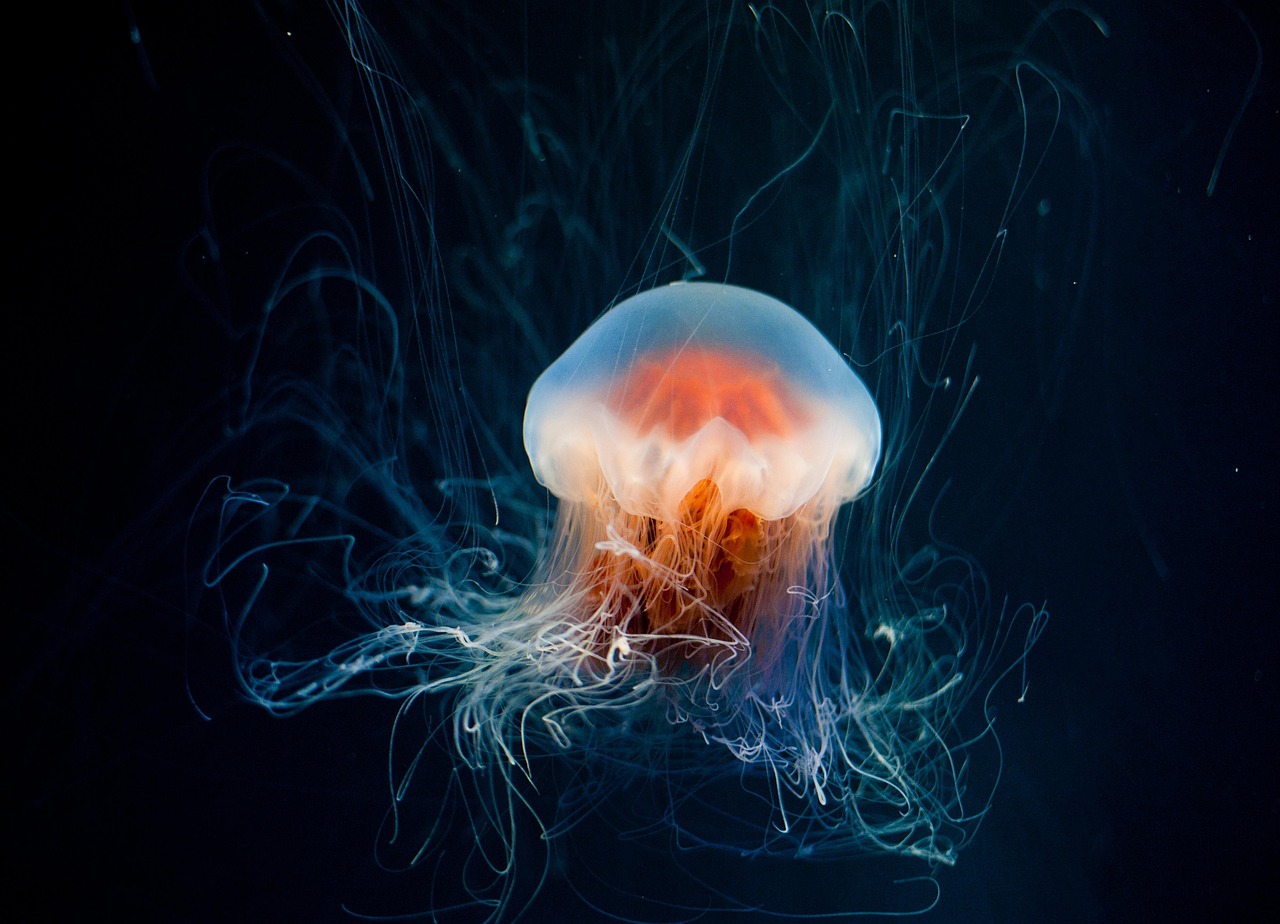
Scientists have successfully inserted firefly genes into bacteria, yeast, and even plants to create living light sources. These genetically modified organisms can produce their own light as long as they’re provided with the necessary nutrients. Some researchers have created glowing bacteria that can be cultured in bioreactors to provide continuous illumination.
The most ambitious projects involve creating self-sustaining ecosystems where bioluminescent organisms provide lighting while being fed by organic waste. These closed-loop systems could theoretically provide lighting for remote areas without access to electrical grids, using nothing but biological processes and renewable organic matter.
Challenges in Scaling Up Bio-Lighting
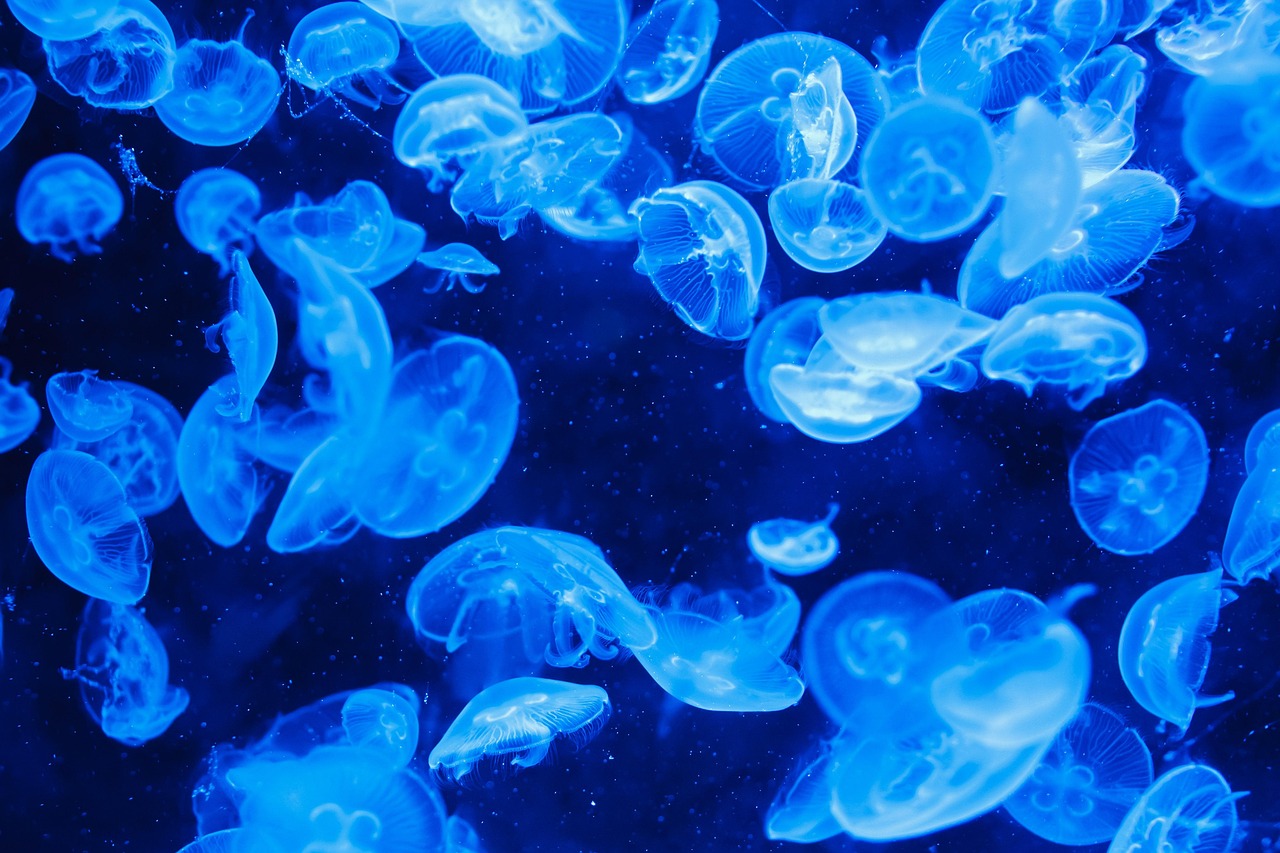
Despite the promising potential, several significant challenges prevent firefly-inspired lighting from becoming commercially viable. The primary issue is the stability and longevity of the bioluminescent reaction. In laboratory settings, artificial firefly light systems typically last only hours or days before the enzymes denature or the substrate is exhausted.
Additionally, the light output remains relatively dim compared to conventional lighting. While fireflies are perfect for their natural purposes – attracting mates and deterring predators – their light levels are insufficient for most human applications. Researchers are working on concentrating and amplifying the light through optical systems and increasing the density of light-producing reactions.
Applications Beyond Traditional Lighting

The potential applications for firefly-inspired bioluminescence extend far beyond replacing light bulbs. Medical researchers are exploring using bioluminescent markers for tracking diseases, monitoring organ function, and even creating internal lighting for surgical procedures. The gentle, non-toxic nature of biological light makes it ideal for medical applications.
Emergency lighting systems could benefit enormously from bio-luminescent technology. Imagine emergency exit signs that never need electrical power or battery replacement, powered instead by living organisms that can survive on minimal nutrients. Some companies are already developing prototypes for such applications.
Environmental Impact and Sustainability
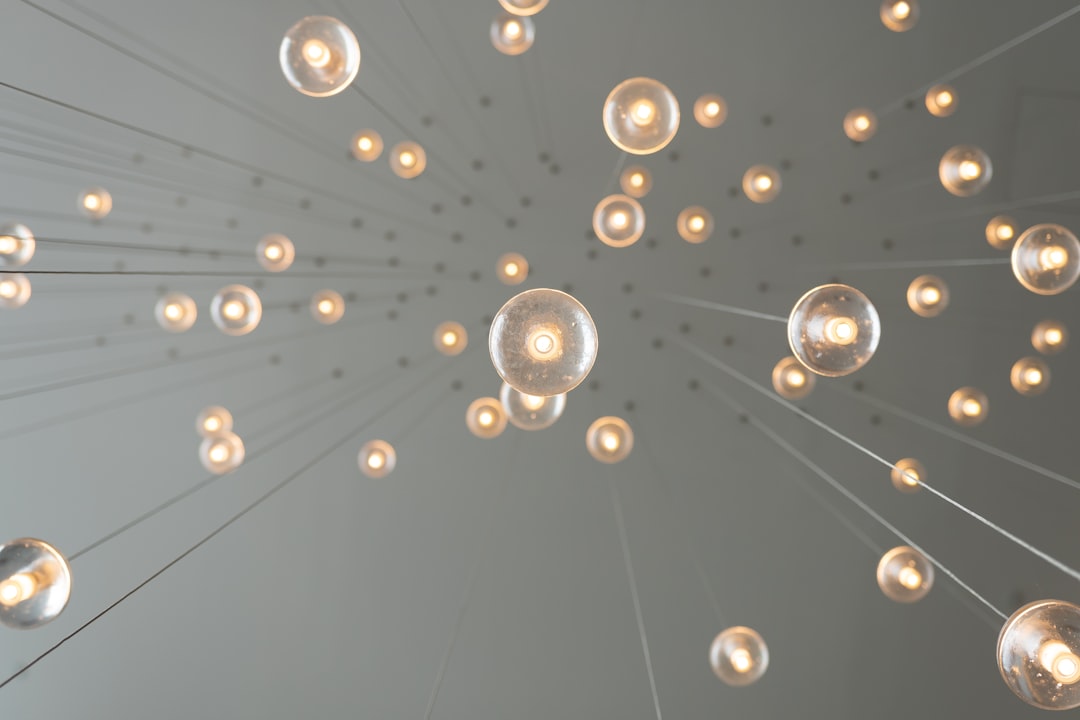
One of the most compelling arguments for firefly-inspired lighting is its potential environmental impact. Traditional lighting consumes approximately 15% of global electricity production, contributing significantly to carbon emissions. Biological lighting systems could theoretically operate with zero carbon footprint, using only renewable biological processes.
The production of LEDs and other conventional lighting technologies requires rare earth metals and energy-intensive manufacturing processes. Biological lighting systems could be grown rather than manufactured, using sustainable biological processes that actually consume carbon dioxide during production.
Current Research and Development Breakthroughs
Recent breakthroughs in synthetic biology have brought firefly-inspired lighting closer to reality. Researchers at several universities have created more stable versions of luciferase that maintain their activity for longer periods. Some teams have developed hybrid systems that combine biological light production with optical amplification technologies.
In 2024, a team at Stanford University successfully created a prototype bio-light that remained active for over 30 days, a significant improvement over previous attempts. They achieved this by engineering bacteria that continuously produce fresh luciferase enzymes, essentially creating a self-repairing biological light source.
Economic Feasibility and Market Potential
The economic viability of firefly-inspired lighting depends heavily on production costs and system longevity. Currently, the expense of producing and maintaining biological lighting systems far exceeds conventional alternatives. However, as biotechnology advances and production scales up, costs could decrease dramatically.
Some analysts predict that specialty applications – such as emergency lighting, decorative lighting, and medical devices – could provide early market opportunities. These niche applications can command premium prices while the technology matures and production costs decrease.
Integration with Smart Technology
Modern bio-lighting research is exploring integration with smart home and IoT technologies. Scientists are developing systems where bioluminescent intensity can be controlled through environmental factors like temperature, pH, and nutrient availability. This could allow for programmable biological lighting that responds to sensor inputs.
Some researchers envision biological lighting systems that automatically adjust based on circadian rhythms, weather conditions, or user preferences. The living nature of these systems could make them more responsive and adaptive than traditional electronic lighting controls.
Safety and Regulatory Considerations

Before firefly-inspired lighting becomes widespread, significant safety and regulatory hurdles must be addressed. Genetically modified organisms used in lighting systems would need approval from various regulatory agencies. Questions about containment, environmental release, and long-term ecological impacts need comprehensive answers.
The safety profile of biological lighting systems appears promising, as the components are generally non-toxic and biodegradable. However, extensive testing is required to ensure that modified organisms don’t pose risks to human health or environmental ecosystems.
The Future Landscape of Biological Illumination
Looking ahead, the convergence of synthetic biology, nanotechnology, and materials science could create revolutionary bio-lighting systems. Researchers are exploring hybrid approaches that combine biological light production with advanced materials to create more efficient and practical lighting solutions.
Some visionary scientists predict entire buildings could be constructed with bio-luminescent materials integrated into walls, ceilings, and structural elements. These living buildings would generate their own light while potentially providing other benefits like air purification and climate control through biological processes.
The journey from firefly fascination to practical bio-lighting represents one of the most intriguing intersections of biology and technology. While significant challenges remain, the potential for creating sustainable, efficient, and environmentally friendly lighting systems continues to drive innovation. Current research suggests that within the next decade, we may see the first commercial applications of firefly-inspired lighting in specialized markets. The dream of harnessing nature’s most efficient light source is no longer just science fiction – it’s becoming a tangible possibility that could illuminate our future in ways we never imagined. Will we soon be living in a world where our cities glow with the gentle light of engineered fireflies?