

Imagine a creature so resilient it can survive being frozen solid for months, only to wake up and continue its life as if nothing happened. This isn’t science fiction – it’s the extraordinary reality of certain insects that have mastered the art of surviving in some of Earth’s most extreme conditions. These remarkable creatures have evolved mechanisms that seem almost magical, allowing them to essentially pause their lives during winter’s harshest months and resume them when spring arrives.
The Incredible World of Freeze-Tolerant Insects
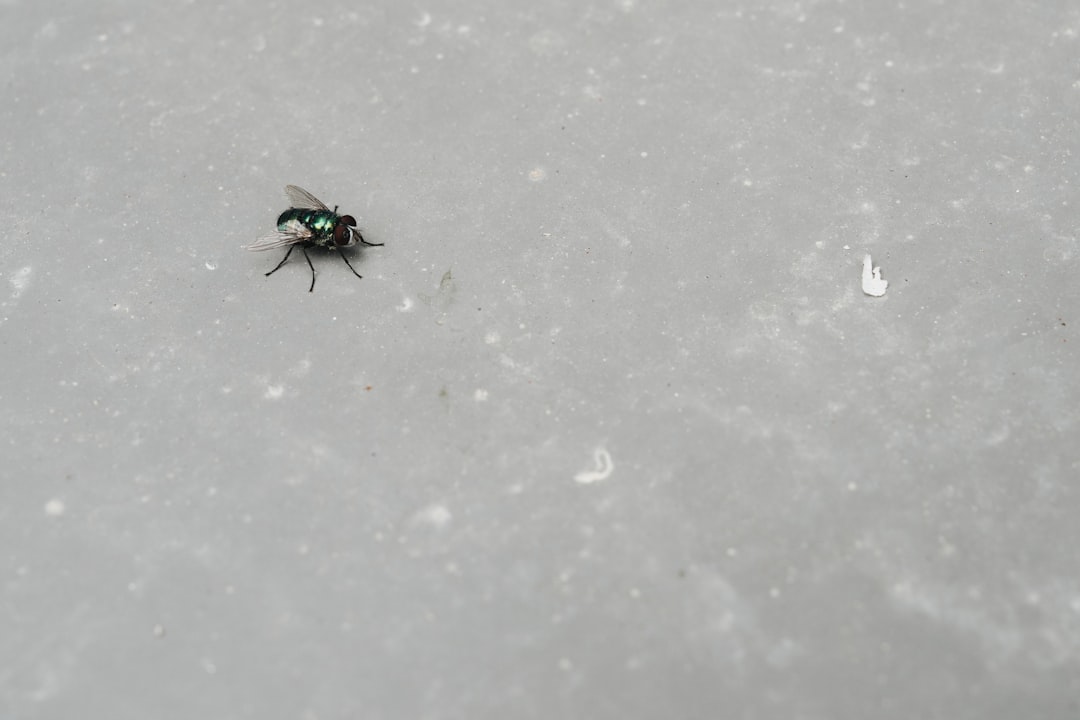
Nature has produced some truly astonishing survivors, but few are as remarkable as insects that can literally freeze solid and return to life. These creatures have developed biological superpowers that would make any superhero envious. Unlike most animals that would die if their body fluids turned to ice, these insects have evolved specialized mechanisms to survive complete freezing. The most famous of these ice-surviving insects include certain species of beetles, moths, and flies found in Arctic and sub-Arctic regions. These tiny warriors face temperatures that can plummet to -40°F or lower, conditions that would kill most living things within minutes. Yet they emerge each spring, ready to mate, feed, and continue their species’ incredible legacy.
Meet the Wooly Bear Caterpillar: The Ultimate Freeze Survivor
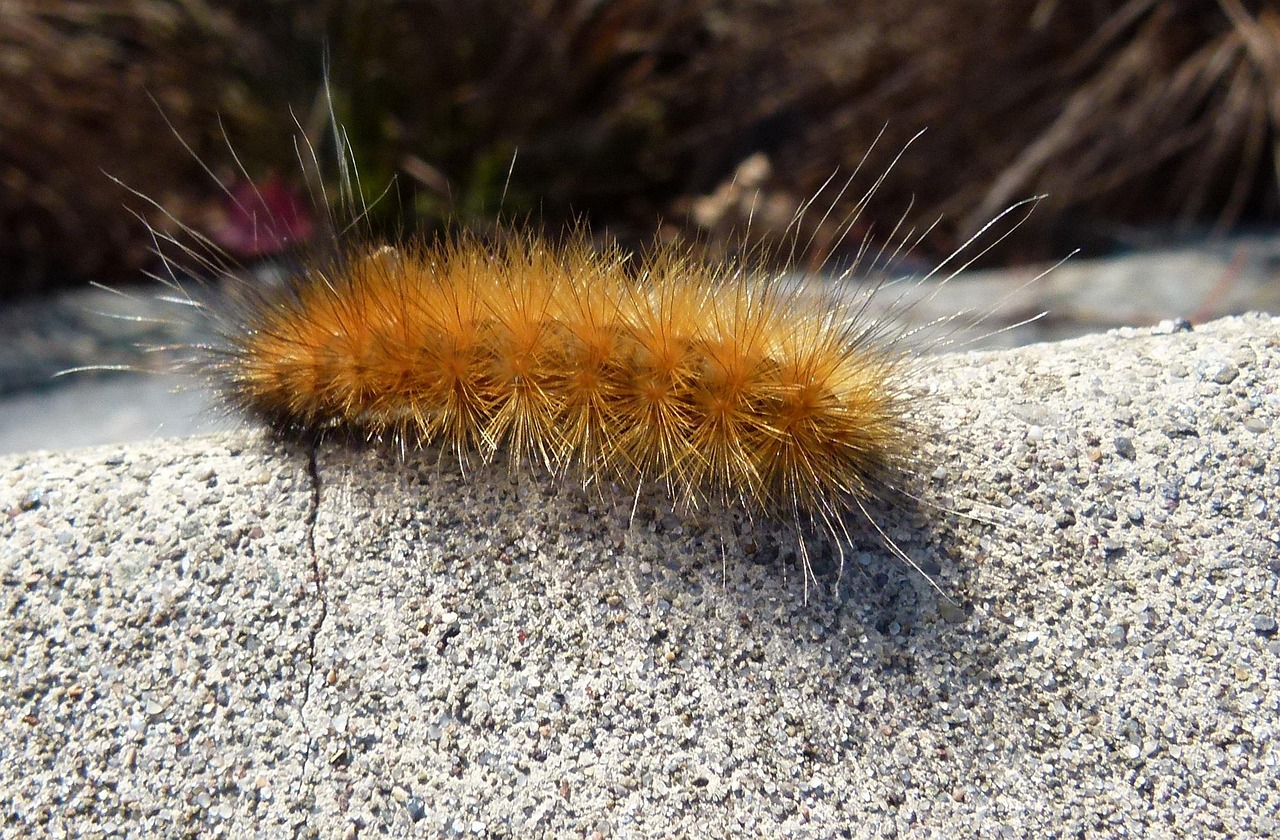
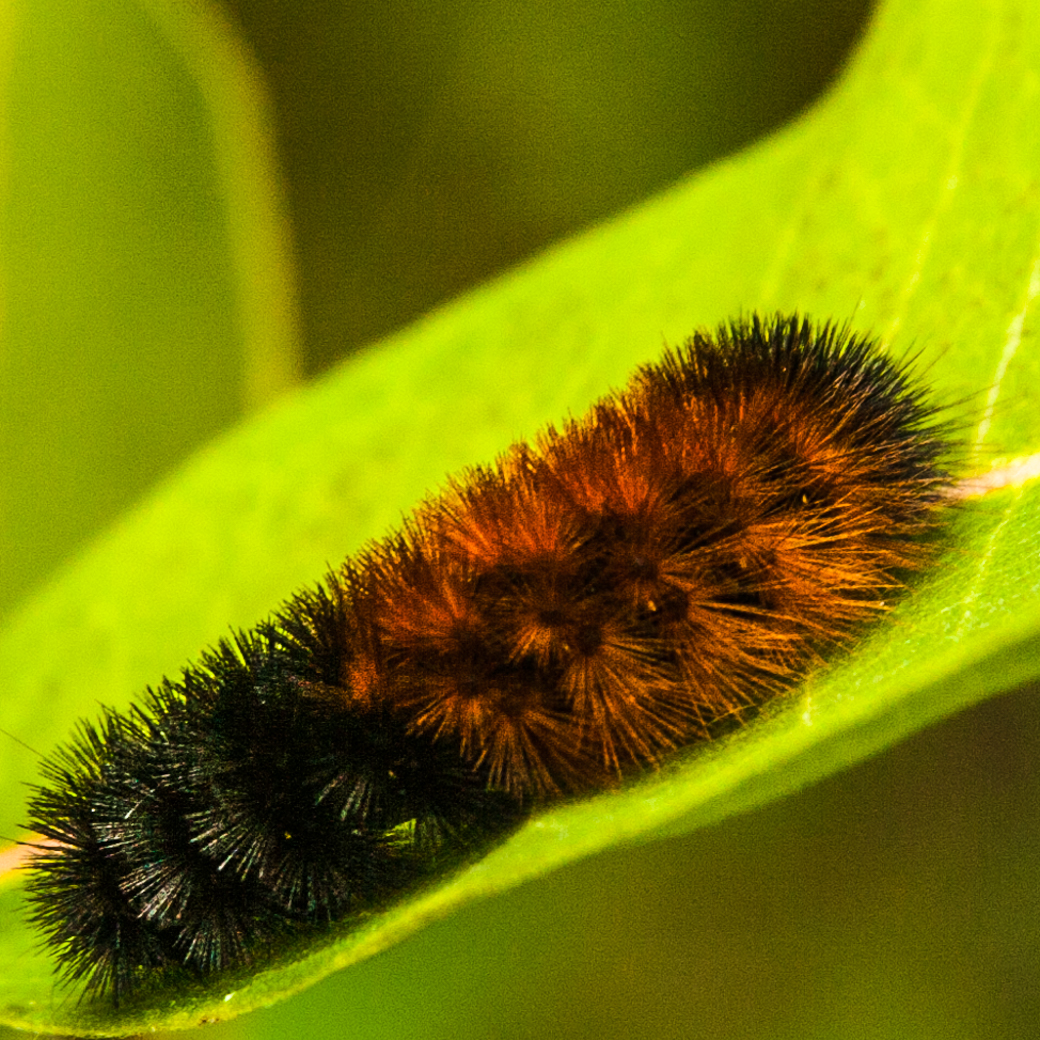
The Arctic wooly bear caterpillar stands as perhaps the most impressive example of freeze tolerance in the insect world. This fuzzy, brown caterpillar can survive being frozen solid for up to 10 months of the year. During the harshest Arctic winters, these caterpillars become essentially ice sculptures, with no detectable heartbeat or brain activity. What makes this even more incredible is that these caterpillars can repeat this process for up to 14 years before finally pupating into moths. Imagine living through 14 brutal winters, each time dying and coming back to life, all while slowly growing toward adulthood. It’s like having multiple lives in a single lifetime.
The Science Behind Surviving the Impossible
The secret to these insects’ survival lies in their ability to produce natural antifreeze compounds called cryoprotectants. These special chemicals work similarly to the antifreeze in your car, but they’re far more sophisticated. The most common cryoprotectant is glycerol, which can make up to 20% of the insect’s body weight during winter preparation. These compounds don’t just prevent freezing – they actually help the insects survive controlled freezing. The cryoprotectants ensure that ice crystals form in specific, less damaging ways, protecting vital organs and cellular structures. It’s like having a built-in preservation system that keeps everything intact until conditions improve.
The Autumn Preparation: Getting Ready for the Big Freeze
The transformation these insects undergo in preparation for winter is nothing short of remarkable. As temperatures begin to drop and daylight hours shorten, their bodies start producing massive amounts of cryoprotectants. This process is triggered by environmental cues that signal the approaching winter. During this preparation phase, the insects also purge their digestive systems of any food that could form damaging ice crystals. They essentially fast while their bodies undergo this incredible chemical transformation. Water content in their tissues is carefully regulated, and their metabolism slows to almost undetectable levels.
What Happens During the Frozen State
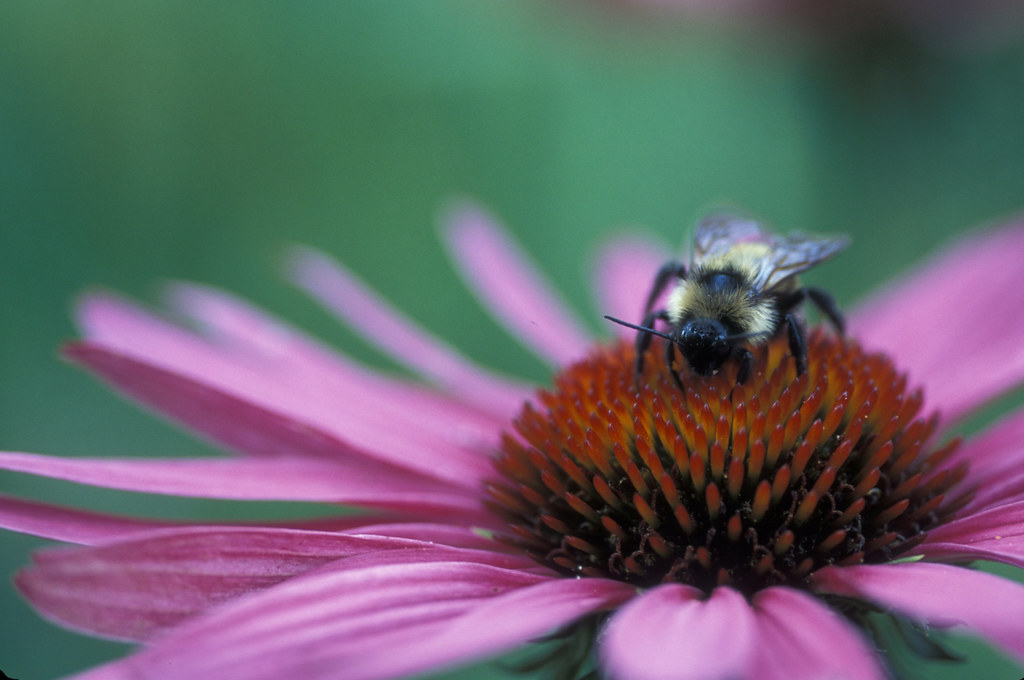
When fully frozen, these insects enter a state called cryptobiosis – a condition where life processes are completely suspended. Their hearts stop beating, their brains show no activity, and their bodies become solid as rocks. To any observer, they appear completely dead, yet somehow they maintain the spark of life within their frozen cells. During this frozen period, the insects experience no aging, no cellular damage, and no metabolic processes. Time essentially stops for them. They can remain in this state for months without any deterioration, waiting patiently for the return of warmer temperatures.
The Miraculous Spring Awakening
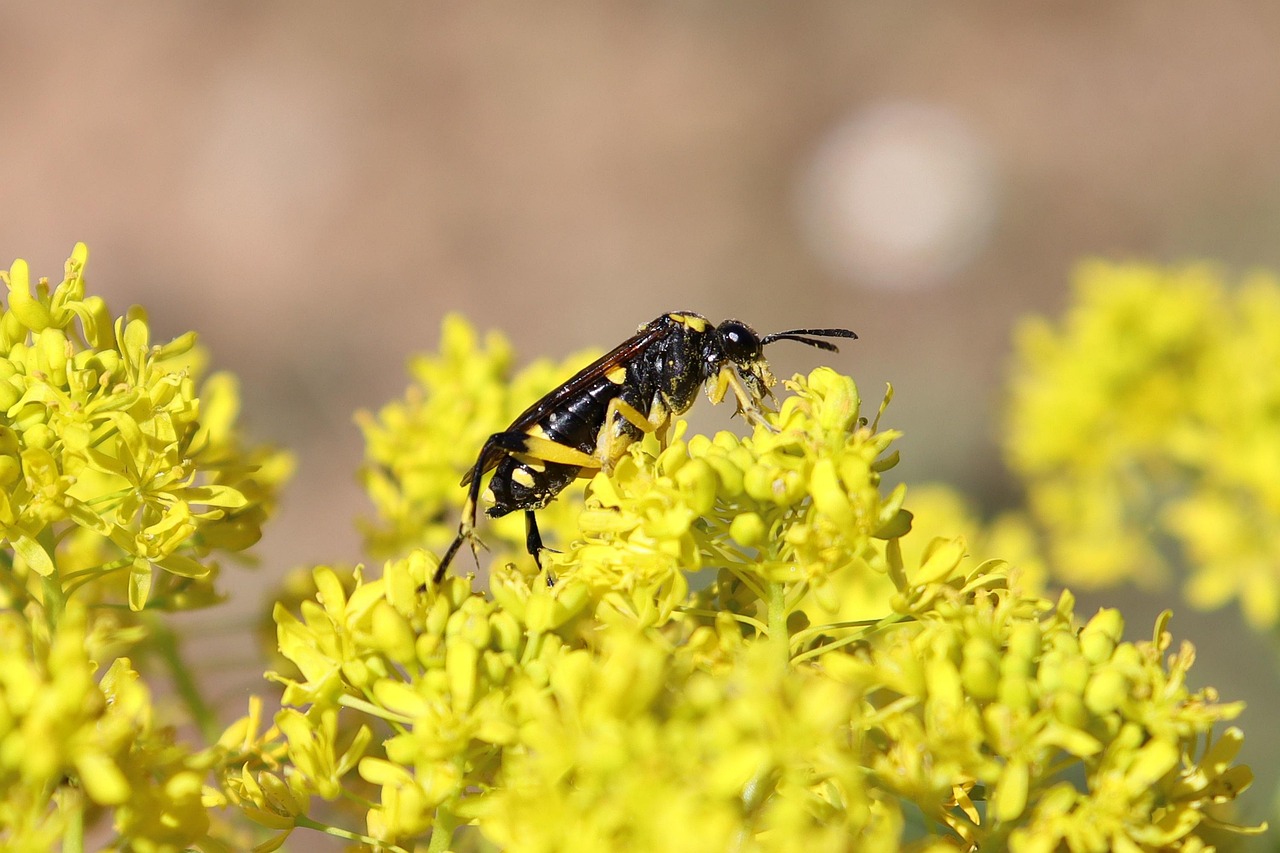
When spring temperatures gradually warm the frozen insects, an amazing resurrection occurs. The thawing process must happen slowly and carefully – too rapid warming could cause fatal cellular damage. As their bodies warm, the cryoprotectants begin to dissolve, and cellular processes slowly restart. The first signs of life are often subtle twitches or movements as nerve functions return. Within hours, these formerly frozen creatures are moving around, seeking food, and resuming their normal activities. It’s as if they simply woke up from a very long, very cold sleep.
Other Masters of Freeze Survival
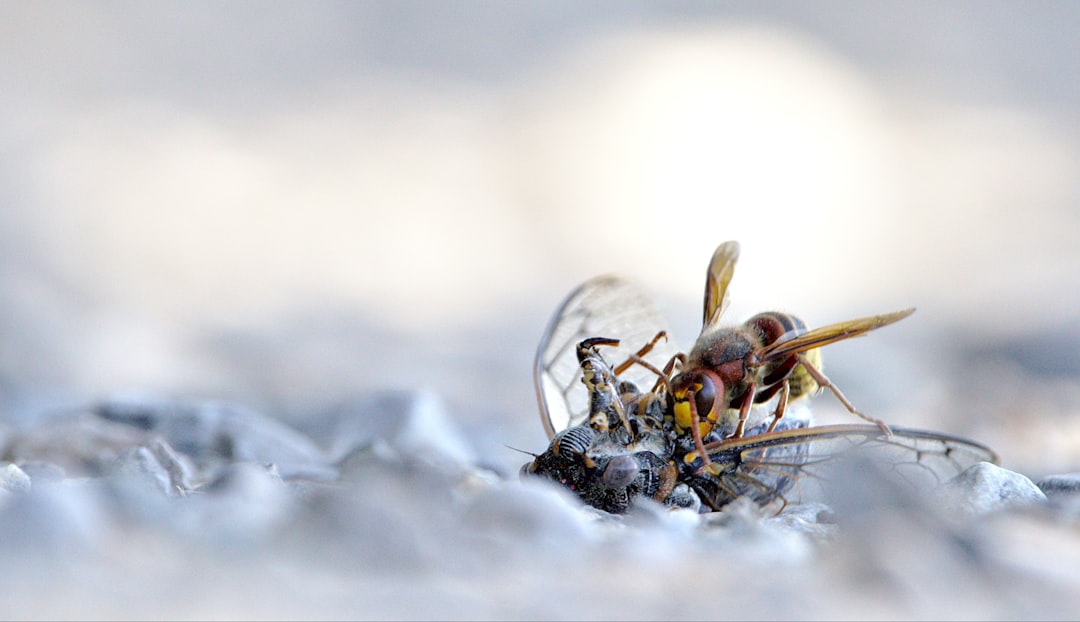
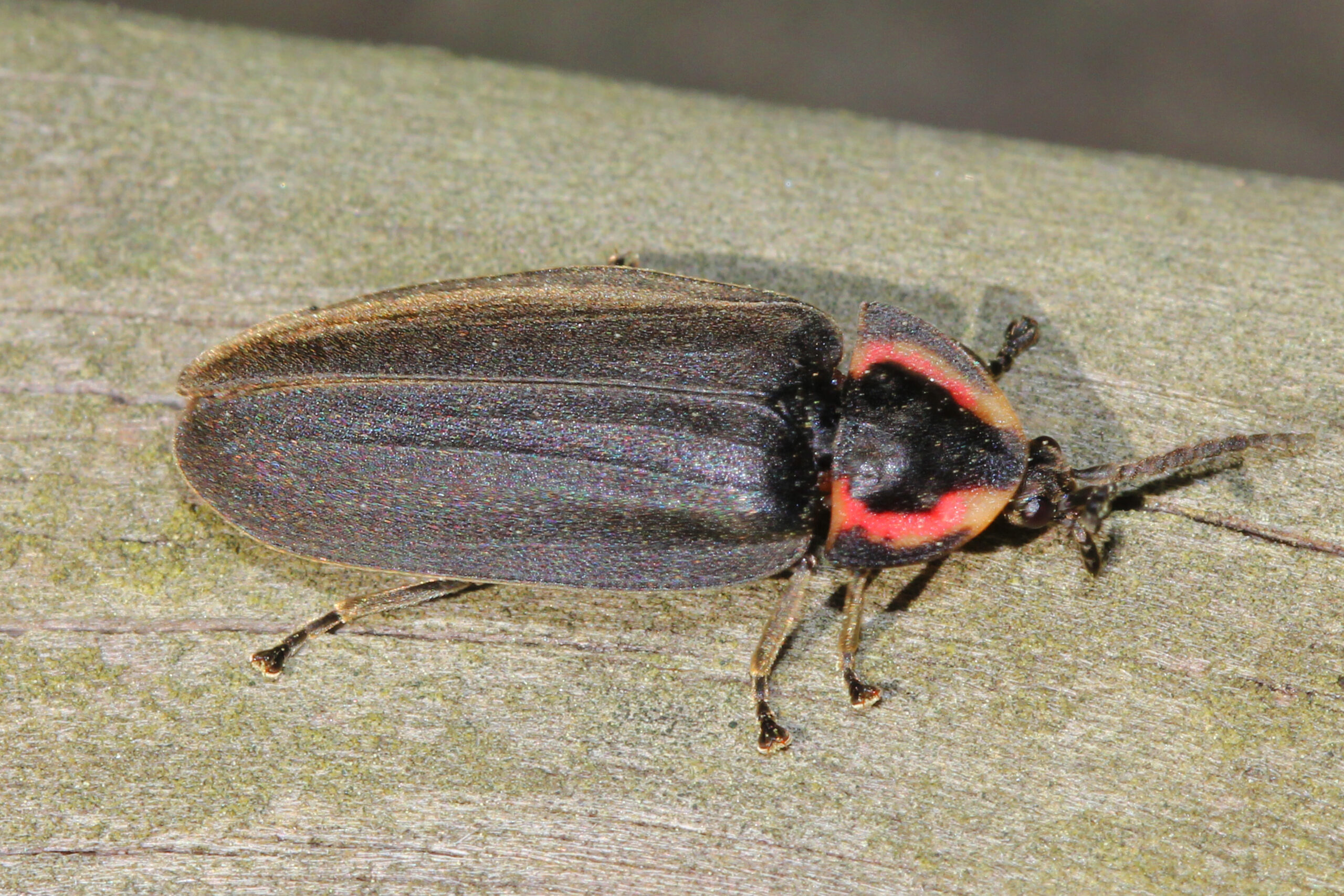
The wooly bear caterpillar isn’t alone in its freeze-surviving abilities. Several species of beetles, including the red flat bark beetle, can survive being frozen in wood for months. These beetles use similar cryoprotectant strategies but have adapted to their specific wooden habitats. Certain species of midges and flies have also mastered freeze tolerance, particularly those living in polar regions. Some Antarctic midges can survive being frozen in ice for years, emerging when conditions become favorable. Each species has developed its own unique approach to surviving the seemingly impossible.
The Role of Supercooling vs. Freeze Tolerance
Not all cold-surviving insects use the same strategy. Some insects employ supercooling, where they prevent ice formation entirely by keeping their body fluids liquid even below freezing temperatures. This is different from freeze tolerance, where the insects actually allow controlled freezing to occur. Supercooling insects produce nucleation inhibitors that prevent ice crystals from forming, while freeze-tolerant insects produce cryoprotectants that help them survive actual freezing. Both strategies are remarkable, but freeze tolerance is considered more extreme since it involves surviving actual cellular freezing.
Climate Change and Freeze-Tolerant Insects
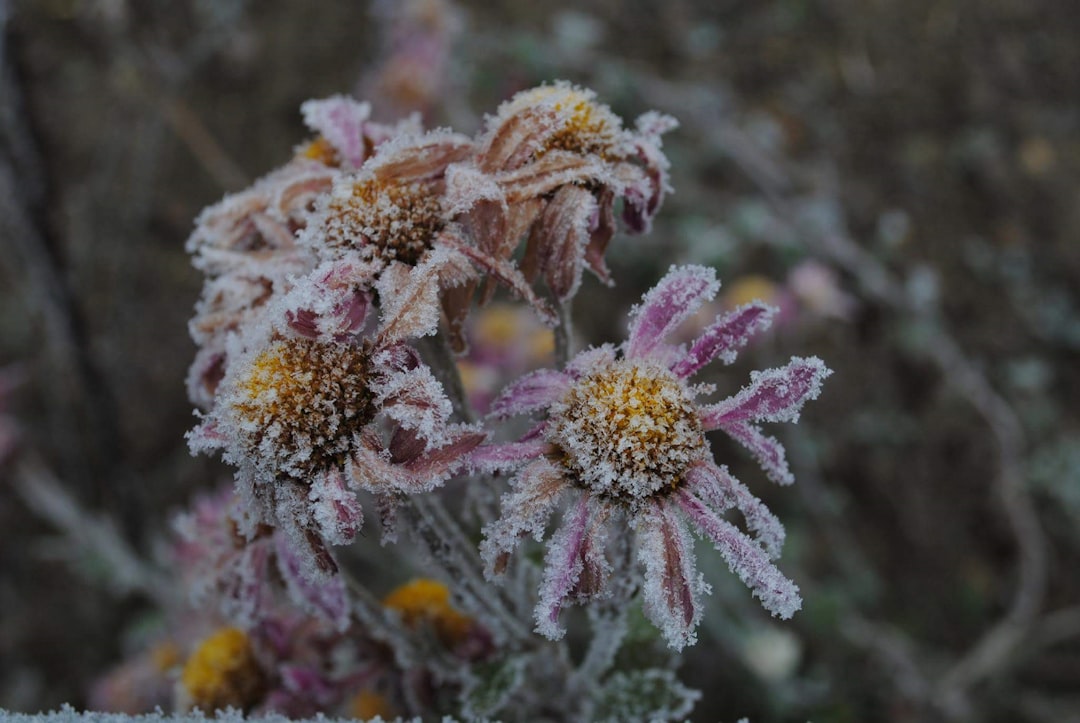
As global temperatures rise, these remarkable freeze-tolerant insects face new challenges. Their survival strategies are finely tuned to specific temperature patterns and seasonal changes. Warmer winters might sound beneficial, but they can actually disrupt the insects’ preparation cycles and metabolic processes. Some species may lose their freeze tolerance abilities if they don’t experience the proper environmental cues for cryoprotectant production. This could make them more vulnerable to sudden temperature drops or unseasonable weather patterns. The delicate balance they’ve evolved over millions of years is being tested by rapidly changing climate conditions.
Medical Applications and Human Benefits
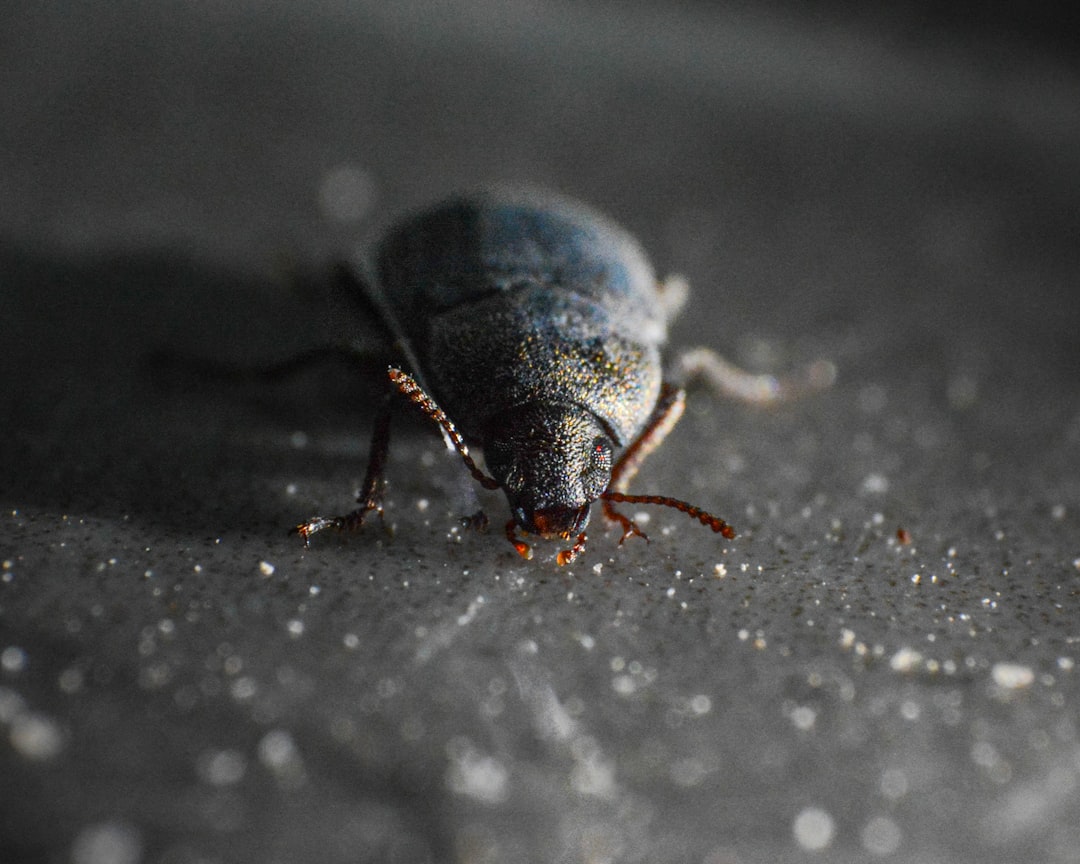
Scientists are intensively studying these freeze-tolerant insects for potential medical applications. Understanding how they preserve organs and tissues during freezing could revolutionize organ transplantation and medical preservation techniques. The cryoprotectants these insects produce might hold keys to better human medical treatments. Research into these insects has already contributed to improvements in cryogenic preservation of human tissues and organs. Their natural antifreeze compounds are being studied for potential use in extending the viability of organs awaiting transplantation. The medical implications of their survival strategies could benefit countless human lives.
The Evolutionary Marvel of Freeze Tolerance
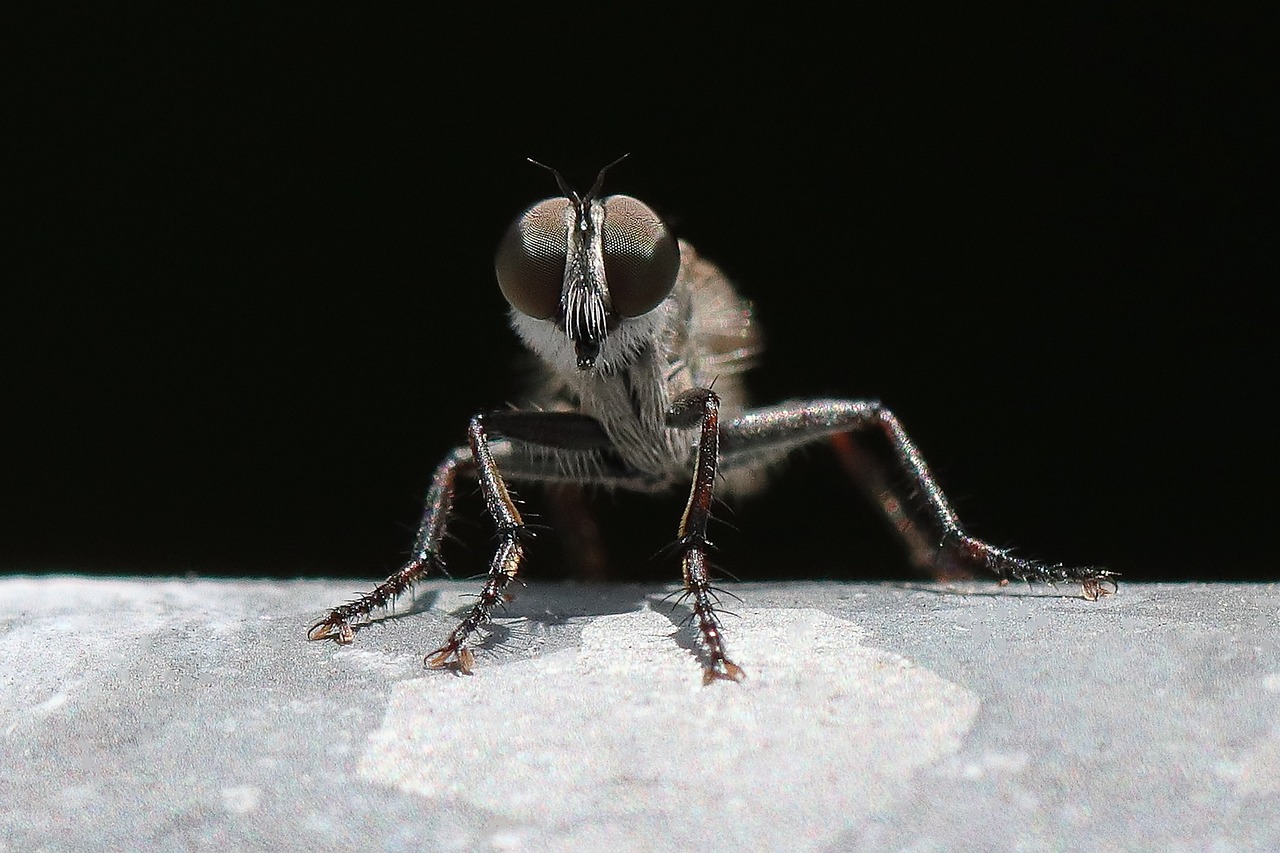
The evolution of freeze tolerance represents one of nature’s most impressive adaptations. These insects have overcome what should be an impossible biological challenge – surviving complete freezing of their body fluids. This ability didn’t develop overnight but evolved over millions of years through countless generations facing harsh winter conditions. The genetic mechanisms that control freeze tolerance are incredibly complex, involving multiple genes and regulatory pathways. Scientists are still discovering new aspects of how these insects achieve their remarkable survival abilities. Each new discovery reveals more about the incredible complexity of life’s adaptations to extreme environments.
Observing Freeze-Tolerant Insects in Nature
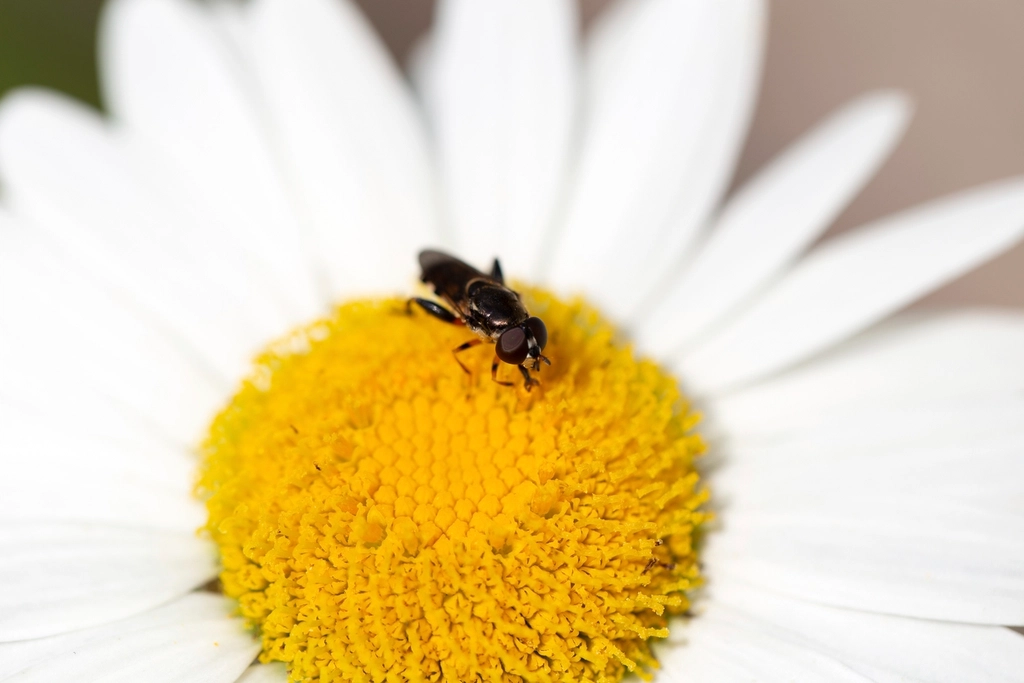
For nature enthusiasts wanting to observe these remarkable creatures, timing and location are crucial. Many freeze-tolerant insects are found in northern regions where harsh winters are common. The best time to observe them is during late spring and early summer when they’re active after their winter survival period. Arctic wooly bear caterpillars can sometimes be found in tundra regions, while freeze-tolerant beetles might be discovered under bark or in fallen logs. Remember that these insects are often slow-moving and may still be recovering from their frozen state, so observation should be done carefully and respectfully.
Conservation Concerns and Future Research
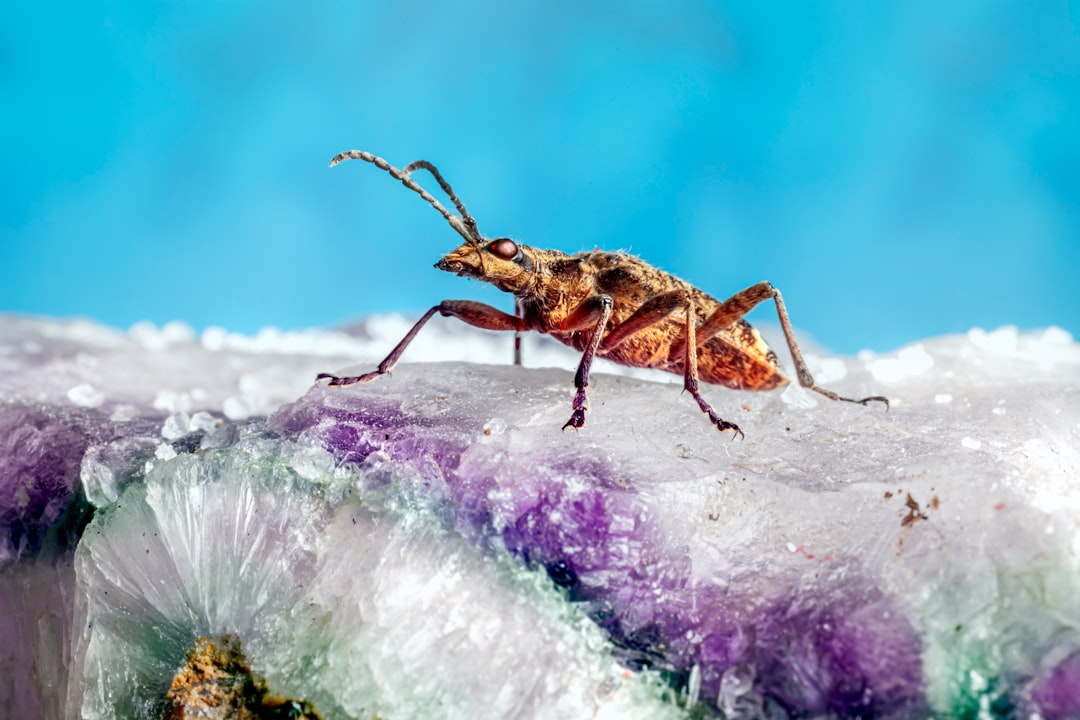
Many freeze-tolerant insects face threats from habitat loss and climate change. Their specialized survival strategies make them particularly vulnerable to environmental changes. Conservation efforts must consider not just their summer habitats but also their winter survival sites. Future research continues to uncover new species with freeze tolerance abilities and better understand the mechanisms involved. Scientists are also investigating whether these survival strategies could be applied to help other species adapt to changing climate conditions. The potential applications seem limitless as our understanding grows.
Conclusion

The insects that survive freezing solid and return to life each spring represent some of nature’s most extraordinary achievements. Their ability to essentially pause life itself challenges our understanding of what’s possible in the biological world. These tiny creatures have solved one of life’s greatest challenges – surviving conditions that would kill most other organisms. As we face our own environmental challenges, perhaps we can learn from these masters of survival. Their resilience, adaptation, and ability to endure seemingly impossible conditions offer both scientific insights and inspiration. The next time you see spring’s first insects emerging, remember that some of them have literally conquered death itself to be there. What other impossible survival strategies might nature have developed that we haven’t discovered yet?