

Picture this: you’re sipping your morning coffee when someone mentions that cockroaches produce milk. Your first reaction might be disgust, followed by disbelief. But hold onto your coffee cup because this isn’t science fiction — it’s one of nature’s most remarkable discoveries that’s turning everything we thought we knew about nutrition upside down.
Meet the Diploptera Punctata: Nature’s Unexpected Dairy Producer
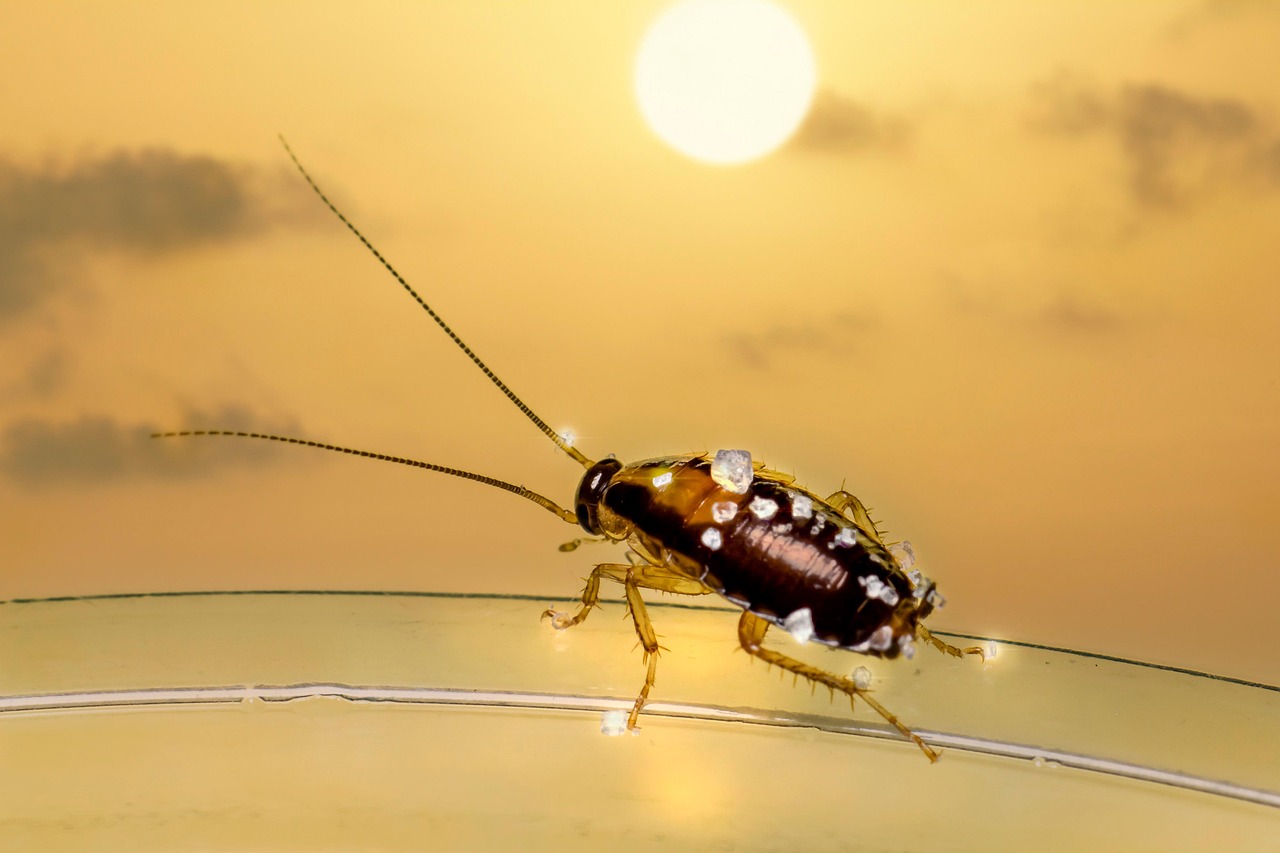
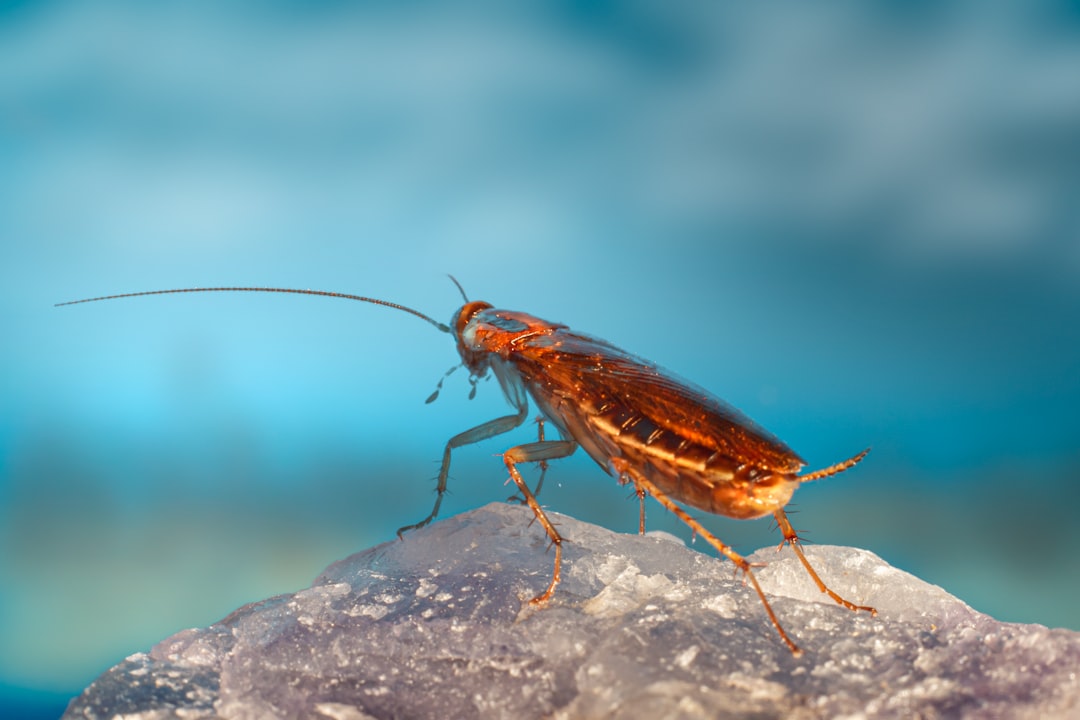
Deep in the tropical regions of Hawaii and other Pacific islands lives a peculiar creature that defies every assumption about its cockroach relatives. The Pacific beetle cockroach, scientifically known as Diploptera punctata, stands apart from its egg-laying cousins in the most extraordinary way possible.
Unlike the millions of cockroach species that scatter eggs and abandon their offspring, this remarkable insect gives birth to live young. But here’s where things get truly mind-blowing: the mothers don’t just birth their babies — they feed them a protein-rich substance that scientists have dubbed “cockroach milk.”
This discovery has sent shockwaves through the scientific community, challenging our fundamental understanding of insect biology and opening doors to revolutionary possibilities in nutrition science.
The Science Behind Cockroach Milk Production
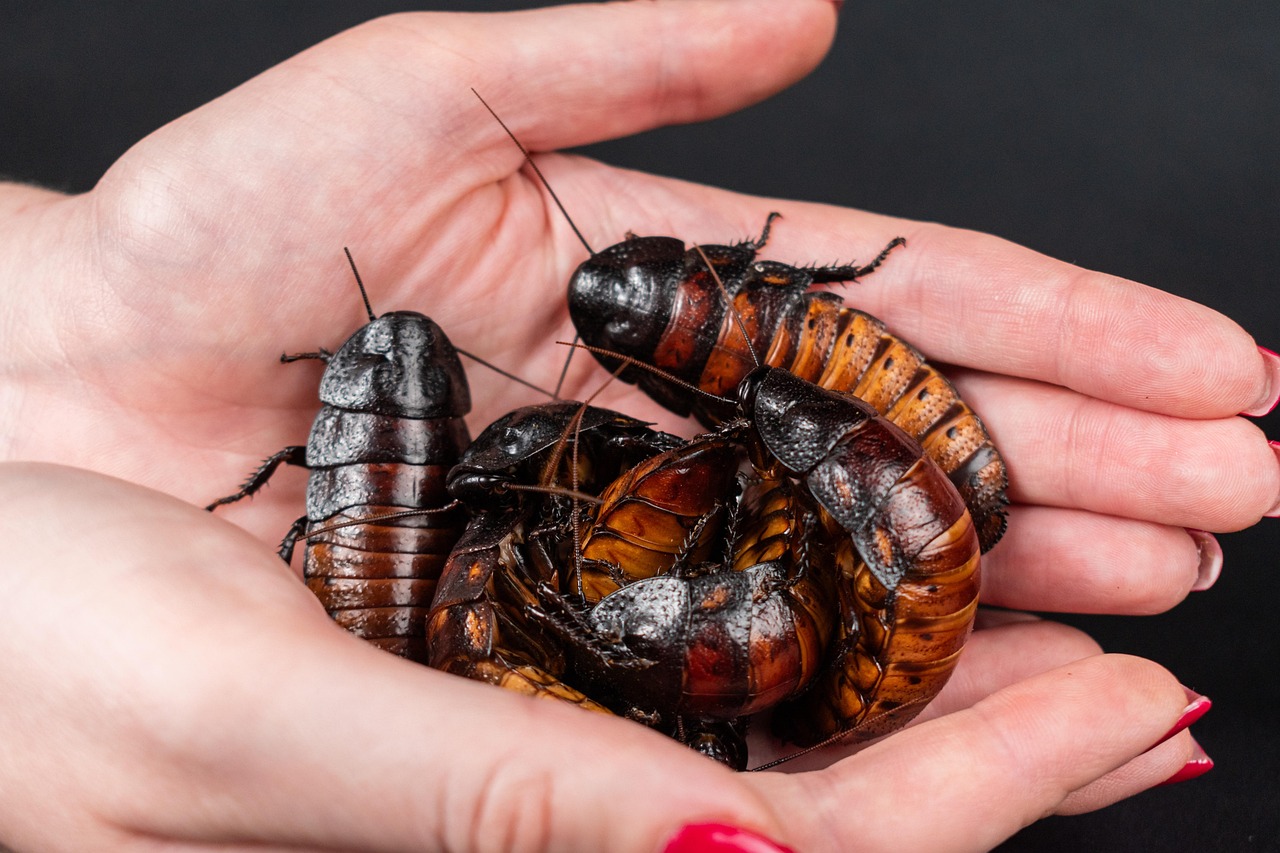
The mechanics of cockroach milk production read like something from a biology textbook that’s been rewritten by nature’s most creative author. Female Diploptera punctata develop specialized cells in their brood sac called trophocytes, which function similarly to mammary glands in mammals.
These remarkable cells produce crystalline structures packed with proteins, fats, and carbohydrates. The process begins when the developing embryos send chemical signals to their mother, essentially “ordering” their custom-made meals.
What makes this even more fascinating is that the milk isn’t liquid like mammalian milk. Instead, it forms protein crystals that dissolve in the offspring’s digestive system, providing sustained nutrition throughout their development.
Nutritional Powerhouse: Breaking Down the Superfood Claims
When researchers first analyzed cockroach milk under laboratory conditions, they couldn’t believe their instruments. The nutritional profile was so impressive that many scientists had to double-check their results multiple times.
A single cockroach milk crystal contains approximately four times more protein than cow’s milk by weight. To put this in perspective, if you could somehow extract enough cockroach milk to fill a glass, you’d be consuming the protein equivalent of four glasses of regular milk.
The amino acid profile is equally stunning, containing all nine essential amino acids that human bodies cannot produce on their own. This makes cockroach milk a complete protein source, rivaling quinoa and certain animal products in nutritional completeness.
The Fat Content That Has Scientists Buzzing
The fat composition of cockroach milk reads like a nutritionist’s dream ingredient list. Rich in unsaturated fats and containing beneficial fatty acids, this substance provides essential lipids that support brain function and cellular health.
Research has shown that the fat molecules in cockroach milk are structured in a way that makes them highly bioavailable. This means the body can efficiently absorb and utilize these nutrients, unlike some plant-based alternatives that require complex processing.
The energy density is remarkable too — cockroach milk contains three times more energy than buffalo milk, making it an incredibly efficient fuel source for growing organisms.
Carbohydrate Content: The Energy Component
Beyond proteins and fats, cockroach milk delivers a sophisticated carbohydrate profile that provides both immediate and sustained energy. The crystalline structure allows for gradual release of sugars, preventing the energy spikes and crashes associated with simple carbohydrates.
Scientists have identified unique oligosaccharides in cockroach milk that may support beneficial gut bacteria. These prebiotic compounds could potentially improve digestive health in ways that traditional dairy products cannot.
The carbohydrate content also includes rare sugars that are difficult to find in conventional food sources, adding another layer to its superfood credentials.
Laboratory Breakthroughs in Cockroach Milk Production
The challenge of studying cockroach milk initially seemed insurmountable — after all, you can’t exactly set up a cockroach dairy farm. However, innovative scientists at the Institute for Stem Cell Biology and Regenerative Medicine in India found a groundbreaking solution.
Researchers successfully isolated the genes responsible for milk protein production and inserted them into yeast cells. This genetic engineering approach allows scientists to produce cockroach milk proteins in laboratory settings without involving a single cockroach.
The process involves cultivating genetically modified yeast cultures that manufacture the same protein crystals found in natural cockroach milk. This breakthrough has opened the door to large-scale production and detailed nutritional analysis.
Comparing Cockroach Milk to Traditional Dairy
When placed side by side with cow’s milk, cockroach milk emerges as the clear nutritional winner in almost every category. The protein content alone is staggering — while cow’s milk contains about 3.4 grams of protein per 100 milliliters, the equivalent amount of cockroach milk would deliver over 13 grams.
The mineral content tells an equally impressive story. Cockroach milk contains higher concentrations of iron, zinc, and calcium than traditional dairy products. For individuals struggling with mineral deficiencies, this could represent a game-changing dietary supplement.
Perhaps most importantly for modern consumers, cockroach milk is naturally lactose-free, eliminating the digestive issues that plague millions of people worldwide who cannot properly process dairy products.
Environmental Impact: A Sustainable Protein Source

The environmental implications of cockroach milk production are staggering when compared to traditional livestock farming. Producing protein through laboratory-cultured yeast requires dramatically less water, land, and energy than maintaining cattle herds.
Consider this: producing one kilogram of beef protein requires approximately 25,000 liters of water, while laboratory production of cockroach milk proteins needs only a fraction of that amount. The carbon footprint is similarly reduced, as there are no methane-producing animals involved in the process.
For a world grappling with climate change and food security issues, cockroach milk represents a potential solution that could feed growing populations without destroying the planet.
Potential Health Benefits Beyond Basic Nutrition
Early research suggests that cockroach milk may offer health benefits that extend far beyond its impressive nutritional profile. The unique protein structures appear to have antimicrobial properties, potentially supporting immune system function.
Some studies indicate that certain compounds in cockroach milk might possess anti-inflammatory effects. While research is still in its infancy, these findings suggest possible applications in managing chronic inflammatory conditions.
The prebiotic oligosaccharides found in cockroach milk could revolutionize gut health approaches, potentially offering more effective solutions than current probiotic supplements.
Current Research and Future Applications
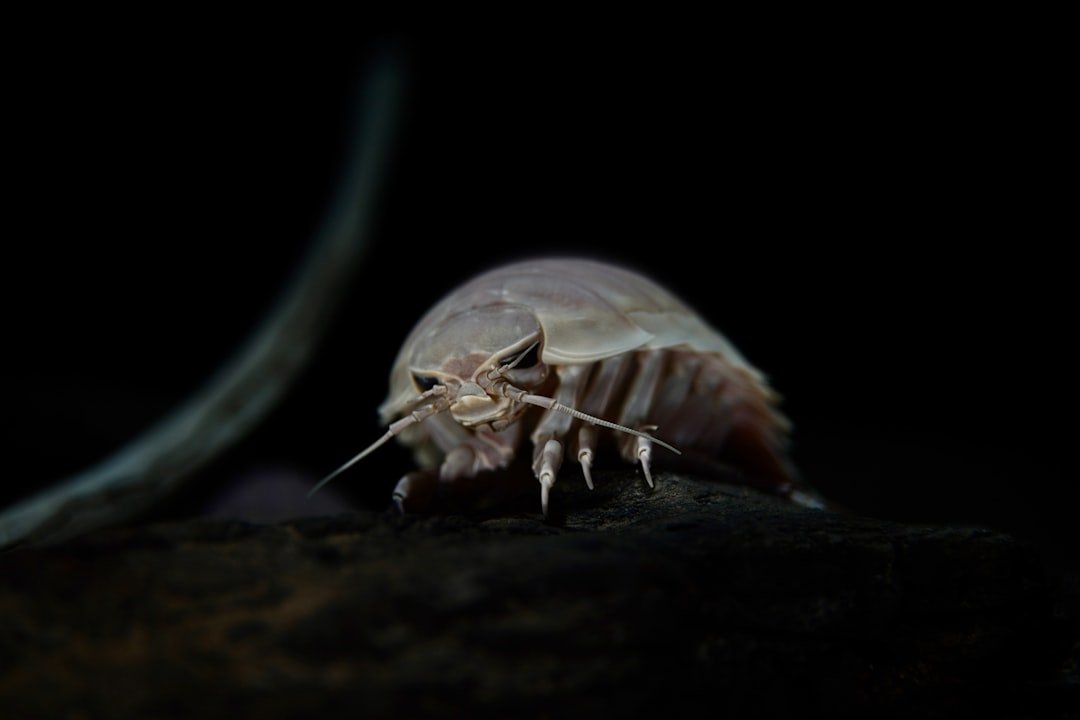
Research institutions worldwide are now investigating the potential applications of cockroach milk in various fields. Food scientists are exploring ways to incorporate cockroach milk proteins into familiar products like protein bars, smoothies, and even ice cream.
Medical researchers are particularly interested in the milk’s potential as a therapeutic nutrition source for malnourished individuals or patients with specific dietary requirements. The complete amino acid profile and high bioavailability make it an ideal candidate for clinical nutrition applications.
Agricultural scientists are studying whether similar milk production mechanisms exist in other insect species, potentially opening up entirely new categories of sustainable protein sources.
The Psychological Barrier: Overcoming the “Yuck Factor”

Despite its remarkable nutritional profile, cockroach milk faces its biggest challenge in the human psyche. The mere mention of cockroaches in connection with food triggers visceral reactions in most people, regardless of the scientific evidence supporting its benefits.
Food psychologists suggest that successful market introduction would require careful branding and education campaigns. Many point to the successful adoption of sushi in Western cultures as proof that food preferences can change when benefits are clearly communicated.
The laboratory production method actually eliminates any direct contact with cockroaches, meaning consumers would be ingesting yeast-produced proteins identical to those found in cockroach milk, but without any actual insect involvement.
Regulatory Challenges and Food Safety Considerations

Before cockroach milk products can reach consumer markets, they must navigate complex regulatory frameworks designed to ensure food safety. The novel nature of this protein source means that existing regulations don’t adequately address the unique considerations involved.
Food safety authorities are currently developing testing protocols and safety standards specifically for insect-derived and laboratory-produced proteins. These processes typically take several years and require extensive safety data.
International coordination will be essential, as different countries have varying approaches to novel food approvals. What’s approved in one nation may face entirely different requirements elsewhere.
Economic Implications of Cockroach Milk Production

The potential economic impact of cockroach milk production extends far beyond simple food manufacturing. Countries investing early in this technology could gain significant competitive advantages in the growing alternative protein market.
Production costs are expected to decrease dramatically as technology improves and scales up. Initial estimates suggest that once fully developed, cockroach milk proteins could be produced at costs competitive with traditional dairy products.
The technology could create entirely new industries and job categories, from specialized biotechnicians to quality control specialists focused on alternative protein sources. Rural communities could benefit from distributed production facilities that don’t require the land and water resources of traditional farming.
Cultural and Societal Perspectives on Insect-Based Foods
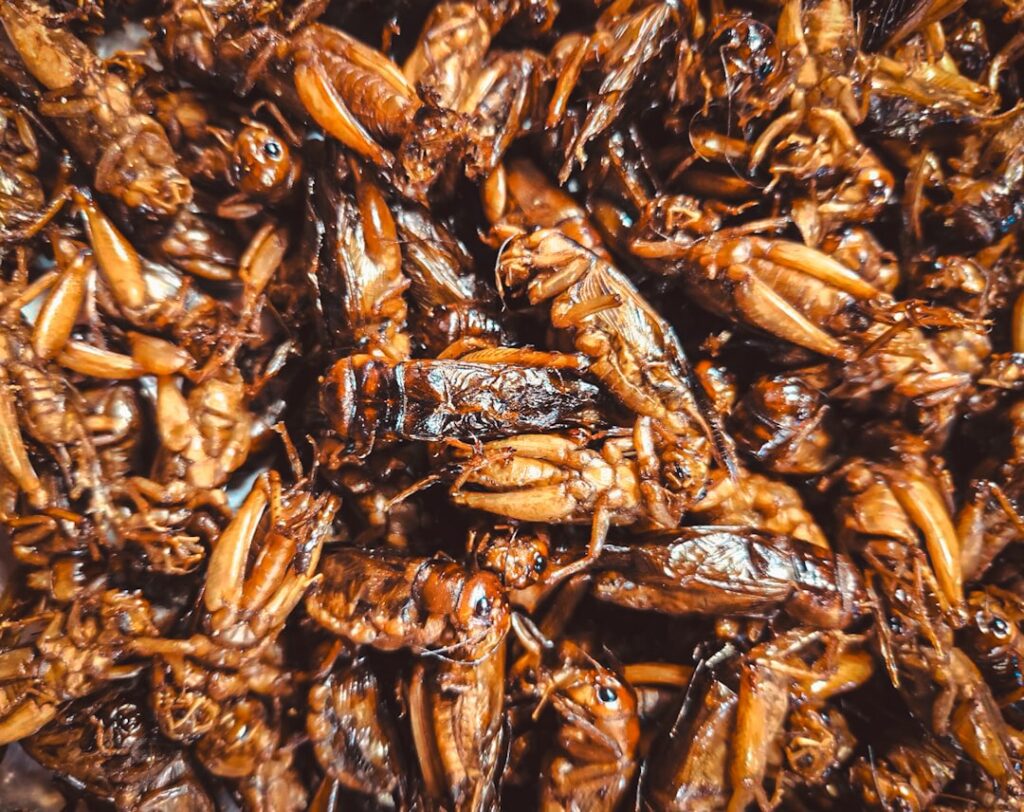
Acceptance of cockroach milk varies dramatically across different cultures and societies. Many Asian and African cultures already incorporate insects into their traditional diets, making the transition to insect-derived proteins potentially easier.
Western societies generally show more resistance to insect-based foods, though younger generations appear more open to alternative protein sources, especially when environmental benefits are emphasized. Social media and celebrity endorsements could play crucial roles in shifting public perception.
Religious and ethical considerations also come into play, with some groups questioning whether laboratory-produced proteins from insect genes align with their dietary restrictions and beliefs.
The Future of Alternative Protein Sources
Cockroach milk represents just the beginning of a revolution in alternative protein sources that could reshape global food systems. Scientists are investigating similar nutritional compounds in other insects, spiders, and even microscopic organisms.
The success of cockroach milk research has accelerated funding for related projects, creating a cascade effect of innovation in the alternative protein sector. Laboratory-grown meat, algae proteins, and fermented alternatives are all benefiting from increased investment and attention.
Within the next decade, consumers may have access to a diverse array of sustainable, nutritious protein sources that were unimaginable just a few years ago. The question isn’t whether these alternatives will become available, but rather how quickly society will embrace them.
The discovery of cockroach milk has fundamentally challenged our assumptions about nutrition, sustainability, and the future of food. This remarkable substance, with its superior protein content, complete amino acid profile, and minimal environmental impact, represents more than just a scientific curiosity — it’s a glimpse into a future where our protein sources are limited only by our imagination and willingness to embrace change.
As research continues and production methods improve, cockroach milk may well become as commonplace as soy milk or almond milk in our grocery stores. The transition won’t happen overnight, and it will require overcoming significant psychological and regulatory barriers, but the potential benefits are too substantial to ignore.
Whether we’re ready or not, the age of alternative proteins is here, and it’s being led by one of nature’s most misunderstood creatures. What does this say about our future relationship with the natural world?