
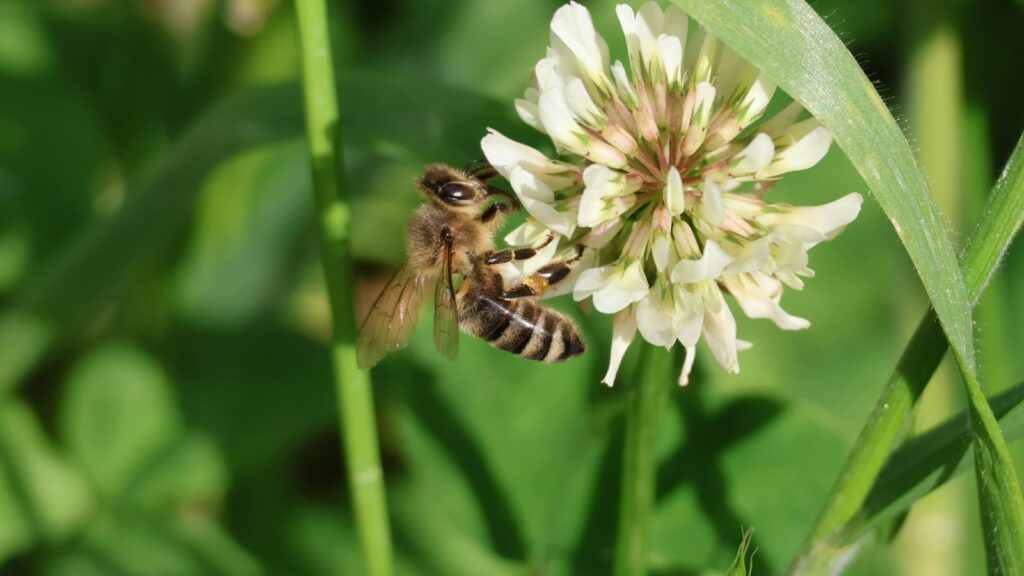
From the silver screen to comic book pages, fictional insects have buzzed their way into our hearts and minds for generations. These tiny creatures, often amplified to larger-than-life proportions in our imagination, have become cultural icons that transcend their original mediums. While real insects might make us reach for the bug spray, their fictional counterparts have entertained, taught, and sometimes terrified audiences worldwide. The world of animated and illustrated insects is far more diverse and influential than most people realize, spanning decades of storytelling and crossing every possible genre from horror to comedy to children’s entertainment.
The Ghost with the Most: Beetlejuice’s Striped Legacy
Check archived versions at web.archive/archive.is, Public domain, https://commons.wikimedia.org/w/index.php?curid=10393574)
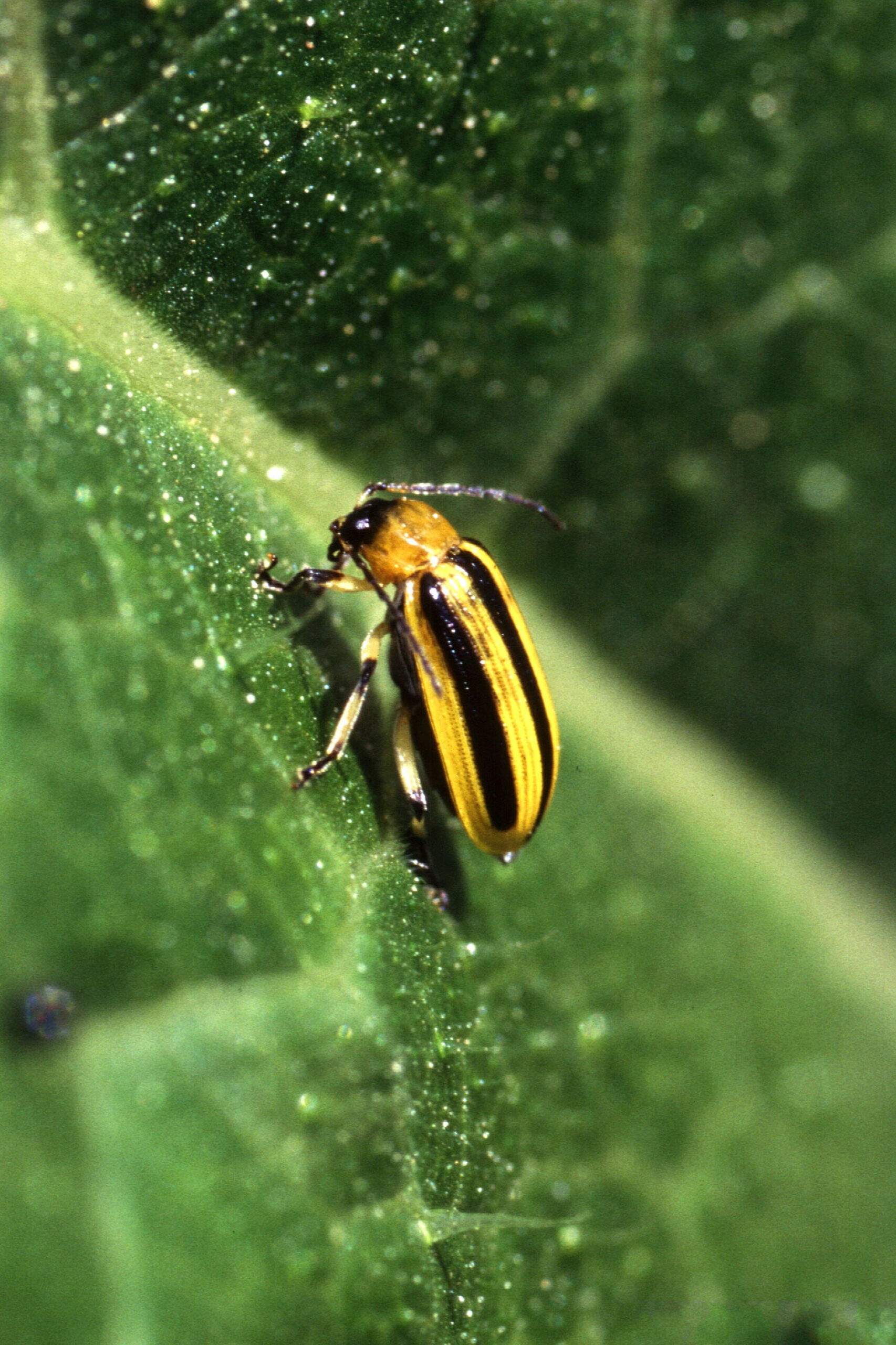
Tim Burton’s Beetlejuice isn’t technically an insect, but his distinctive black and white striped appearance has made him an honorary member of the beetle family in popular culture. The character’s name itself is a play on the star Betelgeuse, yet audiences immediately connect him with his insect-like qualities. His wild hair, erratic movements, and general creepy-crawly behavior embody everything people find unsettling about bugs.
The 1988 film created a character so memorable that he spawned an animated series, a Broadway musical, and a recent sequel in 2024. Burton’s design choices deliberately evoked the unsettling nature of certain beetles and other insects. The character’s ability to appear suddenly and cause chaos mirrors how real insects can surprise us in our homes.
What’s Up, Doc? Bugs Bunny’s Carrot-Crunching Confusion

Here’s where things get interesting – Bugs Bunny isn’t actually an insect at all, despite his name suggesting otherwise. This famous rabbit has confused generations of children who assumed “bugs” meant he belonged to the insect world. Created in 1940, Bugs Bunny became Warner Bros.’ most recognizable character, proving that sometimes the most memorable “insects” aren’t insects at all.
The confusion stems from the common use of “bug” as a general term for small creatures, when scientifically, true bugs belong to the order Hemiptera. Bugs Bunny’s name likely came from his creator Ben “Bugs” Hardaway, not from any insect connection. This misunderstanding actually highlights how deeply fictional creatures can embed themselves in our cultural consciousness, even when we’re not entirely sure what they are.
A Bug’s Life: Pixar’s Ant Colony Revolution
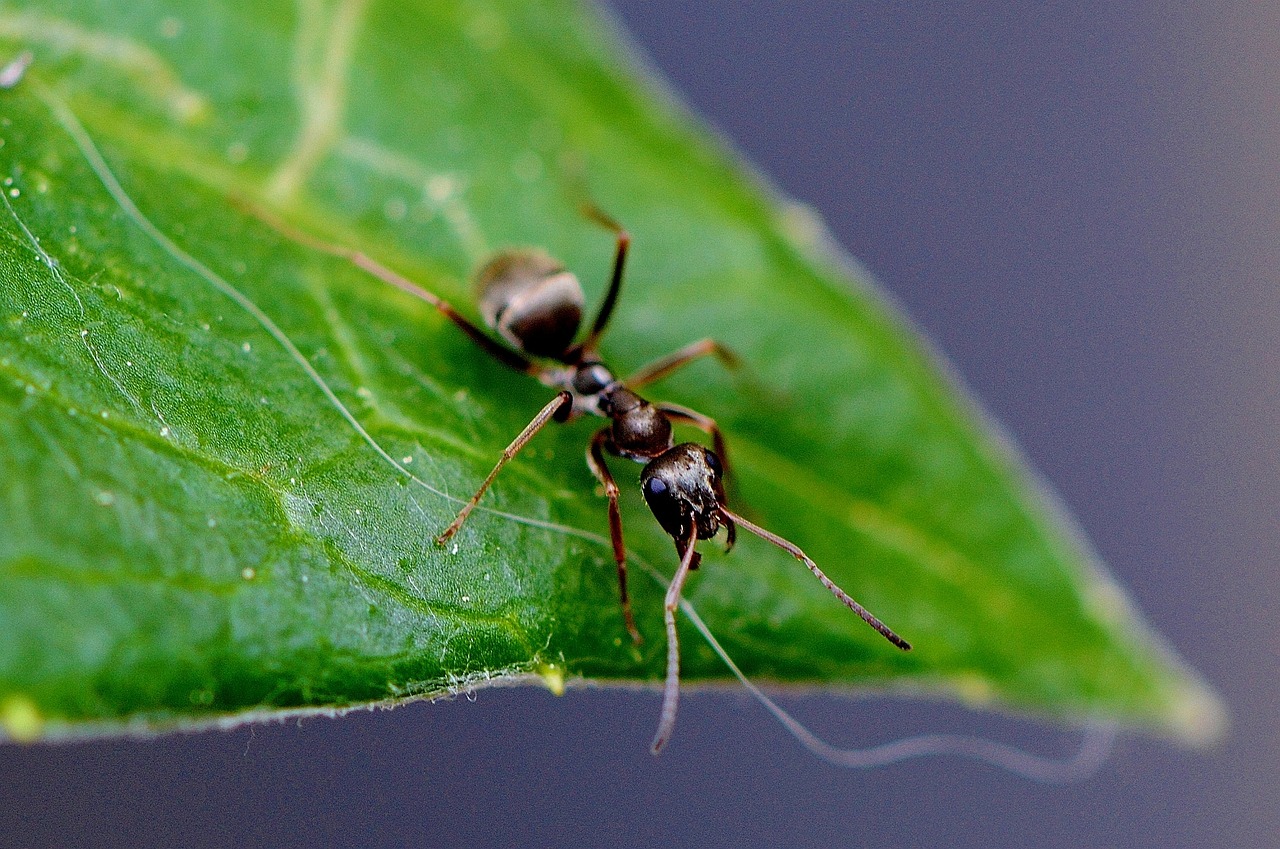
Disney-Pixar’s 1998 masterpiece “A Bug’s Life” introduced audiences to Flik, an inventive ant who challenges the established order of his colony. The film showcased the complex social structures of ant communities while delivering a story about individuality and courage. Flik’s character broke the mold of typical insect portrayals by making him relatable and heroic rather than creepy or comedic.
The movie’s technical achievements in animation were groundbreaking for their time, creating believable insect movements and environments. Each character was carefully designed to reflect real insect behavior while maintaining anthropomorphic appeal. The film’s success proved that audiences were ready for insects as leading characters, not just sidekicks or comic relief.
The Grasshopper’s Wisdom: Jiminy Cricket’s Moral Compass
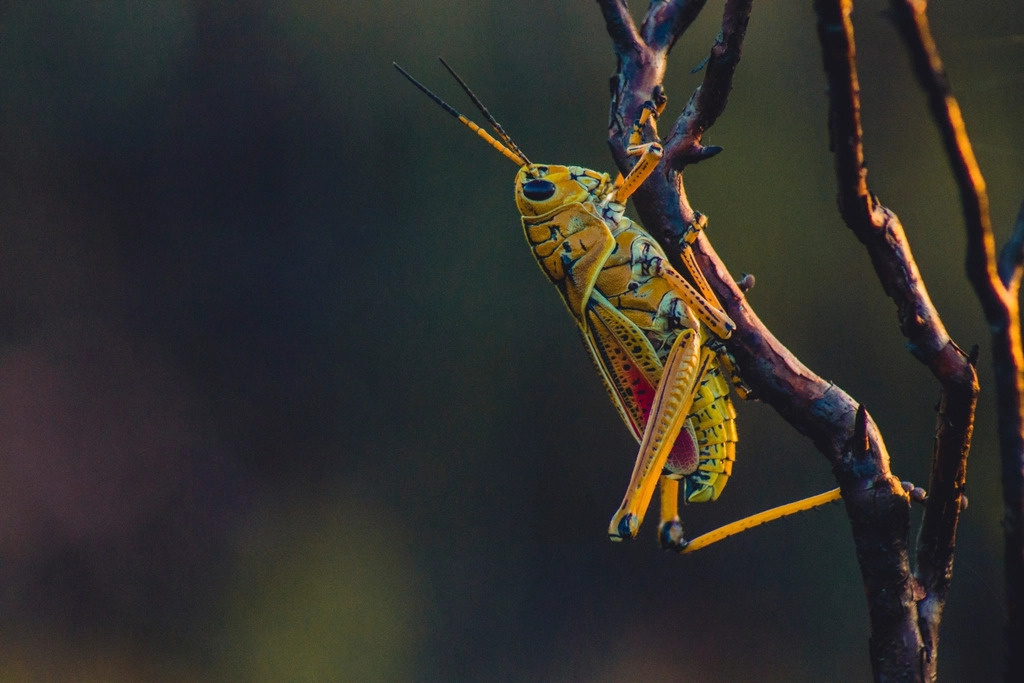
Walt Disney’s Jiminy Cricket first appeared in 1940’s “Pinocchio” as the wooden puppet’s conscience, though he’s actually based on a cricket, not a grasshopper. This tiny character became one of Disney’s most enduring symbols, representing the voice of moral guidance. His famous song “When You Wish Upon a Star” became Disney’s unofficial anthem, proving that even the smallest insect characters can carry the biggest messages.
Jiminy’s design was deliberately made more appealing than a real cricket, with human-like proportions and clothing that made him approachable to children. The character’s role as Pinocchio’s conscience established a template for wise insect mentors in storytelling. His impact extended far beyond the original film, appearing in countless Disney productions and becoming synonymous with making good choices.
Charlotte’s Web: The Spider Who Saved a Pig
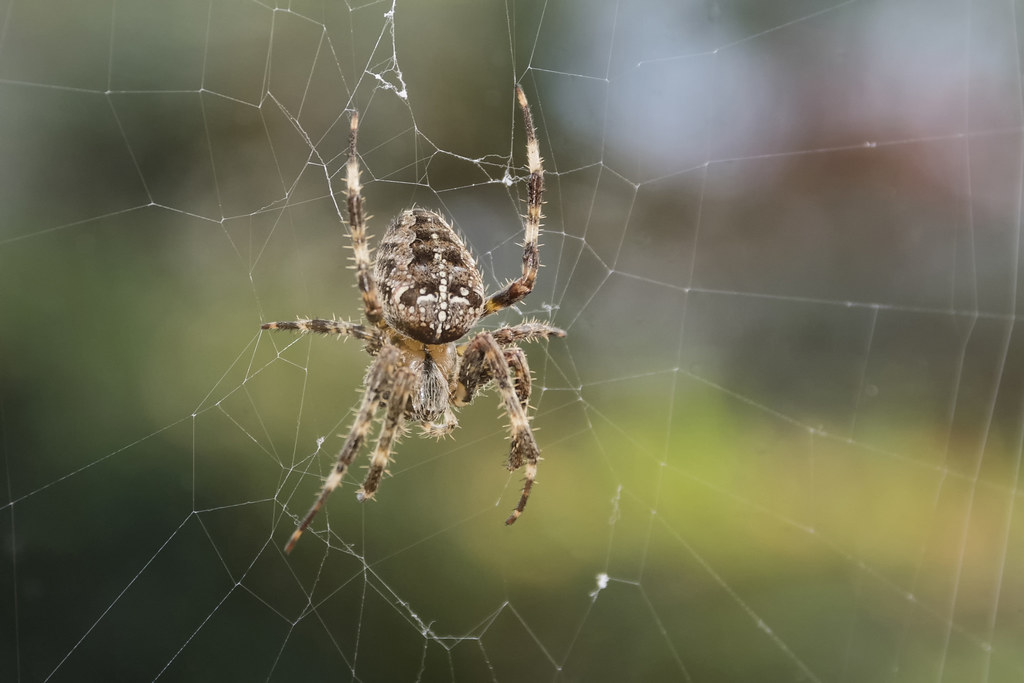
E.B. White’s Charlotte, while technically an arachnid rather than an insect, deserves recognition as one of literature’s most beloved eight-legged characters. Charlotte A. Cavatica, a barn spider, uses her web-spinning abilities to save Wilbur the pig from becoming bacon. Her intelligence, sacrifice, and maternal instincts challenged readers’ typical fears about spiders.
The 1973 animated adaptation and subsequent film versions brought Charlotte’s story to new generations, making her one of the most recognizable fictional arachnids in popular culture. Her character demonstrates how fictional creatures can completely transform our perceptions of their real-world counterparts. Many children who read Charlotte’s Web develop a lifelong appreciation for spiders rather than fear.
The Metamorphosis: Kafka’s Disturbing Transformation
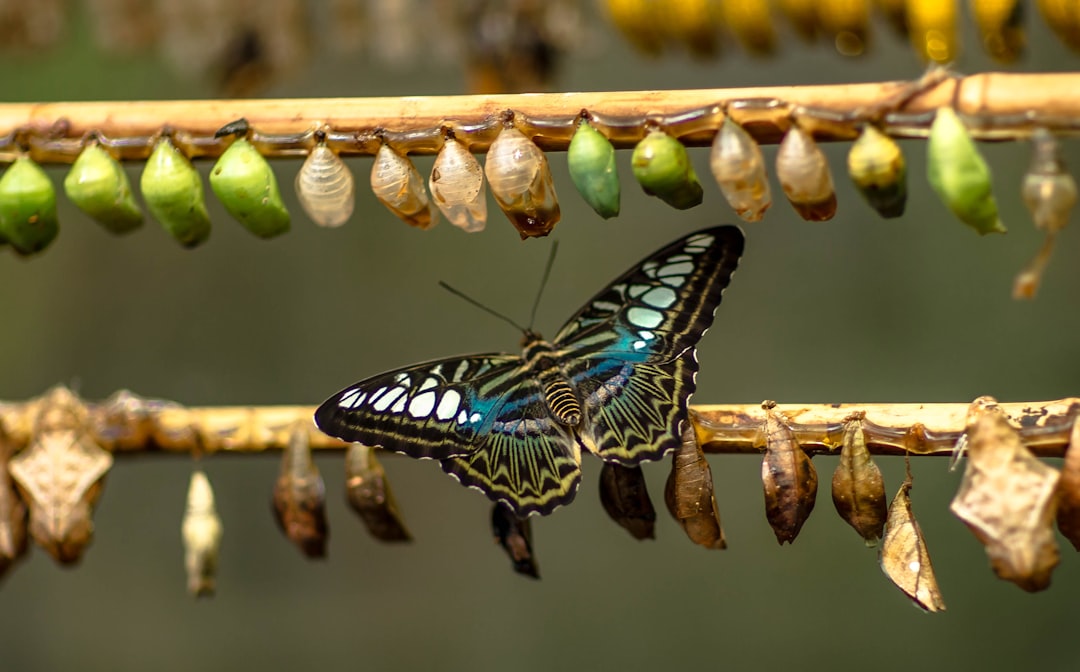
Franz Kafka’s “The Metamorphosis” presents perhaps literature’s most famous and disturbing insect transformation, where Gregor Samsa awakens to find himself changed into a giant beetle-like creature. This 1915 novella uses the insect form as a metaphor for alienation and dehumanization in modern society. The story’s psychological horror comes not from the transformation itself, but from how Gregor’s family treats him afterward.
Kafka never explicitly states what type of insect Gregor becomes, leaving readers to imagine their own version of this nightmare scenario. The ambiguity has led to countless interpretations and adaptations across different media. This work demonstrates how fictional insects can serve as powerful symbols for human experiences and societal critique.
Ants in Your Pants: The Ant and the Grasshopper Fable
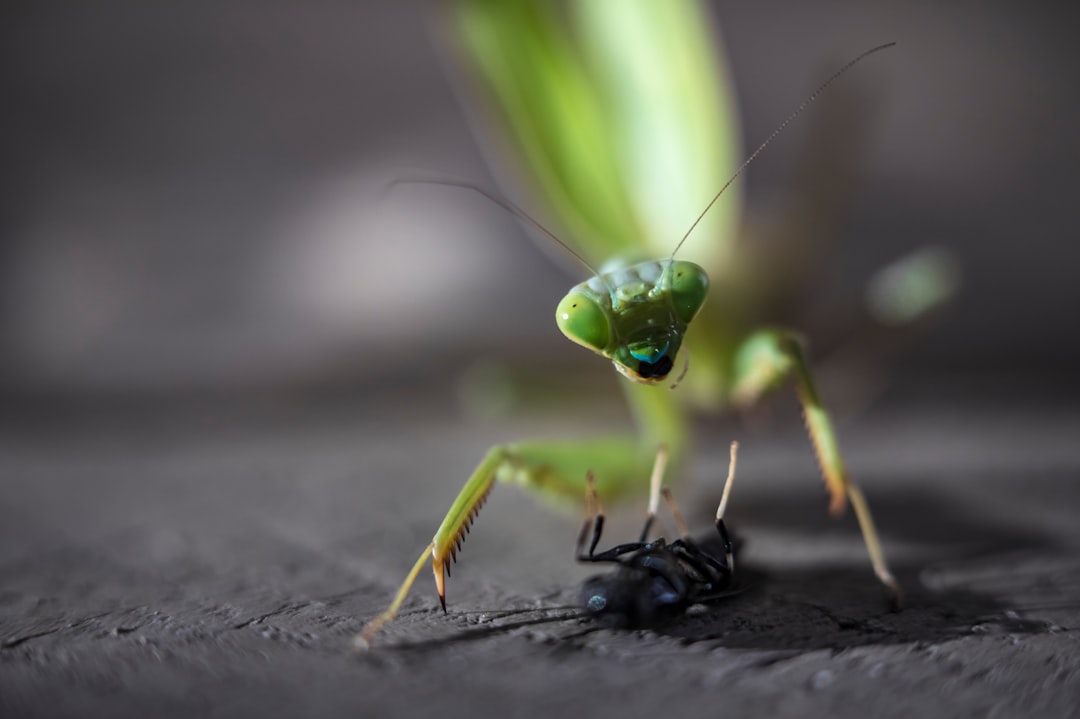
Aesop’s ancient fable of “The Ant and the Grasshopper” has created two of the most enduring insect archetypes in storytelling. The hardworking ant represents diligence and preparation, while the carefree grasshopper embodies the dangers of laziness and short-term thinking. These characters have influenced countless adaptations and retellings across cultures and centuries.
Disney’s 1934 animated short “The Grasshopper and the Ants” transformed this moral tale into colorful entertainment while maintaining its core message. The fable’s insects have become shorthand for different approaches to life and work. Modern versions often add complexity to these characters, showing that even moral lessons can evolve with changing times.
The Tick: Superhero Satire in Blue

Ben Edlund’s creation, The Tick, turns the typical superhero genre on its head with a nearly indestructible blue tick who fights crime with childlike enthusiasm and bizarre logic. First appearing in comics in 1986, The Tick spawned animated series, live-action shows, and a cult following that appreciates his absurdist humor. His battlecry “Spoon!” has become as iconic as any superhero catchphrase.
The character’s design emphasizes his tick-like qualities while making him oddly endearing rather than disgusting. His antennae, blue coloring, and massive build create a unique superhero aesthetic that stands out in a crowded field. The Tick proves that fictional insects can succeed in genres traditionally dominated by more conventional heroes.
Mothra: The Kaiju Queen of Moths

Japan’s Toho Studios created one of cinema’s most majestic fictional insects with Mothra, a giant moth who first appeared in 1961. Unlike many kaiju monsters, Mothra is typically portrayed as a benevolent protector, especially of her native Infant Island. Her striking appearance and peaceful nature made her unique among the giant monsters of Japanese cinema.
Mothra’s design incorporates real moth characteristics while scaling them up to building-destroying proportions. Her colorful wings, fuzzy body, and graceful flight patterns create a beautiful contrast to more aggressive kaiju like Godzilla. The character has appeared in numerous films and remains one of the most popular kaiju among fans worldwide.
The Very Hungry Caterpillar: Children’s Literary Icon
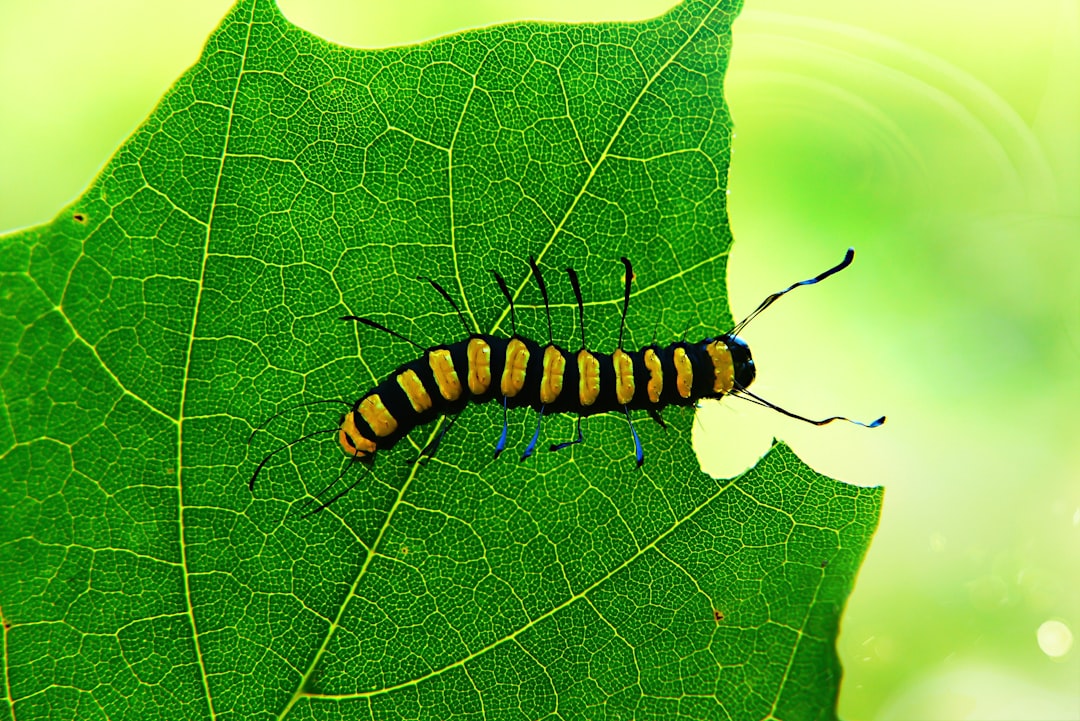
Eric Carle’s “The Very Hungry Caterpillar” has introduced millions of children to the concept of metamorphosis through its simple yet effective storytelling. Published in 1969, this picture book follows a caterpillar’s journey from egg to butterfly while teaching counting, days of the week, and healthy eating habits. The book’s distinctive collage art style and die-cut pages make it instantly recognizable.
The caterpillar’s transformation serves as a perfect metaphor for growth and change, making complex biological processes accessible to young readers. The book has been translated into dozens of languages and has sold over 50 million copies worldwide. Its success demonstrates how fictional insects can serve educational purposes while entertaining children.
Maya the Bee: European Animation Pioneer
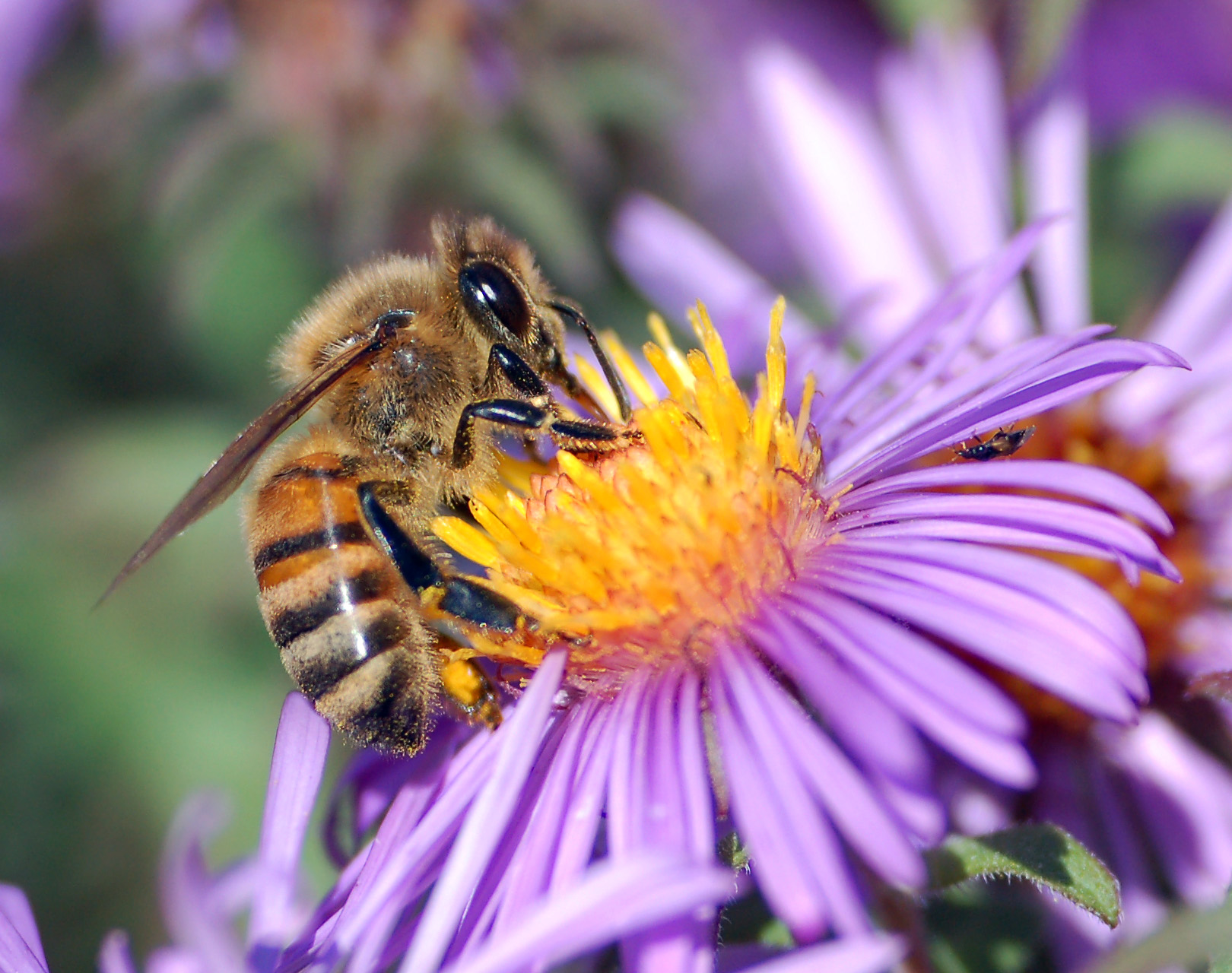
Created by German author Waldemar Bonsels in 1912, Maya the Bee became one of Europe’s most beloved animated characters through various TV adaptations. Maya’s curious nature and adventurous spirit challenged traditional portrayals of bees as merely industrious workers. Her character encourages exploration and learning while teaching about bee behavior and hive dynamics.
The various animated series featuring Maya have aired in dozens of countries, making her one of the most internationally recognized fictional insects. Her design balances realistic bee characteristics with appealing anthropomorphic features that make her relatable to children. Maya’s stories often incorporate real information about bee behavior and the importance of these insects to our ecosystem.
Ant-Man: Marvel’s Shrinking Superhero
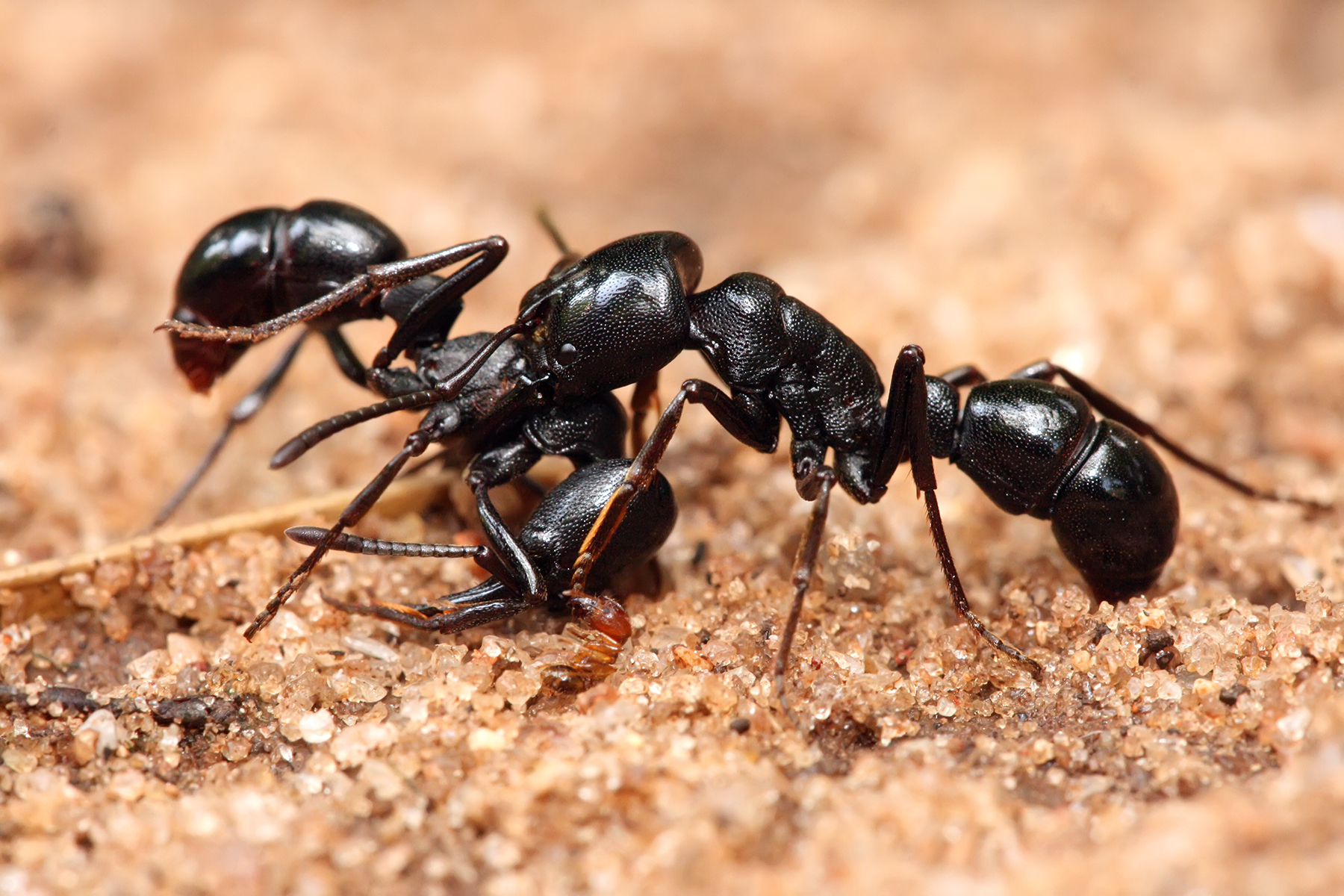
Marvel Comics’ Ant-Man represents a unique approach to insect-inspired superheroes, where the power comes from controlling size rather than insect-like abilities. Created in 1962, various characters have worn the Ant-Man mantle, most notably Dr. Hank Pym and Scott Lang. The character’s ability to shrink to ant size while retaining human strength creates interesting storytelling possibilities and action sequences.
The 2015 Marvel Cinematic Universe film brought Ant-Man to mainstream audiences, showcasing how shrinking powers could create both comedy and spectacular action scenes. The character’s relationship with actual ants, including his ability to communicate and ride them, adds an element of real insect behavior to the fantasy. Ant-Man proves that fictional insects don’t always need to be the main attraction – sometimes they can be powerful allies.
The Fly: Science Fiction Horror at Its Finest
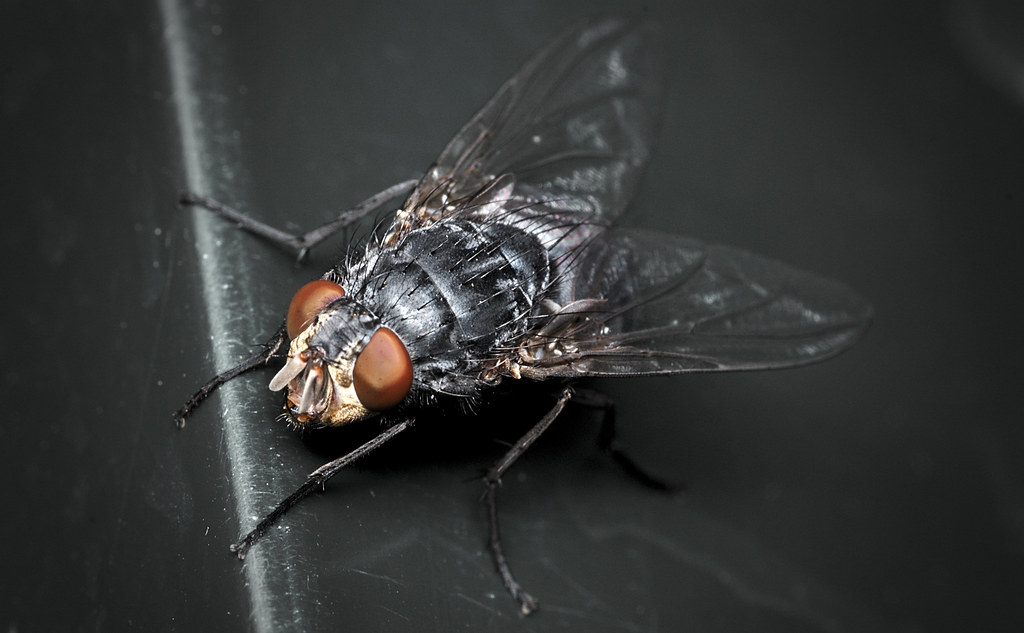
Both the 1958 original and David Cronenberg’s 1986 remake of “The Fly” created one of cinema’s most terrifying fictional insects through the story of scientist Seth Brundle’s gradual transformation. The films explore themes of scientific hubris, physical decay, and loss of humanity through the lens of human-fly hybridization. Cronenberg’s version, in particular, used groundbreaking special effects to create viscerally disturbing transformation sequences.
The Fly’s impact on popular culture extends beyond horror films, influencing discussions about genetic engineering and scientific ethics. The character of Brundlefly became an icon of body horror cinema, demonstrating how fictional insects can embody our deepest fears about loss of control and identity. These films prove that not all fictional insects are meant to be lovable – sometimes they’re meant to terrify us into contemplating deeper truths.
Bee Movie: Jerry Seinfeld’s Buzzing Comedy
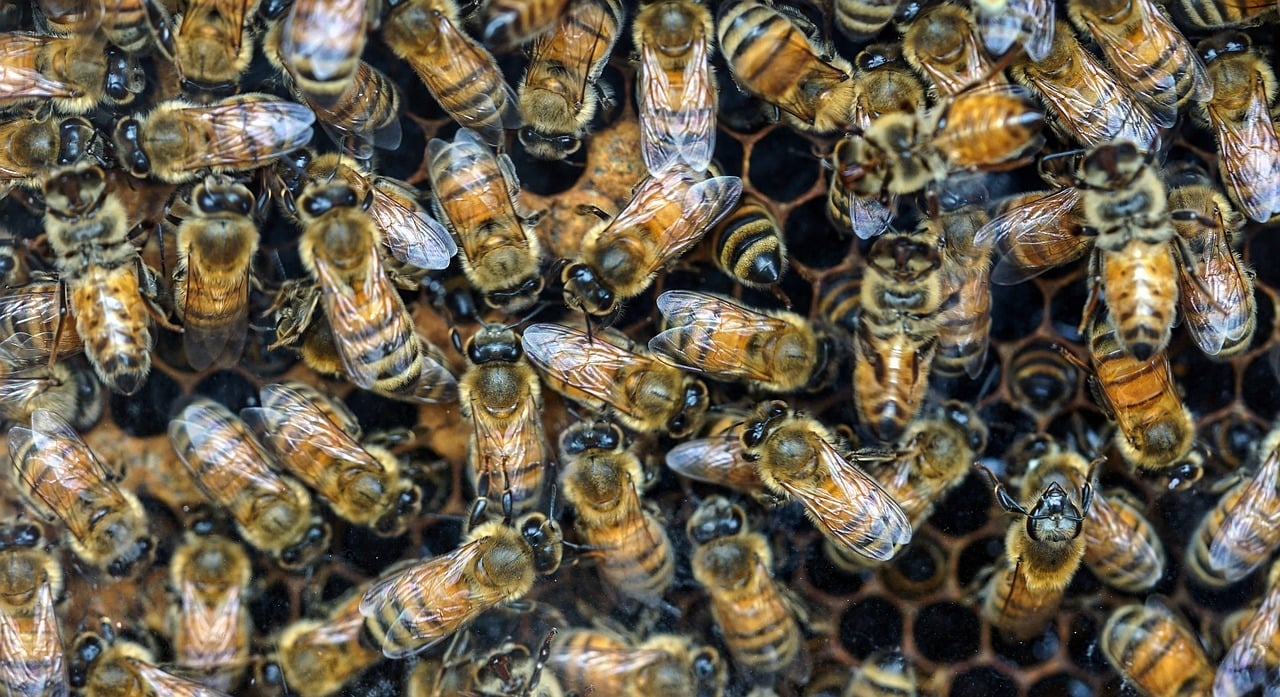
DreamWorks’ 2007 “Bee Movie” starring Jerry Seinfeld as Barry B. Benson took a comedic approach to bee society while incorporating Seinfeld’s observational humor style. The film’s premise – a bee suing humanity for stealing honey – created opportunities for both comedy and environmental messaging. Despite mixed critical reception, the movie has gained a second life through internet memes and cultural references.
Barry’s character challenges the predetermined roles within bee society, much like how Seinfeld’s comedy often questioned social conventions. The film’s animation brought bee flight patterns and hive architecture to life with impressive detail. “Bee Movie” demonstrates how fictional insects can serve as vehicles for both entertainment and social commentary, even when the execution might bee a bit uneven.
The Lasting Flight of Fictional Insects
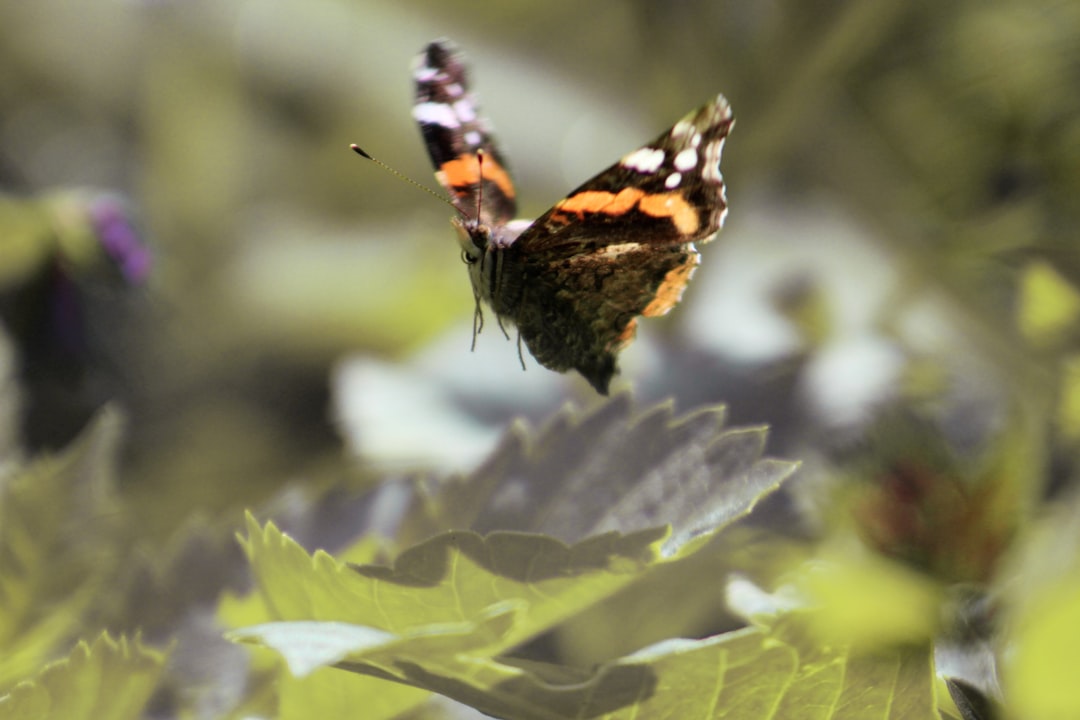
These remarkable fictional insects have fundamentally shaped how we perceive and interact with their real-world counterparts. From Jiminy Cricket’s moral guidance to Charlotte’s selfless wisdom, these characters have taught us that insects can be heroes, mentors, and complex individuals worthy of our empathy. They’ve appeared in our most cherished childhood stories, our most thought-provoking literature, and our most spectacular blockbuster films.
The evolution of fictional insects reflects our changing relationship with nature and technology. Early characters often served clear moral purposes, while modern creations explore more complex themes of identity, environmentalism, and scientific responsibility. These tiny fictional beings continue to carry enormous cultural weight, influencing everything from children’s education to environmental awareness campaigns.
Their enduring popularity proves that size doesn’t matter when it comes to making a lasting impact on human imagination. Whether they’re saving pigs, fighting crime, or simply teaching us to count, fictional insects remind us that the smallest creatures can carry the biggest messages. What other tiny characters do you think deserve a place among these legendary insects?