

Have you ever watched a bee buzzing around your garden and wondered if it has a preferred side? The idea might sound absurd at first, but the truth is far more fascinating than you’d imagine. In the world of insects, handedness isn’t just a human quirk – it’s a surprisingly common phenomenon that reveals the incredible complexity of these tiny creatures’ brains and behaviors. From ants that consistently turn left when exploring new territories to beetles that favor one antenna over another, the insect kingdom is full of creatures with distinct behavioral biases that mirror our own human tendencies in unexpected ways.
The Science Behind Insect Handedness
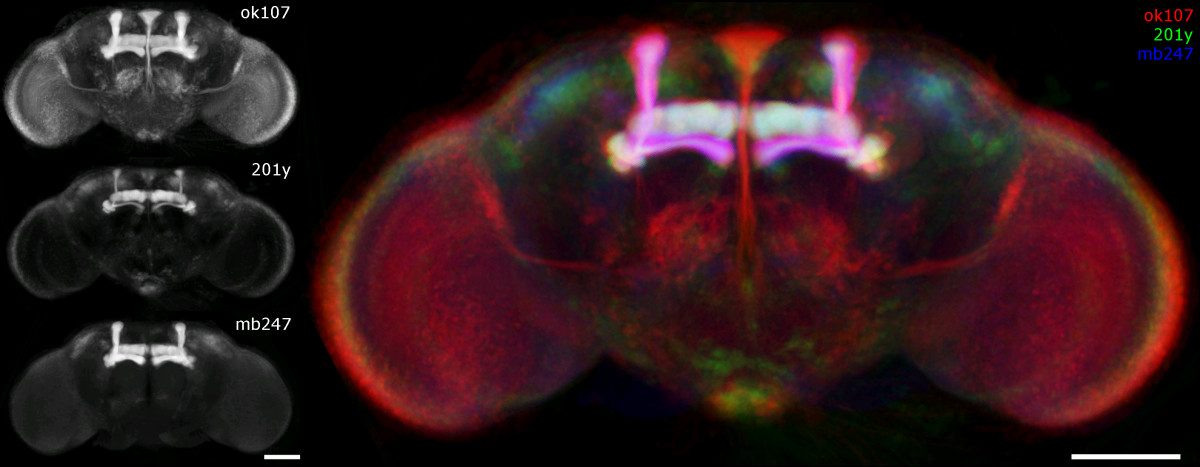
Scientists have discovered that many insects exhibit what researchers call “lateralization” – a fancy term for having a preferred side of their body or brain for certain tasks. This phenomenon occurs because insect brains, despite being incredibly small, are remarkably organized structures with specialized regions. When an insect consistently uses one antenna to explore or turns in a particular direction, it’s actually demonstrating sophisticated neural processing that helps them navigate their complex world more efficiently. The brain’s decision to favor one side over another isn’t random – it’s an evolutionary advantage that allows insects to process information faster and react more quickly to threats or opportunities. Research shows that this behavioral bias can be so strong that some insects will maintain their preferred direction even when it seems counterproductive to human observers.
Honeybees and Their Directional Preferences
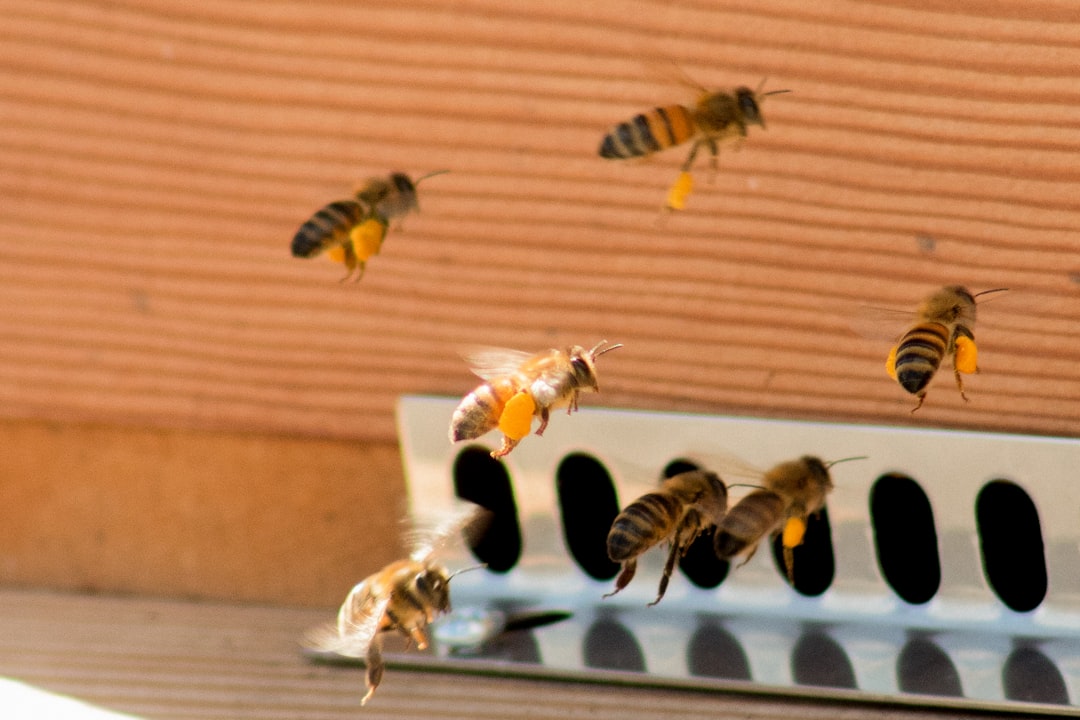
Honeybees are perhaps the most studied insects when it comes to handedness, and their preferences are absolutely mind-blowing. When foraging for nectar, individual bees consistently favor turning either left or right, creating distinct “left-handed” and “right-handed” populations within the same hive. This preference is so strong that researchers can predict which direction a bee will turn with remarkable accuracy after observing just a few of its movements. What’s even more surprising is that this handedness affects how efficiently bees can learn new routes to flowers – left-turning bees excel at navigating certain types of landscapes, while right-turning bees perform better in others. The colony benefits from having both types of foragers because it ensures that all available food sources can be discovered and exploited effectively, regardless of their location or the complexity of the route required to reach them.
Ants That Always Go Left
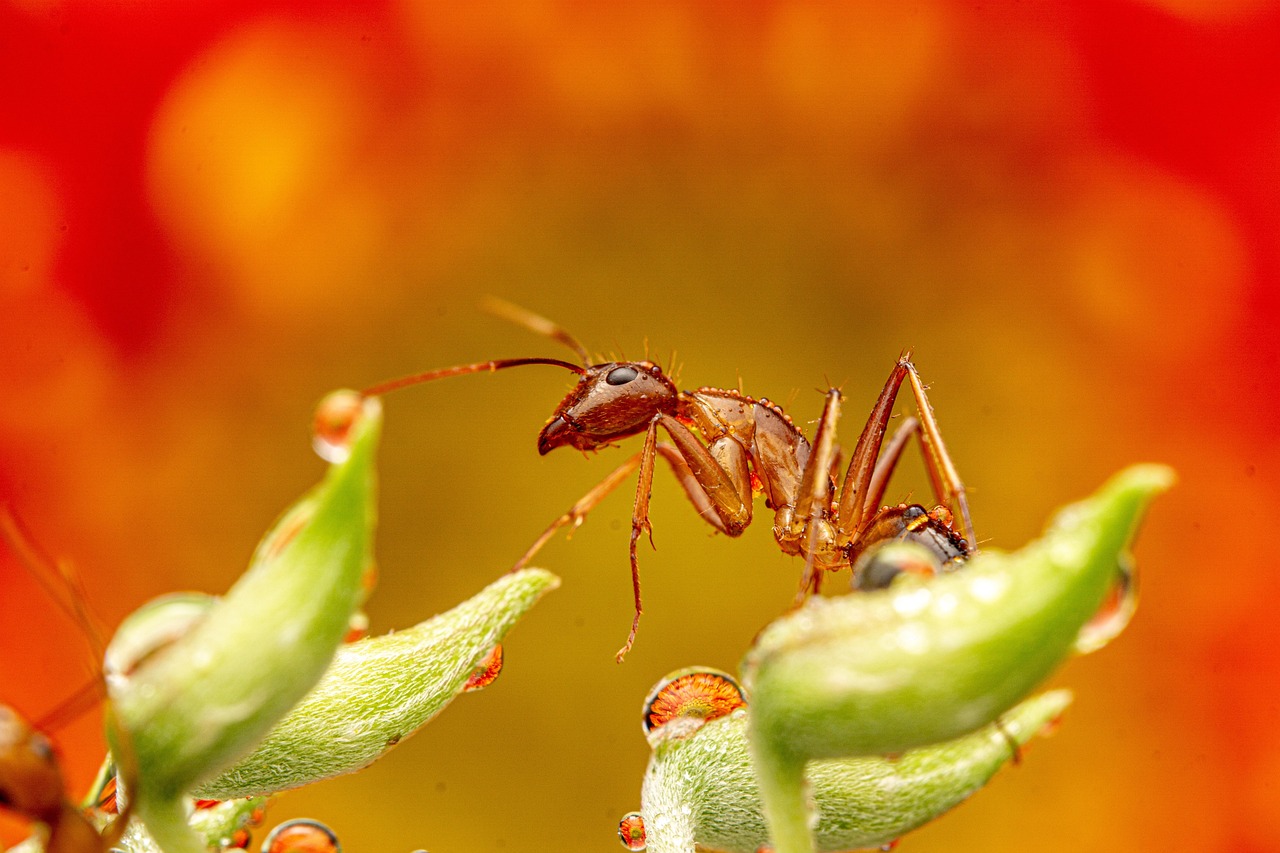
The world of ant navigation reveals some of the most striking examples of insect handedness, particularly in how colonies organize their foraging expeditions. Many ant species show a pronounced tendency to turn left when encountering obstacles or exploring unfamiliar terrain, a behavior that scientists believe helps prevent individuals from getting lost or separated from their group. This left-turning bias becomes especially apparent when ants are forced to navigate around large objects – studies have shown that up to 80% of certain ant species will consistently choose the left path when given equal options. The evolutionary advantage of this behavior becomes clear when you consider that having a predictable turning pattern helps the entire colony maintain organized trails and reduces the chances of scouts wandering too far from safety. Some researchers theorize that this preference might also be linked to the way ants process visual information, with their compound eyes being slightly more sensitive to stimuli on one side than the other.
Butterfly Wing Bias During Flight
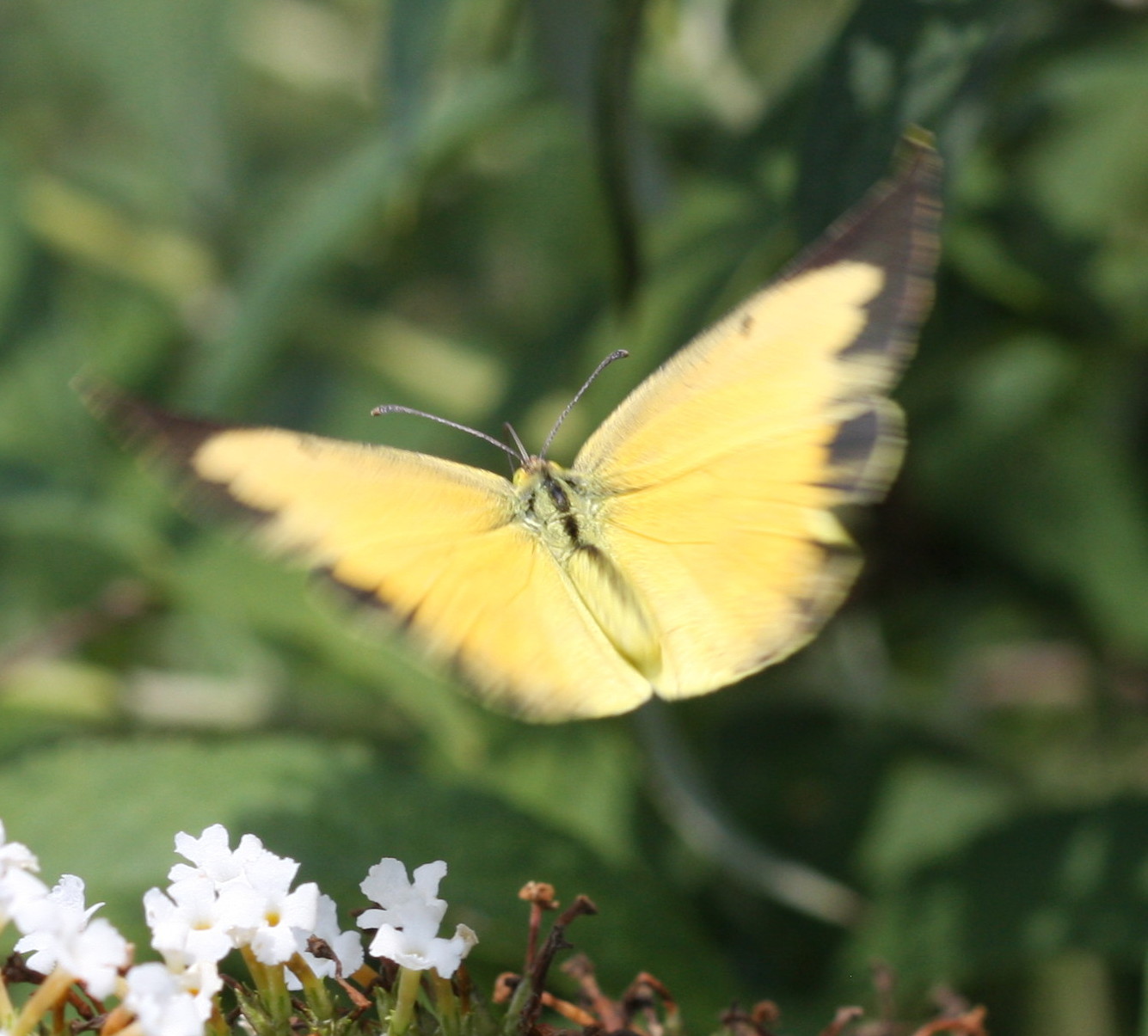
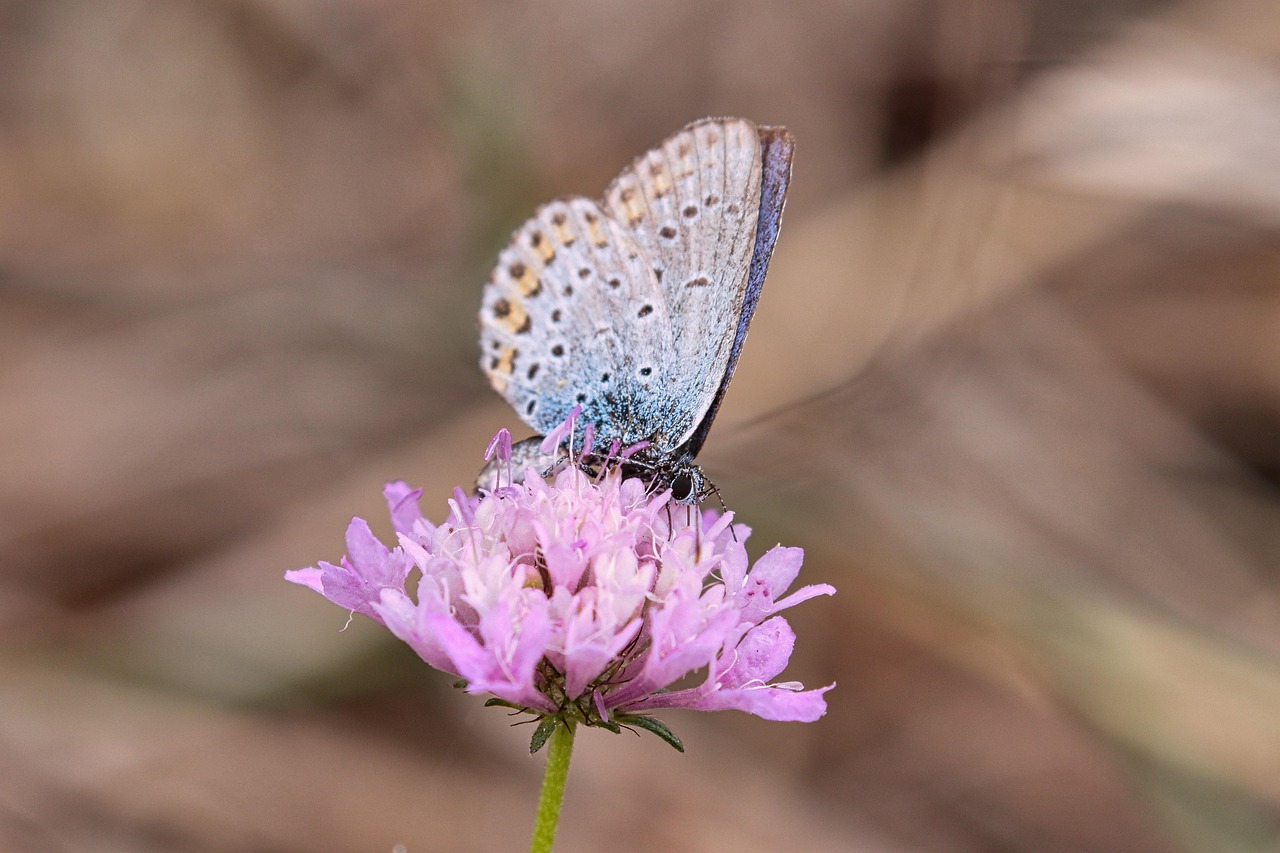
Butterflies demonstrate one of the most visually stunning examples of insect handedness through their flight patterns and wing usage preferences. Many species show a distinct bias in how they use their wings during takeoff, with some butterflies consistently leading with their left wing while others favor their right. This preference affects everything from their courtship displays to their ability to escape predators, creating unique flying styles that can actually help researchers identify individual butterflies in the wild. The wing bias also influences how butterflies approach flowers for feeding – left-biased butterflies tend to spiral clockwise around blooms, while right-biased ones move counterclockwise. What makes this behavior even more remarkable is that the preference can change based on environmental conditions, suggesting that butterflies can adapt their handedness to optimize their survival in different situations.
Cockroach Antenna Dominance
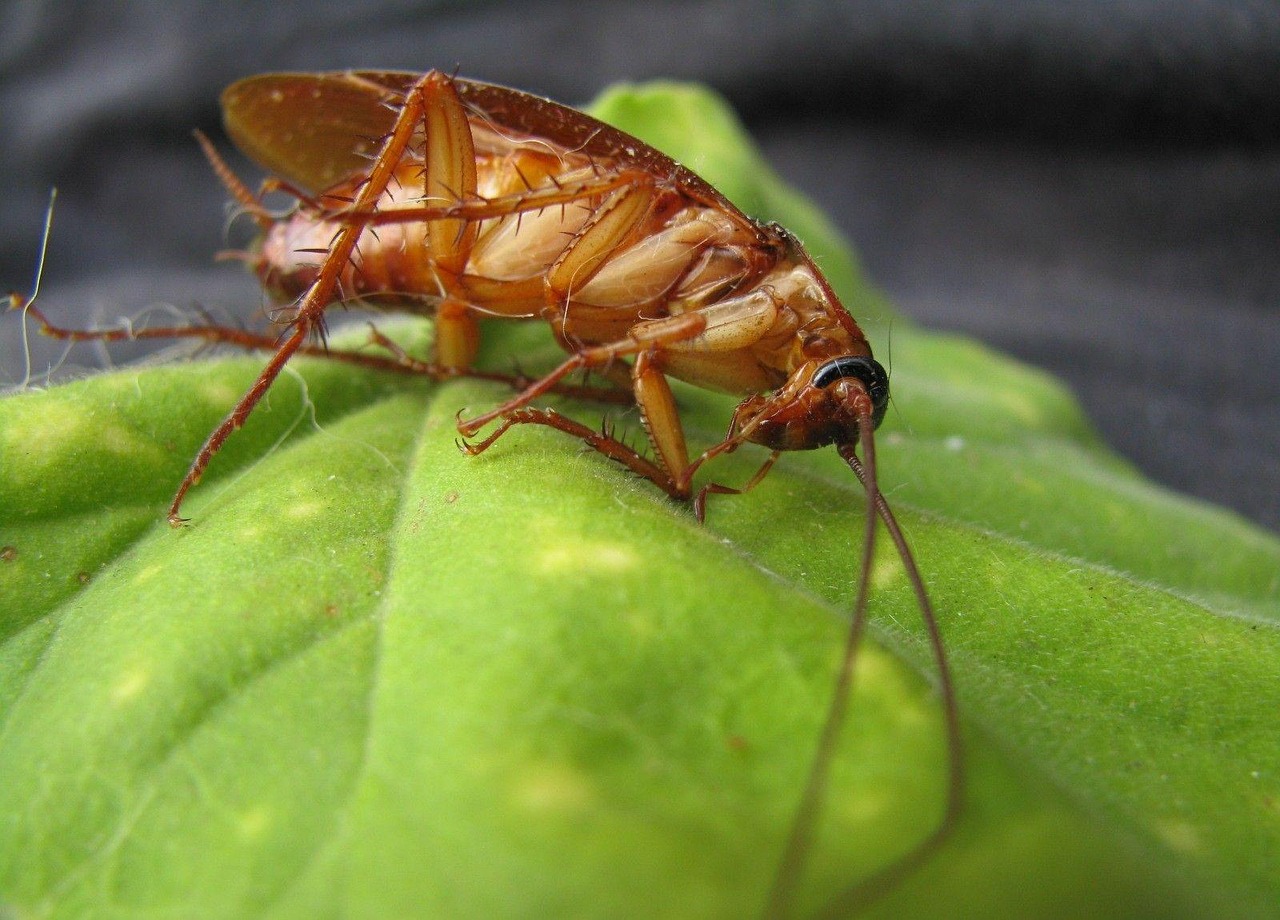
Cockroaches, those remarkably resilient insects that have survived for millions of years, display fascinating antenna preferences that researchers are only beginning to understand. Individual cockroaches consistently favor one antenna over the other when exploring their environment, using their preferred antenna to investigate new scents, textures, and potential food sources. This dominance is so pronounced that if you were to watch a cockroach navigate a maze, you could predict which antenna it would use to touch walls and obstacles with surprising accuracy. The preferred antenna often appears more active and responsive, moving more frequently and making more contact with surfaces than its partner. Scientists believe this specialization allows cockroaches to process sensory information more efficiently, dedicating one antenna to detailed exploration while the other remains alert for potential dangers. This division of labor between their antennae might be one of the reasons cockroaches are so incredibly good at surviving in hostile environments.
Dragonfly Hunting Patterns
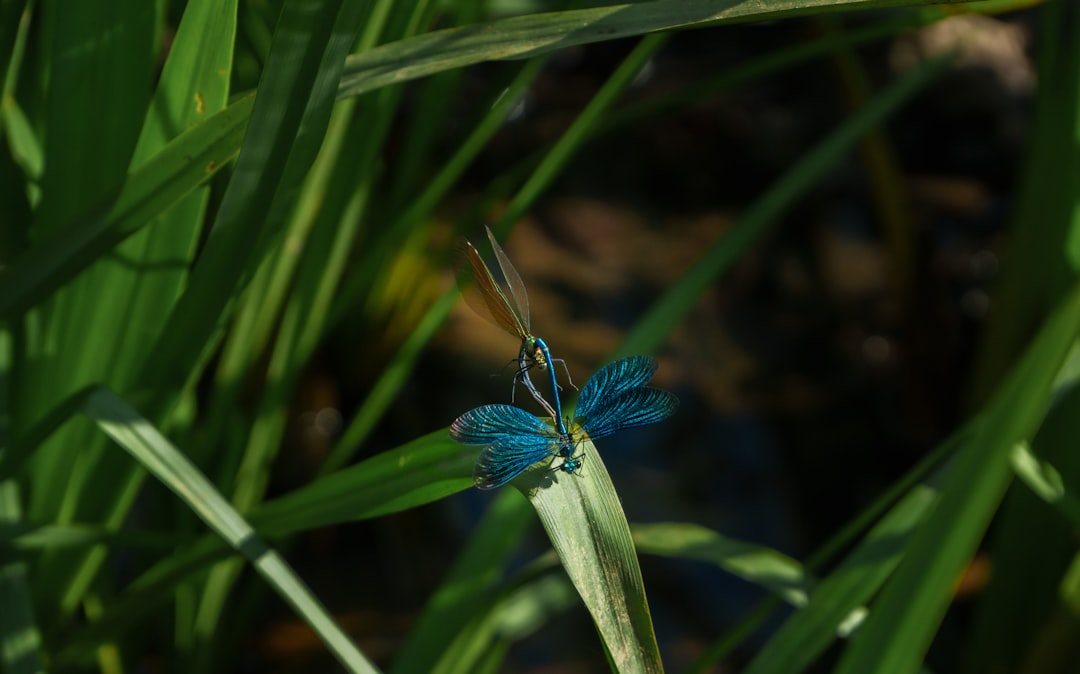
Dragonflies are aerial predators with hunting behaviors that reveal remarkable examples of directional bias and strategic thinking. When pursuing prey, many dragonfly species show consistent preferences for attacking from specific angles, with some individuals almost always approaching their targets from the left while others favor right-side attacks. This hunting handedness isn’t just a random quirk – it’s a sophisticated strategy that allows dragonflies to become incredibly efficient predators by specializing in particular attack patterns. The bias extends to their patrol routes as well, with individual dragonflies often flying clockwise or counterclockwise circuits around their territory with remarkable consistency. Research has shown that this directional preference can be so strong that dragonflies will maintain their preferred flight pattern even when it means flying longer distances to reach their destination. The evolutionary advantage becomes clear when you consider that predictable patrol patterns help dragonflies avoid conflicts with neighbors while ensuring comprehensive coverage of their hunting grounds.
Cricket Chirping Asymmetry
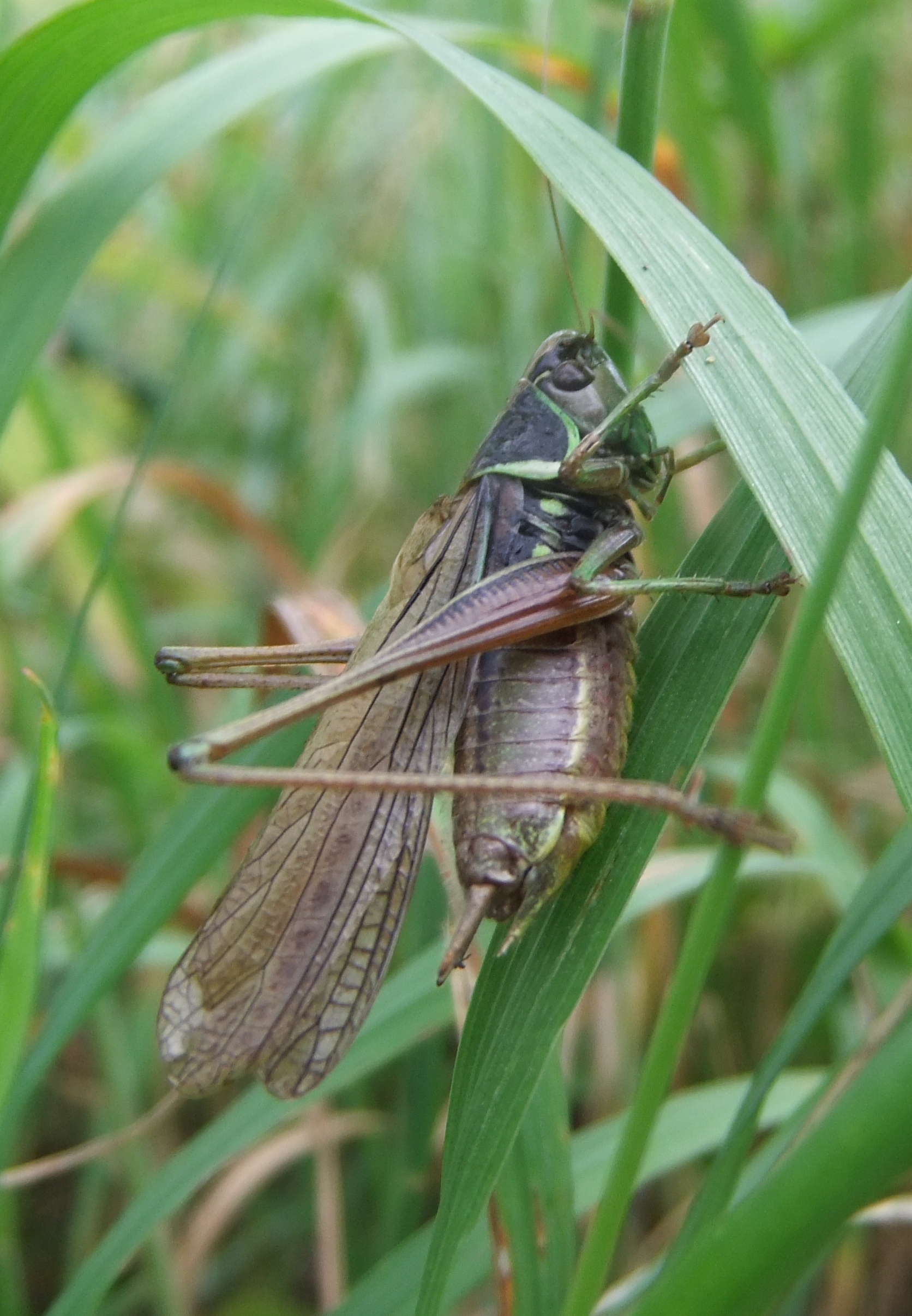
The musical world of cricket communication reveals surprising asymmetries that most people never notice despite hearing cricket songs throughout their lives. Male crickets produce their characteristic chirping sounds by rubbing their wings together, but many species show a distinct preference for which wing leads this musical performance. Some crickets consistently use their left wing as the dominant “bow” while using their right wing as the resonating surface, while others reverse this pattern entirely. This handedness affects not just the volume and pitch of their songs, but also influences how successful males are at attracting mates and defending their territories. Female crickets can actually detect these subtle differences in chirping patterns and often show preferences for males with specific wing dominance patterns. The asymmetry in wing use also means that if a cricket loses or damages its dominant wing, its ability to communicate effectively can be severely compromised, making handedness a critical survival factor for these musical insects.
Spider Web Construction Preferences
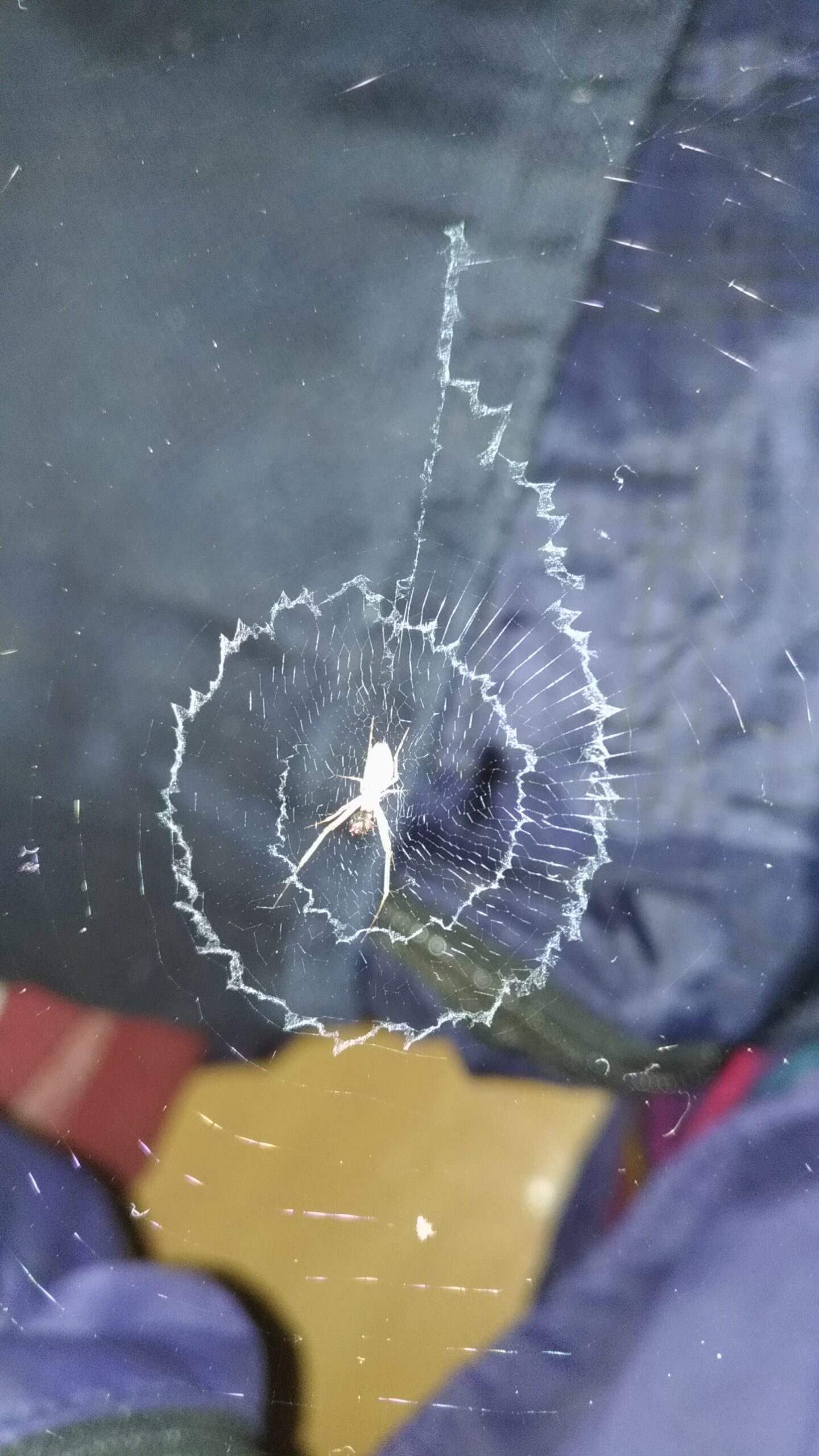
While technically arachnids rather than insects, spiders deserve mention for their remarkable construction biases that parallel insect handedness in fascinating ways. Many spider species show consistent preferences for which direction they spiral when building their webs, with some individuals always moving clockwise while others consistently go counterclockwise. This building bias affects not just the final appearance of their webs, but also influences how efficiently spiders can detect and respond to prey caught in their traps. Left-spiraling spiders often position themselves on the left side of their webs, while right-spiraling spiders prefer the right side, creating optimal angles for sensing vibrations and launching attacks. The handedness in web construction is so consistent that researchers can often identify individual spiders by examining the spiral patterns of their webs. Some studies suggest that this building preference might be linked to the spider’s nervous system organization, with certain neural pathways being more developed on one side than the other.
Beetle Shell Opening Strategies
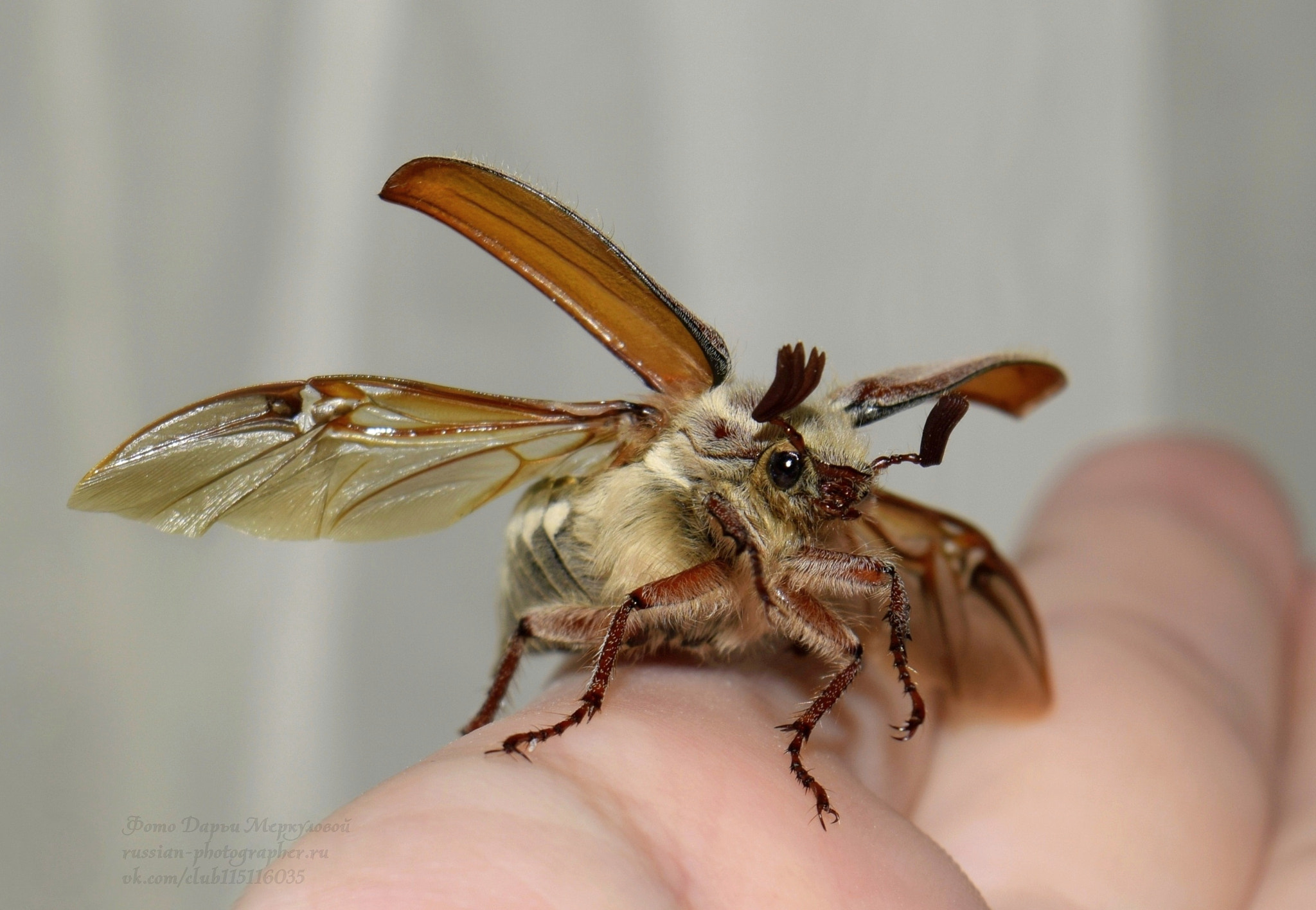
Beetles demonstrate handedness in one of the most practical ways imaginable – through their strategies for opening and closing their protective wing covers, known as elytra. Many beetle species show consistent preferences for which elytron they lift first when preparing for flight, creating distinct “left-openers” and “right-openers” within populations. This preference affects their takeoff speed and flight efficiency, with each beetle optimizing its wing-opening sequence based on its individual neural wiring. The handedness becomes especially important during escape responses, where a few milliseconds can mean the difference between survival and becoming someone’s lunch. Interestingly, the wing-opening preference often correlates with the beetle’s preferred turning direction during ground locomotion, suggesting that their entire motor system is organized around a dominant side. Some researchers have found that beetles with strong handedness preferences are actually more successful at escaping predators than those with weaker biases, indicating that being decisively left- or right-handed provides real survival advantages.
Fly Landing Preferences
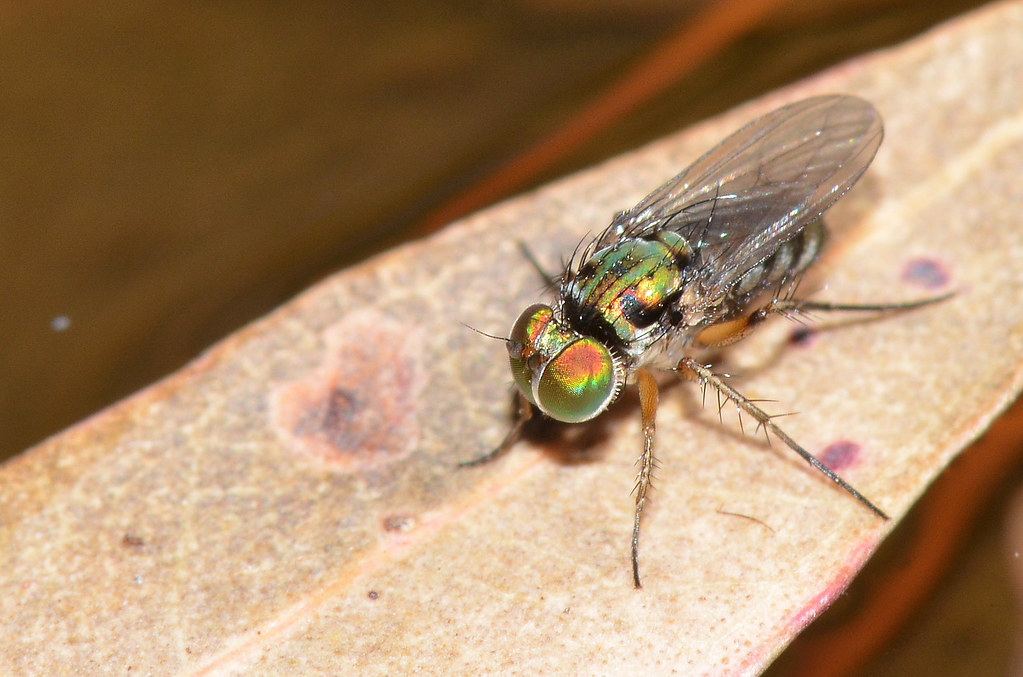
House flies and their relatives exhibit surprising consistency in their landing behaviors that reveal deep-seated directional preferences most people never notice. When approaching a landing surface, many flies show distinct biases for which side they prefer to approach from, with some individuals almost always landing from the left while others consistently come in from the right. This preference extends to their takeoff patterns as well – left-landing flies tend to take off by turning left, while right-landing flies favor right turns during departure. The behavior becomes most apparent when flies are landing on vertical surfaces like walls or windows, where their approach angle can significantly affect their ability to grip the surface successfully. Research has shown that flies with stronger handedness preferences are often more successful at landing on difficult surfaces, suggesting that having a consistent strategy is more important than which specific strategy is chosen. The landing bias also influences how flies navigate around obstacles, with left-biased flies typically choosing to go around objects on the left side while right-biased flies prefer the right side.
Wasp Nest Building Asymmetries
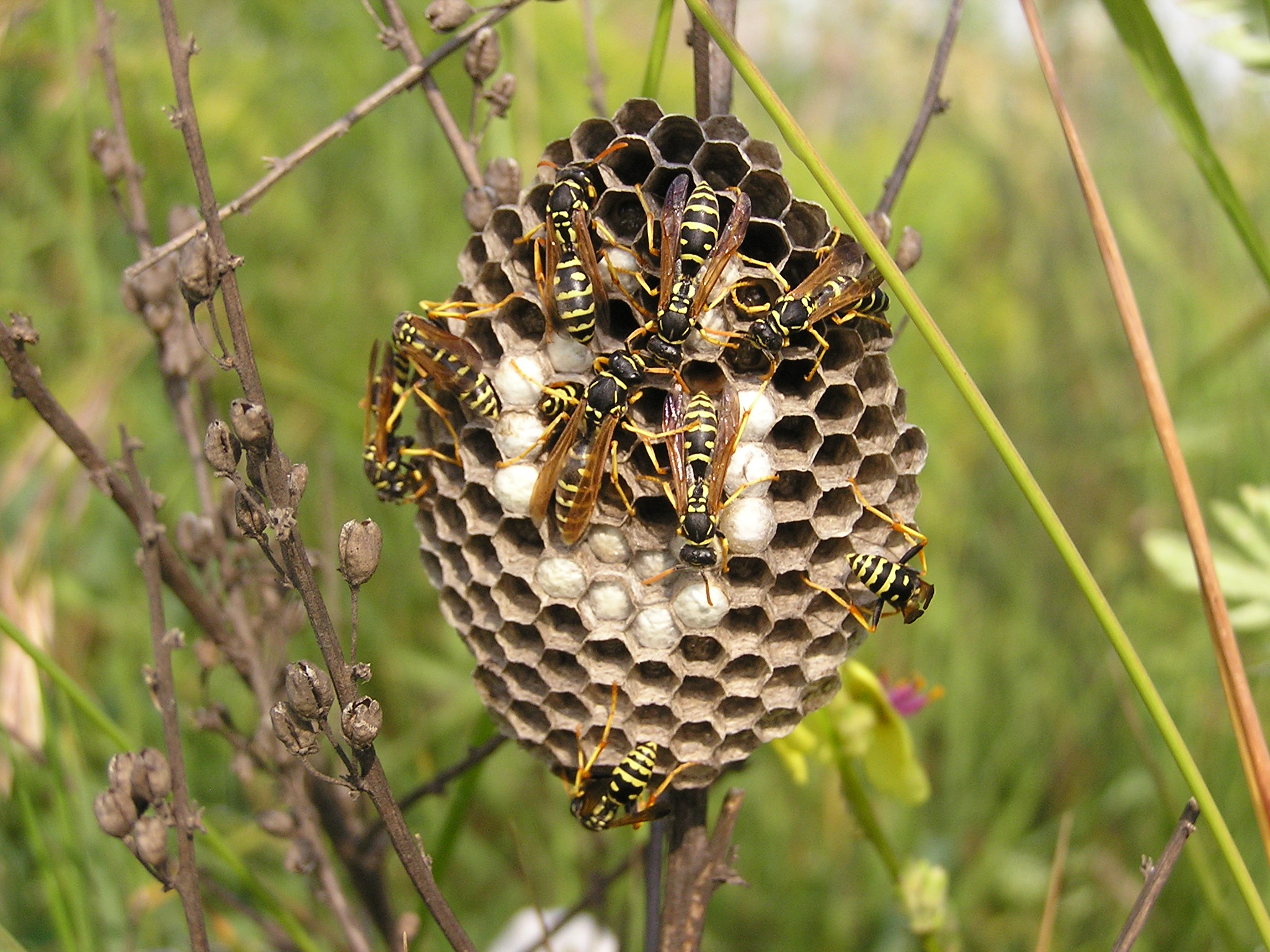
Social wasps reveal fascinating construction biases when building their paper nests, with different individuals showing consistent preferences for which direction they work and how they add new material. Some wasps consistently add new paper pulp to the left side of existing structures, while others always work on the right side, creating a division of labor that helps the colony build more efficiently. This handedness in construction work affects not just the speed of building, but also the final shape and structure of the nest, with colonies of predominantly left-working wasps creating nests with different architectural features than those built by right-working populations. The building bias is so strong that researchers can sometimes predict which direction a wasp will work just by observing its body position and head orientation when it approaches the nest. Individual wasps maintain their building preferences throughout their entire working lives, suggesting that this handedness is hardwired into their nervous systems rather than being a learned behavior. The consistency of these preferences helps explain how wasp colonies can coordinate the construction of incredibly complex nests without any central planning or oversight.
Moth Navigation Quirks
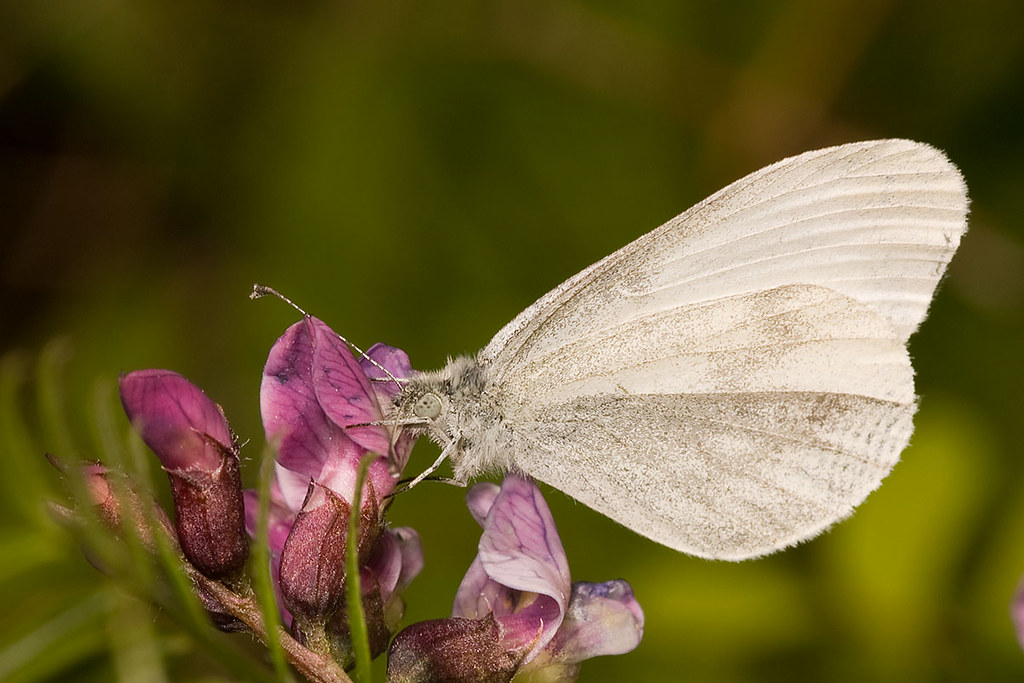
Moths demonstrate some of the most puzzling examples of insect handedness through their navigation behaviors, particularly their famous attraction to artificial lights. Many moth species show consistent biases in which direction they spiral around light sources, with some individuals always circling clockwise while others consistently move counterclockwise. This directional preference isn’t random – it’s linked to how moths process visual information and maintain their orientation during flight. The handedness becomes especially apparent when moths encounter multiple light sources, as they typically choose to orbit around lights that allow them to maintain their preferred turning direction. Research has revealed that the spiraling bias is connected to asymmetries in moth vision, with one eye often being slightly more sensitive to light than the other. This visual asymmetry creates a natural tendency to turn toward the less sensitive side, leading to the consistent spiraling patterns that make some moths appear to be “left-handed” or “right-handed” fliers. The navigation bias also affects how moths respond to natural light sources like the moon, influencing their migration routes and feeding behaviors in ways that scientists are still working to understand.
Termite Tunnel Construction Patterns
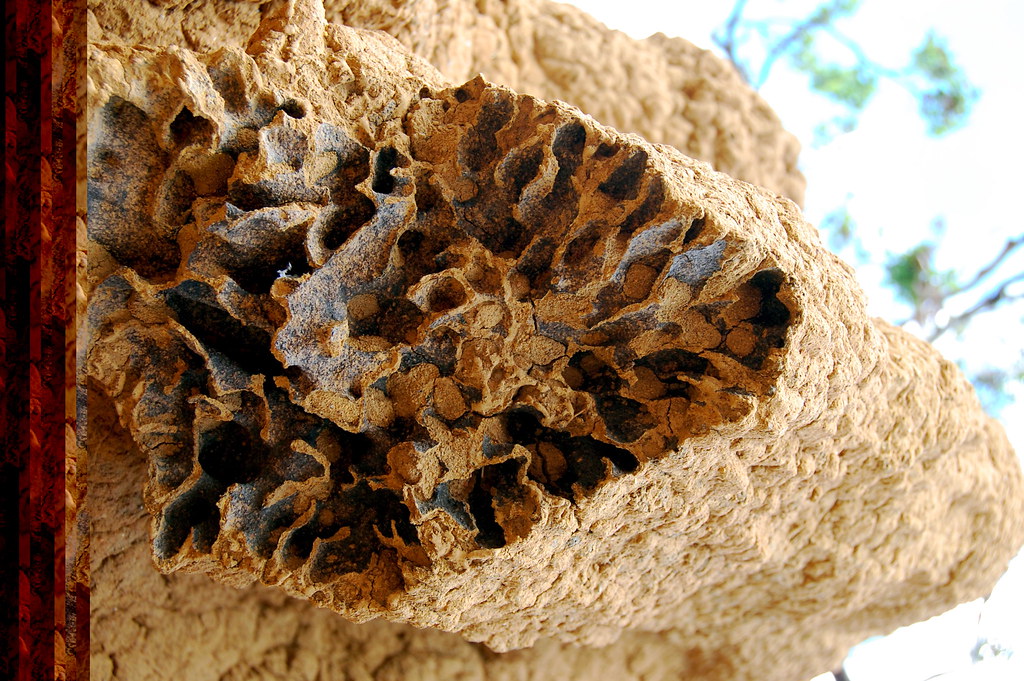
Termite colonies provide remarkable examples of collective handedness, with entire groups showing consistent biases in how they construct their elaborate tunnel systems and towering mounds. When building new passages, termite workers often show preferences for turning in specific directions, creating tunnel networks that spiral predominantly clockwise or counterclockwise depending on the colony’s collective bias. This construction handedness affects everything from ventilation efficiency to the ease with which termites can navigate their complex underground cities. Individual termites within a colony tend to share similar directional preferences, possibly due to genetic factors or chemical cues that influence their building behaviors. The tunnel construction bias becomes especially important when colonies need to expand rapidly, as having a consistent building strategy allows thousands of workers to coordinate their efforts without constant communication. Some researchers have found that termite colonies with stronger handedness preferences are more successful at defending their nests from attacks, suggesting that architectural consistency provides real survival advantages. The collective building bias also influences how termites respond to damage to their structures, with repairs typically following the same directional patterns as the original construction.
Praying Mantis Strike Preferences
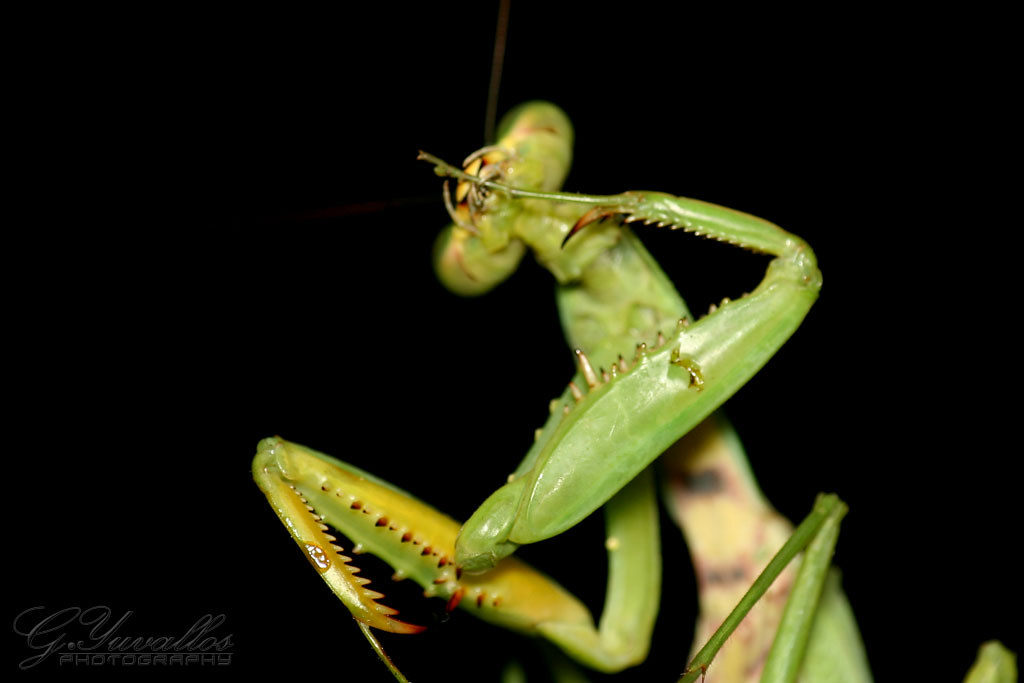
Praying mantises exhibit remarkable handedness in their hunting behaviors, with individual mantises showing consistent preferences for which raptorial leg they use to initiate strikes at prey. Some mantises are distinctly “left-handed” hunters, leading their attacks with their left foreleg, while others are “right-handed” and consistently strike first with their right leg. This preference affects not just their hunting success rates, but also influences how mantises position themselves when waiting for prey and which angles they prefer for launching their lightning-fast attacks. The handedness in striking behavior is so pronounced that researchers can predict which leg a mantis will use for its next strike with remarkable accuracy after observing just a few hunting attempts. The strike preference also correlates with how mantises groom themselves, with left-handed hunters typically spending more time cleaning their left foreleg while right-handed individuals focus more attention on their right leg. Studies have shown that mantises with stronger handedness preferences are often more successful hunters than those with weaker biases, possibly because having a consistent strike strategy allows them to react more quickly when opportunities arise.
The Evolutionary Advantages of Insect Handedness
The widespread occurrence of handedness across so many insect species suggests that having behavioral biases provides significant evolutionary advantages that have been preserved and refined over millions of years. One of the primary benefits appears to be processing efficiency – by specializing one side of their body or brain for specific tasks, insects can react more quickly and accurately to environmental challenges. This specialization is particularly important for creatures with such short lifespans, where every millisecond of reaction time can determine survival or death. Handedness also helps insects avoid decision paralysis in critical moments, providing them with default behavioral patterns that eliminate the need to consciously choose between equally viable options. The consistency of these biases within populations can also provide collective advantages, such as the coordinated construction behaviors seen in social insects or the complementary foraging strategies observed in honeybee colonies. Perhaps most importantly, handedness appears to make insects more unpredictable to predators while simultaneously making them more predictable to members of their own species, creating an optimal balance between cooperation and survival that has proven incredibly successful across countless generations of evolution.
The next time you watch a bee visiting flowers in your garden or notice an ant navigating around an obstacle, take a moment to observe which direction it chooses – you might just be witnessing one of nature’s most subtle but fascinating examples of biological handedness in action. Who would have thought that such tiny creatures could share such a fundamental trait with humans?