
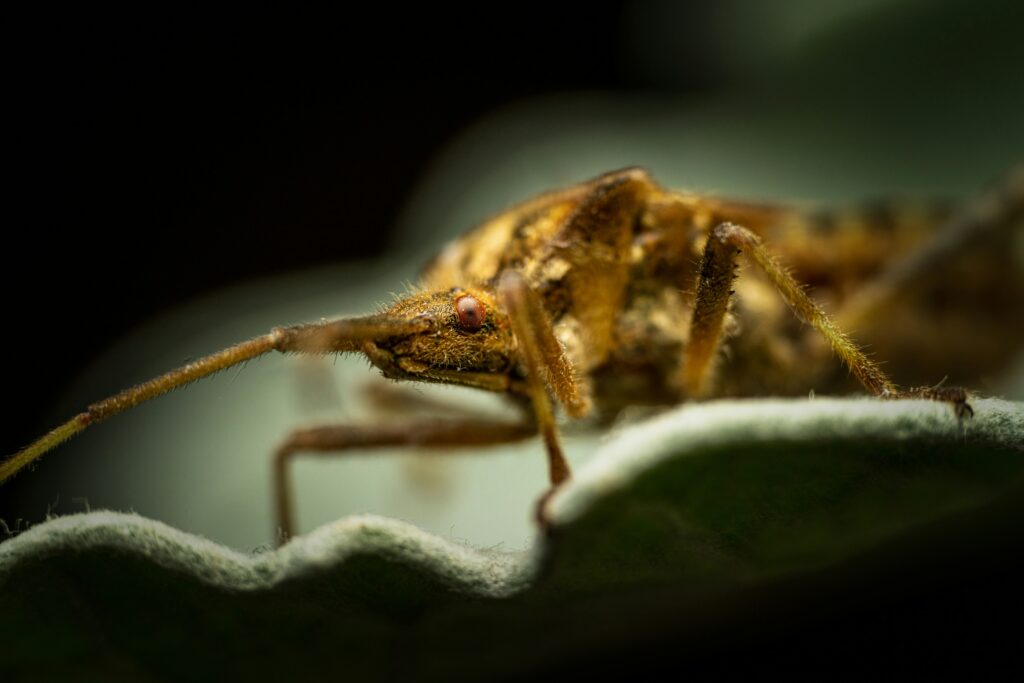
Picture this: a tiny predator stalking through the shadows, draped in the corpses of its fallen enemies like some macabre fashion statement. This isn’t the plot of a horror movie – it’s the everyday reality of one of nature’s most cunning killers. In the insect world, where survival often depends on who can outsmart whom, few creatures have mastered the art of deception quite like the assassin bug that literally wears death as its disguise.
Nature’s Ultimate Serial Killer
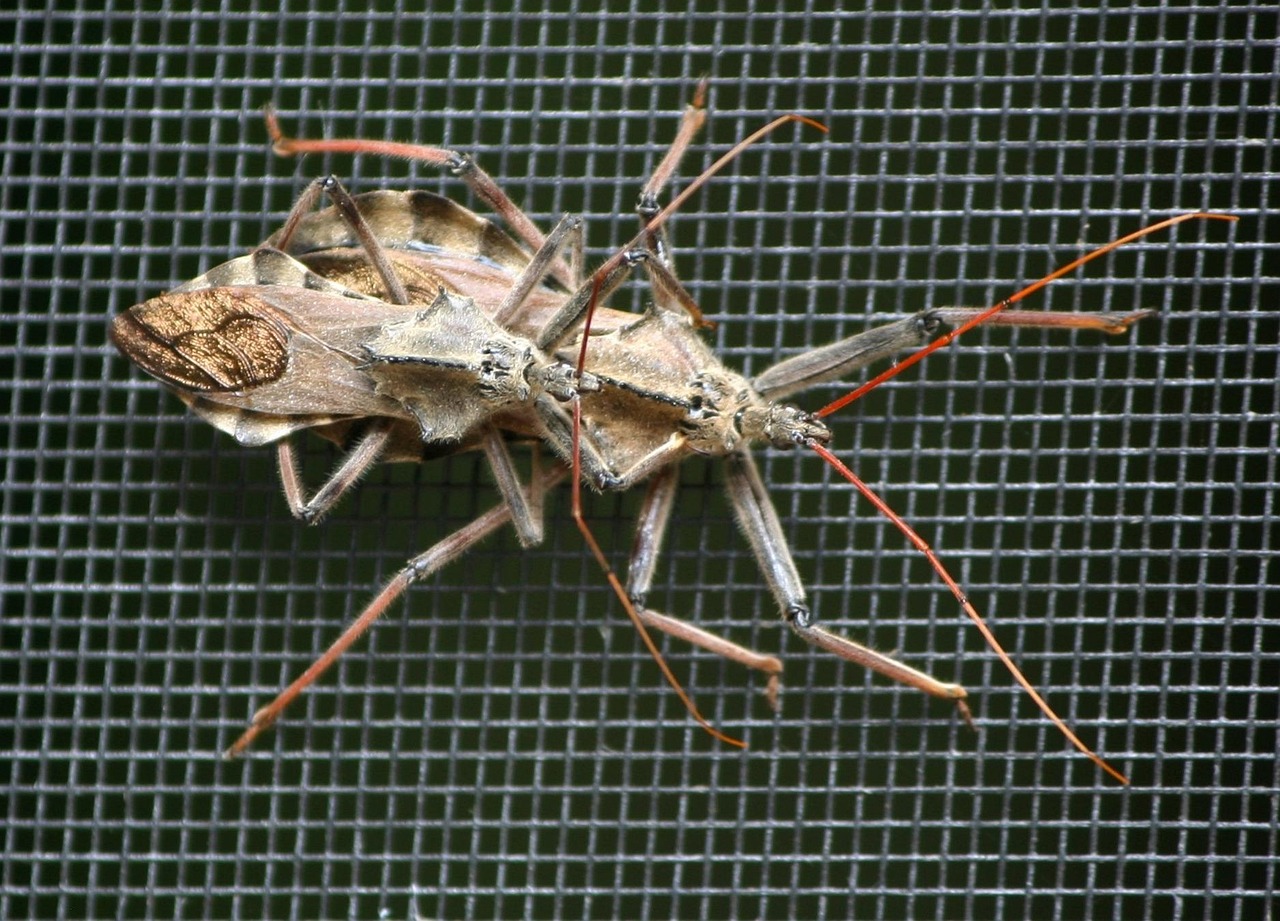
The assassin bug family contains over 7,000 species worldwide, but one particular group stands out for their shocking behavior. These insects don’t just kill their prey – they collect the empty shells and carry them around like twisted trophies. It’s like nature decided to create its own version of a horror movie villain, complete with a bone-chilling costume made from actual bones. What makes this even more fascinating is that this behavior isn’t random violence; it’s a carefully calculated survival strategy that has evolved over millions of years. The way these bugs hunt and decorate themselves would make even the most creative serial killer documentaries seem tame by comparison.
The Science Behind the Spooky Strategy
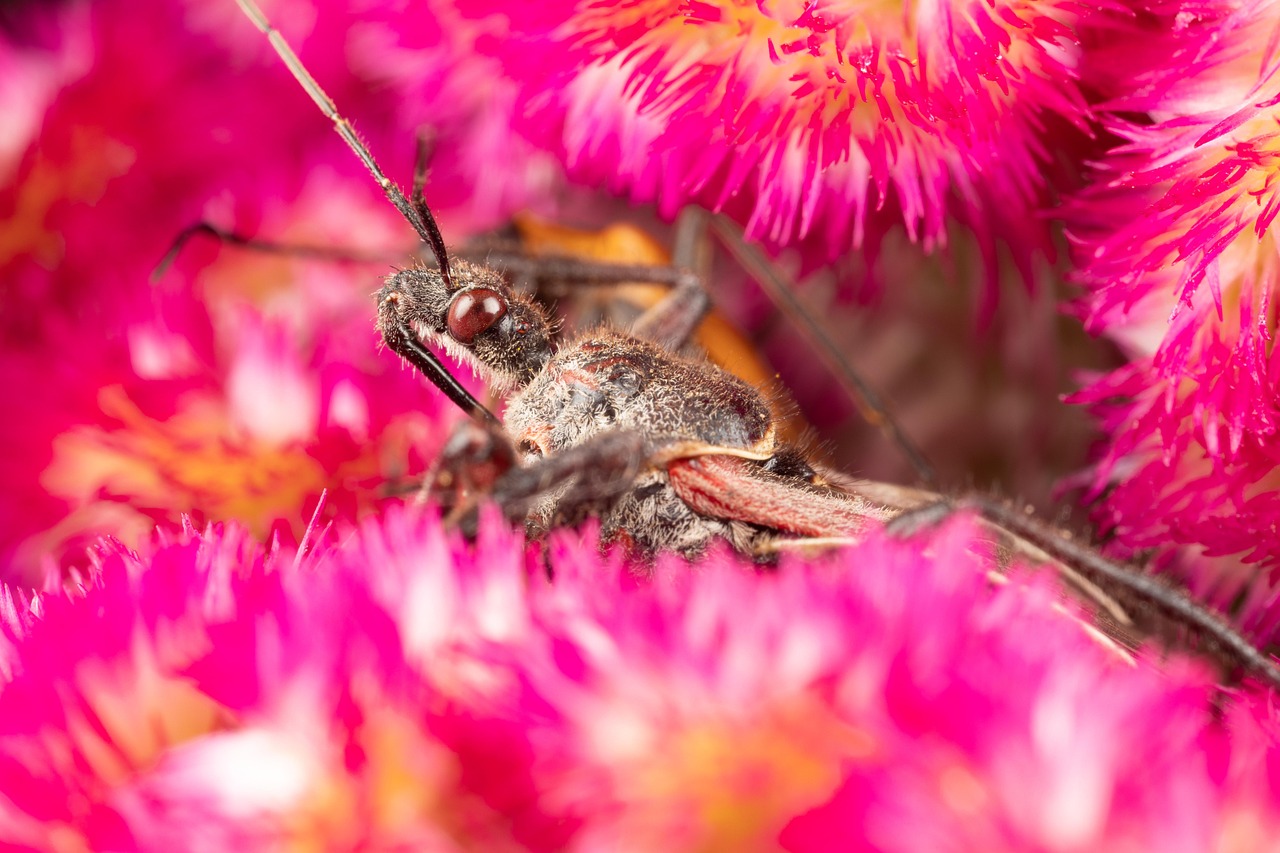
Researchers have discovered that wearing victim corpses serves multiple purposes for these clever predators. The dead bodies act as both camouflage and chemical disguise, masking the bug’s natural scent from potential threats. Think of it like wearing your enemy’s cologne to fool their friends – except in this case, the friends are also potential meals. Scientists call this behavior “decorating” or “masking,” and it’s surprisingly common among certain assassin bug species. Studies have shown that bugs carrying corpse-loads are significantly less likely to be detected by both predators and prey, making this gruesome fashion choice incredibly effective.
Meet the Masters of Disguise
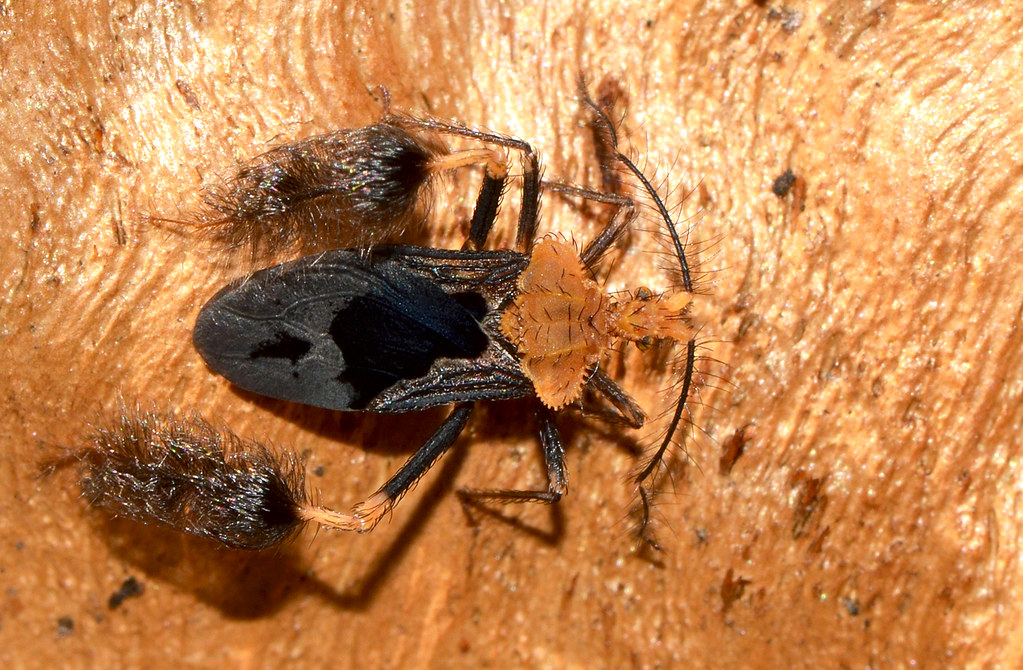
Several assassin bug species have perfected this macabre art, but some are more notorious than others. The masked hunter (Reduvius personatus) is perhaps the most famous corpse-collector, often found in homes where it decorates itself with dust, lint, and dead insects. Then there’s Acanthaspis petax, an African species that specializes in carrying ant corpses on its back like a mobile graveyard. These bugs can carry up to 20 dead ants at once, creating what researchers playfully call “ant backpacks.” Each species has its own preferred victims and decorating style, making them like specialized interior designers of the insect world.
The Hunting Technique That Defines Terror
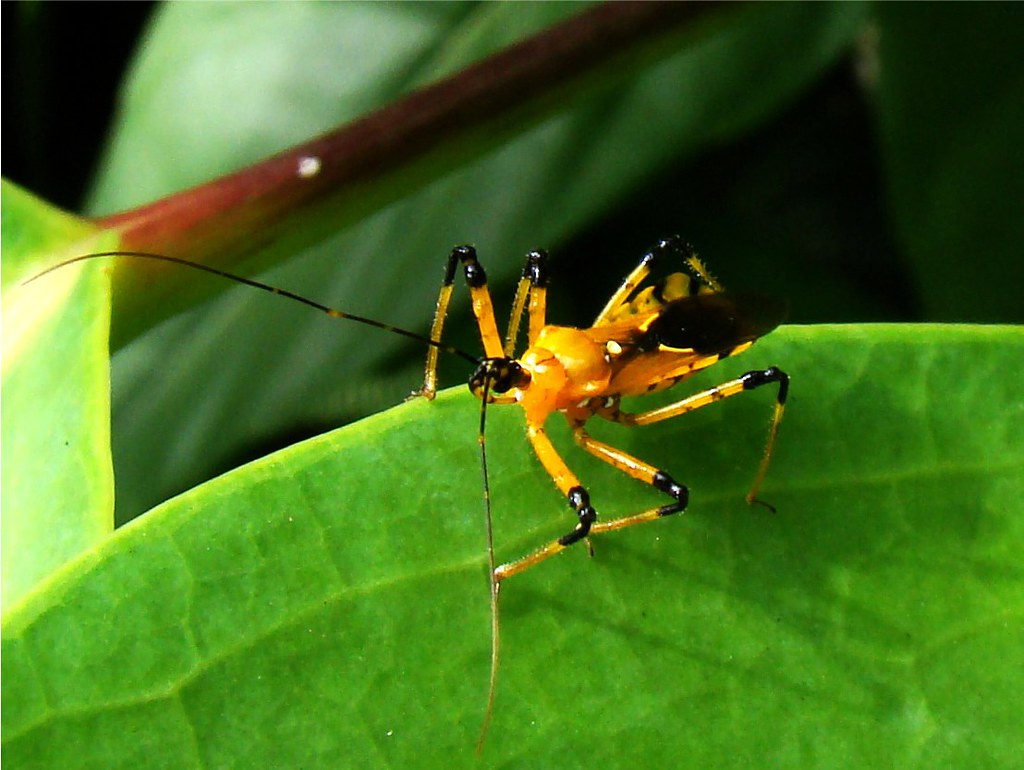
Assassin bugs are ambush predators with a hunting style that would make a ninja jealous. They typically hide in vegetation or crevices, waiting for unsuspecting prey to wander within striking distance. When the moment is right, they strike with lightning speed, using their needle-like proboscis to inject a paralyzing venom. This venom doesn’t just immobilize the victim – it also begins breaking down their internal tissues, essentially turning them into a protein smoothie that the bug can slurp up. The entire process takes just minutes, leaving behind an empty shell that becomes the bug’s next fashion accessory.
Why Dead Bodies Make Perfect Armor
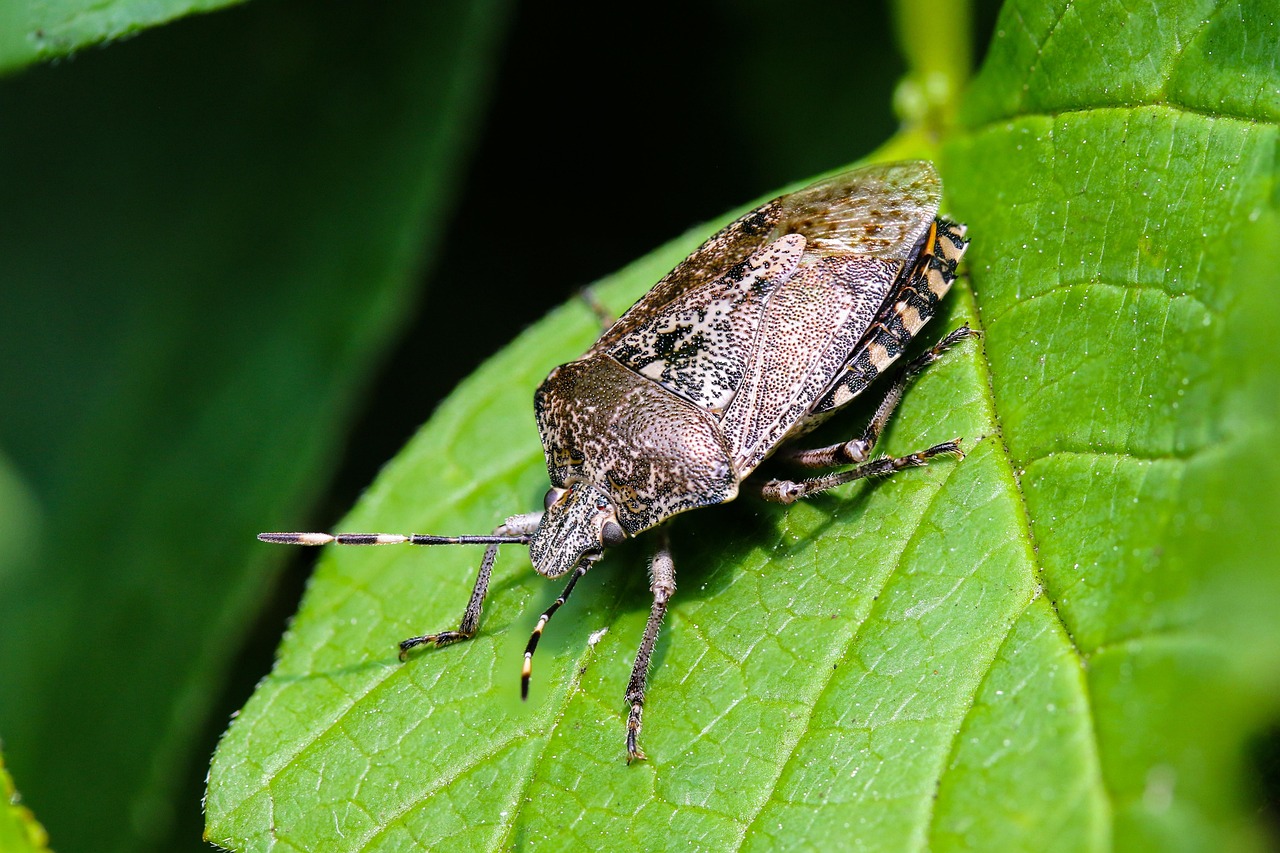
The corpse-carrying behavior serves as both offensive and defensive weaponry in the bug world. Predators like spiders and birds often rely on visual and chemical cues to identify potential meals, but a bug covered in dead ants looks and smells completely different from a typical assassin bug. It’s like wearing a ghillie suit made of your enemies – you blend in so well that threats simply don’t recognize you as food. Additionally, the extra bulk and spiky protrusions created by the corpse pile make the bug appear larger and more intimidating to smaller predators. Some researchers believe the dead bodies might even provide physical protection, acting like medieval armor against attacks.
The Chemistry of Deception
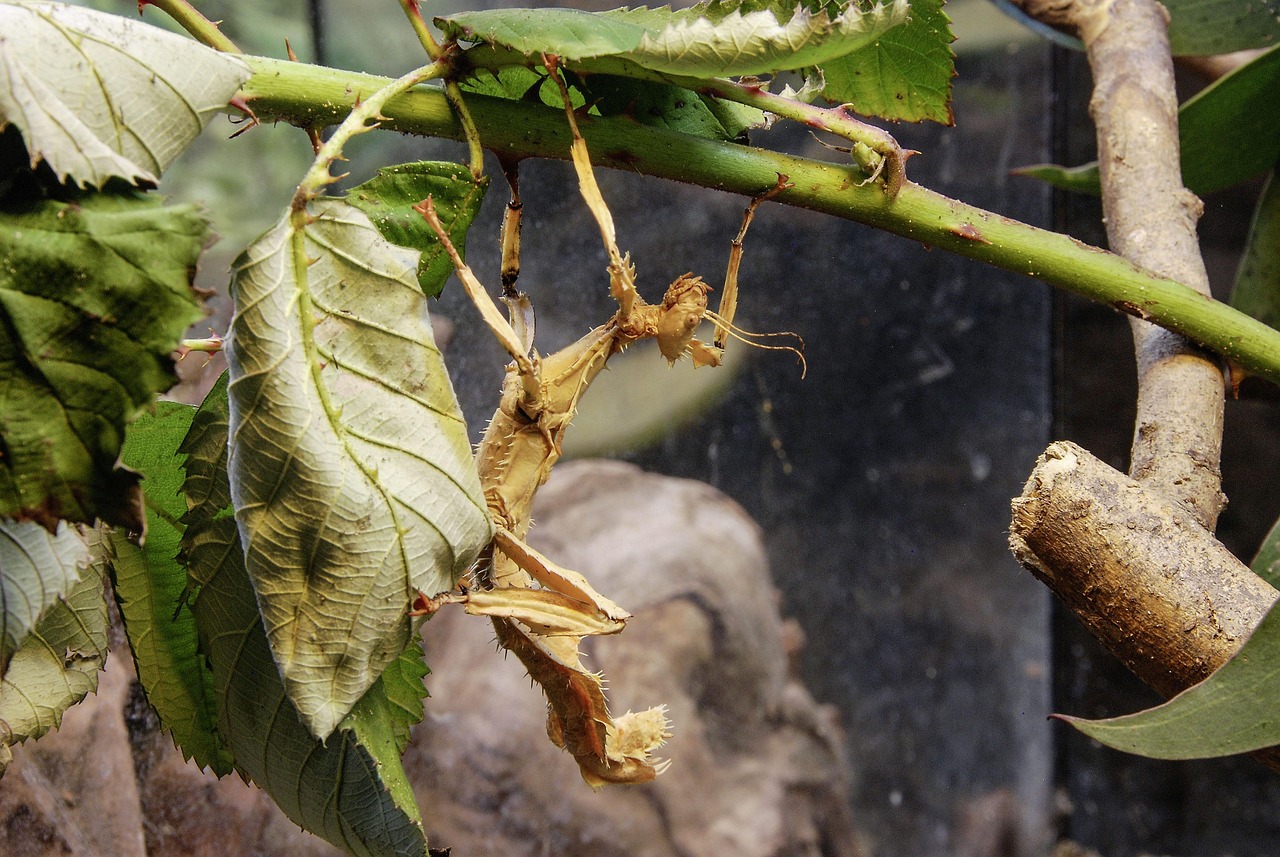
Beyond visual camouflage, the chemical aspect of corpse-wearing reveals just how sophisticated this strategy really is. Dead insects release specific pheromones and chemical signatures that can completely mask the assassin bug’s natural scent. This chemical camouflage is particularly effective against ant colonies, where recognition is based heavily on smell. When covered in dead ants, the assassin bug can actually walk through ant colonies undetected, like a wolf in sheep’s clothing. Recent studies have shown that some bugs even selectively choose victims based on the chemical protection their corpses will provide, demonstrating an almost calculating intelligence in their decorating choices.
From Egg to Executioner
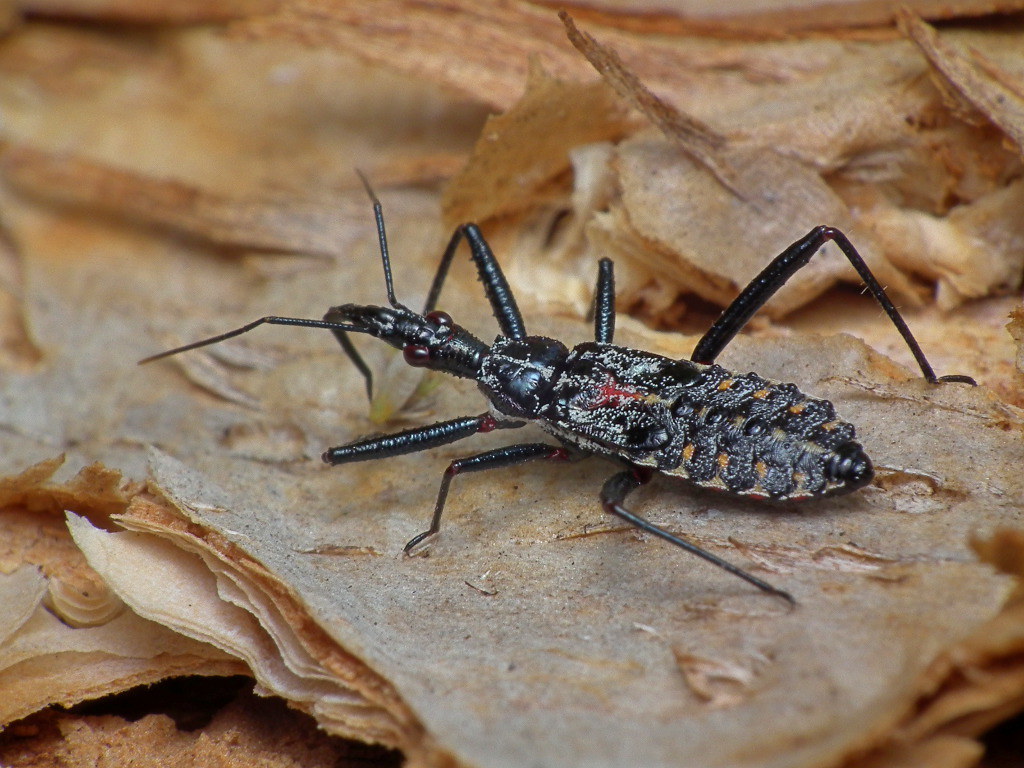
The life cycle of corpse-carrying assassin bugs is as fascinating as their adult behavior. Most species start life as tiny nymphs that must immediately begin hunting to survive. Even at this early stage, many species begin collecting debris and small corpses for protection. As they grow through several molting stages, their collection grows with them, creating an ever-expanding mobile cemetery. Young bugs often start with tiny aphids and midges before graduating to larger prey like ants and beetles. It’s like watching a serial killer develop their signature style from childhood – disturbing yet undeniably impressive from a biological standpoint.
The Geographic Spread of Corpse Collectors
These macabre fashion enthusiasts can be found on every continent except Antarctica, with different species adapting to local prey and environmental conditions. Tropical regions tend to host the most diverse populations, with some rainforest species carrying elaborate displays of butterfly wings, beetle shells, and even small vertebrate remains. In desert environments, corpse-carrying bugs often focus on other desert specialists, creating collections that reflect their harsh surroundings. Urban environments have produced some of the most adaptable species, with city-dwelling assassin bugs incorporating human debris like fabric fibers and paper scraps into their disguises. This global distribution proves that the corpse-carrying strategy is incredibly successful across diverse ecosystems.
Predator Becomes Prey
Despite their fearsome reputation and clever disguises, assassin bugs face their own set of predators and challenges. Birds, larger spiders, and parasitic wasps all pose threats to these miniature serial killers. Interestingly, some predators have learned to recognize the corpse-carrying behavior and specifically target decorated bugs, having discovered they make nutritious meals. This has led to an evolutionary arms race where bugs must constantly refine their camouflage techniques to stay ahead of increasingly savvy predators. Some species have even developed the ability to quickly shed their corpse collection when threatened, like dropping a heavy backpack to run faster. The constant pressure from predators has pushed these bugs to become ever more creative and efficient in their decorating strategies.
Communication Through Corpses
Surprisingly, the arrangement and type of corpses carried by assassin bugs may also serve as a form of communication with other members of their species. Research suggests that different corpse arrangements might signal information about territory, mating status, or hunting success to other bugs. It’s like having a business card made of dead bodies – gruesome but effective. Some species appear to recognize and avoid areas where other decorated bugs are present, suggesting they can read the “corpse language” of their competitors. This adds another layer of complexity to what initially appears to be simple camouflage behavior. The social implications of corpse-carrying are still being studied, but early findings suggest these bugs have developed a sophisticated system of non-verbal communication through their macabre fashion choices.
Evolutionary Marvel or Nightmare Fuel
The evolution of corpse-carrying behavior represents millions of years of natural selection favoring increasingly creative survival strategies. Fossil evidence suggests that early assassin bug ancestors began this practice over 100 million years ago, making it one of the oldest known examples of tool use in insects. The behavior has independently evolved multiple times across different assassin bug lineages, proving its effectiveness as a survival strategy. What’s particularly remarkable is how different species have refined the technique in unique ways, from simple dust-coating to elaborate corpse sculptures. This convergent evolution demonstrates that in the brutal world of insect survival, sometimes the best defense is quite literally wearing your enemies.
The Role in Ecosystem Balance
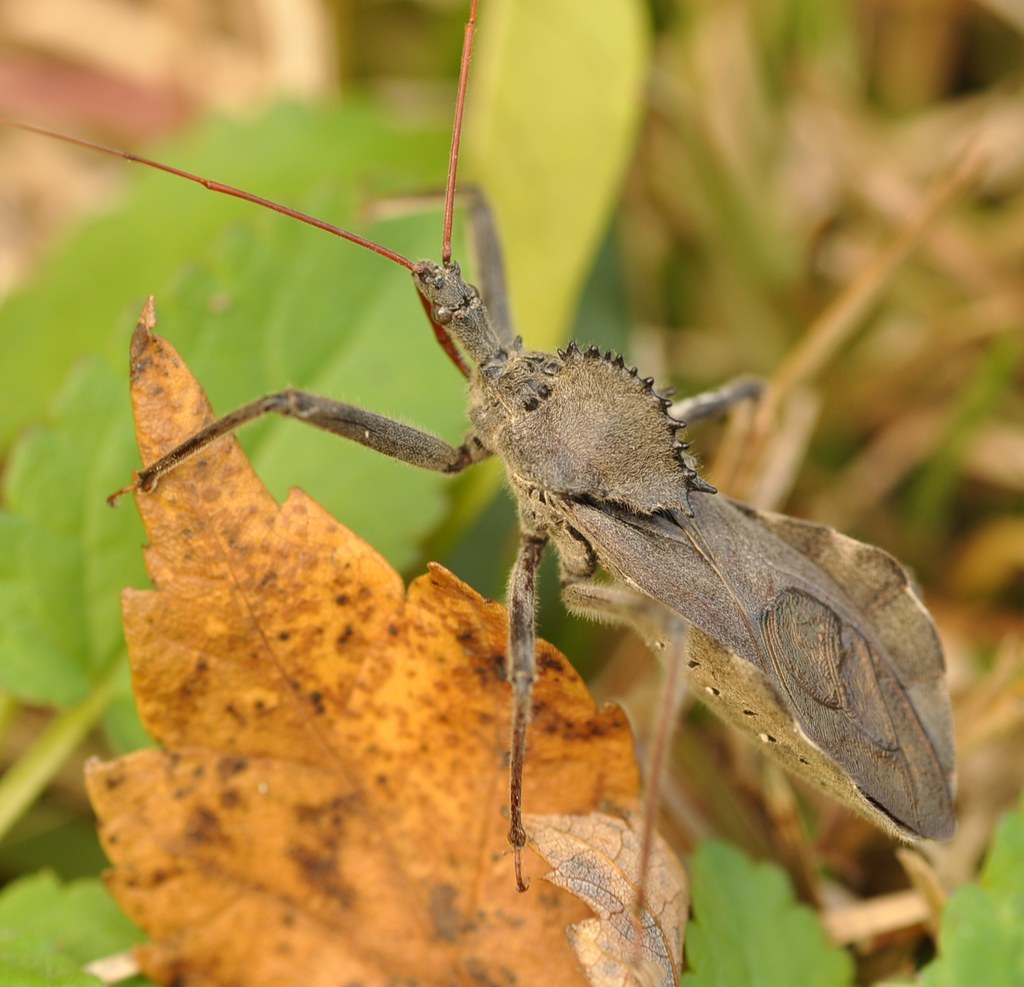
Despite their unsettling appearance, corpse-carrying assassin bugs play crucial roles in maintaining ecological balance. They help control populations of pest insects, often targeting species that damage crops or spread disease. In many ecosystems, these predators are key regulators of aphid, termite, and ant populations. Their unique hunting style and camouflage abilities allow them to access prey that other predators cannot reach, filling an important ecological niche. Some agricultural researchers have even proposed using certain assassin bug species as biological pest control agents, though the idea of releasing armies of corpse-wearing predators might be a tough sell to the general public. Their contribution to ecosystem health proves that sometimes nature’s most disturbing creations serve the most essential purposes.
Modern Research and Future Discoveries
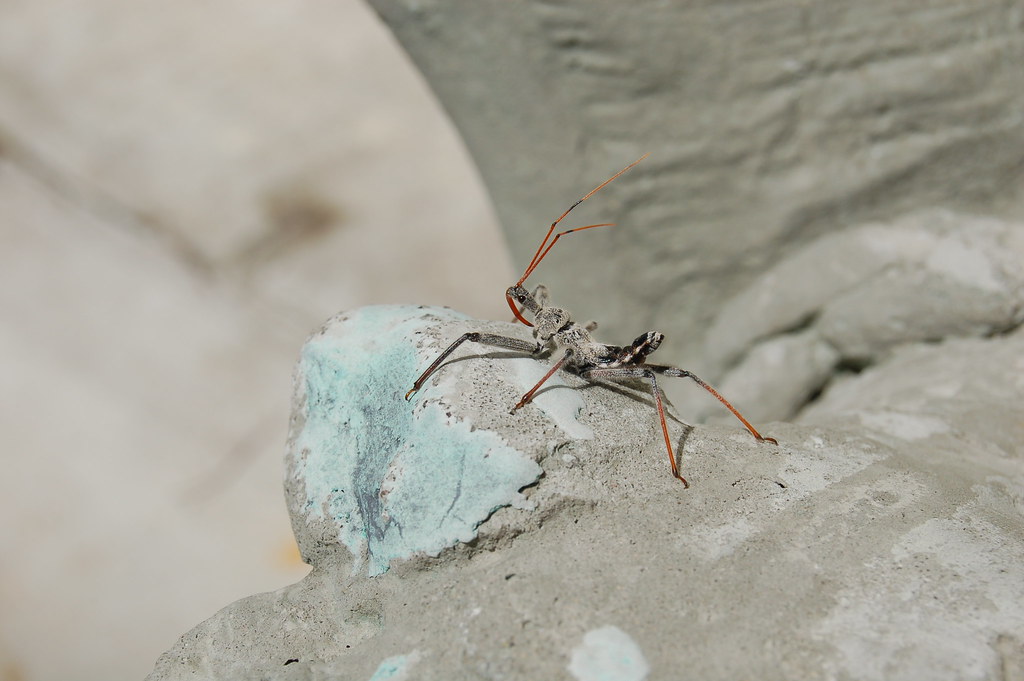
Contemporary scientists continue to uncover new aspects of assassin bug behavior, using advanced imaging and chemical analysis techniques to understand their strategies better. Recent studies have revealed that some species can actually modify the chemical composition of their corpse collections over time, refreshing their disguises as needed. Researchers are also investigating potential applications of assassin bug camouflage principles in military and robotics technology. The bugs’ ability to blend seamlessly into their environments while remaining mobile and effective has caught the attention of engineers developing stealth technologies. As research techniques improve, scientists expect to discover even more sophisticated behaviors among these remarkable predators. The study of these creatures continues to challenge our understanding of insect intelligence and evolutionary adaptation.
Conservation and Human Interaction
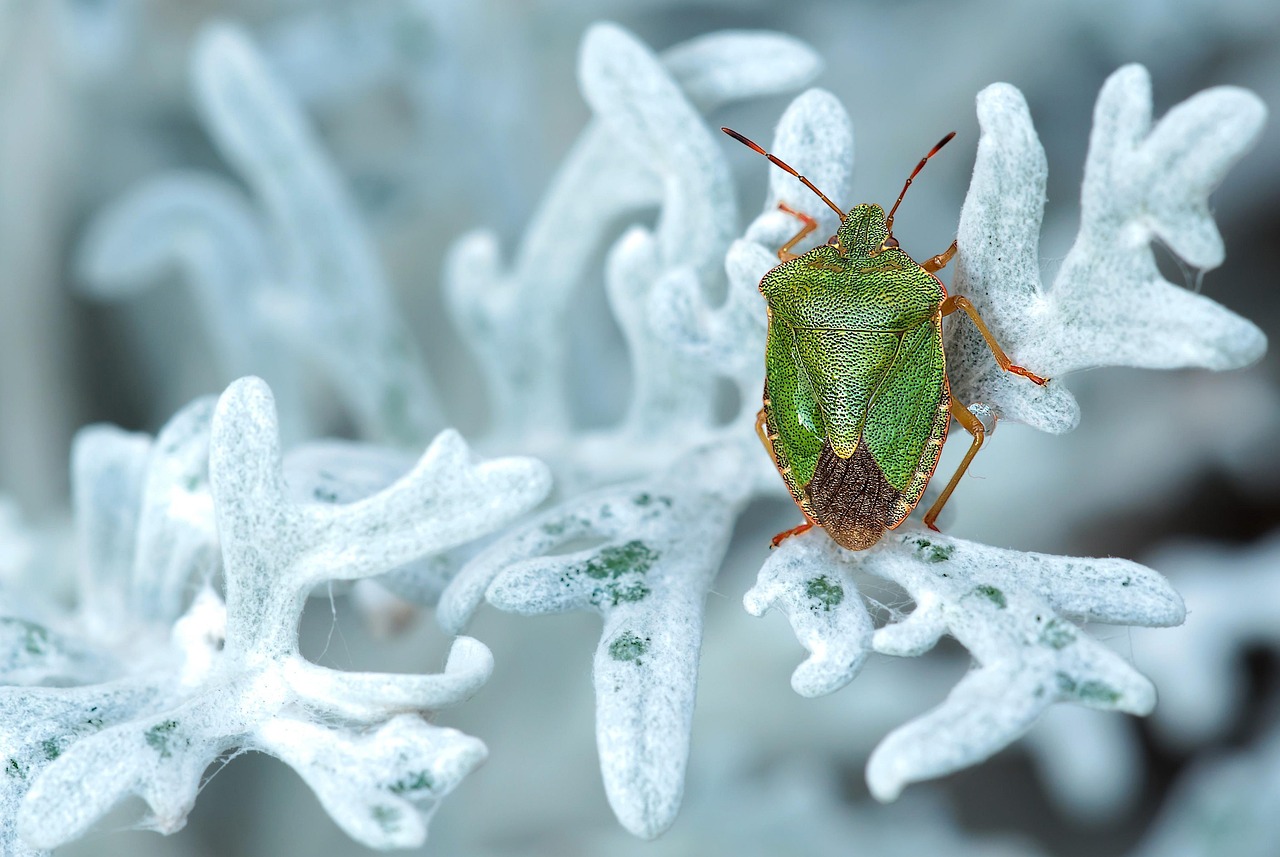
While most people’s first instinct upon meeting a corpse-carrying assassin bug might be to run away screaming, these creatures actually deserve our respect and protection. Many species face habitat loss due to urbanization and agricultural expansion, and their specialized hunting requirements make them particularly vulnerable to environmental changes. Climate change is also affecting the distribution and behavior of both assassin bugs and their prey species, potentially disrupting millions of years of evolutionary relationships. Some regions have seen dramatic declines in assassin bug populations, which can lead to explosive growth in pest insect numbers. Understanding and protecting these macabre predators is essential for maintaining healthy ecosystems. For most humans, the best approach is simply to appreciate these remarkable creatures from a respectful distance – they’re far more interested in hunting other insects than bothering people.
The world of corpse-carrying assassin bugs reveals nature’s incredible capacity for developing solutions that seem impossible until you witness them firsthand. These tiny predators have mastered the art of turning death into life, using their victims’ remains as tools for survival in ways that continue to astound scientists and nature enthusiasts alike. Their success across diverse environments and millions of years proves that sometimes the most effective strategies are also the most unexpected. What other secrets might be hiding in the microscopic battlefields all around us, waiting for curious minds to discover them?