

Picture this: you’re enjoying a peaceful afternoon on your porch when suddenly, hundreds of small, reddish-brown insects descend upon your home like tiny invaders. They’re not quite beetles, not quite true bugs, but something that seems oddly familiar yet completely foreign. Welcome to your first encounter with Arocatus melanocephalus, better known as the elm seed bug – nature’s equivalent to the zebra mussel’s invasive success story, but with wings and an attitude to match.
The Uninvited Guest That Changed Everything
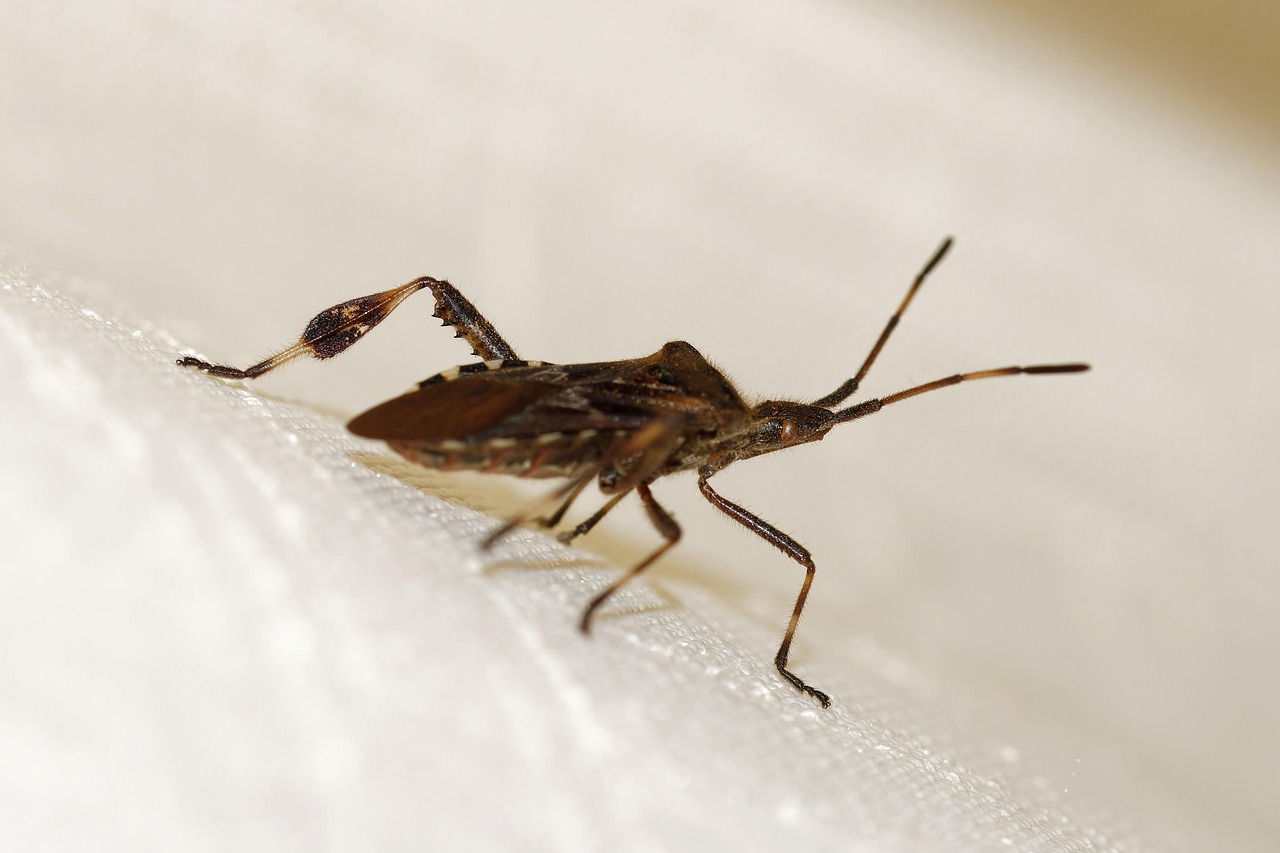
The elm seed bug didn’t knock before entering North America – it simply arrived and made itself at home. First detected in Italy in 1979, this European native has become one of the most remarkable invasion success stories of the insect world. What makes this tiny creature so fascinating isn’t just its ability to spread across continents, but how it mirrors the zebra mussel’s pattern of rapid colonization and ecosystem disruption. Like its aquatic counterpart, the elm seed bug discovered that new territories often lack the natural predators and competitors that kept it in check back home. The result? A population explosion that has left homeowners scratching their heads and scientists scrambling to understand its full impact.
A Master of Disguise in Plain Sight
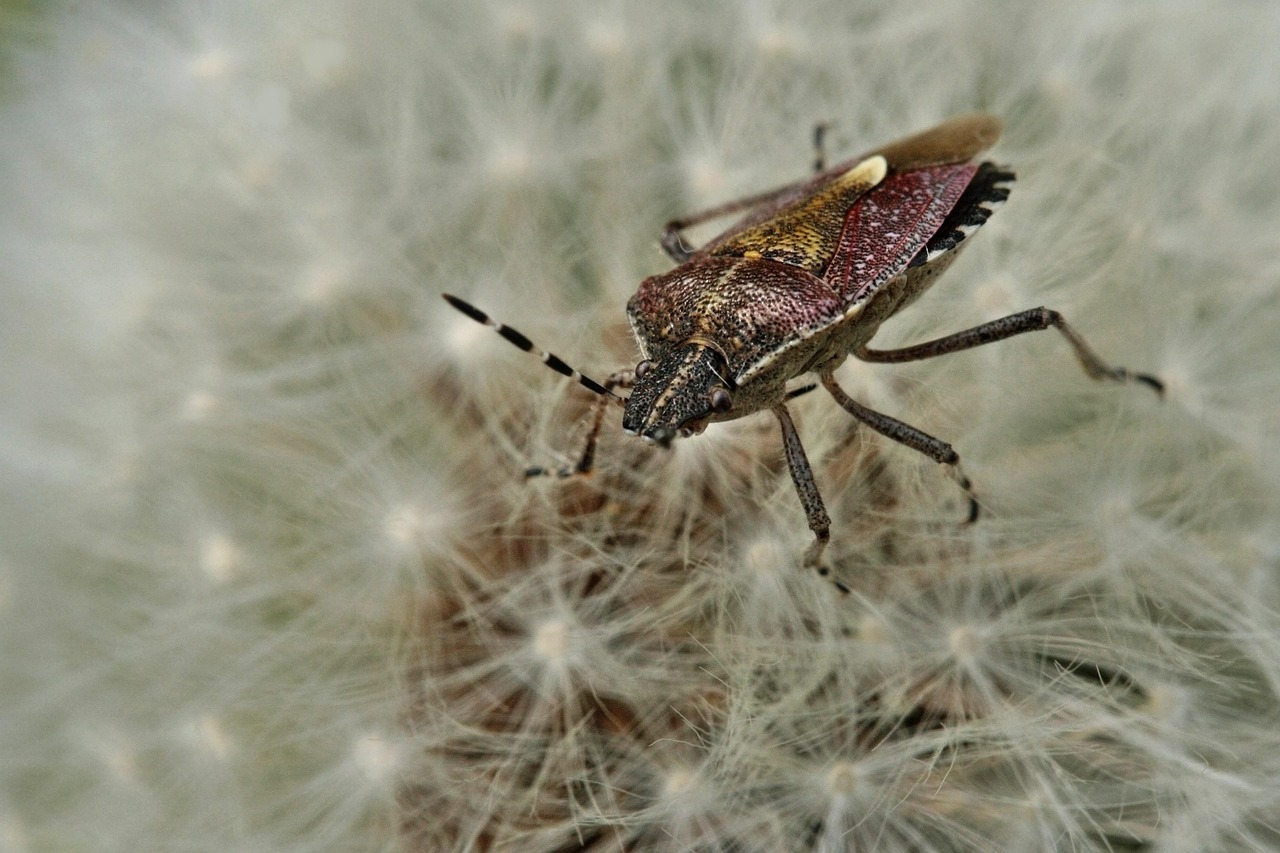
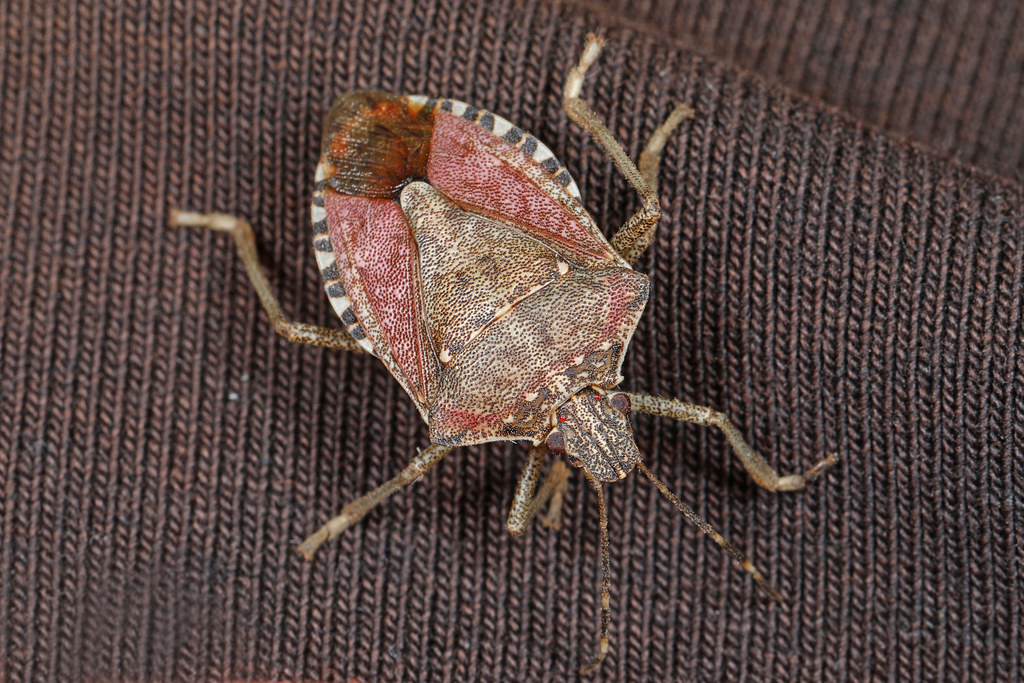
At first glance, you might mistake an elm seed bug for a small beetle or even a tick that’s learned to fly. These insects measure about 12 millimeters in length – roughly the size of a fingernail – with a distinctive reddish-brown coloration that helps them blend seamlessly with tree bark and fallen leaves. Their most striking feature is the contrasting black head that gives them their scientific name “melanocephalus,” literally meaning “black head.” Unlike many insects that sport flashy colors as warnings or mating displays, elm seed bugs have mastered the art of being unremarkable. This camouflage isn’t just for show – it’s a survival strategy that has served them well in both their native European forests and their adopted North American neighborhoods.
The Great Journey Across the Atlantic
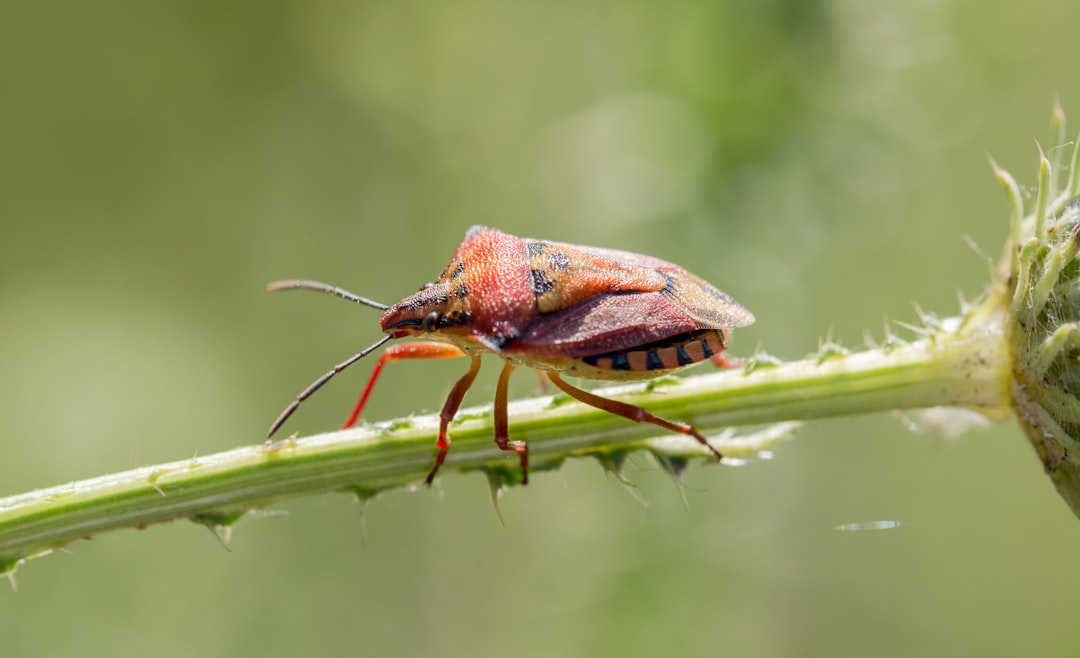
Nobody knows exactly how the first elm seed bugs made their transatlantic voyage, but scientists suspect they hitched a ride on cargo ships or in plant materials sometime in the late 20th century. The first confirmed North American sighting occurred in Idaho in 2012, though they likely arrived years earlier and went unnoticed among the region’s diverse insect population. What happened next reads like a biological thriller – within just a few years, these insects had spread across multiple states and into Canada. Their expansion rate puts even the most aggressive invasive species to shame, covering thousands of miles in less than a decade. This rapid spread demonstrates something remarkable about modern global connectivity: a tiny insect from Europe can reshape North American ecosystems faster than we can track their movement.
Elm Trees: The Ultimate All-You-Can-Eat Buffet
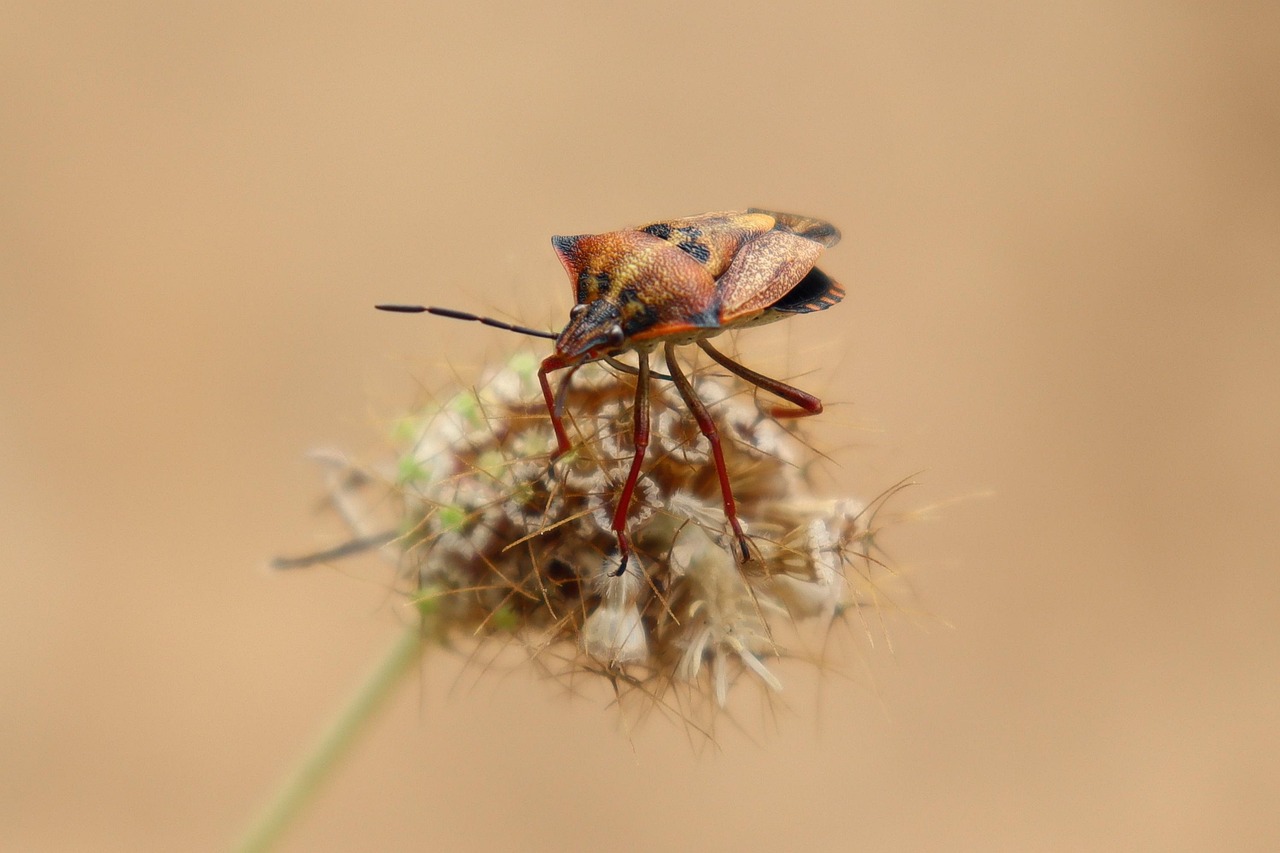
If elm seed bugs could write restaurant reviews, North American elm trees would receive five stars across the board. These insects have discovered what amounts to an endless buffet in urban and suburban landscapes where elm trees line streets and fill parks. They feed primarily on elm seeds, using their needle-like mouthparts to pierce the seed coats and extract the nutrient-rich contents inside. What makes this relationship particularly interesting is how elm seed bugs have essentially turned our cities into their personal dining rooms. Unlike their European homeland where elm populations are more scattered and diverse, North American urban planning has created continuous corridors of their favorite food source. It’s as if someone designed the perfect highway system for a traveling food critic who only eats at one type of restaurant.
The Art of Seasonal Survival
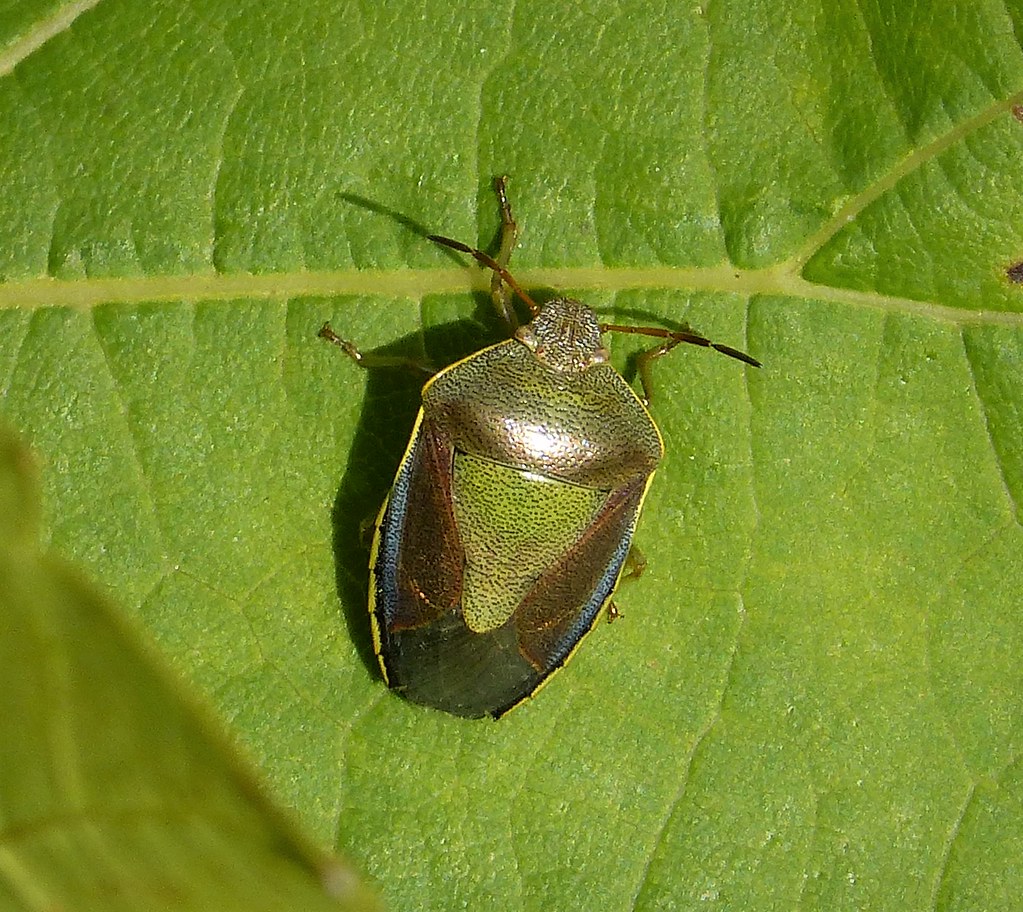
Elm seed bugs have perfected a survival strategy that would make any outdoor enthusiast jealous – they know exactly when to hunker down and when to venture out. During spring and early summer, they’re busy feeding and reproducing on elm trees, largely invisible to human residents. But as temperatures drop in late summer and fall, something remarkable happens: they begin their search for winter shelter, and that’s when they become impossible to ignore. These insects practice what scientists call “overwintering aggregation,” gathering in massive groups in protected spaces like house siding, attics, and even inside walls. Think of it as nature’s version of a timeshare arrangement, except hundreds of uninvited guests show up at once and decide to stay until spring.
When Bugs Become Breaking News
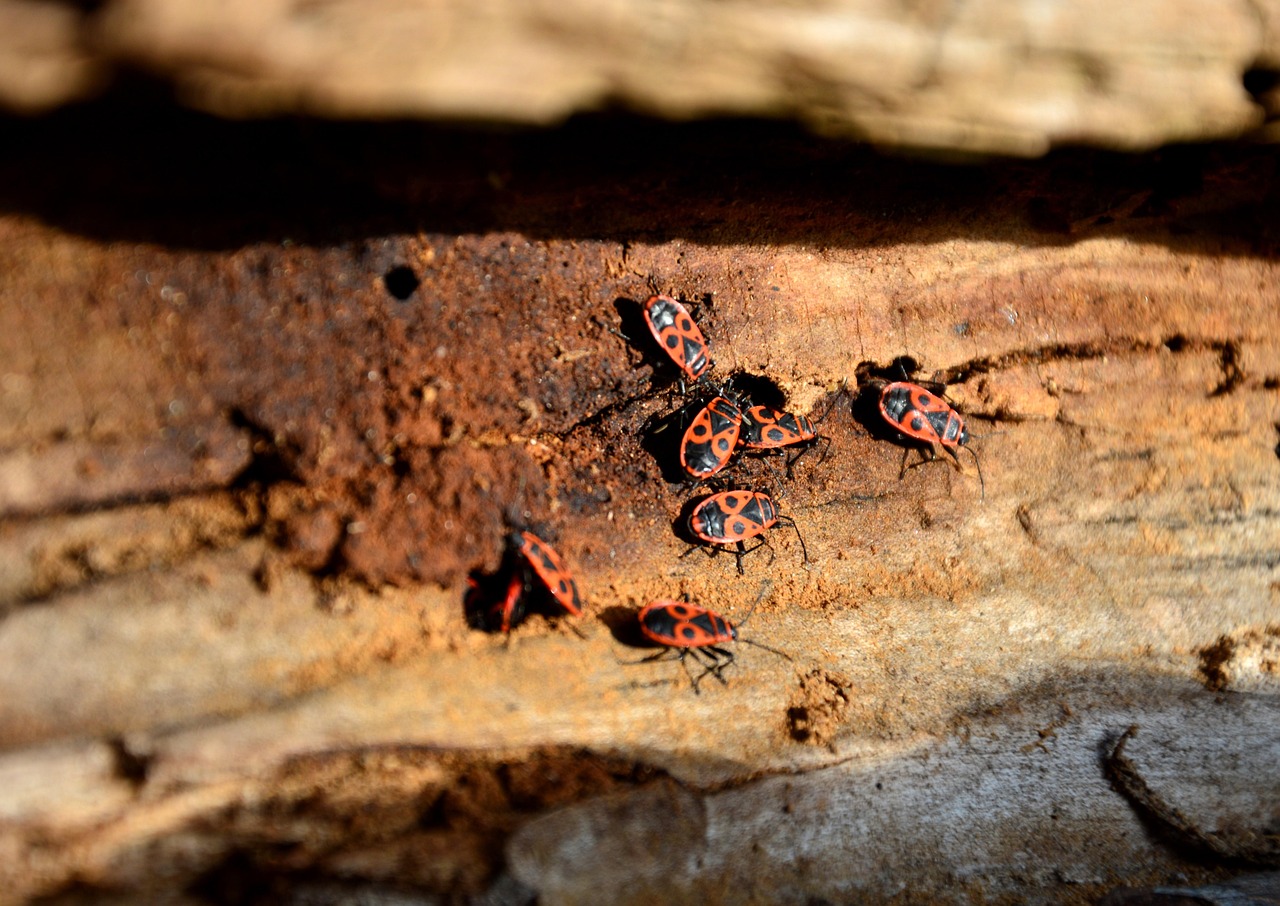
The elm seed bug’s rise to fame wasn’t gradual – it was explosive. One day, most North Americans had never heard of Arocatus melanocephalus, and the next, local news stations were fielding calls from panicked homeowners dealing with what looked like biblical swarms. Social media lit up with photos of house siding completely covered in these insects, with residents sharing stories that sounded more like science fiction than suburban reality. The sudden visibility of elm seed bugs created a perfect storm of confusion, with many people initially mistaking them for stink bugs, boxelder bugs, or even bed bugs. This mass media attention transformed an obscure European insect into a household name virtually overnight, proving that in our connected world, even bugs can go viral.
The Home Invasion Chronicles
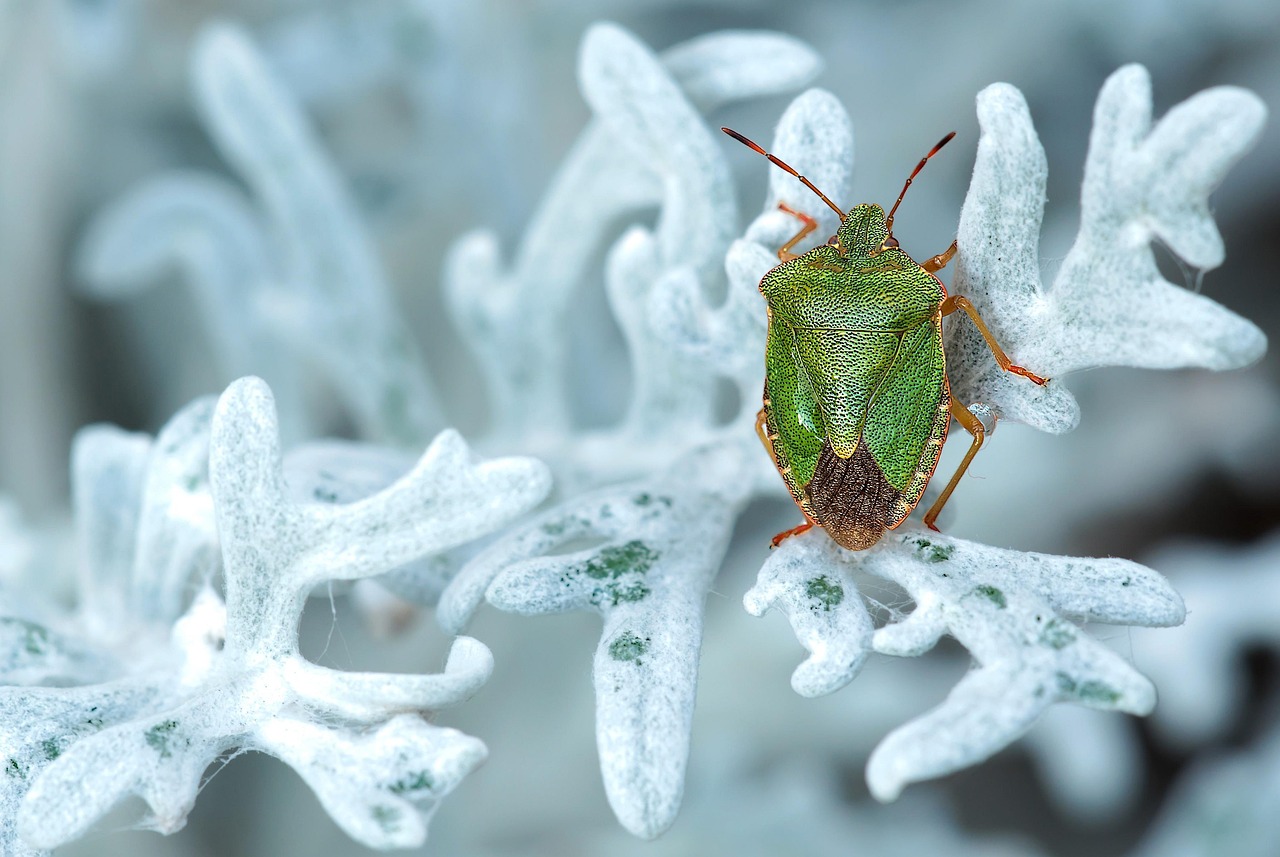
What sets elm seed bugs apart from many other invasive insects is their brazen approach to human habitation – they don’t just live near our homes, they move right in. Unlike ants that stay mostly outside or flies that visit briefly, elm seed bugs treat human structures as extended seasonal housing. They squeeze through the tiniest cracks in siding, slip under door frames, and find entry points that homeowners never knew existed. Once inside, they don’t cause structural damage like termites or contaminate food like pantry pests – they simply exist in large numbers, creating what pest control experts call a “nuisance infestation.” It’s like having hundreds of quiet, harmless roommates who didn’t ask permission to move in and have no intention of paying rent.
The Ecosystem Ripple Effect
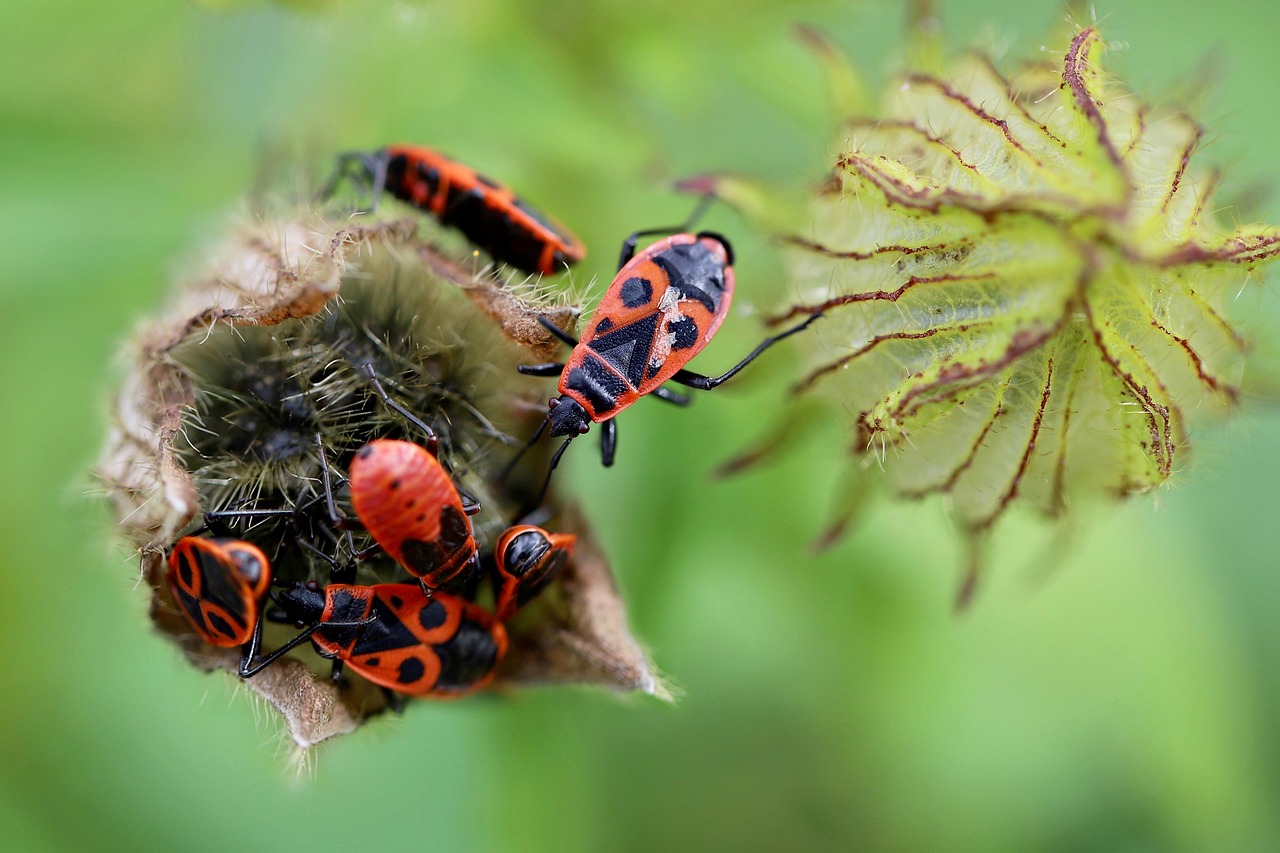
Every invasive species creates ripples in its new ecosystem, and elm seed bugs are no exception. While they might seem harmless compared to species that destroy crops or forests, their presence has subtle but significant effects on local food webs. Native birds that typically feed on tree-dwelling insects now have access to a new, abundant food source, potentially shifting their foraging behaviors and population dynamics. Native insects that compete for similar resources may find themselves outcompeted by these efficient European immigrants. Scientists are still studying these ecosystem changes, but early observations suggest that elm seed bugs may be altering the delicate balance of urban forest communities in ways we’re only beginning to understand. The full impact of their invasion may not be apparent for decades.
Chemical Warfare: The Stink Bug Connection
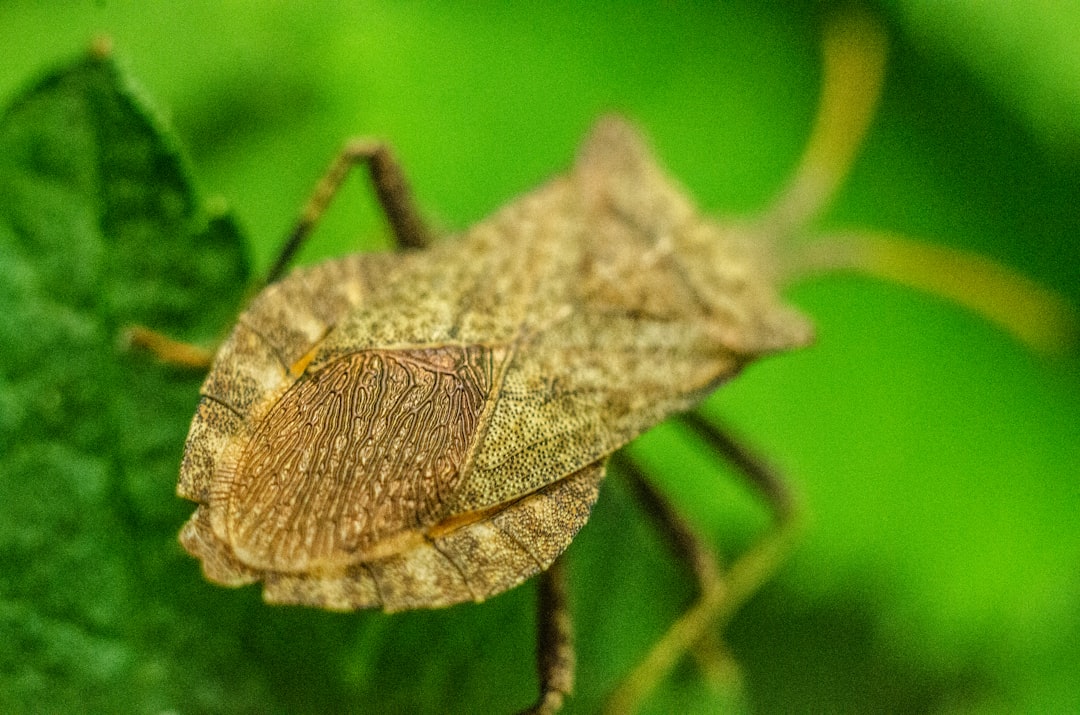
One of the most surprising aspects of elm seed bug biology is their defensive arsenal – when threatened or crushed, they release a distinctive odor that homeowners often describe as musty, sweet, or reminiscent of bitter almonds. This chemical defense mechanism puts them in the same category as stink bugs, though they’re not closely related. The odor comes from compounds called aldehydes, which serve as both a deterrent to predators and a warning signal to other elm seed bugs. This smelly strategy has backfired somewhat in their new North American homes, where the scent often alerts homeowners to their presence and triggers intensive removal efforts. It’s a classic example of how a successful survival strategy in one environment can become a liability in another.
Reproduction: The Numbers Game
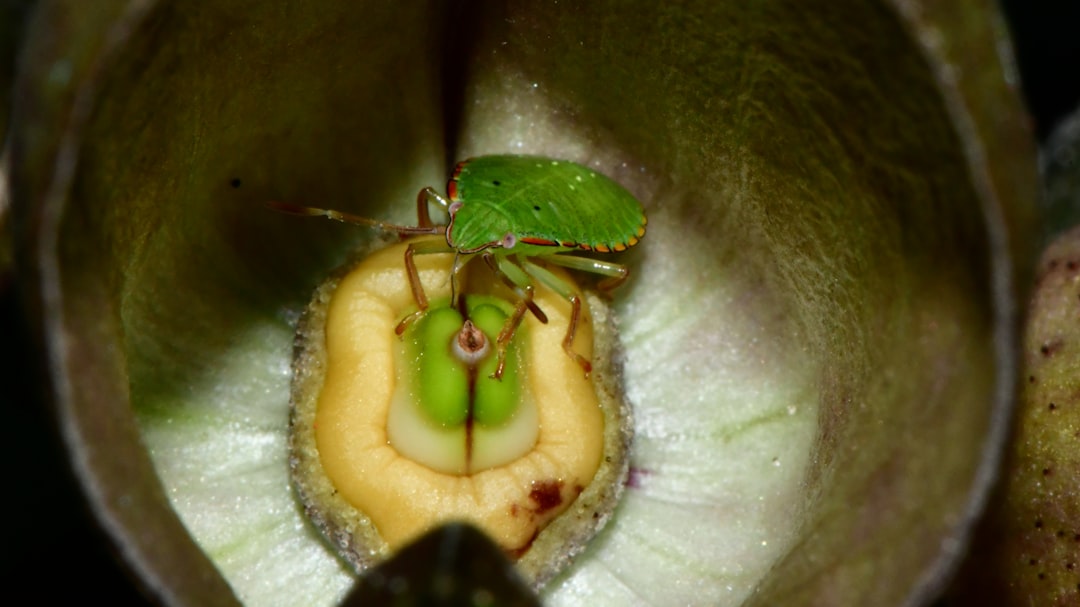
Elm seed bugs approach reproduction with the efficiency of a well-oiled machine, producing multiple generations per year when conditions are favorable. Females lay their eggs in clusters on elm bark or in leaf litter, and the developing nymphs go through five growth stages before reaching adulthood. What makes their reproductive success particularly impressive is their ability to synchronize with elm seed production – they time their life cycle to take maximum advantage of their food source. In years when elm trees produce bumper crops of seeds, elm seed bug populations can explode exponentially. This boom-and-bust cycle means that some years bring massive infestations while others see relatively few individuals, creating an unpredictable pattern that keeps both scientists and homeowners guessing.
Predators: Who’s Eating Whom?
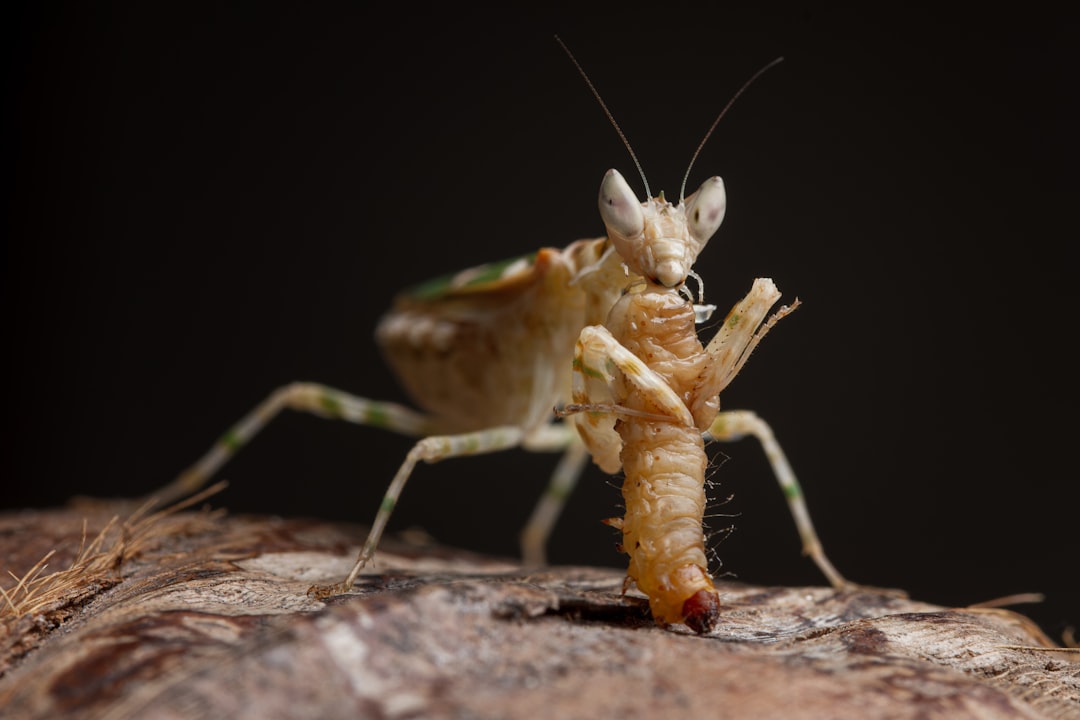
In their European homeland, elm seed bugs face a gauntlet of natural enemies including spiders, birds, parasitic wasps, and fungal pathogens that help keep their populations in check. However, their North American adventure has been like entering a game where half the opposing team didn’t show up. Many of their natural predators simply don’t exist in North America, while native predators are still learning to recognize them as food. Some birds, particularly chickadees and nuthatches, have begun incorporating elm seed bugs into their diets, but not enough to significantly impact population levels. This predator-prey imbalance is a classic feature of biological invasions – it’s like being the new kid in school where nobody knows your weaknesses yet, giving you a temporary but significant advantage.
Climate Change: The Perfect Storm
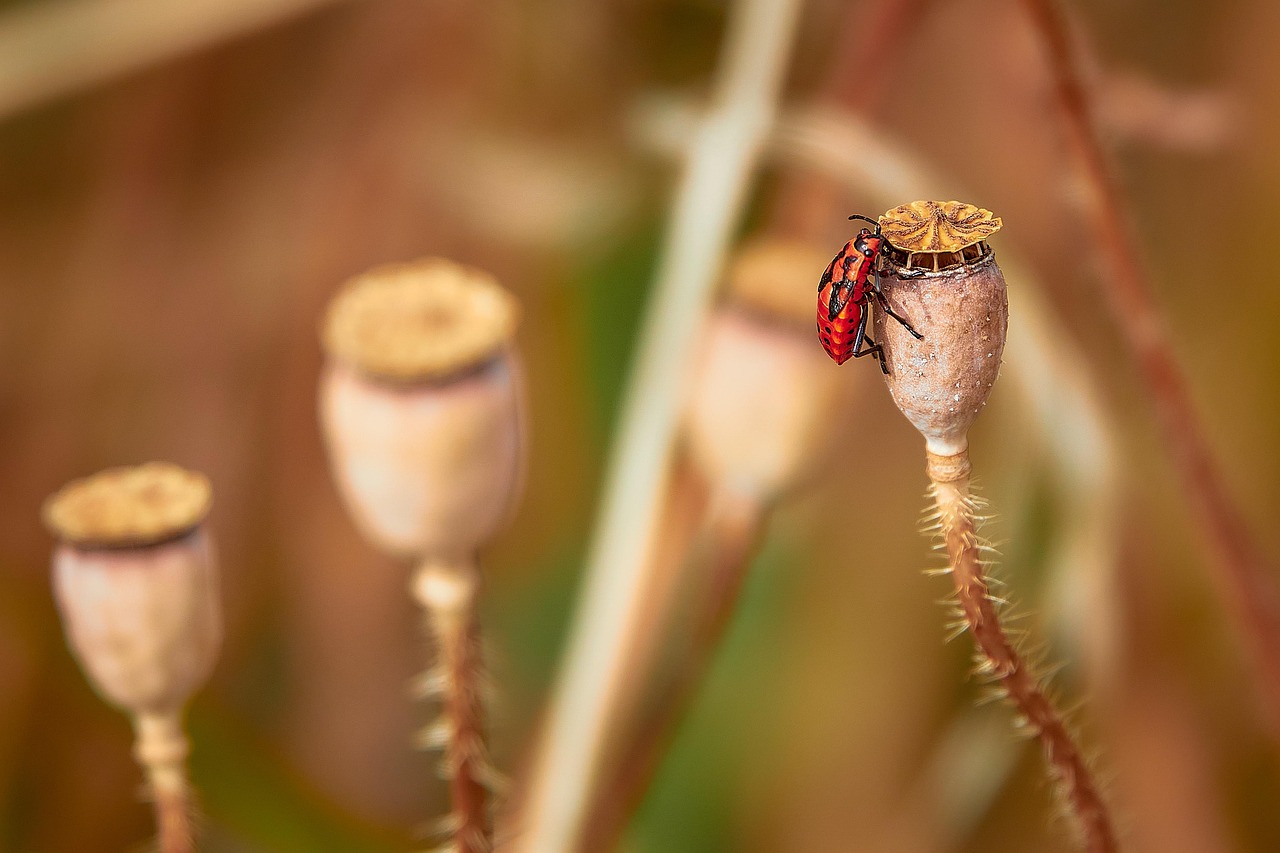
The elm seed bug invasion coincides with a period of rapid climate change, and these two factors may be amplifying each other in unexpected ways. Warmer temperatures allow elm seed bugs to complete more generations per year and expand their range into previously unsuitable regions. Changing precipitation patterns affect elm seed production, which directly impacts bug population dynamics. Meanwhile, extreme weather events can trigger mass migrations as insects seek more suitable habitats. Climate scientists predict that as temperatures continue to rise, elm seed bugs may push further north and to higher elevations, potentially colonizing areas that were previously too cold for their survival. It’s a real-time example of how human-caused environmental changes can accelerate biological invasions.
Management: Fighting the Unfightable
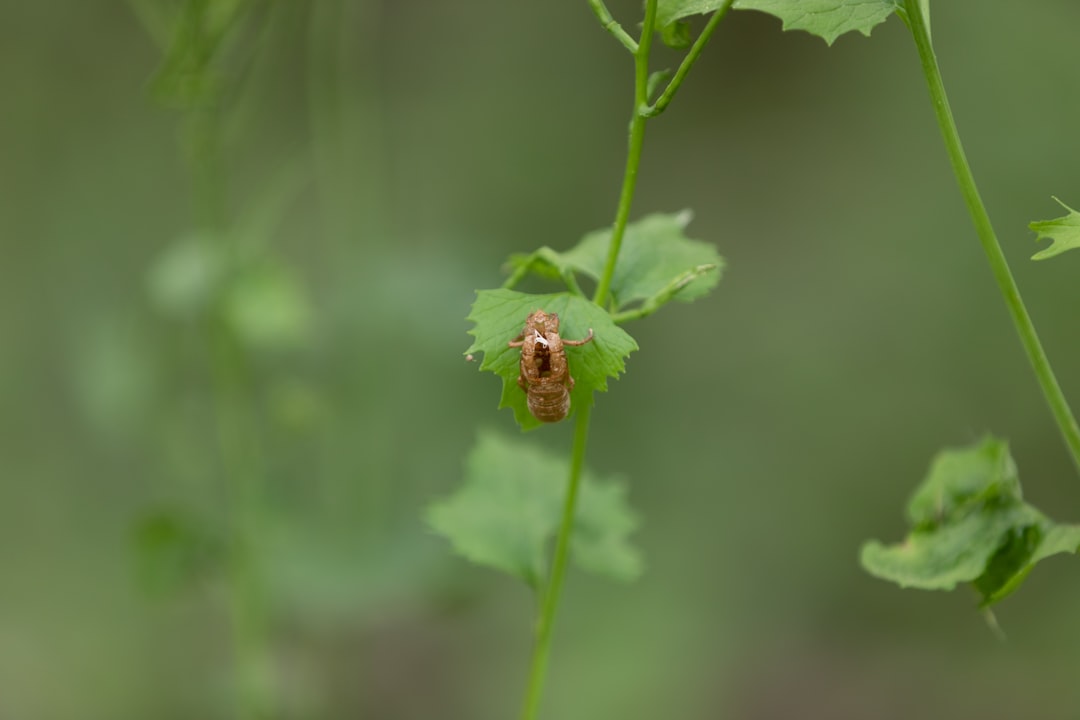
Controlling elm seed bugs presents unique challenges that have left pest management professionals scratching their heads. Traditional insecticide approaches often prove ineffective because these bugs spend most of their time high in tree canopies where spraying is impractical and environmentally problematic. Physical exclusion – sealing cracks and gaps in homes – provides some relief but requires constant vigilance as these insects are remarkably good at finding new entry points. Some homeowners have reported success with vacuuming, though this becomes tedious when dealing with hundreds or thousands of individuals. The most promising long-term solutions may come from biological control – introducing natural enemies from their European homeland – but this process takes years of research to ensure safety. For now, most management strategies focus on tolerance and temporary reduction rather than elimination.
Scientific Research: Unlocking the Mystery

The sudden appearance and rapid spread of elm seed bugs across North America has created an unexpected research opportunity for entomologists and invasion biologists. Universities across the affected regions have launched studies to understand everything from their genetic diversity to their ecological impacts. Researchers are using cutting-edge techniques like DNA analysis to trace the invasion pathways and determine whether North American populations originated from single or multiple introductions. Citizen science projects have emerged where homeowners contribute data about bug sightings and abundance, creating vast datasets that would be impossible for professional scientists to collect alone. This research rush demonstrates how invasive species often drive scientific innovation, forcing researchers to develop new methods and ask questions they never considered before.
The Bigger Picture: Lessons from a Small Bug
The elm seed bug invasion offers profound insights into how our interconnected world facilitates biological invasions at an unprecedented scale. Their story illustrates how modern transportation networks can move species across continents in mere decades, how urban planning creates novel ecosystems that favor certain invaders, and how climate change may be accelerating these processes. Perhaps most importantly, elm seed bugs demonstrate that even small, seemingly harmless species can have cascading effects on their new environments. Their invasion serves as a wake-up call about the hidden costs of globalization and the importance of early detection systems for preventing future invasions. In a world where international trade and travel continue to expand, the elm seed bug may be just the beginning of a new wave of unexpected ecological immigrants.
The elm seed bug’s remarkable journey from European obscurity to North American notoriety reads like a masterclass in biological invasion. These tiny insects have rewritten the rules of what it means to be an invasive species, proving that success doesn’t always require size, aggression, or obvious ecological impact. Their ability to exploit urban elm forests, survive North American winters, and reproduce at explosive rates has earned them a permanent place in the continent’s ecological story. As climate change continues to reshape habitats and global trade moves species around the planet at unprecedented rates, the elm seed bug invasion offers both a warning and a window into our biological future. What other small, seemingly insignificant species are already among us, waiting for the right conditions to reveal their invasive potential?